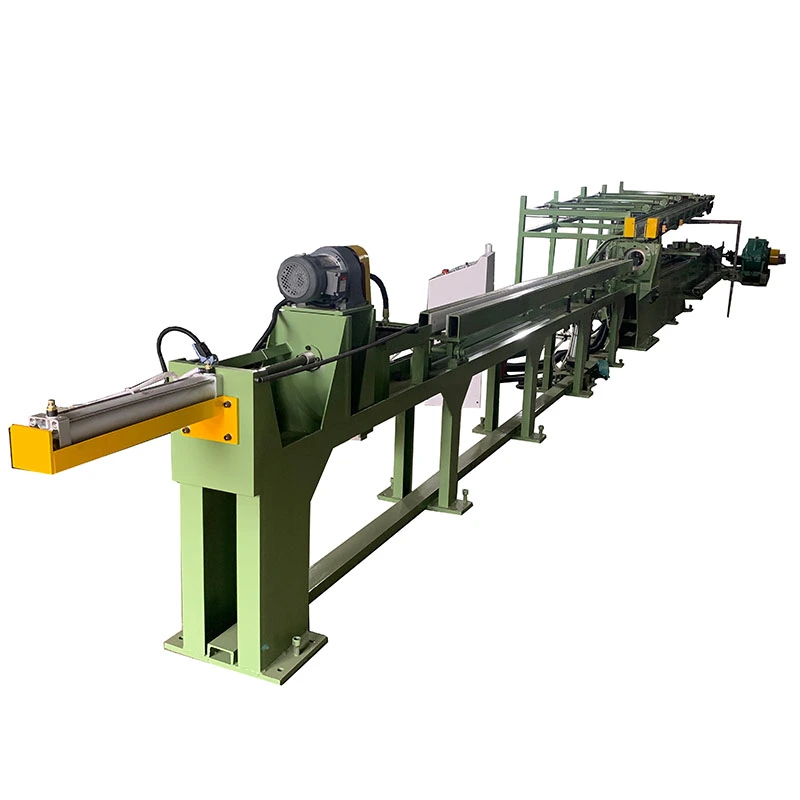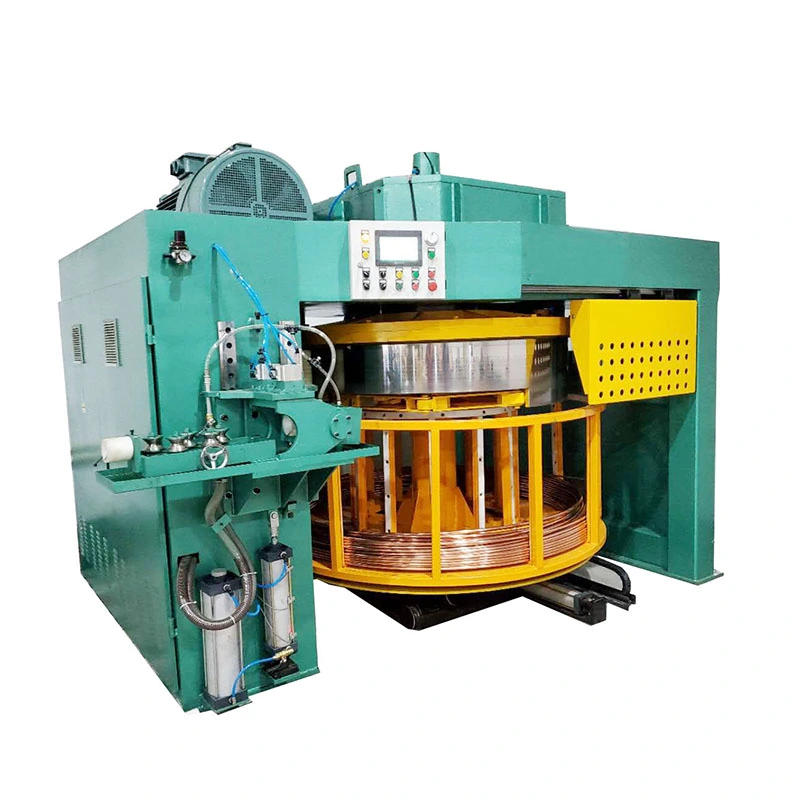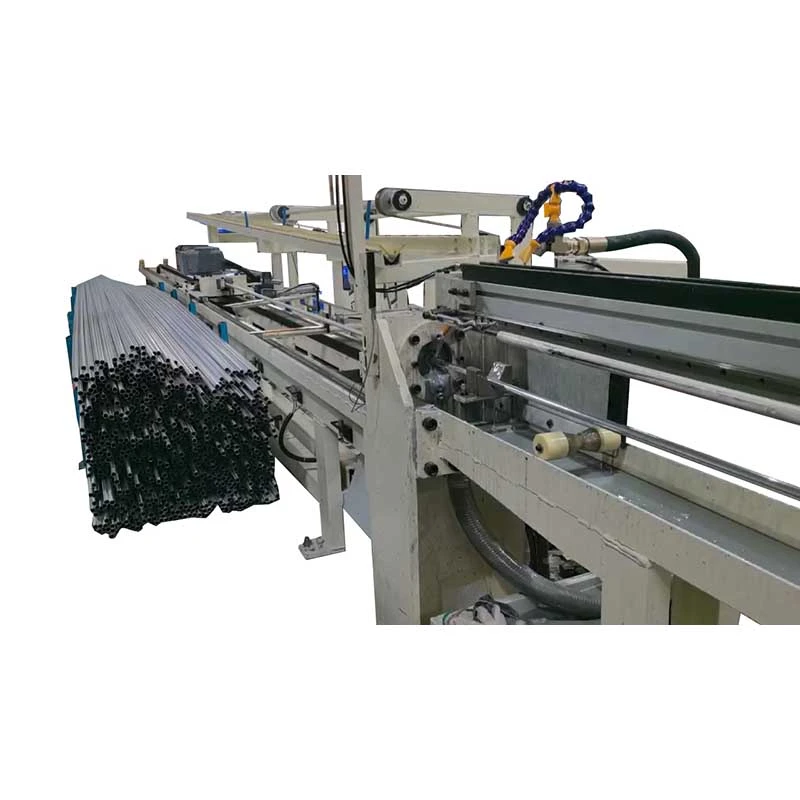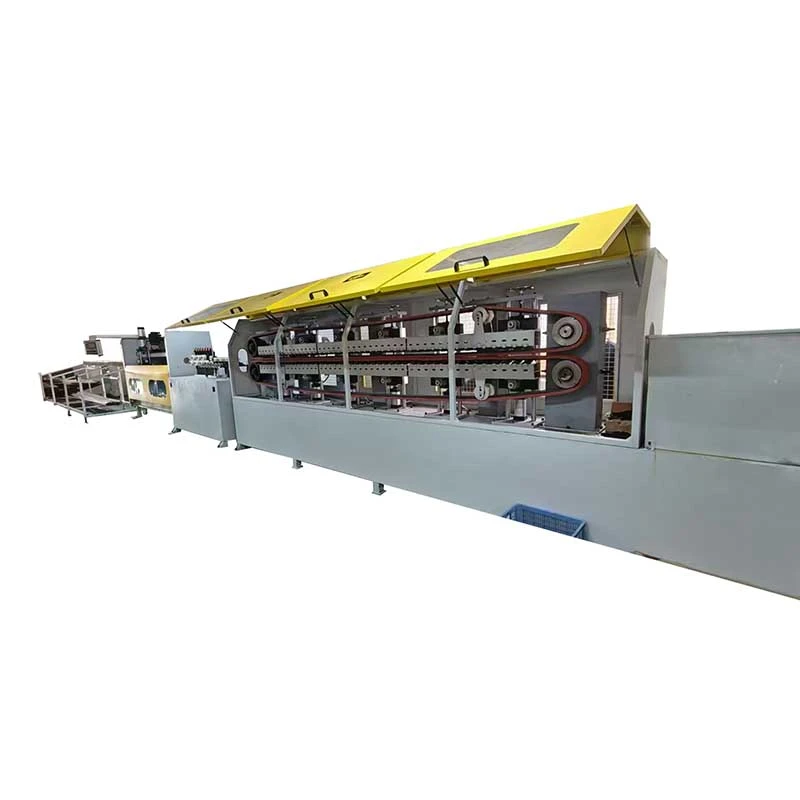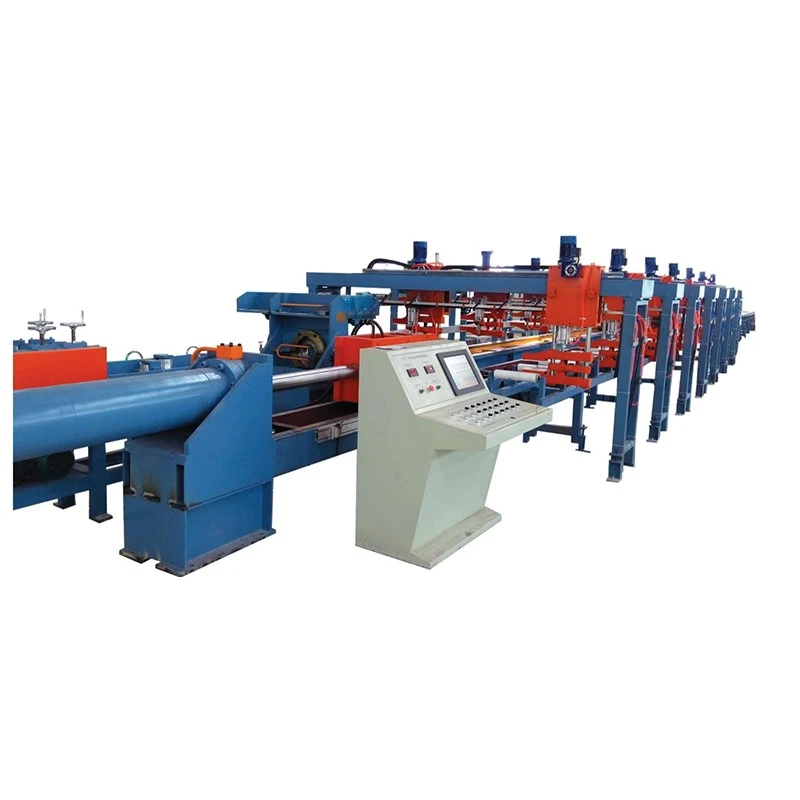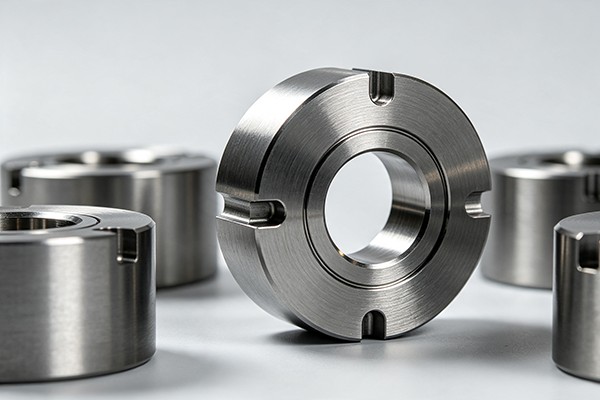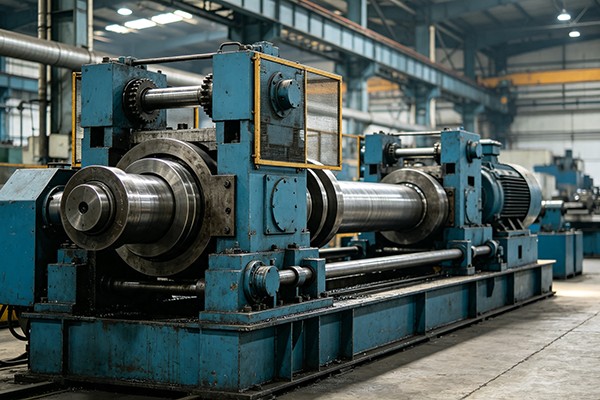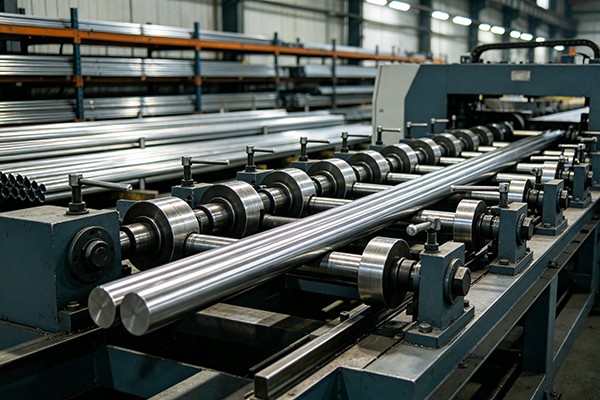

We offer a comprehensive range of precision metal processing equipment, including straightening, cold drawing, pointing, chamfering, cutting, thread rolling machines, and drawing dies, tailored for tube, bar, and wire materials across diverse industries.
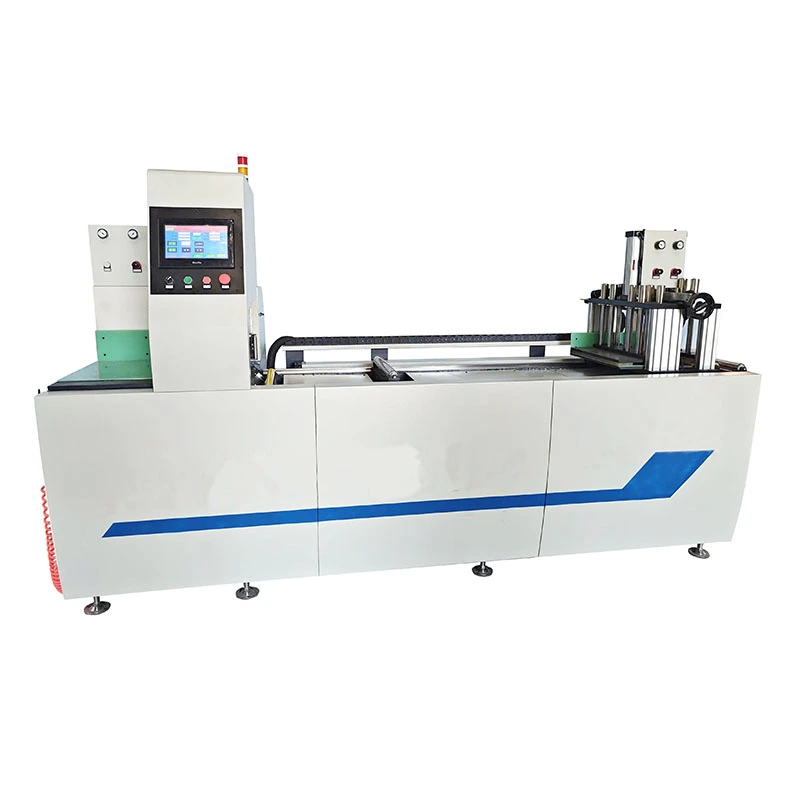
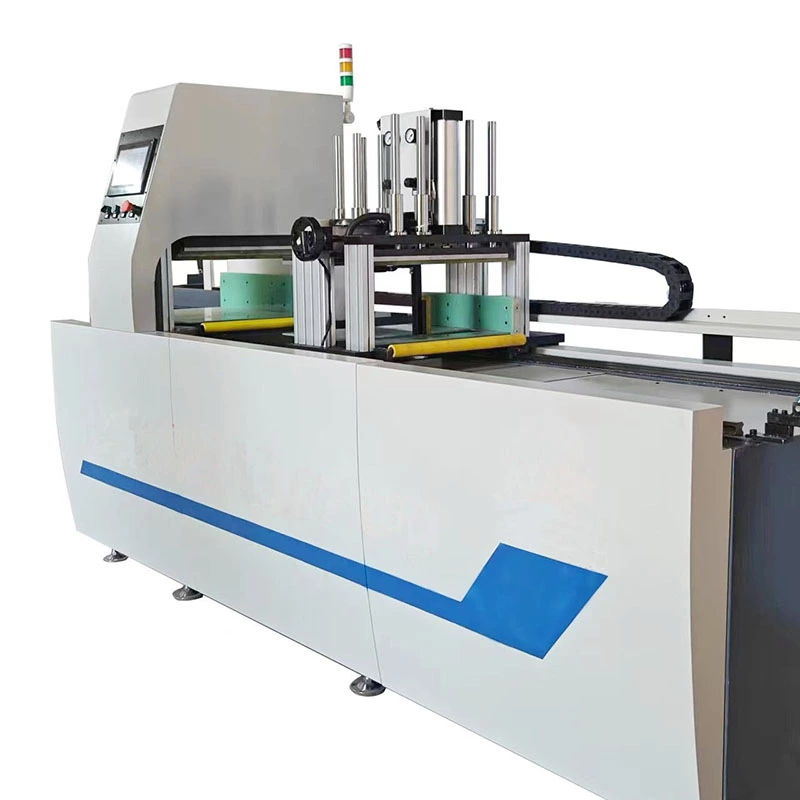
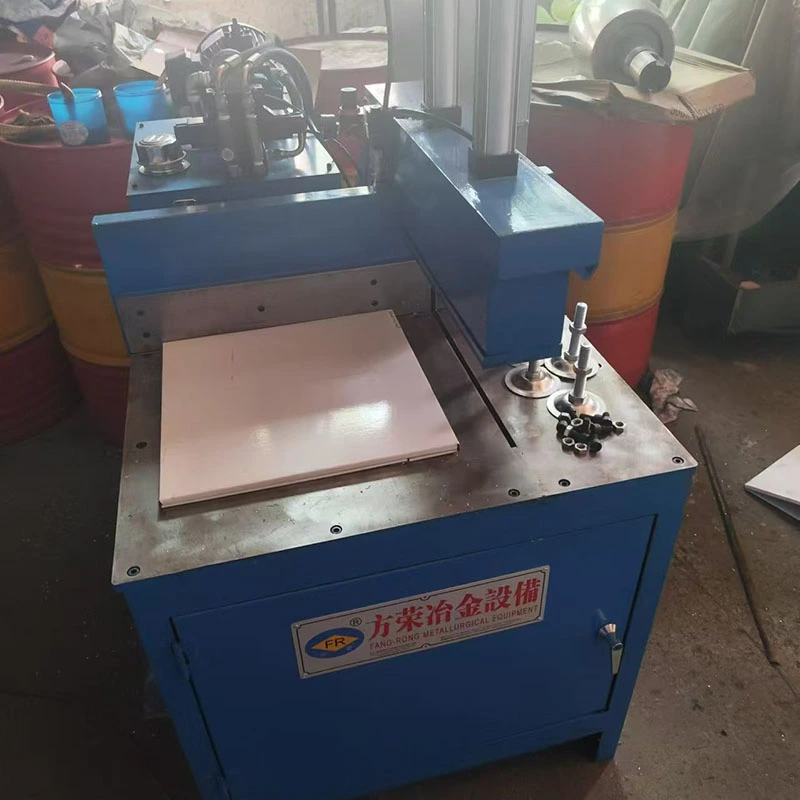
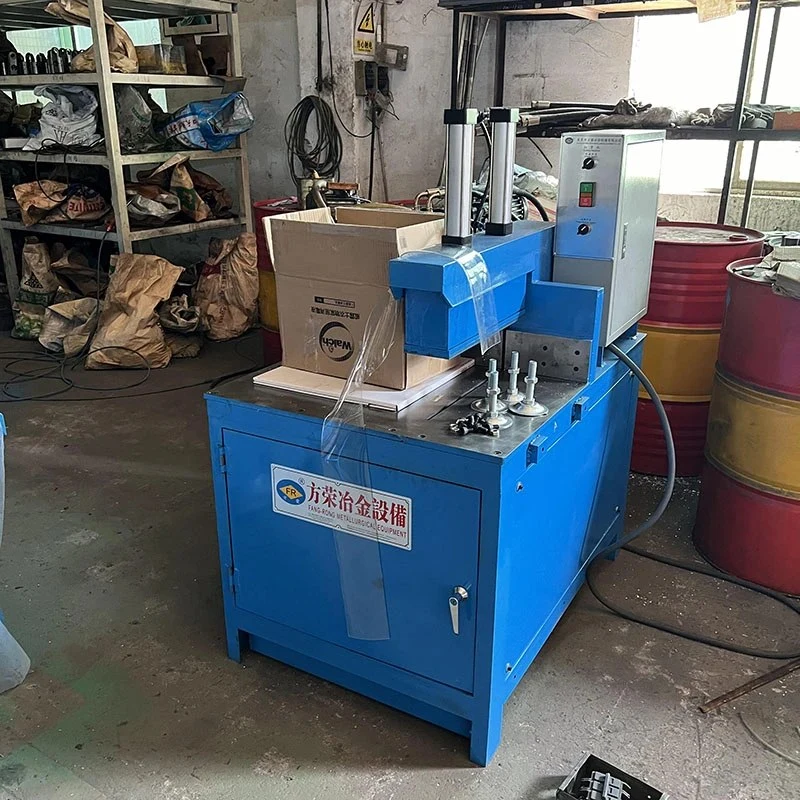
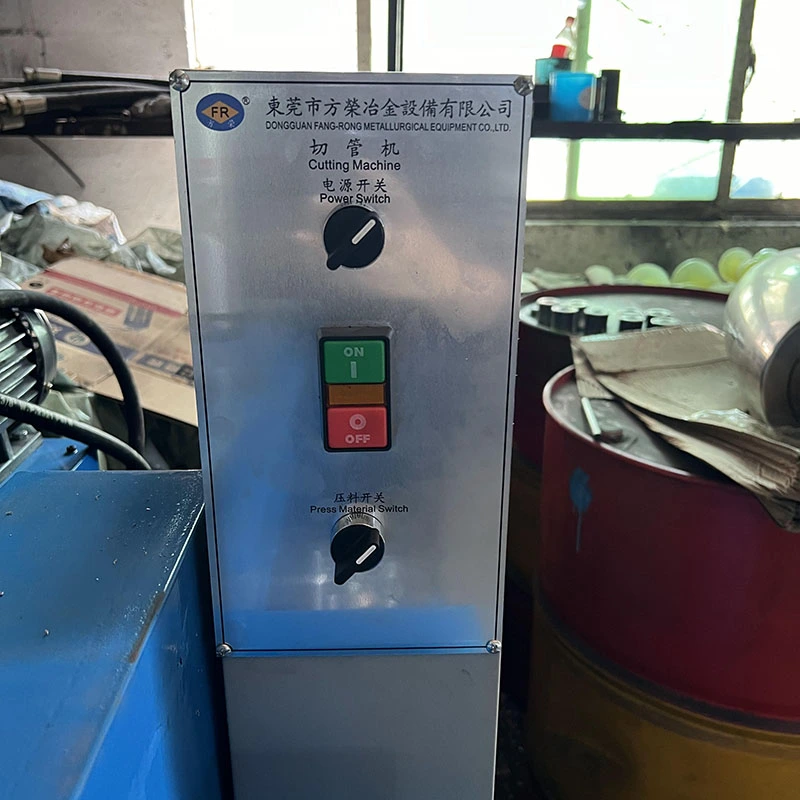
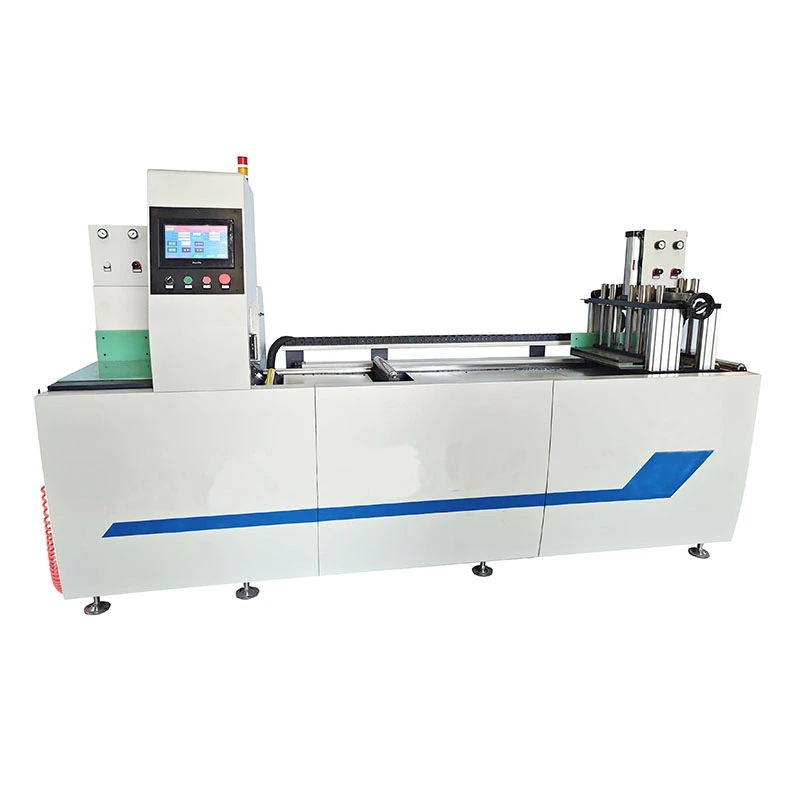
The Automatic Cutting Machine is built for manufacturers that need to turn continuous or long-length metal tubes, bars and profiles into repeatable finished lengths. It can be used with carbon steel, stainless steel, aluminum, copper, brass and other metal materials, depending on the machine configuration and cutting requirements.
For production lines handling the same specifications repeatedly, the main advantage is process consistency. The operator sets the required cutting length, while feeding, positioning, clamping and cutting are completed in a controlled sequence. This reduces repeated measuring and manual positioning that can slow down batch production.
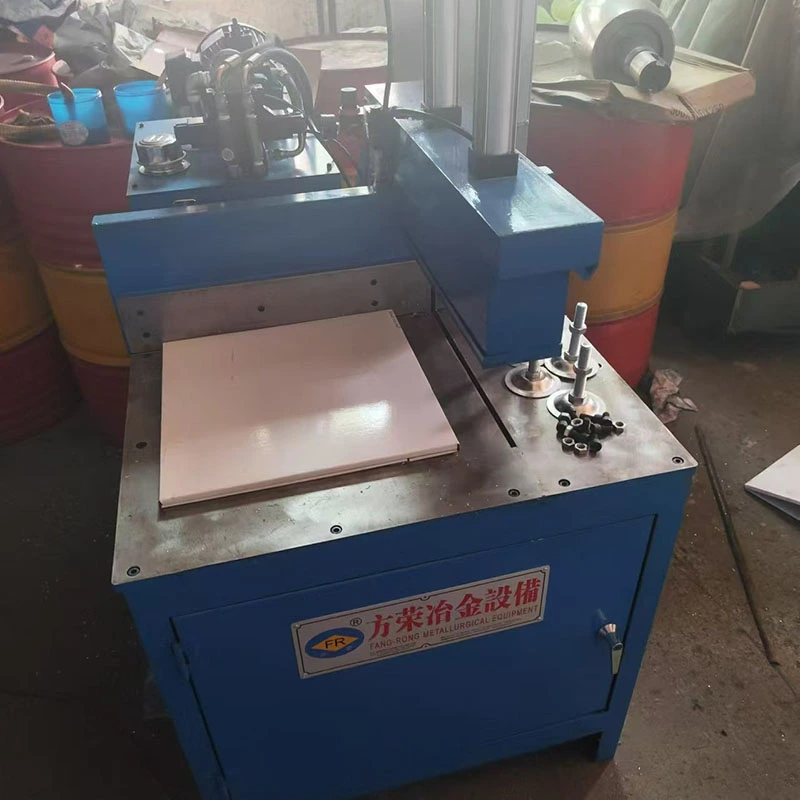
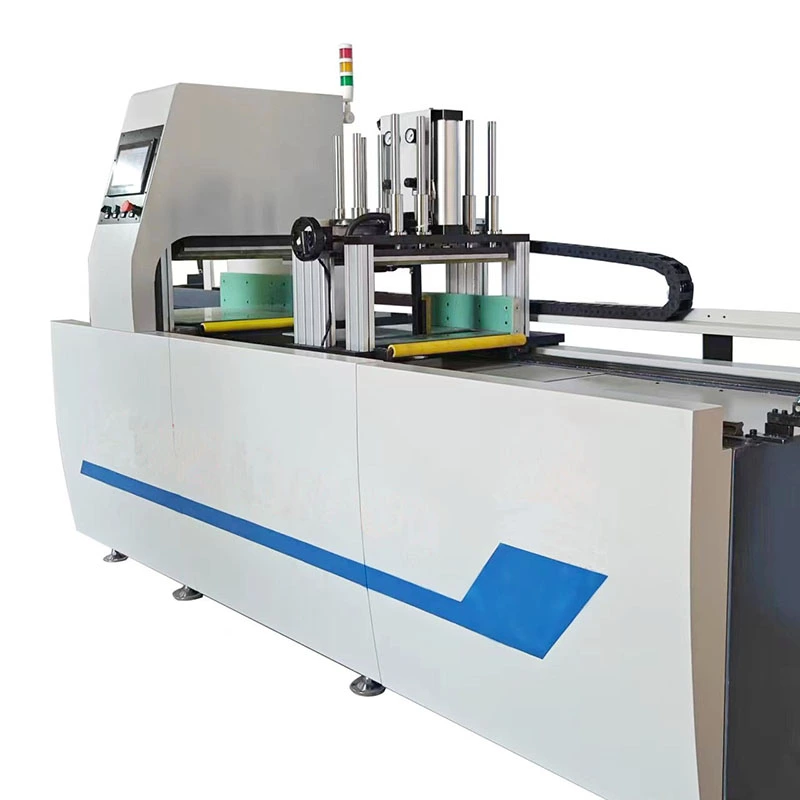
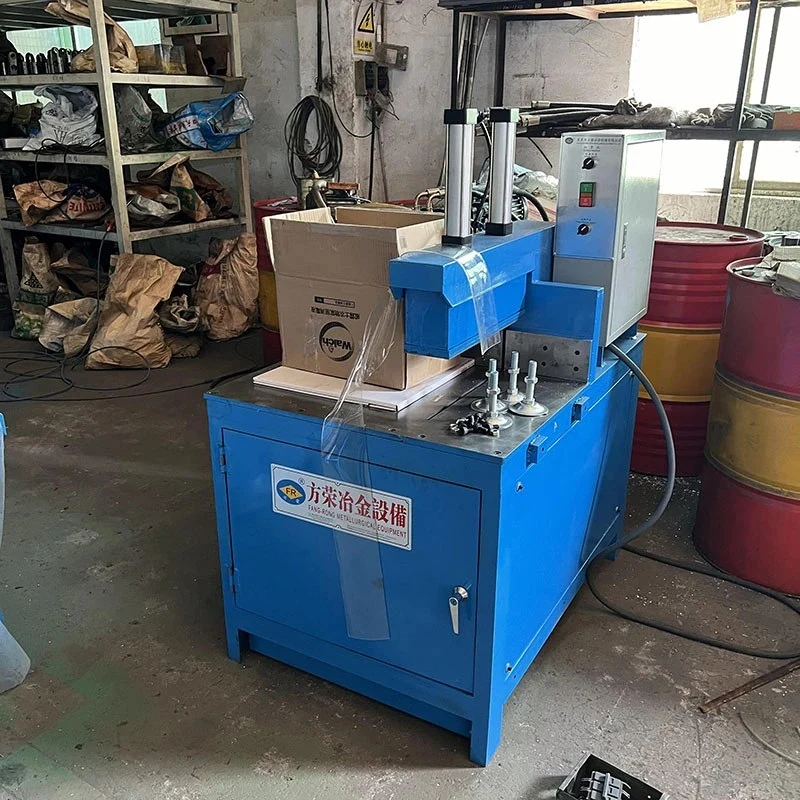
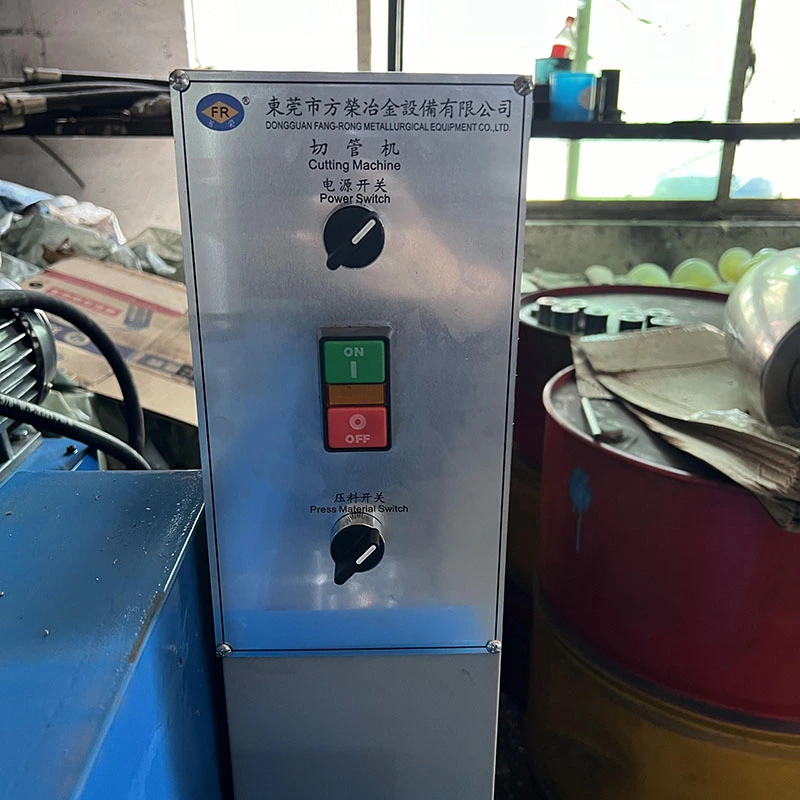
Not every metal cutting job requires automation. For prototypes, maintenance work or occasional one-off parts, manual or semi-automatic equipment may be sufficient. The situation changes when the same tube or bar must be cut into hundreds or thousands of pieces with the same target length.
Repeated manual measurement creates additional handling time and makes operator consistency part of the production process. With an automatic cutting system, the feeding and positioning sequence is repeated mechanically, making it more suitable for stable batch production.
This is particularly useful when the cutting operation is only one stage of a longer process. Finished pieces may continue to bending, welding, drawing, assembly or other forming operations, so maintaining a consistent starting length can simplify the work that follows.
The same cutting machine configuration cannot be assumed to suit every metal product. Tube diameter, wall thickness, bar size, material hardness and required cutting length all affect how the feeding and clamping sections should be arranged. These details should be confirmed before selecting the machine rather than after installation.
When cutting metal tubes, the workpiece needs to remain correctly positioned throughout the cutting stroke. This becomes more important with thin-wall tubes, where excessive or uneven clamping can affect the shape of the tube. The tube diameter and wall thickness therefore form part of the basic information required for machine configuration.
Round bars, square sections and aluminum profiles do not necessarily require the same clamping arrangement. The cross-sectional shape and material condition determine how the workpiece should be supported and positioned before cutting. For this reason, the machine should be configured around the actual product rather than selected only by the nominal cutting length.
The cutting length is established through the control system before production begins. The feeding mechanism moves the material to the required position, the clamping unit secures it, and the cutting mechanism completes the cut. After the finished section is released, the next length can enter the cutting position.
This sequence is important for production where dimensional repeatability matters. Instead of asking an operator to measure every section manually, the Automatic Cutting Machine repeats the programmed positioning process throughout the batch. The actual cutting tolerance depends on the machine configuration, material and production conditions.
A useful quotation starts with production information rather than a machine model number. Fangrong can determine the appropriate configuration after reviewing the material, dimensions and required output. Providing accurate data at the beginning also reduces the risk of choosing equipment that is oversized for the application or unsuitable for the actual workpiece.
Specify whether the material is carbon steel, stainless steel, aluminum, copper, brass or another metal. For tubes, provide the outside diameter and wall thickness. For bars and profiles, provide the complete cross-sectional dimensions or drawing.
The required cutting length should be stated together with the acceptable dimensional tolerance. If the cut pieces will be used directly in assembly or sent to another forming operation, the tolerance requirement should be considered together with the following process.
The expected quantity affects the required feeding speed, cycle time and degree of automation. A machine intended for continuous high-volume production may require a different configuration from one used for several different specifications in smaller batches.
Automotive production uses fixed-length metal tubes and profiles for exhaust components, structural parts and other fabricated components. Consistent incoming lengths can reduce additional adjustment during subsequent processing.
Construction and furniture manufacturing commonly involve repeated cutting of steel tubes, aluminum profiles and other sections used for frames and structures. Automatic feeding is useful when the same dimensions are produced in batches.
Hardware and machinery manufacturing can use the machine for rods, tubes and fabricated metal components that require fixed lengths before machining, welding or assembly.
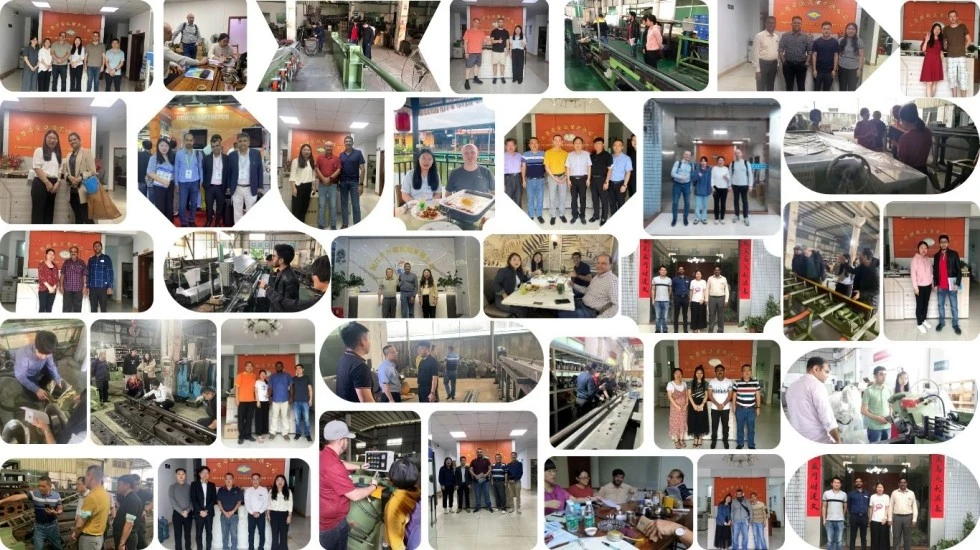
Fangrong was established in 1998 and specializes in straightening machines, cold drawing equipment and related metallurgical machinery. The company's equipment experience covers metal tube and bar processing applications, allowing the cutting process to be considered as part of a complete production line when required.
Equipment from Fangrong has been supplied to more than 10,000 customers and exported to more than 60 countries and regions. Its products are used across more than 60 industries, covering different metal processing requirements and production environments.
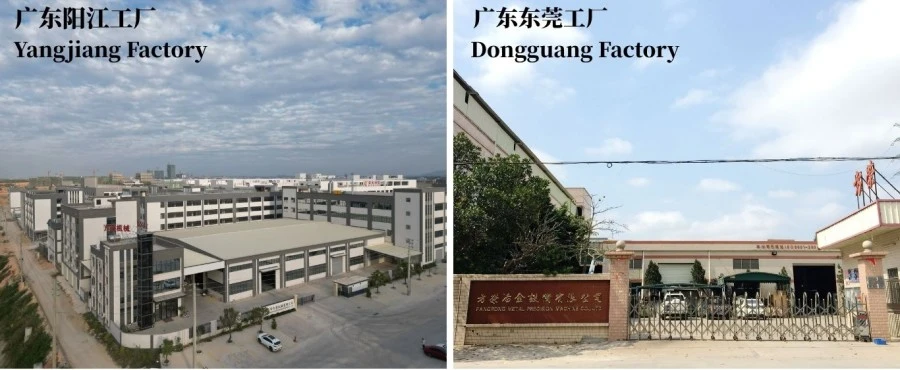
Dongguan Fangrong Metallurgical Equipment Co., Ltd. is located in Dalang Town, Dongguan City, Guangdong Province. It serves as the headquarters and major manufacturing base, with production covering precision cold drawing machines, straightening machines and thread rolling equipment.
Yangjiang Fangrong Machinery Co., Ltd. is located in Yangdong District, Yangjiang City, Guangdong Province. The facility adds manufacturing capacity and supports equipment production and delivery for customer projects.
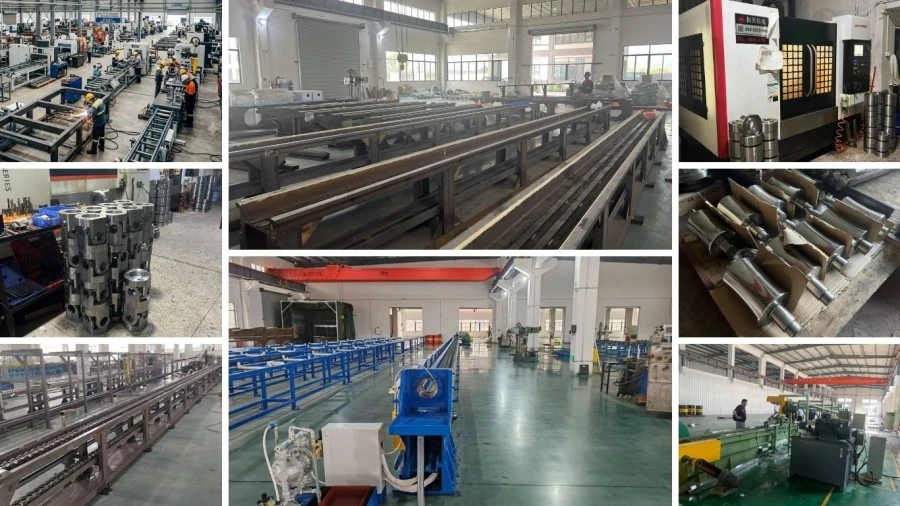
The manufacturing process begins with mechanical and electrical design based on the customer's material, size range, cutting length and automation requirements. Steel and other structural materials are then prepared, welded and stress-relieved before leveling and machining. This stage establishes the dimensional foundation for the feeding, clamping and cutting assemblies.
Key mechanical parts are machined according to their working function. Components such as guide parts, clamping components and cutting-related parts can receive heat treatment where required. The electrical system is assembled with the control cabinet, PLC, servo system, sensors and associated wiring after the mechanical structure has been completed.
Before delivery, the completed machine undergoes trial operation and calibration. Testing includes no-load running, feeding accuracy, cutting-length verification and continuous operation under simulated production conditions. The supplied manufacturing process specifies a cutting-length precision test with a tolerance of ±0.5 mm.
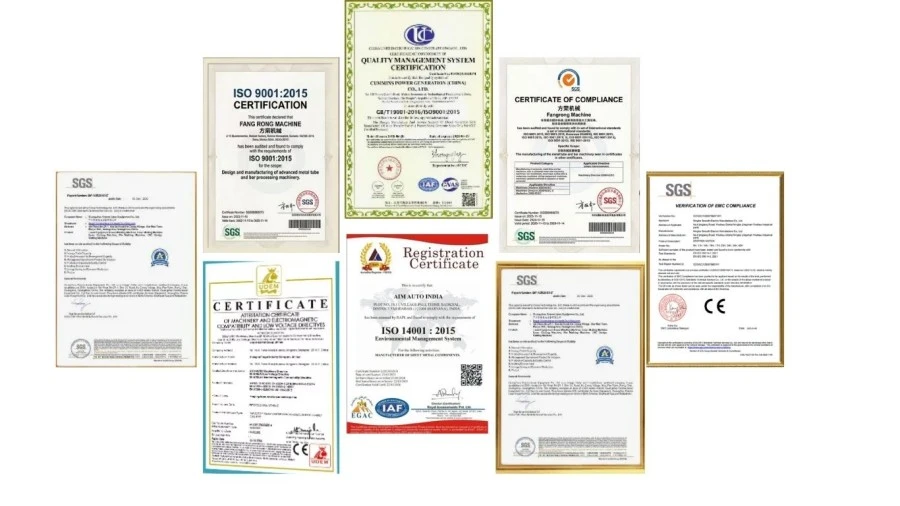
Fangrong operates under an ISO 9001:2015 quality management system, Certificate No. UQ231211R1. The equipment is supplied with applicable CE compliance, while SGS inspection is available for independent verification of equipment performance and safety features.
The company's technical portfolio includes 32 invention patents and more than 100 utility model patents. Representative patents include 2013207829011 for a chain tensioning device, 2008300532117 for a multi-strand die holder, and ZL2015 2 0842922.7 for a quick-change mandrel system.
The Automatic Cutting Machine does not have to operate as an isolated workstation. In a tube or bar processing line, cutting can be positioned before or after equipment such as straightening machines, cold drawing machines and pointing machines, depending on the production sequence.
For an integrated project, Fangrong needs to understand how material enters the cutting section and where the finished pieces go next. Line speed, material accumulation, transfer direction and available installation space can all affect the final arrangement.
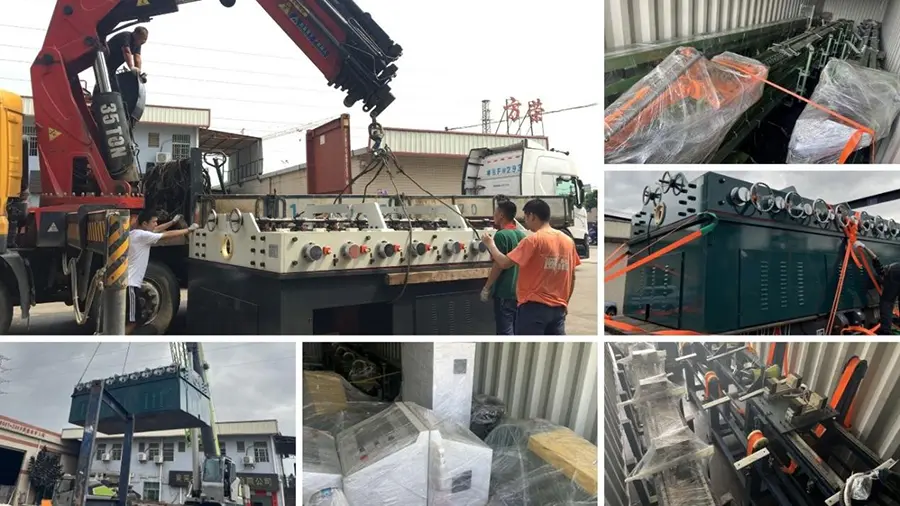
Before shipment, the equipment is prepared according to its machine structure and transportation requirements. Moisture- and shock-resistant packaging is used where required, and operating manuals and relevant certificates are included with the equipment documentation.
Installation guidance and operator training are available after delivery. Fangrong also provides technical support and spare-parts service for continued machine operation. The standard machine warranty is 12 months, excluding normal wear parts.
Please provide the material type, tube or bar dimensions, tube wall thickness if applicable, required cutting length, dimensional tolerance, expected production quantity and automation requirements. Product drawings or photos can also help when the workpiece has an unusual cross-section.
Yes. The machine can be configured for stainless steel, aluminum, copper, brass, carbon steel and other metal materials. The suitable configuration depends on the material properties and workpiece dimensions.
The supplied manufacturing process includes a cutting-length precision test with a stated tolerance of ±0.5 mm. Actual production results depend on the material, dimensions, machine configuration and operating conditions.
Yes. The control system can be configured for different target lengths. For production involving frequent specification changes, the required changeover method should be discussed during machine design.
Yes, subject to the tube dimensions and material. Thin-wall tube applications require suitable feeding and clamping arrangements to prevent unwanted movement or deformation during the cutting process.
Yes. It can be integrated with straightening machines, cold drawing machines, pointing machines and other metal processing equipment. The final layout is designed according to material flow, line speed and the customer's existing equipment.
Yes. Fangrong can configure the machine according to material type, workpiece dimensions, cutting length, production capacity and automation requirements. Final specifications are confirmed from the customer's actual production data.
Yes. Installation guidance, operator training and technical support are available after delivery. Spare-parts service is also provided for ongoing maintenance.
The standard warranty period is 12 months, excluding normal wear parts. Technical support and spare-parts service remain available after the warranty period.
Address
NO.163,Shatong Road,Shabu 2nd Industrial Zone, Dalang Town, Dongguan City, Guangdong, China