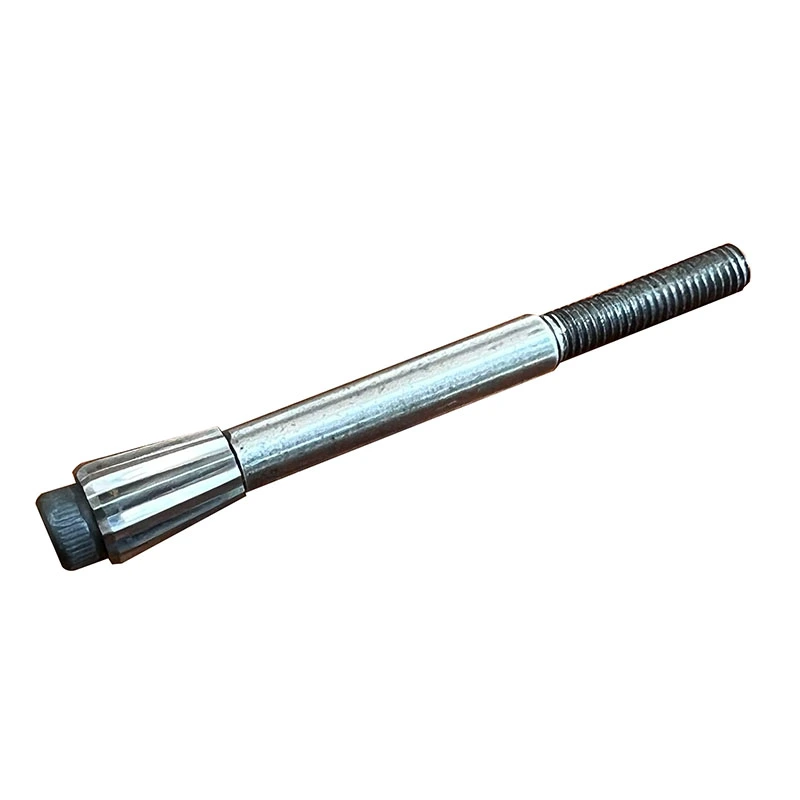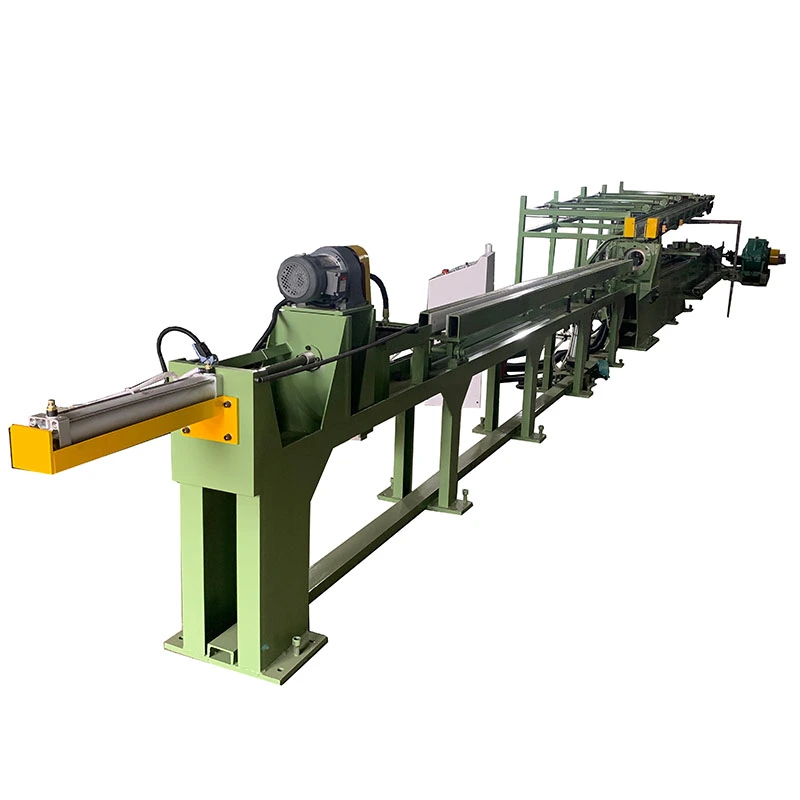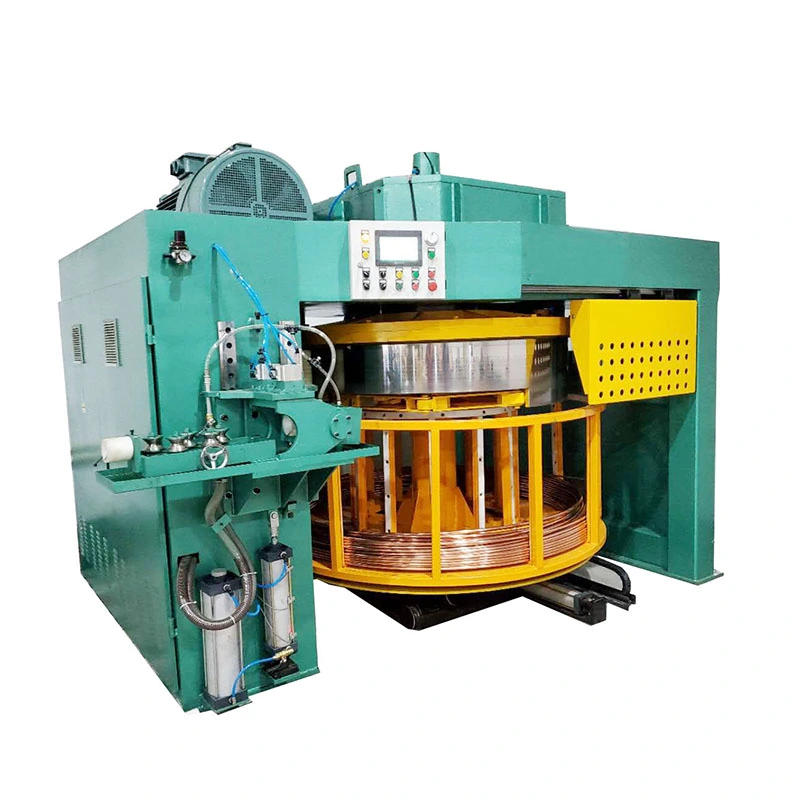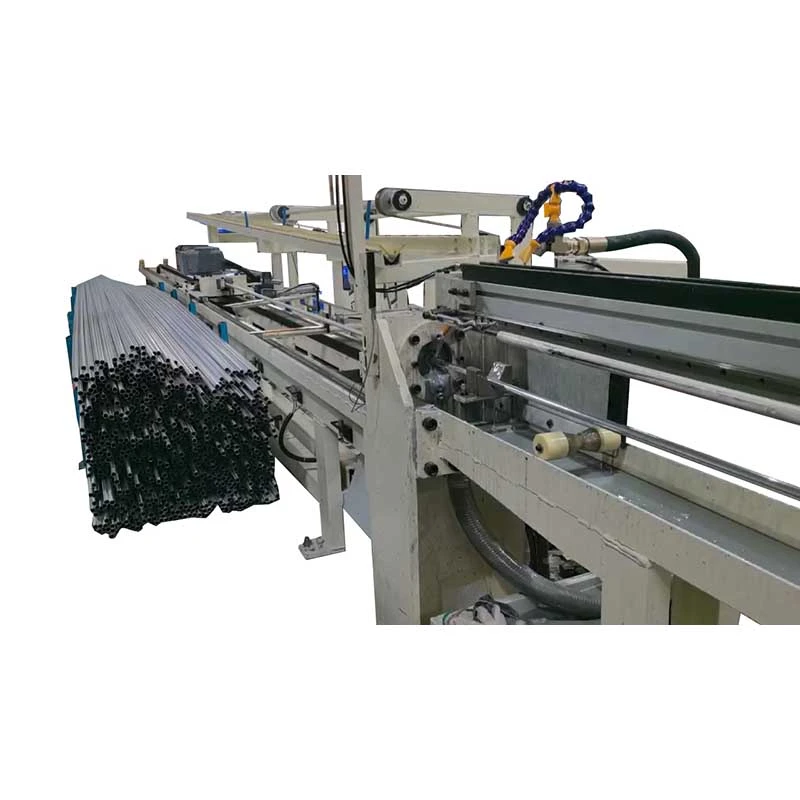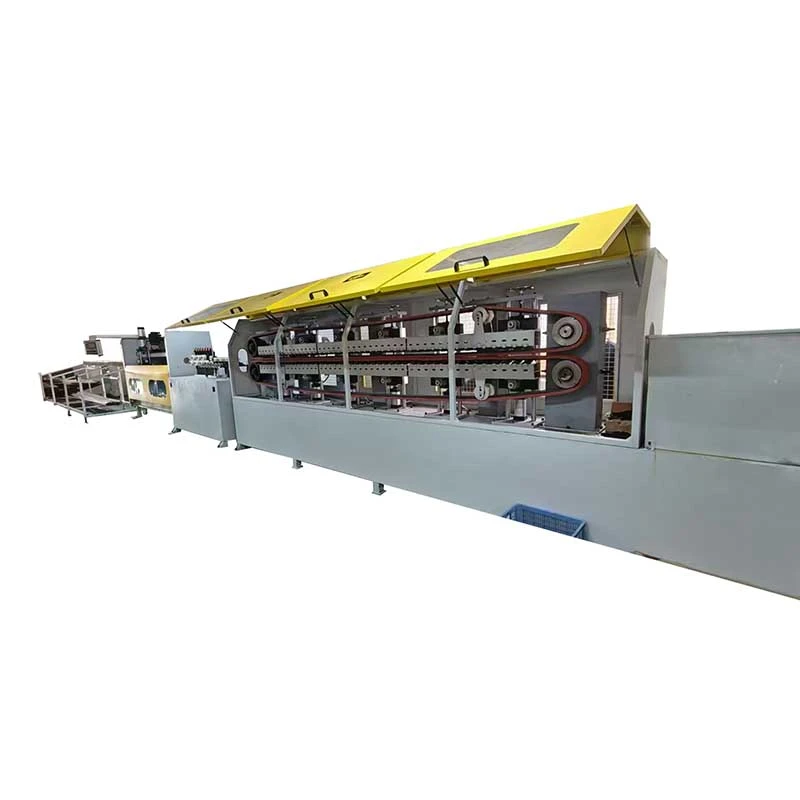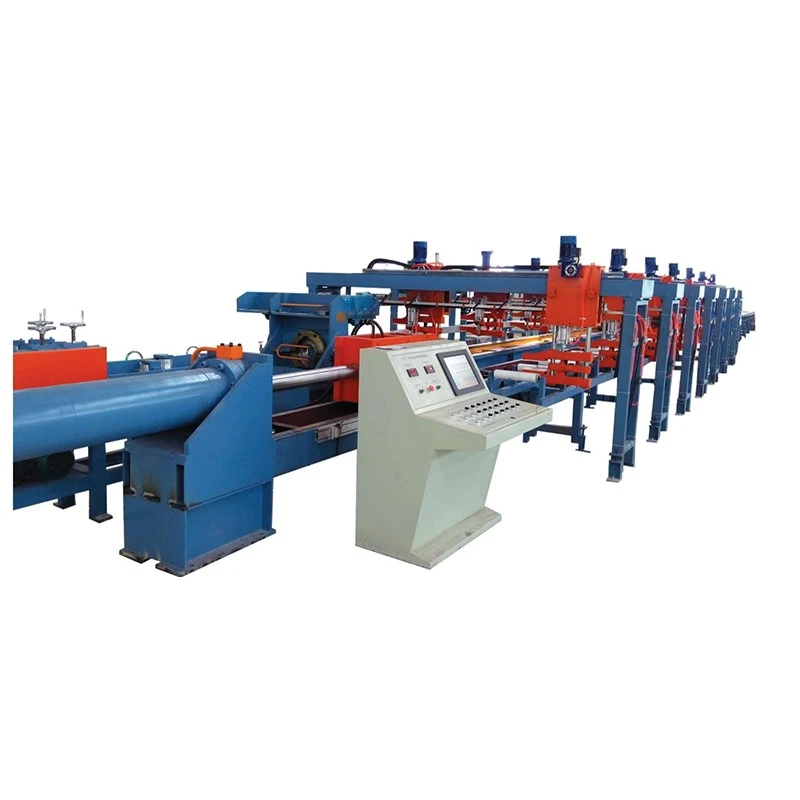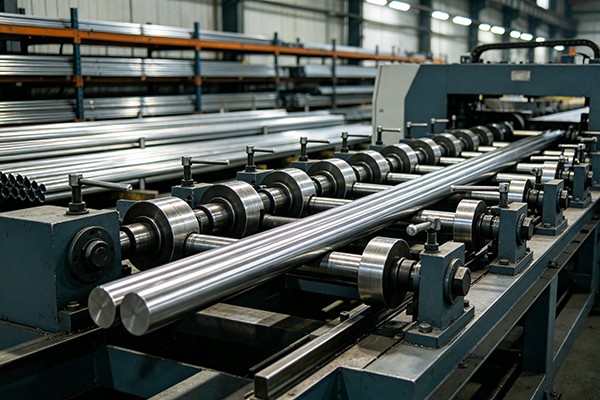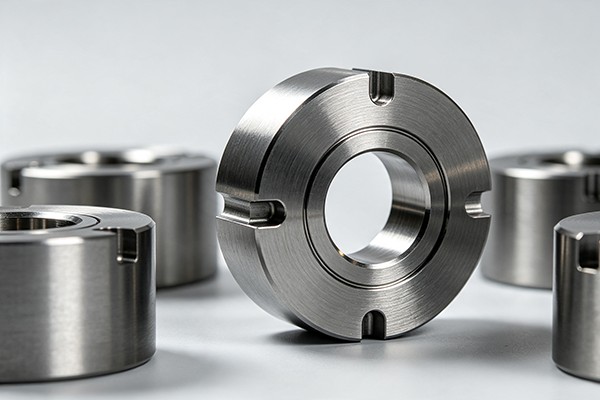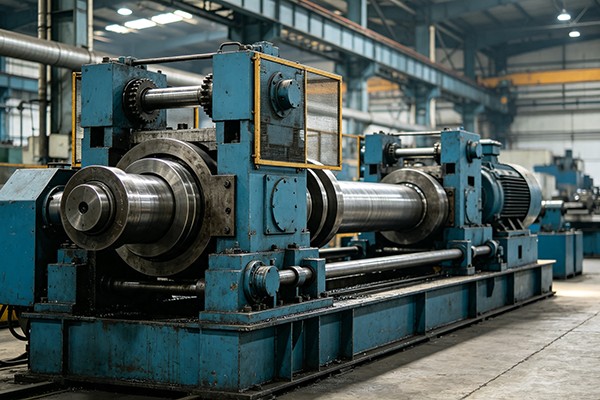

We offer a comprehensive range of precision metal processing equipment, including straightening, cold drawing, pointing, chamfering, cutting, thread rolling machines, and drawing dies, tailored for tube, bar, and wire materials across diverse industries.
FangRong's Irregular Drawing Dies are made for cold drawing applications where a standard round die cannot control the required profile. Square, hexagonal, channel, angle and other non-round sections can all require a different die geometry, especially when dimensional tolerance, corner definition and surface quality are important. Each die is developed around the actual profile rather than adapted from a standard round-drawing design.
An irregular profile does not deform evenly during drawing. Corners, narrow sections and changes in wall distribution can respond differently to drawing force, making the die entry angle and bearing geometry particularly important. FangRong develops the compression angle, bearing length and working profile according to the material, section shape and required reduction.
The dies can be produced for square, hexagonal, channel, angle and complex custom profiles. This approach is used for applications such as architectural sections, automotive trim and specialized engineering components where the finished cross-section cannot be achieved reliably with a conventional round die.
For irregular dies, the accuracy of the working cavity directly affects the shape of the drawn product. FangRong uses EDM and wire-cutting processes to manufacture the profile geometry, with attention to the transition areas, entry surface and bearing section.
Tool material can be selected according to production requirements. Tungsten carbide is suitable for applications where production volume and tooling cost need to be balanced, while PCD can be considered for higher-wear applications requiring extended tool life. Finished dies are checked with optical comparators and CMM equipment to verify the manufactured profile against the required dimensions.
Maintaining profile shape over a long drawing run requires more than simply reproducing the nominal cross-section. The die geometry must control material flow while limiting excessive deformation at the corners. FangRong therefore adjusts the compression and bearing geometry according to the drawing material and reduction conditions to help reduce corner cracking, profile distortion and premature die wear.
Customers can provide a profile drawing as the starting point for die development. The tooling can then be matched to the material, finished dimensions, reduction and production requirements. For complete profile processing, the dies can also be paired with an Irregular Straightening Machine for downstream straightness correction.