We offer a comprehensive range of precision metal processing equipment, including straightening, cold drawing, pointing, chamfering, cutting, thread rolling machines, and drawing dies, tailored for tube, bar, and wire materials across diverse industries.
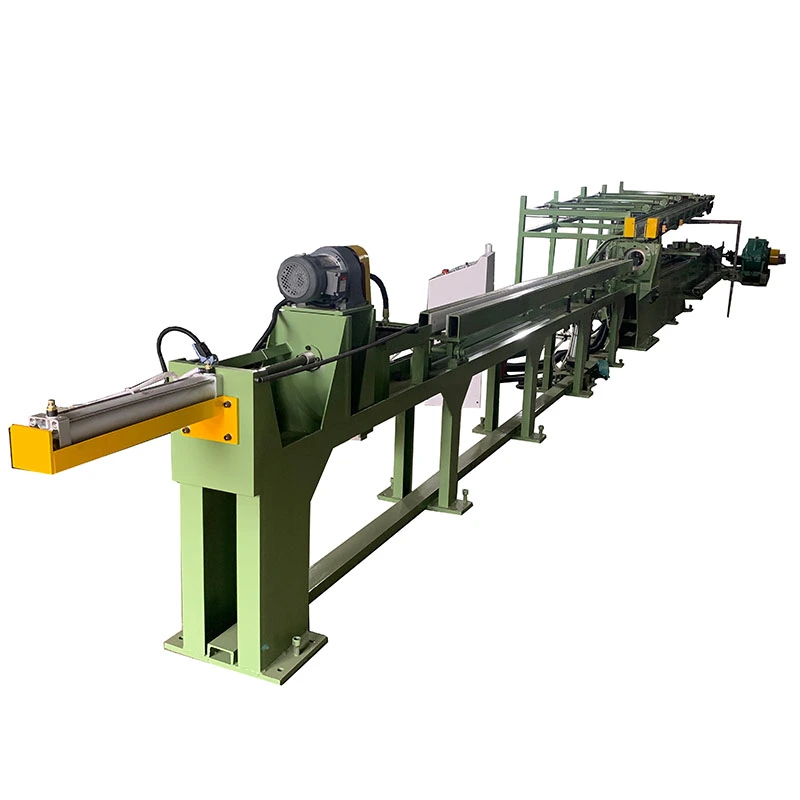
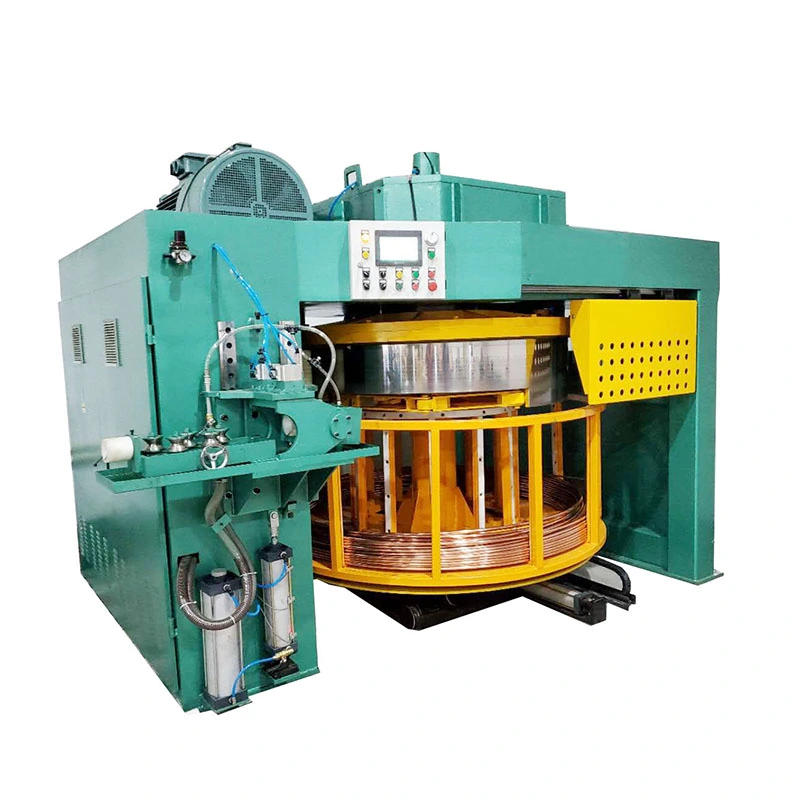
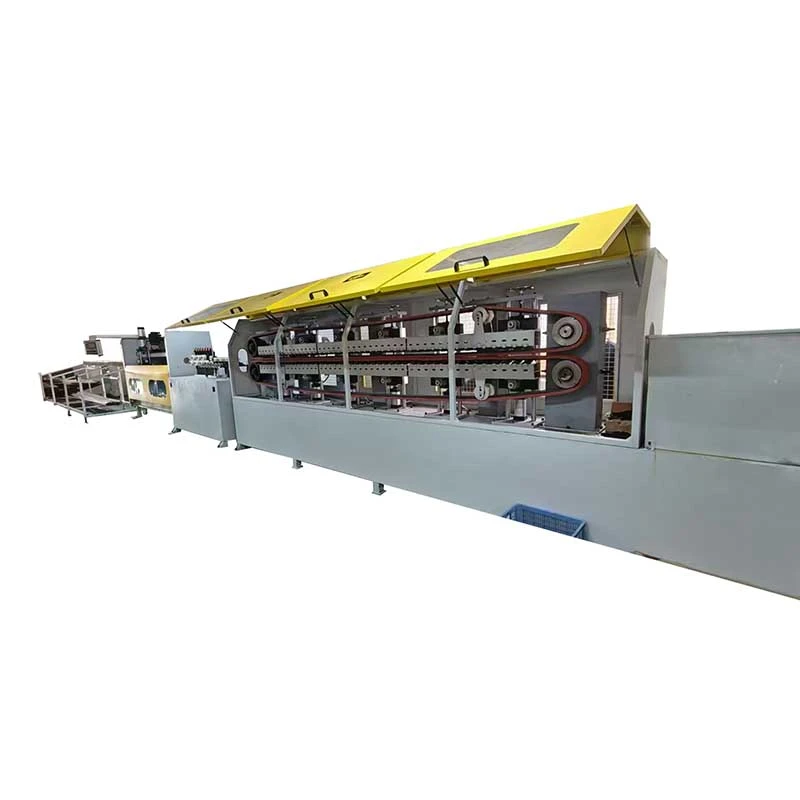
FangRong's Busbar Drawing Machine is designed for cold drawing copper and aluminum busbars into accurate rectangular sections. The drawing process can improve dimensional consistency, surface condition and straightness while producing the width and thickness required for electrical applications. Both chain-type and hydraulic-type configurations are available, covering drawing forces from 10T to 100T.
Busbar drawing is different from drawing a round bar. The finished width, thickness, corner condition and flatness all have to remain within the required range, while copper and aluminum can behave differently under the same reduction. Excessive deformation or unstable feeding may result in camber, twisting or dimensional variation along the bar.
FangRong configures the drawing system according to the starting section, target width and thickness, material grade, reduction per pass and bar length. Available equipment covers widths up to 400mm, thicknesses from 2 to 30mm, effective drawing lengths of 6–12m and drawing speeds up to 25m/min.
The chain-type machines are suited to applications where a mechanical drawbench with straightforward continuous pulling is preferred. The FR-10T handles busbars up to approximately 40mm wide and 2–5mm thick, with a 30kW main motor. At the larger end, the FR-100T covers widths of approximately 150–400mm and thicknesses of 2–30mm, using a 200kW main motor.
Hydraulic models from FR-10T to FR-100T provide a different operating range, with main cylinder bores from φ125mm to φ280mm, piston rods from φ70mm to φ140mm and drawing speeds of approximately 2–12m/min. Return speeds range from 5–20m/min, with hydraulic system pressures of 140–250kgf/cm² and main motor configurations from 22kW to 75kW × 2.
For production planning, the choice is not simply between “chain” and “hydraulic.” The drawing load, required speed, busbar dimensions and production cycle should determine which drive arrangement is more suitable. A high-capacity machine is not automatically better if the actual product range is relatively small.
A busbar can meet its width and thickness targets and still create problems if it leaves the drawing die with excessive curvature or twist. This is particularly important for switchgear and busbar assembly, where the finished section may need to sit accurately against an insulator, connector or mounting surface.
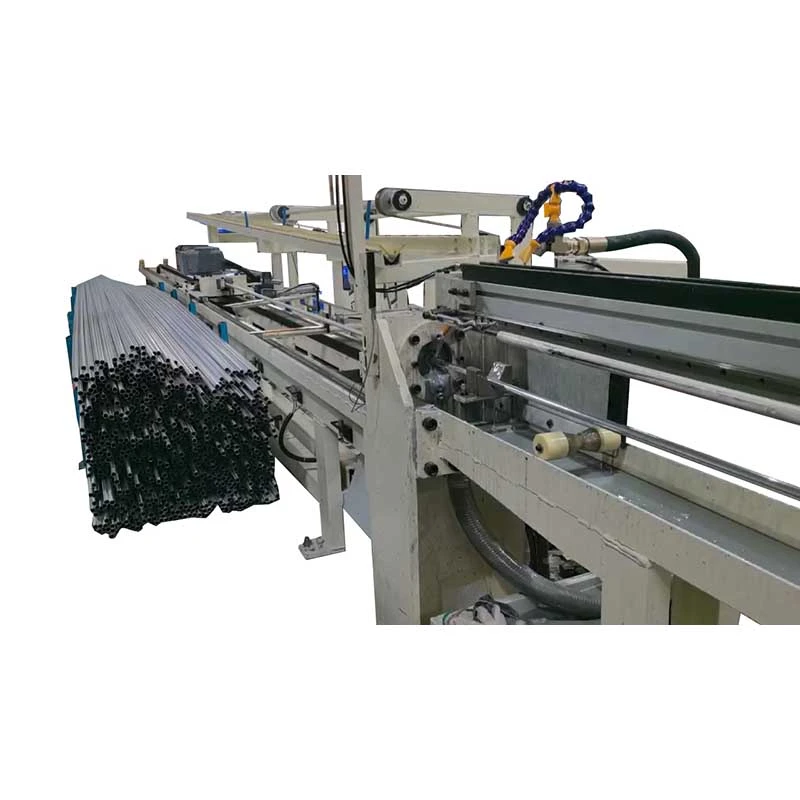
FangRong integrates straightening rollers after the drawing die to correct residual deformation while the material is still within the same processing route. Roller adjustment is matched to the busbar section so that straightening does not unnecessarily distort the rectangular profile.
The machines are used for copper and aluminum busbars in applications such as electrical switchgear, transformers, busbar trunking and renewable energy equipment. Where the finished product requires fixed lengths and prepared ends, the drawing machine can be combined with a Cutting Machine and Chamfering Machine.
This arrangement is useful when the busbar goes directly from drawing to cutting and end preparation. It reduces the need to store and manually reposition long drawn sections between operations, while keeping dimensional correction and finishing within one production route.
FangRong's advantage is not limited to supplying a drawbench with a specified tonnage. We work with the complete busbar processing route, including drawing, straightening, cutting and chamfering, so the machine configuration can be based on the actual finished busbar section and downstream requirements.
For buyers dealing with different copper or aluminum sections, FangRong can evaluate the starting dimensions, reduction schedule, drawing length and required production speed before determining the machine capacity and tooling arrangement. This is important for busbar production because simply increasing pulling force does not solve problems caused by unsuitable dies, excessive reduction or poor straightening settings.
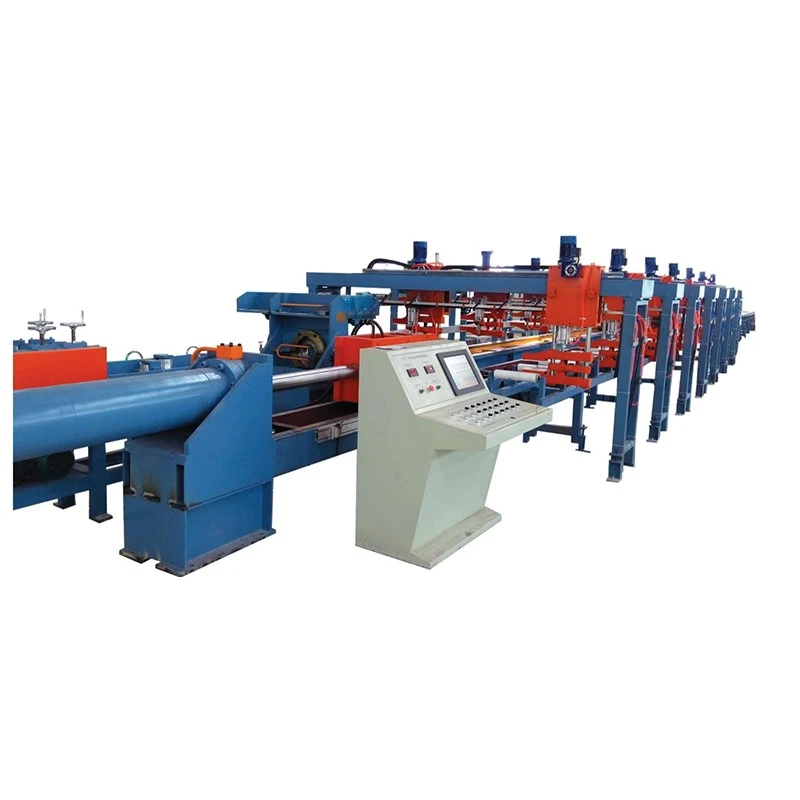
The Busbar Hydraulic Drawing Machine is designed for cold drawing copper and aluminum busbars, improving dimensional accuracy, surface finish, and hardness. Drawing forces range from 10–100 tons, with drawing lengths of 6–12 m and speeds of 2–12 m/min. It handles copper busbars from 40×2 mm to 400×30 mm. Hydraulic force control and variable speed provide stable drawing with reduced surface defects. Suitable for power distribution, transformers, switchgear, and electrical equipment.