
We offer a comprehensive range of precision metal processing equipment, including straightening, cold drawing, pointing, chamfering, cutting, thread rolling machines, and drawing dies, tailored for tube, bar, and wire materials across diverse industries.
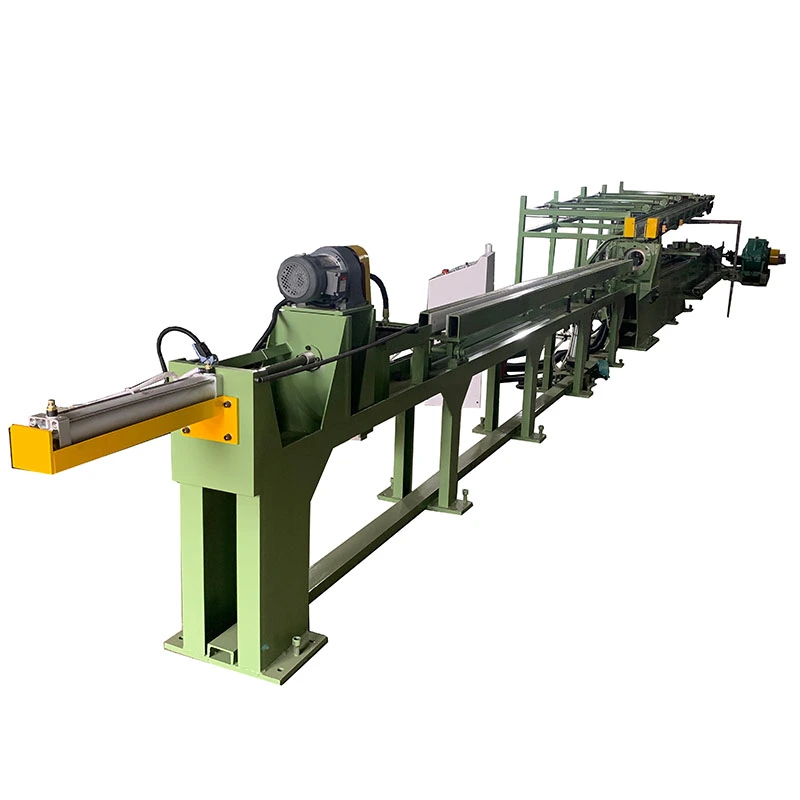
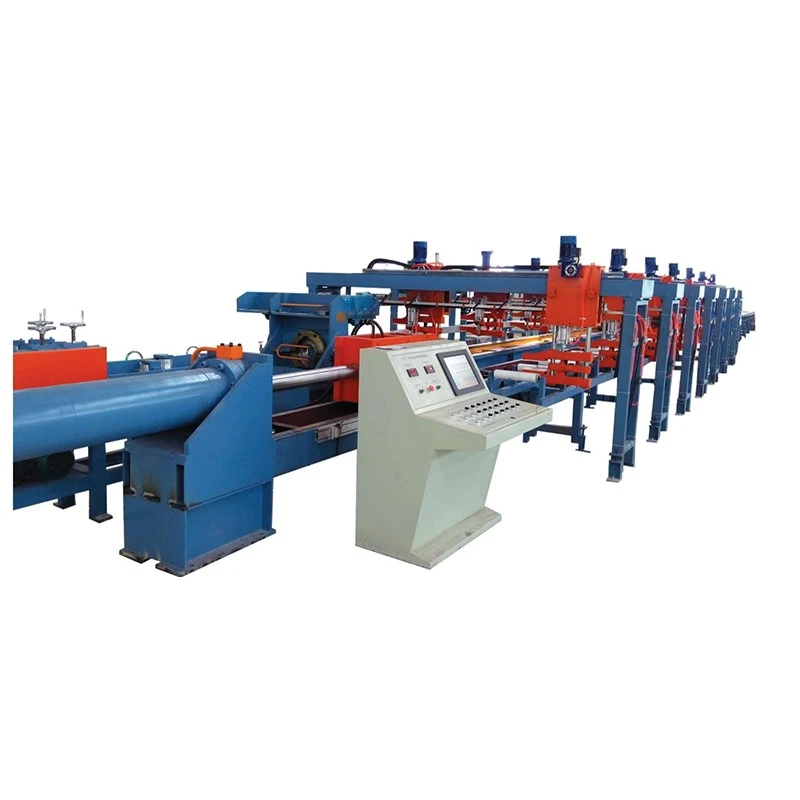
FangRong's Point Pusher Drawing Machine uses a hydraulic push-head to drive the bar or tube end directly into the drawing die, eliminating the need for a separate pre-pointing operation. Instead of reducing the material end first so it can pass through the die, the push-head creates the initial entry during the drawing process. This can simplify material preparation and, depending on the workpiece and process, reduce end waste by up to 30%.
The hydraulic cylinder provides controlled axial force as the workpiece enters the die. A rigid straightening guide is positioned ahead of the die to keep the material aligned with the drawing axis and reduce the risk of bending or buckling during pushing. This arrangement is particularly useful when the material cannot be efficiently prepared with a conventional pointing operation or when reducing handling between processes is important.
FangRong models range from 10T to 300T push-head force, with hydraulic cylinder sizes from φ63×200mm to φ300×300mm and oil pump power from 5.5kW to 160kW. The equipment can handle bar sizes from approximately 13–20mm on the FR-5T up to 50–100mm on the FR-200T, while main motor power ranges from 22kW to 400kW across the series.
Point pusher equipment is suited to production where eliminating a separate pointing step can reduce handling, equipment requirements, and material loss. Typical applications include construction rebar, electrode materials and short-length connector components. The actual advantage depends on the material grade, starting diameter, finished size, drawing reduction and required production cycle.
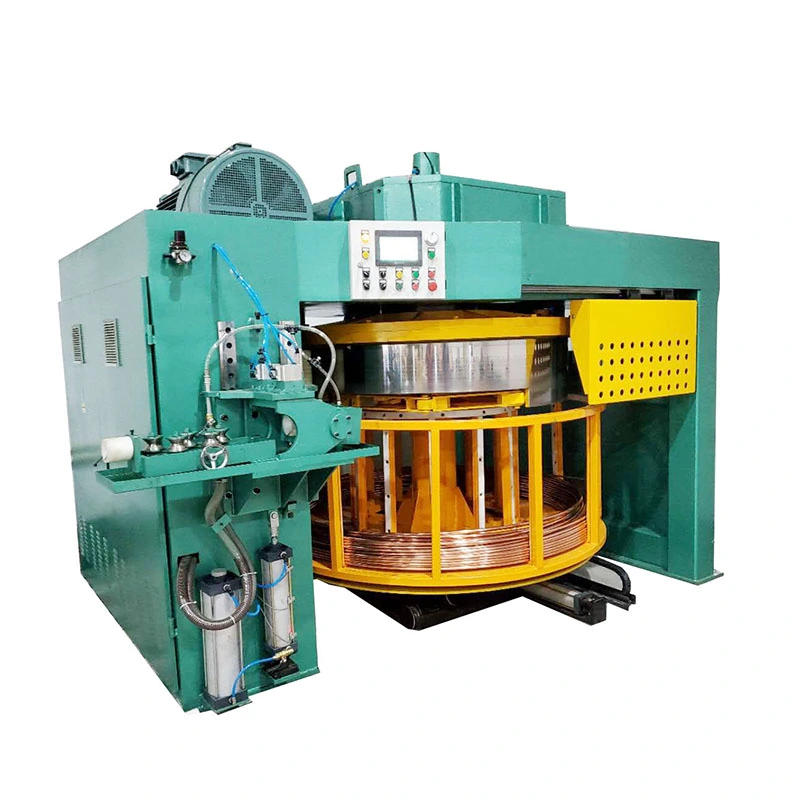
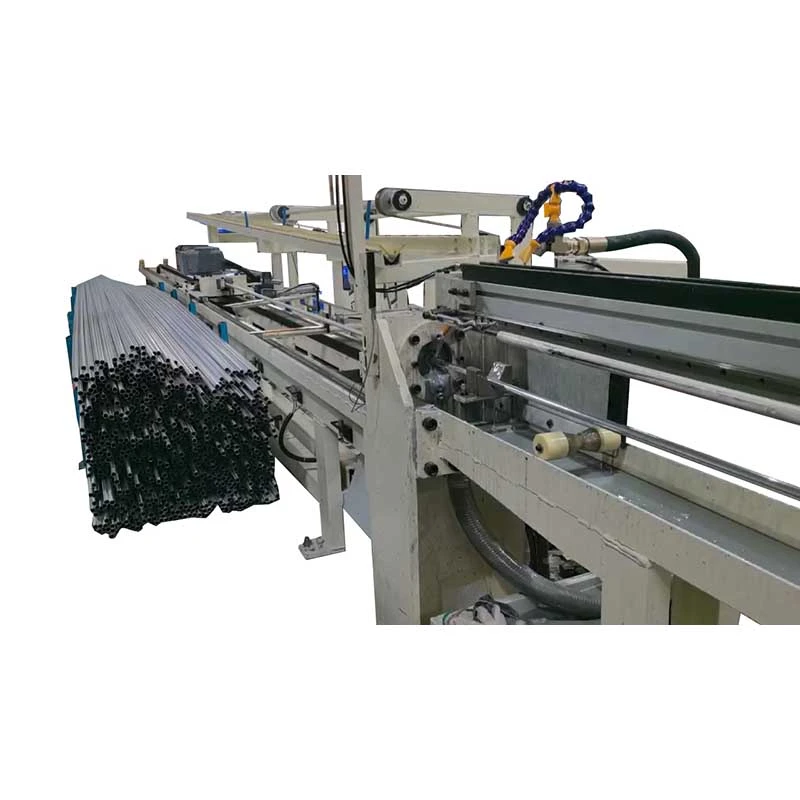
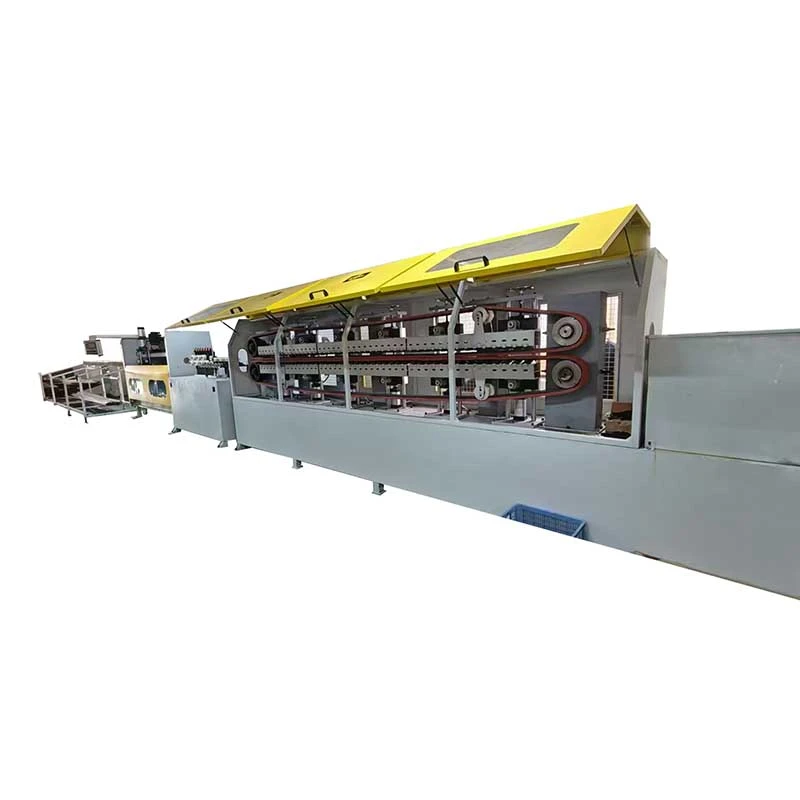
The point pusher can be integrated with a Cold Drawing Machine as a feeding or preparation unit, then followed by a Straightening Machine for downstream processing. Automatic feeding and unloading options are also available for applications where reducing manual loading and transfer time is important. With hydraulic actuation and a relatively straightforward operating sequence, the machine is designed for practical production use rather than adding another separate preparation stage.
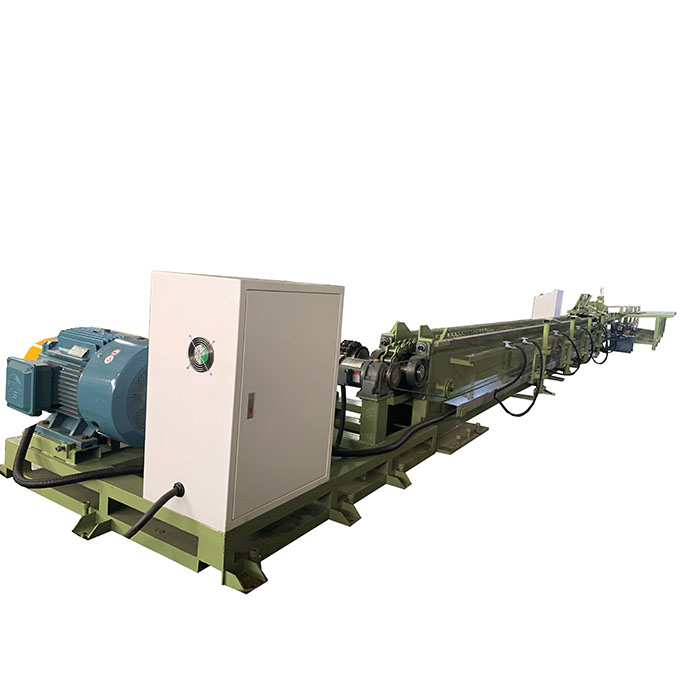
The Automatic Point Pusher Drawing Machine eliminates bar pointing by using a hydraulic push head to feed the full-size bar through the die before the main cylinder takes over. This reduces material loss, tooling, and handling. FR-5T to FR-200T models provide 5–200 tons drawing force and 10–300 tons push force for Ø13–100 mm bars. Suitable for carbon steel, alloy steel, stainless steel, copper, and aluminum.