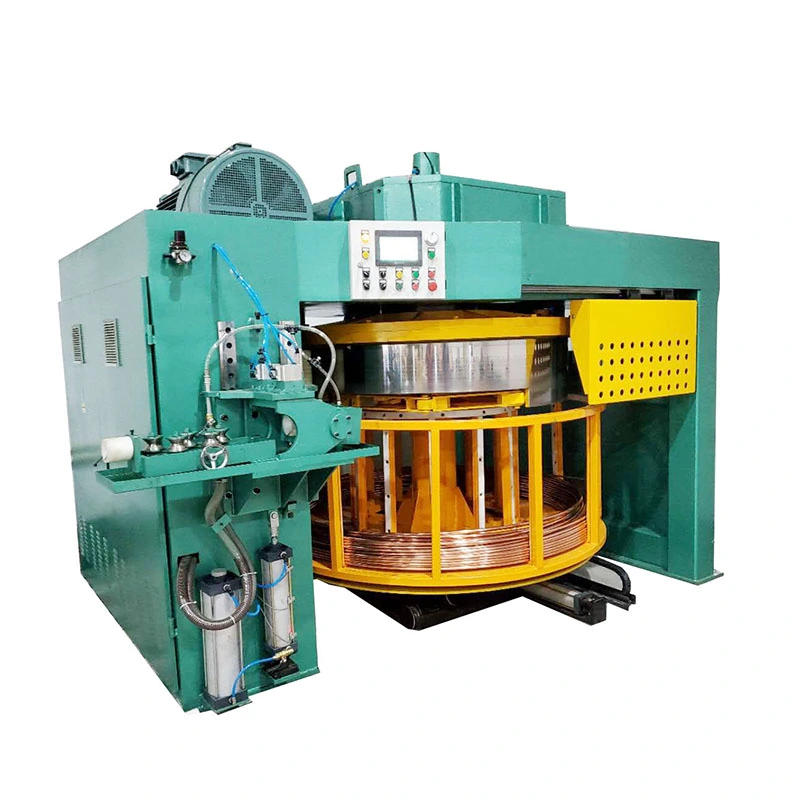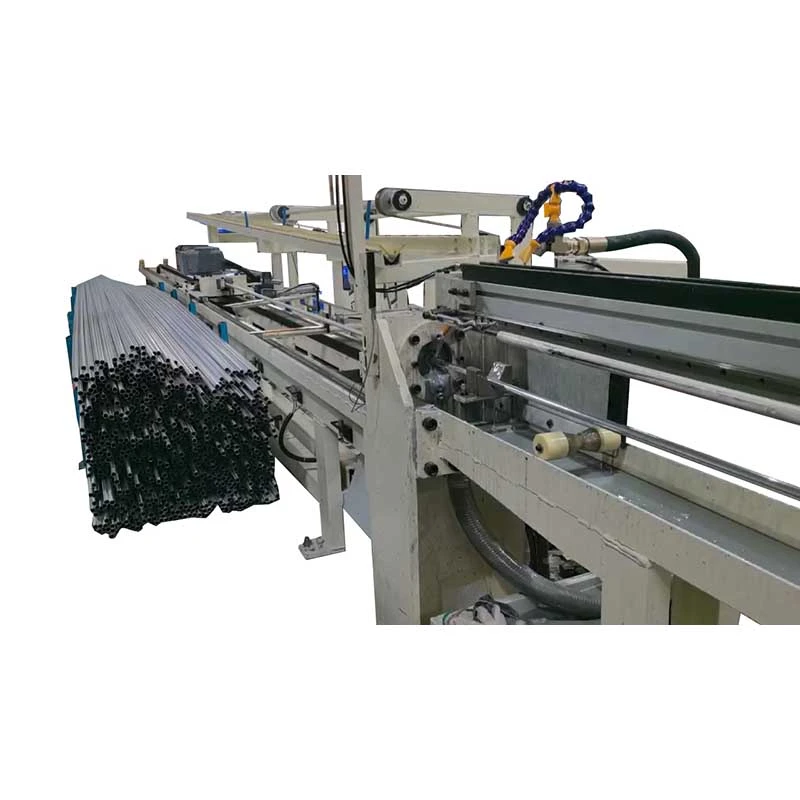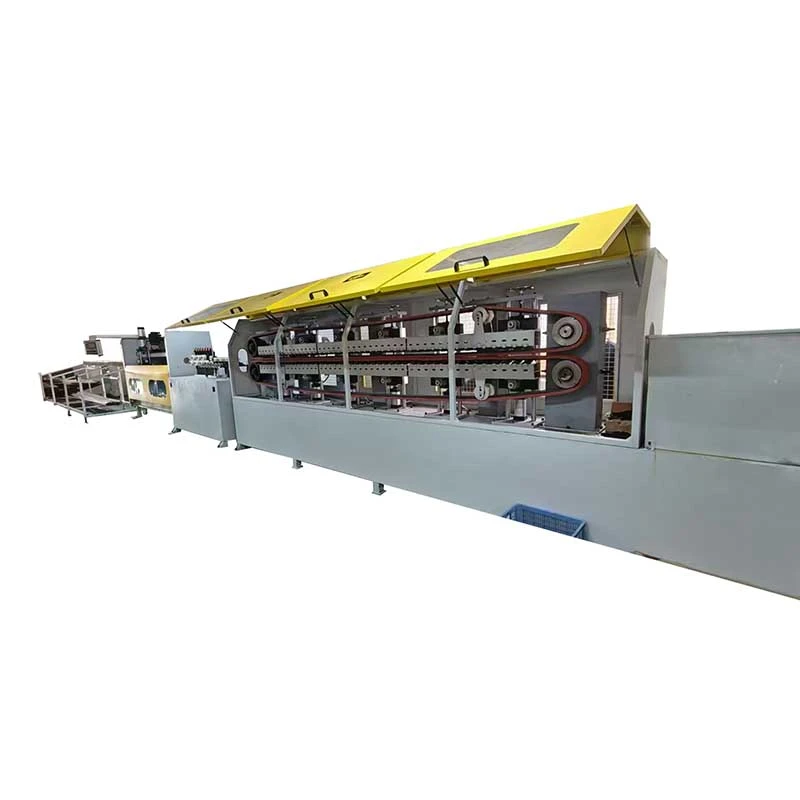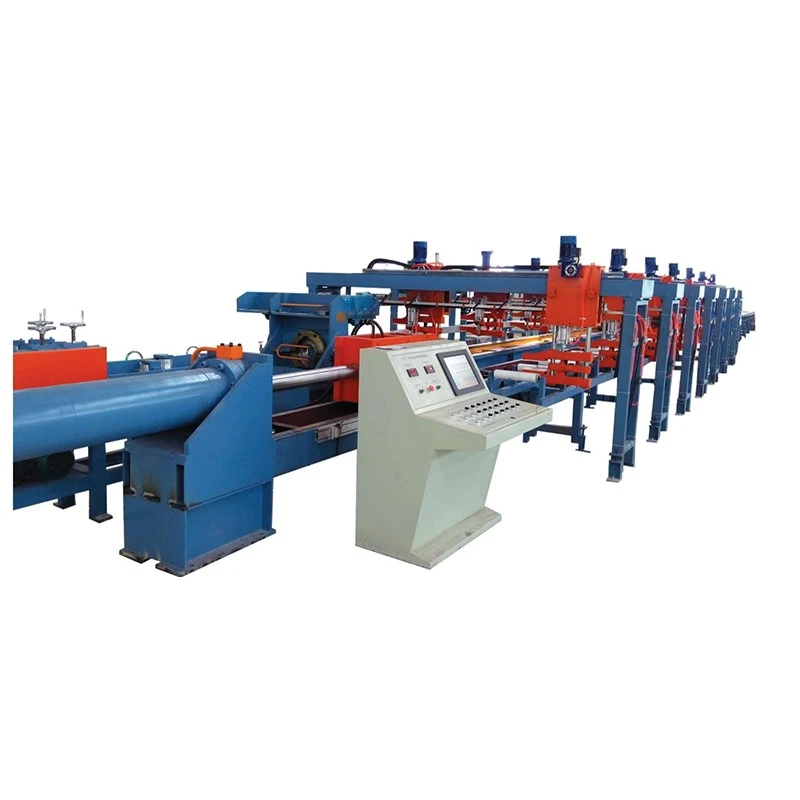

We offer a comprehensive range of precision metal processing equipment, including straightening, cold drawing, pointing, chamfering, cutting, thread rolling machines, and drawing dies, tailored for tube, bar, and wire materials across diverse industries.
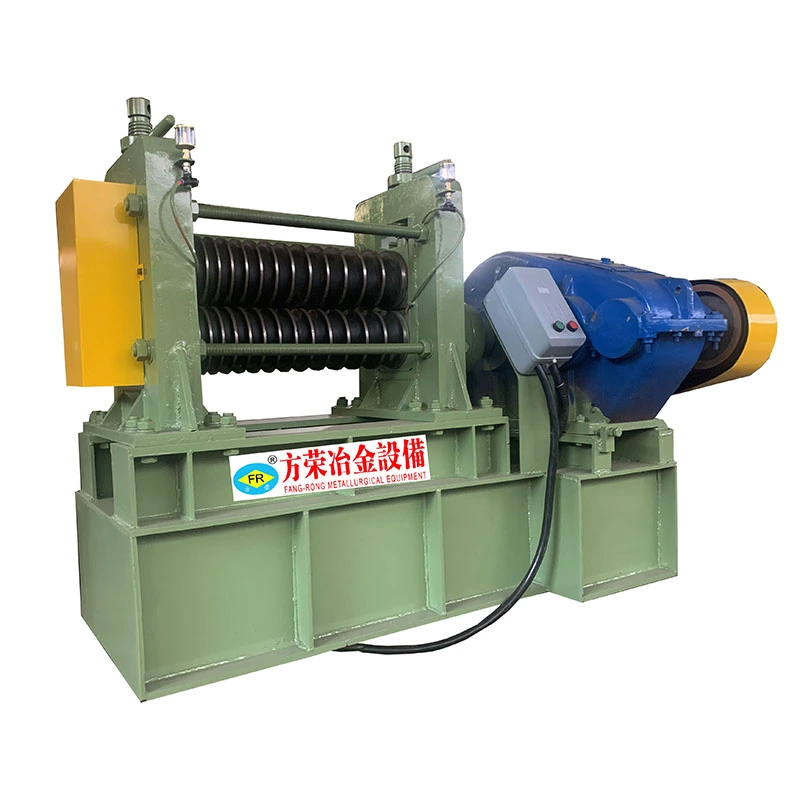
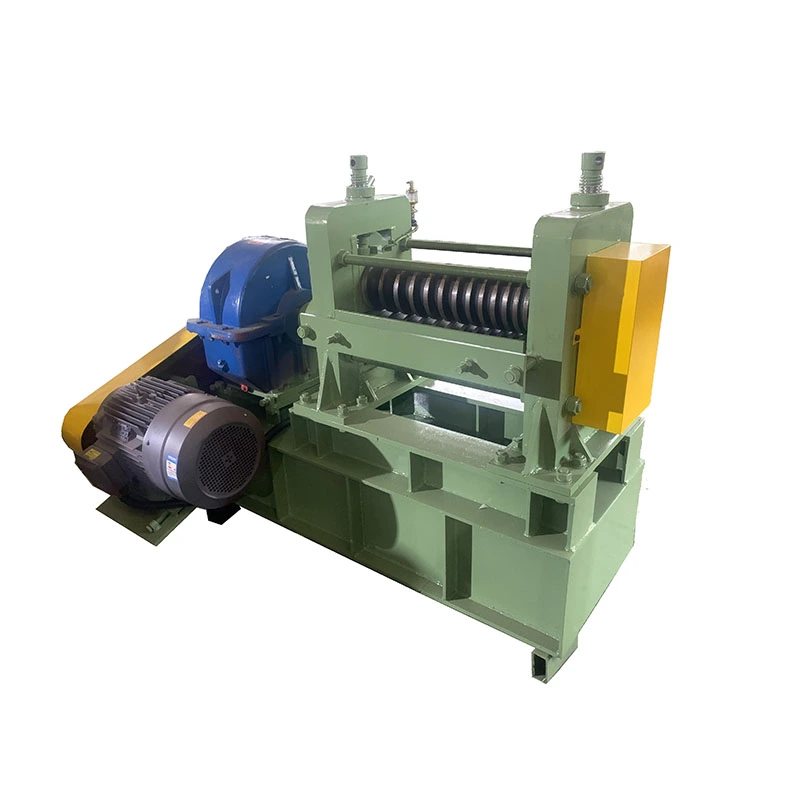
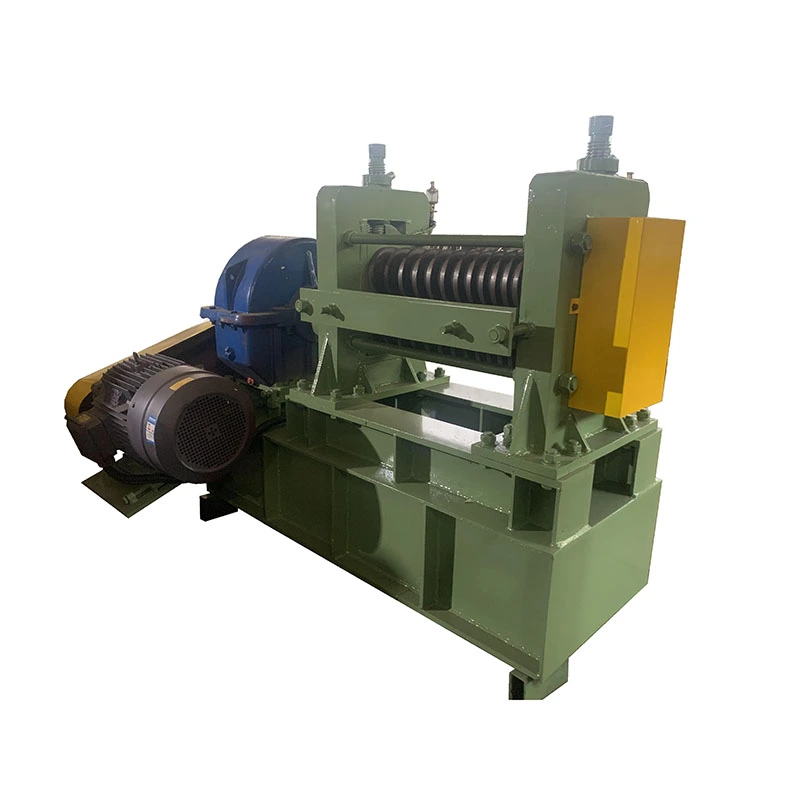
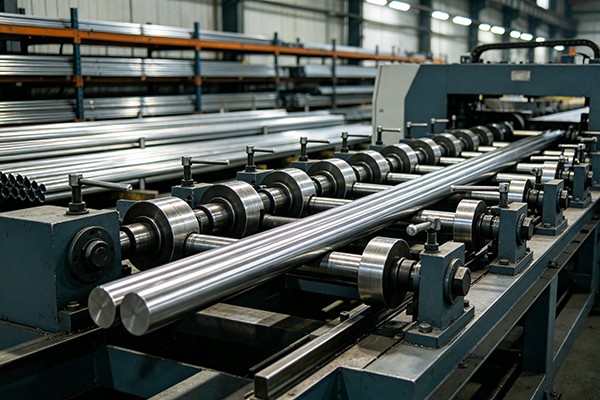
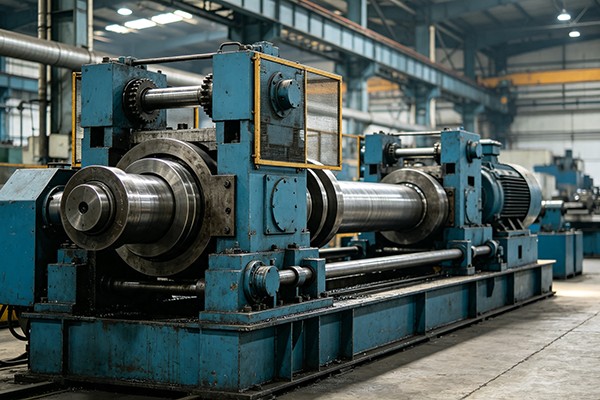
FangRong's Rod Pointing Machines use a rolling process to reduce the ends of solid metal rods before cold drawing. Instead of pressing the rod with hydraulic dies, a set of grooved rolls progressively forms the rod end as it passes through the pointing section. The result is a practical dry pointing process for workshops that need a relatively simple setup for preparing rods for subsequent drawing.
The rod is reduced between hardened grooved rolls, with the groove profile determining the amount of reduction and the final pointed shape. Different roll sets can be selected according to the required reduction, allowing the same machine platform to accommodate different rod specifications. Because the process relies on mechanical rolling rather than a cutting operation, it is well suited to production environments looking to keep tooling and process maintenance straightforward.
The series covers a broad range of solid rod sizes. FR-10 handles approximately φ2–10 mm, while larger models extend progressively to the FR-100, covering approximately φ50–100 mm. Roller diameters range from φ81 to φ224 mm, with motor powers from 2.2 to 45 kW.
The smaller FR-10 has a 2.2 kW motor and a compact footprint of approximately 750 × 550 × 1100 mm, with a machine weight of about 160 kg. At the other end of the range, the FR-100 uses a 45 kW motor, weighs approximately 4 tons, and measures about 2000 × 2100 × 1550 mm. Center heights across the series are approximately 850–910 mm.
The machines use ZQ200–ZQ850 reducers, depending on model, together with different roll dimensions and drive configurations. This range allows the equipment to be matched to both smaller rod-processing operations and heavier industrial production requirements rather than forcing one machine size across the entire product range.
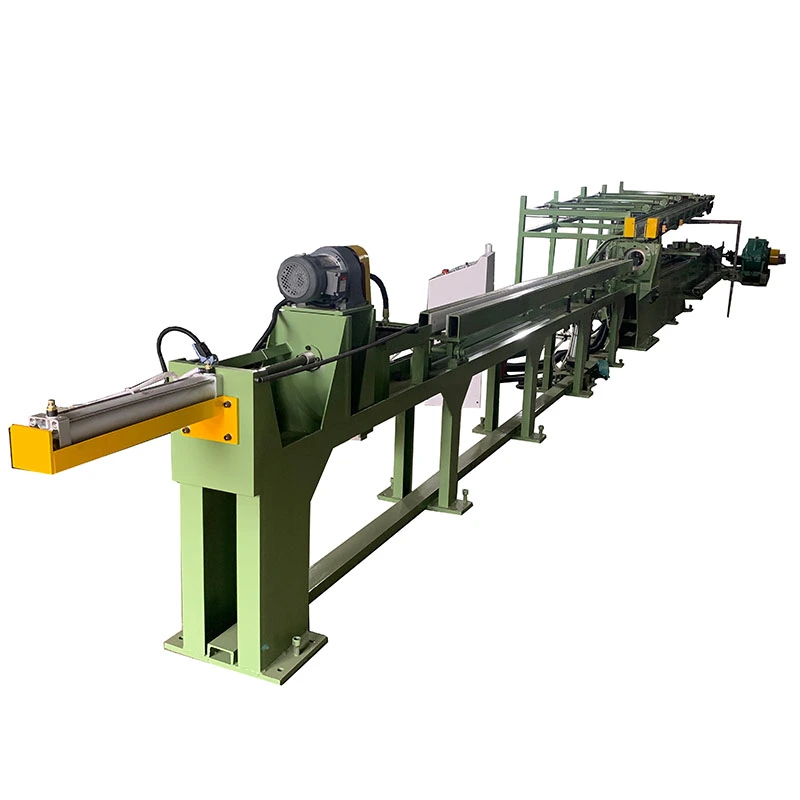
Rod pointing is normally the preparation stage rather than the finished operation. Once the rod end has been reduced, the pointed section can enter a Cold Drawing Machine for further diameter reduction and dimensional control. FangRong can therefore configure the pointing equipment as part of a larger rod-processing line instead of treating it as an isolated machine.
For customers using a dry process, the combination of hardened forming rolls, sealed bearings and a relatively simple mechanical structure helps keep routine maintenance manageable. Roll sets with different groove depths can be supplied for different reduction requirements, while the final configuration is selected according to rod material, diameter, pointing length and the following drawing process.