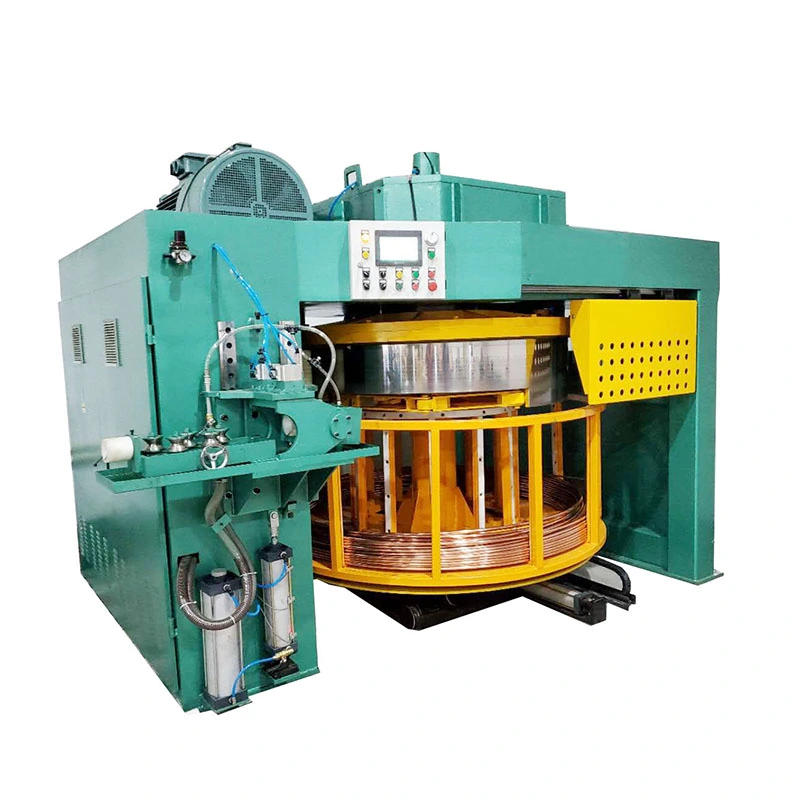

We offer a comprehensive range of precision metal processing equipment, including straightening, cold drawing, pointing, chamfering, cutting, thread rolling machines, and drawing dies, tailored for tube, bar, and wire materials across diverse industries.
A tube or bar can leave the drawing process with good dimensional accuracy and still fail the final straightness requirement. Residual stress, uneven deformation, material hardness, and the shape of the cross-section can all cause bending or distortion after drawing. FangRong Straightening Machines are configured around these differences, covering round tubes, bars, large-diameter sections, and irregular profiles rather than using one roller arrangement for every product.
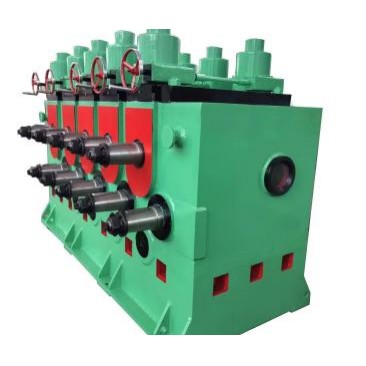
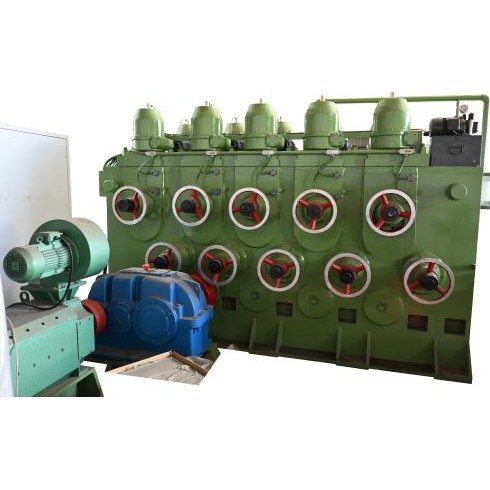
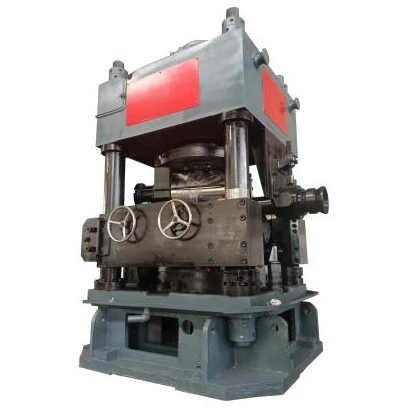
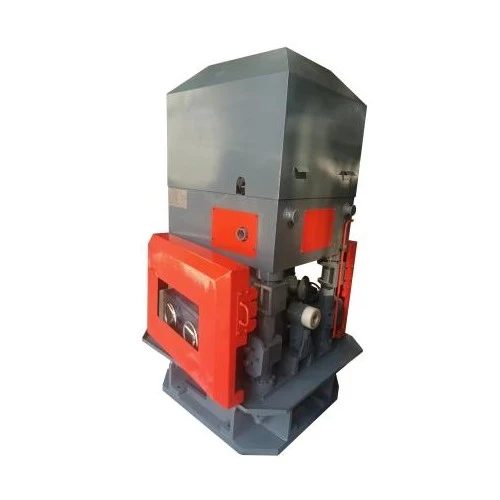
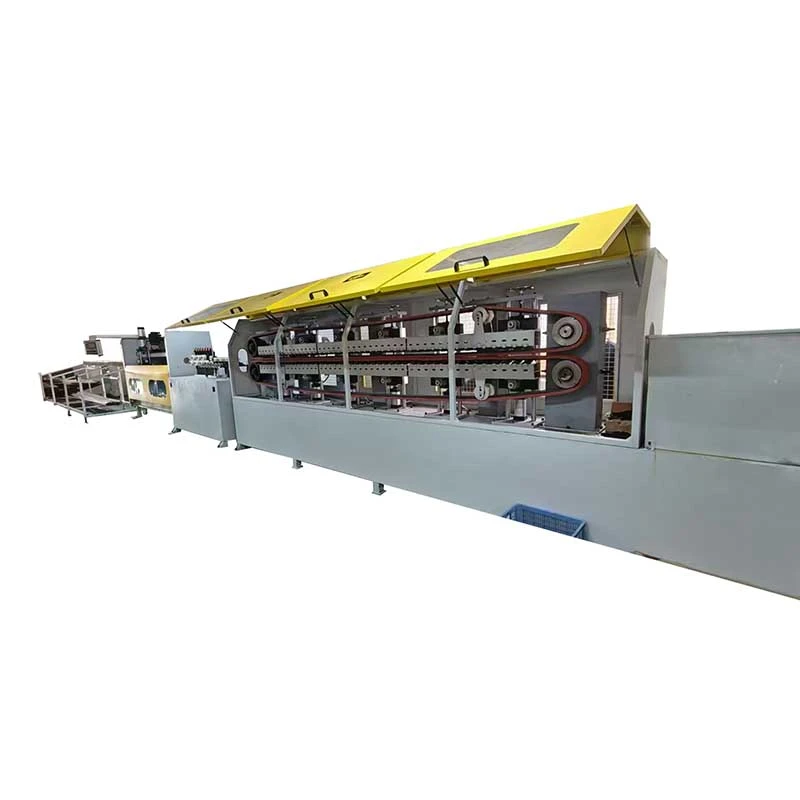
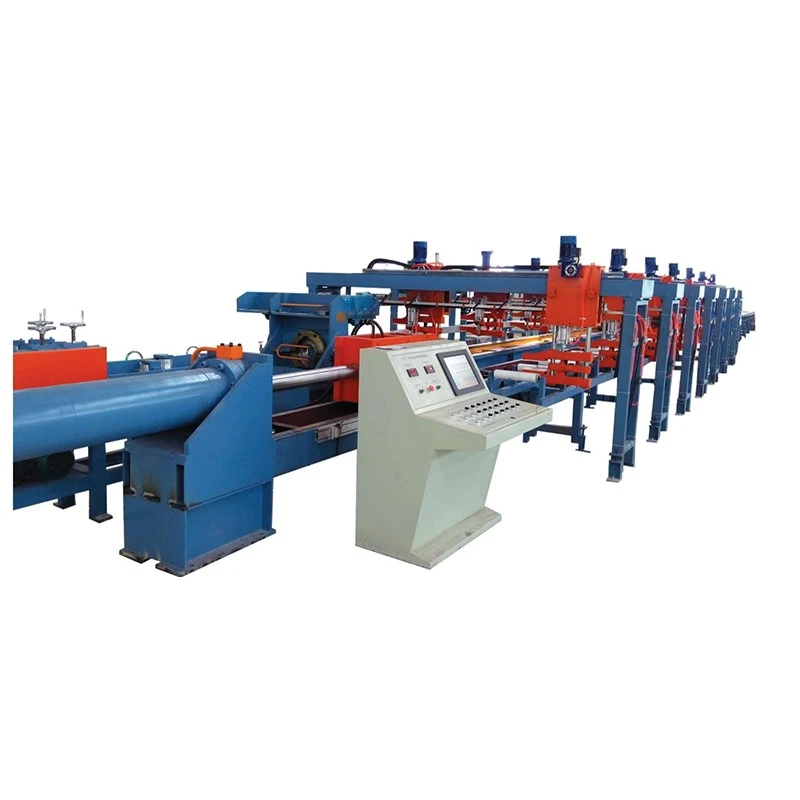
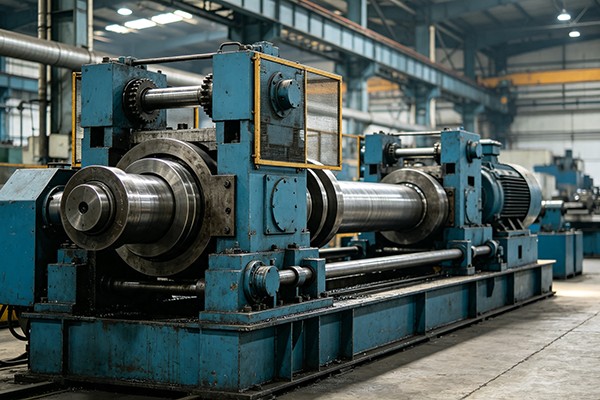
For small and medium round tubes or bars, horizontal multi-roller machines provide repeated correction along the material length. FangRong FR-20 to FR-180 horizontal models cover approximately φ4–φ180mm and use 15–17 rollers. Vertical multi-roller machines extend the range from FR-20 to FR-1100 for much larger sections, with tube diameters up to φ1100mm and wall thicknesses up to 60mm.
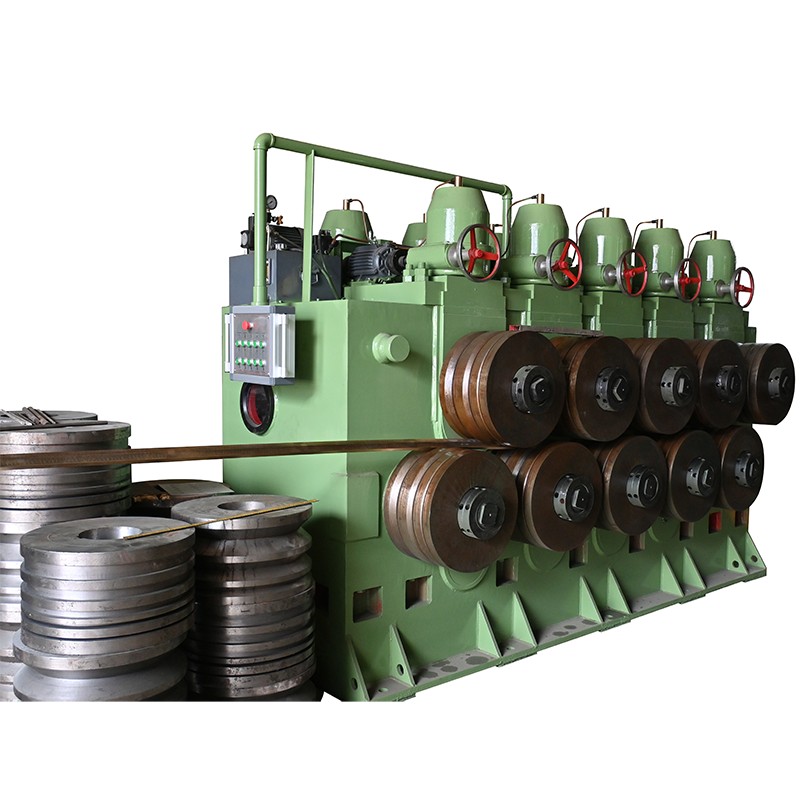
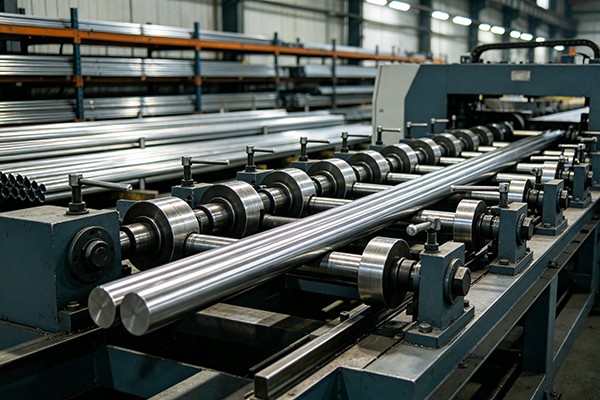
For precision peeled bars where both straightness and surface condition are important, the two-roller precision series uses a different correction principle. FR-20 to FR-160 models are available with roller diameters from φ180 to φ570mm and can achieve surface roughness down to Ra≤0.8μm under suitable process conditions.
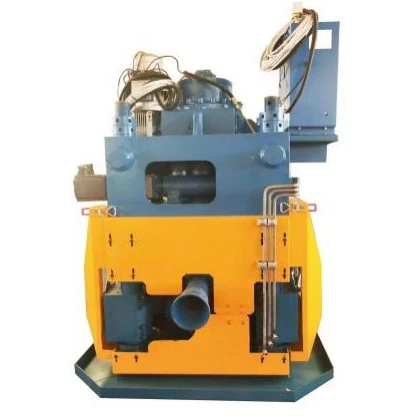
Irregular sections require another approach again. Hexagonal, square, angle, and other profiles do not respond uniformly to conventional round-bar straightening because their corners and flat surfaces carry different contact loads. FangRong's irregular straightening machines are designed for profiles up to S80mm, with roller positioning matched to the actual section.
Roller count alone does not determine straightening accuracy. Roller diameter, roller spacing, tilt angle, contact position, and reduction at each correction point all influence how the material responds. FangRong machines use hardened rollers and adjustable roller tilt angles of approximately 27°–36°, allowing the correction condition to be adjusted for different materials and section sizes.
For round products, the process may target straightness while also controlling roundness. FangRong precision configurations can achieve straightness in the range of 0.1–0.3mm/m and roundness tolerance of ≤0.05mm when the material, tooling, and process conditions are suitable. These figures should be evaluated against the actual incoming condition and required finished tolerance rather than treated as universal results for every product.
The equipment range covers both precision small-section work and heavy large-diameter tubes. Horizontal models operate at working speeds up to 60m/min, while larger vertical systems use main motors up to 280kW and lifting motors up to 5.5kW. Variable-frequency drives allow the running speed to be matched to material size, hardness, correction requirements, and downstream production rate.
This range is useful when a factory processes more than one type of product. A small precision bar and a heavy-wall tube should not be forced onto the same straightening configuration simply because both products are technically “round.” The machine structure, roller dimensions, loading method, and correction force need to match the actual section.
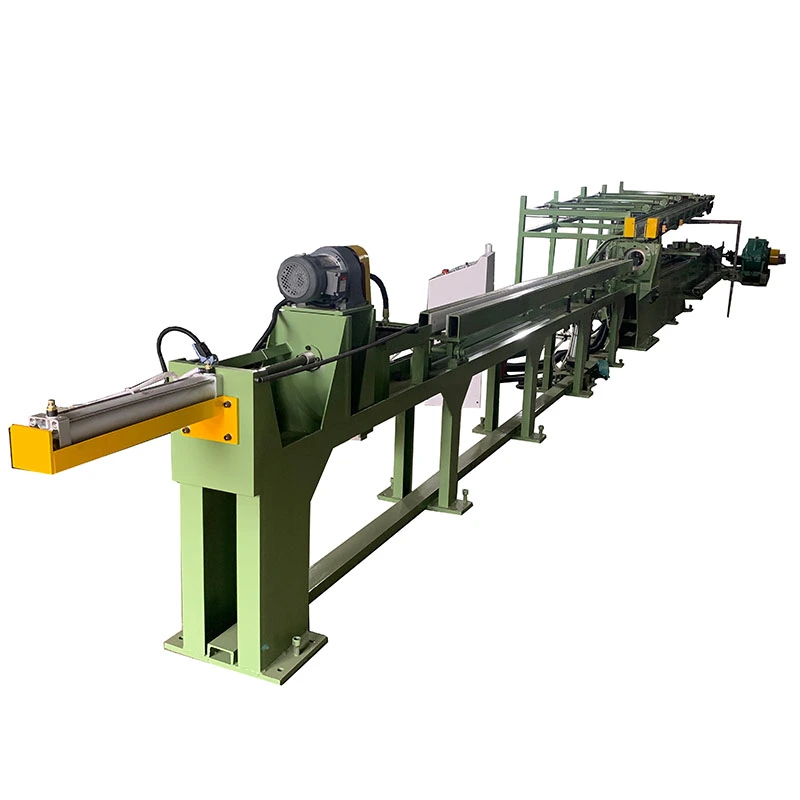
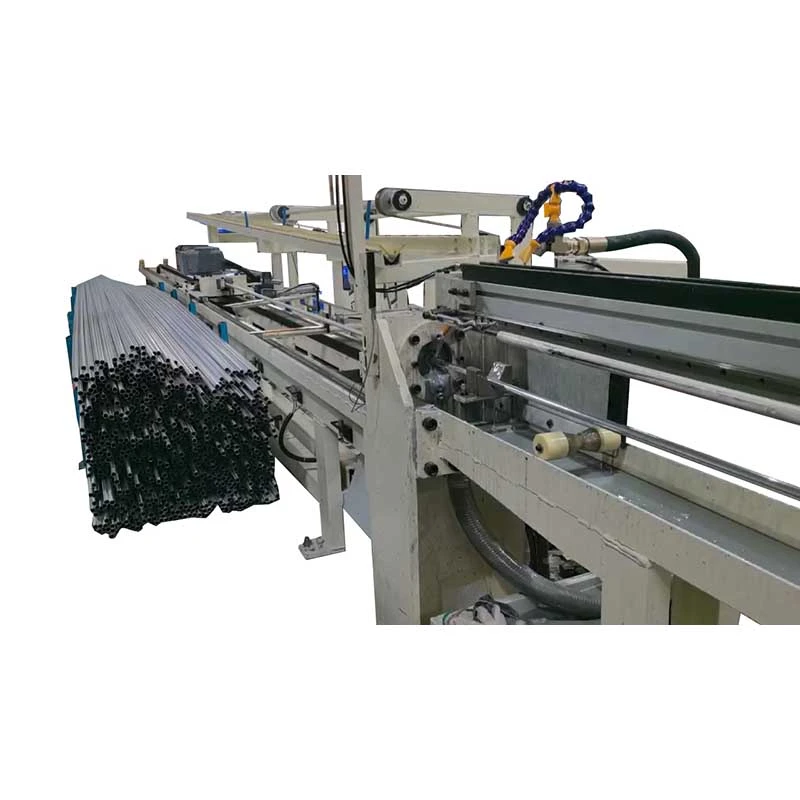
Straightening is often the final dimensional correction before cutting, chamfering, inspection, or assembly. For drawn tubes and bars, FangRong can integrate the straightener with a Cutting Machine and Chamfering Machine so that material handling between these operations is reduced.
This is particularly useful for automotive components, aerospace parts, construction sections, and other products where straightness is checked after drawing rather than assumed from the previous forming operation. FangRong supplies horizontal, vertical multi-roller, vertical two-roller, and irregular-profile configurations, with CE and ISO certifications for international projects.