
We offer a comprehensive range of precision metal processing equipment, including straightening, cold drawing, pointing, chamfering, cutting, thread rolling machines, and drawing dies, tailored for tube, bar, and wire materials across diverse industries.
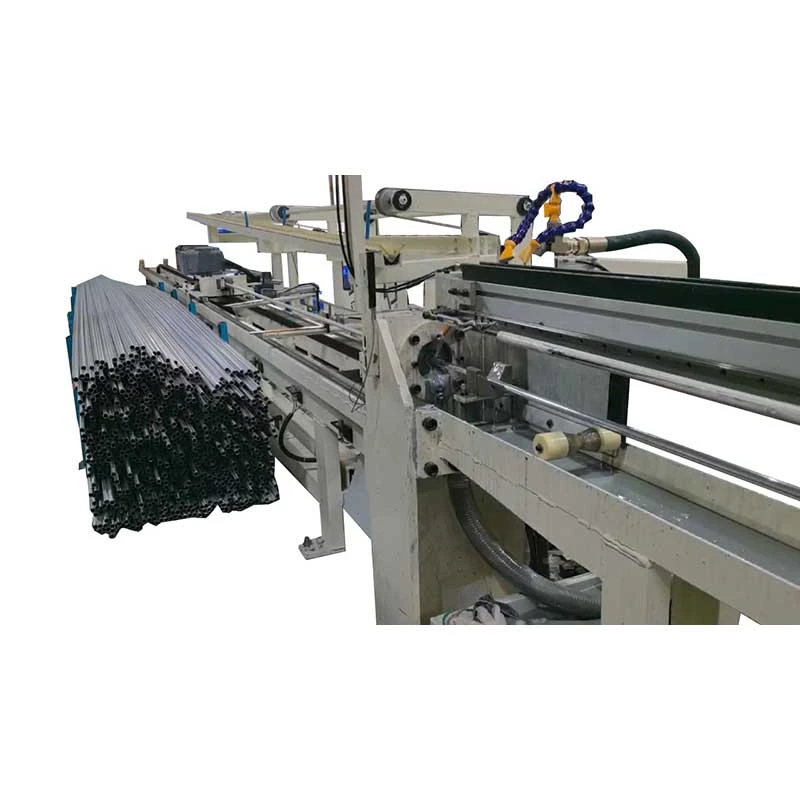
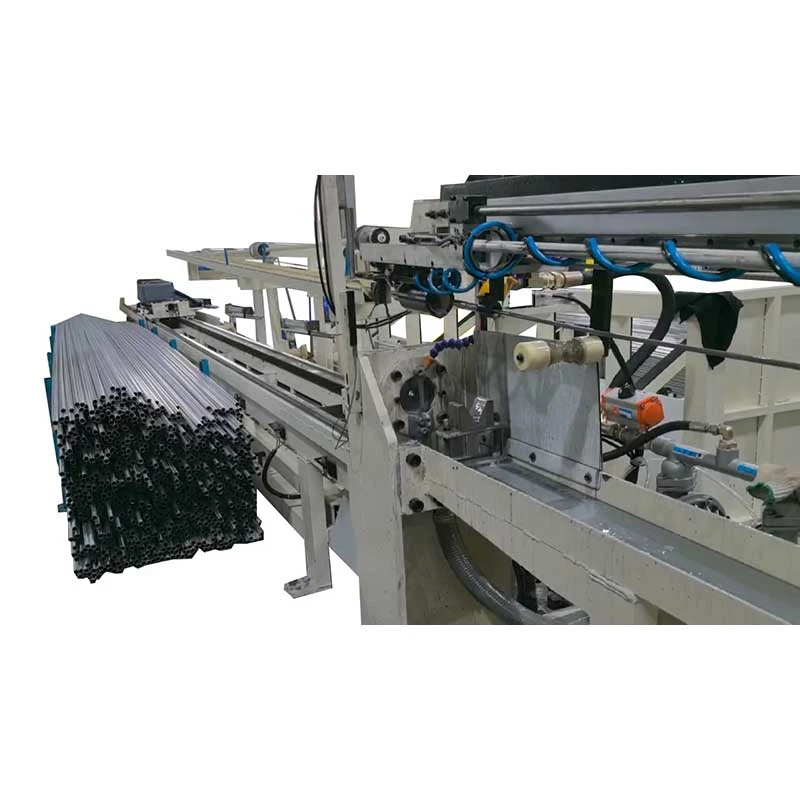
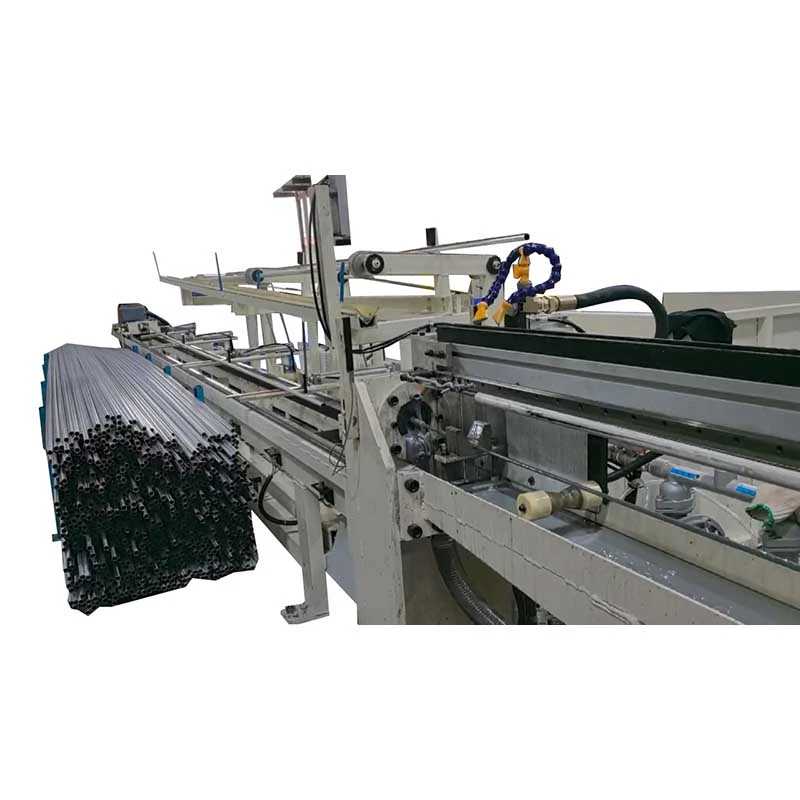
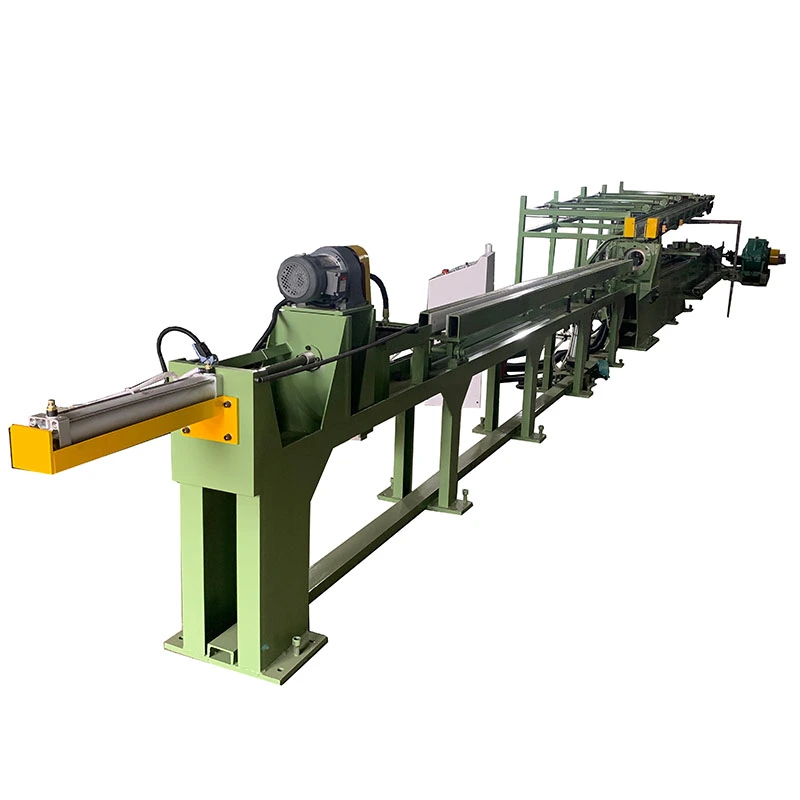
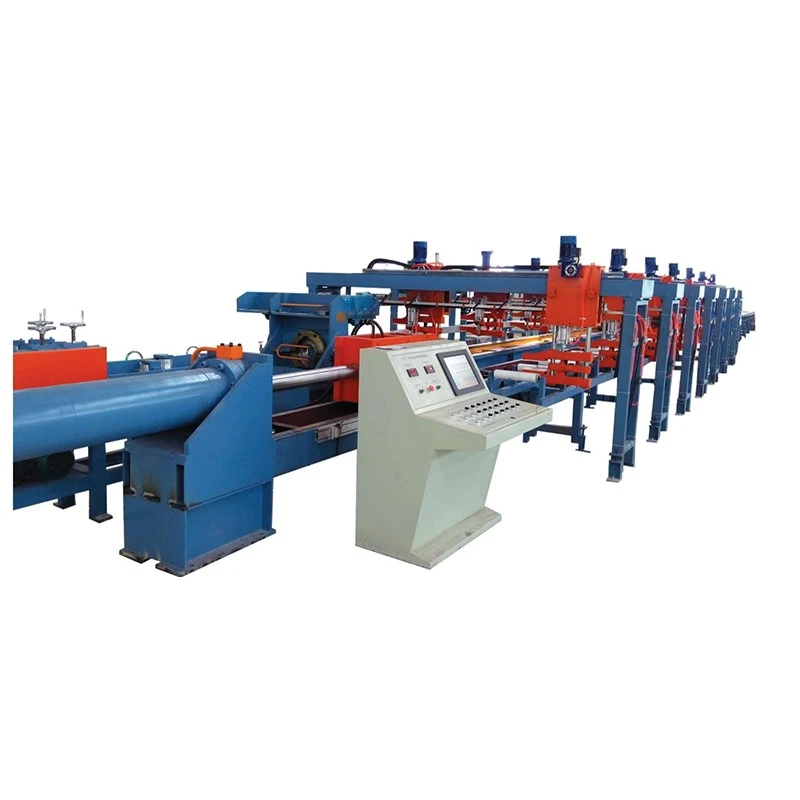
The FR-50 Automatic Rack-Pinion Cold Drawing Machine is a 50 kN servo-driven drawbench for precision tube and bar drawing. It uses rack-and-pinion transmission with a 30 kW Inovance servo motor, providing stable speed control and reduced vibration. Suitable for copper, aluminum, stainless steel and carbon steel applications.
The FR-50 Automatic Rack-Pinion Cold Drawing Machine is a 50 kN servo-driven drawbench for precision drawing of small- and medium-diameter tubes and solid bars. Instead of a conventional chain or hydraulic transmission, it uses a rack-and-pinion drive powered by a 30 kW Inovance servo motor and a 1:15 planetary right-angle gearbox.
The machine has a 4 m effective drawing length, 2 m mandrel stroke, drawing speed of 0–40 m/min and carriage return speed of up to 30 m/min. The listed maximum tube OD is φ40 mm. Actual drawing capacity depends on the material grade, starting dimensions, wall thickness, reduction per pass and die design.
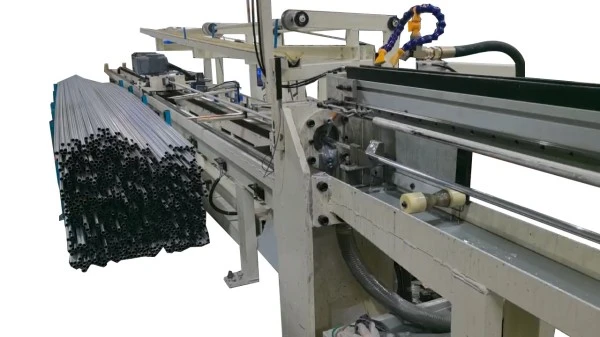
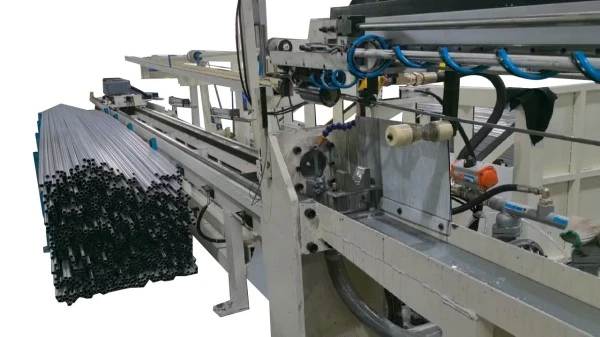
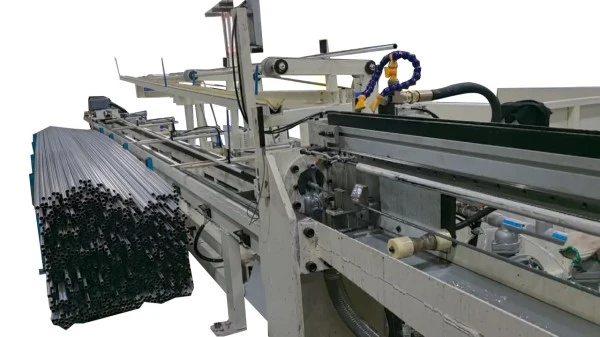
The FR-50 is intended for small- and medium-diameter tube and bar drawing. Typical materials include copper, aluminum, stainless steel and carbon steel, but the same machine size cannot be applied to every material and reduction schedule.
For example, a larger tube made from a soft copper alloy may require less drawing force than a smaller stainless steel tube with a heavy reduction. For this reason, tube OD alone should not be used to select the drawbench.
Before confirming the machine, provide:
Material grade
Starting tube or bar size
Finished size
Wall thickness for tubes
Reduction per pass
Required drawing length
Target production output
These parameters are used to evaluate the required drawing force, tooling arrangement and cycle time. If the calculated load exceeds the practical range of 50 kN, a larger drawbench should be considered.
The carriage is driven by a servo-controlled pinion engaging a precision rack fixed along the machine bed. This transmission eliminates the chain tensioning and chain elongation associated with chain-driven drawbenches and avoids the cylinder, pump and hydraulic oil circuit required by hydraulic systems.
The main process benefit is the ability to control drawing speed, acceleration, deceleration and carriage position through the servo system. This is useful when the production process requires repeatable drawing cycles or different speeds for different materials and reductions.
Rack-and-pinion transmission does not by itself determine finished-product quality. Die geometry, mandrel alignment, lubrication, material condition and drawing schedule remain critical to the final tube or bar dimensions and surface condition.
The rated drawing force is 50 kN. The usable range depends on material strength, cross-section reduction, friction and tooling. The machine should be selected with sufficient force margin rather than operated continuously at the limit of its rated capacity.
Tube drawing uses a die together with a mandrel or core rod to control the internal dimension. The FR-50 supports internal lubrication for tubes with an ID of 16 mm or larger, subject to the selected tooling configuration.
For solid bars, the mandrel system is not required. The same drawbench can therefore be configured for tube and bar applications when the product dimensions, tooling and drawing load are within the machine range.
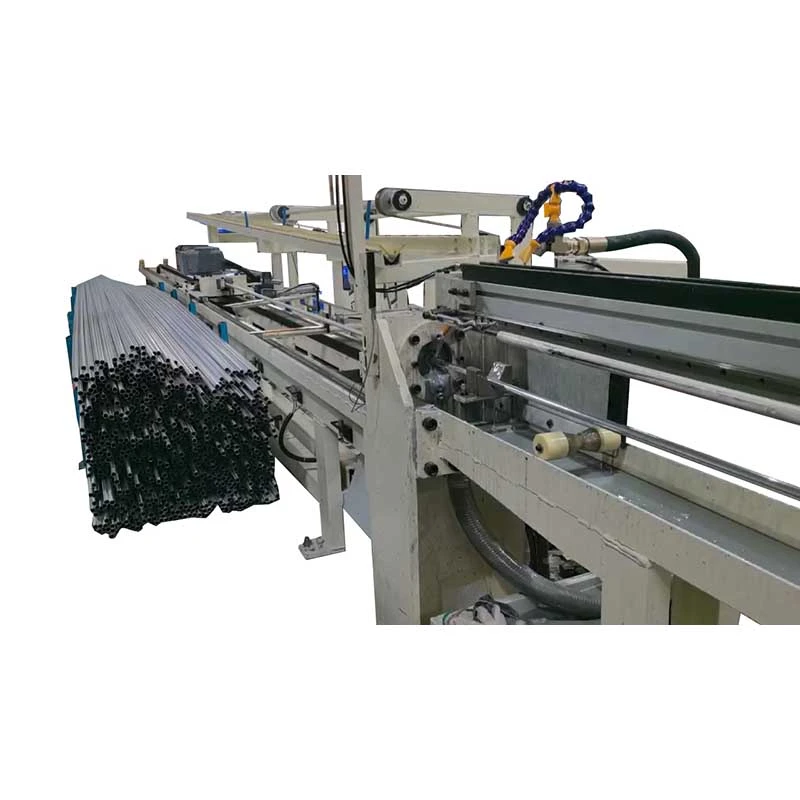
The Automatic Rack-Pinion Cold Drawing Machine can be supplied in semi-automatic or fully automatic configurations. Depending on the production sequence, automation can cover feeding, mandrel threading, internal and external lubrication, drawing, unloading and carriage return.
| Parameter | Specification |
| Model | FR-50 |
| Drawing Force | 50 kN |
| Drawing Form | Single-line (1 strand) |
| Effective Drawing Length | 4 m |
| Core-Rod Stroke | 2 m |
| Max. Tube OD | φ40 mm, depending on material and reduction |
| Drawing Speed | 0–40 m/min, infinitely variable |
| Carriage Return Speed | 0–30 m/min |
| Cycle Time (Push/Return) | 9 s |
| Center Height | 800 mm |
| Servo Motor | 30 kW, 2000 rpm, Inovance |
| Reducer | Planetary right-angle, ratio 1:15, Newgear |
| Servo Controller | 30 kW, Inovance |
| Power Supply | 380 V, 50 Hz |
| Guide Rails | 35# linear rail, 4 m, ENSC |
| Frame Construction | C28 channel steel, A3 steel plate welded |
| Die Holder | 45# steel plate, spherical die plate, mounting hole φ100 mm, customizable |
| Lubrication | Pneumatic diaphragm pump, external + internal lubrication for ID ≥16 mm |
Specifications may vary with material, drawing schedule, die design and optional equipment. Final machine capacity should be confirmed from the actual production parameters.
Used for precision copper tubes in HVAC, refrigeration and heat-transfer equipment, as well as copper bars for electrical and general engineering applications. Copper is generally suitable for higher drawing speeds than harder steel grades, provided the reduction and lubrication are properly selected.
Suitable for automotive cooling tubes, heat-exchanger components and general aluminum tubing requiring controlled outside dimensions and wall thickness after drawing.
Can be used for precision stainless steel tubing when the required drawing load is within the 50 kN range. Stainless steel work-hardening, die geometry and lubrication need to be considered when determining the reduction and drawing speed.
Applications include precision tubes, rods and bars for engineering components. Higher-strength materials or large reductions may require a larger drawing-force class or multiple drawing passes.
The Automatic Rack-Pinion Cold Drawing Machine can be configured around the actual production sequence rather than adding automation functions independently. This is important when the line handles multiple tube sizes or frequent tooling changes.
A semi-automatic configuration keeps material loading and selected setup operations under operator control. A fully automatic configuration can integrate feeding, mandrel threading, lubrication, drawing, unloading and carriage return.
The PLC and HMI system can be configured according to the required machine functions, production sequence and automation level.
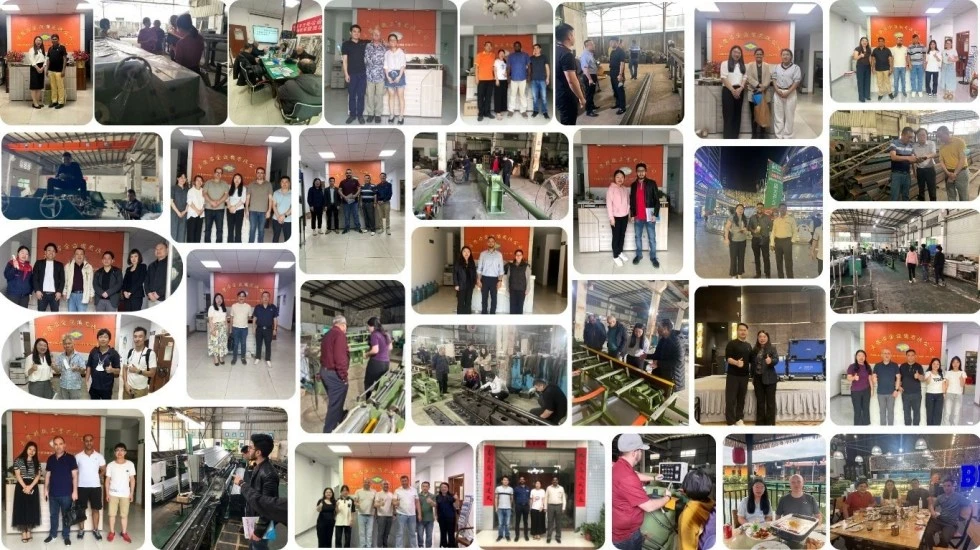
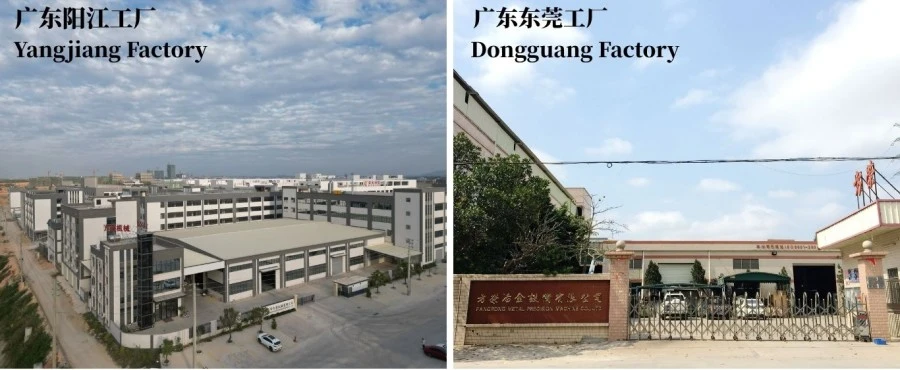
FangRong has been involved in cold drawing equipment manufacturing since 1998. Its manufacturing facilities in Dongguan and Yangjiang cover machine fabrication, machining, assembly, electrical integration and testing.
The company reports an annual production capacity of more than 650 machines across the two facilities and has supplied equipment to customers in more than 70 countries.
Frame fabrication: C28 channel steel and A3 steel plate are welded and prepared for machining.
Machining: Guide-rail and rack installation surfaces are machined to the required geometry.
Drive assembly: Servo motor, planetary gearbox, pinion and rack are assembled and checked before final integration.
System integration: Mechanical, pneumatic, lubrication and electrical systems are connected and commissioned.
PLC programming: Drawing cycles and HMI functions are configured according to the selected machine specification.
Machine testing: Carriage movement, electrical functions, lubrication and drawing performance are checked before shipment. Customer samples can be used for drawing trials when supplied.

ISO 9001:2015 — Quality management system covering design, production, installation and service. Certificate No. UQ231211R1.
CE documentation — Available for applicable machine configurations according to the requirements of the destination market.
SGS inspection — Independent inspection can be arranged when required by the customer or project.
FangRong also holds multiple invention and utility model patents related to cold drawing equipment, including drawing-machine transmission and tooling systems.
The required force is determined from the material grade, starting and finished dimensions, wall thickness, reduction, die geometry and lubrication conditions. The φ40 mm maximum tube OD is a machine reference and should not be treated as the maximum size for every material.
Yes. Tube drawing uses a die and mandrel system, while solid bars are drawn without a mandrel. Separate dies and appropriate tooling are required, and the drawing load must remain within the machine's rated range.
The drive eliminates chain stretch and routine chain tension adjustment. More importantly, the servo system provides programmable speed, acceleration, deceleration and carriage positioning, which is useful for repeatable automated drawing cycles.
Yes, provided the material and reduction schedule are within the machine's drawing-force capability. Stainless steel generally requires closer control of reduction, tooling and lubrication because of its higher strength and work-hardening behavior.
Provide the material grade, starting size, finished size, wall thickness, reduction per pass, drawing length, production target and automation requirements. For tube drawing, ID requirements and mandrel information are also useful for confirming the tooling configuration.
A meaningful FAT should check carriage movement, drawing speed, force capability, die and mandrel alignment, lubrication, automatic cycle functions and safety functions. If customer material is available, an actual drawing trial is preferable because it allows the process result to be checked before shipment.
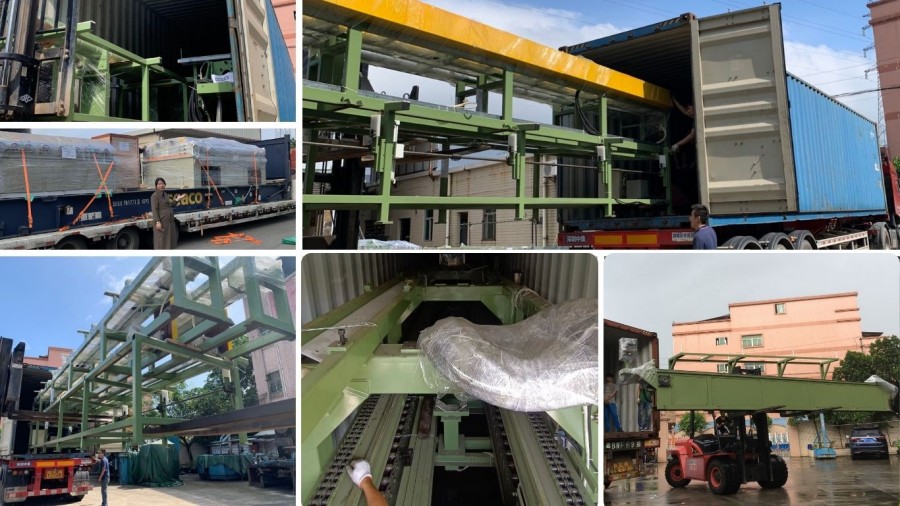
FangRong provides installation supervision, commissioning, operator training, spare-parts supply and remote technical support. The standard warranty period is 12 months from commissioning.
Address
NO.163,Shatong Road,Shabu 2nd Industrial Zone, Dalang Town, Dongguan City, Guangdong, China