We offer a comprehensive range of precision metal processing equipment, including straightening, cold drawing, pointing, chamfering, cutting, thread rolling machines, and drawing dies, tailored for tube, bar, and wire materials across diverse industries.
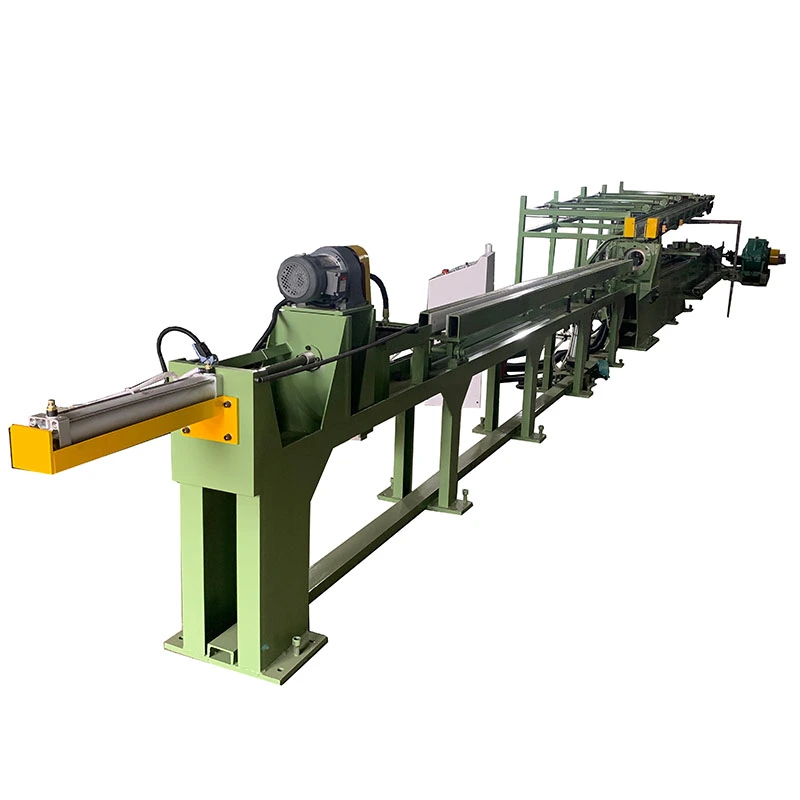
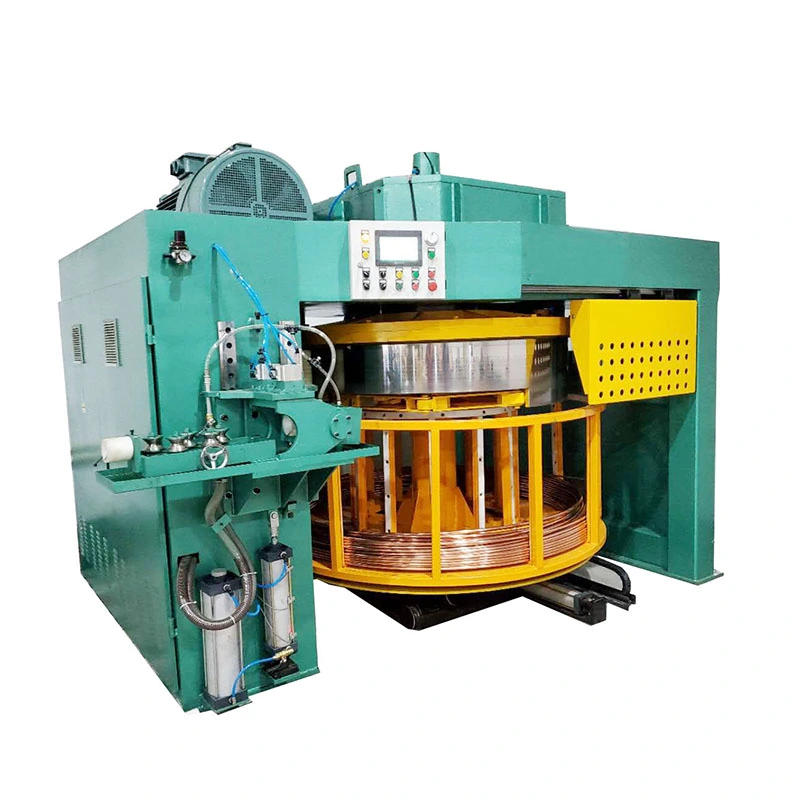
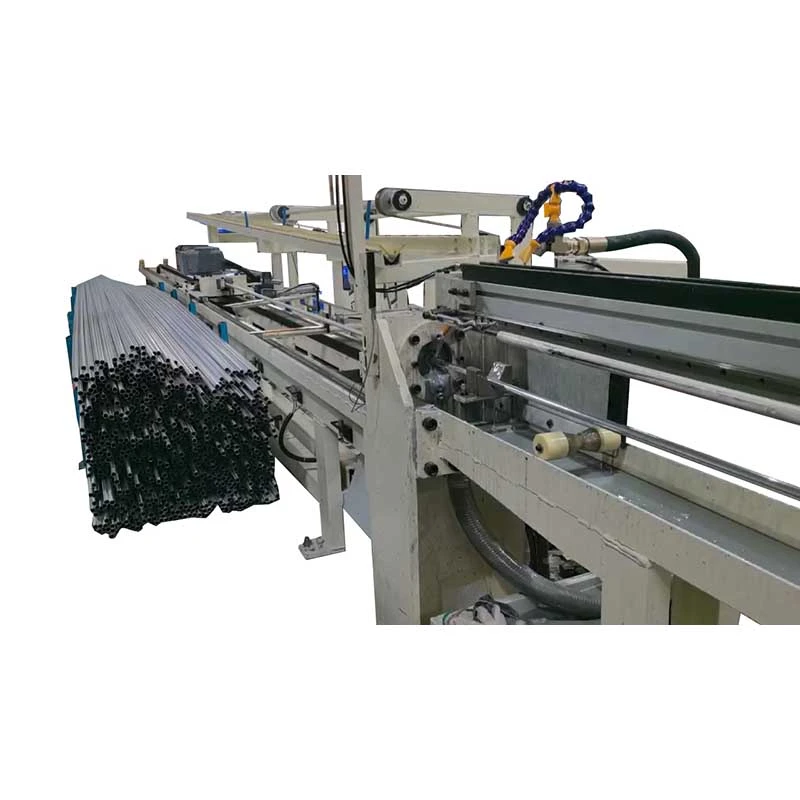
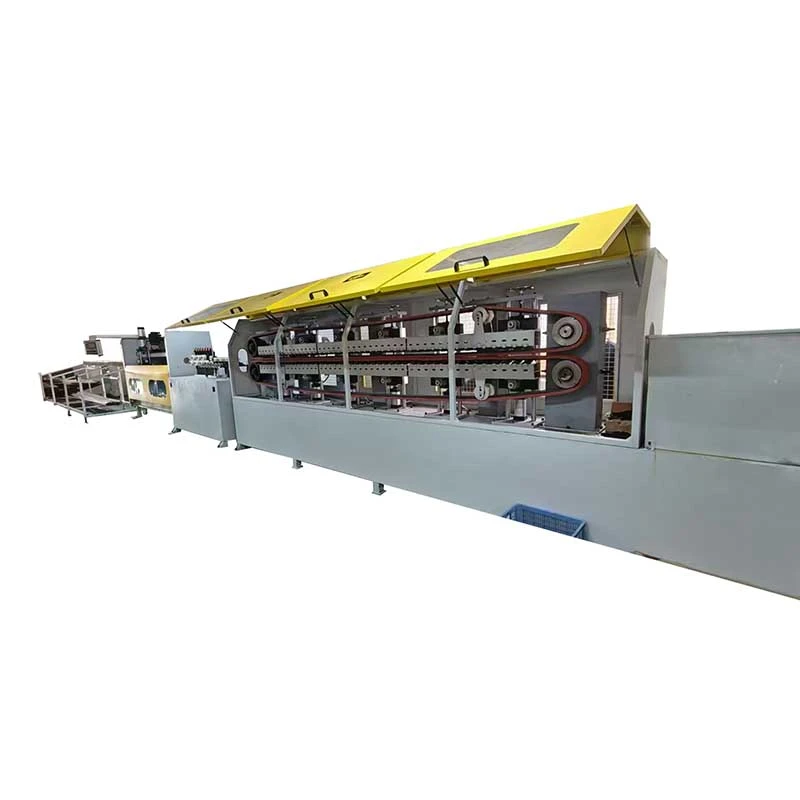
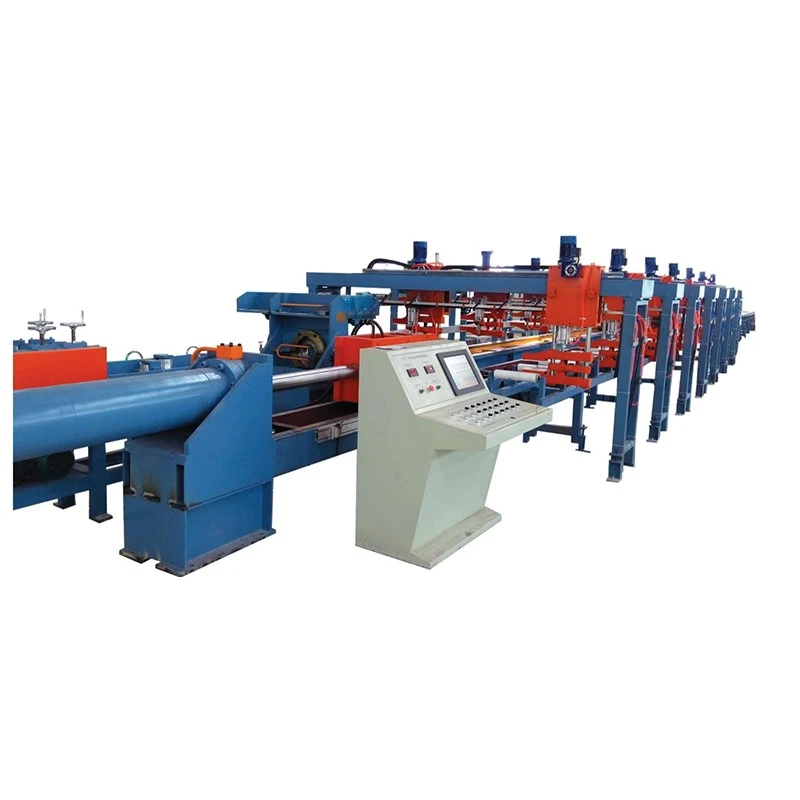
FangRong's Full Automatic Line combines pointing, cold drawing, straightening, cutting and chamfering into one connected production line. Instead of moving semi-finished bars between separate machines, the material enters at the feeding end and passes through the required processes in sequence. This configuration is particularly useful for factories producing large quantities of fixed-length bars or tubes where manual transfer and repeated positioning have become a bottleneck.
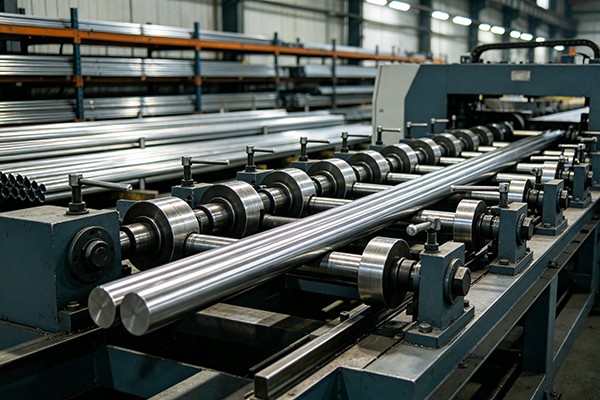
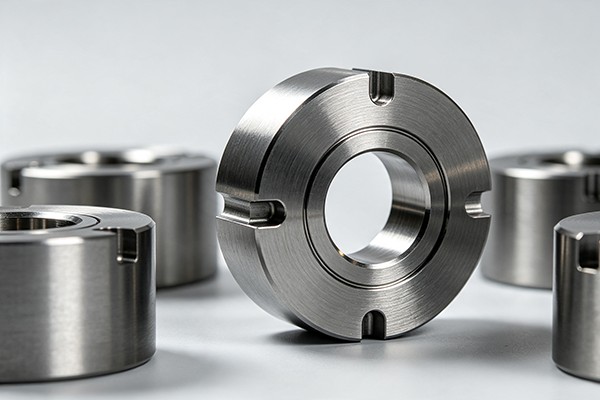
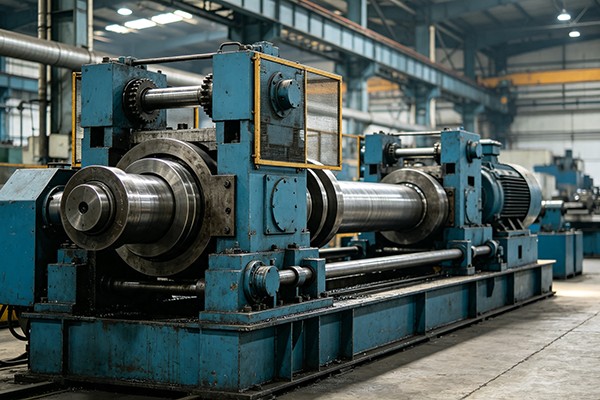
The process starts with a hydraulic push head that prepares the material for drawing, followed by the main drawing unit, multi-roller straightener, flying shear and automatic chamfering station. Each stage has a specific job: the push head gets the material through the die, drawing reduces the section, straightening corrects residual curvature, cutting establishes the finished length, and chamfering prepares the ends for the next assembly or machining operation.
Pointing → Cold Drawing → Straightening → Cutting → Chamfering
Keeping these operations connected can reduce intermediate handling, manual alignment and work-in-process storage. This becomes more noticeable when one product is repeatedly produced to the same specification and operators would otherwise spend a significant amount of time transferring and resetting material between machines.
The benefit is not simply fewer machines on the workshop floor. A connected production route can also reduce the amount of material handling between processes and make the overall workflow easier to manage.
Automatic Line Range: FR-5T to FR-200T
Hydraulic Push-Head Force: 10T to 300T
Push-Head Cylinder: φ63×200mm to φ300×300mm
Main Drawing Motor Power: 22kW to 400kW
Hydraulic Oil-Pump Power: 5.5kW to 160kW
Applicable Bar Diameter: approximately 13–100mm, depending on configuration
These figures are not independent options. The starting diameter, material grade, drawing reduction, finished size and production cycle determine the required drawing force, hydraulic capacity and motor power. A line designed for smaller precision bars, for example, does not need the same configuration as one drawing larger high-strength steel sections.
FangRong therefore builds the line around the actual drawing process rather than selecting every module separately by nominal machine capacity. This helps match the equipment to the material and production requirements without adding capacity that is not needed.
Once several machines are connected, the difficult part is making them work as one process. The drawing unit, straightener, cutter and chamfering station cannot operate independently if the material must arrive at each station at the correct time and position.
FangRong uses a central Mitsubishi PLC control system to coordinate servo drives, hydraulic units and automatic handling. The control system manages the operating sequence between stations, while speed and tension are coordinated to reduce unnecessary stops, material accumulation and mismatched movements.
For production involving frequent product changes, stored process settings can also reduce the amount of repeated adjustment required by operators. This is particularly useful when the same line handles several established production specifications.
This type of line is most suitable when the production route is repetitive and the finished product requires several consecutive operations. Typical applications include automotive drive shafts, bicycle frame tubes, furniture legs and electrical conduits.
For low-volume production with many different sizes, a fully integrated line is not always the best choice. Separate machines may provide greater flexibility when products change frequently. The automatic line becomes more attractive when stable specifications, high output and reduced manual handling are more important than maximum process flexibility.
FangRong does not only supply the individual machines in the line. Our experience covers the complete sequence of pointing, drawing, straightening, cutting and chamfering, allowing the equipment layout and control logic to be considered together from the beginning.
For the customer, one Full Automatic Line project can cover equipment selection, line layout, electrical and hydraulic coordination, installation, commissioning and operator training. If the production requirement changes later, individual stations can also be evaluated as part of the existing process rather than treated as unrelated equipment.
With more than 30 years of experience in metal forming equipment and factories in Guangdong, FangRong focuses on building drawing and finishing lines around the customer's material, dimensions, output and downstream requirements.
The objective is straightforward: less handling between processes and a more consistent route from incoming material to finished parts.
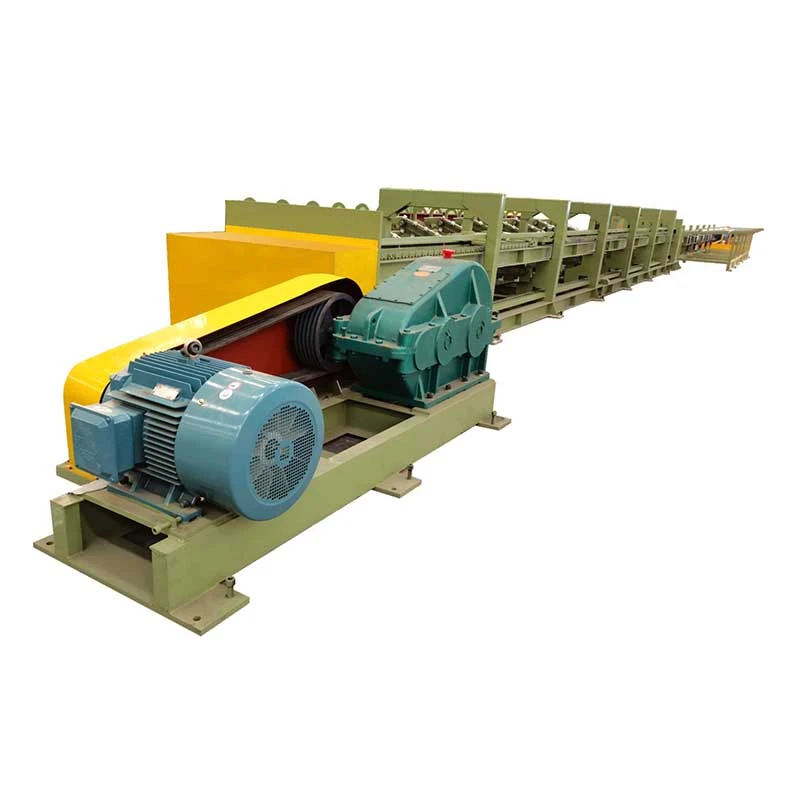
The Automatic Pointing Drawing Straightening Cutting and Chamfering Line integrates pointing, cold drawing, straightening, cutting, and chamfering into one automated process. With hydraulic push-head forces of 10–300 tons and drawing capacities of 5–200 tons, it processes solid round bars from Ø13–100 mm. Automated transfer reduces labor, handling damage, and pointing waste, while centralized PLC control supports consistent production and traceability. Suitable for carbon steel, alloy steel, stainless steel, copper, and aluminum bars used in fasteners, automotive shafts, bearing rollers, and precision components.