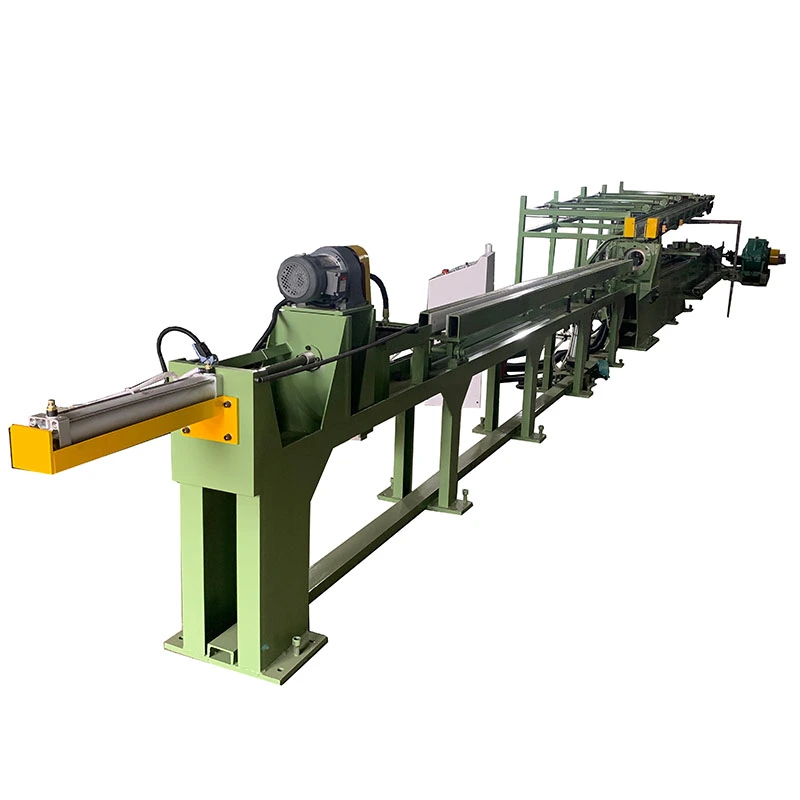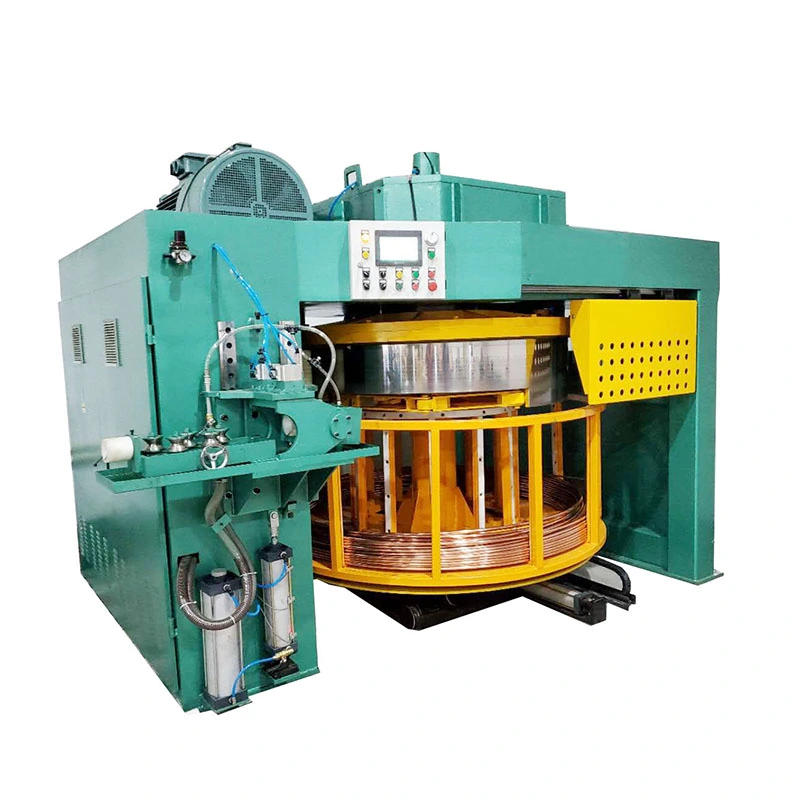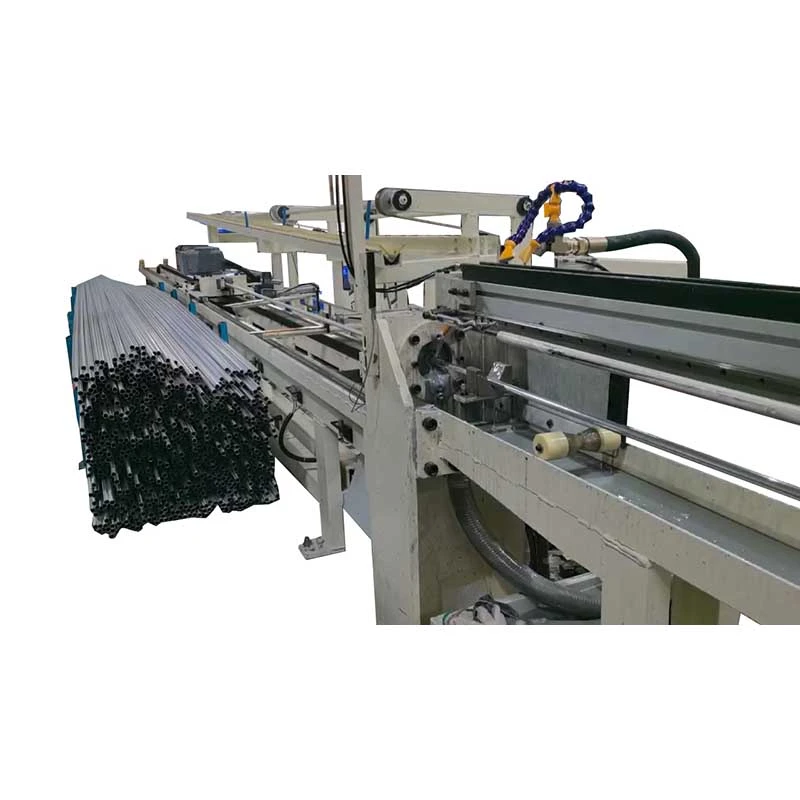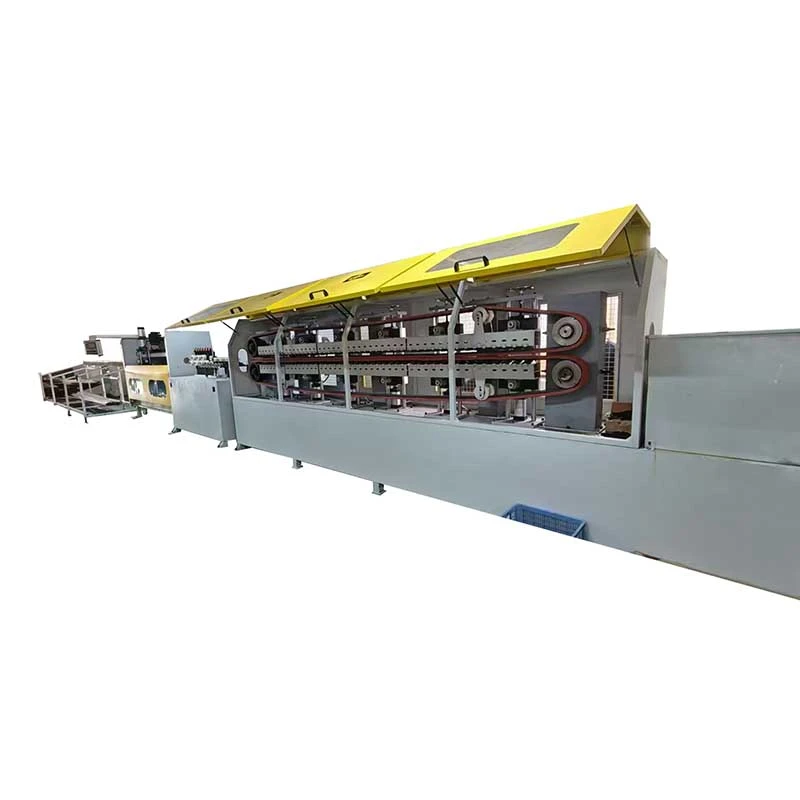
We offer a comprehensive range of precision metal processing equipment, including straightening, cold drawing, pointing, chamfering, cutting, thread rolling machines, and drawing dies, tailored for tube, bar, and wire materials across diverse industries.
Rolling and drawing do different jobs in the same forming process. The rolling head first reduces and reshapes the section, while the drawing die brings the material toward its final dimensions. FangRong's Rolling Drawing Machine combines these two operations for steel products that need controlled deformation before the final drawing pass, particularly S55C, 20CrMo and similar steels with tensile strength up to 900MPa.
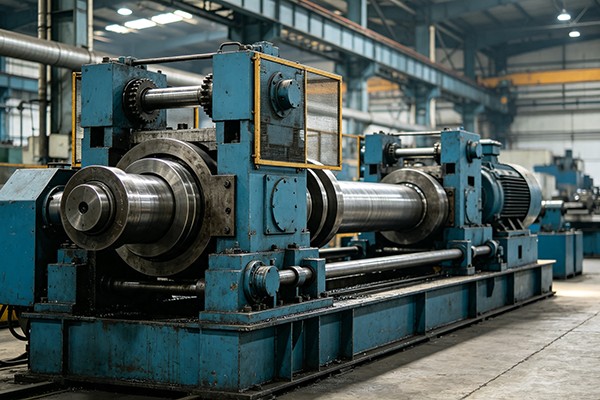
A conventional drawing die performs most of the section reduction in one deformation zone. With the four-roller system, part of the diameter reduction is carried out by the rolling head before the material reaches the die. The rolling reduction is typically 5–15%, which changes the section progressively instead of relying entirely on the final drawing die.
This arrangement can help control the deformation of harder steels and gives the operator another process variable when working with products that are difficult to draw directly. The combined process can also improve the consistency of the finished section and contribute to a straightness level of ≤1mm/m under suitable production conditions.
The four-roller head is not simply an additional reduction unit. Roller geometry, material and surface finish have to match the workpiece. If the roller surface is unsuitable for the steel grade or lubrication condition, roller marks can be transferred to the product before it reaches the drawing die.
FangRong therefore configures the roller materials and surface finish according to the processed material. This is particularly relevant for guide rails, sliders and linear-motion profiles, where surface condition is part of the functional requirement rather than only an appearance issue.
| Model | Drawing Force | Typical Configuration |
|---|---|---|
| FR-30 | 300kN / 30T | For lower drawing loads within the series |
| FR-45 | 450kN / 45T | Intermediate capacity |
| FR-65 | 650–750kN / 65–75T | Dual-chain heavy-duty configuration |
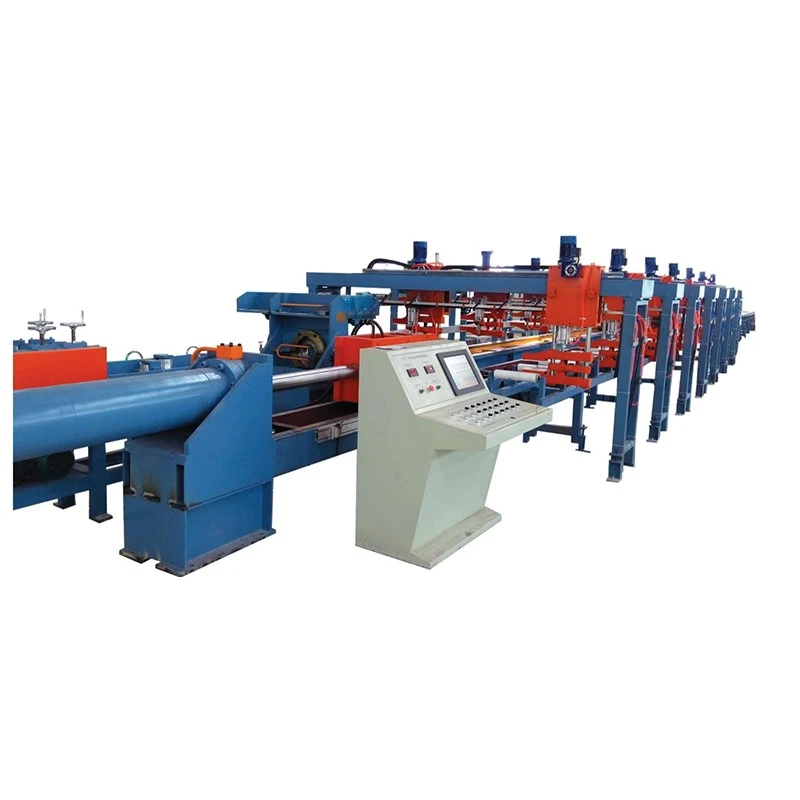
The FR-65 uses a dual-chain drive with 200mm-pitch heavy-duty straight-plate chains, a ZFY560 reducer with a ratio of 112, and a Z4-280-41 DC motor rated at 166kW. The drive system uses a Siemens 6RA80 controller, while Inovance PLC/HMI provides machine control.
The FR-65 has a rated drawing speed of approximately 13m/min, with a variable speed range of 0–37m/min, an effective drawing length of 12m and a bed length of up to 16m. Its approximate footprint is 31 × 4.1m.
For long guide rails and structural profiles, the available stroke and machine layout are as important as the nominal pulling force. The workpiece has to remain properly supported and aligned throughout the rolling and drawing sequence; otherwise, additional pulling capacity will not compensate for poor material guidance.
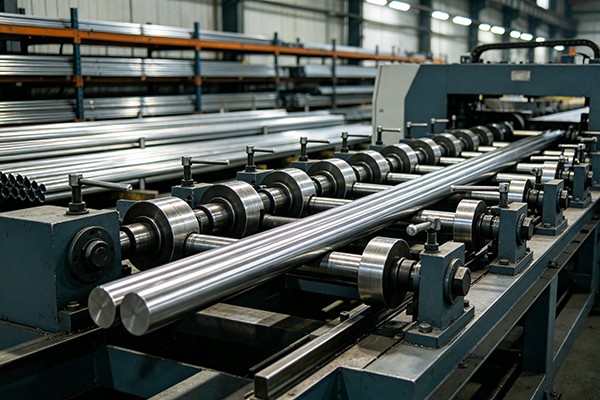
This machine is intended for applications where the combination of controlled rolling and final drawing provides a practical advantage over drawing alone. Typical products include guide rails, sliders, precision linear-motion components and structural profiles made from medium- and high-strength steels.
The process is most useful when the product requires both section accuracy and controlled mechanical deformation. For a simple low-reduction product, adding a rolling stage may offer little benefit; for harder steels or profiles requiring more controlled shaping, the additional deformation stage can make the drawing process easier to manage.
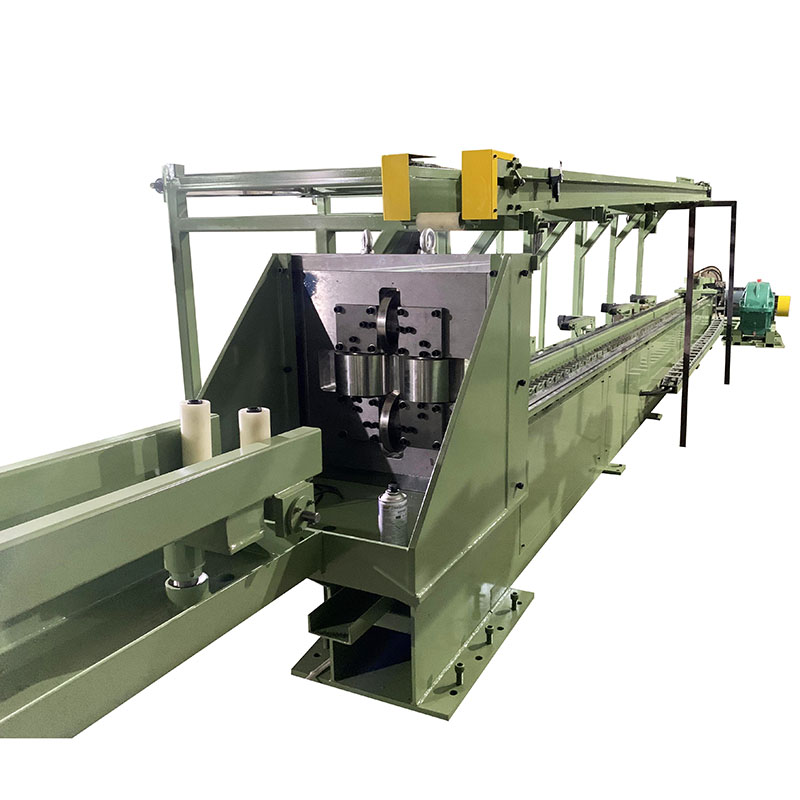
The Four Rollers Rolling Drawing Machine is designed for cold drawing guide rails, sliders, and special-shaped steel sections. With drawing forces of 300–750 kN and speeds up to 13 m/min, it processes S55C, 20CrMo, and similar steels with tensile strength up to 900 MPa. The dual-chain drive, pneumatic clamping carriage, adjustable die holder, and rigid C-frame ensure stable drawing and straightness of ≤1 mm/m. PLC touchscreen control supports precise speed adjustment. Suitable for construction machinery, automation equipment, and precision steel sections.