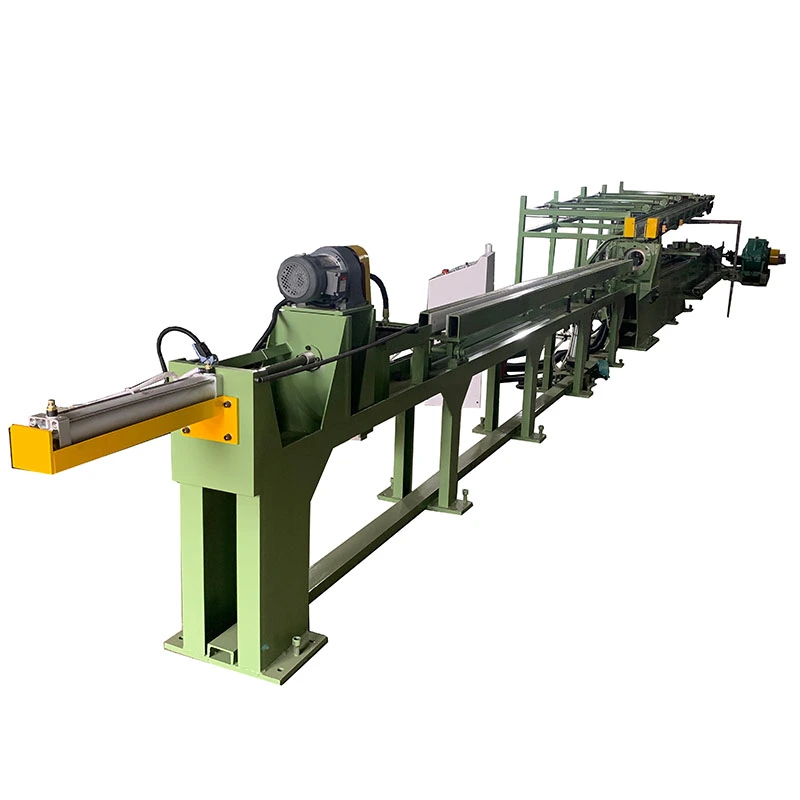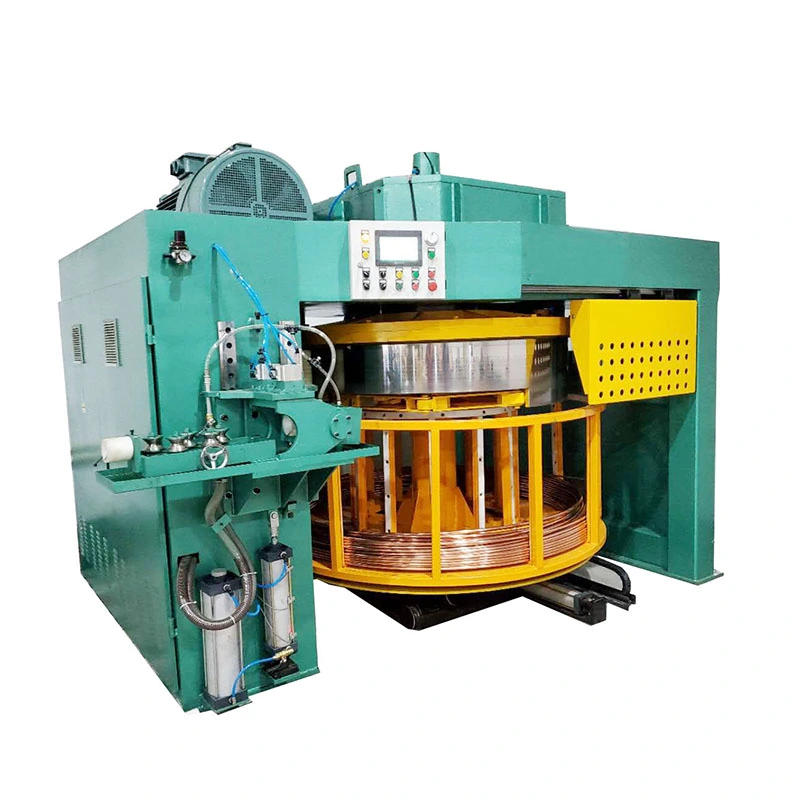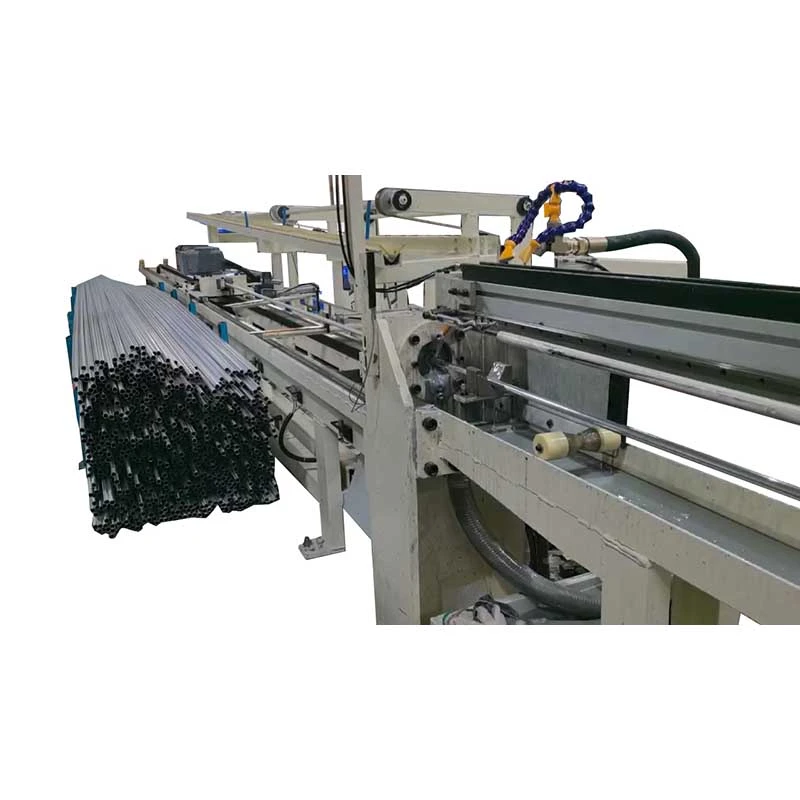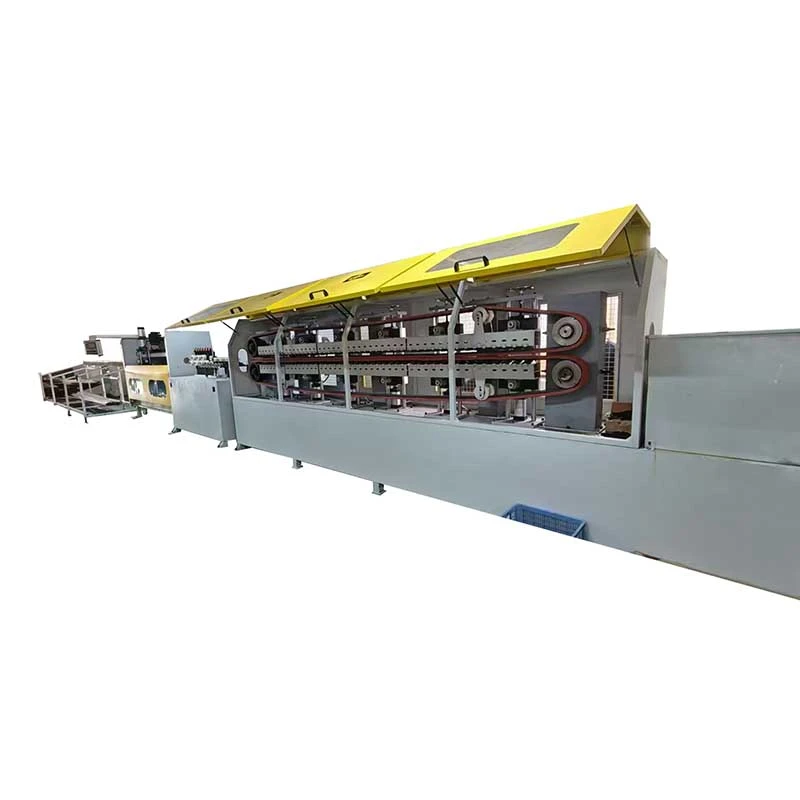

We offer a comprehensive range of precision metal processing equipment, including straightening, cold drawing, pointing, chamfering, cutting, thread rolling machines, and drawing dies, tailored for tube, bar, and wire materials across diverse industries.
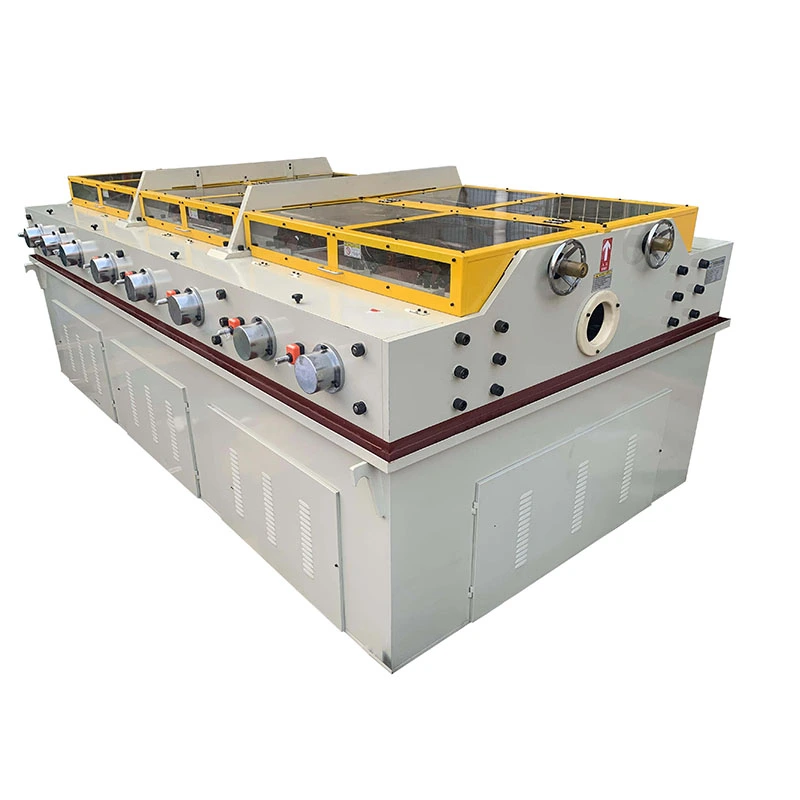
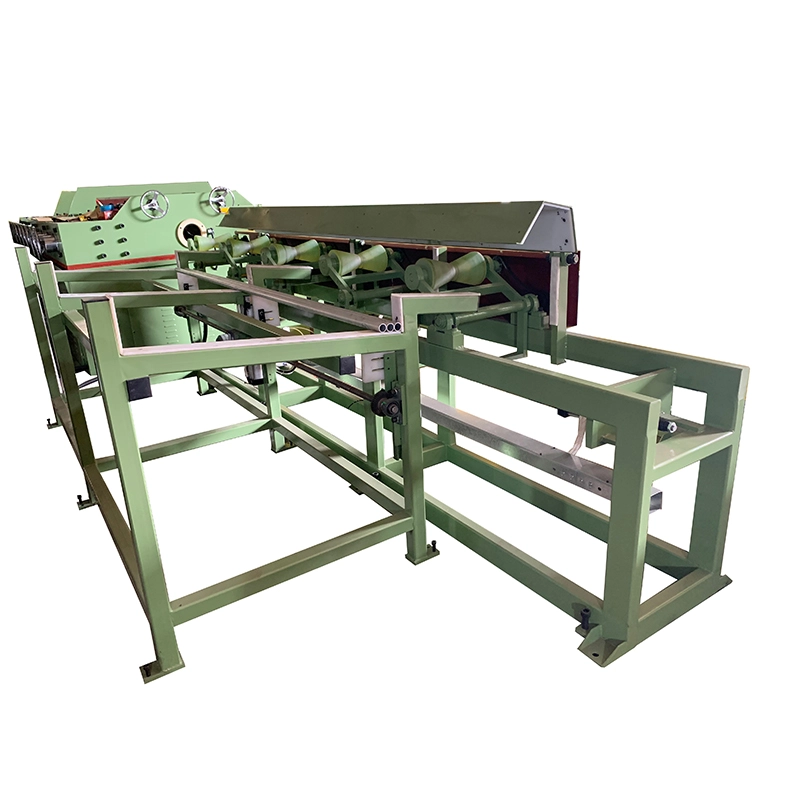
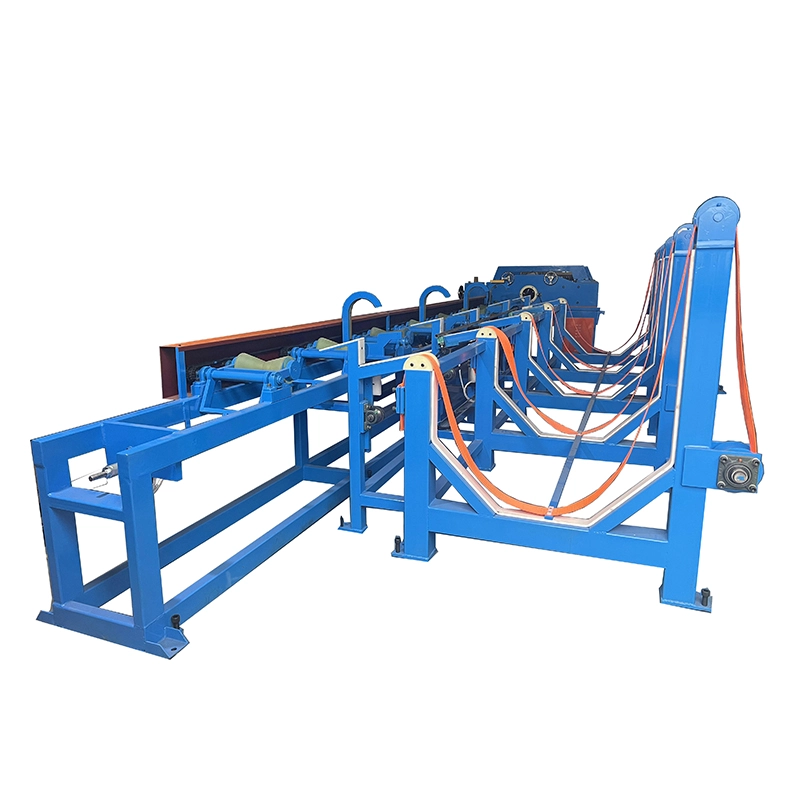
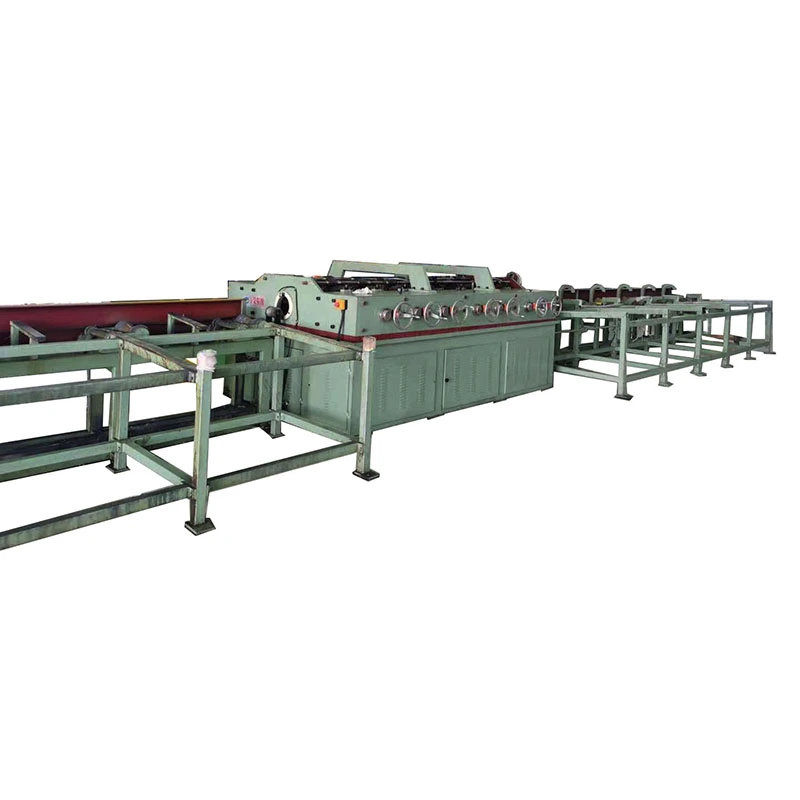
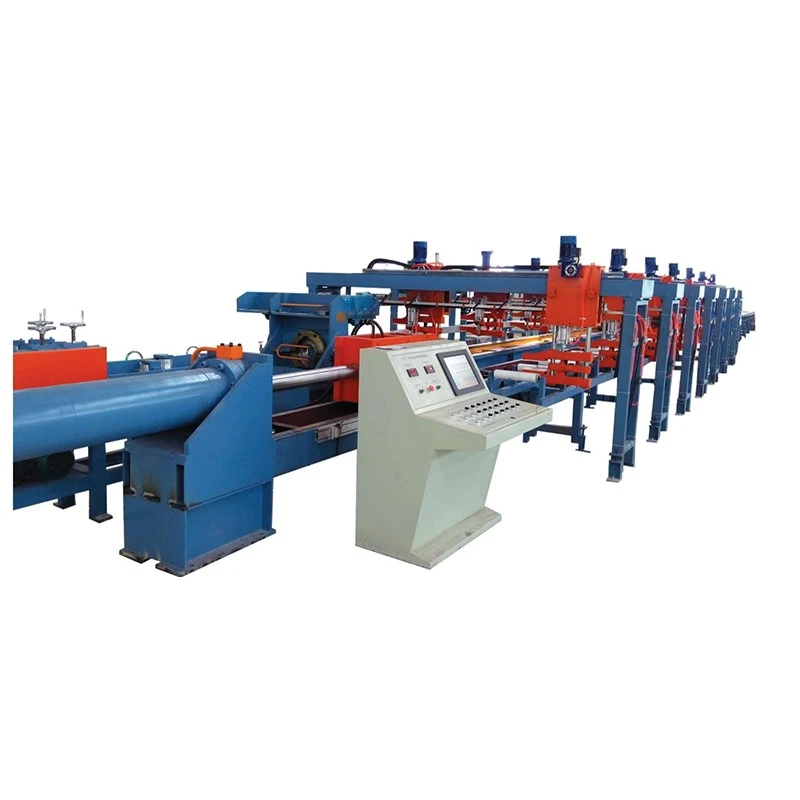
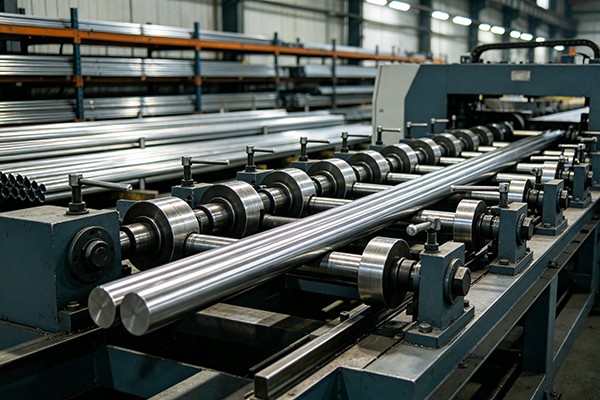
For long bars and tubes, straightening is a continuous correction process rather than a single pressing operation. As the material passes through a horizontal row of rollers, controlled bending is applied repeatedly to remove residual curvature while keeping the finished section within the required dimensional range. FangRong Horizontal Straightening Machines are built for this type of continuous correction, covering round products from φ4mm to φ180mm.
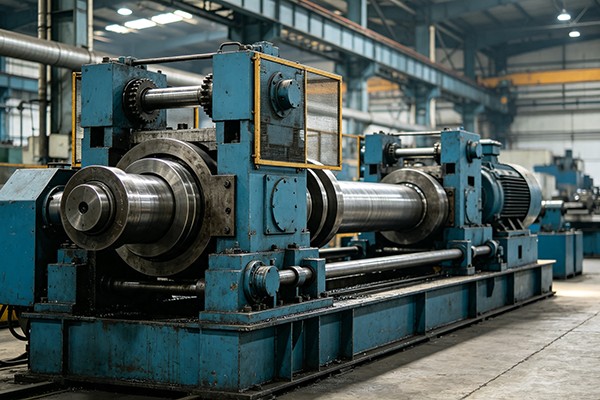
The horizontal arrangement gives the operator a clear material path through the roller line, which is particularly practical for long bars, tubes, shafts, and other products that need to remain supported throughout the straightening process. FangRong FR-20 to FR-180 models are configured with approximately 14–20 rollers, allowing the correction load to be distributed across multiple contact points instead of concentrating the deformation in one location.
The working speed is adjustable from 0–60m/min through variable-frequency control. Lower speeds can be useful when processing harder materials, larger sections, or products requiring more careful correction, while higher speeds are suitable for stable, repetitive production once the roller settings have been established.
| Model | Product Range | Rollers | Main Motor | Machine Weight |
|---|---|---|---|---|
| FR-25 | φ6–25mm | 14 | 4kW | 1,000kg |
| FR-76 | φ18–76mm | 17 | 15kW | 3,500kg |
| FR-180 | φ60–180mm | 17 | 55kW | 25,000kg |
The increase in machine size is not simply related to roller quantity. Larger-diameter bars and tubes require greater correction force, heavier roller assemblies, and a more rigid machine structure. The FR-180, for example, uses a 55kW main motor and weighs approximately 25,000kg, providing the mechanical capacity required for sections up to φ180mm.
A bar can appear visually straight while still showing unacceptable roundness or dimensional variation. For precision production, FangRong horizontal straighteners can be configured for straightness of approximately 0.1–0.3mm/m and roundness tolerance down to ≤0.05mm, depending on material condition, incoming deformation, roller adjustment, and process parameters.
This distinction matters when the straightened product will enter a machining, assembly, hydraulic, or bearing-related process. In such cases, simply removing visible bending is not enough; the correction process must avoid introducing excessive deformation into the section itself.
Surface marking is a common concern when straightening finished or semi-finished bars and tubes. Excessive roller pressure, contaminated roller surfaces, unsuitable roller materials, or incorrect alignment can leave longitudinal marks even when the straightness result is acceptable.
FangRong machines use hardened and polished rollers, with roller diameters from approximately φ68mm to φ320mm. Roller surface materials and contact conditions can be selected according to the product so that the correction force is applied without unnecessarily damaging the finished surface.
Typical products include automotive shafts, hydraulic cylinder tubes, construction bars, furniture tubes, and other long round sections that require controlled straightness after drawing, peeling, machining, or heat treatment. The Horizontal Straightening Machine can also be incorporated into a production route with a Cold Drawing Machine upstream and a Cutting Machine downstream when the same line needs to handle drawing, straightening, and fixed-length processing.
For FangRong, the roller configuration is selected from the actual product rather than from diameter alone. Material grade, incoming curvature, finished straightness, surface requirement, production speed, and downstream operation all affect the final setup. CE-certified equipment and technical support are available for international production projects.