
We offer a comprehensive range of precision metal processing equipment, including straightening, cold drawing, pointing, chamfering, cutting, thread rolling machines, and drawing dies, tailored for tube, bar, and wire materials across diverse industries.
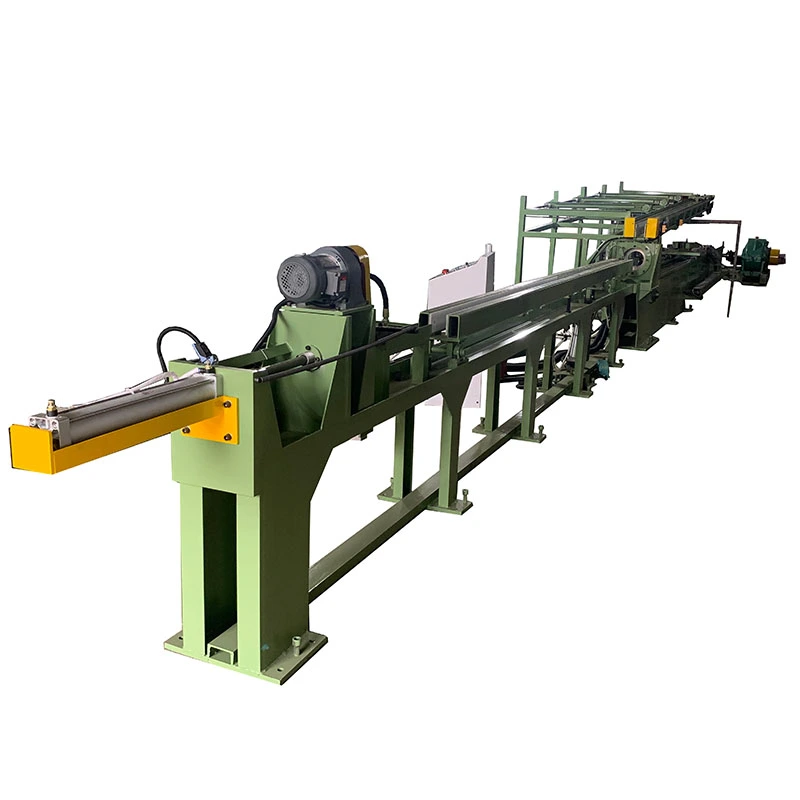
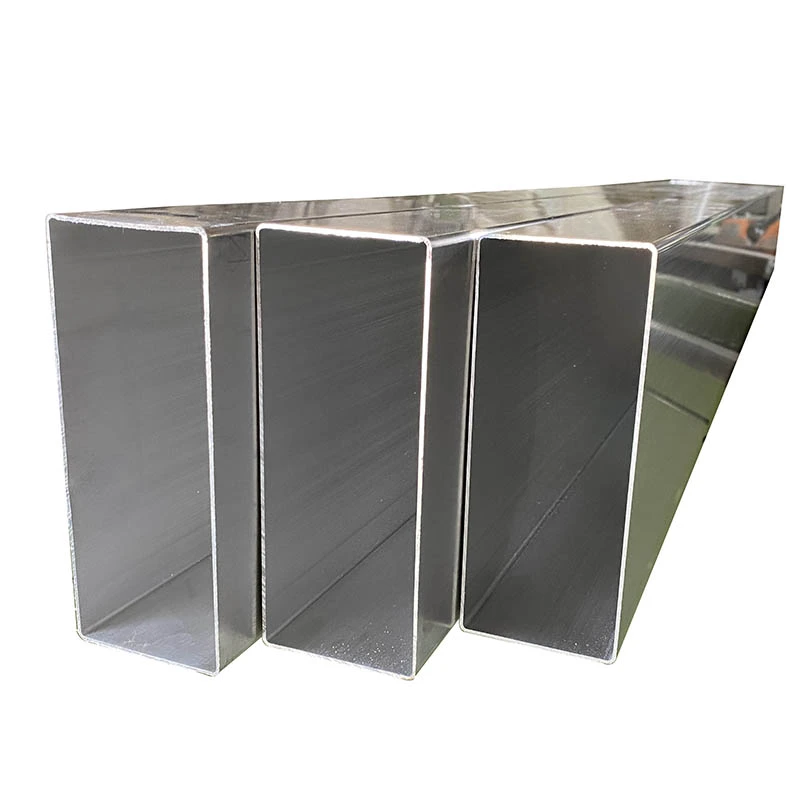
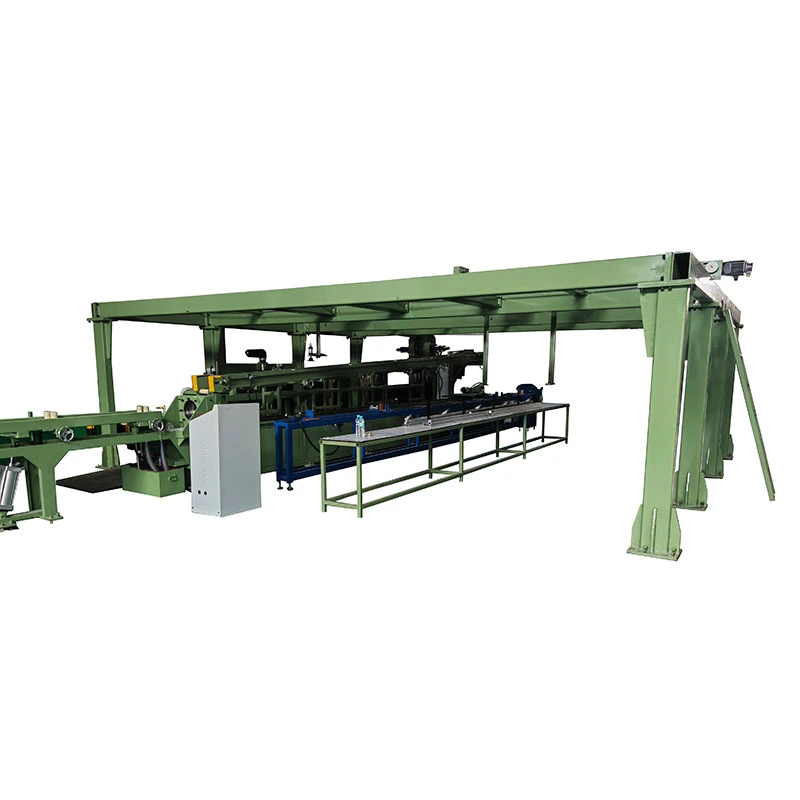
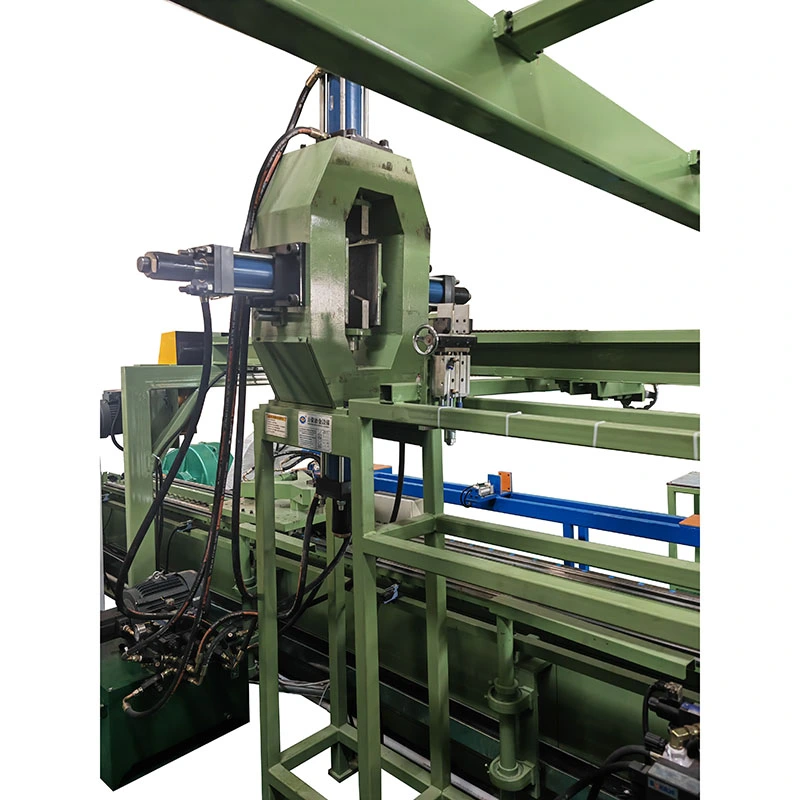
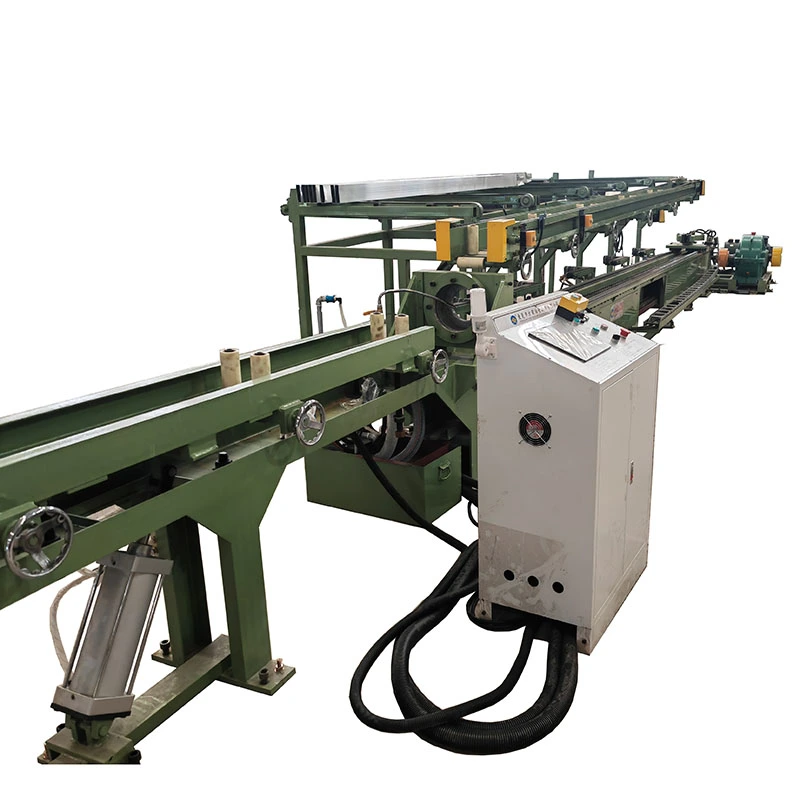
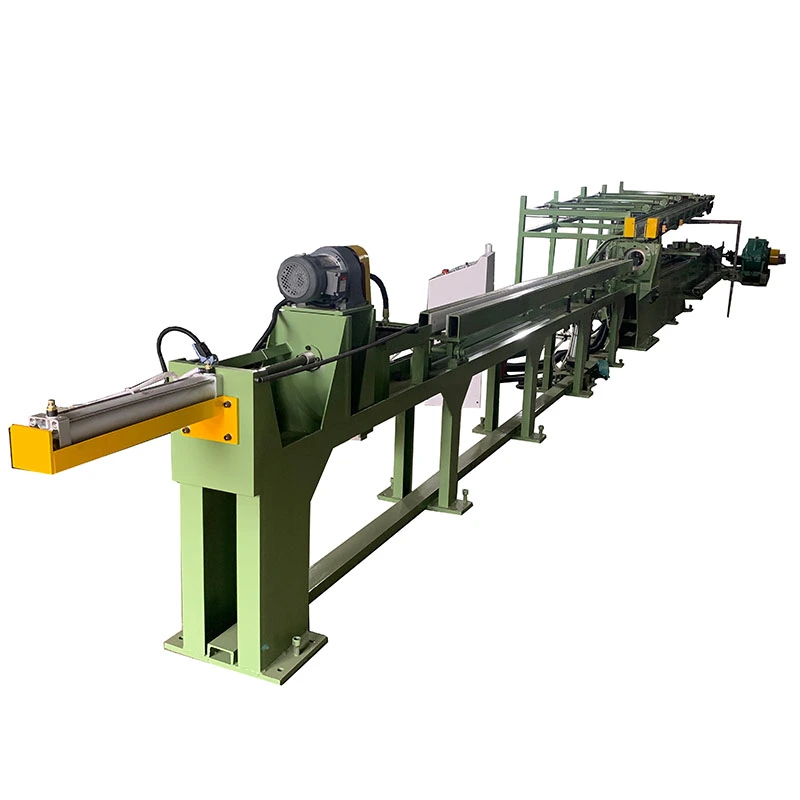
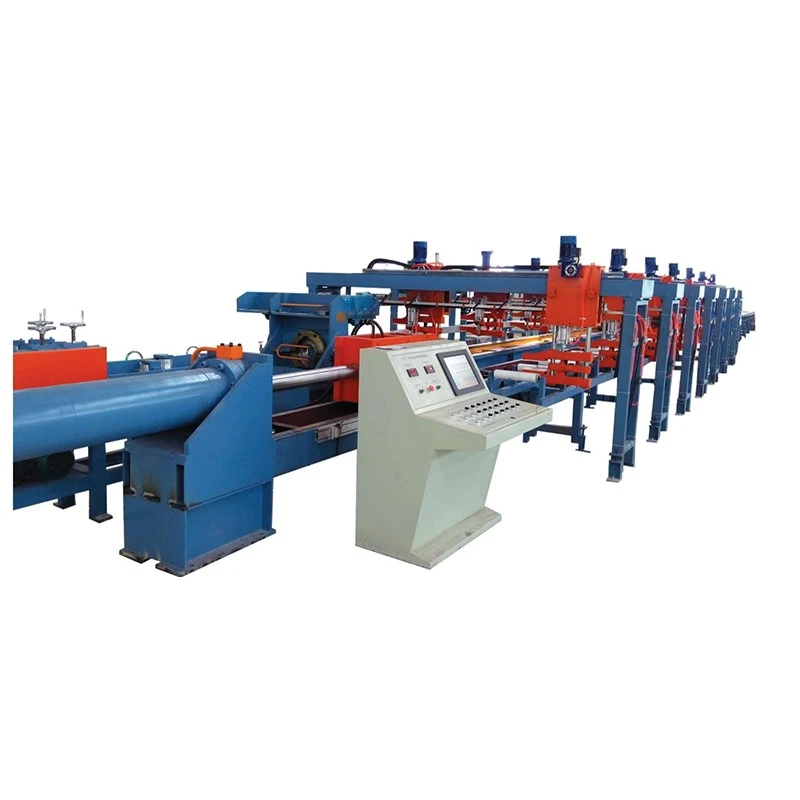
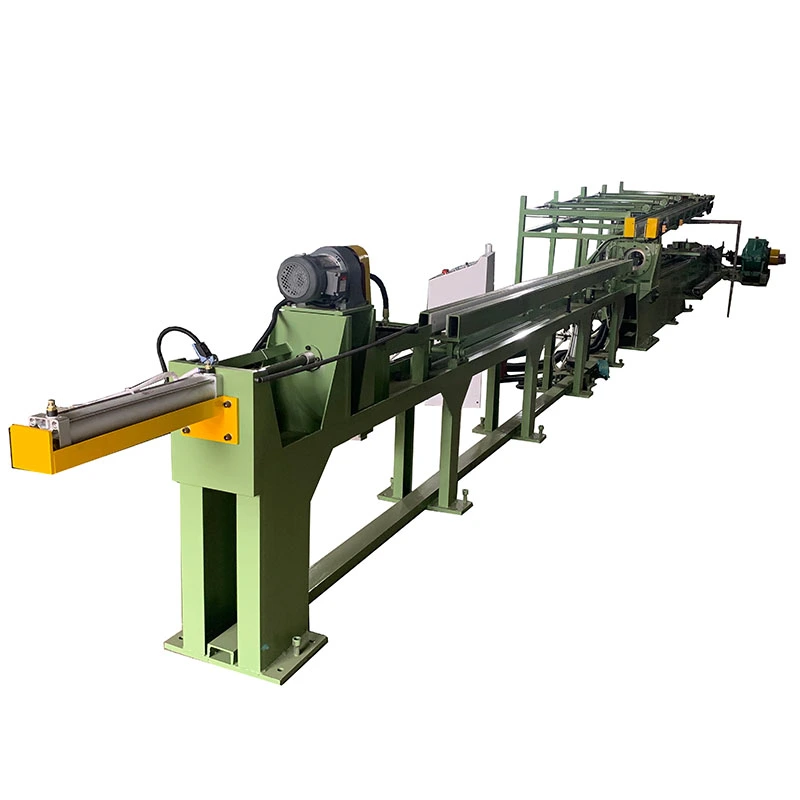
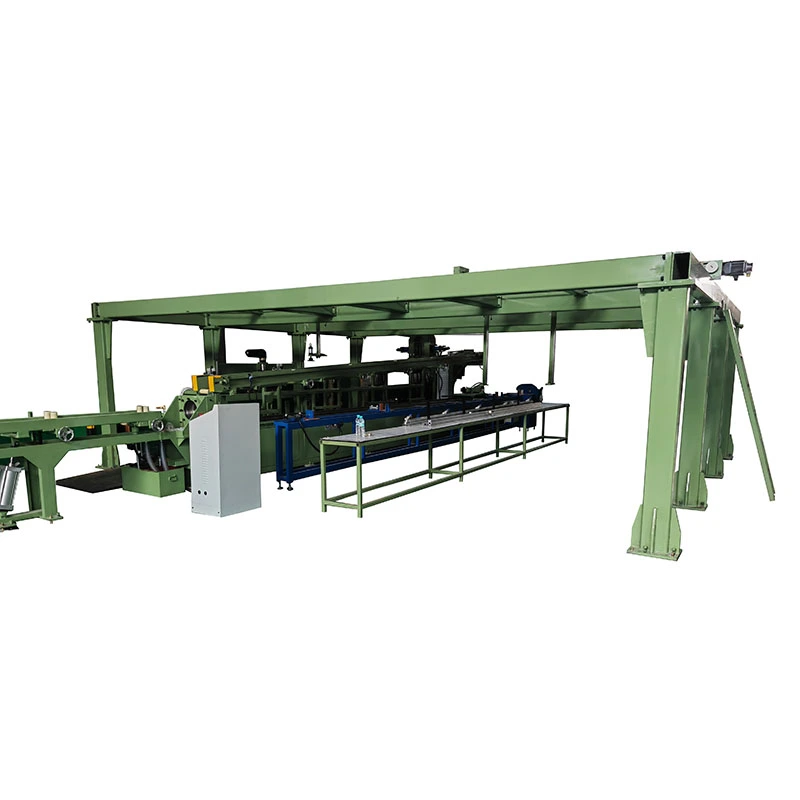
The EV Battery Cold Drawing Machine is a hydraulic drawbench for precision cold drawing of aluminum tubes used for EV battery cases, energy storage housings, and related battery components. It is intended for applications where extrusion alone cannot provide the required combination of wall thickness control, dimensional accuracy, surface condition, and repeatability.
The FR-80 provides a fixed drawing force of 120 kN, a maximum stroke of 7 m, and adjustable drawing speed from 0–20 m/min. The machine uses a 37 kW main motor, ZQ650 reducer, 3-inch chain transmission, PLC touchscreen control, and a 45 kW inverter for speed adjustment.
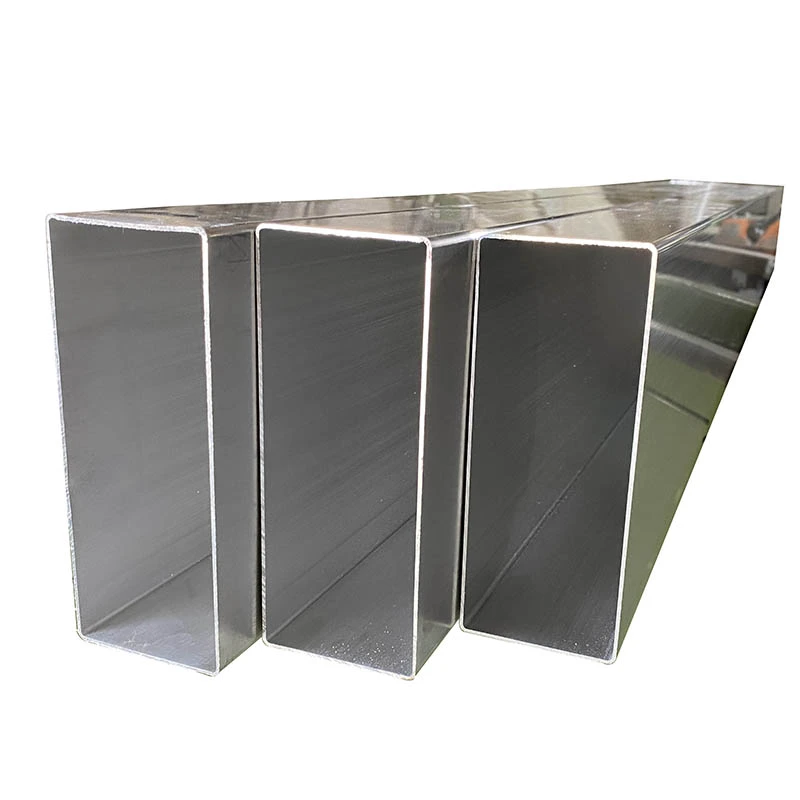
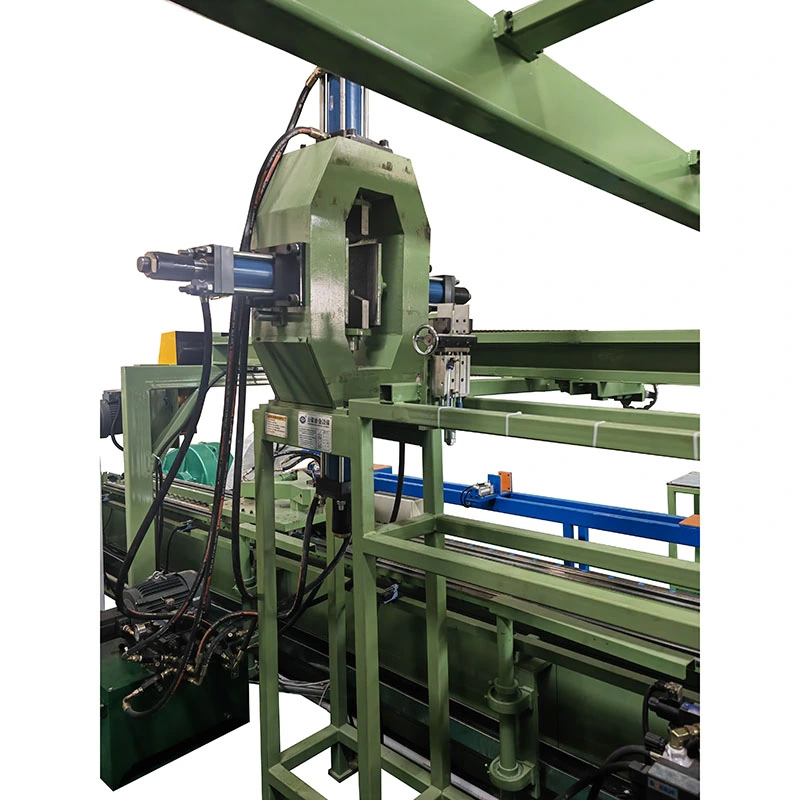
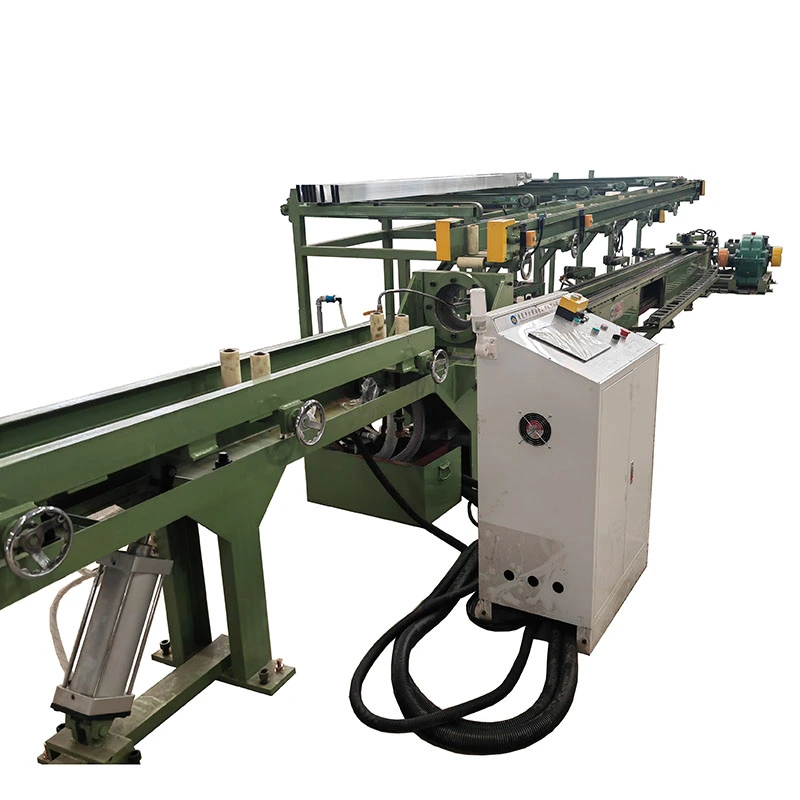
Aluminum battery cases are commonly produced from extruded tube blanks, followed by drawing and, for some prismatic designs, additional forming. Cold drawing reduces the tube cross-section through a die while controlling the relationship between outside dimensions and wall thickness.
For battery case production, the important point is not simply achieving a smaller tube. The drawing process must maintain stable dimensions along the full length while avoiding excessive deformation, surface damage, or local wall-thickness variation. The required result depends on the aluminum alloy, temper, starting tube geometry, die design, reduction schedule, lubrication, and drawing speed.
The FR-80 can be configured for round-to-round drawing and applications where a drawn round tube is subsequently formed into a rectangular or square section.
Before selecting the drawbench, define the finished case dimensions rather than choosing the machine only by nominal tube diameter. For a cylindrical case, provide the finished outside diameter and wall thickness. For a prismatic case, provide the finished width, height, corner geometry, and wall thickness.
The starting tube dimensions determine the required reduction and drawing force. Provide the extruded tube outside diameter, inside diameter or wall thickness, length, alloy, and temper. A large difference between the starting and finished section may require multiple drawing passes or an additional forming operation.
The FR-80 has a 120 kN fixed drawing force. Whether this is sufficient for a specific battery case cannot be determined from alloy grade alone. Required force is affected by reduction, tube dimensions, material strength, die geometry, friction, lubrication, and drawing speed.
For a new project, the practical approach is to calculate the expected drawing load from the proposed pass schedule and then verify the result through sample drawing where necessary.
The FR-80 provides a maximum 7 m stroke. The usable production length depends on the workholding arrangement, tube pointing length, carriage travel, and required finished length. Long battery cases should therefore be checked against the actual machine layout rather than the stroke value alone.
The adjustable 0–20 m/min drawing speed allows the process to be tuned to different aluminum grades, wall thicknesses, reductions, lubrication conditions, and surface requirements. A higher drawing speed is not automatically better; excessive speed can increase heat generation, friction-related marking, or process instability.
If the battery case is prismatic, determine whether the required rectangular section is produced directly by the drawing die or through a separate forming stage after round-tube drawing. This decision affects tooling, dimensional control, production sequence, and the required auxiliary equipment.
| Selection Item | Information Required |
| Material | Aluminum alloy and temper |
| Starting tube | Outside diameter, wall thickness or inside diameter, length |
| Finished case | Diameter or width × height, wall thickness, length |
| Reduction | Required dimensional reduction and proposed number of passes |
| Drawing force | Calculated load based on material, geometry, reduction, and tooling |
| Surface requirement | Acceptable drawing marks, coating requirements, and assembly requirements |
| Production volume | Target output and required cycle time |
| Product type | Cylindrical case, prismatic case, or other aluminum battery housing |
| Parameter | Specification |
| Model | FR-80 |
| Fixed Drawing Force | 120 kN |
| Maximum Stroke | 7 m |
| Drawing Speed | 0–20 m/min, variable |
| Control System | PLC touchscreen |
| Inverter | 45 kW |
| Main Motor | 37 kW |
| Reducer | ZQ650 |
| Chain Pitch | 3 inch |
| Machine Dimensions | 17000 × 1100 × 1300 mm |
The specifications above describe the standard FR-80 configuration. Die dimensions, tooling, pointing equipment, forming dies, and auxiliary handling equipment should be confirmed according to the actual battery case design.
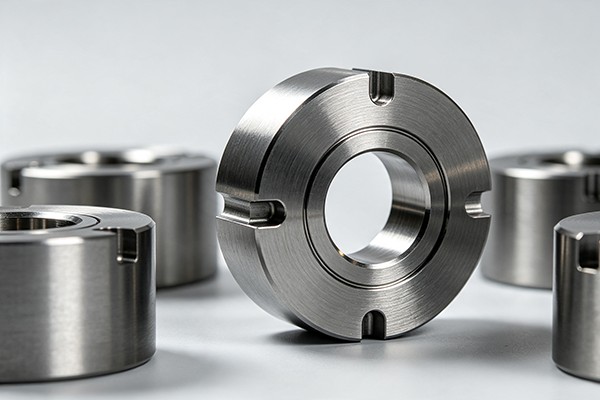
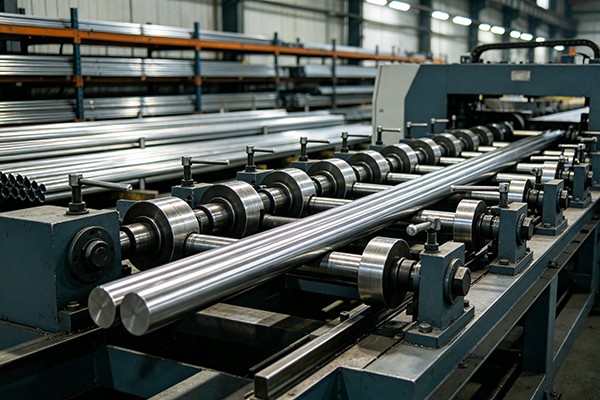
The EV Battery Cold Drawing Machine can be used for round aluminum tubes intended for cylindrical battery case production. Typical applications require controlled outside dimensions, wall thickness, tube straightness, and surface condition before subsequent cutting, forming, or assembly operations.
For rectangular battery cases, the production route may use cold drawing to establish the tube dimensions followed by a dedicated forming operation. This route is suitable when the starting material is an extruded round tube and the final product requires a controlled rectangular section.
The same drawing principles can be applied to aluminum tubes and housings used in stationary energy storage equipment, provided the required section, wall thickness, material, and drawing force fall within the machine's working range.
Precision-drawn aluminum tubes can also be used for selected battery cooling and thermal-management components where dimensional consistency is important for subsequent connection, assembly, or forming operations.
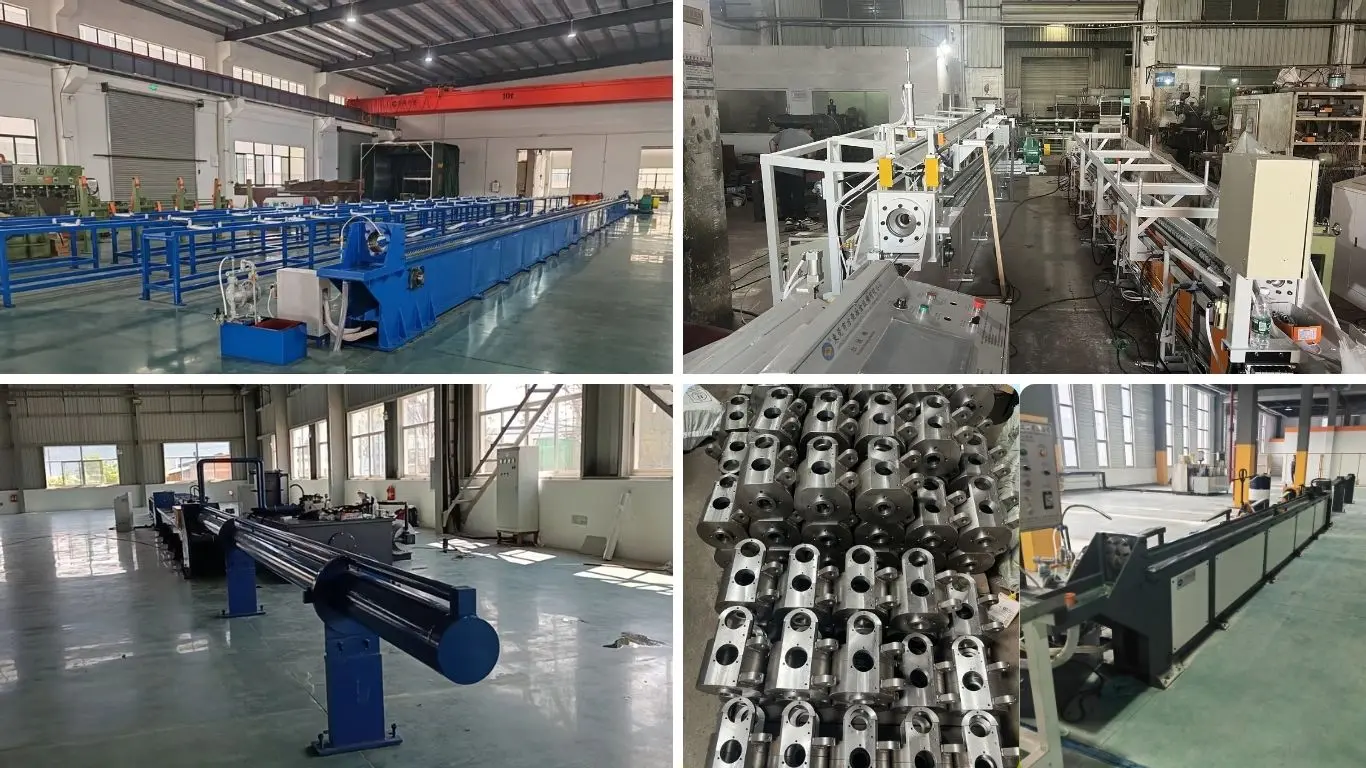
Engineering review begins with the customer's tube and finished-case dimensions, material grade, reduction requirements, and production target. These parameters are used to determine the machine configuration and tooling requirements.
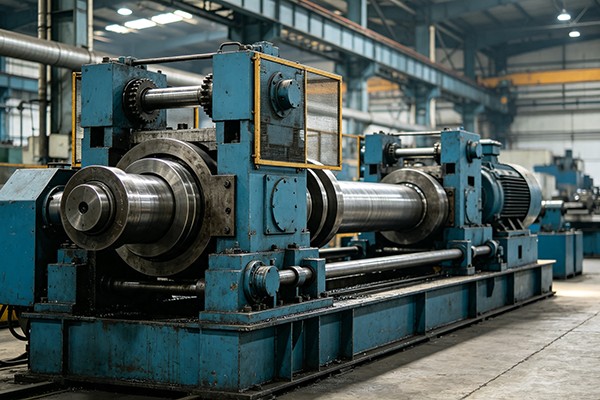
Mechanical manufacturing includes steel plate preparation, welding, stress relief, machining, guide rail processing, transmission assembly, carriage assembly, and die-holder machining.
Control integration covers PLC programming, HMI configuration, inverter settings, motor control, stroke control, and machine safety functions.
Final inspection includes mechanical alignment, transmission operation, electrical inspection, lubrication and oil-leak checks, and drawing tests using customer samples where available.
Before shipment, the EV Battery Cold Drawing Machine is subjected to operational testing. Where customer tube samples are supplied, the test can include actual drawing to evaluate drawing force, speed, dimensional results, wall thickness, and surface condition against the agreed process requirements.
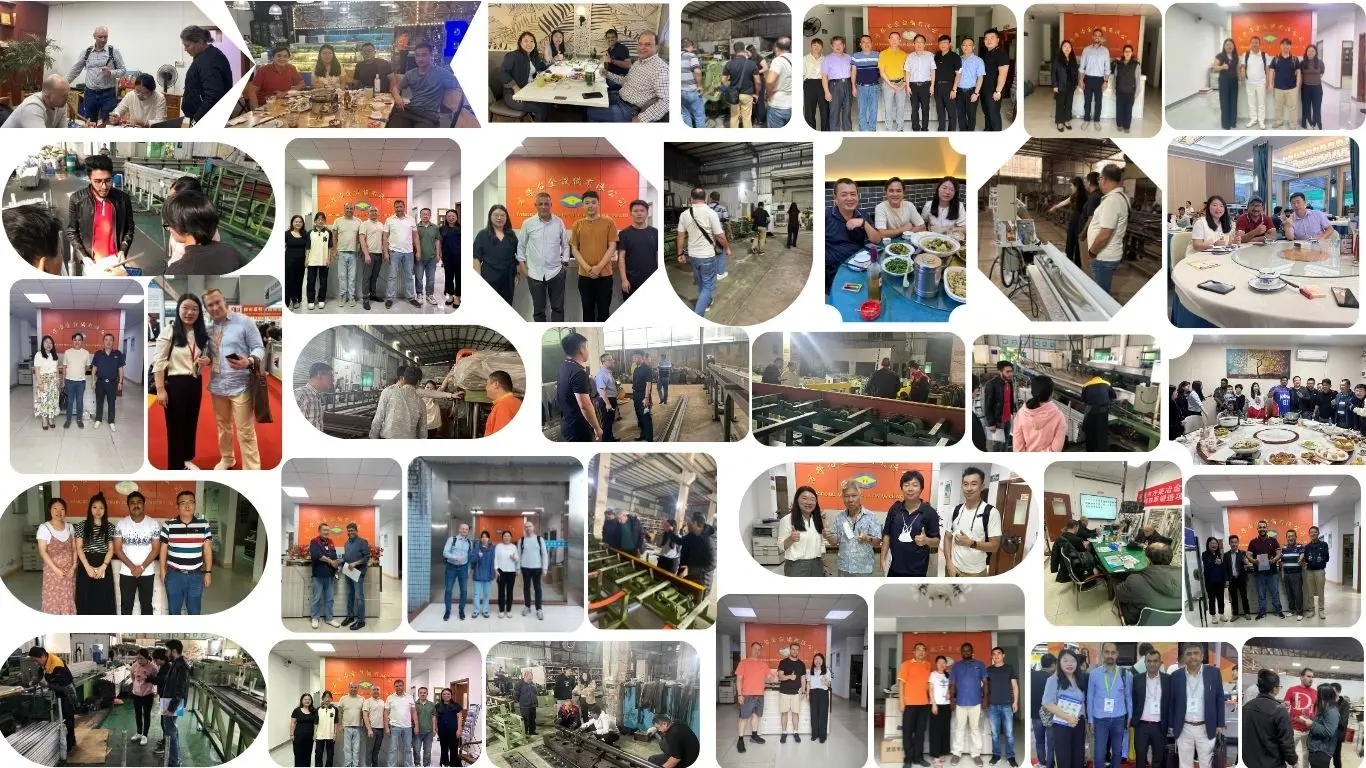
Cold Drawing Engineering Since 1998
FangRong has been engaged in drawbench engineering since 1998, covering cold drawing equipment for aluminum, steel, copper, stainless steel, and special profiles. This background allows battery-case projects to be evaluated as a complete drawing process rather than by machine tonnage alone.
Two Manufacturing Facilities
Dongguan Fangrong Metallurgical Equipment Co., Ltd. and Yangjiang Fangrong Machinery Co., Ltd. provide combined production capacity for standard and customized drawbench projects.
Project-Based Engineering
For battery case projects, the engineering review can include drawing-force calculation, tooling selection, pass schedule evaluation, die-holder configuration, machine layout, and auxiliary equipment requirements.
Commissioning and Service
Installation supervision, commissioning, operator training, spare parts supply, and remote troubleshooting are available for delivered equipment. Standard warranty is 12 months from commissioning.

ISO9001:2015 — Quality management system covering design, production, installation, and service. Certificate No. UQ231211R1.
CE — Relevant machinery safety documentation is available for applicable standard machine configurations.
SGS Inspection — Third-party inspection can be arranged according to project requirements.
Patents — FangRong holds 32 invention patents and more than 100 utility model patents covering drawbench and related equipment technologies.
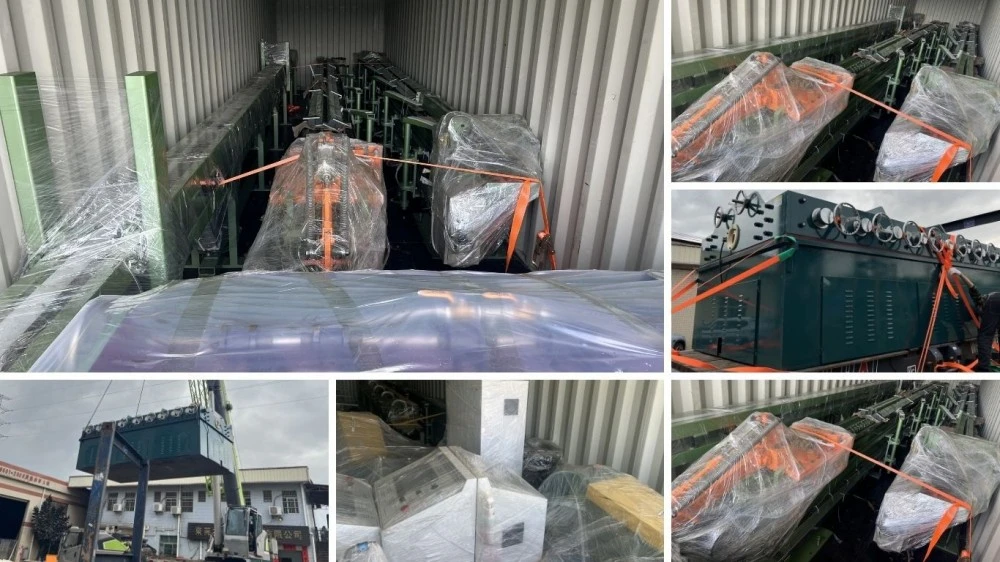
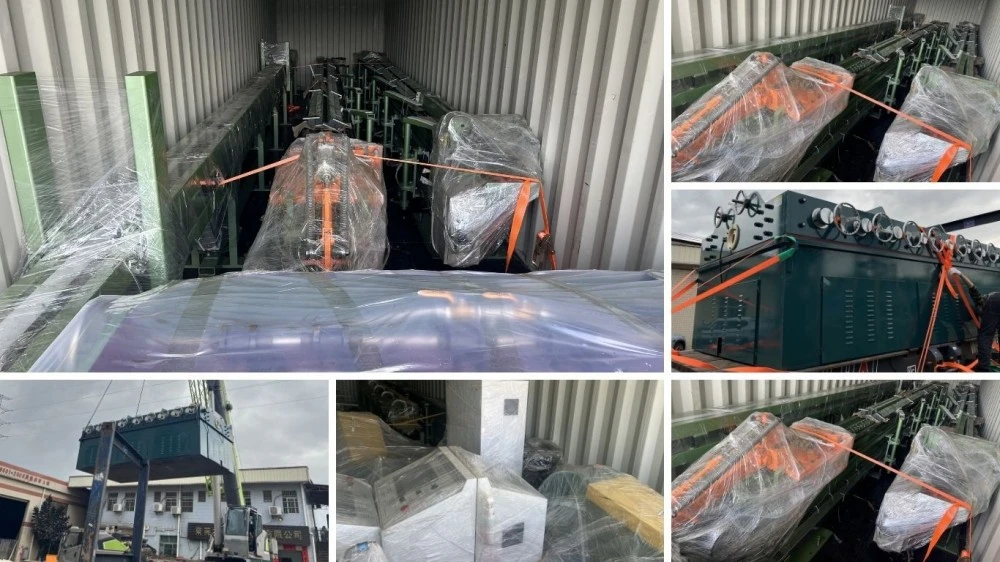
The EV Battery Cold Drawing Machine is prepared for export shipment with protective packaging, moisture protection, and corrosion protection for exposed machined surfaces. Foundation drawings, anchor-bolt layouts, electrical documentation, and operating information are supplied according to the project configuration.
Provide the aluminum alloy and temper, starting tube dimensions, finished case dimensions, wall thickness, tube length, required reduction, production rate, and surface requirements. A section drawing or CAD file is especially useful for checking the drawing route and tooling.
Yes, the drawbench can be configured for round-to-round tube drawing. For prismatic cases, the drawn tube may be followed by a separate round-to-square or rectangular forming operation, depending on the finished cross-section and process route.
It depends on the actual tube dimensions, alloy, reduction, die geometry, lubrication, and drawing speed. A 120 kN machine should not be selected simply because the product is made from aluminum. FangRong can calculate the expected drawing load from the proposed starting and finished dimensions before confirming the machine.
0.5 mm can be used as a project reference for certain aluminum tube applications, but it should not be treated as a universal machine limit. Achievable wall thickness depends on alloy condition, starting geometry, reduction per pass, die design, lubrication, and the required dimensional and surface tolerances. Sample trials are recommended for critical thin-wall applications.
Yes. Different finished dimensions normally require corresponding drawing dies and, for prismatic cases, forming tooling. The same drawbench can process multiple case sizes when they remain within its force, stroke, carriage, and tooling range.
For a battery case project, acceptance testing should go beyond checking whether the machine runs. Where samples are available, the test should verify drawing force, drawing speed, finished dimensions, wall thickness variation, surface condition, carriage operation, stroke accuracy, and repeatability against the agreed technical requirements.
Address
NO.163,Shatong Road,Shabu 2nd Industrial Zone, Dalang Town, Dongguan City, Guangdong, China