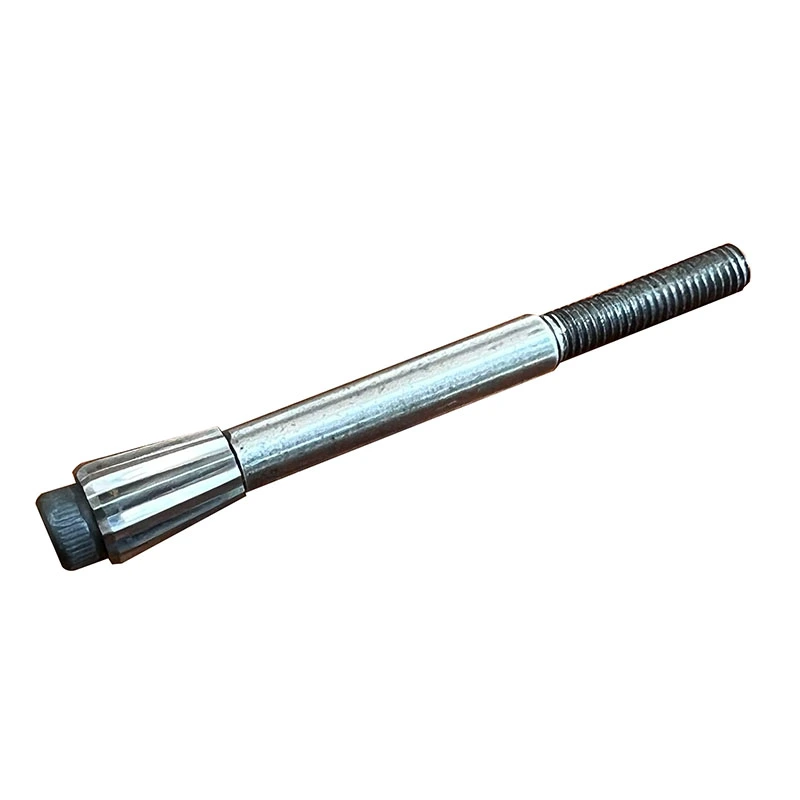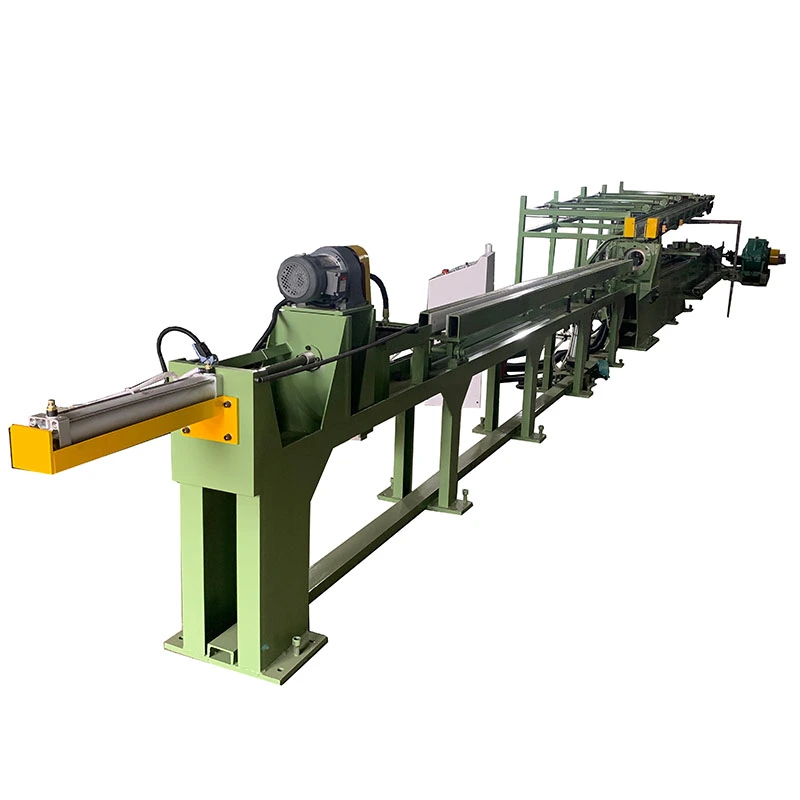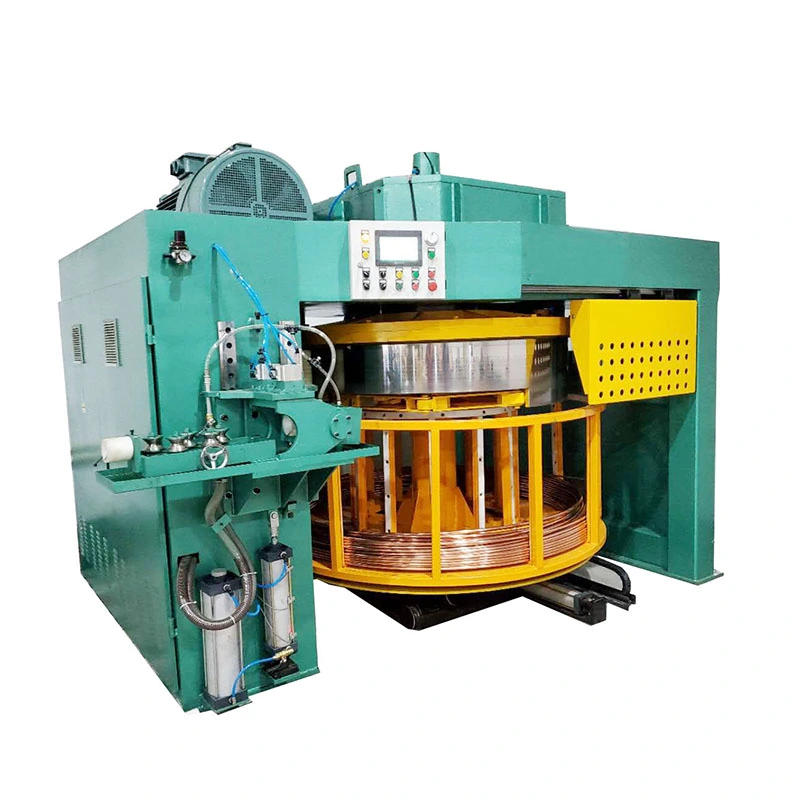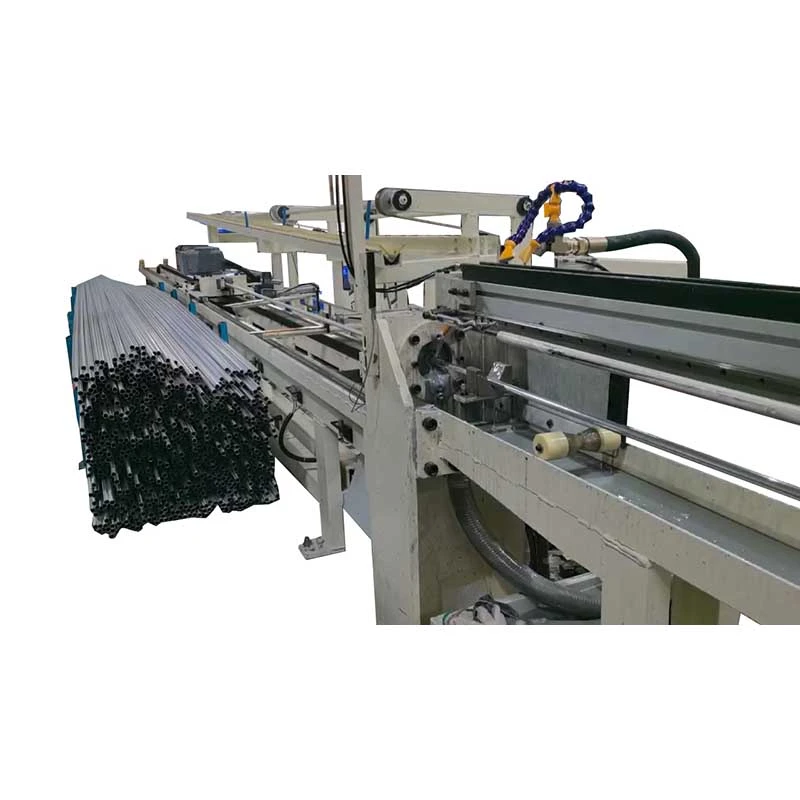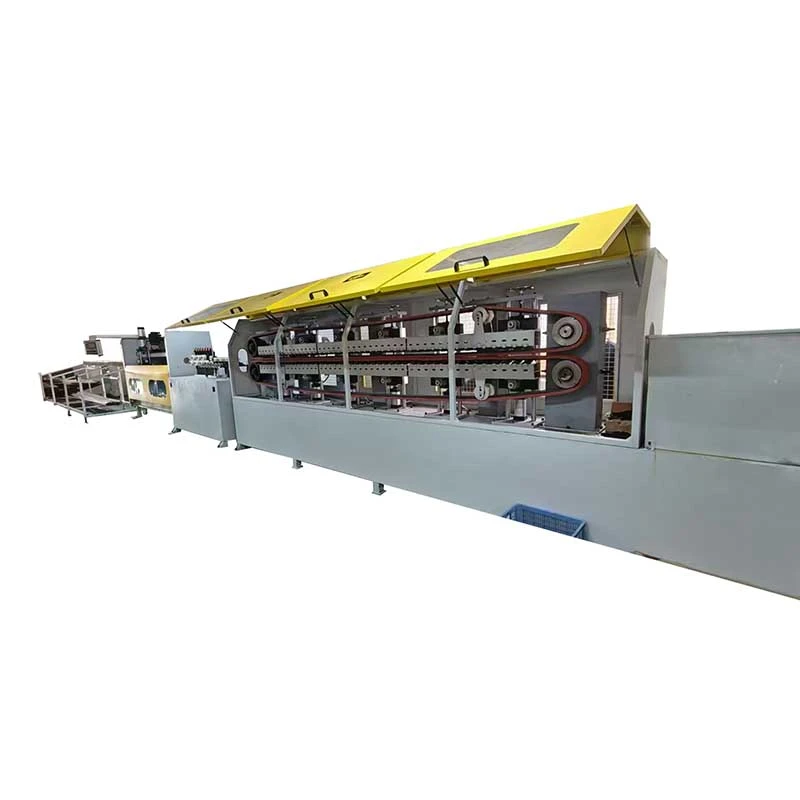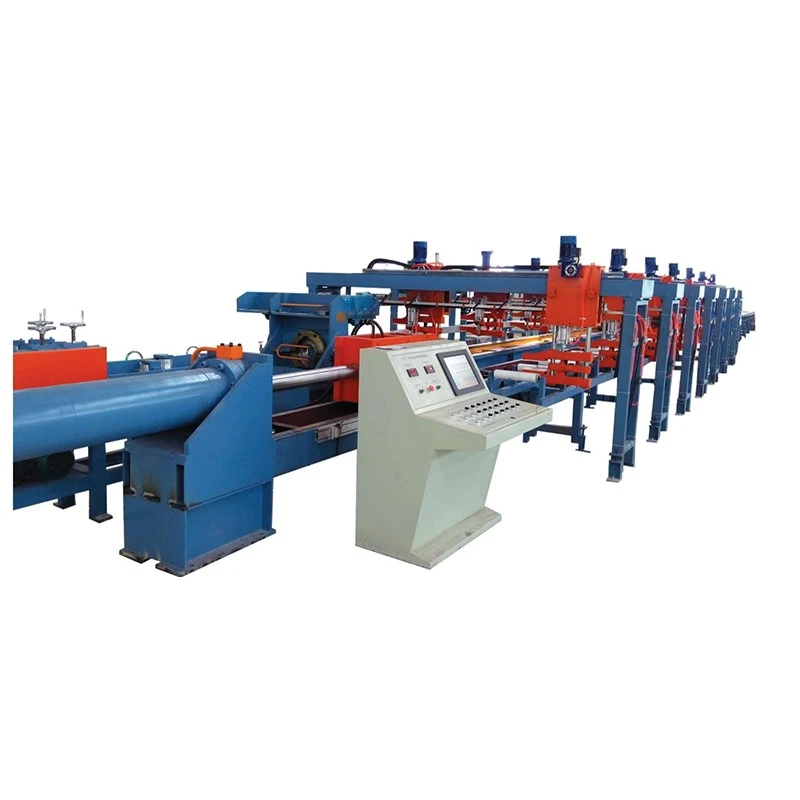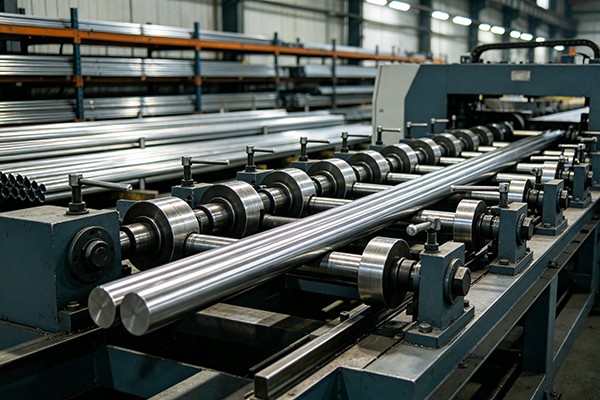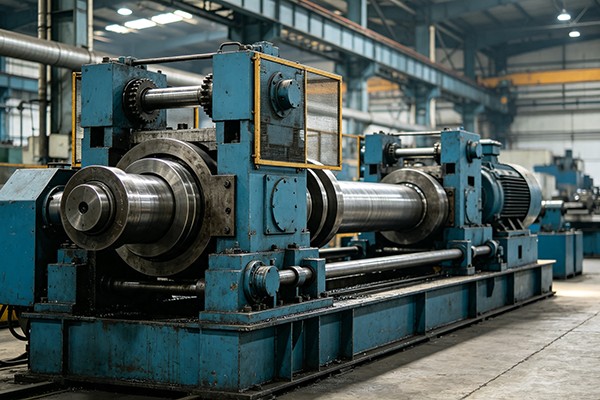

We offer a comprehensive range of precision metal processing equipment, including straightening, cold drawing, pointing, chamfering, cutting, thread rolling machines, and drawing dies, tailored for tube, bar, and wire materials across diverse industries.
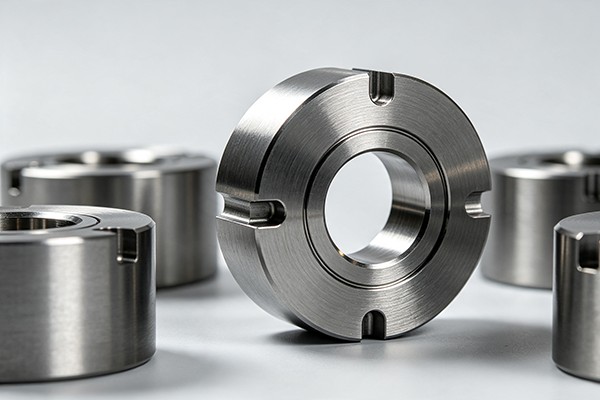
A drawing die does more than reduce the section of a tube, wire or profile. Its entry angle, bearing length, working material and surface condition determine how the metal flows through the die, how much friction is generated and what remains on the finished surface. FangRong supplies tungsten carbide and PCD drawing dies for round and non-round cold drawing, with the die geometry matched to the material, reduction and finished section.
There is no single die geometry that works equally well for steel, copper, aluminum and titanium. A material with high strength may require a different compression angle and bearing length from a softer metal, while a large reduction changes the load and friction generated inside the die.
FangRong adjusts the compression angle and bearing length according to the material and reduction ratio. This is important because an unnecessarily long bearing can increase friction and heat, while an unsuitable bearing length may affect dimensional stability and surface quality. Die design therefore needs to be considered together with the drawing machine, lubrication method and reduction per pass.
The choice between carbide and diamond is mainly a process decision rather than a simple question of which material is harder. FangRong's tungsten carbide dies can reach hardness levels of up to HRA92 and are suitable for a wide range of conventional metal drawing applications. PCD dies provide much higher wear resistance and are particularly valuable when maintaining the die geometry over long production runs is more important than the initial tooling cost.
For high-volume production of abrasive materials or applications requiring exceptionally stable dimensions and surface finish, the longer wear life of PCD can justify its use. For more general steel, copper or aluminum drawing, carbide may provide a more practical balance between tooling cost and service life.
FangRong manufactures tooling for both standard and non-standard sections, including round, square, hexagonal and special profiles. The tooling range covers inner dies, outer dies, fixed plugs, floating plugs and related drawing tools for tube, wire, bar and profile production.
For tube drawing, the internal tool is just as important as the external die. Plug geometry affects the internal diameter and wall thickness, while a floating plug can be used where the process requires the plug to find its working position through the drawing forces. The die and plug therefore need to be designed as a matched set rather than selected independently.
A polished die cannot compensate for unsuitable geometry or poor preparation of the incoming material. FangRong uses precision grinding and EDM machining to produce the required working surfaces, with the final tooling condition matched to the application. Correct die preparation, lubrication and alignment help reduce scoring and unwanted marks during drawing.
For products where surface appearance or subsequent processing is critical, such as precision tubes, decorative profiles or components requiring additional finishing, controlling the die surface is often more effective than trying to correct defects after drawing.
Drawing dies work within a larger process. Drawing force, die dimensions, pointing method, lubrication, material guidance and straightening all influence the final result. FangRong develops and supplies the tooling alongside its Cold Drawing Machines and Straightening Machines, allowing die selection to be considered as part of the complete production process.
With more than 30 years of experience in cold drawing equipment and tooling, FangRong can support die selection, design adjustment and process optimization for steel, copper, aluminum, titanium, nickel alloys and other difficult-to-draw materials. The goal is not simply to supply a die that fits the machine, but to provide tooling that matches the actual reduction, section and production conditions.