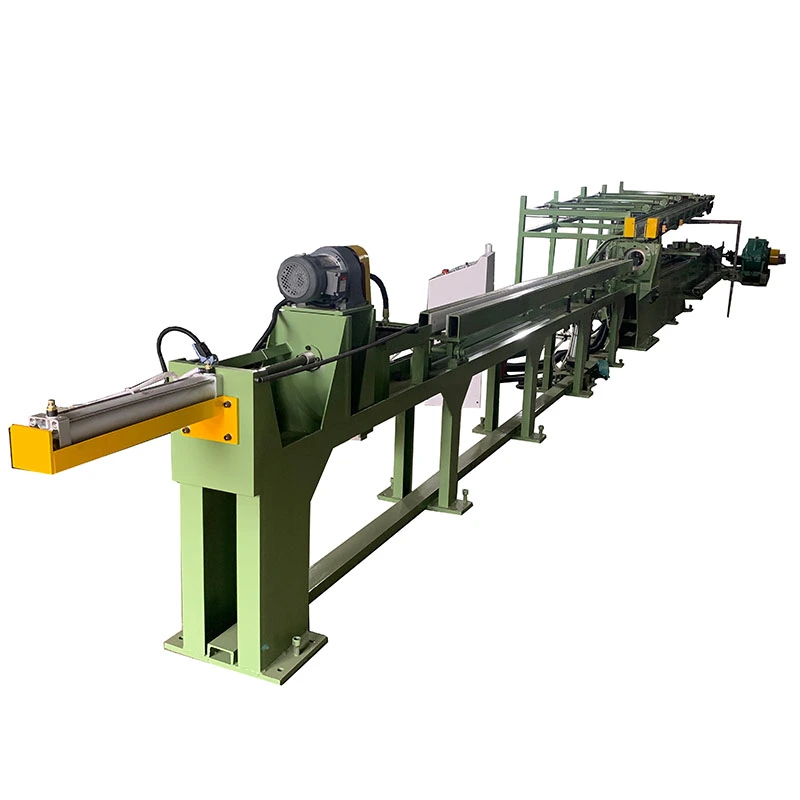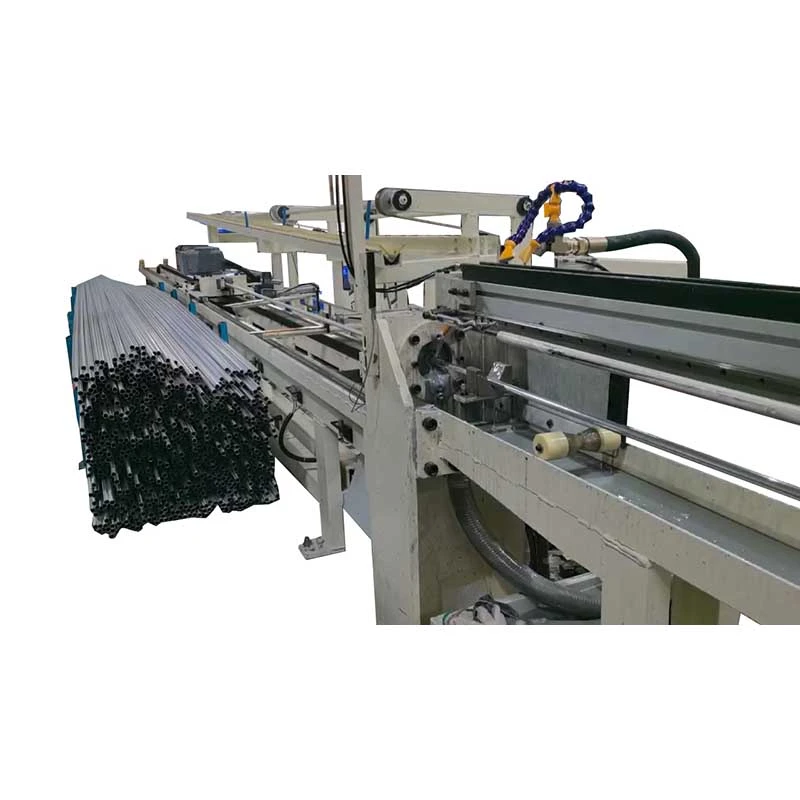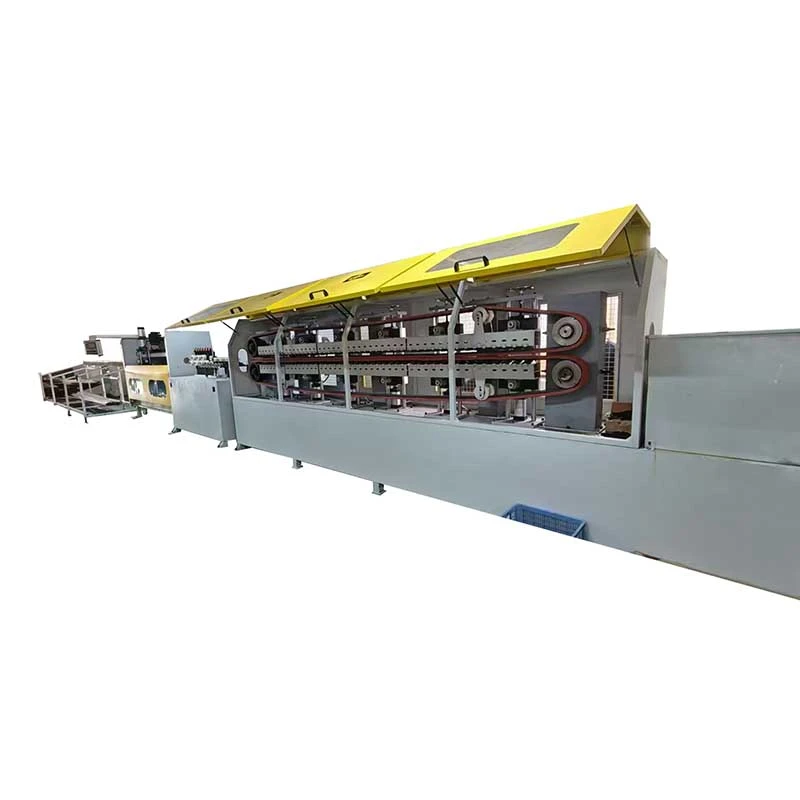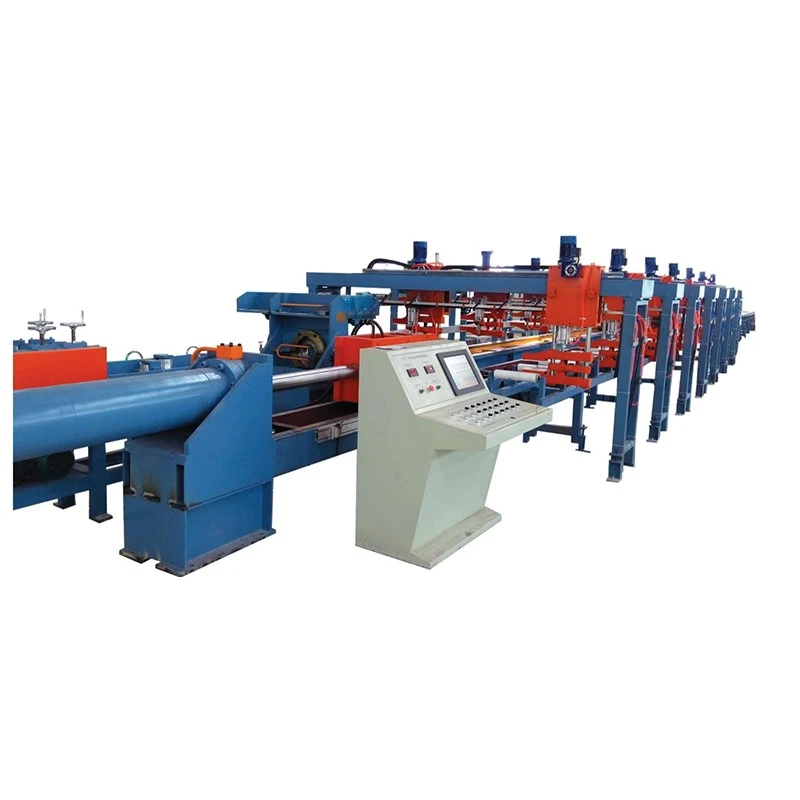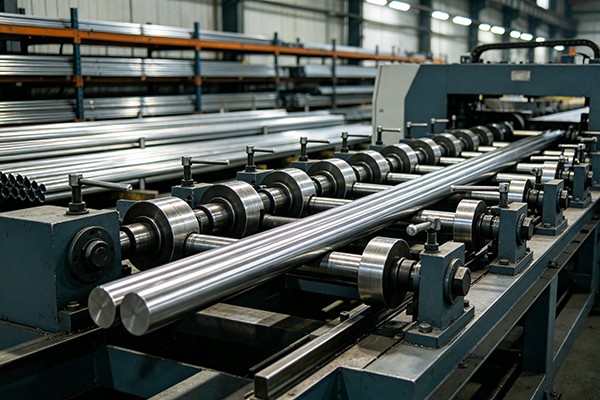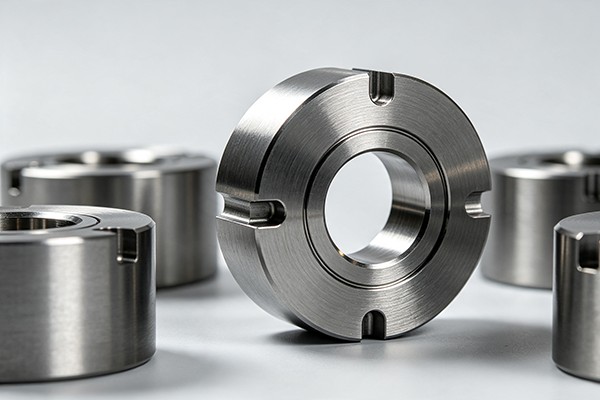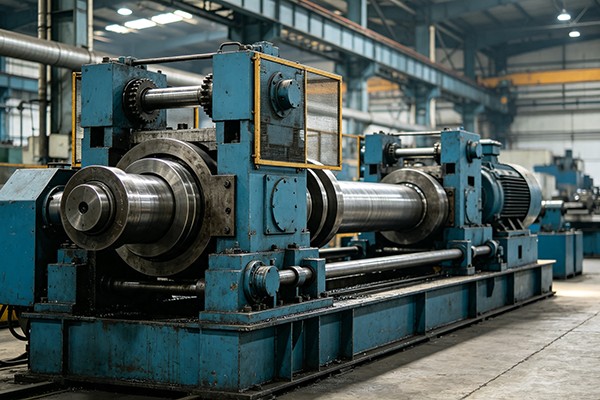

We offer a comprehensive range of precision metal processing equipment, including straightening, cold drawing, pointing, chamfering, cutting, thread rolling machines, and drawing dies, tailored for tube, bar, and wire materials across diverse industries.
Drawing long lengths of tube or wire requires the material to remain continuous through the drawing and winding process. Unlike a conventional drawbench for fixed-length bars, a coil drawing machine must control pulling, guiding, tension and take-up at the same time. FangRong's Coil Drawing Machine is available in vertical and inverted configurations, with capstan diameters from φ250mm to φ2200mm and drawing speeds from 80–400m/min, depending on the model and material.
At higher line speeds, unstable tension can result in loose coils, telescoping, uneven winding pitch or irregular material feeding. Simply increasing the motor speed does not solve these problems. FangRong uses a dancer arm and programmable pitch control to coordinate material tension with the winding speed, allowing the take-up system to follow changes in the drawing line.
This is particularly important for soft copper and aluminum products. Excessive winding tension can deform the material and make the finished coil difficult to unwind during the next production step.
Drawing and winding have to be matched. For continuous coil production, the take-up system needs to follow the actual drawing speed and material condition. Running the winding system too fast or applying excessive tension can affect the finished coil.
FangRong supplies both inverted and vertical coil drawing configurations. Inverted models from FR-D250 to FR-D2200 can handle tube diameters up to 25mm. Depending on the model, the take-up motor is 5.5–7.5kW, with WPO series reducers, pneumatic material pressing and 5–10 groups of cross-roller pre-straightening units.
These machines are used for continuous tube processing where the material needs to be guided and controlled before entering the winding section. The pre-straightening units help prepare the material for more consistent winding.
Vertical models, including the FR-250 to FR-1800 range, use WPO worm gears or hardened gear reducers and can reach drawing speeds of up to 200m/min. The layout depends on the incoming material, tube or wire diameter, required coil dimensions, available installation space and downstream handling requirements.
The capstan is an important part of a coil drawing machine because its diameter affects how the material bends as it passes through the drawing and winding system. FangRong configurations range from φ250mm to φ2200mm, with motor powers from approximately 5.5/7.5kW to 90/110kW.
A larger capstan is not always the right choice. For thin or harder materials, the required bending radius, surface condition and finished coil size may be more important than maximum line speed. Selection should take into account the material grade, starting diameter, reduction per pass, finished coil diameter and required drawing speed.
| Selection Item | What It Affects | Why It Matters |
|---|---|---|
| Material Grade | Drawing load and bending behavior | Soft copper and aluminum require careful tension control |
| Starting Diameter | Drawing force and machine capacity | Determines the required working range of the machine |
| Reduction per Pass | Drawing load and production cycle | Affects motor and drawing system requirements |
| Finished Coil Diameter | Winding arrangement and capstan selection | Needs to match downstream handling and storage |
| Required Line Speed | Drawing and take-up speed | Higher speed requires more stable tension and winding control |
Coil drawing is suitable for products supplied and used in continuous lengths rather than individual cut pieces. Typical applications include copper tube coils for air conditioning, aluminum wire for cable production and steel wire for spring manufacturing.
The machine is also suitable where the drawn material needs to go directly into a winding or storage process. When the finished coil needs a different diameter, winding direction or packaging format, a Rewinding Machine can be installed after the drawing machine.
For continuous products, downstream handling should be considered during machine selection. The drawing machine does not need to handle every winding or packaging requirement by itself. A separate rewinding unit can be used when the final coil specification differs from the drawing machine's standard take-up format.
The condition of the material before winding has a direct effect on the finished coil. Pre-straightening, material pressing, winding pitch and tension all need to be adjusted according to the product. FangRong configures these functions according to the machine type and application so that the material remains stable as it enters the take-up section.
For tube applications, the cross-roller pre-straightening units help control the material before it reaches the winding section. Pneumatic pressing is used on selected configurations to keep the material properly engaged during continuous operation.
For continuous production, the machine should be selected around the actual drawing load, material tension and required coil geometry. Maximum drawing speed is only one part of the specification. Material properties, reduction, capstan diameter and the requirements of the next process also need to be considered.
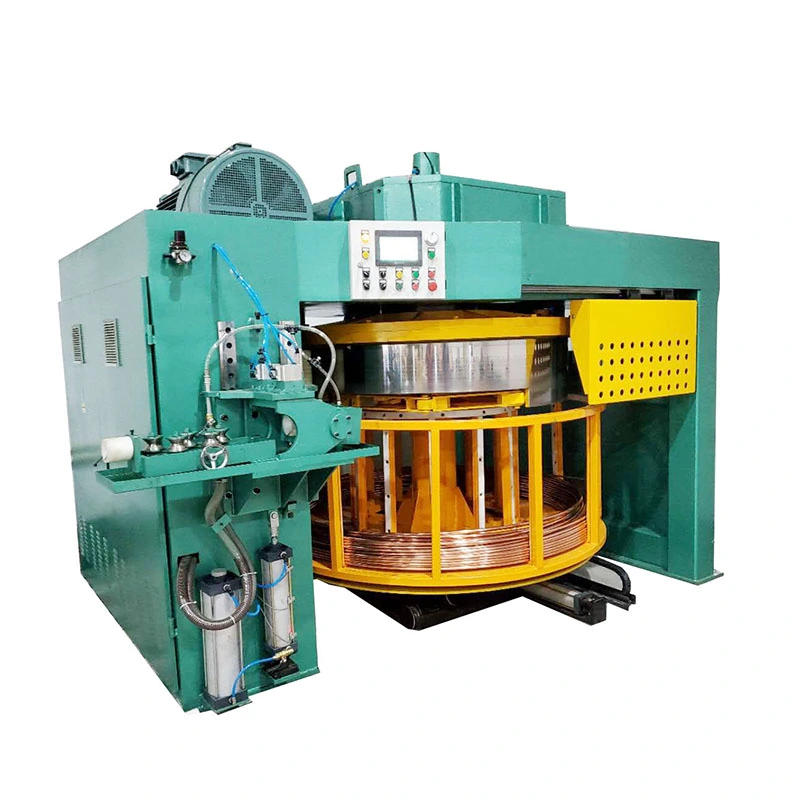
The Inverted Coil Drawing Machine combines continuous drawing and coiling for copper, aluminum, stainless steel, and carbon steel tubes or wires. With drawing speeds up to 400 m/min and tube diameters of 3–25 mm, it reduces cutting, handling, and intermediate storage. Coil drums range from 250–2200 mm. Frequency-controlled speed regulation maintains stable drawing tension and surface quality. Suitable for HVAC, refrigeration, electrical, automotive, and medical tubing production.