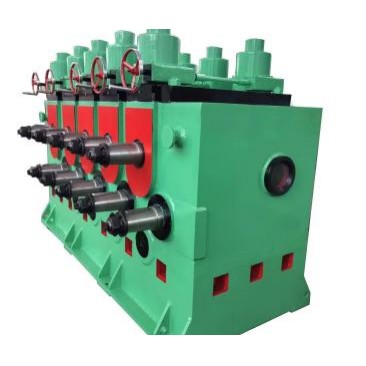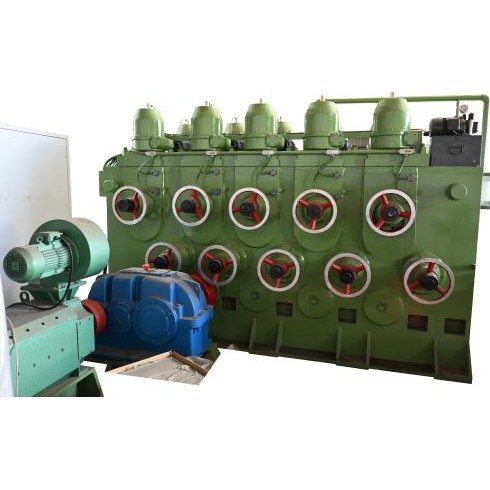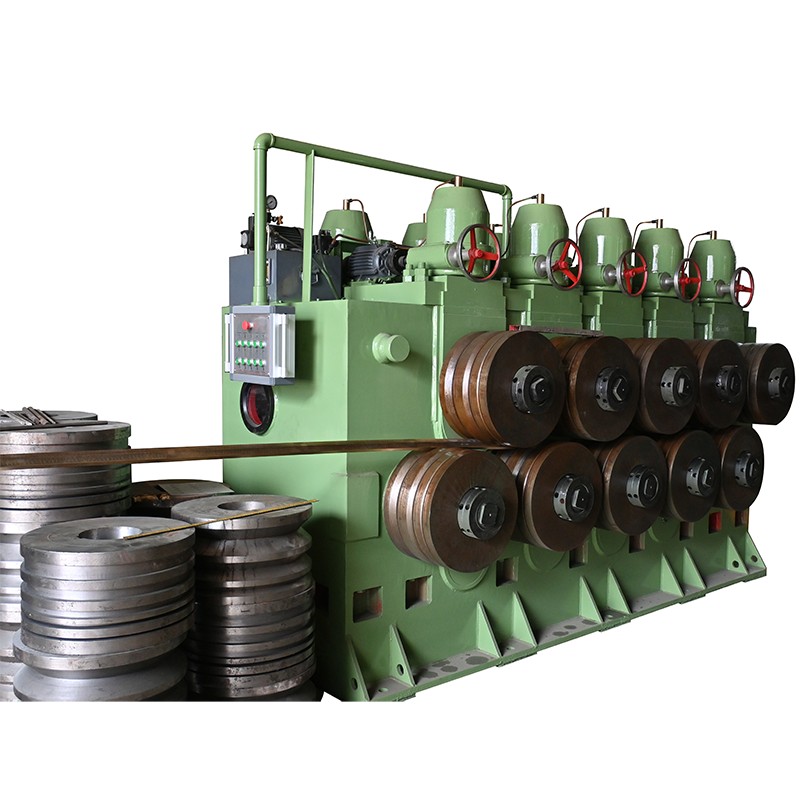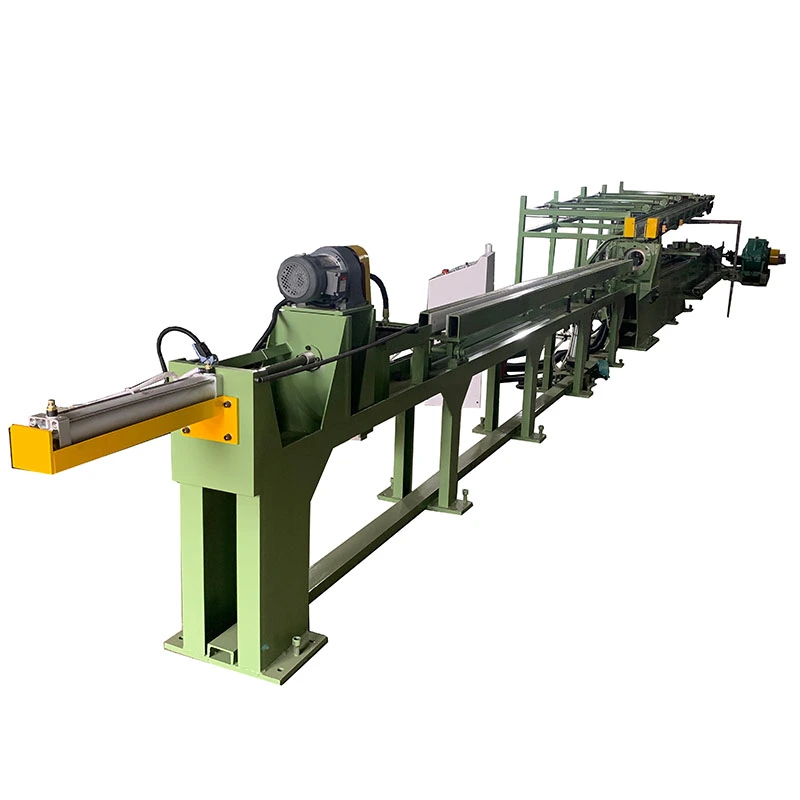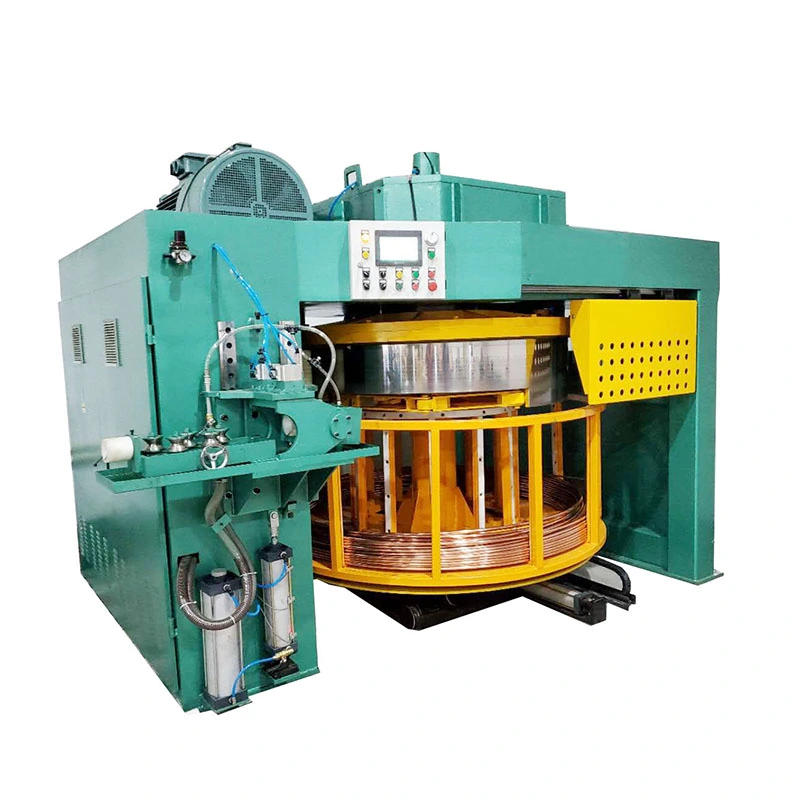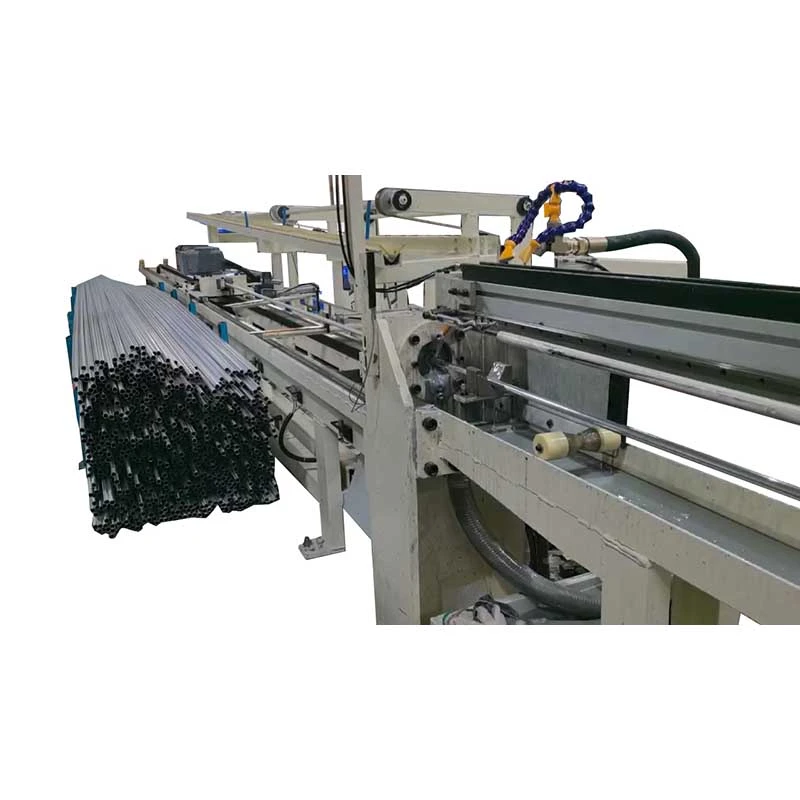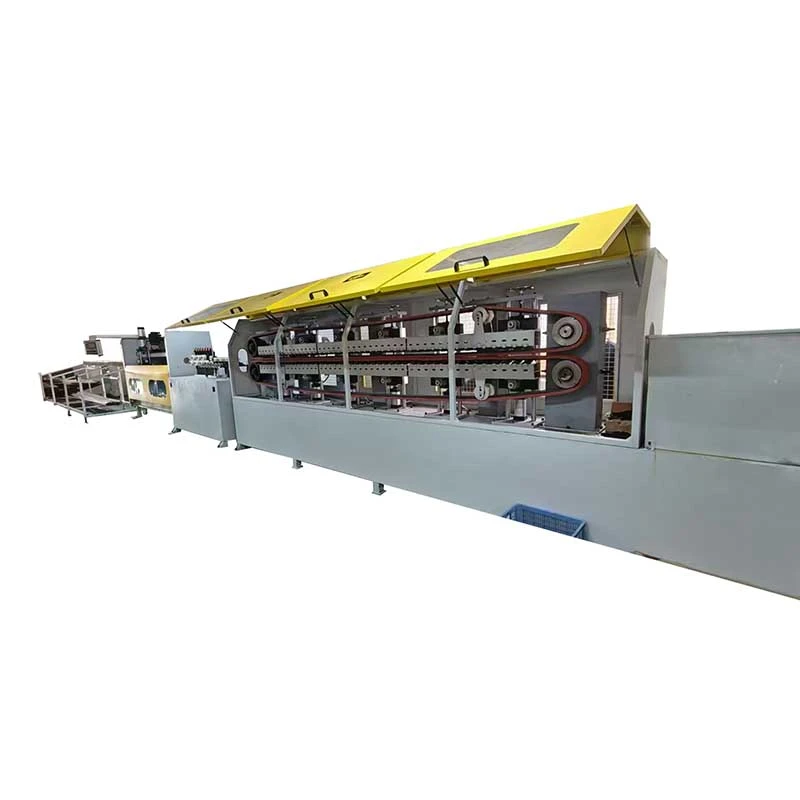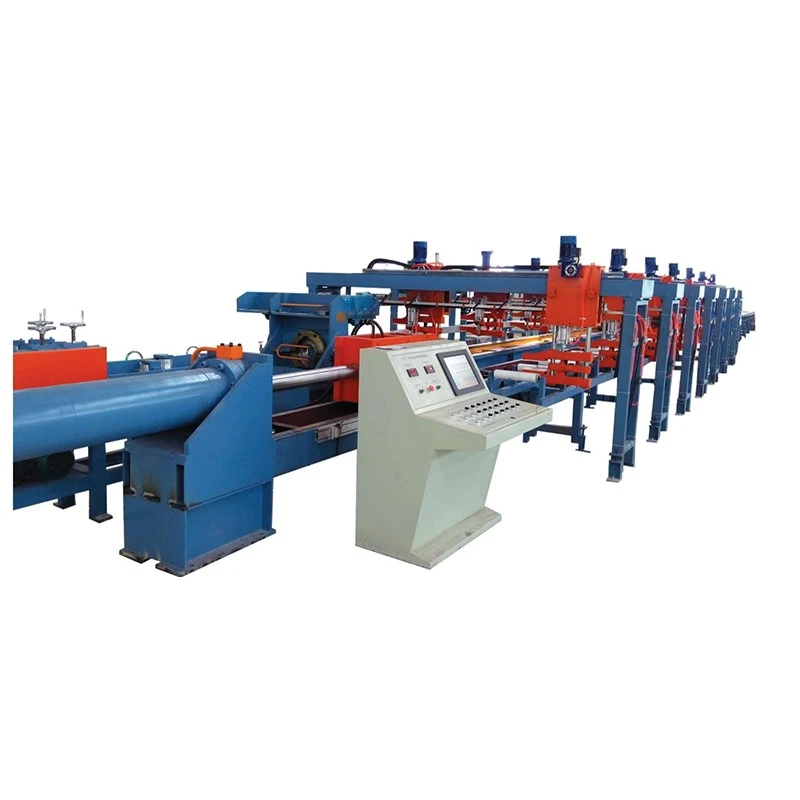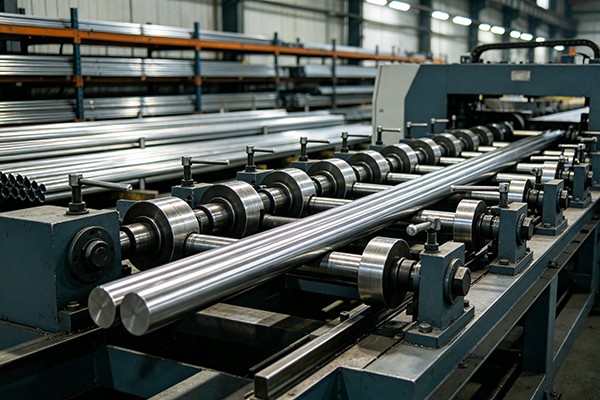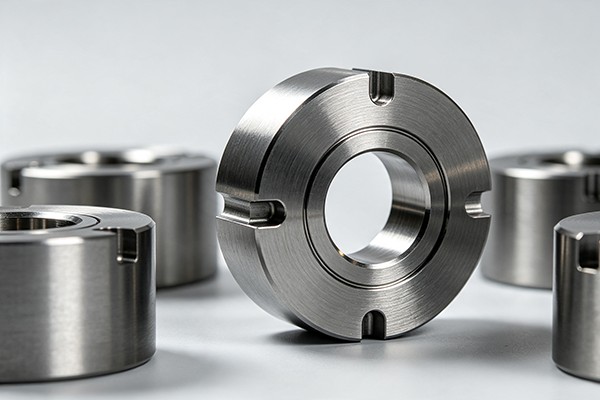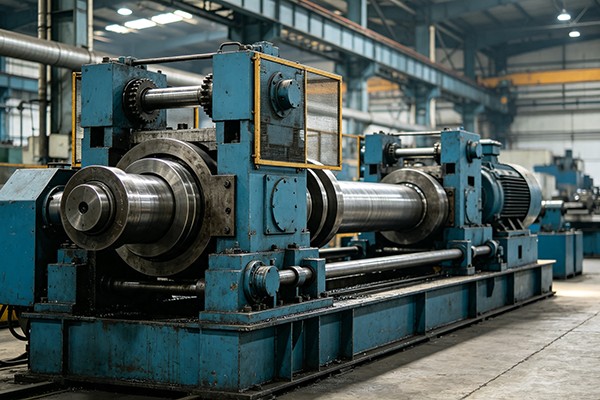

We offer a comprehensive range of precision metal processing equipment, including straightening, cold drawing, pointing, chamfering, cutting, thread rolling machines, and drawing dies, tailored for tube, bar, and wire materials across diverse industries.
Drawing a square, hexagonal, channel, angle, or other special profile is not simply a matter of changing the die opening. The metal must flow into several directions at the same time, while the corners and narrow sections are exposed to higher deformation and friction. FangRong Irregular Straightening Machines are designed around the actual profile geometry, reduction ratio, material, and drawing process.
For non-round sections, the entry geometry and bearing section have a direct effect on how the material fills the profile. If the compression is too aggressive, corners may develop cracks or surface marks. If the bearing section is not matched to the material flow, the finished profile can show dimensional drift or uneven contact on different sides.
FangRong uses EDM and wire-cutting processes to produce square, hexagonal, channel, angle, and other customer-defined openings. Compression angles and bearing lengths are adjusted according to the profile rather than applying one standard die geometry to every application.
A round tube can distribute deformation relatively evenly around its circumference. An irregular profile cannot. Corners, thin walls, deep grooves, and sharp transitions may deform at different rates during drawing. This is why die design must consider the complete cross-section, not only the nominal finished dimensions.
For production running over thousands of meters, the die must also maintain a stable contact condition as wear develops. FangRong checks finished dies with optical comparators and CMM inspection to verify critical profile dimensions before shipment.
Tungsten carbide is suitable for many standard production requirements and applications where tooling cost and production volume need to be balanced. PCD is more suitable when abrasive materials, long continuous production, or tight dimensional stability over extended running time make die wear a major concern.
The choice is therefore based on more than material hardness. Drawing length, reduction per pass, production volume, lubrication, profile complexity, and acceptable dimensional variation all affect the practical die life and tooling cost.
For a custom irregular section, FangRong can work from the customer's profile drawing to determine the die opening, reduction geometry, bearing section, and tooling material. Typical applications include architectural profiles, automotive trim, furniture and structural sections, and specialized engineering components.
The finished die can be used together with an Irregular Straightening Machine when the drawn profile requires controlled straightness after deformation. This combination is particularly useful when dimensional accuracy and profile orientation both need to be maintained through the production process.