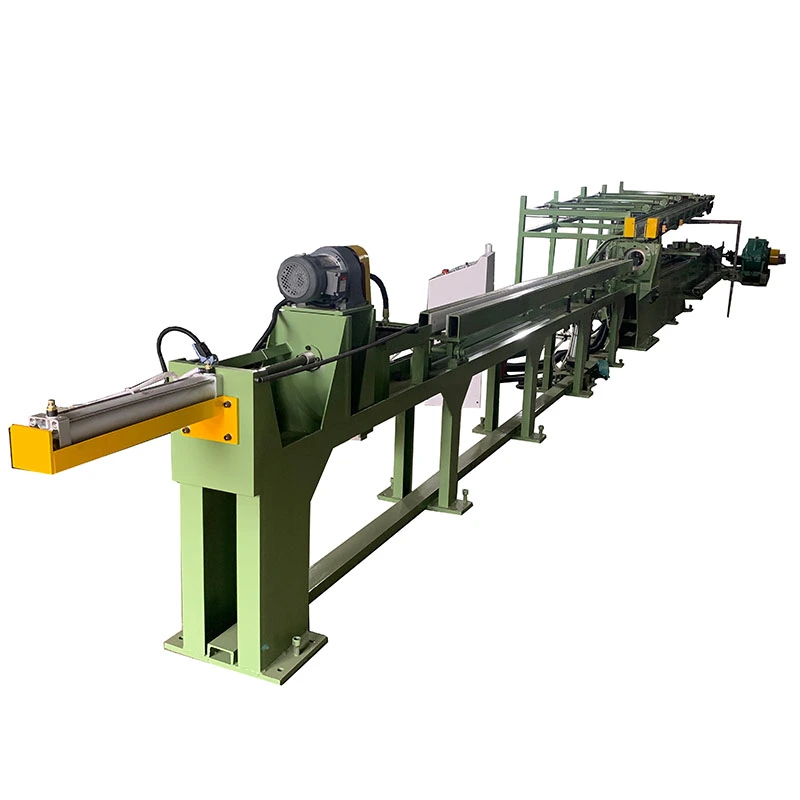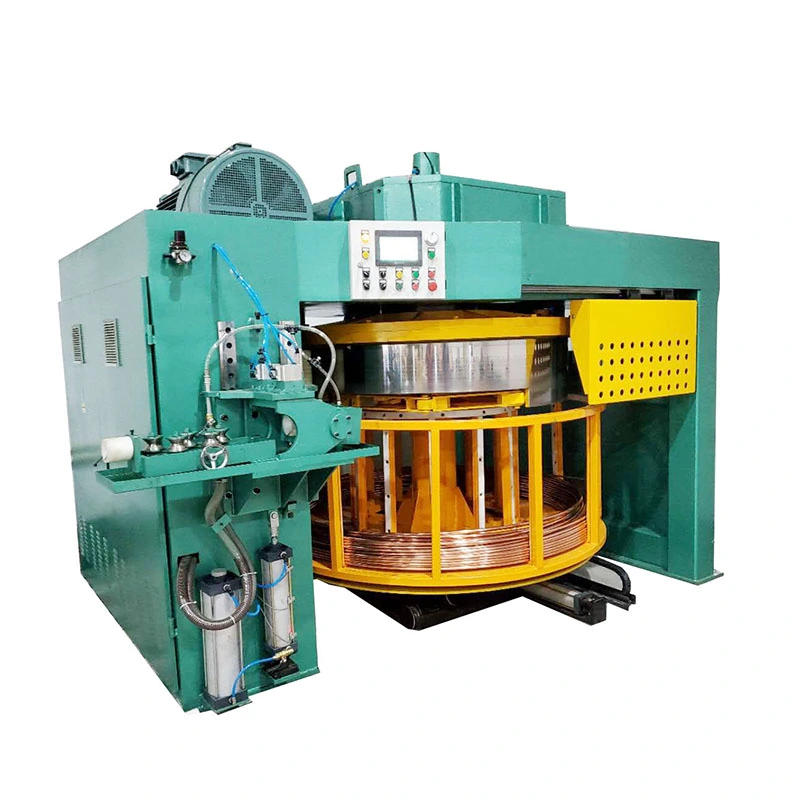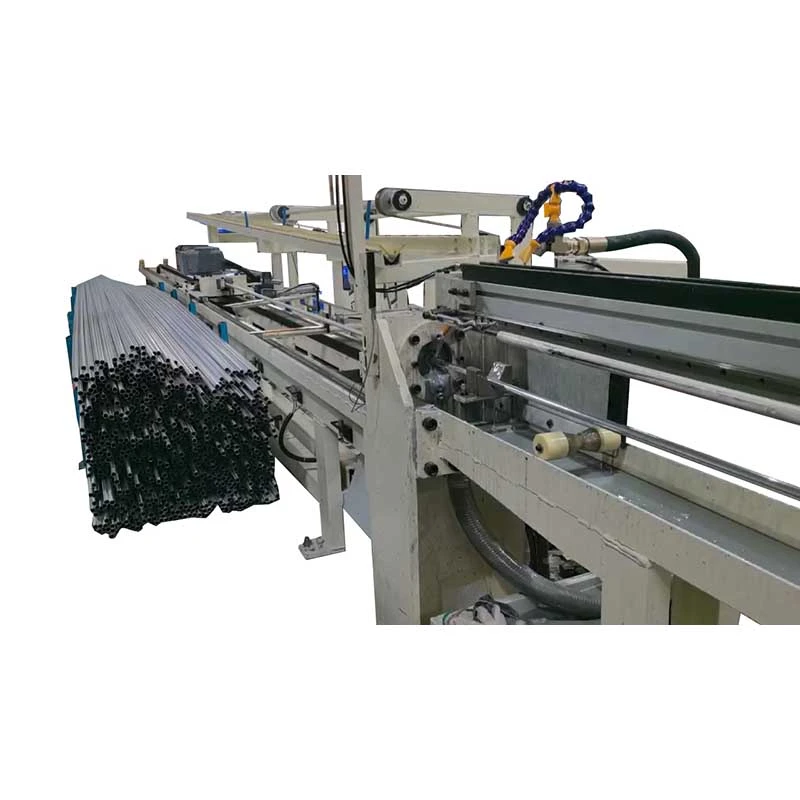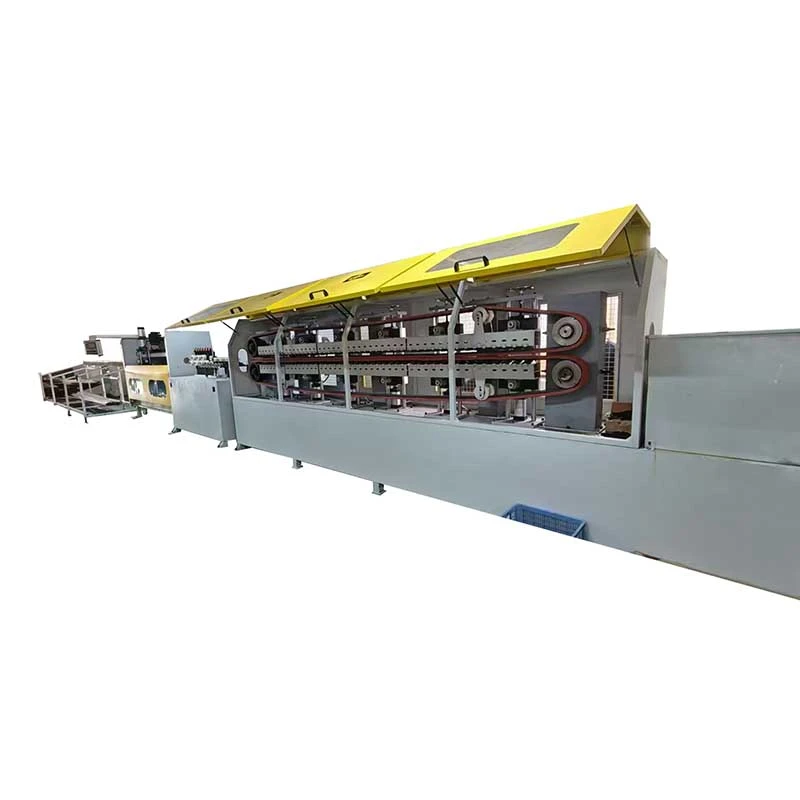

We offer a comprehensive range of precision metal processing equipment, including straightening, cold drawing, pointing, chamfering, cutting, thread rolling machines, and drawing dies, tailored for tube, bar, and wire materials across diverse industries.
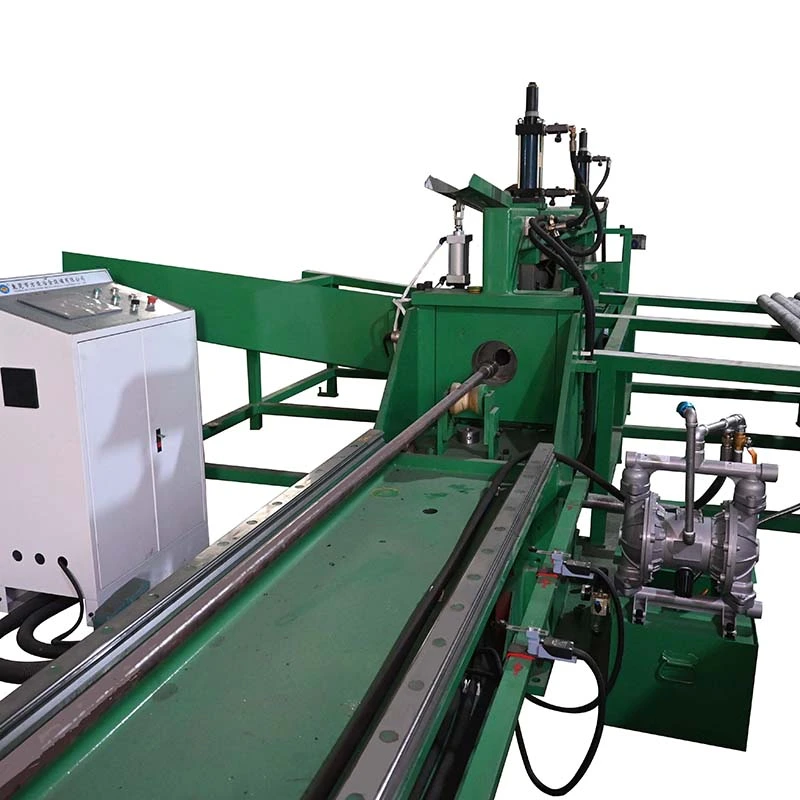
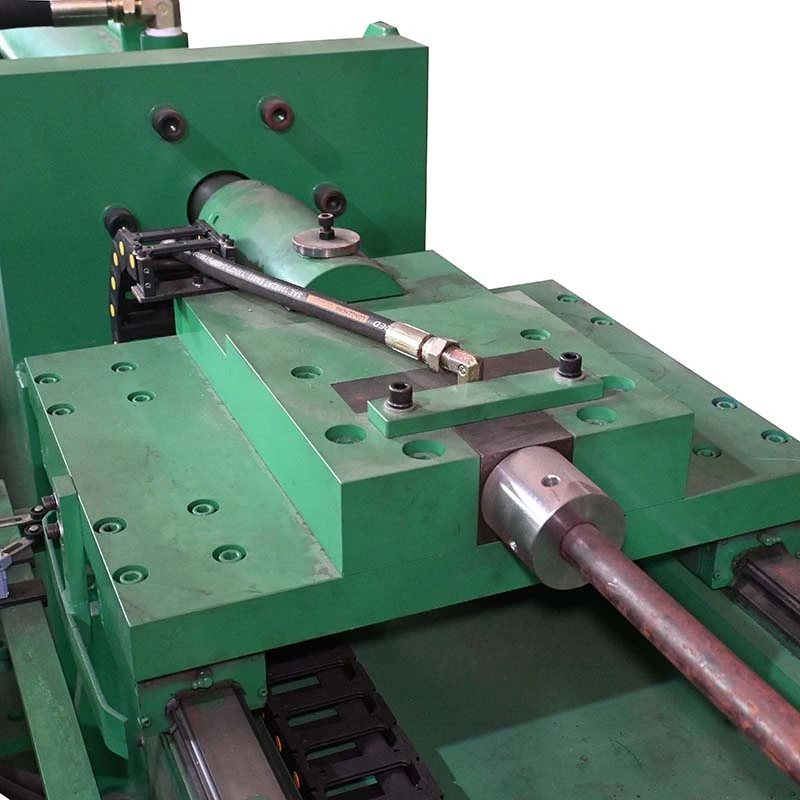
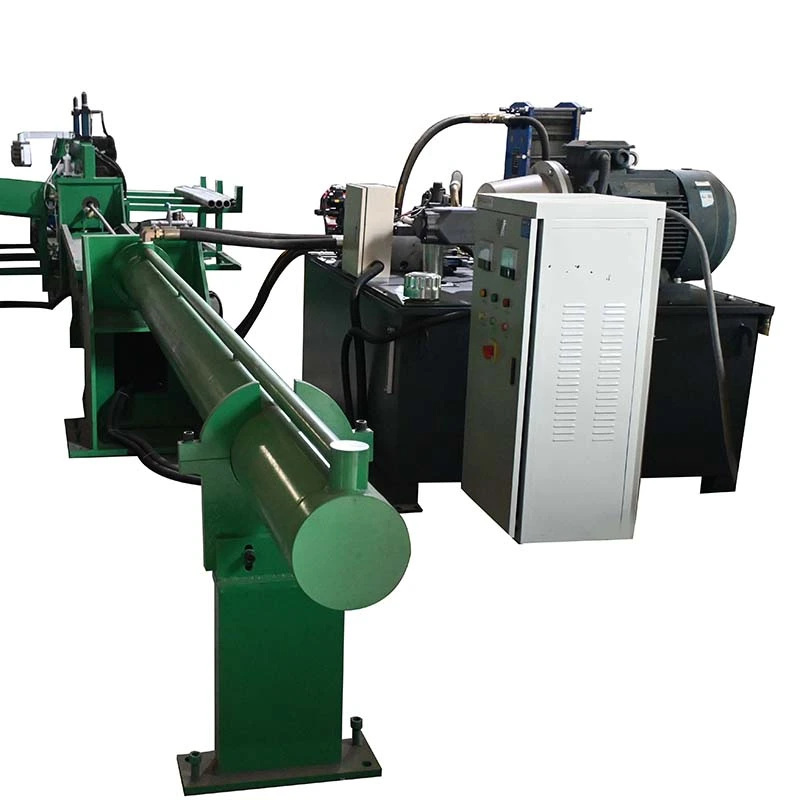
The Automatic Expansion Drawing Machine is used when a pipe needs a larger or more accurate internal diameter without heating the material. A hydraulic cylinder drives an expansion mandrel through the bore, providing controlled radial deformation to correct internal dimensions and ovality. The FR-10T to FR-500T range covers expansion forces of 10–500 tons with strokes up to 10 m, while multi-pump hydraulic systems match power output to different pipe sizes and loads. It is suitable for carbon steel, alloy steel, stainless steel, and specialty metal pipes, including large-diameter precision pipes, deformed sections, and pipe ends prepared for joining.
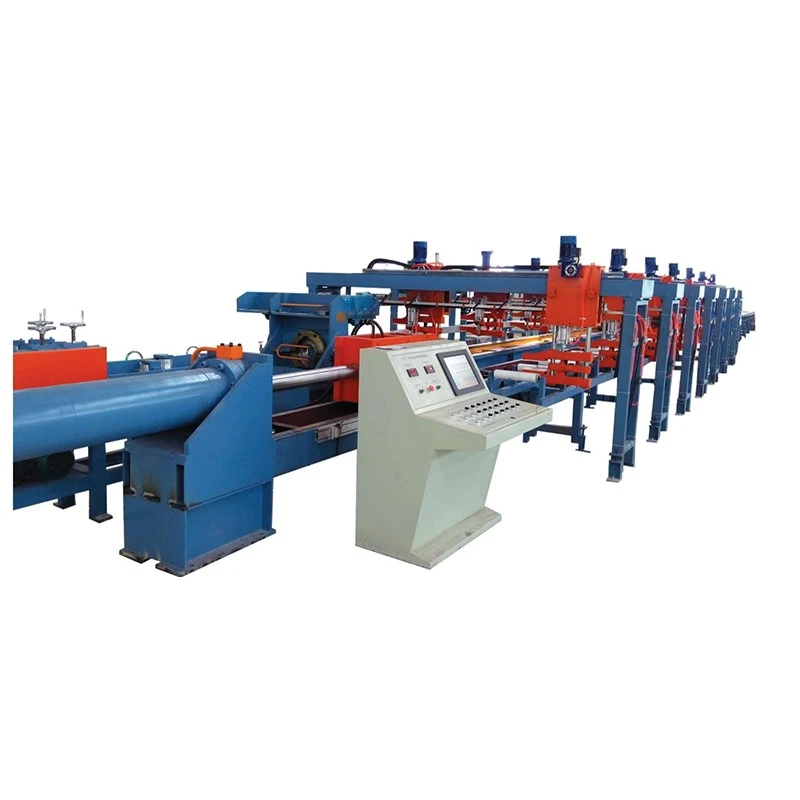
The Automatic Expansion Drawing Machine is a hydraulic cold-working drawbench for increasing the internal diameter of metal pipes without heating. Instead of reducing the tube size like conventional cold drawing, it pulls an expanding mandrel through the bore to enlarge the inside diameter, improve roundness, and bring the pipe closer to its required finished dimension.
This process is useful when a pipe blank is mechanically sound but its internal diameter, ovality, or final size does not meet the drawing specification. It is also used when producing larger-diameter precision pipe from a smaller starting size would otherwise require hot expansion and additional finishing.
FangRong's FR series covers 10 to 500 tons of expansion force, with a standard 10 m effective expansion stroke. The correct model depends mainly on pipe material, wall thickness, starting and target diameters, pipe length, and required expansion per pass rather than diameter alone.
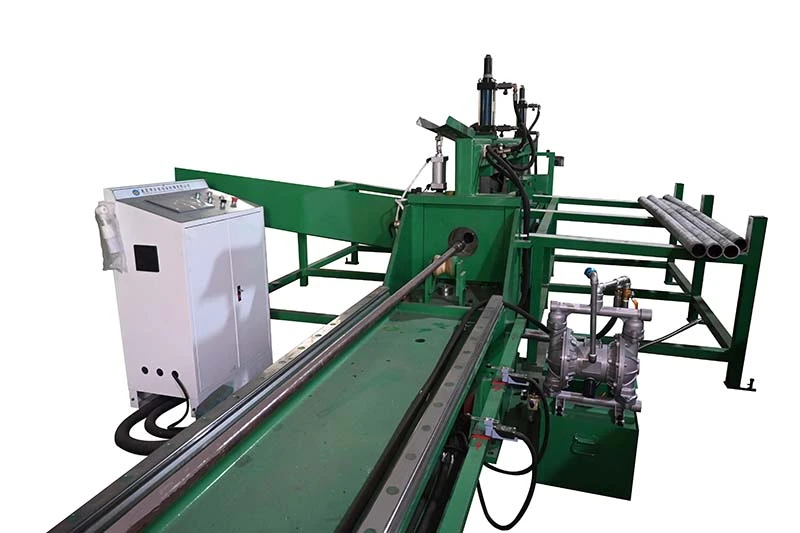
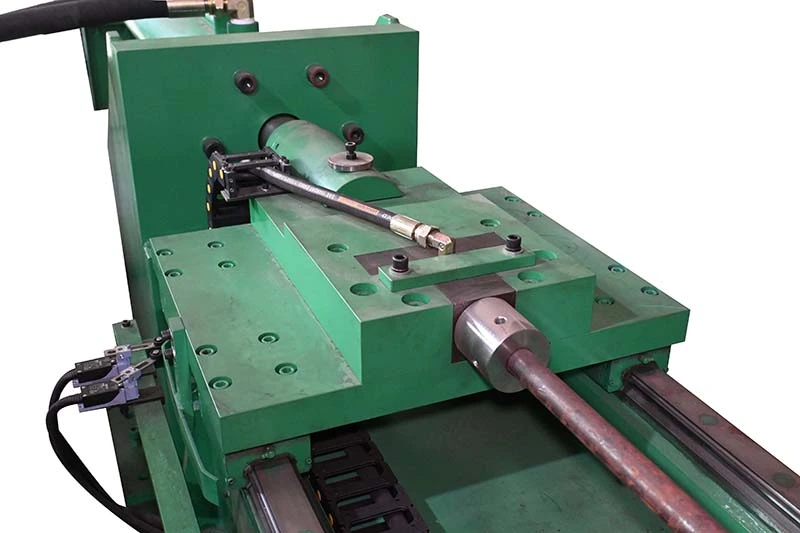
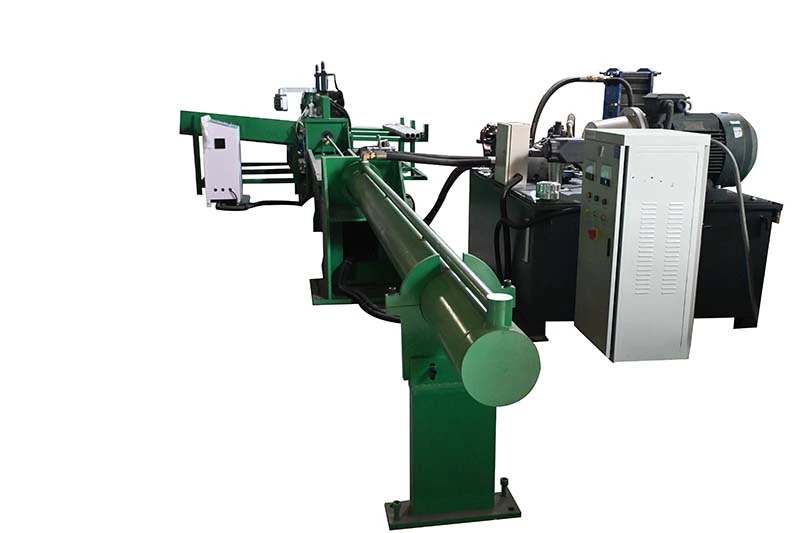
A typical production problem is a pipe that has reached the required wall thickness but still has an undersized or oval internal bore. Reducing the pipe again with a conventional drawbench would move the dimensions in the wrong direction. The expansion drawbench addresses this by applying controlled radial deformation from inside the pipe.
The pipe is clamped on the machine bed, an expansion mandrel is positioned inside the bore, and the hydraulic cylinder pulls the mandrel through the pipe. The mandrel forces the pipe wall outward within the calculated deformation range. For large diameter increases, several passes can be used instead of attempting excessive expansion in one pass.
Practical example: a Chinese pipe manufacturer used an FR-400T machine for large-diameter pipes used in an oil and gas pipeline project. The combination of high pulling force and a long working stroke was selected because the production requirement involved long pipes and controlled internal dimensions. For shorter pipes or smaller diameter changes, a smaller FR model can be more economical.
Undersized internal diameter: When the outside diameter and wall thickness are already close to the required values, expanding the bore can correct the internal dimension without starting the forming process again.
Pipe ovality: Pipes can become out of round during rolling, welding, transportation, or previous forming operations. Controlled internal expansion can improve roundness when the deformation is within the process capability of the selected mandrel.
Large-diameter precision pipe production: Conventional cold drawing is primarily a reduction process. Expansion drawing provides the opposite forming direction and is therefore useful for selected large-diameter seamless or welded pipe applications.
Pipe-end preparation: Where a pipe end needs to reach a defined internal dimension before flanging or joining, a dedicated expansion tool can be designed for the required geometry.
Hot-forming scale and oxidation: If the material and expansion ratio permit cold working, the process avoids the heating step used in hot expansion. This can reduce oxide formation and subsequent cleaning requirements. However, cold expansion is not automatically the best choice for every alloy or expansion ratio; material ductility and allowable deformation must be checked first.
1. Pipe positioning: The workpiece is placed on the machine bed and aligned with the expansion axis. Proper alignment is important for long pipes because excessive eccentricity can affect the final bore.
2. Mandrel installation: The appropriate expansion mandrel is inserted into the pipe. Mandrel diameter, nose geometry, material, and surface finish are selected according to the pipe grade and target dimensions.
3. Hydraulic expansion: The main cylinder pulls the mandrel through the pipe. The hydraulic system provides controlled force rather than the impact loading associated with mechanical pulling systems.
4. Dimensional correction: As the mandrel travels through the bore, the pipe wall undergoes controlled plastic deformation. The actual achievable expansion depends on material strength, wall thickness, initial diameter, lubrication, mandrel geometry, and the number of passes.
5. Inspection: After expansion, the pipe can be checked for internal diameter, ovality, wall condition, and overall dimensional conformity before the next operation.
The FR series uses hydraulic power units configured according to machine tonnage. Lower-pressure, higher-flow pumps can be used for rapid cylinder movement, while high-pressure pumps provide the force required during the expansion stroke. On larger machines, multiple pumps allow these two operating conditions to be handled separately.
This distinction matters in production. A machine selected only for maximum force may still have an unnecessarily long cycle if the hydraulic system cannot move the cylinder quickly during the return and approach strokes. Conversely, increasing hydraulic flow does not solve a force shortage during expansion. The pump arrangement therefore has to match both the required expansion force and production cycle.
| Model | Expansion Force (tons) | Main Cylinder (mm) | Effective Stroke (m) | Hydraulic Pump Motor |
|---|---|---|---|---|
| FR-10T | 10 | φ125 | 10 | 30 kW |
| FR-20T | 20 | φ150 | 10 | 37 kW |
| FR-30T | 30 | φ180 | 10 | 45 kW |
| FR-50T | 50 | φ200 | 10 | 75 kW |
| FR-100T | 100 | φ250 | 10 | 55 kW × 2 |
| FR-200T | 200 | φ520 | 10 | 90 kW × 2 |
| FR-300T | 300 | φ630 | 10 | 90 kW × 2 |
| FR-400T | 400 | φ630 | 10 | 55 kW fixed displacement pump × 2 + 110 kW × 2 |
| FR-500T | 500 | φ630 | 10 | 75 kW fixed displacement pump × 2 + 110 kW × 2 |
Important: The tonnage is not a direct indication of the pipe diameter the machine can process. Required force must be calculated from the pipe material, wall thickness, starting diameter, target diameter, expansion ratio, lubrication condition, and tooling geometry. A 100-ton machine may be suitable for one pipe specification but insufficient for another pipe with the same diameter and a higher-strength material.
Before quotation, provide the material grade, pipe type, outside diameter, starting inside diameter, target inside diameter, wall thickness, pipe length, expansion per pass, and required production quantity. FangRong can then calculate the approximate expansion force and determine whether one-pass or multi-pass expansion is appropriate.
For continuous production, it is generally preferable not to operate permanently at the machine's absolute rated capacity. Keeping working force below the maximum rating provides operating margin when material properties, lubrication, or incoming pipe dimensions vary.
Large-diameter line pipe and other pipeline products may require controlled internal dimensions before subsequent joining or inspection operations. The FR-200T to FR-500T range is suitable for applications where high expansion force and long working strokes are required.
Application case: A Chinese pipe manufacturer used an FR-400T expansion drawbench for long oil and gas pipeline pipes. The machine was selected for its high force capacity and long working stroke, allowing the manufacturer to process large sections while maintaining controlled internal dimensions.
For heat-transfer tubes, the internal diameter matters when flow area and dimensional consistency are part of the finished specification. Expansion is more relevant when the required final bore cannot be achieved efficiently through another reduction process.
For ordinary tubes where the starting and final dimensions are already within tolerance, using an expansion drawbench may add an unnecessary operation. The machine becomes valuable when internal sizing or ovality correction is the actual bottleneck.
Hydraulic cylinder tubes require controlled internal geometry because piston, seal, and guide components depend on the bore dimensions and surface condition. Expansion can be considered when the existing tube geometry needs controlled internal sizing rather than further diameter reduction.
Pipe ends for flanged or joined connections may require a controlled expanded section. A dedicated mandrel can be designed for the required end geometry instead of expanding the entire pipe.
Application case: A shipbuilding customer used an FR-200T machine for pipe-end expansion before flanging. The cold process avoided the scale associated with heating and reduced the amount of post-forming cleaning required before the next fabrication operation.
The Automatic Expansion Drawing Machine can be engineered for carbon steel, alloy steel, stainless steel, copper, aluminium, titanium, nickel alloys, and other suitable metals. Material selection matters because high-strength or low-ductility alloys may require a smaller expansion per pass and more controlled tooling conditions.
A typical FR-series system includes the main hydraulic cylinder, hydraulic power unit, draw carriage, pipe clamping arrangement, expansion mandrel assembly, PLC control system, HMI, electrical cabinet, hydraulic valves and the required machine structure.
Tooling is application-specific. The mandrel cannot be selected only from the machine tonnage. Its working diameter, profile, length, material and surface condition must correspond to the pipe specification. Special mandrels, multi-pass tooling, pipe-end expansion tools, feeding systems and automatic loading or unloading can be quoted separately when required.
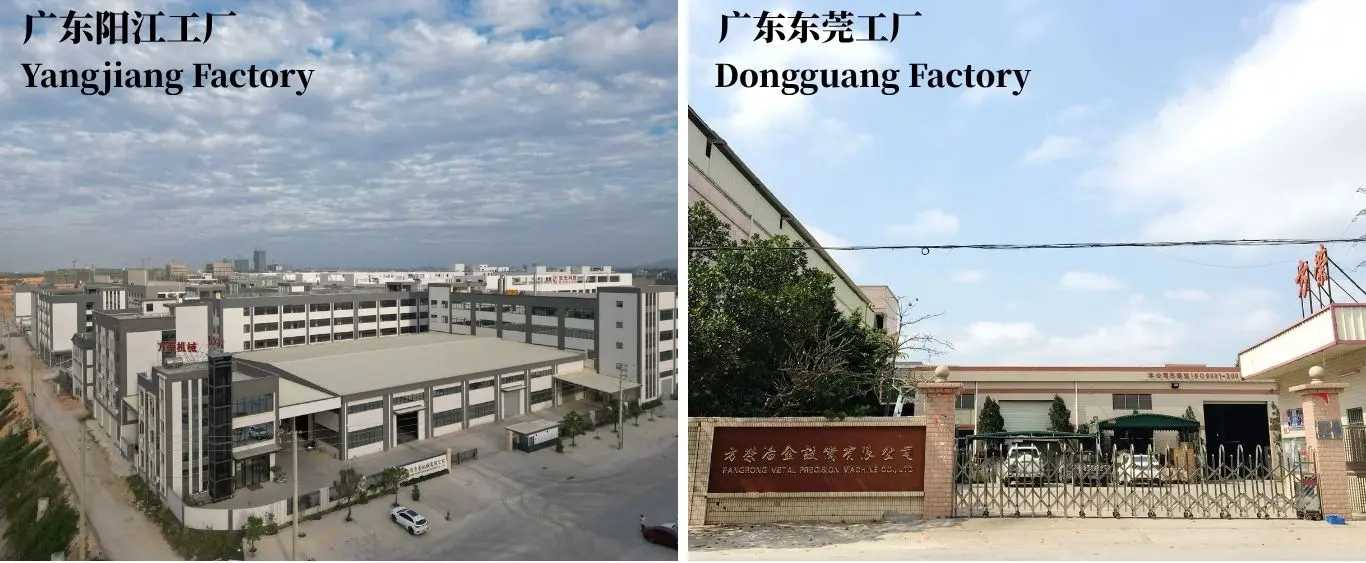
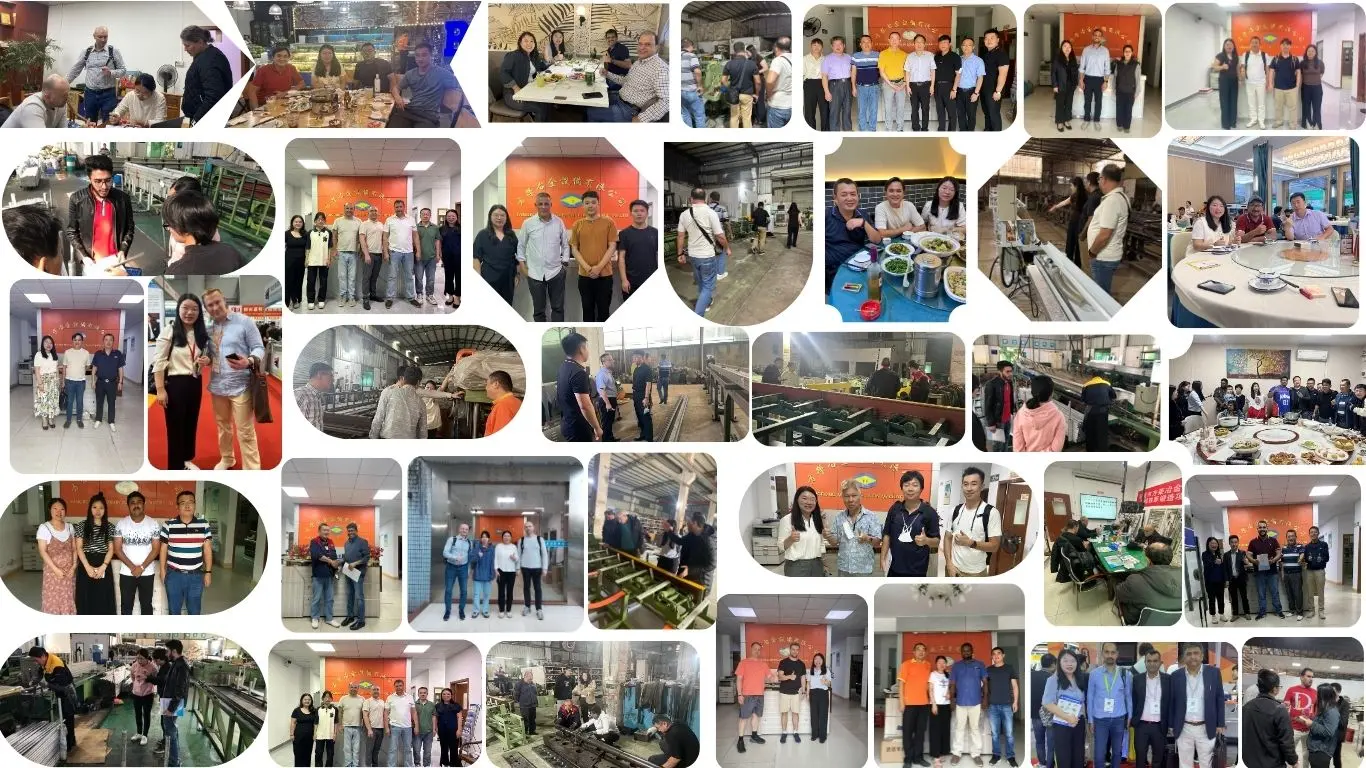
FangRong manufactures the equipment through its Dongguan and Yangjiang production facilities. The manufacturing process covers engineering review, component inspection, precision machining, hydraulic assembly, electrical integration, PLC programming, machine alignment and final testing.
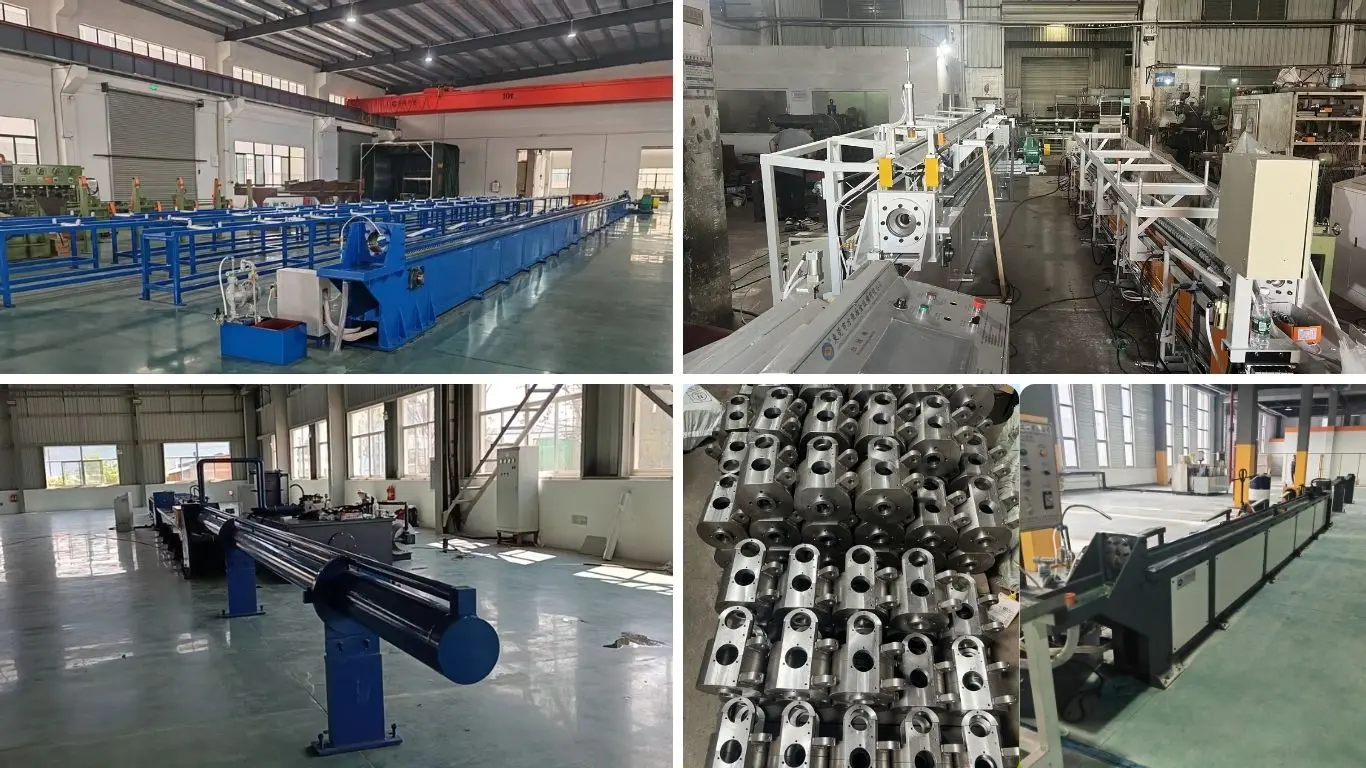
Order engineering: Pipe dimensions and material data are reviewed before cylinder force, mandrel geometry and hydraulic configuration are finalized.
Component inspection: Key hydraulic and mechanical components are checked before assembly.
Precision machining: Cylinder bores and mandrel components are machined to the specified dimensional requirements.
Hydraulic testing: Hydraulic circuits, valves and cylinders are pressure-tested before final integration.
Alignment: The draw carriage, guide system, cylinder and pipe centerline are checked because misalignment can affect long-pipe expansion results.
Functional testing: The machine is operated before shipment. Where customer pipe samples are supplied, actual expansion tests can be performed to verify the proposed process.
Final inspection: Hydraulic leakage, pressure stability, electrical safety, machine movement and finished pipe dimensions are checked according to the agreed inspection requirements.
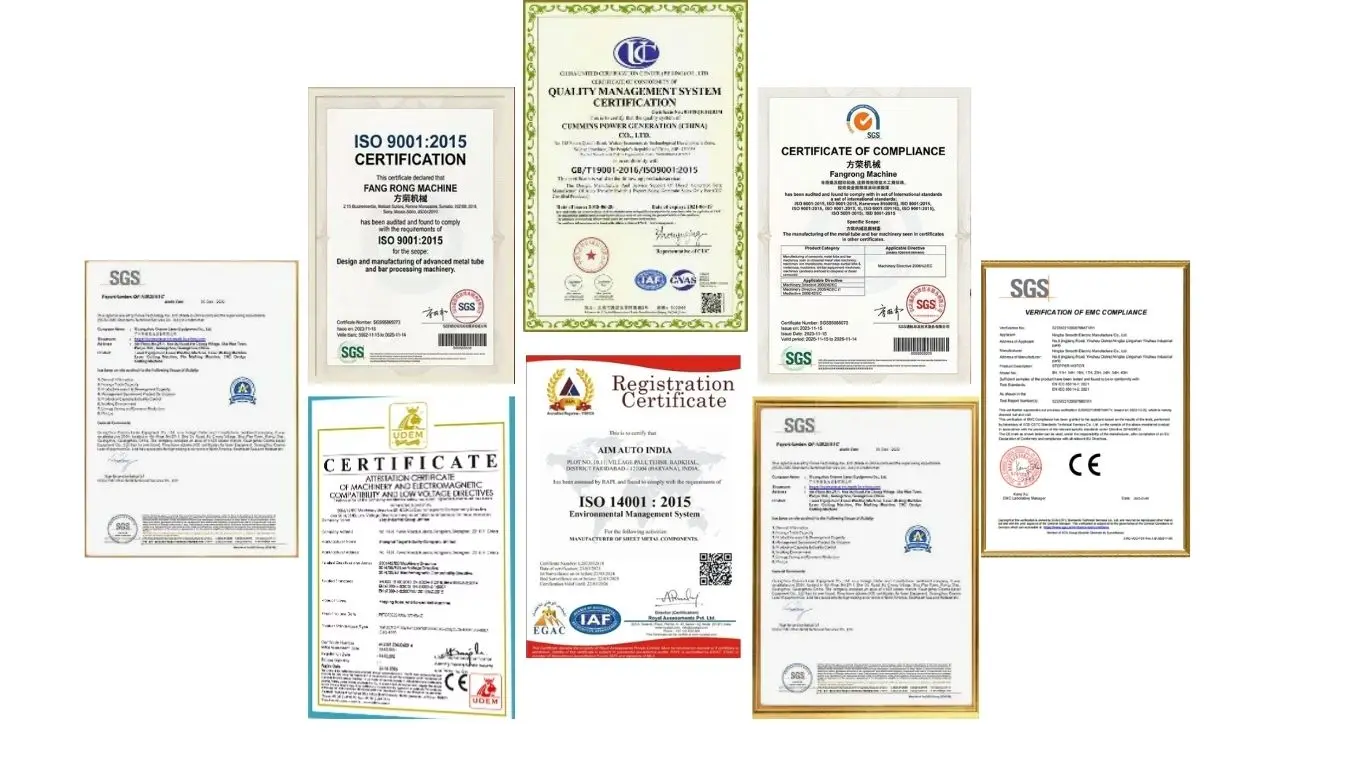
ISO 9001:2015 — Quality management system covering relevant design, manufacturing, installation and service activities. Certificate No. UQ231211R1.
CE Marking — Standard FR models are supplied for applicable European market requirements with machinery safety measures incorporated into the machine design. The applicable conformity documentation should be confirmed against the final machine configuration and destination-market requirements.
SGS Inspection — Third-party inspection can be arranged according to the customer's inspection scope and contract requirements.
Patented Technologies — FangRong reports 32 invention patents and more than 100 utility model patents covering technologies used in its metal-forming equipment.
MOQ: 1 complete machine/set for standard FR-series equipment. Special production lines, multiple-machine projects and customized tooling are quoted according to the project scope.
Tier pricing: Because FR-10T to FR-500T machines differ substantially in hydraulic power, cylinder size, tooling and automation, pricing is quoted by model and configuration rather than using one universal unit price. For multiple-machine orders, the quotation should state the quantity bracket and corresponding unit price clearly, for example: 1 set / 2–4 sets / 5+ sets. The final quantity-price schedule is confirmed in the commercial quotation.
FOB terms: FOB pricing is available based on the agreed shipment port in China. The quotation should specify the exact FOB port, such as Shanghai Port or Shenzhen Port, together with the machine configuration, packing scope and shipment quantity. Inland transportation to the nominated port is included or excluded according to the final Incoterms quotation.
Standard order lead time: FR-10T to FR-100T typically require 30–60 days after receipt of the agreed advance payment and technical confirmation. FR-200T to FR-500T typically require 90–120 days because of their larger hydraulic systems, cylinders, structures and testing requirements.
Expedited order: An accelerated production schedule can be evaluated for urgent projects subject to current workshop capacity, component availability and the required configuration. An expedited delivery date is confirmed only after engineering review and production scheduling; it should not be assumed from the standard lead time.
Payment: Standard commercial terms are 30% deposit with order confirmation and 70% balance before shipment after factory acceptance testing, unless otherwise agreed in the sales contract.
Warranty: 12 months from commissioning under the agreed warranty conditions.
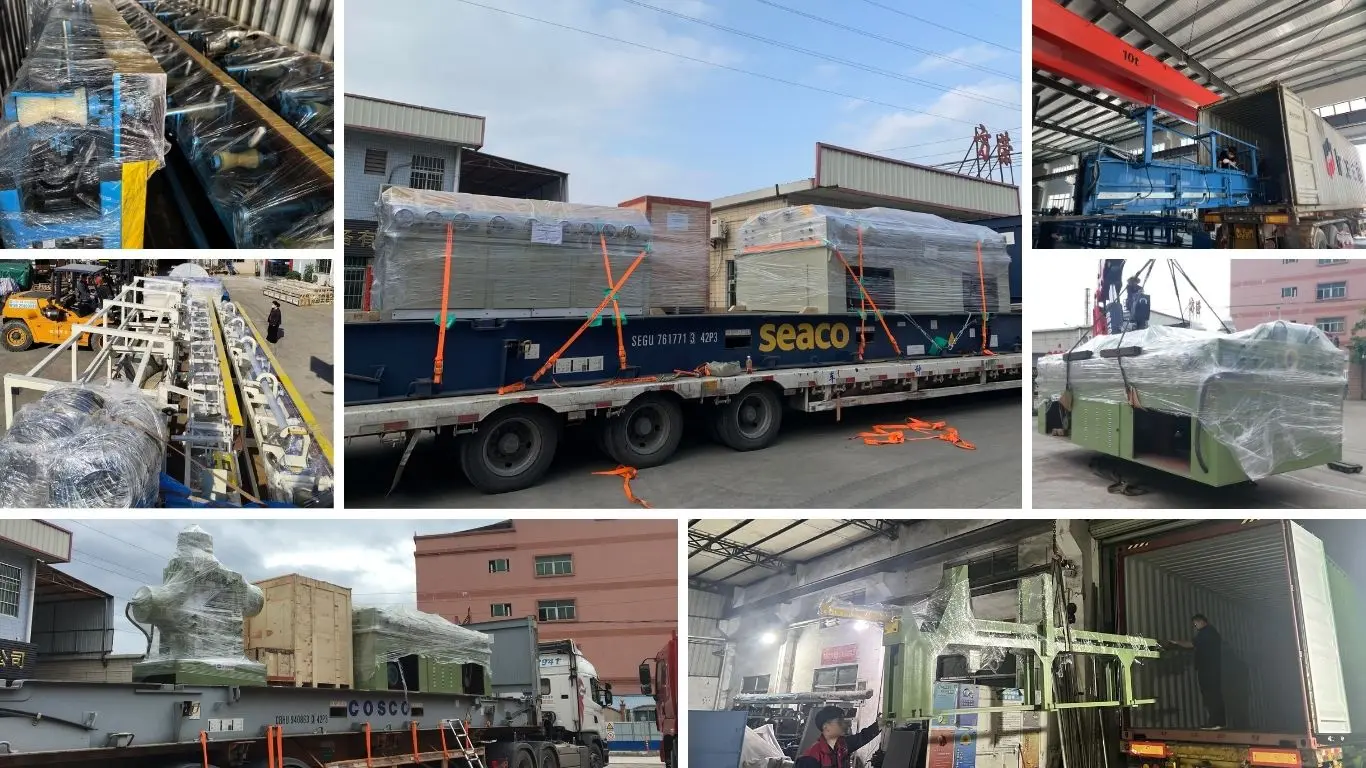
FangRong can provide foundation drawings, anchor-bolt layouts, installation guidance, commissioning support and operator training. Standard commissioning training covers machine operation, mandrel replacement, basic hydraulic maintenance and common fault diagnosis.
For overseas installations, the required service scope should be agreed before shipment. Remote troubleshooting is available for routine operating issues, while on-site engineering support can be arranged for projects requiring installation supervision or commissioning.
A conventional cold drawing machine normally reduces outside diameter and wall thickness. An expansion drawing machine pulls an expanding mandrel through the pipe to increase the internal diameter. The correct choice depends on whether the production problem is an oversized outside diameter or an undersized internal bore.
Machine tonnage should be calculated from the material grade, wall thickness, starting diameter, target diameter, expansion per pass, pipe length and tooling design. Pipe outside diameter alone is not enough to select the machine. Send these parameters for a force calculation before ordering.
There is no universal expansion percentage for every pipe. Carbon steel applications may commonly use approximately 5–15% diameter increase per pass, but the allowable value depends on material ductility, wall thickness, starting diameter, lubrication and the required dimensional accuracy. Materials with limited ductility may require smaller increments and multiple passes.
Yes, controlled internal expansion can correct suitable out-of-round pipe sections. The amount of correction depends on the original ovality, wall thickness, material strength and mandrel design. Severe deformation may require a separate straightening or pre-forming operation before expansion.
No. The FR-series expansion process is designed as a cold-working operation. This avoids the scale and oxidation associated with heating, but cold expansion also increases material deformation and work hardening. For difficult alloys or large expansion ratios, the process should therefore be validated before mass production.
Yes, provided the pipe specifications remain within the machine's calculated force and dimensional range. Different sizes normally require corresponding mandrels or tooling. A multi-size production line should be designed around the actual pipe-size range rather than assuming that one standard mandrel can cover all products.
Provide the pipe material, seamless or welded construction, outside diameter, starting inside diameter, target inside diameter, wall thickness, pipe length, required expansion per pass, production quantity, power supply, destination country and preferred delivery schedule. Pipe drawings or samples are recommended for customized tooling.
The standard machine package includes the main hydraulic system, draw mechanism, control system, machine structure and standard equipment required for operation. Application-specific mandrels, special clamps, automatic loading and unloading systems, extended strokes and other customized tooling are quoted according to the pipe specification.
Standard FR-10T to FR-100T machines generally require 30–60 days, while FR-200T to FR-500T machines generally require 90–120 days after technical and commercial confirmation. An expedited schedule can be evaluated for urgent projects according to production capacity and component availability.
Yes. For applications where expansion force, dimensional recovery or multi-pass tooling is uncertain, supplying representative pipe samples or complete dimensional data allows the engineering team to evaluate the process before final machine configuration. This is particularly useful for high-strength alloys, large expansion ratios and customized pipe-end forming.
Yes. Foundation drawings, installation guidance, commissioning and operator training are available. On-site engineering support can also be arranged when required by the project.
The standard warranty period is 12 months from commissioning, subject to the agreed warranty terms. Spare parts and technical support can be supplied after the warranty period.
Yes. Customization can include expansion stroke, mandrel geometry, pipe clamping, multi-pass tooling, hydraulic configuration, feeding and discharge systems, PLC sequences and automatic production-line integration. Customization should be based on actual pipe dimensions and production targets rather than only the nominal machine tonnage.
Address
NO.163,Shatong Road,Shabu 2nd Industrial Zone, Dalang Town, Dongguan City, Guangdong, China