News
News

Stay updated with FangRong’s latest innovations, certifications, global expansions, and successful project deliveries in automotive, aerospace, new energy, and other high-precision sectors.

How Can an Automatic Chamfering Machine Improve Metal Bar Processing Efficiency and Precision

2026-10-15 0 Leave me a message

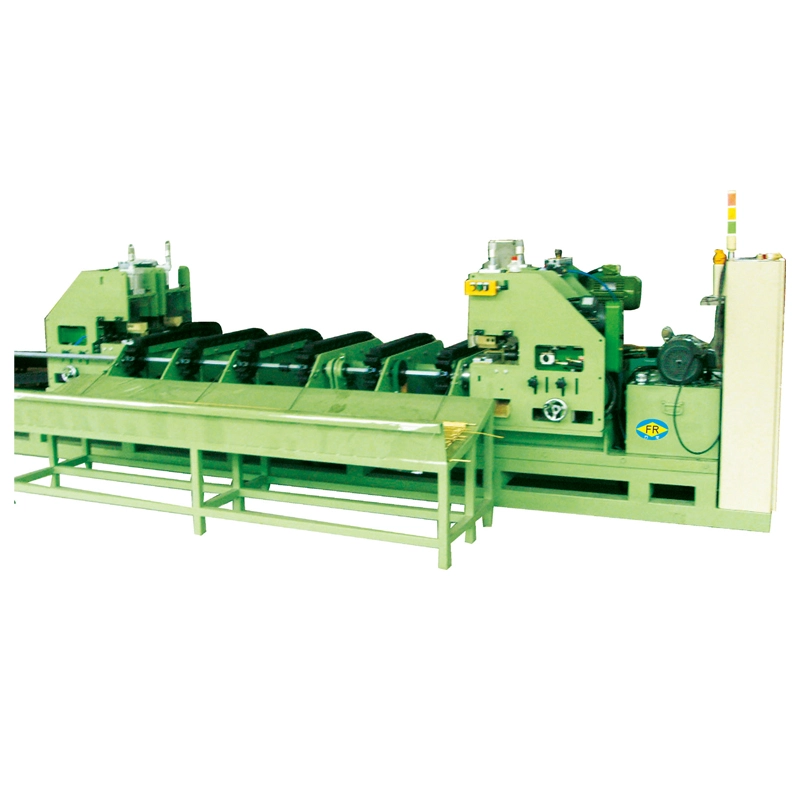
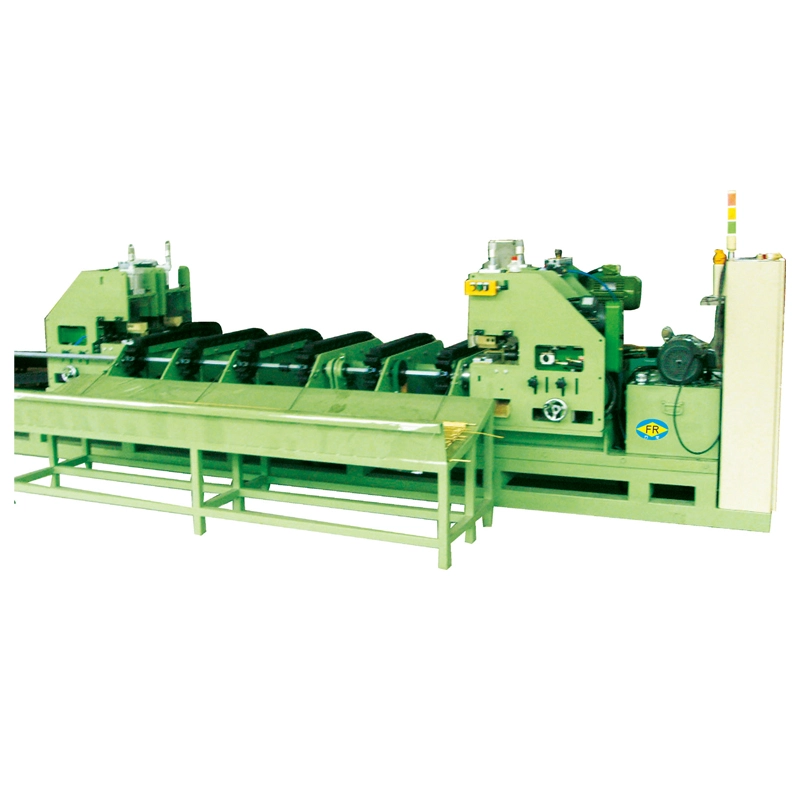
FangRong, an experienced metal processing machinery manufacturer in China, provides the Automatic Chamfering Machine for efficient bar-end preparation, consistent chamfering, and streamlined production. Designed for hexagonal rods and bars, the FR-15, FR-20, and FR-30 models help manufacturers reduce manual handling while improving the repeatability of metal processing operations.

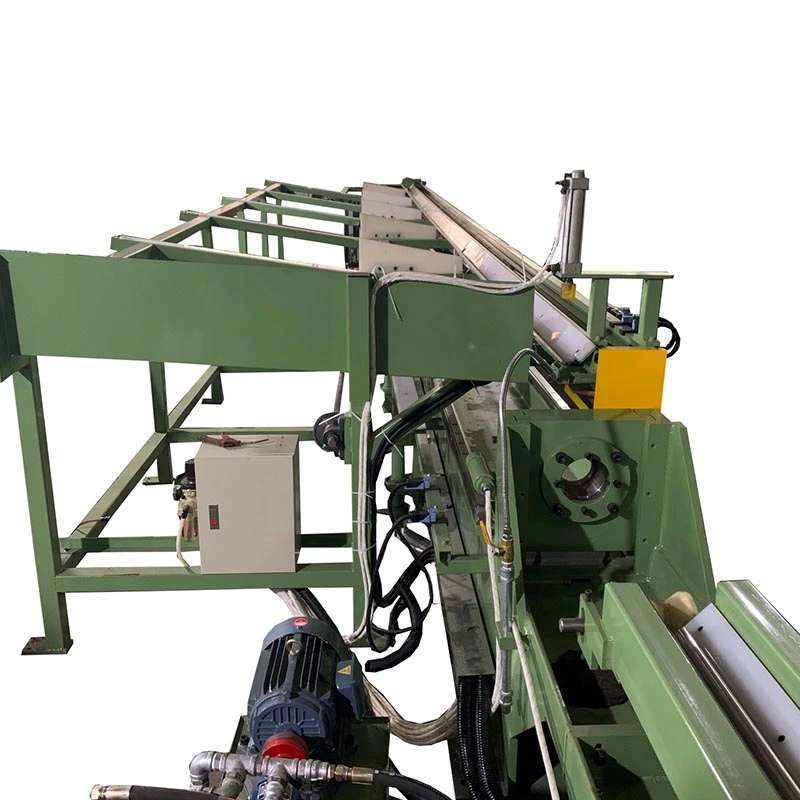
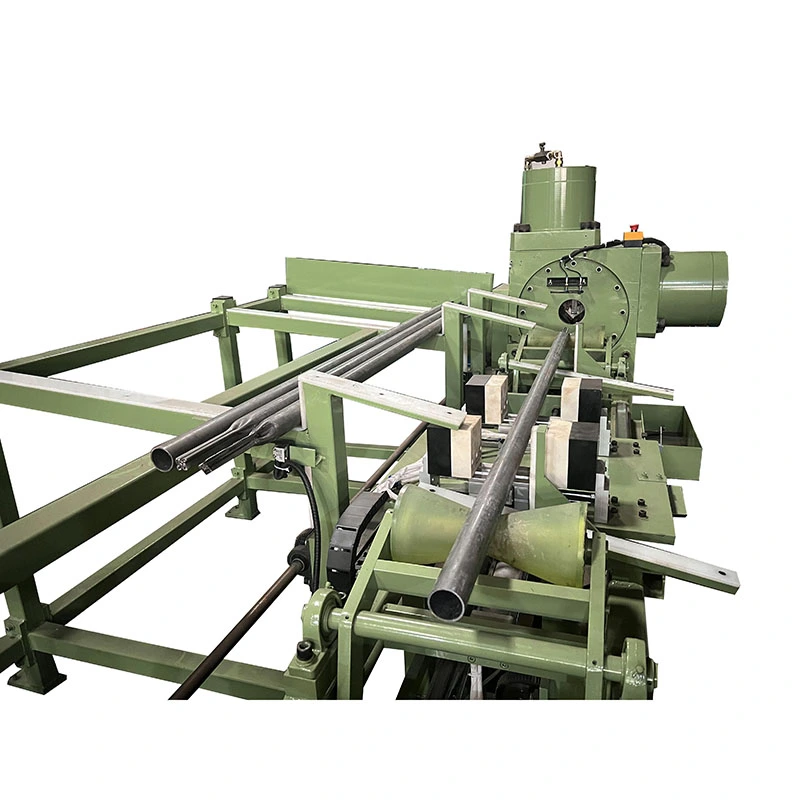
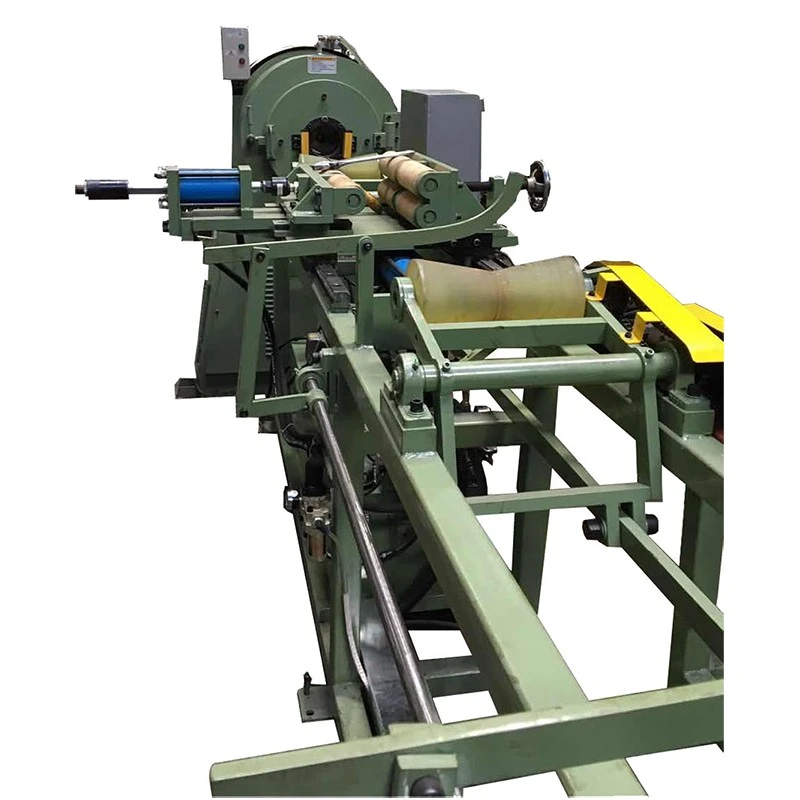
An Automatic Chamfering Machine removes sharp edges and creates controlled chamfers on metal bar ends before threading, machining, forming, or assembly. By combining automatic feeding, positioning, cutting, and unloading, it helps manufacturers establish a more consistent workflow and reduce repetitive manual operations. FangRong offers FR-15, FR-20, and FR-30 configurations for different hex rod and hex bar dimensions, with standard working lengths of 2–4 meters and model-dependent processing speeds of up to 25 pieces per minute. Selecting the right equipment requires careful consideration of workpiece geometry, material properties, chamfer requirements, production volume, and integration with existing machinery.

Automatic Chamfering Machine

Table of Contents

  1. What Is an Automatic Chamfering Machine?
  2. Why Is Chamfering Important in Metal Manufacturing?
  3. How Does the Machine Work?
  4. FR-15 vs. FR-20 vs. FR-30: Model Comparison
  5. Key Benefits of Automatic Chamfering Equipment
  6. Industrial Applications and Production Integration
  7. How to Choose the Right Machine
  8. What Should Buyers Know About Quality and Manufacturing?
  9. Frequently Asked Questions
  10. Find the Right Chamfering Solution

1. What Is an Automatic Chamfering Machine?

An Automatic Chamfering Machine is industrial equipment designed to remove sharp edges or create angled transitions at the ends of metal rods and bars. This operation, known as chamfering, prepares workpieces for subsequent manufacturing processes and helps achieve a more uniform end profile.

Unlike manual chamfering, which depends heavily on operator handling and individual working speed, an automated system coordinates material feeding, positioning, machining, and discharge. The result is a more repeatable process for production environments handling large quantities of similar workpieces.

FangRong's FR series is designed for hexagonal rods and bars of different dimensions. Depending on the selected model and production configuration, the equipment can support continuous processing and integration with other metalworking machinery.

Learn more about related chamfering machine solutions and explore how end preparation fits into a wider metal processing workflow.


2. Why Is Chamfering Important in Metal Manufacturing?

Bar-end quality can affect how a workpiece enters a die, fixture, threading tool, or assembly station. An inconsistent or damaged edge may create alignment difficulties, complicate handling, or introduce unnecessary variation into downstream operations.

A properly controlled chamfer helps address these issues by providing a more predictable edge profile. It can also reduce sharp-edge hazards during handling, although appropriate guarding, personal protective equipment, and safe operating procedures remain essential.

For manufacturers processing metal bars repeatedly, automated chamfering offers several practical advantages:

  • More consistent results: Repeatable positioning and machining help maintain uniformity across production batches.
  • Reduced manual handling: Automatic feeding and unloading can reduce repetitive operator tasks.
  • Improved workflow: Chamfering can be coordinated with cutting, drawing, and material transfer operations.
  • Better production planning: Model-specific processing speeds help manufacturers estimate throughput and organize work schedules.
  • More predictable downstream processing: Consistent bar ends can simplify workpiece entry and alignment in subsequent operations.

The actual improvement depends on the material, tooling, required chamfer geometry, machine settings, and existing production conditions. Manufacturers should validate these factors using representative workpieces before establishing production targets.


3. How Does the Machine Work?

An automatic chamfering operation follows a coordinated sequence. The exact arrangement depends on the machine model, tooling, and whether the equipment is installed as a standalone workstation or integrated into a larger processing line.

  1. Material feeding: Metal bars are loaded and transferred toward the processing area using the configured feeding system.
  2. Positioning and clamping: The workpiece is aligned and held securely to support stable machining.
  3. Chamfering: The cutting tool machines the bar end according to the required profile and process settings.
  4. Cutting or transfer: Where the selected configuration includes cut-off equipment, the relevant cutting operation is coordinated with the production sequence.
  5. Discharge: Finished material is unloaded or transferred to the next workstation, storage area, or rewinding system where applicable.
  6. Inspection: Operators check chamfer dimensions, edge condition, and workpiece consistency against the specified requirements.

Automation does not eliminate the need for process control. Correct tooling, secure clamping, suitable cutting parameters, routine maintenance, and periodic inspection are all necessary to achieve dependable results over extended production runs.


4. FR-15 vs. FR-20 vs. FR-30: Model Comparison

Choosing the correct model starts with the dimensions of the hexagonal rod or bar being processed. FangRong provides three standard configurations, with differences in working range, processing speed, and main power requirements.

Technical Parameter FR-15 FR-20 FR-30
Hex rod working range φ4–14 mm φ8–18 mm φ10–30 mm
Hex bar working range φ6–12 mm φ10–16 mm φ14–28 mm
Standard working length 2–4 m 2–4 m 2–4 m
Maximum listed speed 18–25 pcs/min 18–25 pcs/min 16–20 pcs/min
Main power 11 kW 15 kW 21 kW
Listed configuration Standard configuration Standard configuration Automatic feeding, chamfer cut-off host, and rewinder rack

Important: These figures represent reference configurations, not guaranteed output under every production condition. Confirm the required workpiece dimensions and actual process requirements with FangRong before ordering. The listed working ranges should also be checked against the specific cross-section and tooling arrangement of the intended application.

For additional process coordination, manufacturers can evaluate the machine alongside a cold drawing machine, metal straightening machine, or suitable cutting equipment.


5. Key Benefits of Automatic Chamfering Equipment

For manufacturers handling repeated bar-end preparation, the principal value of automation lies in process consistency and workflow coordination rather than speed alone.

Consistent End Preparation

Controlled positioning and repeatable tool movement can reduce variation between workpieces. This is especially useful when downstream operations depend on a consistent bar-end profile. Actual chamfer tolerances must be confirmed through machine specifications and sample testing.

Reduced Repetitive Labor

Automatic feeding and discharge can reduce the amount of manual handling required for each bar. Operators can focus more on inspection, material replenishment, setup verification, and routine equipment checks.

Improved Production Flow

When chamfering is connected with cutting, cold drawing, or other compatible equipment, material can move through multiple stages with fewer separate handling steps. This can help reduce intermediate queues and simplify production organization.

Scalable Equipment Selection

Multiple model options allow manufacturers to match machine capacity to their workpiece dimensions and production objectives. A correctly sized system can help avoid investing in unnecessary capacity while preserving the flexibility needed for future orders.


6. Industrial Applications and Production Integration

An Automatic Chamfering Machine is suitable for metal processing operations that require repeated and consistent preparation of bar ends. Typical application areas include:

  • Fastener and bolt manufacturing: Preparing compatible metal stock before subsequent forming, threading, or machining operations.
  • Cold drawing production: Preparing bar ends for entry into compatible drawing processes.
  • Automotive components: Processing suitable metal stock used in the manufacture of mechanical components.
  • General hardware manufacturing: Preparing rods and bars for fixtures, machining, and assembly.
  • Forging and mechanical engineering: Improving the consistency of workpiece ends before further processing.
  • Metal processing service centers: Handling repeat orders that require defined bar dimensions and end conditions.

Material compatibility and process suitability must be evaluated for each application. Different metal grades, hardness levels, cross-sections, and chamfer specifications can require different tooling and operating parameters.

For factories planning a more integrated line, it is worth assessing material flow from initial feeding through end preparation and subsequent cutting, drawing, or collection. FangRong's broader range of metal processing machinery provides options for evaluating these connections according to project requirements.


7. How to Choose the Right Machine

Before purchasing an automatic chamfering system, buyers should establish a clear technical specification. This helps prevent mismatches between the selected machine and actual production conditions.

  1. Confirm workpiece dimensions: Record the bar diameter or across-flats dimension, cross-sectional shape, and working length.
  2. Identify the material: Specify the metal grade and relevant mechanical properties so tooling and process compatibility can be assessed.
  3. Define the chamfer requirement: Clarify the required angle, size, edge condition, and acceptable dimensional variation.
  4. Estimate production volume: Calculate target output and consider loading, changeover, inspection, and downtime in addition to nominal machine speed.
  5. Review automation needs: Determine whether automatic feeding, cut-off, discharge, or rewinding functions are necessary.
  6. Check factory utilities and layout: Verify electrical requirements, available floor space, material access, and connections to upstream and downstream machinery.
  7. Request a sample test: Where possible, provide drawings or representative workpieces to confirm the proposed configuration and processing results.

When comparing suppliers, evaluate the complete operating solution rather than the purchase price alone. Tooling costs, setup time, maintenance access, operator training, spare parts, and after-sales technical support can all influence long-term ownership costs.


8. What Should Buyers Know About Quality and Manufacturing?

Machine performance depends on more than the nominal motor power or advertised production speed. Mechanical rigidity, component quality, feeding accuracy, clamping stability, cutting-tool condition, and electrical control all influence the finished result.

FangRong was established in 1998 and specializes in metal processing equipment, including cold drawing machines, straightening machines, and related machinery. Its automatic chamfering equipment is intended for manufacturers seeking to coordinate bar-end preparation with broader metalworking operations.

Before shipment, buyers should confirm the inspection procedure and acceptance criteria for the selected machine. A practical evaluation can include:

  • Checking the feeding and positioning sequence using representative workpieces.
  • Measuring chamfer dimensions and inspecting edge quality against agreed requirements.
  • Evaluating repeatability across a suitable sample batch.
  • Verifying operating controls, guarding, and emergency-stop functions.
  • Reviewing operation manuals, maintenance schedules, and recommended spare parts.
  • Confirming delivery arrangements, warranty terms, and available technical support.

For more information about the company, visit FangRong's official website. Buyers can also review related pointing machine solutions when evaluating different stages of metal bar preparation.


9. Frequently Asked Questions

What sizes can the FangRong Automatic Chamfering Machine process?

The standard FR-15, FR-20, and FR-30 models cover different hex rod and hex bar ranges. Listed hex rod ranges are φ4–14 mm, φ8–18 mm, and φ10–30 mm, respectively. Listed hex bar ranges are φ6–12 mm, φ10–16 mm, and φ14–28 mm. Confirm the exact workpiece geometry before selecting a model.

How fast can an automatic chamfering machine operate?

The FR-15 and FR-20 have listed maximum speeds of 18–25 pieces per minute, while the FR-30 has a listed range of 16–20 pieces per minute. Actual throughput depends on workpiece dimensions, material properties, tooling, setup, and production conditions.

Can the machine be integrated with a cold drawing line?

Yes. Integration can be evaluated according to the production layout, workpiece transfer method, and process sequence. FangRong also manufactures cold drawing and other metal processing equipment, which can help when planning a coordinated production line.

Can FangRong customize an automatic chamfering machine?

Customization can be discussed according to material, bar dimensions, working length, required output, feeding arrangements, and automation needs. Drawings or physical samples are useful for evaluating non-standard applications.

What information should buyers provide when requesting a quotation?

Provide the material grade, cross-sectional shape, bar dimensions, working length, required chamfer profile, target output, and any integration requirements. Photos, technical drawings, and representative samples can help the manufacturer assess the appropriate configuration.

How can manufacturers evaluate the machine before purchase?

Ask the supplier to clarify the technical specifications, inspection procedure, sample-testing options, warranty coverage, documentation, and after-sales support. Where feasible, confirm processing results with representative workpieces before final acceptance.


10. Find the Right Chamfering Solution for Your Production Line

Choosing the right Automatic Chamfering Machine can help metal manufacturers improve end preparation, reduce repetitive handling, and establish a more consistent production workflow. The best configuration depends on workpiece dimensions, material properties, required chamfer quality, output targets, and integration with existing equipment. FangRong offers the FR-15, FR-20, and FR-30 models to address different hex rod and hex bar processing requirements. If you are planning a new production line or upgrading an existing metalworking process, explore FangRong's Automatic Chamfering Machine and contact us with your technical drawings, workpiece specifications, and production goals to discuss a suitable machine configuration.

Related News
Leave me a message
X
We use cookies to offer you a better browsing experience, analyze site traffic and personalize content. By using this site, you agree to our use of cookies. Privacy Policy
RejectAccept