News
News

Stay updated with FangRong’s latest innovations, certifications, global expansions, and successful project deliveries in automotive, aerospace, new energy, and other high-precision sectors.

Is a Tube Inner Thread Forming Machine the Right Investment for Your Production Line

2026-10-23 0 Leave me a message

Abstract: This guide from FangRong explains how a Tube Inner Thread Forming Machine works, where it outperforms tapping, how to evaluate thread quality, and what to check before investing in one for your tube production line.

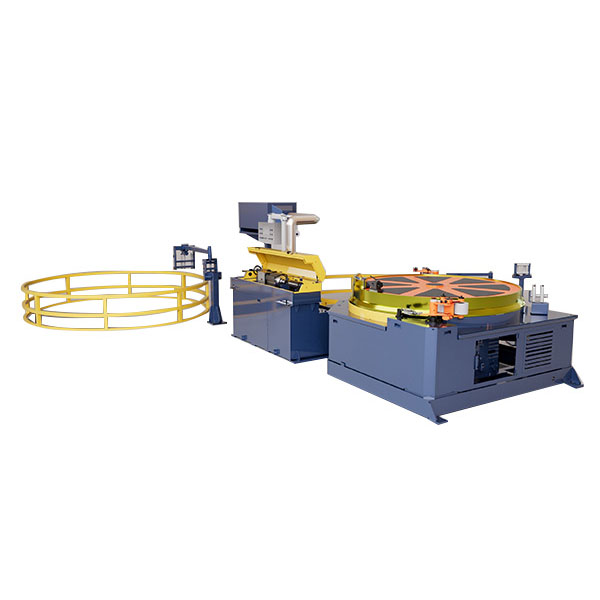
Tube Inner Thread Forming Machine

Table of Contents

1. Why Inner Thread Forming Beats Cutting on Many Tube Applications

Zhenhua-grade reliability is not the only thing buyers look for in tube processing; they also want threads that hold pressure, resist fatigue, and last through repeated assembly. FangRong builds a Tube Inner Thread Forming Machine for exactly this reason. Instead of cutting material away with a tap, thread forming displaces metal into the required thread profile—no chips, no interrupted grain structure, and typically a stronger finished thread.

That distinction matters in tubes. When you cut an internal thread, you remove wall material and create stress concentrations at the thread roots. Forming, by contrast, compresses and cold-works the material, which can raise thread strength and improve surface finish. For thin-wall tubes, fittings, hydraulic lines, and structural tube assemblies, those benefits often translate into fewer leaks and longer service life.

2. How a Tube Inner Thread Forming Machine Works

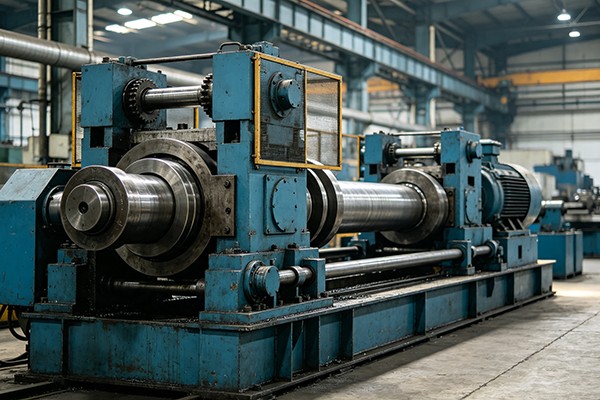
The forming process uses a lobed or polygonal forming tool rather than a cutting tap. The tool is fed into the tube bore and rotated, progressively displacing material outward to create the internal thread. The machine controls three things precisely: rotational speed, feed rate, and lubrication.

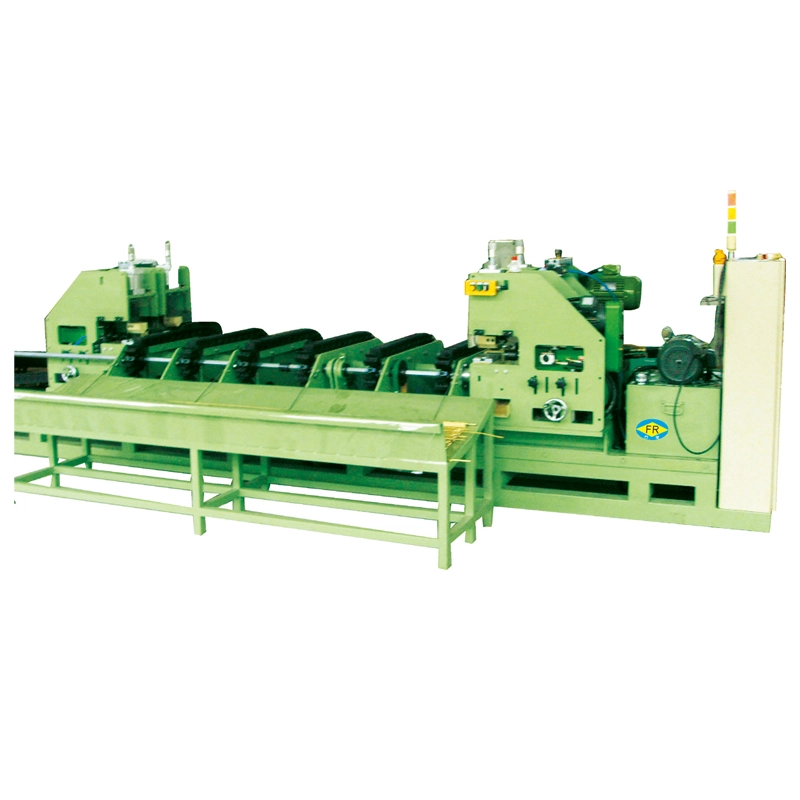
Core components of a typical machine:

  • Spindle and drive system: Provides controlled torque and consistent rotation speed.
  • Forming tool holder: Aligns the tool concentrically with the tube bore to avoid thread runout.
  • Tube clamping unit: Holds the tube rigidly to prevent vibration and ovality during forming.
  • Feed mechanism: Controls how quickly the tool advances into the bore.
  • Cooling and lubrication system: Reduces friction, extends tool life, and flushes debris.
  • Control panel: Sets speed, feed, depth, and cycle parameters, often with recipe storage.

The material being formed matters. Softer and more ductile metals—copper, brass, aluminum, and low-carbon steel—form well. High-strength or low-ductility alloys may require process adjustment or may not be suitable at all, which is why material confirmation should come before machine specification.

3. Thread Quality: What to Measure and Why

A formed thread looks simple but has several measurable characteristics that determine whether it will perform in service.

  • Pitch diameter: The most critical dimension for fit and load capacity; must be checked with the correct gauge.
  • Minor diameter: Affects the mating fastener's engagement and clearance.
  • Thread angle and profile: Confirms the forming tool produced the specified form, not a distorted approximation.
  • Concentricity with the tube bore: Off-center threads cause cross-threading and sealing failure.
  • Surface finish: Formed threads usually show a smoother flank than cut threads, which aids sealing.
  • Runout and ovality: Especially important on thin-wall tubes where clamping force can distort the bore.

Gauging should be part of the machine's qualification process, not an afterthought. Good practice includes go/no-go thread gauges, a pitch diameter micrometer, and periodic sectioning of sample parts to verify the formed profile.

4. Key Factors When Selecting a Machine

Machine choice depends on tube size, material, thread specification, and production volume. Consider these factors:

  • Tube diameter and wall thickness range: Determines spindle size, clamping design, and tooling dimensions.
  • Thread size and pitch range: Must cover your current and planned product range.
  • Material ductility: Influences tool life, required torque, and lubrication strategy.
  • Tube length: Affects machine bed length and support requirements.
  • Cycle time target: Matches drive power, automation level, and loading method.
  • Automation level: Manual load, semi-automatic, or fully integrated with conveyors and robots.
  • Tooling availability and support: Confirm spare part supply and regrinding service.
  • Quality and documentation: Process records, calibration procedures, and acceptance testing.

It also helps to specify whether the machine will run a single thread size for long runs or many sizes in small batches; changeover time and tooling inventory differ considerably between the two scenarios.

5. Comparison Table: Forming vs. Tapping vs. Thread Milling

The table below compares the three main methods for producing internal threads in tubes.

Attribute Inner Thread Forming Tapping (Cutting) Thread Milling
Chip generation None Chips produced; removal required Chips produced
Thread strength Higher, cold-worked grain structure Lower, material removed at roots Moderate
Surface finish Excellent, burnished flanks Good to moderate Good
Suitable materials Ductile metals: copper, brass, aluminum, low-carbon steel Broad range including cast iron Broad range
Thin-wall tube performance Good when clamping is well controlled Risk of distortion and thin-wall tearing Good
Tool life Long in ductile materials Shorter; breakage risk in small sizes Long
Cycle time Fast for small to medium threads Fast Slower
Best fit High-volume tube fittings, hydraulic and pneumatic parts General machining, low volume Large diameters, difficult materials

In practice, many tube shops use forming for their highest-volume, most quality-sensitive thread sizes and keep tapping or milling available for unusual jobs.

6. Fitting the Machine Into Your Existing Line

A forming machine rarely operates alone. Plan how it connects to tube cutting, end finishing, deburring, cleaning, and inspection.

  • Upstream: Tubes should be cut to length with square, burr-free ends. Poor end condition causes tool misalignment.
  • Clamping and support: Long tubes need support stands or roller fixtures to prevent sag during forming.
  • Lubrication management: Centralized or recirculating systems reduce consumable cost and keep the work area clean.
  • Downstream: A quick gauge check at the machine catches drift before parts reach final assembly.
  • Traceability: Record machine parameters by batch so thread quality can be traced back to settings.

FangRong also supplies related tube processing equipment such as cold drawing machines, drawing dies, and straightening machines, which makes it easier to specify a coherent line rather than mismatched standalone units.

7. Frequently Asked Questions (FAQ)

Q1: What is a tube inner thread forming machine used for?
A: It forms internal threads inside tube bores by displacing metal rather than cutting it. It is used for fittings, hydraulic and pneumatic components, structural tube assemblies, and other parts requiring strong, chip-free internal threads.

Q2: Is thread forming stronger than tapping?
A: In ductile materials, formed threads typically show better fatigue resistance and a smoother finish because the grain structure is cold-worked rather than cut. Actual performance depends on material, wall thickness, and process control.

Q3: Which materials can be formed?
A: Copper, brass, aluminum, and low-carbon steels form well. High-strength or low-ductility alloys may need process adjustment or may not be suitable. Confirm material with the machine supplier before specifying.

Q4: Can the machine handle thin-wall tubes?
A: Yes, provided clamping force and support are properly designed. Thin-wall forming requires careful clamping to avoid ovality and distortion.

Q5: What determines thread size range?
A: Spindle power, tooling dimensions, and tube bore diameter. Specify both your current product range and planned future sizes when requesting a machine.

Q6: How is thread quality verified?
A: Use go/no-go thread gauges and pitch diameter micrometers, plus periodic sectioning of sample parts. Concentricity and ovality should also be checked, especially on thin-wall tubes.

Q7: What information is needed for a machine quotation?
A: Material, tube diameter and wall thickness, thread specification, tube length, production volume, automation requirements, and any plant layout constraints.

8. Let FangRong Help Specify Your Machine

The right tube inner thread forming machine is defined by your material, tube dimensions, thread specification, and production volume—not by a generic catalog page. FangRong works with tube processors to match machine configuration, tooling, and line integration to real production conditions. Tell us about your material, product specifications, production process, and equipment requirements, and we can discuss suitable cold drawing machines, drawing dies, straightening machines, and customized solutions for your application. Whether you are adding a single forming station or building a complete tube processing line, our team can help you specify it correctly the first time. contact us today with your tube and thread details, and we will respond with a machine recommendation and quotation—contact us now to move your project forward.

Related News
Leave me a message
X
We use cookies to offer you a better browsing experience, analyze site traffic and personalize content. By using this site, you agree to our use of cookies. Privacy Policy
RejectAccept