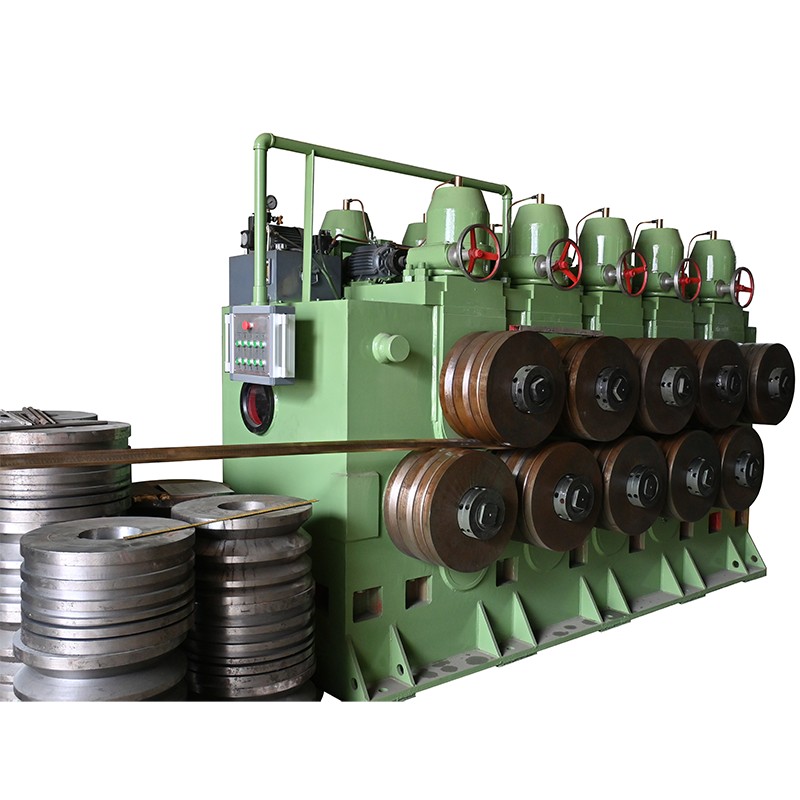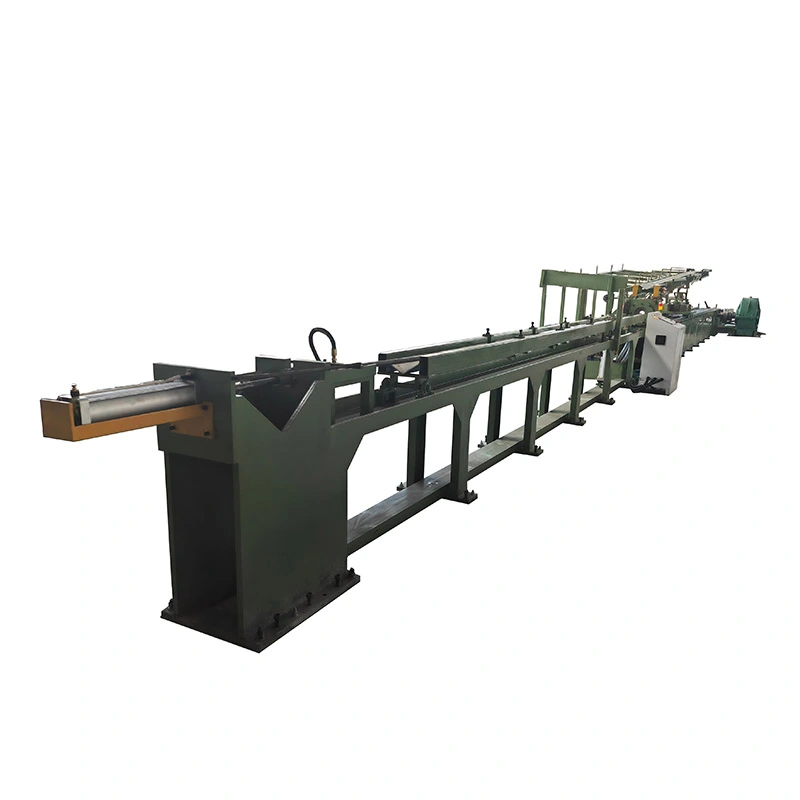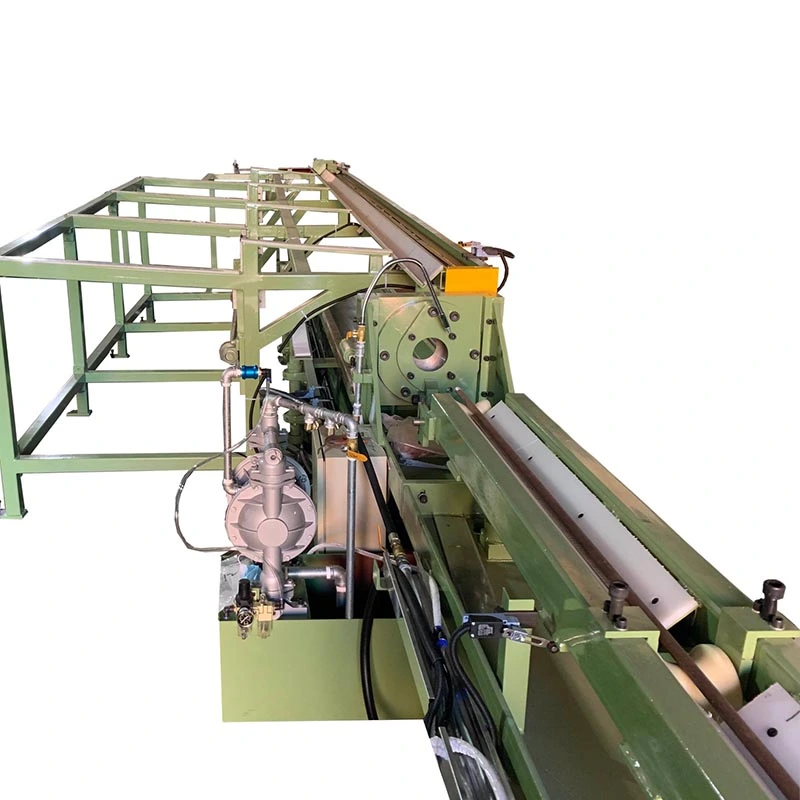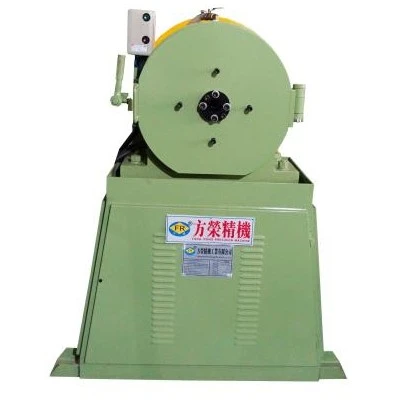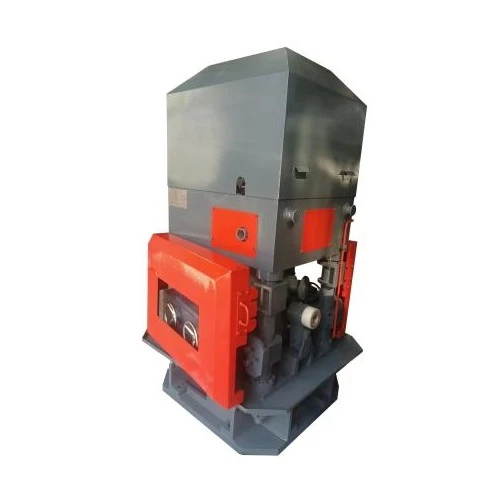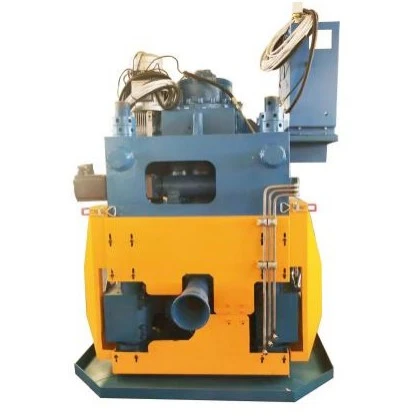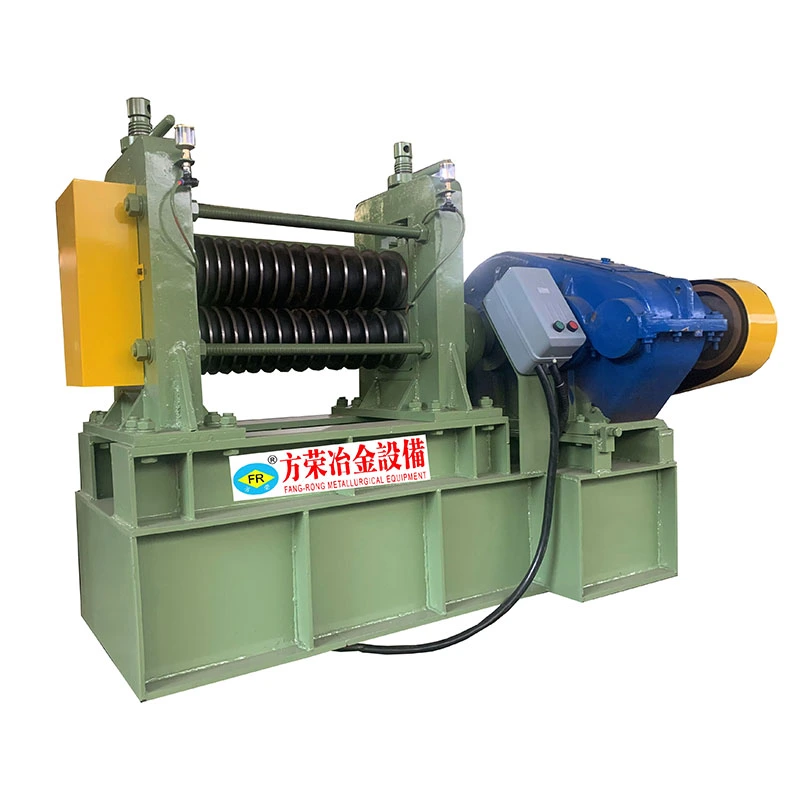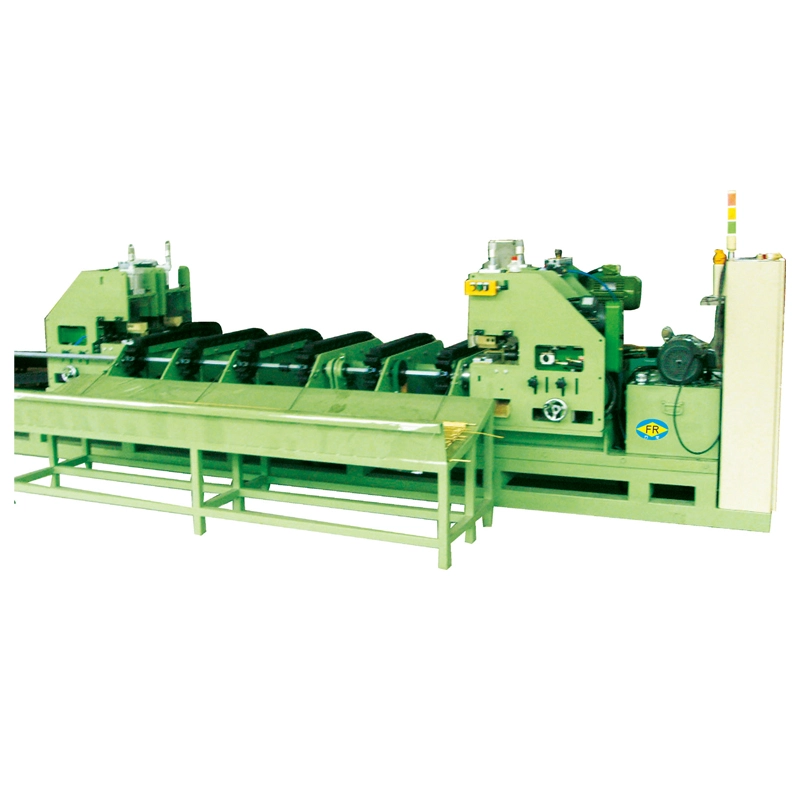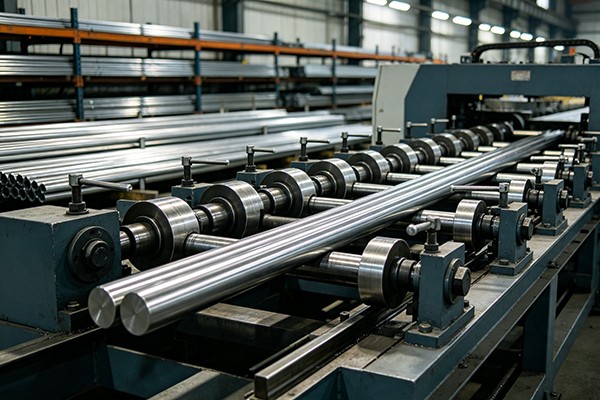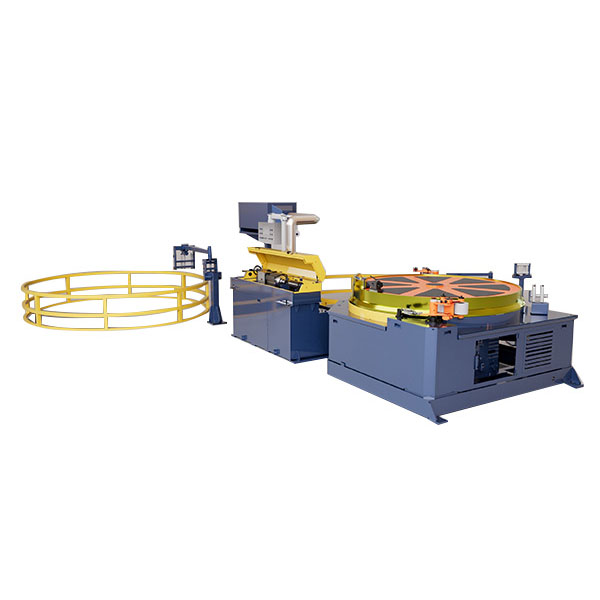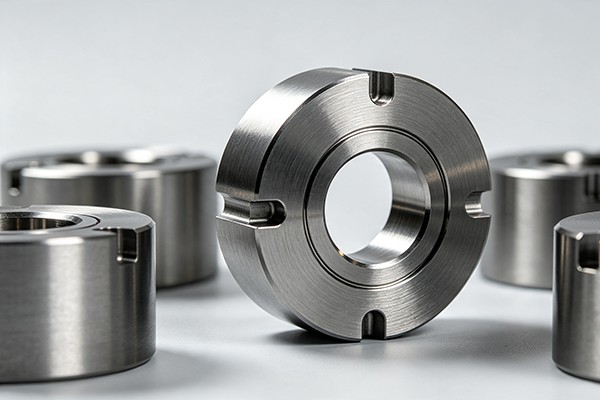



FangRong's Automatic Chamfering Machine is designed for continuous metal bar and rod end processing, combining feeding, positioning, chamfering and unloading in one production sequence. With FR-15, FR-20 and FR-30 configurations covering different hex rod and hex bar sizes, the equipment helps manufacturers improve process consistency while reducing repetitive manual handling.
An automatic chamfering system prepares metal bar ends by removing sharp edges and producing a controlled chamfer before threading, drawing, machining, assembly or other downstream operations. FangRong offers three standard models for different bar dimensions, with working lengths of 2–4 m and production speeds of up to 25 pcs/min. The equipment can also be configured for automatic feeding, cutting and rewinding, making it suitable for integrated metal-processing lines.

Table of Contents
- Why Is Automatic Chamfering Important in Metal Processing?
- How Does an Automatic Chamfering Machine Work?
- Which Machine Model Fits Different Bar Sizes?
- What Are the Main Production Benefits?
- Where Can Automatic Chamfering Equipment Be Used?
- What Should Buyers Confirm Before Ordering?
- How Does FangRong Support Equipment Quality?
- FAQ About Automatic Chamfering Machines
- Final Considerations
Why Is Automatic Chamfering Important in Metal Processing?
Chamfering is often viewed as a finishing operation, but the quality of a bar end can directly influence subsequent manufacturing processes. A properly prepared end can make material feeding, positioning, threading, die entry and assembly more consistent.
For high-volume production, manually chamfering every workpiece can introduce variations in positioning, chamfer dimensions, processing time and operator handling. These differences can become more noticeable as production volumes increase.
An automated system creates a repeatable sequence in which the workpiece is fed, positioned, machined and discharged. This approach can help manufacturers create a more organized production flow while reducing unnecessary manual intervention.
- Consistent preparation of bar ends
- Reduced repetitive manual handling
- More organized material transfer
- Improved compatibility with continuous production lines
- Better integration with downstream machining processes
How Does an Automatic Chamfering Machine Work?
The operating principle is based on a continuous sequence from material feeding to finished-part discharge. Depending on the configuration, the machine can combine several operations within one production system.
- Feeding: Metal bars or rods enter the processing area through the feeding system.
- Positioning: The workpiece is accurately positioned and held before machining.
- Chamfering: Cutting tools machine the required end geometry and remove sharp edges.
- Cutting: Where required, the configuration can incorporate a chamfer cut-off operation.
- Discharge: Processed material is discharged or transferred to the next production stage.
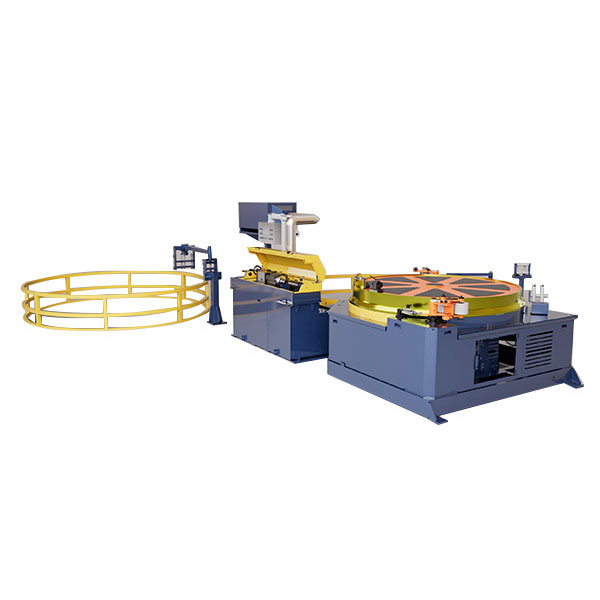
- Rewinding or transfer: For suitable production lines, additional material-handling equipment can be incorporated.
This integrated approach is particularly useful when chamfering is not an isolated operation but part of a larger metal-processing workflow involving drawing, cutting, conveying or rewinding.
Which Machine Model Fits Different Bar Sizes?
FangRong provides FR-15, FR-20 and FR-30 configurations. Selecting the correct model requires consideration of the actual bar section, dimensions, working length and production requirements rather than simply choosing the largest available machine.
| Parameter | FR-15 | FR-20 | FR-30 |
|---|---|---|---|
| Hex Rod Working Range | φ4–14 mm | φ8–18 mm | φ10–30 mm |
| Hex Bar Working Range | φ6–12 mm | φ10–16 mm | φ14–28 mm |
| Working Length | 2–4 m | 2–4 m | 2–4 m |
| Maximum Speed | 18–25 pcs/min | 18–25 pcs/min | 16–20 pcs/min |
| Main Power | 11 kW | 15 kW | 21 kW |
| Configuration | Standard | Standard | Automatic feeding, chamfer cut-off host and rewinder rack |
These are reference configurations. Actual machine parameters can vary according to material type, workpiece dimensions and production requirements. Buyers should provide technical drawings or workpiece samples when dealing with non-standard applications.
What Are the Main Production Benefits?
1. More Consistent End Preparation
Automated positioning and machining help establish a repeatable processing sequence. This is especially valuable when large quantities of similar bars require the same end preparation.
2. Reduced Manual Material Handling
Instead of manually transferring every workpiece between individual processing steps, an integrated system can combine feeding, positioning, machining and discharge. This can make material flow more efficient.
3. Better Production-Line Integration
The equipment can be evaluated as part of a wider metal-processing line. Depending on the project, it can work alongside cold drawing machines, cutting equipment, conveyors and rewinding systems.
4. Flexible Configuration
Different bar dimensions require different processing capabilities. The three standard FangRong models provide multiple size ranges, while customized configurations can be discussed for specific material, dimension, feeding and automation requirements.
5. Support for Continuous Production
For manufacturers processing long bars in batches, an automated workflow can reduce interruptions caused by repeated manual positioning and handling. This is particularly relevant to production environments where stable throughput is important.
Where Can Automatic Chamfering Equipment Be Used?
An Automatic Chamfering Machine can be considered wherever metal bar ends need consistent preparation before another manufacturing operation. Its applications depend on material compatibility, cross-section, length and required chamfer geometry.
Typical applications include:
- Carbon steel bar manufacturing
- Cold drawing production lines
- Fastener and bolt manufacturing
- Forging preparation
- CNC machining preparation
- Automotive component production
- General hardware processing
- Construction steel products
- Mechanical engineering
- Construction machinery components
- Hydraulic equipment production
- Metal processing service centers
For applications involving different materials or unusual workpiece geometries, technical evaluation should be completed before equipment selection.
What Should Buyers Confirm Before Ordering?
Choosing an automated chamfering system requires more than checking maximum speed. A suitable configuration should match the complete production process and the physical characteristics of the workpiece.
Key Technical Information
- Material type and mechanical characteristics
- Bar or rod cross-section
- Diameter or across-flats dimension
- Workpiece length
- Required chamfer dimensions and geometry
- Expected production volume
- Required processing speed
- Feeding and discharge requirements
- Available factory layout
- Connection requirements for existing equipment
If the machine needs to connect with an existing cold drawing, cutting, conveying or rewinding system, buyers should also consider transfer height, material direction, production sequence and available installation space.
Providing drawings, samples and production specifications allows the manufacturer to determine whether a standard model is suitable or whether additional feeding, handling or processing equipment is required.
How Does FangRong Support Equipment Quality?
FangRong has more than 26 years of experience in straightening machines, cold drawing equipment and related metallurgical machinery. According to its product information, the company serves customers across more than 60 countries and regions and holds ISO 9001 certification. Its stated technical portfolio includes patented technologies for metal-processing equipment.
Machine production includes inspection of structural materials and key components, frame fabrication, precision machining, assembly and testing. Before shipment, completed equipment is operated and adjusted under simulated working conditions to check areas such as dimensional accuracy, chamfering performance, operational stability and safety functions.
For buyers evaluating a China automatic chamfering machine supplier, this type of manufacturing and pre-shipment verification is relevant because machine performance depends not only on the basic specification but also on mechanical construction, component selection, assembly accuracy and commissioning.
FangRong also states that customization can be considered according to material, bar size, working length, processing speed, feeding method and automation requirements. This provides an option for manufacturers whose production conditions do not exactly match standard machine configurations.
FAQ About Automatic Chamfering Machines
What bar sizes can the FR-15, FR-20 and FR-30 process?
FR-15 processes hex rods from φ4–14 mm and hex bars from φ6–12 mm. FR-20 covers hex rods from φ8–18 mm and hex bars from φ10–16 mm. FR-30 covers hex rods from φ10–30 mm and hex bars from φ14–28 mm. Standard working length is 2–4 m.
What is the maximum production speed?
FR-15 and FR-20 can reach maximum speeds of 18–25 pcs/min, while FR-30 can reach 16–20 pcs/min. Actual production speed depends on material, workpiece dimensions and the selected configuration.
Can the machine process materials other than carbon steel?
The equipment is primarily configured for metal bar processing, including carbon steel applications. Material compatibility should be confirmed according to the actual material, dimensions and required chamfering condition before ordering.
Can automatic feeding be added?
Yes. The machine configuration can be customized according to the production line. The FR-30 reference configuration includes automatic feeding, a chamfer cut-off host and a rewinder rack.
Can it be integrated with a cold drawing line?
Yes. The chamfering equipment can be evaluated as part of a larger metal-processing line. The specific connection method depends on the existing equipment, material transfer direction and production requirements.
Can FangRong customize the machine?
Yes. Customization can be discussed according to material, bar dimensions, working length, processing speed, feeding method and automation requirements. Technical drawings or workpiece samples are recommended for non-standard applications.
What is the minimum order quantity?
The standard purchasing quantity can start from one machine. Specific commercial terms depend on the selected model and configuration.
Does FangRong provide installation and technical support?
Yes. Installation guidance, operating instructions and technical support are available, with training arrangements depending on the equipment and project requirements.
Final Considerations
An automatic chamfering system can turn bar-end preparation from a repetitive manual task into a more structured production operation. The right solution should be selected according to workpiece dimensions, material, chamfering requirements, production volume and integration needs. With FR-15, FR-20 and FR-30 configurations, FangRong provides options for different hex rod and hex bar sizes while supporting customized production-line requirements. If you are planning a new metal-processing line or upgrading an existing one, contact us with your bar specifications, drawings, samples and production requirements to discuss a suitable chamfering solution.