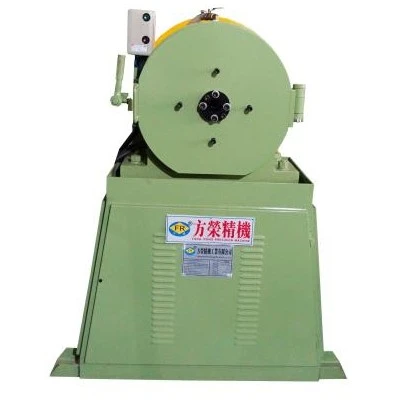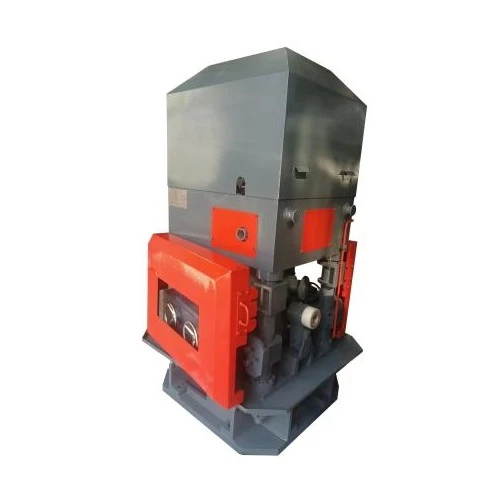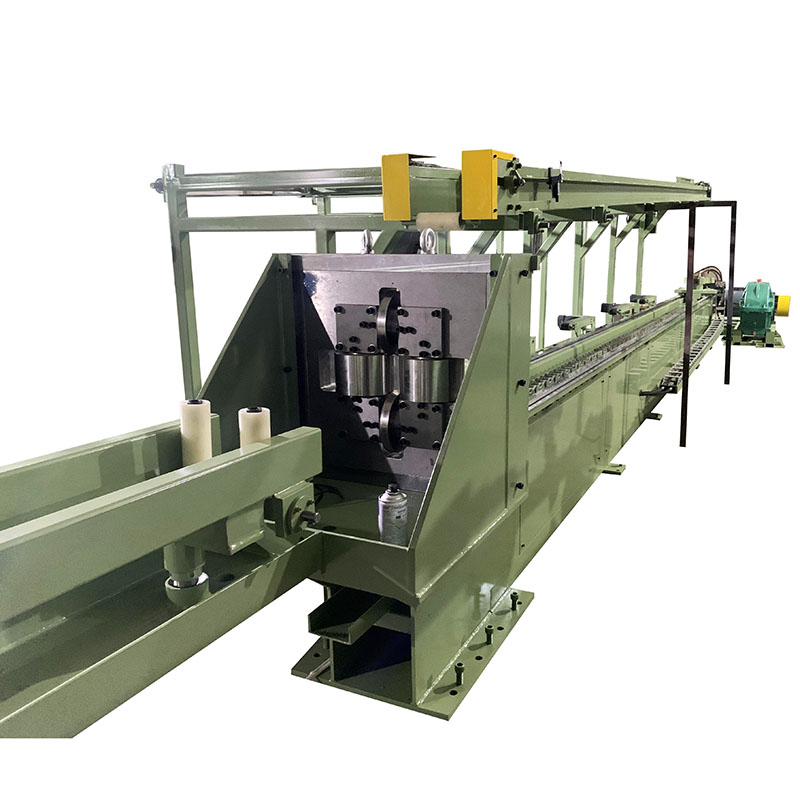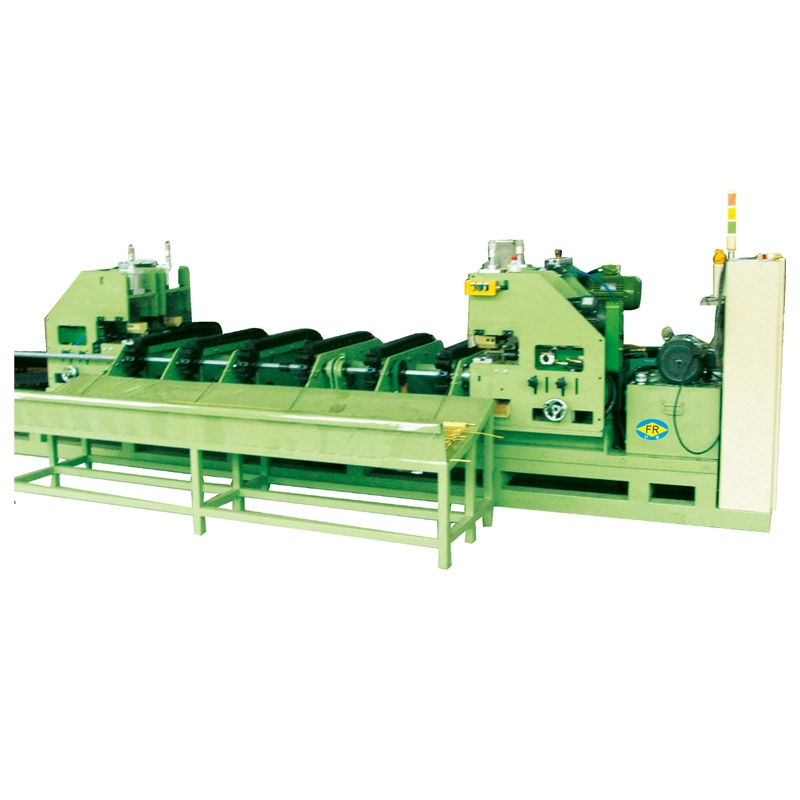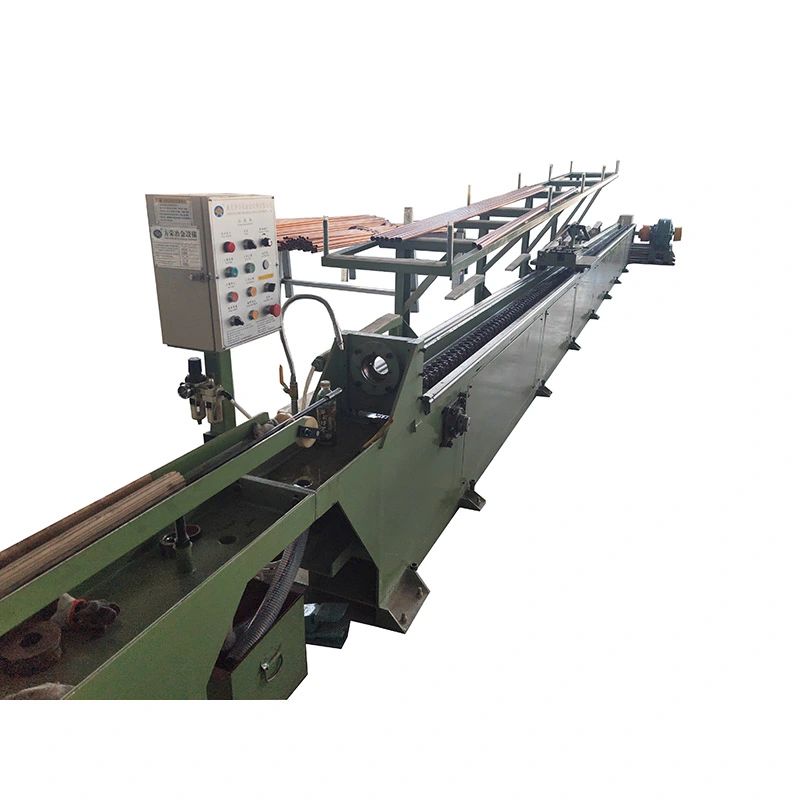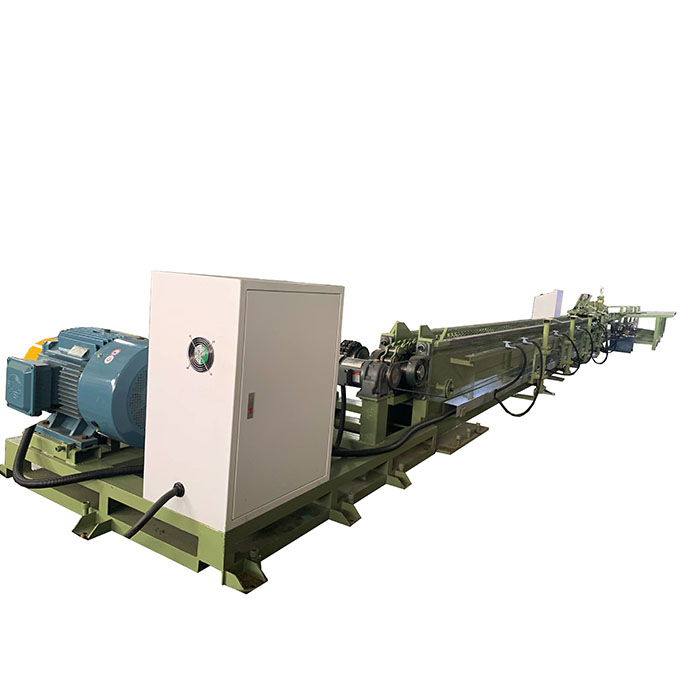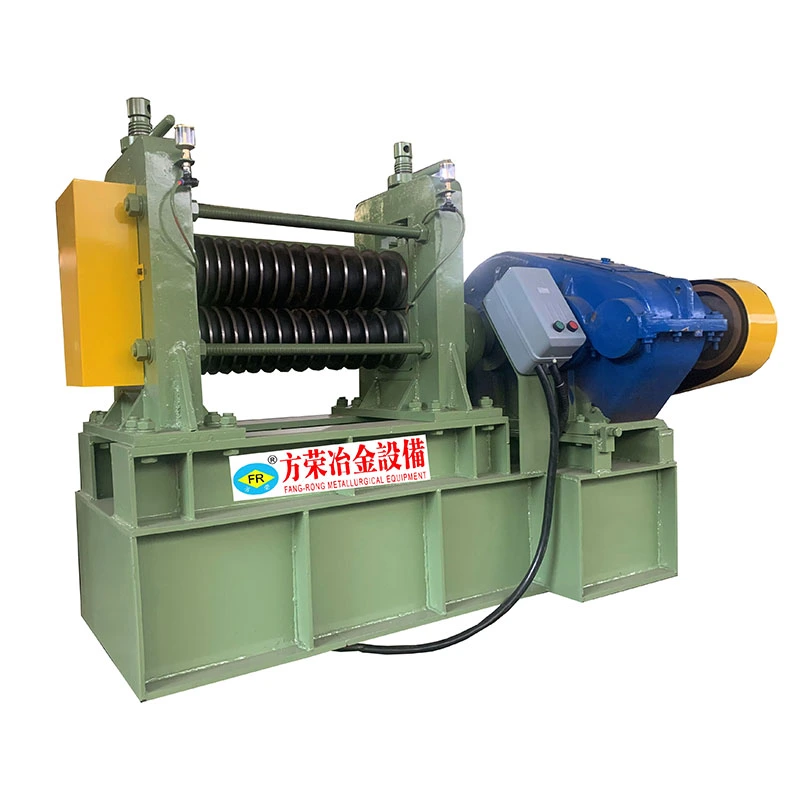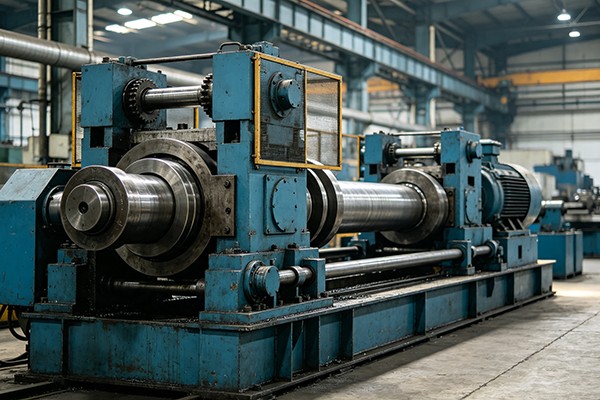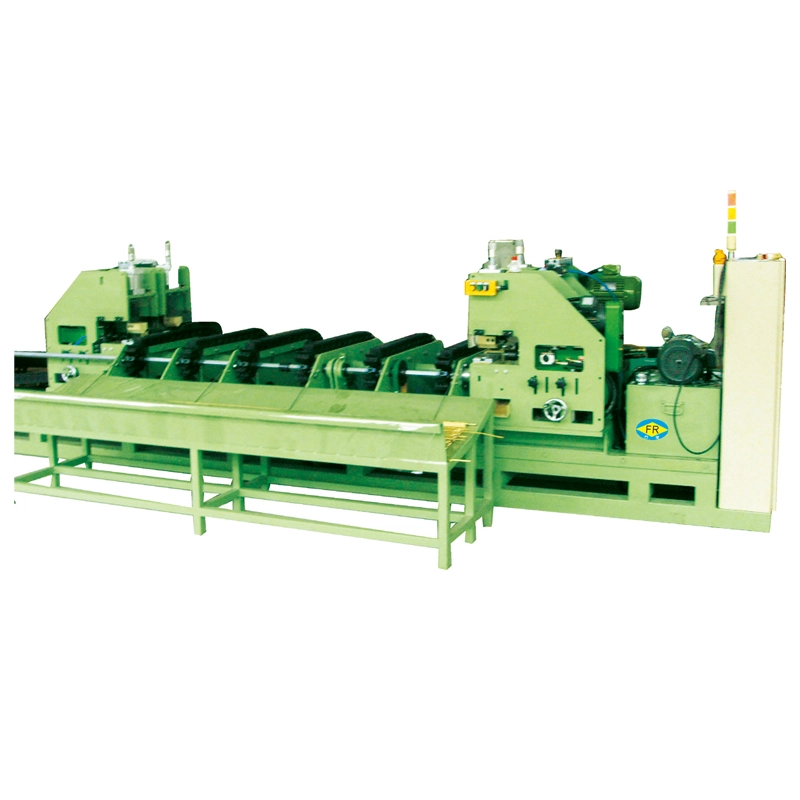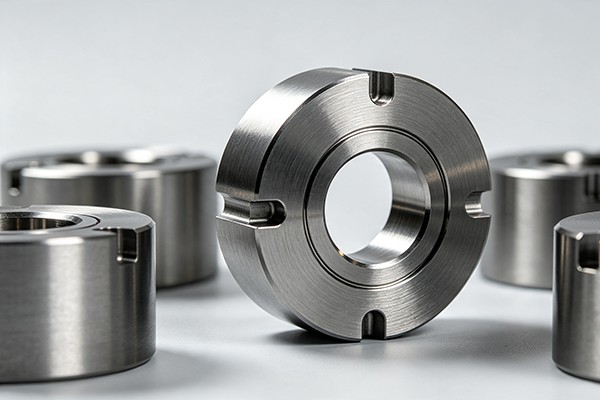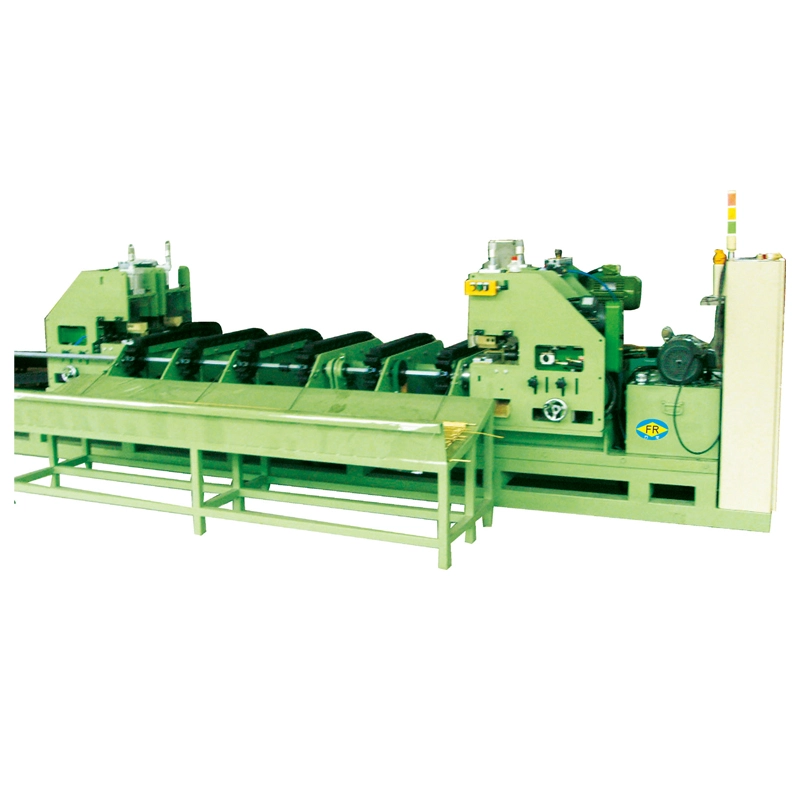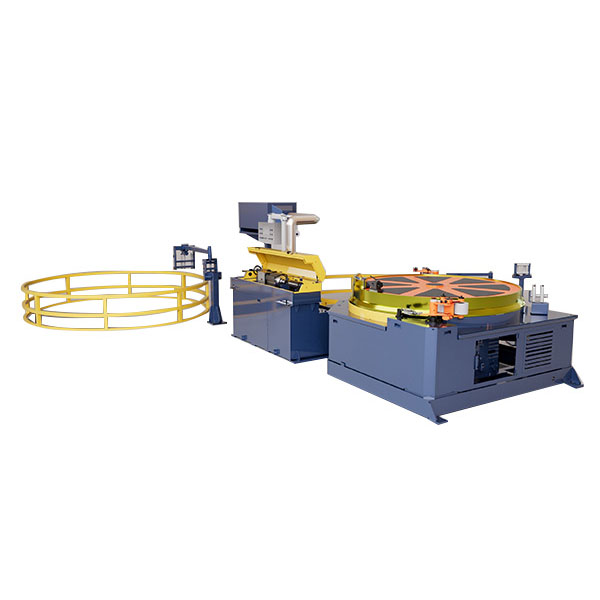



FangRong provides the Tube Inner Thread Forming Machine for continuous internal thread and helical groove forming in copper, stainless steel, brass, and aluminum tubes. With FR-8 and FR-12 configurations covering tube diameters from 5–15 mm and drawing speeds up to 60 m/min, the equipment is designed for efficient tube processing in HVAC, refrigeration, flexible hose, and precision tube manufacturing.
Internal thread and groove forming is an important process for manufacturers producing high-performance metal tubes, flexible tubing, heat-exchanger tubes, and specialized fluid-transfer components. Unlike intermittent machining operations, a continuous forming system can combine tube feeding, internal profile forming, controlled drawing, and automatic coiling in one production sequence. This helps reduce repeated handling while maintaining stable tube movement and consistent forming conditions.
FangRong's Tube Inner Thread Forming Machine is available in FR-8 and FR-12 configurations. The FR-8 model supports 5–10 mm tube diameters with drawing speeds of 15–30 m/min, while the FR-12 handles 8–15 mm tubes at 40–60 m/min. The final configuration can be matched to tube material, wall thickness, internal profile, pitch, production speed, and coil diameter.
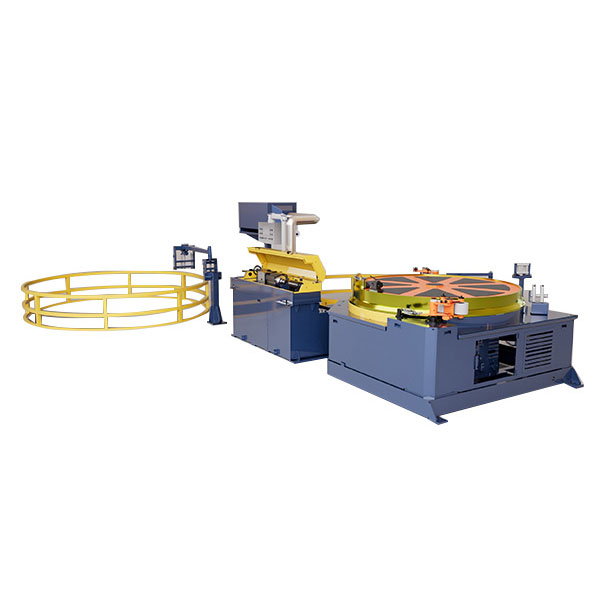
Table of Contents
- How Does a Tube Inner Thread Forming Machine Work?
- What Are the Key Features of Continuous Internal Thread Forming?
- What Are the Main Machine Specifications?
- How Should Manufacturers Select the Right Machine?
- Where Is This Machine Used?
- What Production Problems Can It Solve?
- How Does FangRong Approach Machine Manufacturing?
- Frequently Asked Questions
- How Can You Start Your Tube Processing Project?
How Does a Tube Inner Thread Forming Machine Work?
A Tube Inner Thread Forming Machine is designed around continuous tube movement. Instead of processing individual tube sections separately, the tube enters the feeding system and moves continuously through the internal forming section. A controlled forming tool creates the required helical thread or groove on the inside surface while the traction system maintains stable movement.
1. Controlled Tube Feeding
The feeding section guides the tube toward the forming area at a controlled rate. Accurate alignment is important because excessive deviation may affect forming depth, pitch consistency, and the final internal profile.
2. Internal Profile Forming
The forming system creates the internal helical profile through controlled deformation rather than relying on conventional material-removal cutting. This method is particularly suitable for continuous production where stable pitch and repeatable internal geometry are important.
3. Drawing and Traction
After entering the forming section, the tube is continuously pulled through the machine. The drawing force and working speed can be adjusted according to tube material and dimensions, helping maintain stable production conditions.
4. Automatic Coiling
Once the internal profile has been formed, the finished tube can be automatically wound into a coil. This reduces intermediate manual handling and makes the process easier to connect with upstream or downstream tube-processing equipment.
What Are the Key Features of Continuous Internal Thread Forming?
For tube manufacturers, machine performance is not determined by forming capability alone. Continuous production also requires coordinated feeding, traction, tooling, and winding systems.
- Continuous processing: Tube forming, drawing, and coiling can operate as a connected production process.
- Internal helical forming: The forming system produces internal threads or grooves along the tube length.
- Multiple material compatibility: Configurations can be developed for copper, stainless steel, brass, aluminum, and other suitable metal tubes.
- Adjustable production parameters: Working speed and drawing conditions can be selected according to material and tube specifications.
- Automatic winding: Finished tubes can be collected into coils, reducing additional rewinding work.
- Production-line integration: The equipment can be configured to connect with existing tube processing lines.
- Custom tooling: Forming tools can be matched to required tube dimensions, pitch, and internal profile.
What Are the Main Machine Specifications?
FangRong currently offers two standard configurations for different tube sizes and production requirements. The following specifications provide a practical reference for initial machine selection.
| Specification | FR-8 | FR-12 |
|---|---|---|
| Drawing Force | 2 T | 5 T |
| Tube Diameter | 5–10 mm | 8–15 mm |
| Drawing Speed | 15–30 m/min | 40–60 m/min |
| Coil Diameter | 600–1000 mm | 800–1200 mm |
| Main Motor | 15 kW | 22 kW |
| Variable Driver | 18 kW | 30 kW |
Actual operating parameters should be confirmed according to tube material, outside diameter, wall thickness, required internal profile, pitch, production capacity, and finished coil requirements. Custom configurations are available when standard specifications do not fully match a production line.
How Should Manufacturers Select the Right Machine?
Selecting an internal thread forming machine based only on motor power or maximum speed can result in an unsuitable production configuration. A more reliable approach is to evaluate the complete tube-processing requirement.
Tube Material
Copper, stainless steel, brass, and aluminum have different mechanical properties and forming behaviors. The selected forming force, tooling, and operating parameters should therefore correspond to the material being processed.
Tube Diameter and Wall Thickness
Tube dimensions directly influence machine configuration. FR-8 is designed for 5–10 mm tubes, while FR-12 covers 8–15 mm. Wall thickness should also be provided when requesting a customized configuration.
Internal Thread or Groove Requirements
The required internal profile and pitch determine the appropriate forming tooling. Manufacturers producing multiple tube specifications should consider tooling flexibility when planning the equipment.
Production Speed
Target output is another important factor. For moderate-speed production involving smaller tubes, the FR-8 configuration may be appropriate. Higher-speed requirements and greater drawing force can call for the FR-12 configuration.
Finished Coil Diameter
The winding system should be considered together with the required finished coil size. Different production layouts may require different winding configurations and handling arrangements.
Where Is This Machine Used?
Continuous internal thread and groove forming can support a range of tube manufacturing applications where internal geometry contributes to product performance or assembly requirements.
- HVAC and air-conditioning tube production
- Refrigeration and heat-exchanger tube processing
- Flexible stainless steel hose manufacturing
- Gas hose production
- Water supply and plumbing components
- Corrugated metal tube production
- Automotive flexible tubing
- Industrial fluid-transfer tubing
- Precision metal tube manufacturing
For copper tube applications, internal helical grooves can be formed for specialized heat-transfer applications in air-conditioning and refrigeration systems. The final tooling and operating parameters should be determined from the actual tube specification and application.
What Production Problems Can It Solve?
Traditional tube processing can involve multiple independent operations, manual feeding, repeated adjustment, and separate rewinding. These steps can increase handling time and introduce opportunities for alignment or consistency problems.
| Production Challenge | Continuous Forming Approach | Potential Production Benefit |
|---|---|---|
| Repeated manual feeding | Continuous tube feeding | Less intermediate handling |
| Unstable tube alignment | Controlled feeding and positioning | More consistent forming conditions |
| Separate forming operations | Integrated forming and drawing | Simplified production flow |
| Manual rewinding | Automatic coil winding | Reduced post-forming handling |
| Different tube specifications | Configurable tooling and parameters | Greater production flexibility |
The primary value of the continuous configuration is process coordination. By bringing feeding, internal forming, traction, and winding into one production sequence, operators can spend more time on parameter control and quality inspection rather than transferring tube sections between separate operations.
How Does FangRong Approach Machine Manufacturing?
FangRong has been involved in cold drawing, straightening, and related metallurgical equipment manufacturing since 1998. Its manufacturing process covers engineering design, structural fabrication, machining, forming-tool production, assembly, calibration, and testing.
Key mechanical components such as drawing dies, guide wheels, and internal forming heads are manufactured according to their operating requirements. Depending on the component, machining and heat-treatment processes are used to support dimensional stability and service performance.
Before shipment, the complete equipment is checked for mechanical structure, transmission operation, forming components, electrical controls, tube movement, and coordination between the drive and control systems. Customized machines can also be inspected according to agreed tube specifications and production requirements.
Quality and Technical Credentials
- ISO 9001 certification
- CE compliance
- SGS inspection support
- 32 invention patents
- More than 100 utility model patents
- Manufacturing facilities in Dongguan and Yangjiang, Guangdong
- More than 26 years of experience in related metallurgical equipment
FangRong also provides installation guidance, operator training, technical support, and spare-parts services. The standard warranty period is 12 months, excluding normal wear parts.
Frequently Asked Questions About Tube Inner Thread Forming Machines
What materials can be processed?
The machine can be configured for copper, stainless steel, brass, aluminum, and other suitable metal tubes. Forming conditions depend on material properties, tube dimensions, and the required internal profile.
What tube diameter can the standard models handle?
FR-8 is designed for tube diameters of 5–10 mm, while FR-12 covers 8–15 mm. Custom configurations can be discussed for applications outside these standard ranges.
What is the difference between FR-8 and FR-12?
FR-8 provides 2 T drawing force and a 15–30 m/min drawing-speed range. FR-12 provides 5 T drawing force and a 40–60 m/min drawing-speed range, making the two configurations suitable for different tube sizes and production requirements.
Can internal threads or grooves be formed continuously?
Yes. The machine is designed for continuous tube movement and can form an internal helical thread or groove along the required tube length without separately processing each tube section.
Can it be integrated with an existing production line?
Yes. The equipment can be integrated with upstream or downstream tube-processing systems. The connection method should be planned according to tube feeding, production speed, coil handling, and the existing factory layout.
What information should be provided when requesting a machine quotation?
Manufacturers should provide tube material, outside diameter, wall thickness, internal thread or groove profile, pitch, target production speed, finished coil diameter, expected production capacity, and existing production-line information when applicable.
Can the machine be customized?
Yes. Machine configuration, forming tooling, working parameters, and production-line arrangements can be customized according to tube material, dimensions, forming requirements, and production conditions.
How Can You Start Your Tube Processing Project?
Choosing the right internal forming equipment requires more than comparing machine specifications. Tube material, diameter, wall thickness, internal profile, pitch, target speed, coil dimensions, and line integration requirements should all be considered together. If you are planning a new tube production line or upgrading an existing process, provide your tube specifications and production targets to FangRong for a suitable equipment configuration. Contact us today to discuss your application, confirm the appropriate machine model, and explore a customized Tube Inner Thread Forming Machine solution for your production requirements.