Whatsapp
Stay updated with FangRong’s latest innovations, certifications, global expansions, and successful project deliveries in automotive, aerospace, new energy, and other high-precision sectors.
Article Summary: A Titanium Rod Pointing Machine is essential equipment for preparing titanium rod ends before cold drawing. By forming a reduced, tapered end, it helps the rod pass through the drawing die and engage securely with the drawing equipment. FangRong provides rod pointing solutions with multiple model options, covering different rod diameters and production requirements. Understanding the working principle, machine specifications, tooling design, and selection criteria helps manufacturers improve process consistency, reduce unnecessary material loss, and build a more efficient metal processing line.
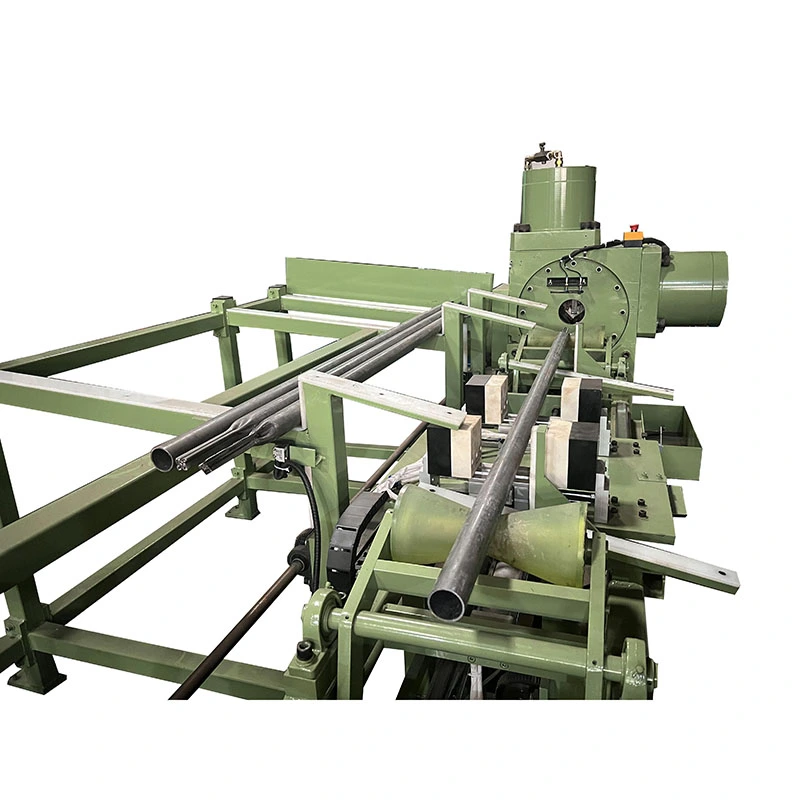
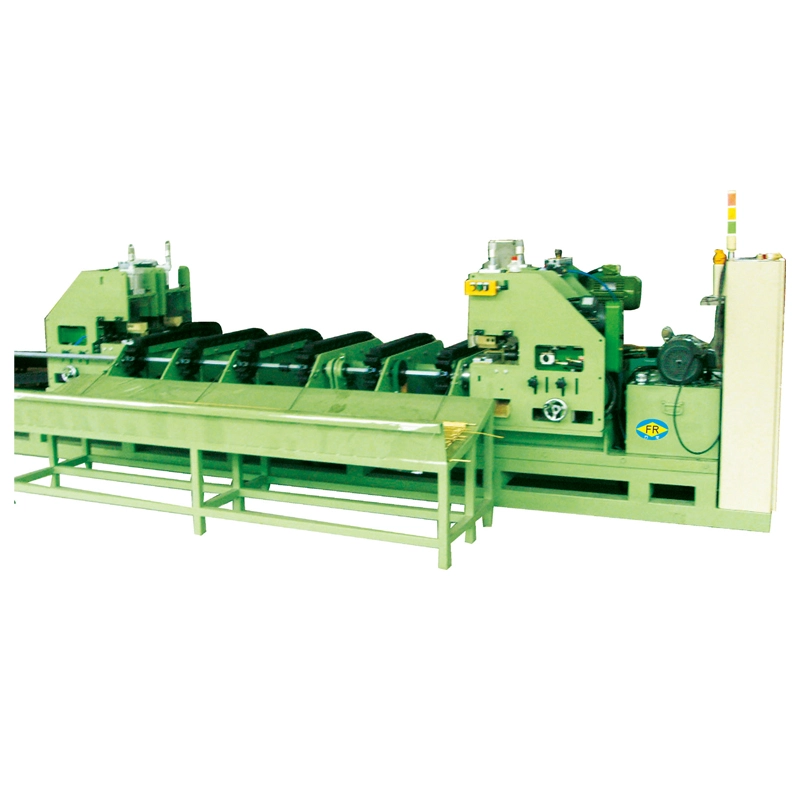
A Titanium Rod Pointing Machine is a metal forming machine designed to reduce and shape the leading end of a titanium rod before cold drawing. The prepared end must be sufficiently small and appropriately shaped to enter the drawing die and allow the drawing equipment to grip the material securely.
Unlike processes that rely primarily on cutting or grinding, roller pointing uses shaped grooves to deform the rod end. This makes it a practical option for manufacturers that need repeatable end preparation across multiple workpieces.
FangRong offers titanium rod pointing equipment in different configurations to accommodate various material diameters and production conditions. Its standard FR-10 to FR-100 model range covers pointing diameters from approximately 2 mm to 100 mm, depending on the selected machine.
For manufacturers comparing metal forming equipment, it is useful to understand how a Titanium Rod Pointing Machine fits into the wider cold drawing process rather than evaluating it as an isolated piece of machinery.
Titanium rods are used in applications where strength, corrosion resistance, and controlled material properties are important. During cold drawing, the rod must enter a die with an opening smaller than its original diameter. The leading end therefore needs suitable preparation before the drawing operation can begin.
Without an appropriate pointing process, operators may spend additional time preparing rod ends manually. Inconsistent preparation can also make die entry and gripping less predictable, increasing the risk of interruptions.
A properly selected pointing machine can support production by providing the following benefits:
These benefits depend on the titanium grade, initial rod dimensions, forming reduction, roller condition, and operating procedure. Correct machine selection and process validation remain essential for reliable results.
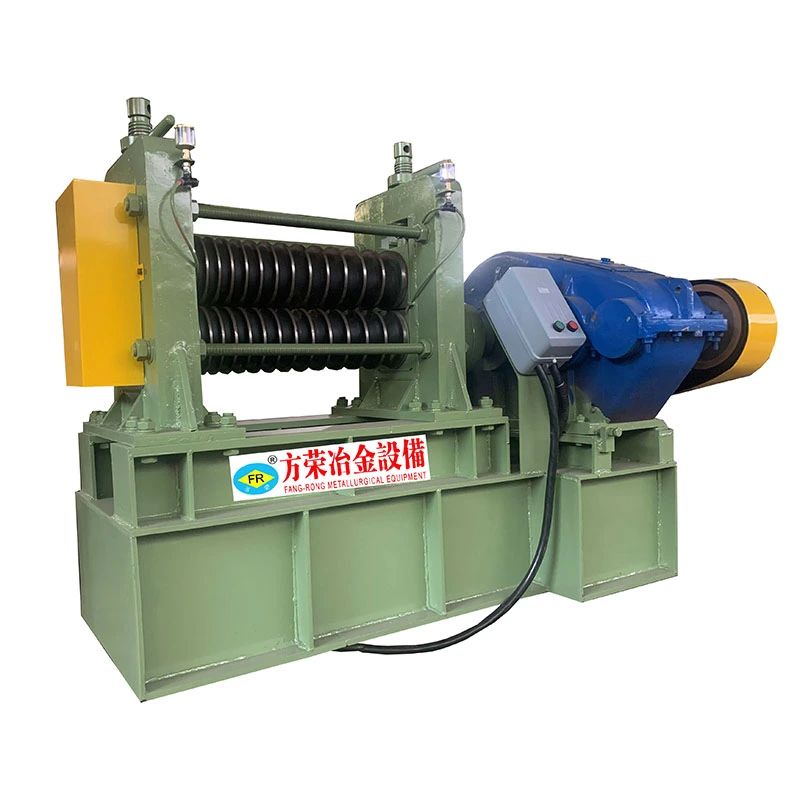
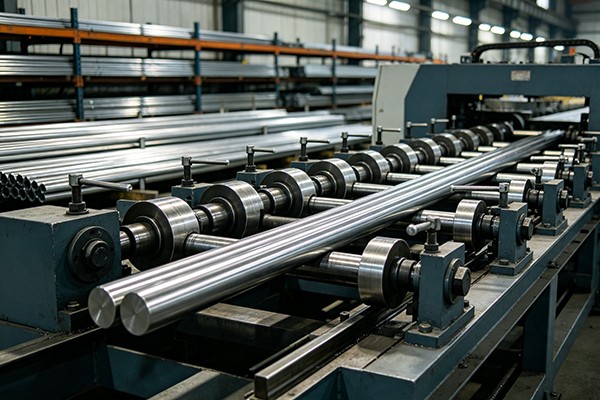
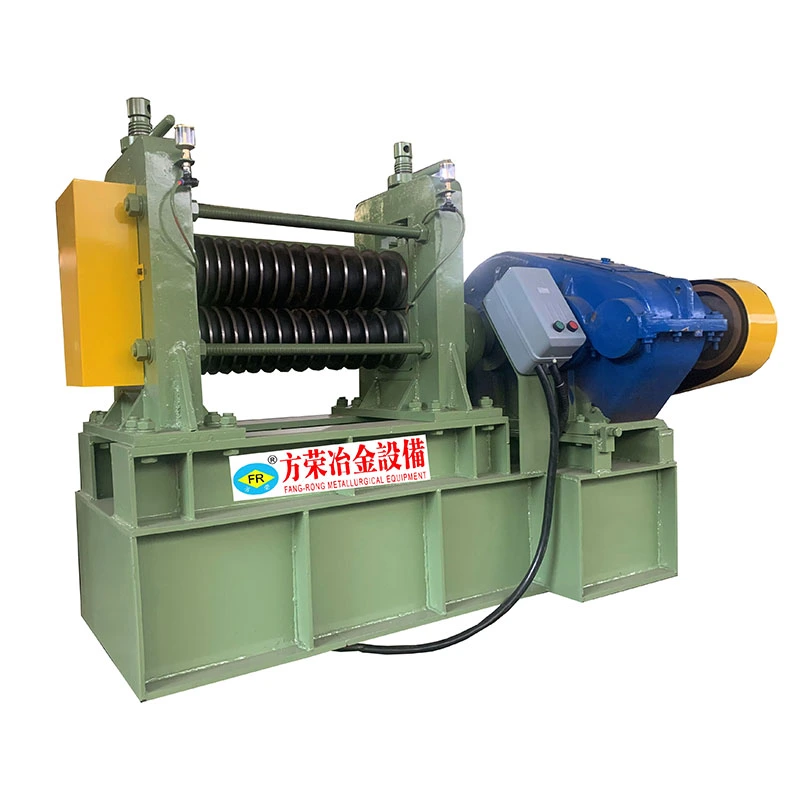
The working principle of a roller-type Titanium Rod Pointing Machine is based on controlled deformation. Two grooved rollers rotate under the power of a motor and reducer, progressively reducing and shaping the end of the rod.
The typical operating sequence includes the following stages:
Because titanium alloys can have demanding forming characteristics, the reduction strategy and roller configuration should be selected according to the actual material specification. Trial runs and dimensional verification are recommended before full-scale production.
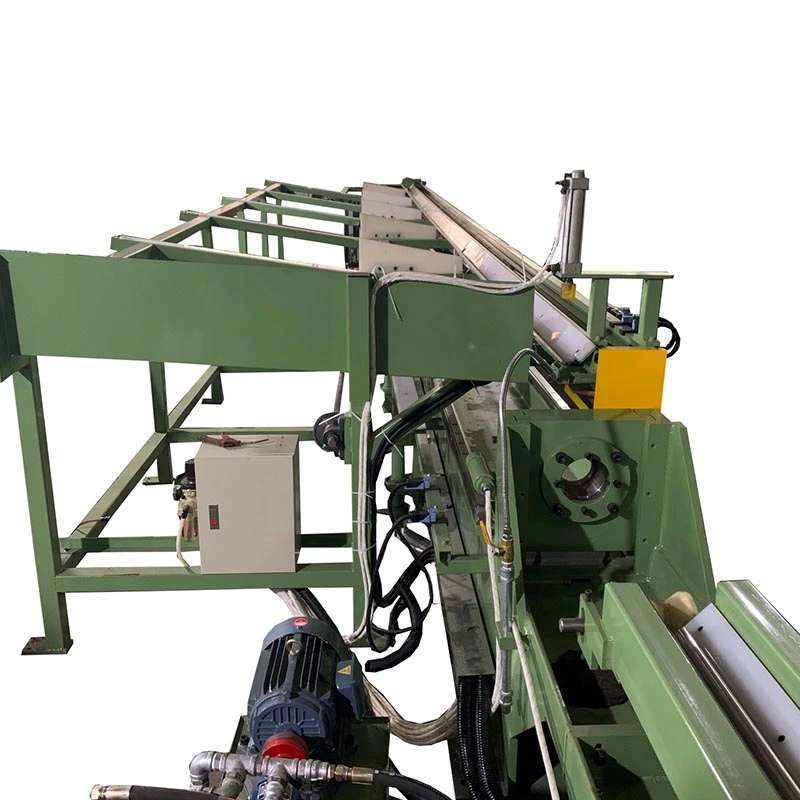
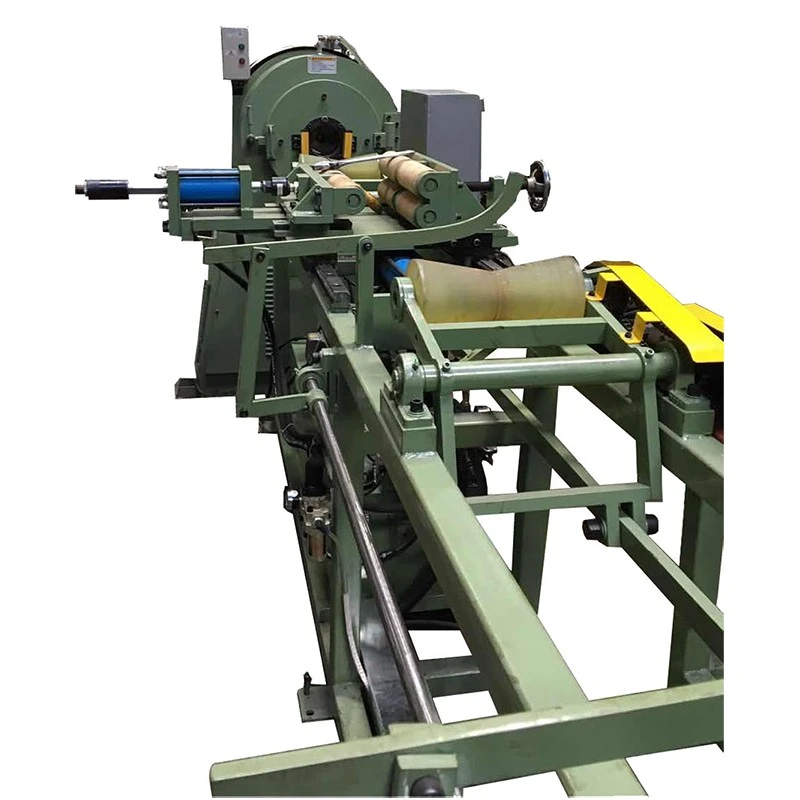
For a complete production setup, manufacturers can also evaluate compatible pointing machine solutions and cold drawing equipment to coordinate end preparation with downstream processing.
Machine specifications determine whether a pointing system can accommodate the workpiece and fit the available production space. The most important parameters include pointing range, roller diameter, motor power, reducer configuration, machine dimensions, weight, and center height.
The following table summarizes the standard FangRong model data published for its titanium rod pointing machine range. Dimensions are listed in millimeters, and the pointing range is expressed as rod diameter.
| Model | Pointing Range (mm) | Roller Diameter (mm) | Motor Power | Machine Weight |
|---|---|---|---|---|
| FR-10 | 2–10 | 81 | 2.2 kW | 160 kg |
| FR-15 | 3–16 | 126 | 5.5 kW | 550 kg |
| FR-20 | 6–20 | 126 | 7.5 kW | 580 kg |
| FR-25 | 10–25 | 135 | 11 kW | 600 kg |
| FR-30 | 10–30 | 156 | 11 kW | 1.4 tons |
| FR-40 | 15–40 | 168 | 15 kW | 1.7 tons |
| FR-50 | 15–50 | 175 | 18.5 kW | 2 tons |
| FR-60 | 30–60 | 203 | 22 kW | 2.8 tons |
| FR-70 | 40–70 | 224 | 30 kW | 3 tons |
| FR-80 | 40–80 | 224 | 37 kW | 3.5 tons |
| FR-100 | 50–100 | 224 | 45 kW | 4 tons |
Note: These figures are reference specifications. Actual configurations may vary according to the material, roller requirements, machine design, and customer production needs. Confirm the final technical data with the manufacturer before ordering.
When comparing models, buyers should not focus on motor power alone. A suitable machine must cover the required rod diameter while providing the appropriate tooling, forming capability, and compatibility with the existing drawing line.
Selecting the right Titanium Rod Pointing Machine begins with an accurate understanding of the material and production process. A machine that is too small may not accommodate the workpiece, while unnecessary capacity can increase the initial equipment investment and space requirements.
Before requesting a quotation, consider the following factors:
A practical purchasing process should also include a review of installation requirements, operator training, spare parts, warranty conditions, and technical support. Where possible, provide representative titanium samples and drawings for forming trials before finalizing the specification.
Titanium rod pointing equipment is relevant to production environments where rods need a reduced leading end before cold drawing or related forming operations. Its role is particularly important when consistent end preparation supports repeatable material handling and downstream processing.
The suitability of a machine depends on the final product requirements and the specific titanium material being processed. Applications with strict dimensional or surface-integrity requirements should establish acceptance criteria and validate the forming process before production begins.
Consistent pointing quality depends on more than the machine's nominal capacity. Tooling condition, alignment, material consistency, setup accuracy, and preventive maintenance all influence the finished rod end.
Manufacturers can establish a practical quality-control routine around the following activities:
FangRong describes a manufacturing and inspection process that includes component checks, machine assembly, running tests, and functional inspection before shipment. Buyers should confirm the inspection records and acceptance criteria applicable to their specific machine configuration.
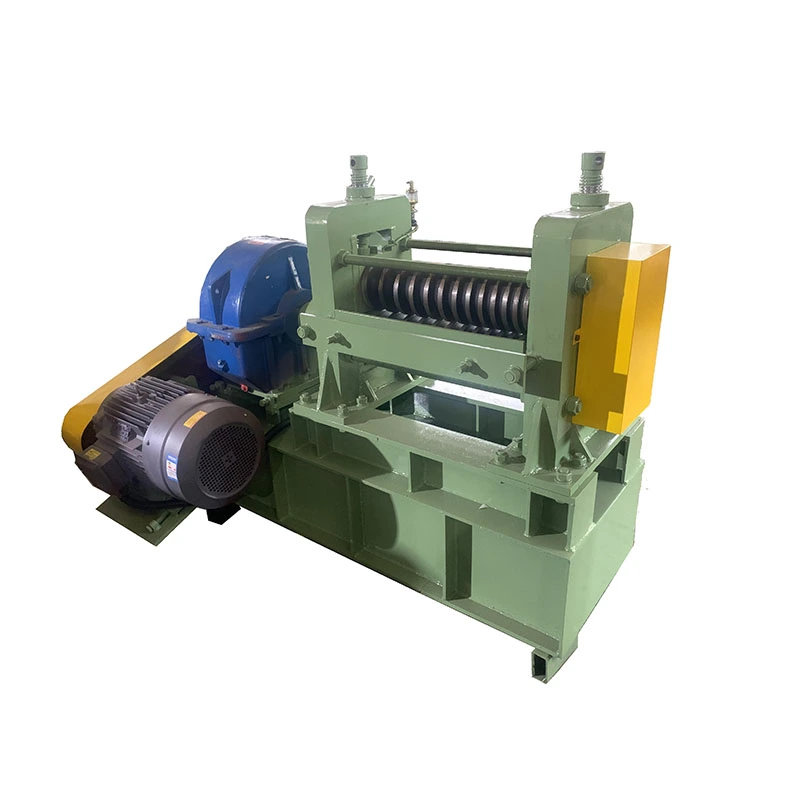
For manufacturers planning a wider processing line, a compatible metal straightening machine may also be considered for downstream treatment where required by the product specification.
Its primary purpose is to reduce and shape the leading end of a titanium rod so it can enter a drawing die and be gripped by the drawing equipment before cold drawing.
The published FR-10 to FR-100 series covers pointing ranges from approximately 2 mm to 100 mm. The suitable model depends on the actual rod diameter and the required forming configuration.
Different diameters may be processed within the selected model's operating range when suitable roller tooling and setup conditions are available. Confirm tooling requirements with the manufacturer when planning frequent size changes.
Roller pointing primarily reshapes the rod end through mechanical deformation rather than extensive material removal by cutting or grinding. The resulting geometry depends on the material and tooling configuration.
Not in every production process. The need for pointing depends on the starting diameter, die opening, drawing method, and gripping arrangement. It is generally required when the rod end cannot enter the die and engage the drawing mechanism directly.
Yes. Depending on the selected configuration, a pointing machine can operate independently or be incorporated into a production line with material feeding and downstream cold drawing equipment. The integration details should be confirmed during project planning.
Provide the titanium grade, incoming rod diameter range, rod length, target pointed-end dimensions, expected production volume, required automation level, and details of any existing drawing equipment. Drawings and representative material samples can help clarify the requirements.
Review the operating diameter range, roller configuration, motor power, machine dimensions, electrical requirements, installation conditions, inspection procedures, warranty, spare-parts availability, and after-sales support. Request confirmation of the final configuration before placing an order.
A Titanium Rod Pointing Machine is an important part of cold drawing preparation when titanium rod ends must be reduced and shaped for reliable die entry and gripping. Choosing the right model requires careful consideration of rod diameter, material grade, pointed-end dimensions, production volume, tooling requirements, and integration needs.
FangRong offers a range of rod pointing models and related metal processing equipment for different manufacturing requirements. By evaluating the technical specifications and validating the process against actual production materials, manufacturers can make a more informed equipment investment and establish a consistent preparation workflow.
If you are looking for a suitable Titanium Rod Pointing Machine for your factory, contact us at FangRong to discuss your titanium grade, rod diameter range, tooling needs, and production goals. Our team can help you evaluate an appropriate machine configuration for your cold drawing application.