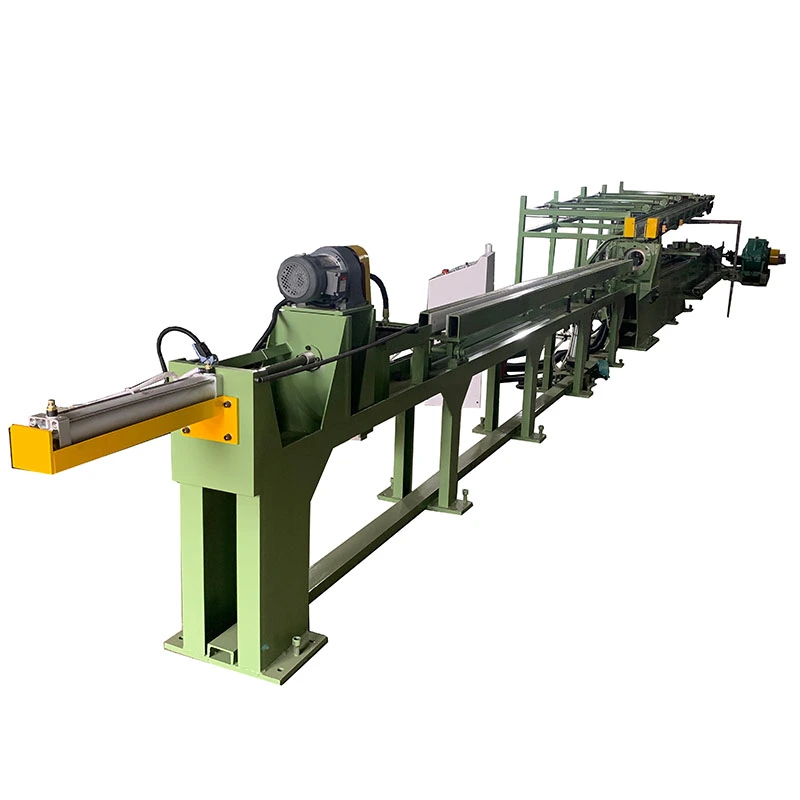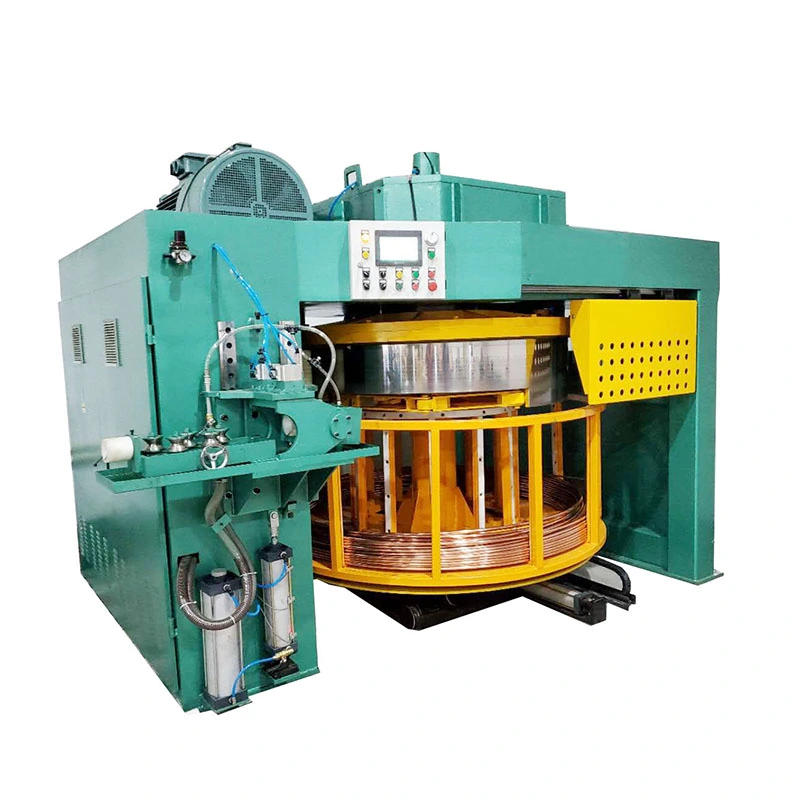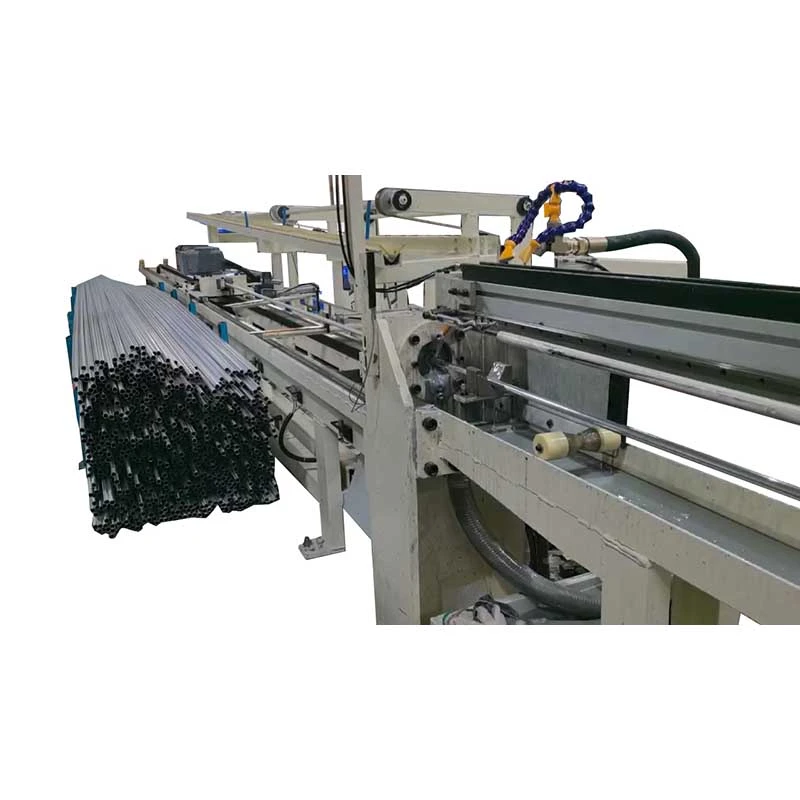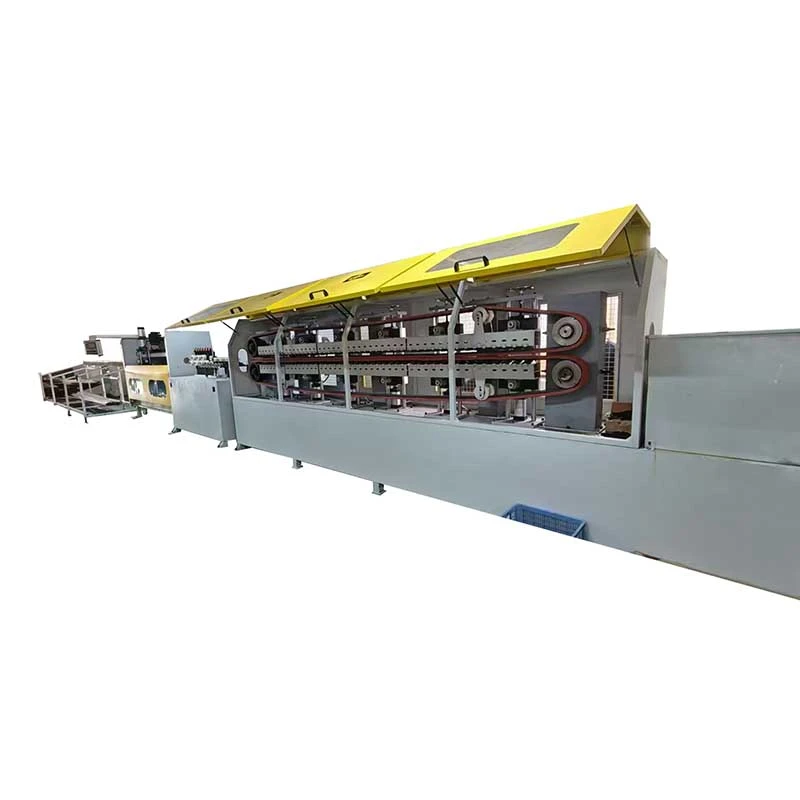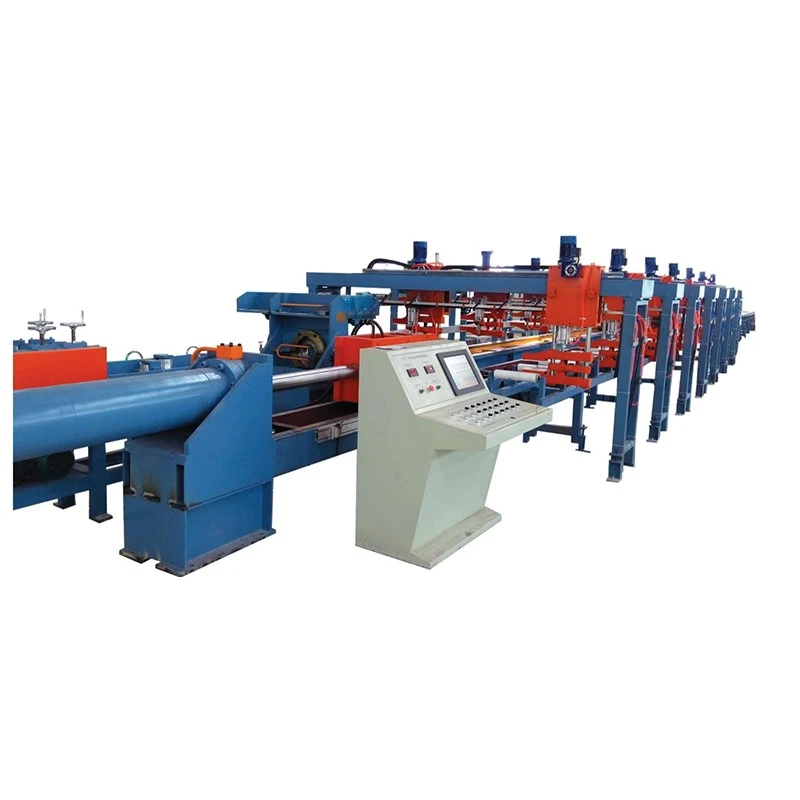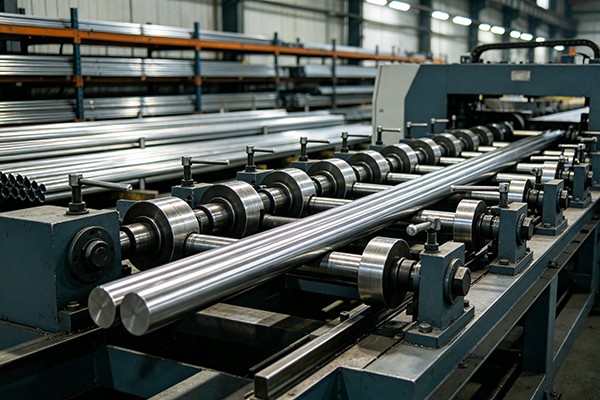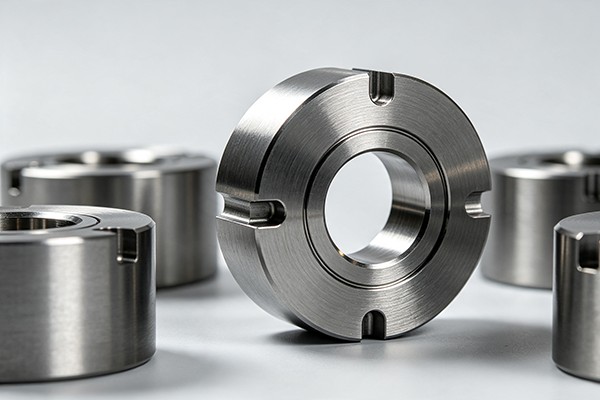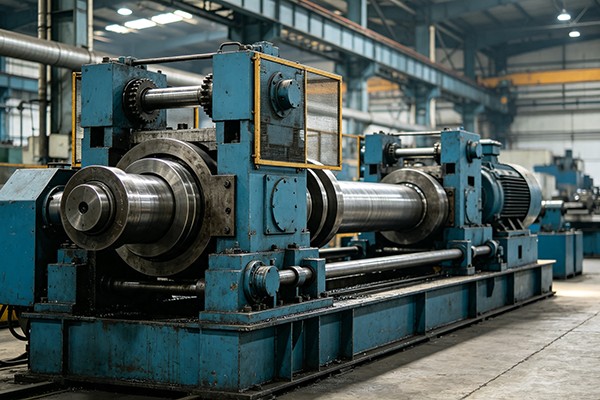

We offer a comprehensive range of precision metal processing equipment, including straightening, cold drawing, pointing, chamfering, cutting, thread rolling machines, and drawing dies, tailored for tube, bar, and wire materials across diverse industries.
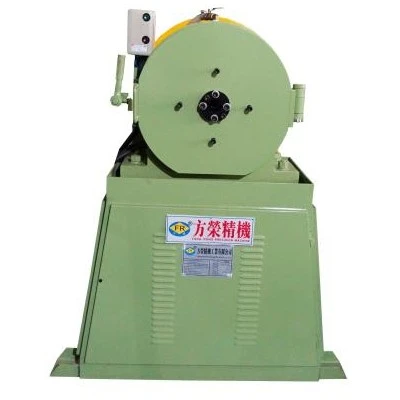
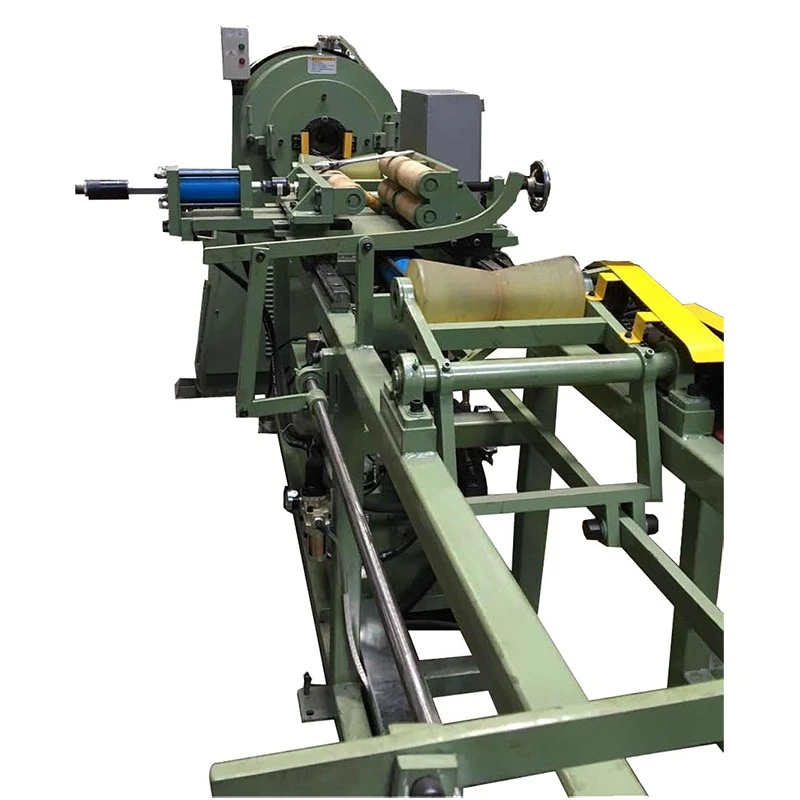
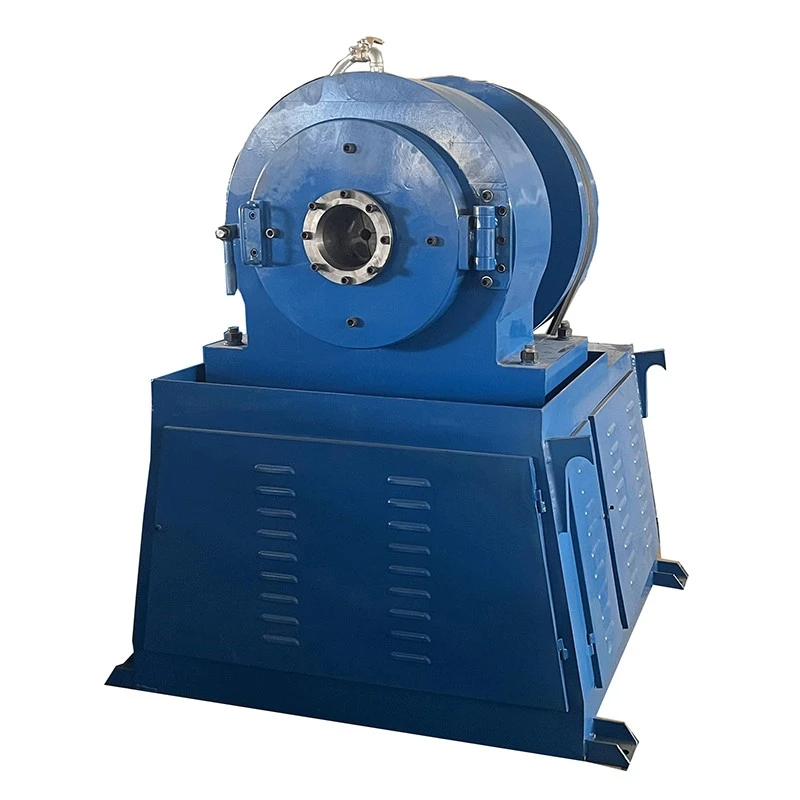
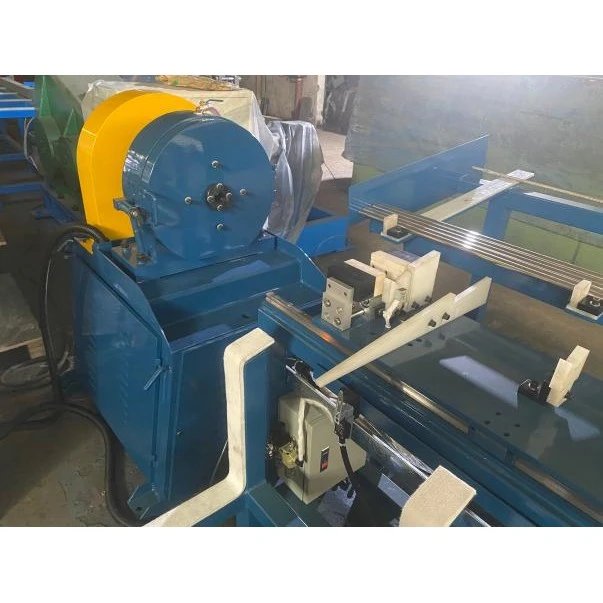
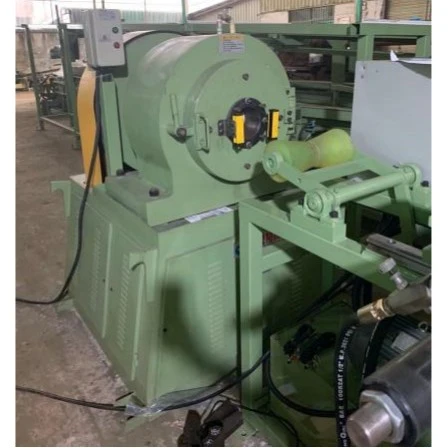
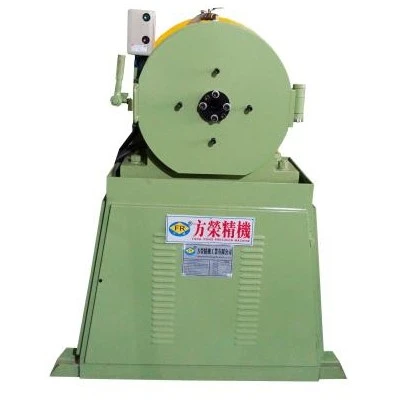
The Brass Rotary Swager Machine reduces the outside diameter of brass tubes, brass rods, and other copper alloys through repeated radial forming. Multiple dies close around the workpiece while the spindle rotates, gradually reducing the material to the required diameter or tapered shape.
For brass tube drawing, the reduced section provides a smaller leading end that can enter the drawing die before the main tube body. Rotary swaging is also suitable when the production process requires controlled end reduction without heating the workpiece.
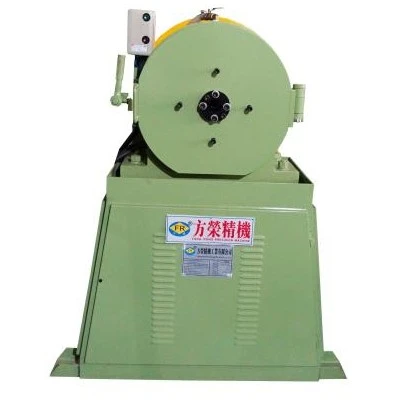
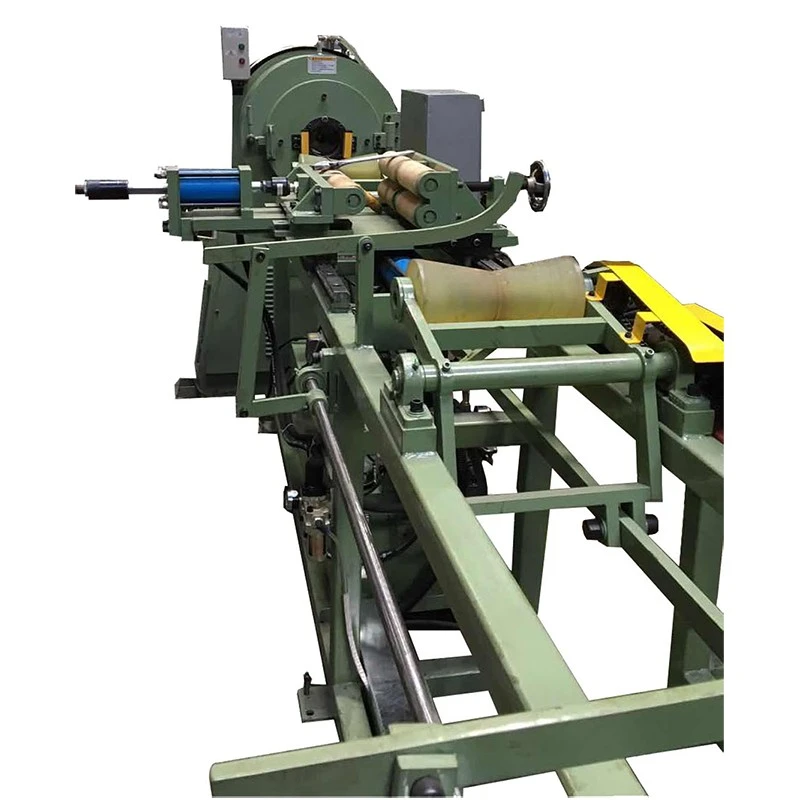
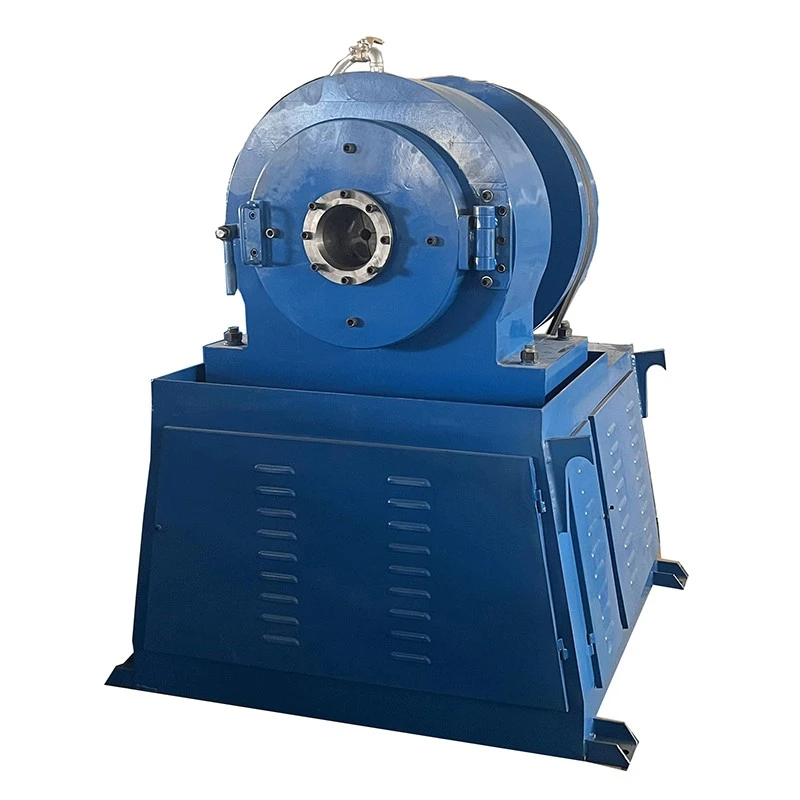
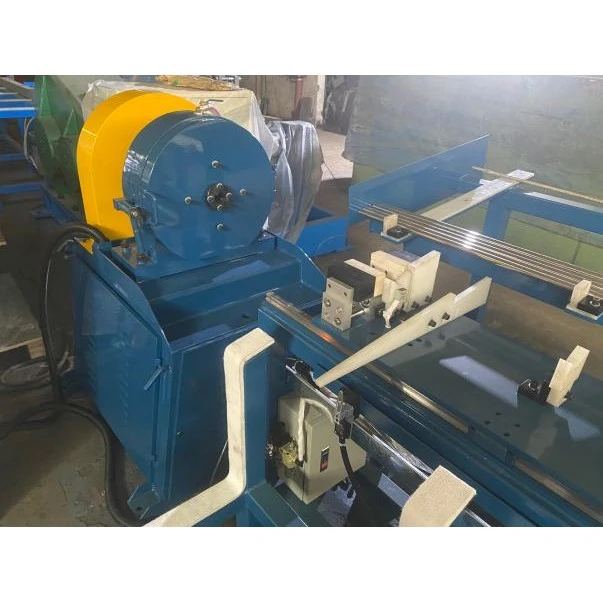
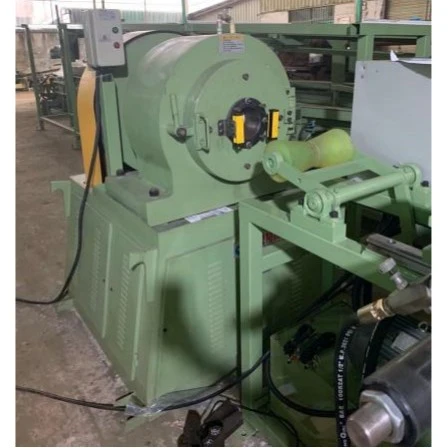
When a brass tube is prepared for cold drawing, the original tube diameter is often too large to pass directly through the drawing die. The tube end therefore needs to be reduced first. A rotary swager performs this operation by working the material from several radial directions rather than pressing the complete end in a single stroke.
The forming method is particularly useful for brass and copper alloys because the material can be progressively reduced through repeated die impacts. The operator can control the feed and forming setup according to the required end diameter, reducing length, and downstream drawing die.
Both Brass Rotary Swager Machines can prepare tube ends for drawing, but they form the material in different ways. The better choice depends on tube size, material condition, required end geometry, production volume, and the amount of reduction required.
| Comparison | Rotary Swager | Hydraulic Pointing Machine |
| Forming method | Repeated radial hammering by rotating dies | Hydraulic cylinders press forming dies toward the workpiece |
| Typical application | Tube end reduction, pointed ends, diameter reduction | Heavy tube end forming and larger reduction operations |
| Material suitability | Brass, copper and other non-ferrous alloys | Brass, copper, carbon steel, stainless steel and other materials depending on configuration |
| Forming action | Continuous repeated impact around the circumference | Controlled hydraulic pressing |
| Tube size | Model-dependent | Model-dependent, with heavy-duty configurations available |
| End geometry | Suitable for reduced and tapered ends | Suitable for specified reduced or formed end profiles |
For brass tubes within the working range of the rotary swager, the repeated radial forming method can be a practical choice for preparing tube ends before drawing. For larger diameters, heavier wall thicknesses, or applications requiring high forming force, a hydraulic pointing machine may be more appropriate.
The brass tube or bar is positioned inside the forming area, where four dies surround the workpiece. As the spindle rotates, the dies repeatedly move against the material and withdraw. The workpiece is fed through the die opening so that the reduction develops progressively along the required length.
Unlike a single-stroke pressing operation, rotary swaging distributes deformation through repeated impacts. The final diameter and taper depend on the die geometry, feed movement, starting diameter, material grade, and required reduction.
The machine model is only one part of the selection. Brass grade, tube outside diameter, wall thickness, starting condition, required final diameter, and reducing length all affect the forming result.
A large reduction between the original tube and the pointed section should be checked before production. Excessive reduction in one setup can affect wall distribution and surface condition, while an unsuitable die profile can produce an unstable transition between the reduced and unreduced sections.
For this reason, the machine should be selected together with the actual tube drawing requirement rather than from outside diameter alone.
| Parameter | FR-25 | FR-76 | FR-100 |
| Maximum shrinking pipe diameter | φ25*T2.0mm | φ76*T4.0mm | φ100*T4.0mm |
| Minimum shrinking pipe diameter | φ6mm, change bottom die φ3mm | φ10mm, change bottom die φ6mm | φ10mm, change bottom die φ6mm |
| Number of dies | 4 | 4 | 4 |
| Die length | 60mm | 100mm | 118mm |
| Spindle motor | 4KW-4N | 9KW*6N | 15KW-6N |
| Spindle speed | 238r/min | 220r/min | 220r/min |
| Machine weight | 1200KG | 2000KG | 2500KG |
| Dimensions (L*W*H) | 900*1000*1300(mm) | 1000*1150*1350(mm) | 1200*1200*1450(mm) |
Custom specifications can be provided according to material and production requirements. The above data is for reference; actual parameters may vary by material type and machine configuration.
The three models cover different tube diameter ranges, so the starting tube size should be checked first. Wall thickness is equally important because a φ76mm tube with a 4.0mm wall places a different forming requirement on the machine than a thin-wall tube of the same diameter.
For a quotation, FangRong normally needs the brass grade, tube or solid bar specification, outside diameter, wall thickness, required final diameter, reducing length, workpiece length, and expected production quantity. These details allow the die and machine configuration to be matched to the actual forming operation.
The Brass Rotary Swager Machine can be integrated into production processes involving:
Brass tube drawing and sizing
Brass rod and bar end reduction
Copper and brass cold drawing lines
Heat exchanger tube production
Plumbing fitting components
Electrical and electronic brass parts
Automotive brass components
Precision metal parts
Hardware manufacturing
Other non-ferrous metal forming operations
FangRong was established in 1998 and has more than 26 years of experience in metal forming and tube processing equipment. Its product range includes straightening machines, cold drawing equipment, rotary swaging equipment, and related metallurgical machinery.
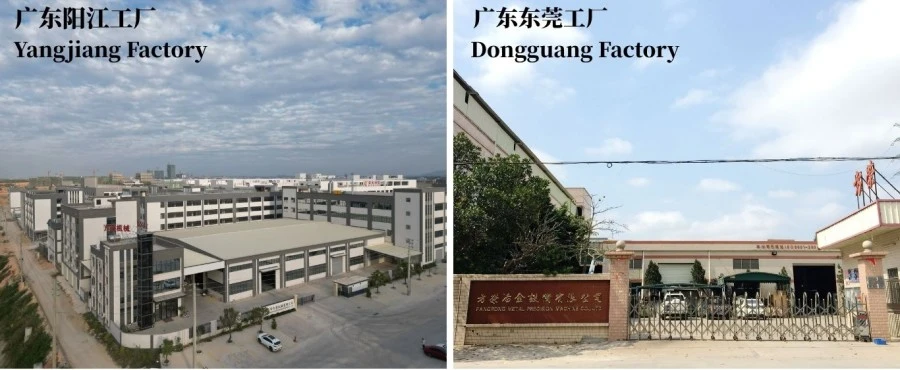
The company operates Dongguan Fangrong Metallurgical Equipment Co., Ltd. in Dalang Town, Dongguan City and Yangjiang Fangrong Machinery Co., Ltd. in Yangdong District, Yangjiang City. Equipment has been supplied to more than 10,000 customers across more than 60 countries and regions and is used in over 60 industries.
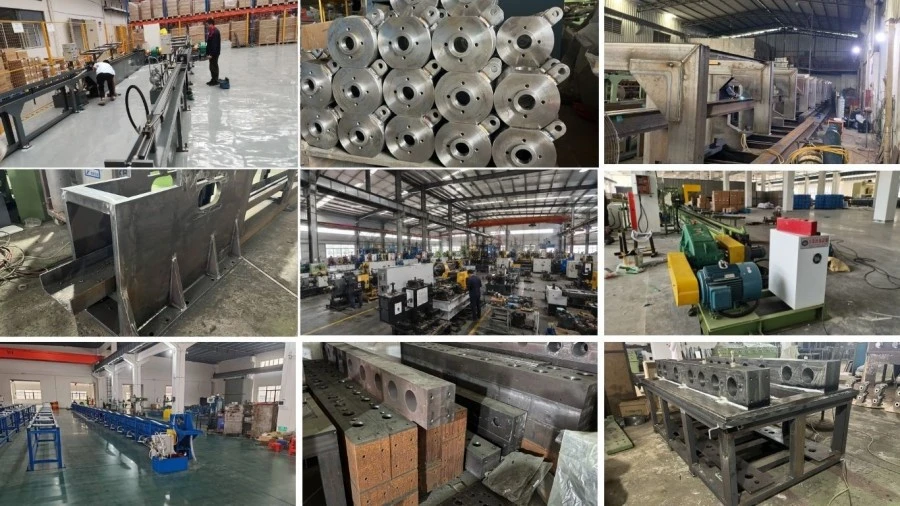
The production process starts with the forming requirements rather than simply assembling a standard machine. The tube dimensions, reduction ratio, die size, spindle configuration, motor requirement, and expected working conditions are reviewed before fabrication.
Structural steel components are cut, welded, machined, and assembled to form the main machine body. Critical mounting surfaces are processed to maintain the required relationship between the spindle, die assembly, and workpiece centerline.
The spindle and die system are fitted according to the selected model. The forming components must maintain stable movement during repeated radial loading, particularly when processing thicker brass tubes or higher-strength copper alloys.
The motor, transmission system, electrical cabinet, controls, and related components are installed and wired before the machine enters the testing stage. Running parameters are checked against the specified machine configuration.
The completed machine is operated under no-load and working conditions. Trial pieces can be used to check the forming diameter, reducing length, machine vibration, spindle operation, and repeatability before shipment.
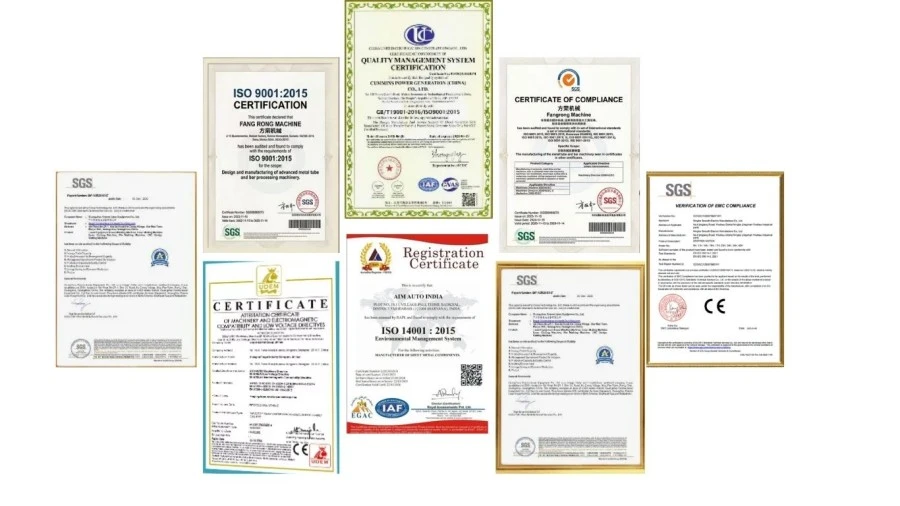
ISO9001:2015: Quality management system for design, production, installation, and service. Certificate No. UQ231211R1.
CE Mark: Compliance with Machinery Directive 2006/42/EC, including emergency stops, two-hand controls, and light curtains.
SGS Inspection: Independent inspection covering specified machine performance and safety requirements.
National Patents: 32 invention patents and more than 100 utility model patents, including 2013207829011 for a chain tensioning device, 2008300532117 for a multi-strand die holder, and ZL2015 2 0842922.7 for a quick-change mandrel system.
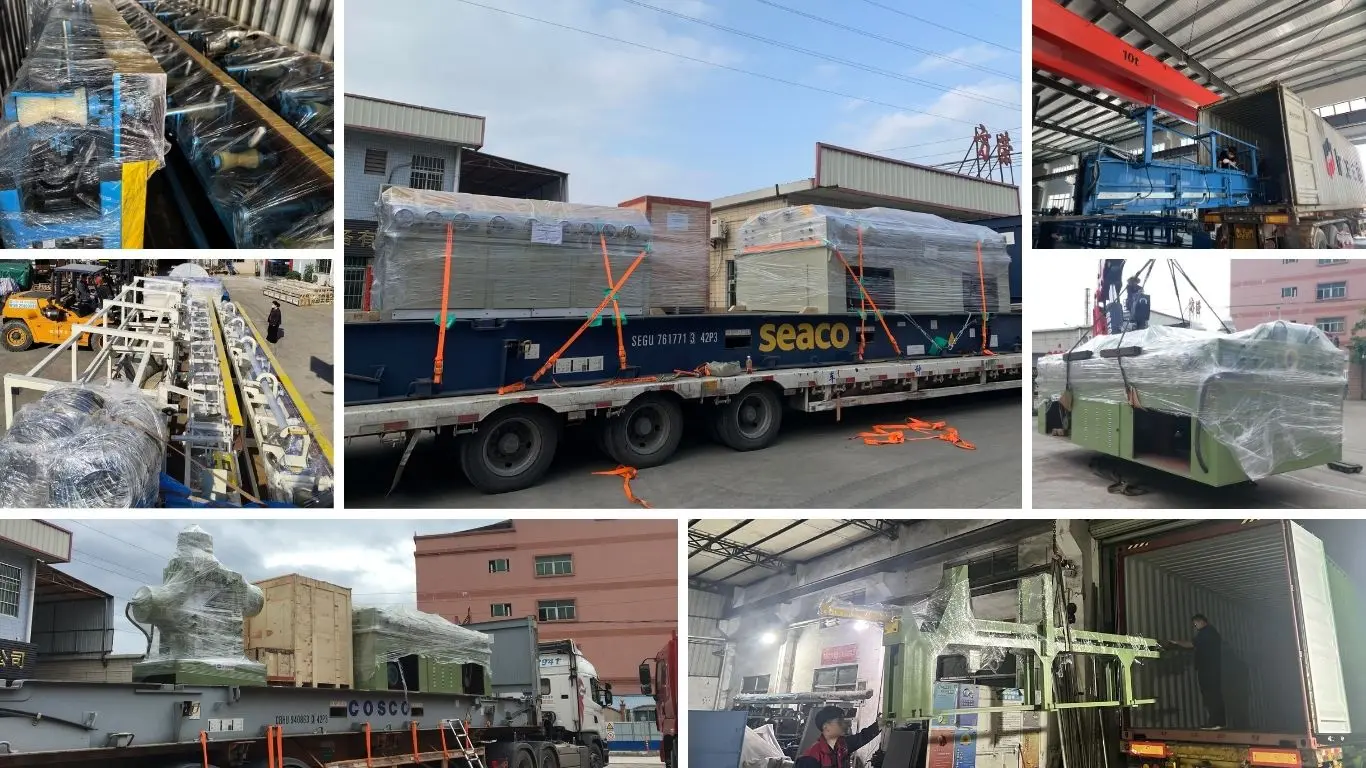
Before shipment, the machine is inspected, protected against moisture and surface damage, and secured according to the transportation method. Packaging details can be adjusted according to machine size, destination, and shipping requirements.
Can the machine process brass tubes and solid brass bars?
Yes. The machine can be configured for both hollow tubes and solid bars. Die configuration should be selected according to the workpiece geometry and required reduction.
What brass materials can be processed?
The machine is mainly used for brass and copper-based materials. The actual forming capability depends on the alloy grade, hardness, starting dimensions, and required reduction.
What is the maximum tube diameter?
The available models include FR-25, FR-76, and FR-100. Their listed maximum shrinking pipe diameters are φ25*T2.0mm, φ76*T4.0mm, and φ100*T4.0mm respectively.
Can the Brass Rotary Swager Machine produce different reducing lengths?
Yes. The forming result depends on die geometry, workpiece feeding, starting diameter, and the required final profile. Different die designs can be supplied for different reducing lengths and taper requirements.
How many dies are used?
The listed FR-25, FR-76, and FR-100 models use four dies.
How should I select the machine model?
Start with the outside diameter and wall thickness of the tube, then check the required final diameter and reducing length. Brass grade, production quantity, and the following drawing process should also be considered.
Can the machine be used before a cold drawing machine?
Yes. Rotary swaging can be used to reduce the tube end so that the workpiece can enter the downstream drawing die. The final pointed geometry should be matched to the drawing die and gripping method.
Is automatic feeding available?
Automatic loading and feeding systems can be configured when the production line requires higher throughput or reduced manual handling.
What information is needed for a quotation?
Please provide the brass grade, tube or bar type, outside diameter, wall thickness, required final diameter, reducing length, workpiece length, production capacity, and voltage requirement. Product drawings or samples can also help with die selection.
What warranty and technical support are provided?
FangRong provides a 12-month warranty from machine installation, together with lifetime technical support and spare parts service.
Address
NO.163,Shatong Road,Shabu 2nd Industrial Zone, Dalang Town, Dongguan City, Guangdong, China