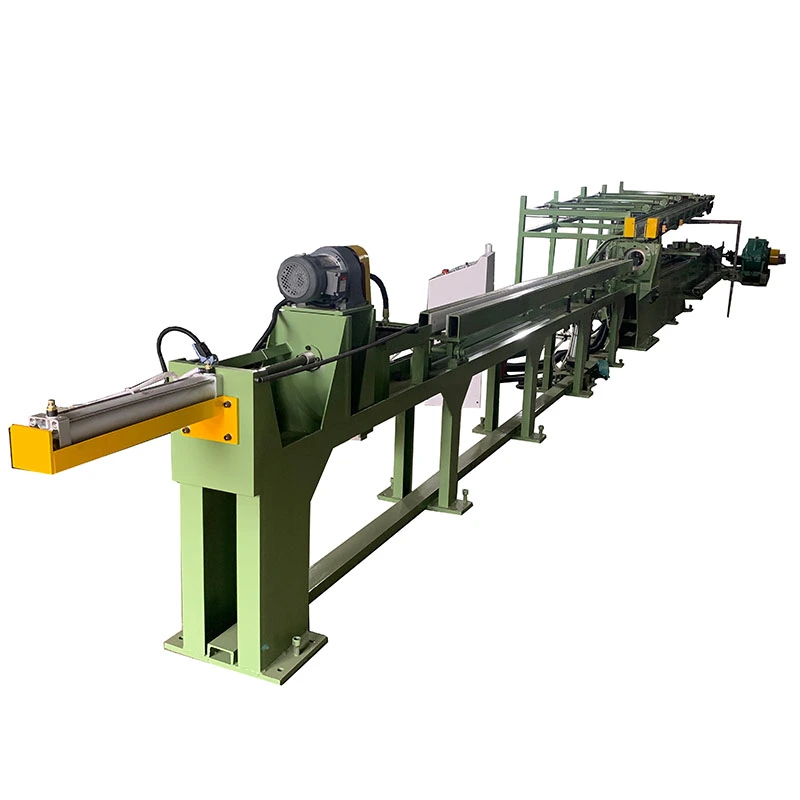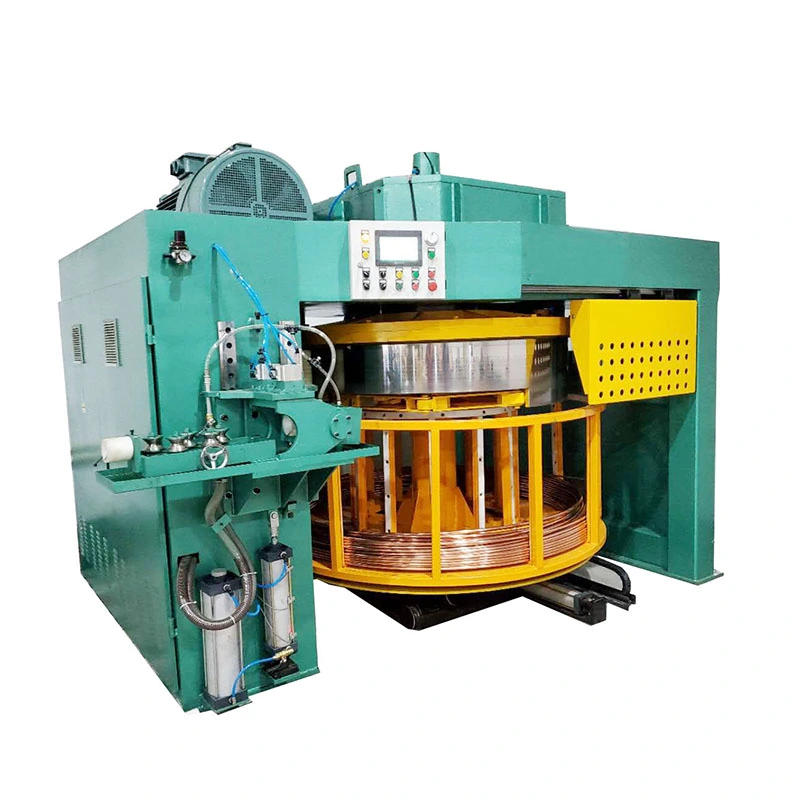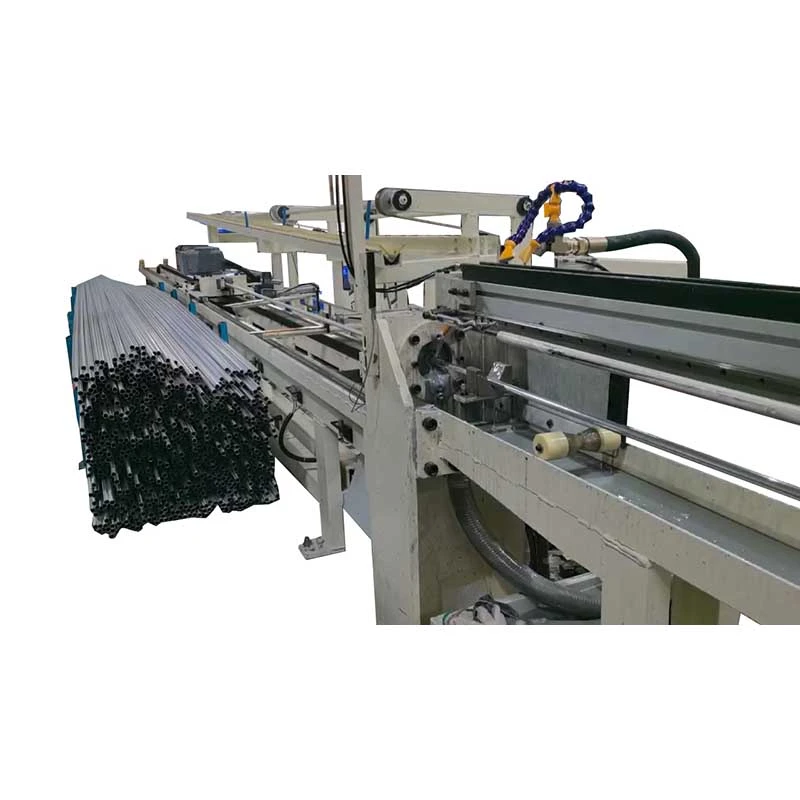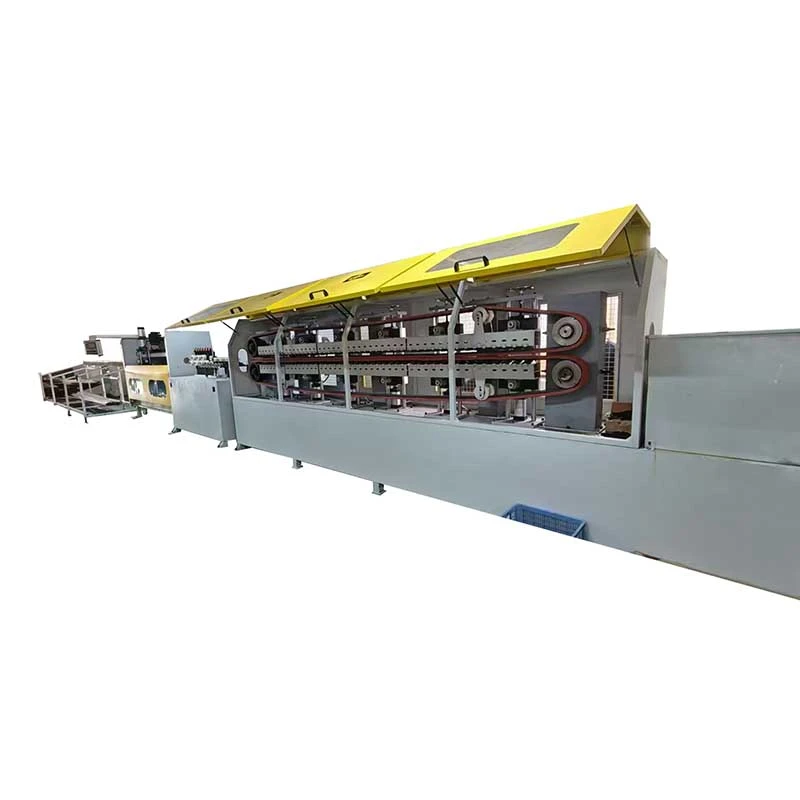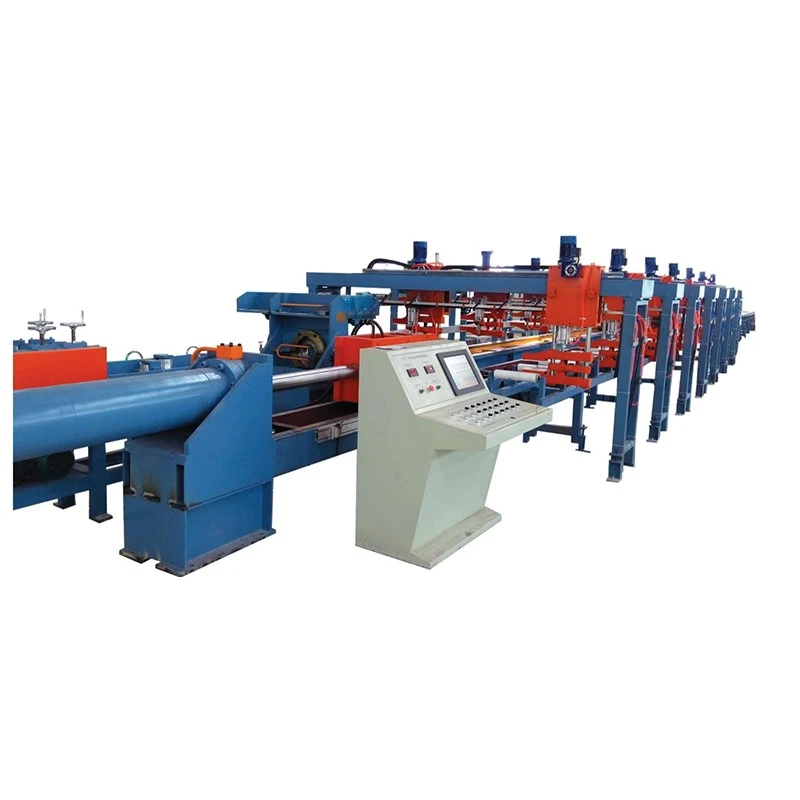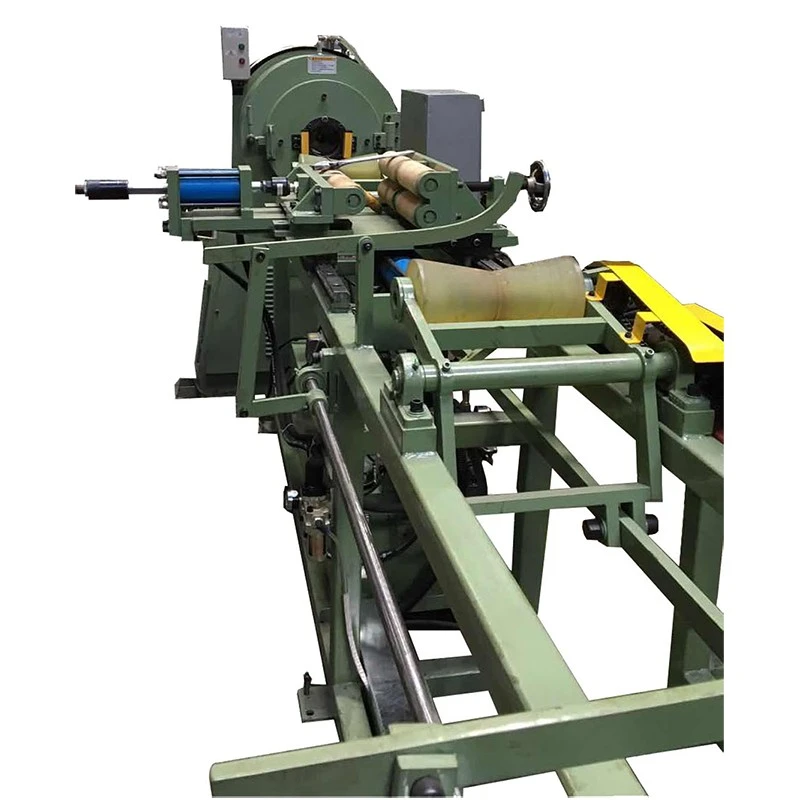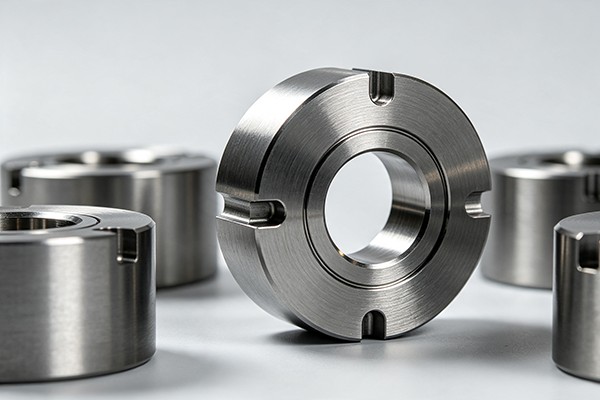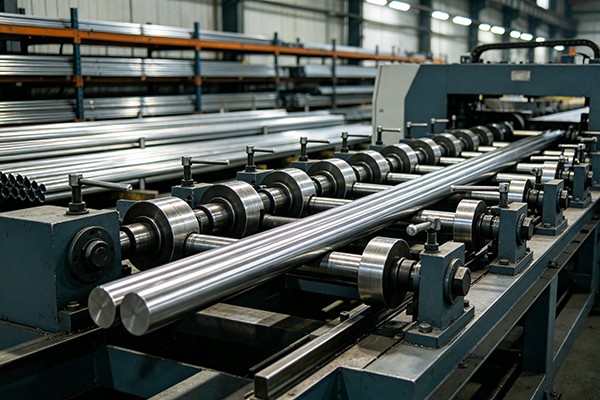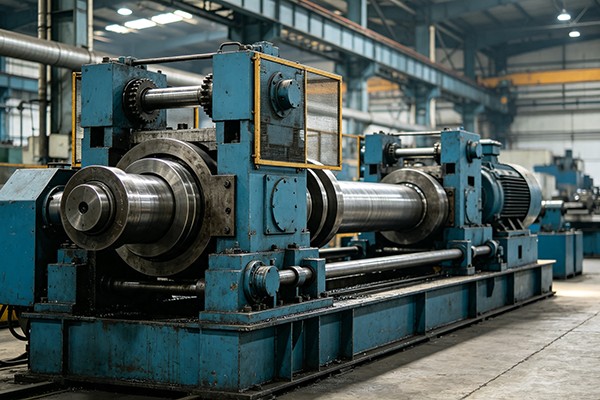

We offer a comprehensive range of precision metal processing equipment, including straightening, cold drawing, pointing, chamfering, cutting, thread rolling machines, and drawing dies, tailored for tube, bar, and wire materials across diverse industries.
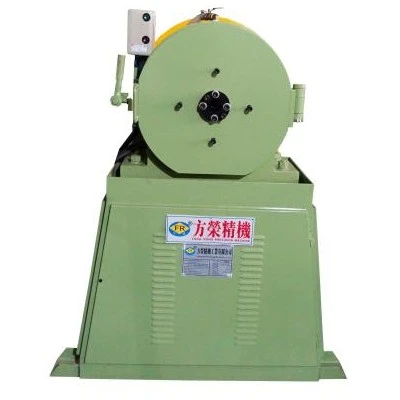
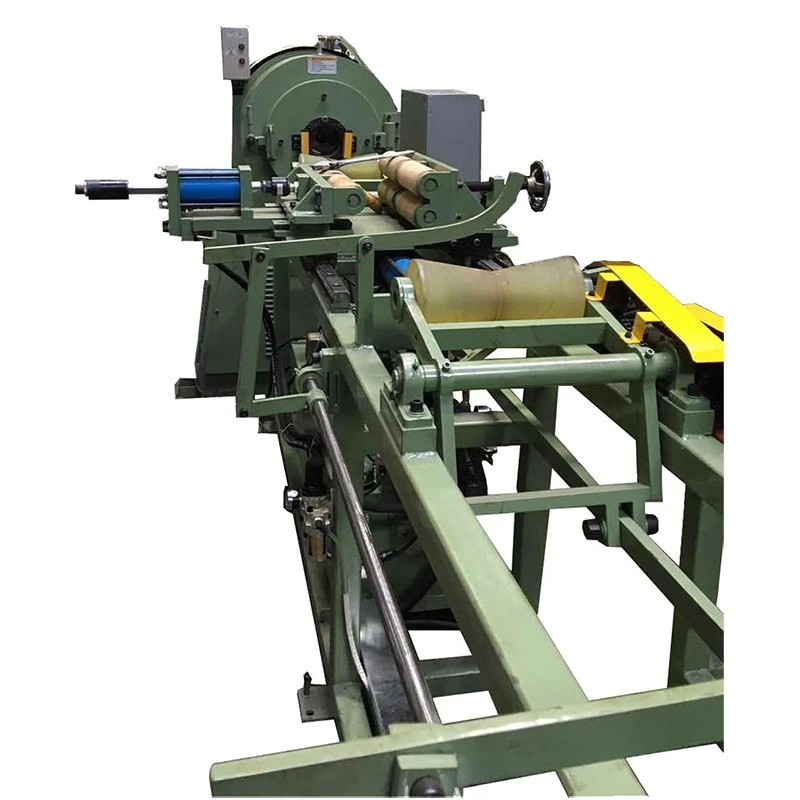
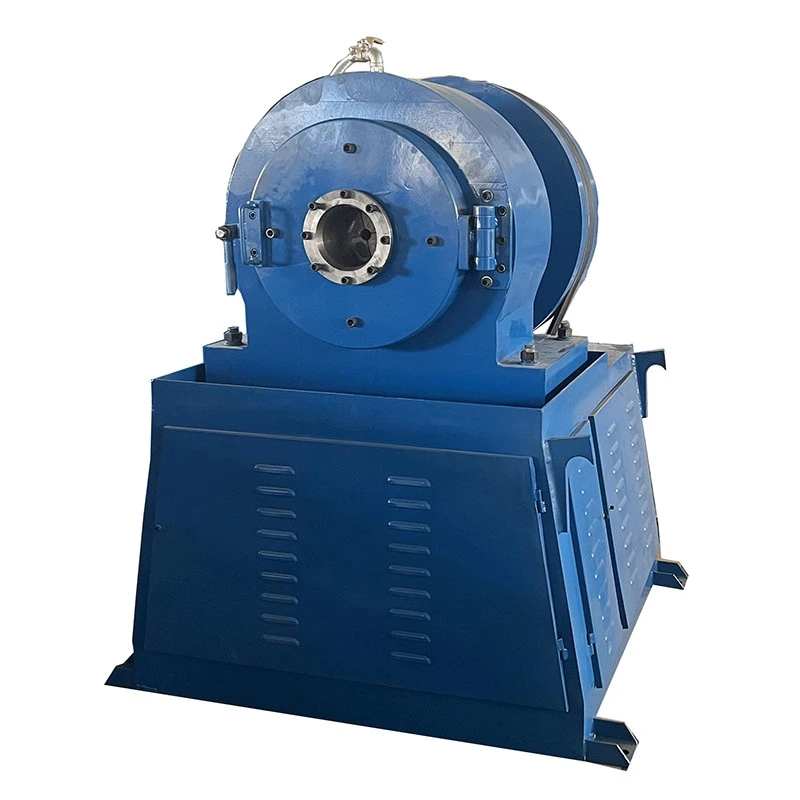
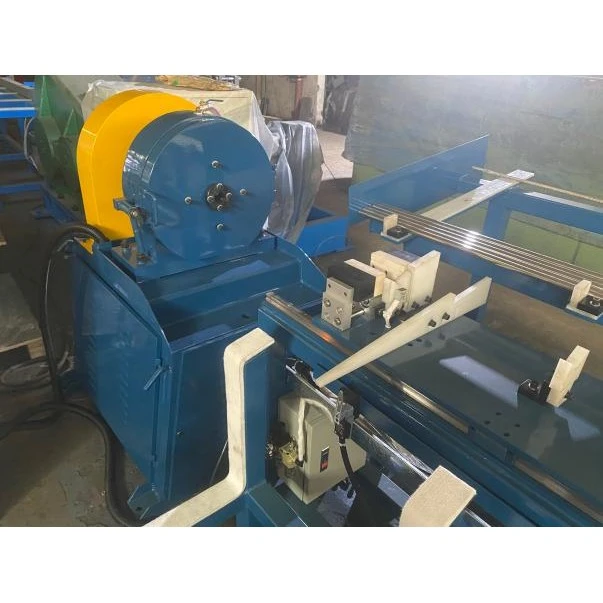
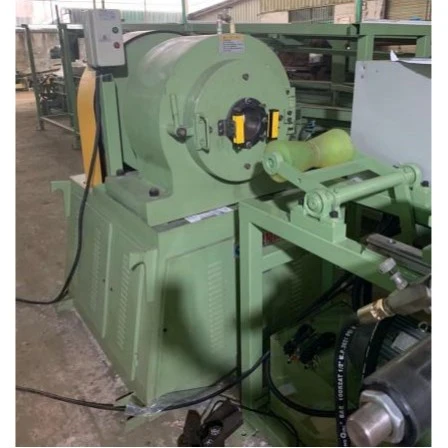
The Carbon Steel Rotary Swager Machine reduces the outside diameter of carbon steel tubes, pipes, solid bars, and rods by radial forging. Multiple dies work around the workpiece while the spindle rotates, gradually forming the required reduced end without cutting away the material.
For cold drawing and tube drawing lines, the machine is used to prepare a smaller tube or bar end that can enter the drawing die. The same process can be used before threading, bending, forging, machining, and other operations that require a reduced workpiece end.
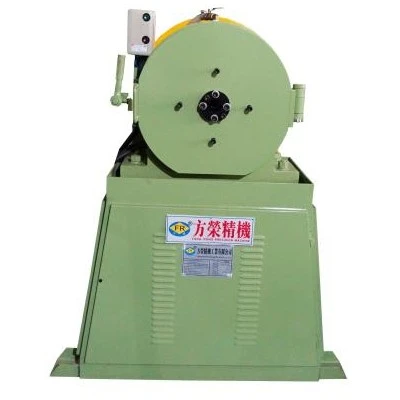
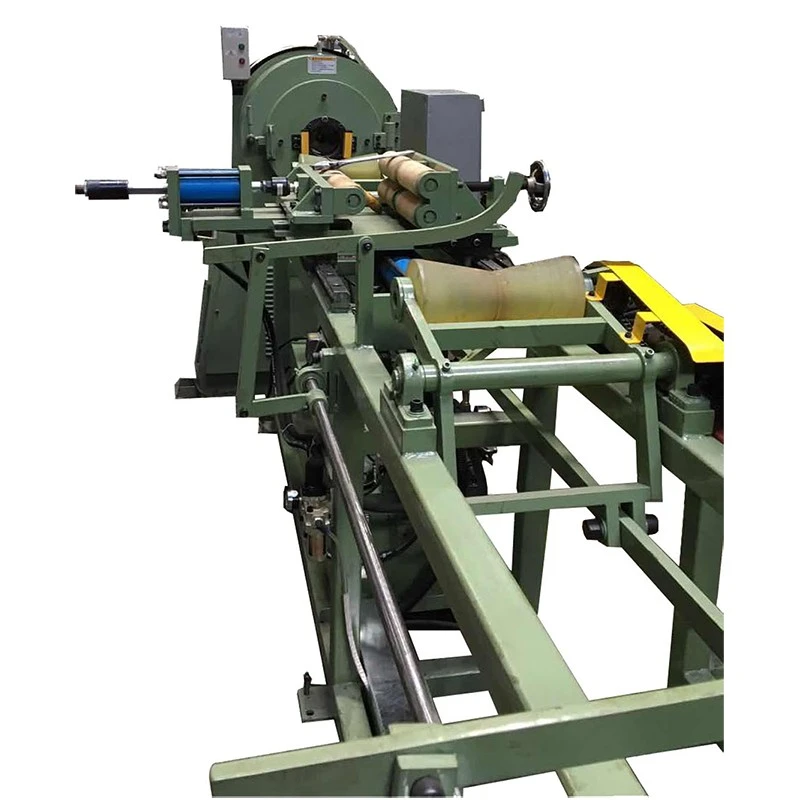
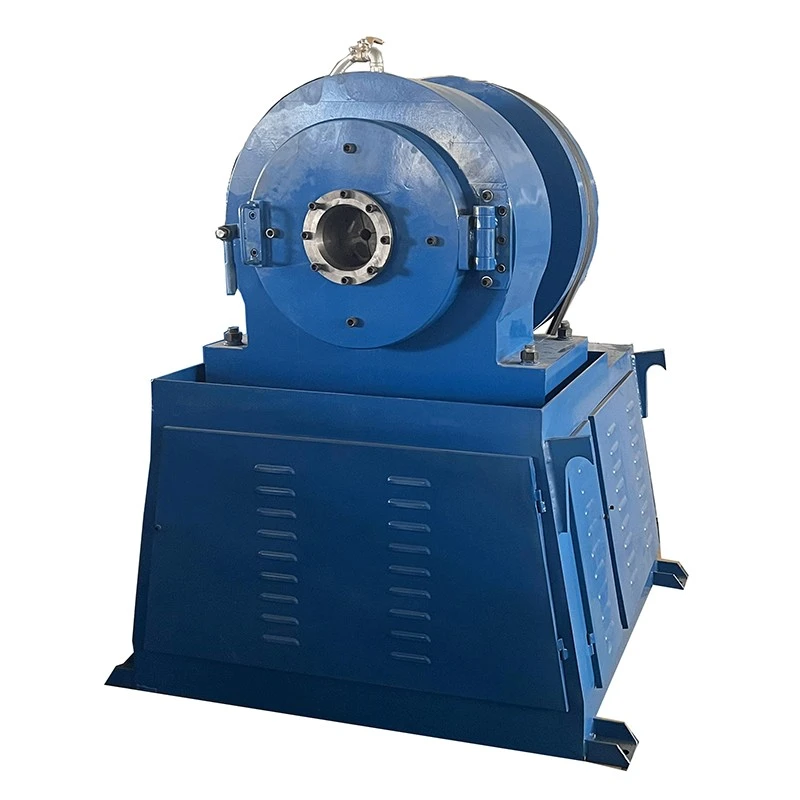
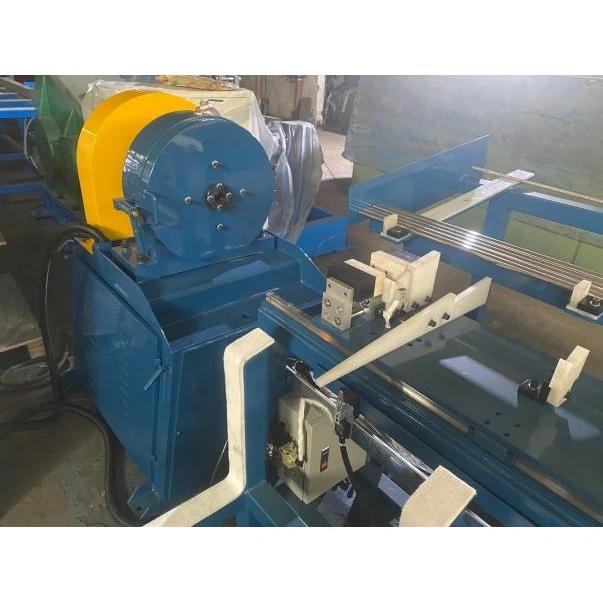
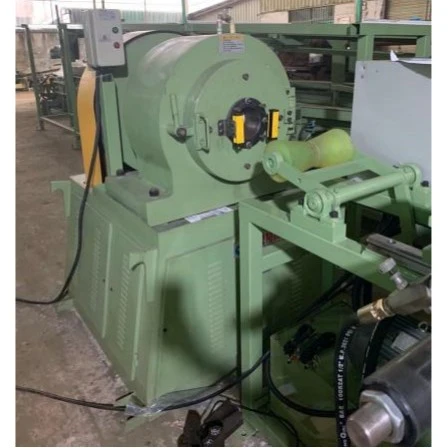
A reduced end is often required before the next forming operation. On a cold drawing line, for example, the original tube diameter may be too large to pass through the drawing die. Rotary swaging reduces the selected section of the tube end so it can be inserted into the die.
For solid bars and rods, the same principle is used when a smaller starting section is needed for drawing, forging, machining, or threading. The required reduction is determined by the starting diameter, material grade, final diameter, and length of the reduced section.
This makes the rotary swager a preparation machine rather than a replacement for the downstream drawing or forming equipment.
| Item | Rotary Swager Machine | Hydraulic Pointing Machine |
| Forming method | Repeated radial forging by rotating dies | Hydraulic cylinders drive forming dies |
| Material deformation | Material is compressed progressively around the workpiece | Material is formed through controlled die movement |
| Typical use | Reduced tube and bar ends before drawing or further processing | Tube end forming and pointing where hydraulic pressing is preferred |
| Material range | Carbon steel tubes, pipes, bars and rods; configuration dependent | Suitable material range depends on machine and die configuration |
| End geometry | Reduced or tapered end formed by the die set | Formed end according to hydraulic die design |
| Process characteristic | Repeated impact from multiple directions | Pressing force applied through hydraulic cylinders |
The better choice depends on the material, starting dimensions, required end geometry, reduction length, production rate, and how the machine will connect with the next process. For a cold drawing line, these parameters should be confirmed together rather than selecting the swager only by maximum tube diameter.
The swaging head contains multiple hardened dies arranged around the workpiece. During operation, the spindle rotates and the dies repeatedly contact the tube or bar from different directions.
As the workpiece moves through the die area, the material is progressively compressed toward the required diameter. Because the process forms the metal instead of removing it by cutting, the reduced section remains part of the original workpiece.
The die profile determines the shape of the formed section. Changing the die set allows different reduced diameters and end lengths to be produced.
Machine capacity alone does not determine the final pointed or reduced end. The starting outside diameter, tube wall thickness, material type, required final diameter, reduction length, and die geometry all need to be considered.
For tube processing, wall thickness is particularly important. A tube and a solid bar with the same outside diameter do not behave in the same way during radial forming. The drawing process that follows also needs enough reduced length and a suitable transition into the full-size section.
For this reason, FangRong can select the machine and die configuration according to the actual tube or bar specification rather than using the maximum machine diameter as the only selection criterion.
The current FangRong machine range includes FR-25, FR-76, and FR-100 models. Their main differences are the maximum workpiece diameter, minimum reduced diameter, die length, motor configuration, machine size, and weight.
| Parameter | FR-25 | FR-76 | FR-100 |
| Max. shrinking pipe diameter | φ25 × T2.0mm | φ76 × T4.0mm | φ100 × T4.0mm |
| Min. shrinking pipe diameter | φ6mm; change bottom die φ3mm | φ10mm; change bottom die φ6mm | φ10mm; change bottom die φ6mm |
| Die quantity | 4 | 4 | 4 |
| Die length | 60mm | 100mm | 118mm |
| Spindle motor | 4KW-4N | 9KW*6N | 15KW-6N |
| Spindle speed | 238r/min | 220r/min | 220r/min |
| Weight | 1200KG | 2000KG | 2500KG |
| Dimensions (L × W × H) | 900 × 1000 × 1300mm | 1000 × 1150 × 1350mm | 1200 × 1200 × 1450mm |
The specifications above are for reference. Actual machine parameters may vary according to the material and processing requirements. Custom specifications and die configurations are available.
FR-25 is intended for smaller workpieces, with a maximum shrinking pipe diameter of φ25 × T2.0mm. FR-76 extends the working range to φ76 × T4.0mm, while FR-100 handles workpieces up to φ100 × T4.0mm according to the listed specifications.
The model should be selected from the actual process data. A quotation normally requires the material type, tube or bar diameter, wall thickness for tubes, required reduced diameter, reduced-end length, workpiece length, and expected production capacity.
If the Carbon Steel Rotary Swager Machine will be installed before a cold drawing machine, providing the drawing die size and the required entry end is also useful for determining the die configuration.
Cold Drawing Lines
The swager prepares tube or bar ends so the workpiece can enter the drawing die. This is one of the main applications for rotary swaging.
Carbon Steel Tube Manufacturing
Used to reduce selected tube ends before drawing and other downstream forming operations.
Steel Bar and Rod Processing
Solid bars and rods can be reduced at the end for drawing, forging, machining, or threading operations.
Automotive Components
Suitable for preparing steel shafts, tubes, rods, and other components that require a reduced section before subsequent processing.
Construction and Structural Steel Processing
Can be used for steel rods and tubular products where the workpiece end needs to be reduced for further manufacturing.
Mechanical Engineering
Used as an end-preparation process before machining, assembly, drawing, or other precision metalworking operations.
Oil and Gas Equipment
Applicable to carbon steel tubes and other steel workpieces used in industrial equipment, pipelines, and related manufacturing processes, subject to the material and dimensional requirements.
FangRong was established in 1998 and has more than 26 years of experience in straightening machines, cold drawing equipment, and related metallurgical machinery.
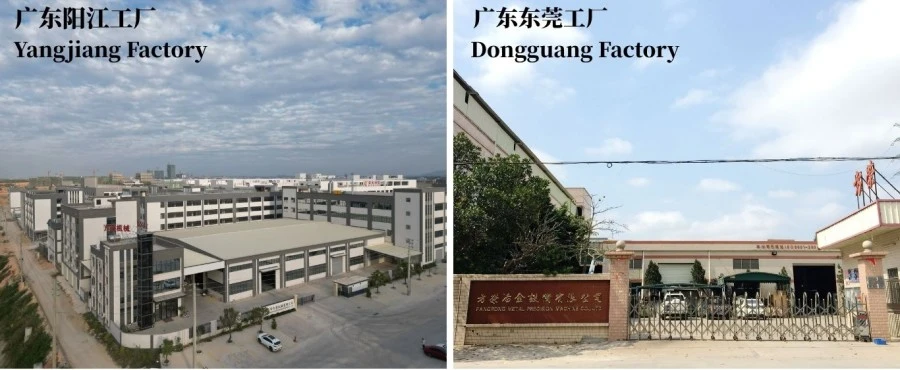
The company operates two manufacturing facilities: Dongguan Fangrong Metallurgical Equipment Co., Ltd. in Dalang Town, Dongguan City, and Yangjiang Fangrong Machinery Co., Ltd. in Yangdong District, Yangjiang City.
FangRong equipment has been supplied to more than 10,000 customers and used in over 60 industries. Products are exported to more than 60 countries and regions.
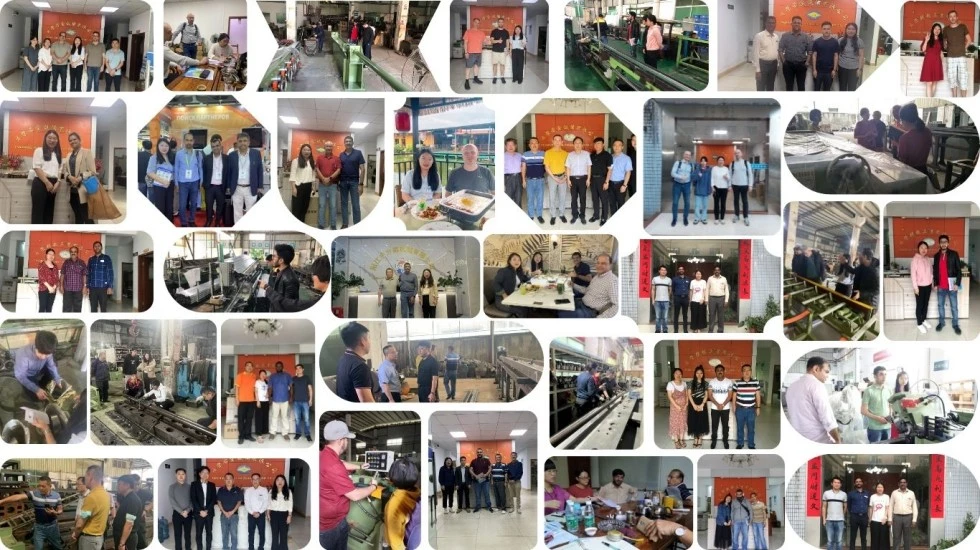
The Dongguan facility is the headquarters and primary manufacturing base, producing cold drawing machines, straightening machines, thread rolling equipment, and related machinery. The Yangjiang facility provides additional production capacity and supports equipment delivery.
FangRong also carries out in-house testing for machine operation, straightness accuracy, operating stability, and material compatibility.
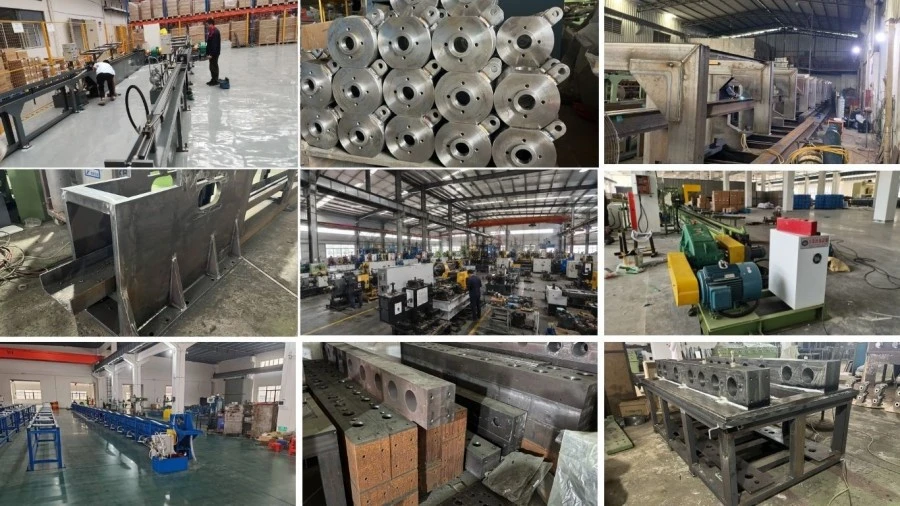
The Carbon Steel Rotary Swager Machine is built through several production stages, from material preparation and machining to assembly, electrical installation, testing, and final packing.
Steel plates, shafts, structural parts, and other components are prepared according to the machine design. Cutting, drilling, milling, turning, and other machining operations are used where required.
The spindle, die holder, dies, and related transmission parts are assembled and checked as a complete forming system. Die dimensions are matched to the required reduction range.
The spindle drive, motor, electrical cabinet, controls, and safety components are installed and wired before machine commissioning.
Before shipment, the machine is run to check spindle operation, forming action, vibration, electrical controls, and operating stability. Where required, sample material can be used to verify the forming result.
After inspection, the machine is prepared for transportation with protective packaging suitable for international shipment.

ISO9001:2015 — Quality management system covering design, production, installation, and service. Certificate No. UQ231211R1.
CE Mark — The equipment complies with the Machinery Directive 2006/42/EC, including safety provisions such as emergency stops, two-hand controls, and light curtains.
SGS Inspection — Independent inspection covering machine performance and safety-related features.
Patents — FangRong holds 32 invention patents and more than 100 utility model patents. Examples include patent 2013207829011 for a chain tensioning device, 2008300532117 for a multi-strand die holder, and ZL2015 2 0842922.7 for a quick-change mandrel system.
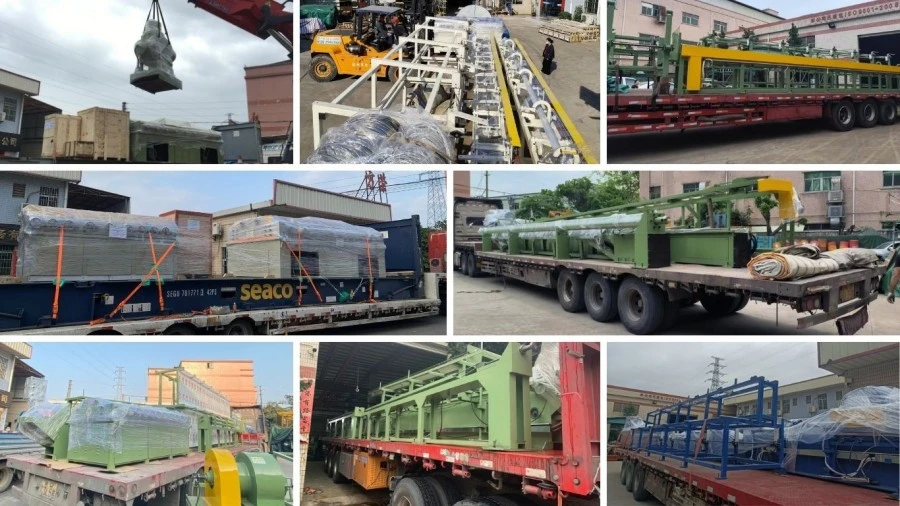
Before shipment, the machine is inspected, protected against transport damage, and packed according to the shipping method and machine dimensions. Packaging arrangements can be discussed according to container loading and destination requirements.
Why is rotary swaging used before cold drawing of carbon steel tubes?
Before cold drawing, the tube end normally needs to be reduced enough to enter the drawing die. Rotary swaging forms this smaller section by radial compression instead of cutting the tube end. The reduced section can then be used as the entry end for the drawing operation. The required end diameter and length should be determined from the drawing die and the following process.
How does rotary swaging differ from machining the tube end?
Machining removes material from the workpiece, while rotary swaging changes the shape of the existing material through repeated radial impact. For tube and bar end preparation, the swaging process reduces the selected section without producing the same type of chips generated by turning or cutting.
Can a rotary swager reduce both carbon steel tubes and solid bars?
Yes. The Carbon Steel Rotary Swager Machine can be configured for carbon steel tubes, pipes, solid bars, and rods. Tube and bar processing should not be treated as the same application, however. Tube outside diameter, wall thickness, material grade, and target reduced diameter need to be considered separately from the diameter of a solid bar when selecting the die and machine configuration.
How does tube wall thickness affect the swaging process?
Wall thickness affects how the tube responds to radial compression and therefore needs to be included in machine selection. A φ25 × T2.0mm tube, for example, has different forming requirements from a solid φ25mm bar. For tube applications, the quotation should include outside diameter and wall thickness rather than outside diameter alone.
How is the final reduced diameter determined?
The final diameter is mainly related to the starting diameter, material, required reduction, die geometry, and downstream process. If the machine is installed before a drawing operation, the target reduced diameter should be checked against the drawing die opening and the required entry condition. Different die sets can be used for different reduced-end dimensions.
Address
NO.163,Shatong Road,Shabu 2nd Industrial Zone, Dalang Town, Dongguan City, Guangdong, China