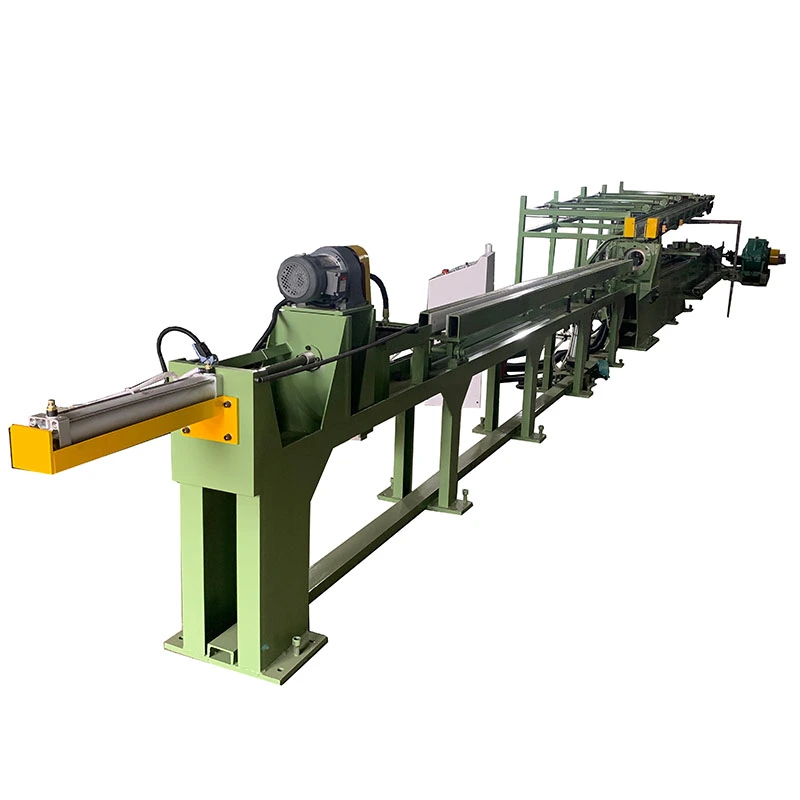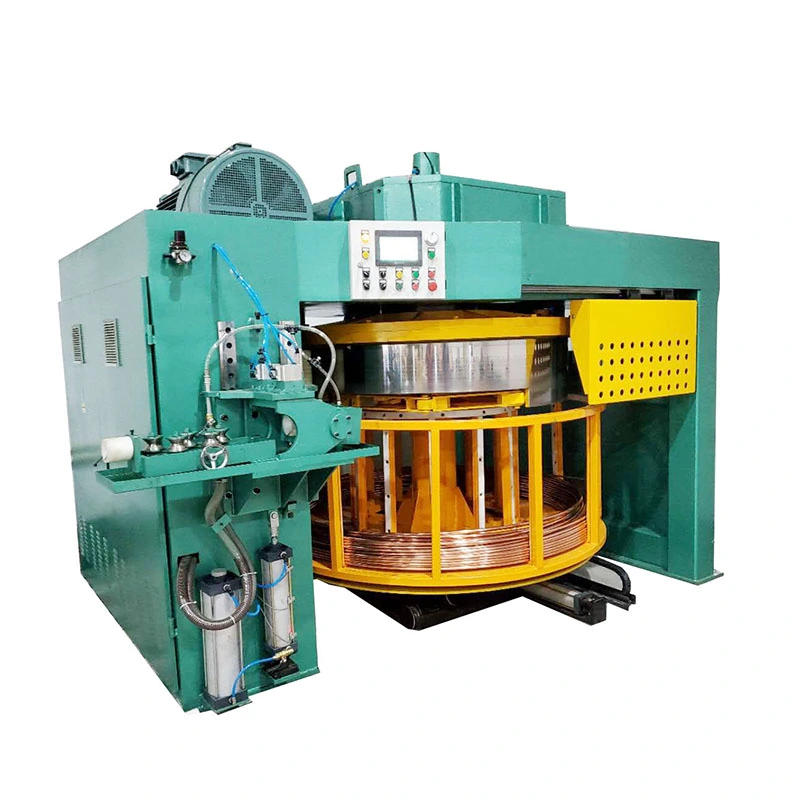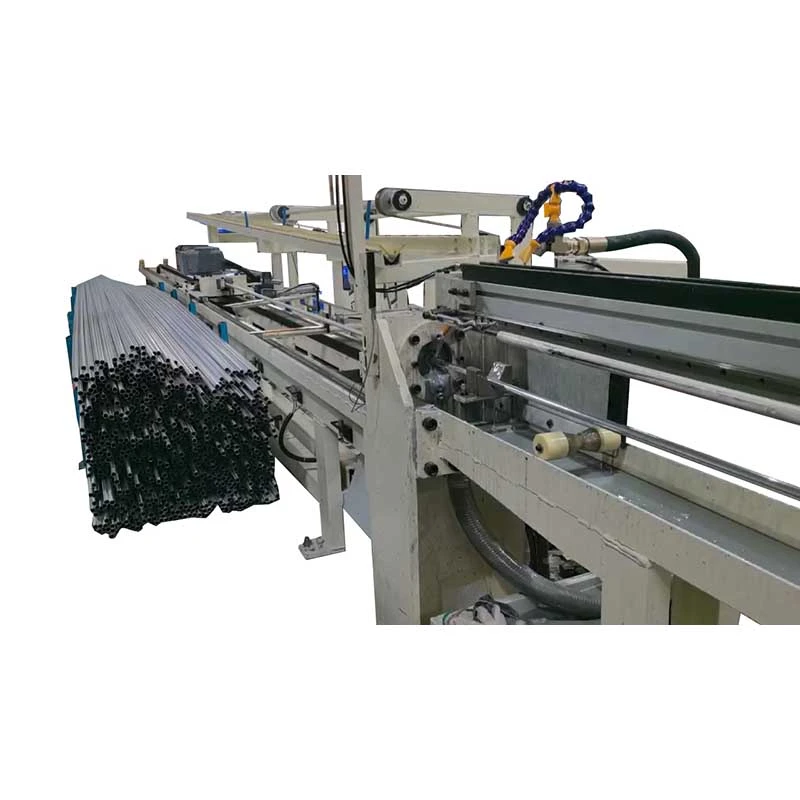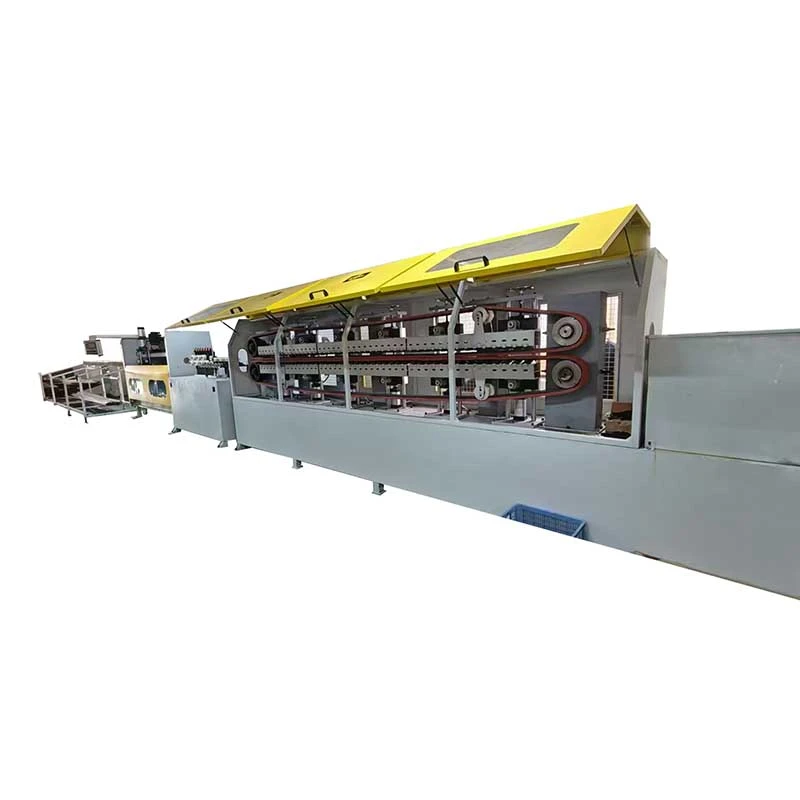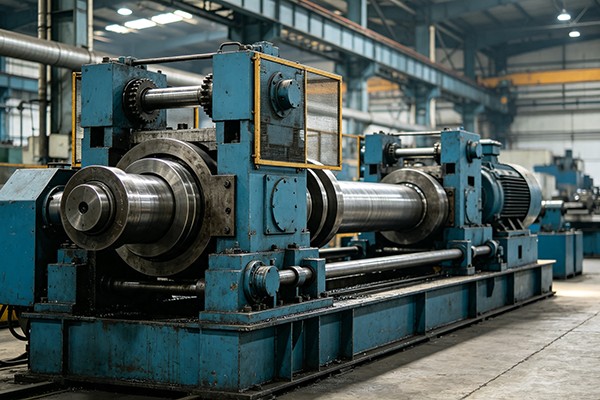

We offer a comprehensive range of precision metal processing equipment, including straightening, cold drawing, pointing, chamfering, cutting, thread rolling machines, and drawing dies, tailored for tube, bar, and wire materials across diverse industries.
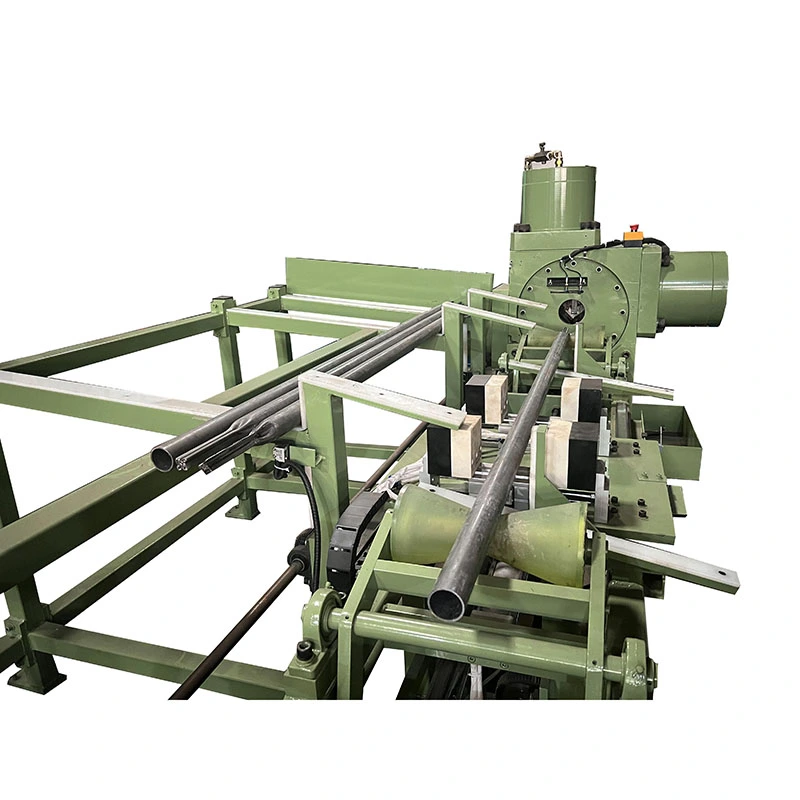
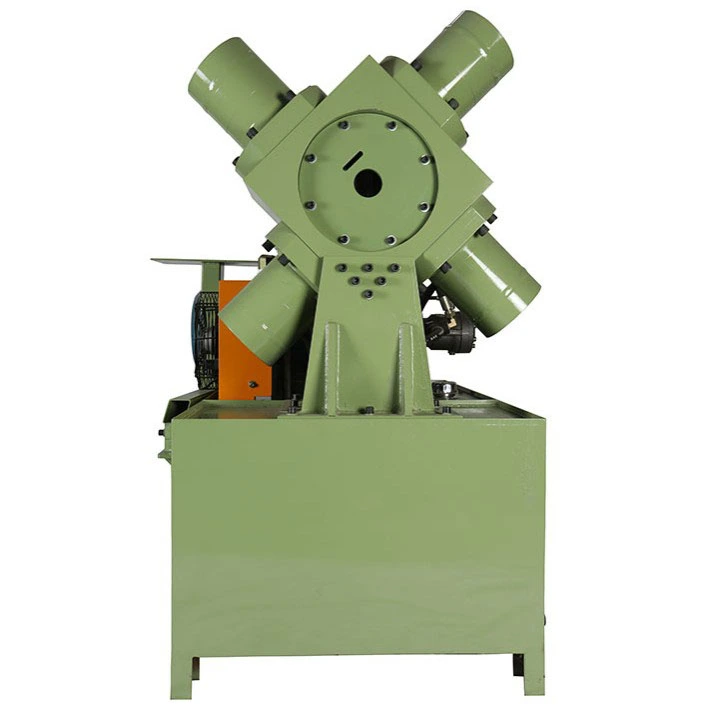
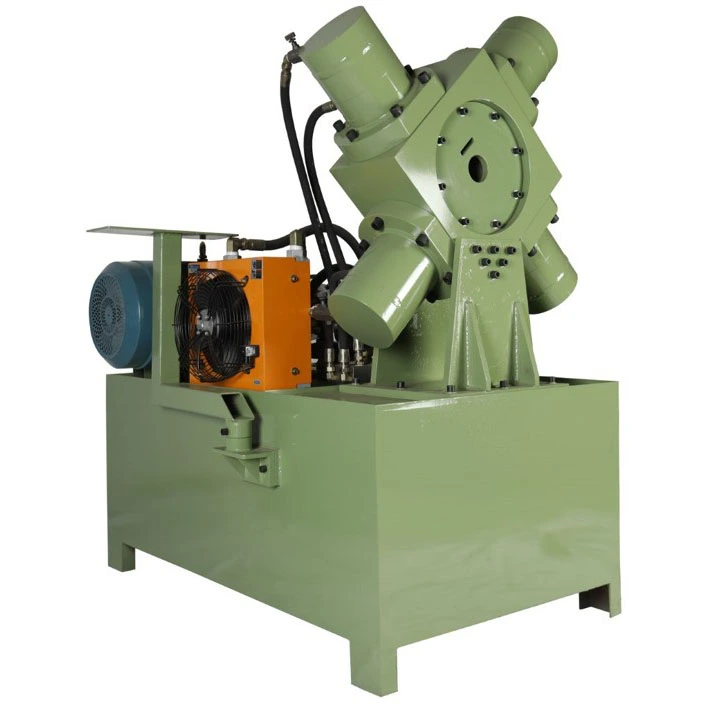
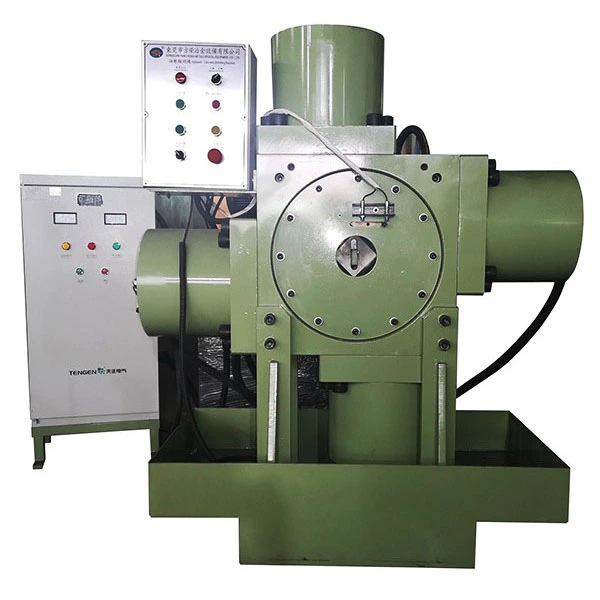
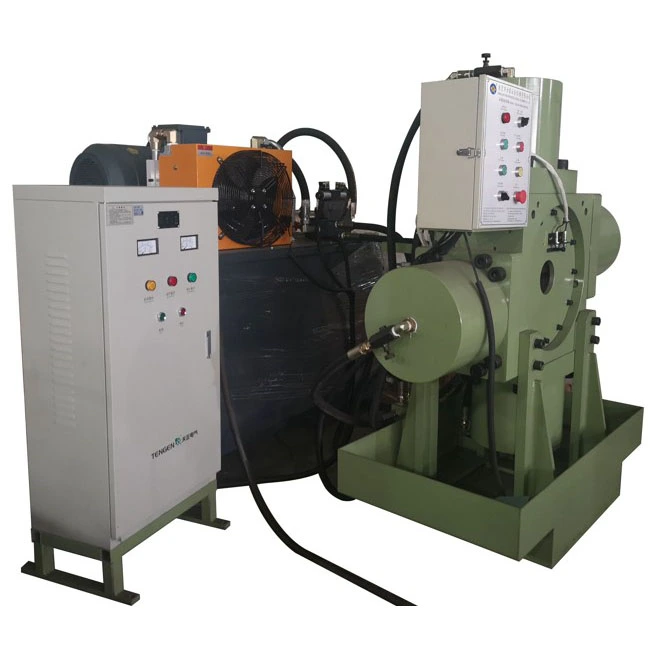
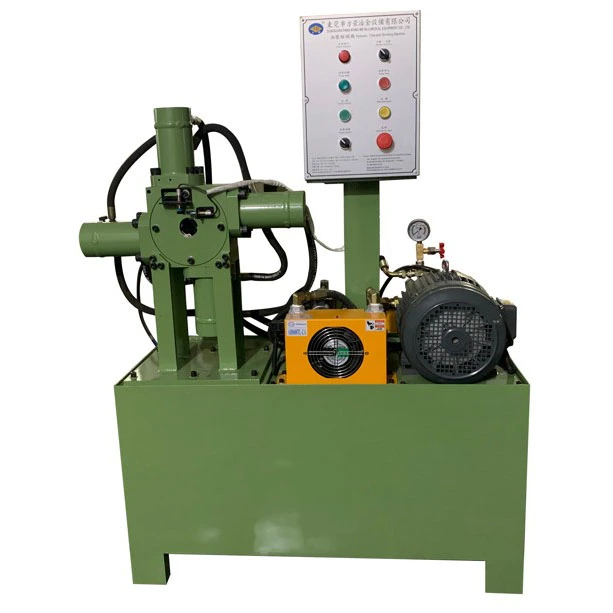
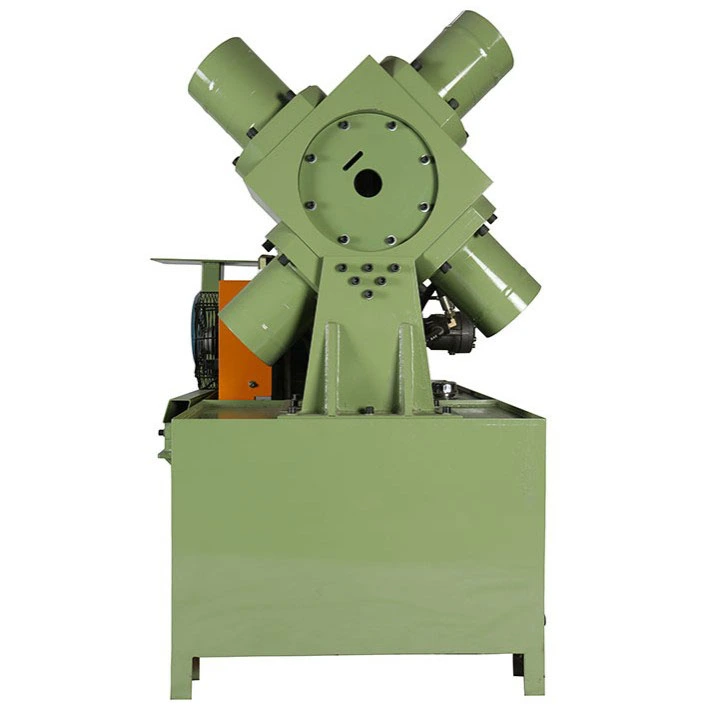
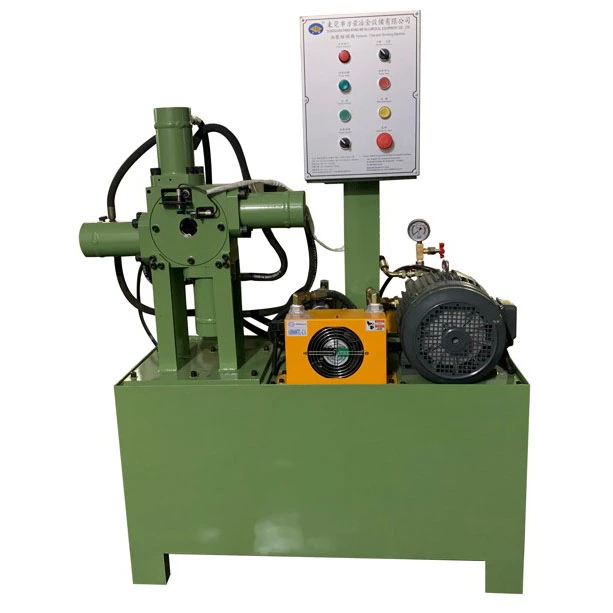
The Carbon Steel Hydraulic Four Dies Pointing Machine is designed for reducing and forming the ends of carbon steel tubes, bars, and profiles before cold drawing, pulling, straightening, or other downstream operations. The machine uses four hydraulic cylinders to drive four dies toward the center at the same time, forming the material end into the required reduced or tapered shape.
For carbon steel processing, the forming force needs to be distributed around the workpiece rather than concentrated from one or two directions. The four-die arrangement helps control eccentricity and oval deformation while keeping the pointed section suitable for the next operation. It is available in FR-25, FR-50, FR-100, FR-160, and FR-250 configurations for different material sizes and wall thicknesses.
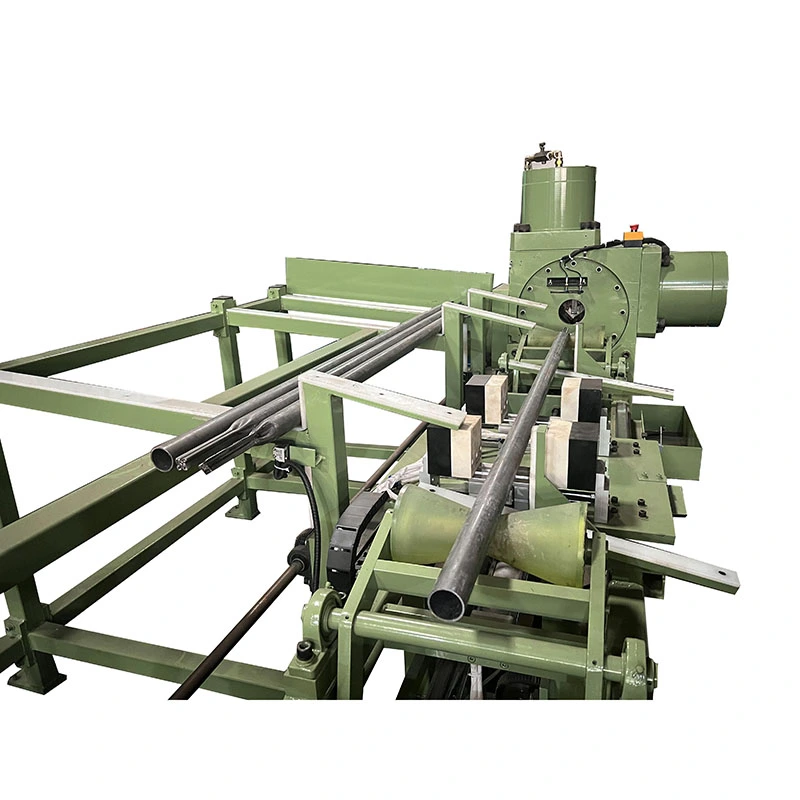
The workpiece is positioned at the center of the die assembly. When the hydraulic system starts the pointing cycle, four cylinders move the dies inward from four directions. The dies apply pressure around the tube or bar end and gradually reduce its section according to the selected die profile.
After the forming stroke is completed, the dies return to their original positions and the processed workpiece can be removed. The operation does not require the material to be manually formed from several directions, which is useful for production lines processing repeated batches of carbon steel tubes or bars.
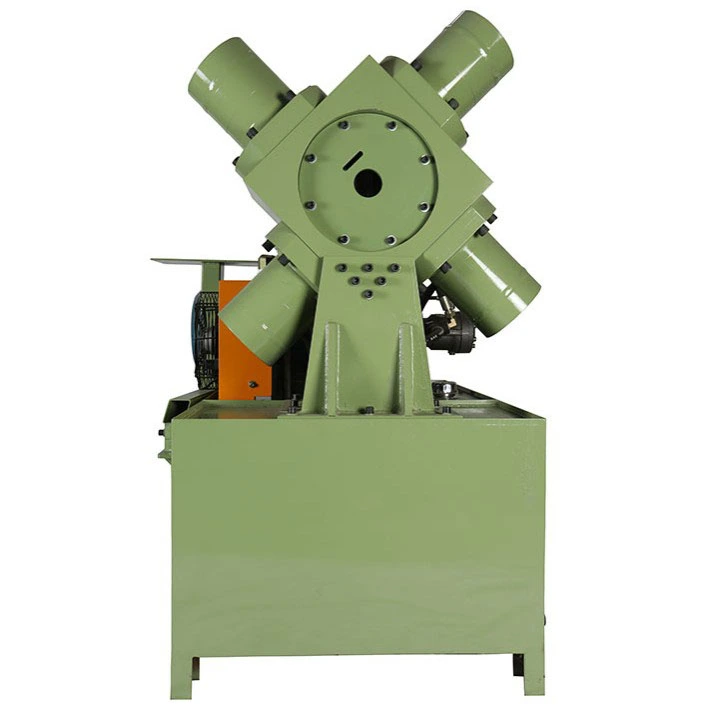
Carbon steel tubes and bars can present different forming conditions depending on diameter, wall thickness, material strength, and required pointed-end dimensions. A four-die hydraulic arrangement provides force from four sides during the same forming cycle, helping the operator control the position and shape of the reduced end.
| Processing Concern | Four-Dies Hydraulic Approach |
|---|---|
| End eccentricity | Four dies apply forming force around the workpiece to help keep the reduced section centered. |
| Oval deformation | Opposing dies work together during the forming stroke, helping control uneven deformation. |
| Surface marking | Correct die selection and synchronized movement help limit localized forming pressure. |
| Repeated production | Hydraulic actuation provides a repeatable forming cycle for batch processing. |
| High-strength carbon steel | The hydraulic system supplies the required forming force for heavier and stronger materials. |
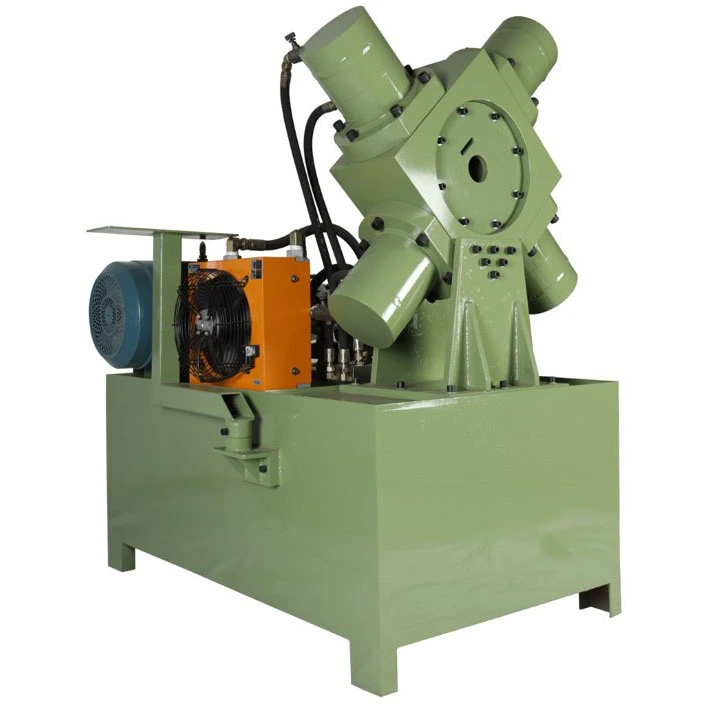
The machine model should be selected according to the actual outside diameter, wall thickness, material condition, and required pointing dimensions. A larger machine is not automatically the better choice; the hydraulic capacity and die arrangement need to match the forming load of the workpiece.
FR-25 and FR-50 are intended for smaller tube sizes. FR-100 covers larger sections and thicker walls, while FR-160 and FR-250 are designed for larger diameter or heavy-wall applications. The final configuration can also be adjusted when the customer's material and forming requirements fall outside the standard reference range.
| Model | Pointing Range | Wall Thickness | Cylinder | Motor Power | Dimensions | Weight |
|---|---|---|---|---|---|---|
| FR-25 | φ25 | 0.5-2.0 mm | φ63 × φ25 mm, 4 cylinders | 5.5 kW | 1200 × 620 × 1500 mm | 300 kg |
| FR-50 | φ50 | 0.5-3.0 mm | φ200 × φ30 mm, 4 cylinders | 11 kW | 600 × 1000 × 1300 mm | 1000 kg |
| FR-100 | φ100 | 0.5-5.0 mm | φ250 mm, 4 cylinders | 18.5 kW | 1400 × 900 × 1700 mm, excluding oil tank | 3000 kg |
| FR-160 | φ30-φ160 | 0.5-10 mm | φ350 × φ150, 4 cylinders | 55 kW-4 | 1800 × 1500 × 1500 mm, excluding oil tank | 5000 kg |
| FR-250 | φ250 | ≤40 mm | φ400 × φ160, 4 cylinders | 90 kW-4 | 2000 × 1500 × 2000 mm, excluding oil tank | 6000 kg |
The specifications above are reference configurations. Actual machine parameters may be adjusted according to material type, tube or bar dimensions, forming requirements, and production conditions. Custom specifications are available.
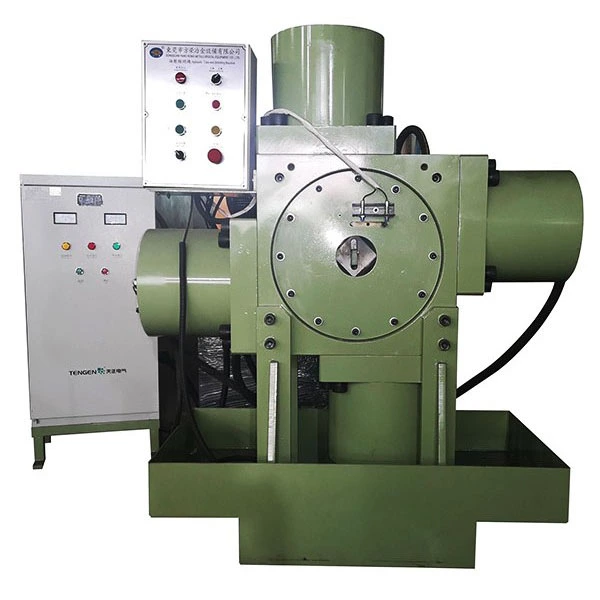
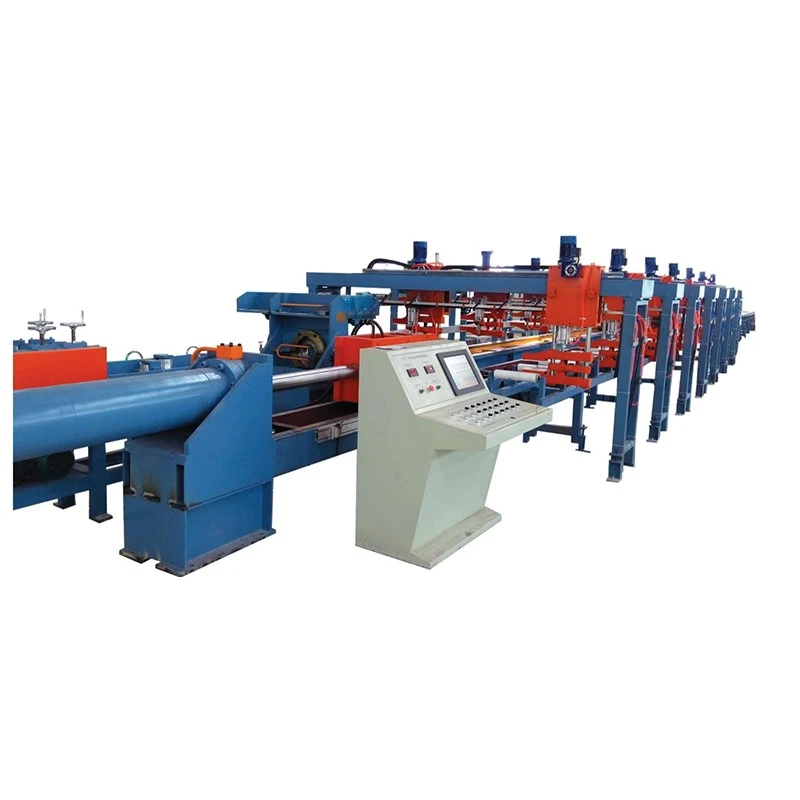
For a cold drawing line, the tube end must first be reduced enough to pass through the drawing die and allow the drawing equipment to grip or pull the material. The pointing machine performs this preparation before the tube enters the drawing section.
The forming result is affected by more than the machine's nominal diameter. Wall thickness, carbon steel grade, original tube dimensions, die geometry, required pointed length, and drawing die requirements all need to be considered. These details are therefore used when determining the suitable machine and die configuration.
For manufacturers running continuous drawing operations, consistent tube-end preparation can also reduce manual correction between pointing and drawing operations.
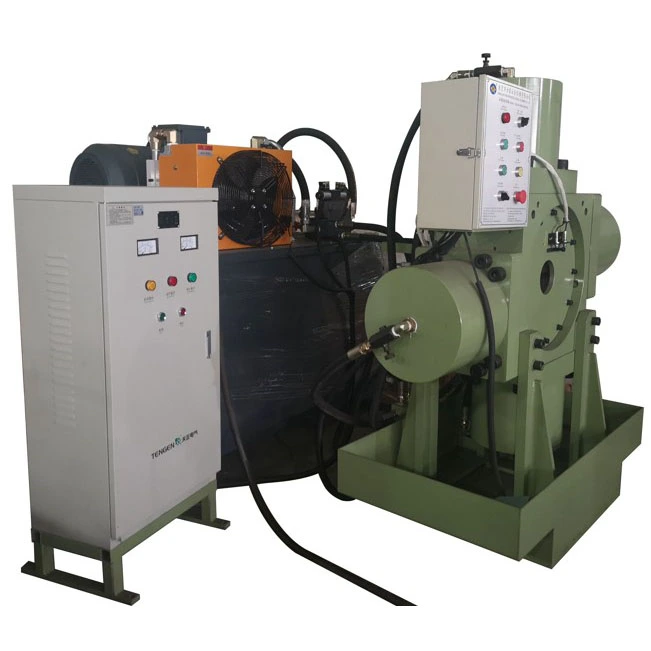
The machine can be integrated into production processes where carbon steel tubes, bars, or profiles require end reduction before the next forming or drawing operation.
The machine configuration can be adapted to different production conditions, including changes in material size, wall thickness, pointing dimensions, hydraulic pressure, loading method, unloading method, and control requirements.
Standard equipment covers the main pointing functions, while the machine can also be configured around the customer's existing production line. Depending on the application, the system may include automatic loading and unloading, customized die structures, different hydraulic pressure settings, and control-system adjustments.
Before equipment selection, Fangrong can review the material specification, tube or bar dimensions, required pointed-end size, production volume, and downstream drawing process. Customers can also provide sample material or drawings for configuration confirmation.
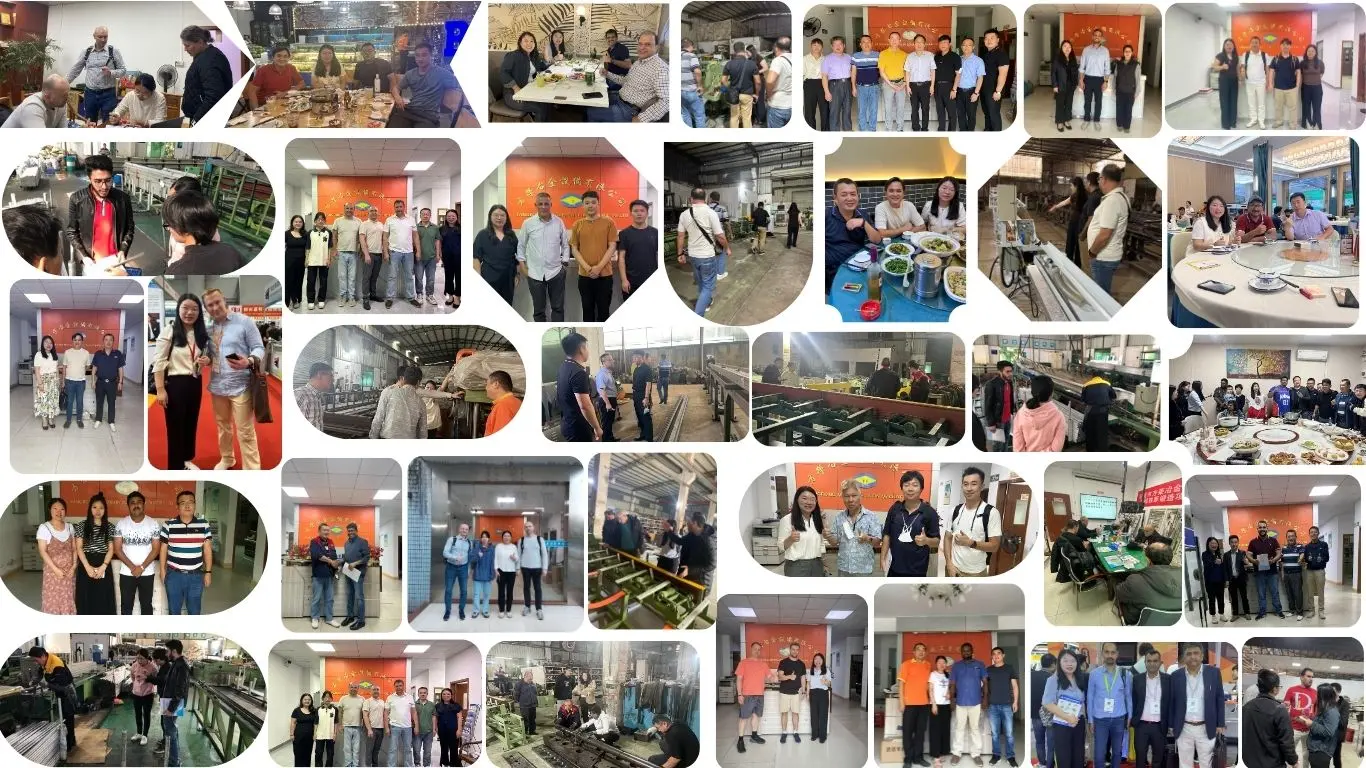
Fangrong was established in 1998 and has more than 26 years of experience in straightening machines, cold drawing equipment, and related metallurgical machinery. Its equipment is used across more than 60 industries, with more than 10,000 customers and exports to more than 60 countries and regions.
The company operates two manufacturing locations in Guangdong. Dongguan Fangrong Metallurgical Equipment Co., Ltd. in Dalang Town, Dongguan City serves as the headquarters and primary manufacturing base, producing precision cold drawing machines, straightening machines, thread rolling equipment, and related machinery.
Yangjiang Fangrong Machinery Co., Ltd. in Yangdong District, Yangjiang City expands manufacturing capacity and supports equipment production and delivery.
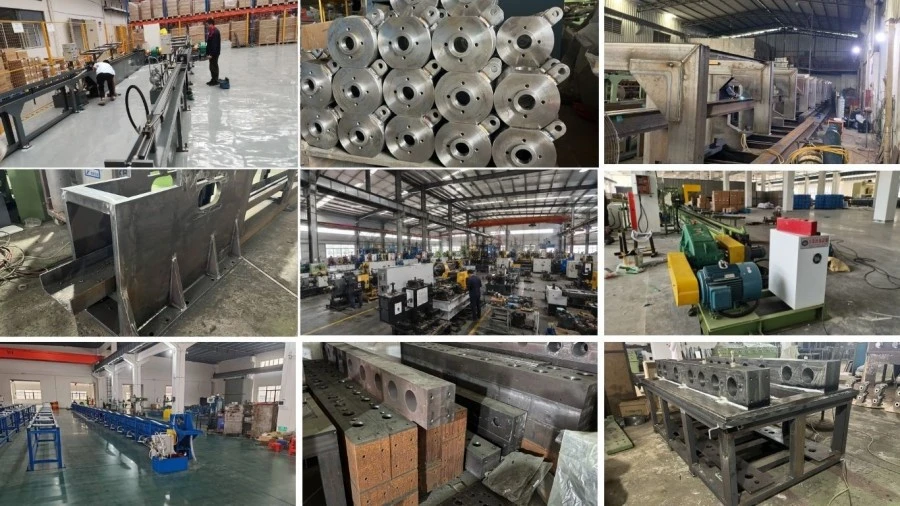
The machine is built around the required pointing force, tube dimensions, die configuration, and hydraulic capacity. These parameters are confirmed before fabrication so that the machine structure and hydraulic system match the intended carbon steel processing range.
Engineering Confirmation
The customer's tube or bar dimensions, wall thickness, pointing diameter, material grade, and production requirements are reviewed first. The die arrangement, cylinder size, motor capacity, and machine configuration are then determined.
Machine Frame Fabrication
The main frame and supporting components are fabricated according to the approved drawings. Structural dimensions and key mounting positions are checked during fabrication to maintain the required alignment.
Machining of Critical Components
Cylinder mounting areas, die seats, guide components, shafts, and other precision parts are machined to the specified dimensions. Critical mating surfaces are inspected before assembly.
Hydraulic System Installation
Hydraulic cylinders, pumps, valves, pipelines, and control components are installed according to the hydraulic circuit. The four cylinders are adjusted to work together so that the dies move toward the tube center in a coordinated manner.
Die and Forming Assembly
The four-die assembly is fitted to the machine according to the required pointing configuration. Die movement, working clearance, and positioning are checked before hydraulic commissioning.
Pressure and Motion Testing
The hydraulic system is operated through repeated working cycles to check pressure stability, cylinder movement, die synchronization, and response of the control system.
Trial Pointing
Where required, sample carbon steel tubes or bars can be processed to verify the forming result under the selected machine configuration. The pointed end is checked against the customer's drawing or process requirements.
Final Inspection and Shipment Preparation
Before delivery, the machine is inspected for hydraulic operation, mechanical movement, electrical functions, safety devices, and overall assembly condition. After acceptance, exposed surfaces are protected and the machine is prepared for transport.
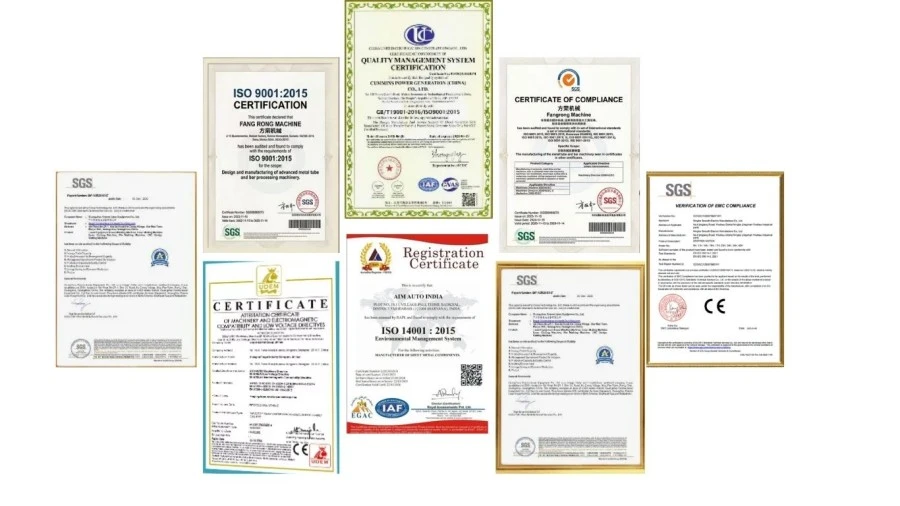
Fangrong carries out machine performance checks before shipment, including mechanical operation, hydraulic performance, straightness-related accuracy where applicable, operational stability, and compatibility with the specified material and processing conditions.
The company holds ISO9001:2015 certification under certificate UQ231211R1. Its equipment also carries CE marking under Machinery Directive 2006/42/EC, with safety provisions including emergency stops, two-hand controls, and light curtains. SGS inspection is available for applicable orders.
Fangrong has developed a portfolio of national patents related to metallurgical machinery, including a chain tensioning device, multi-strand die holder, and quick-change mandrel system. The company has 32 invention patents and more than 100 utility model patents.
Representative patents include 2013207829011 for the chain tensioning device, 2008300532117 for the multi-strand die holder, and ZL2015 2 0842922.7 for the quick-change mandrel system.
Before shipment, the Carbon Steel Hydraulic Four Dies Pointing Machine is checked against the confirmed configuration, including model, pointing range, hydraulic components, motor capacity, electrical system, and accessories. The machine is then protected according to the transportation method and destination.
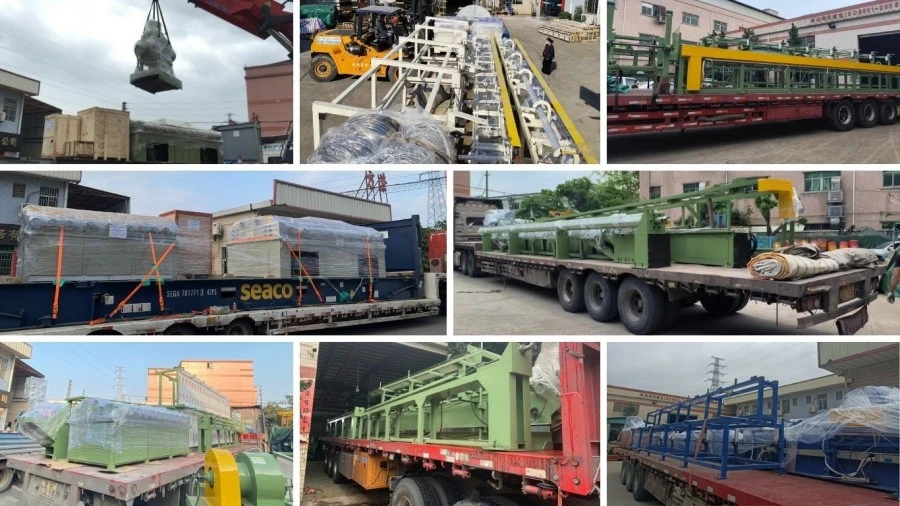
For overseas orders, the main machine and detachable components are secured separately where necessary to reduce movement during transportation. Hydraulic and electrical parts are protected against moisture and external impact, while the packing method can be adjusted for container loading or other shipping requirements.
Fangrong can also provide the operation manual, installation information, commissioning guidance, and replacement parts required for normal operation after delivery.
Standard machines are covered by a 12-month, usually one-year, warranty against manufacturing and quality defects. Spare parts and paid repair services are available after the warranty period.
Operation manuals and video tutorials are supplied for equipment use and maintenance. Installation, commissioning, and technician guidance can be arranged according to the project requirements.
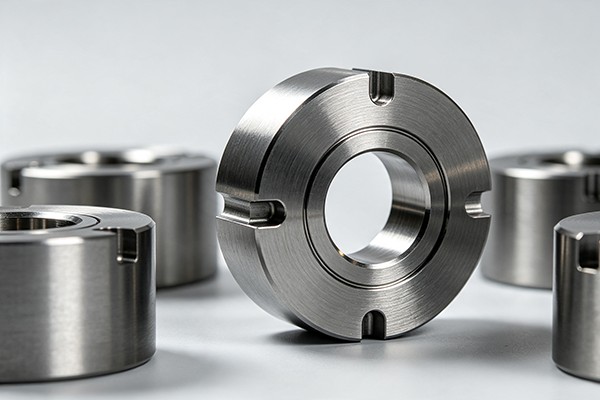
Common replacement parts include pointing dies, hydraulic seals, and hydraulic pumps. Before ordering spare parts, customers can provide the machine model and component information so the required part can be confirmed.
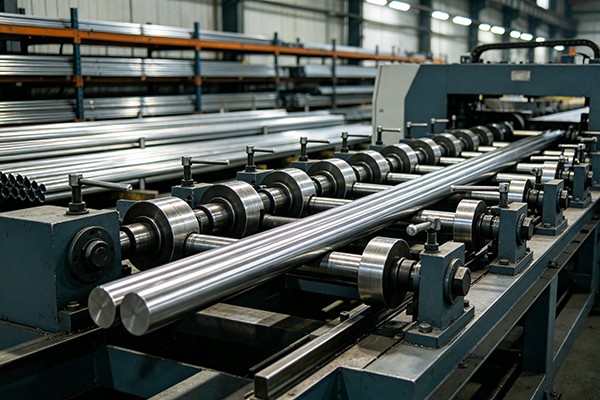
The machine is designed primarily for carbon steel tubes, bars, and profiles. The actual forming capability depends on material grade, dimensions, wall thickness, and required pointed-end shape.
Four dies apply forming force from four directions during the same cycle. This arrangement helps control eccentricity and uneven deformation compared with forming from fewer directions.
Yes. End reduction is one of its main applications. The pointed section can be prepared to suit the requirements of the subsequent drawing process.
Compare the actual outside diameter, wall thickness, material condition, and required forming dimensions with the machine's working range. Fangrong can confirm the suitable model after reviewing the workpiece parameters.
Yes. The available models cover different wall thickness ranges, with FR-250 listed for wall thickness up to 40 mm. The actual configuration should be confirmed according to material grade and forming requirements.
Yes. Die structure and forming dimensions can be customized according to the required tube or bar size and pointed-end geometry.
Automatic loading and unloading can be considered as part of a customized machine or production-line configuration. The design depends on the workpiece dimensions and existing line layout.
Sample processing can be arranged where required. Customers can provide material samples, drawings, dimensions, or processing requirements so the machine and die configuration can be evaluated.
Please provide the material type or grade, outside diameter, wall thickness, required pointed-end diameter and length, production volume, and the downstream process. Photos or drawings of the workpiece are also useful for configuration confirmation.
Standard models may be available from stock or can normally be delivered within 30 days. Non-standard customized machines generally require 30-60 days, depending on the configuration.
One machine is accepted as the minimum order quantity. Fangrong also works with factories, traders, and distributors.
T/T and L/C are available, with other payment arrangements subject to negotiation.
Address
NO.163,Shatong Road,Shabu 2nd Industrial Zone, Dalang Town, Dongguan City, Guangdong, China