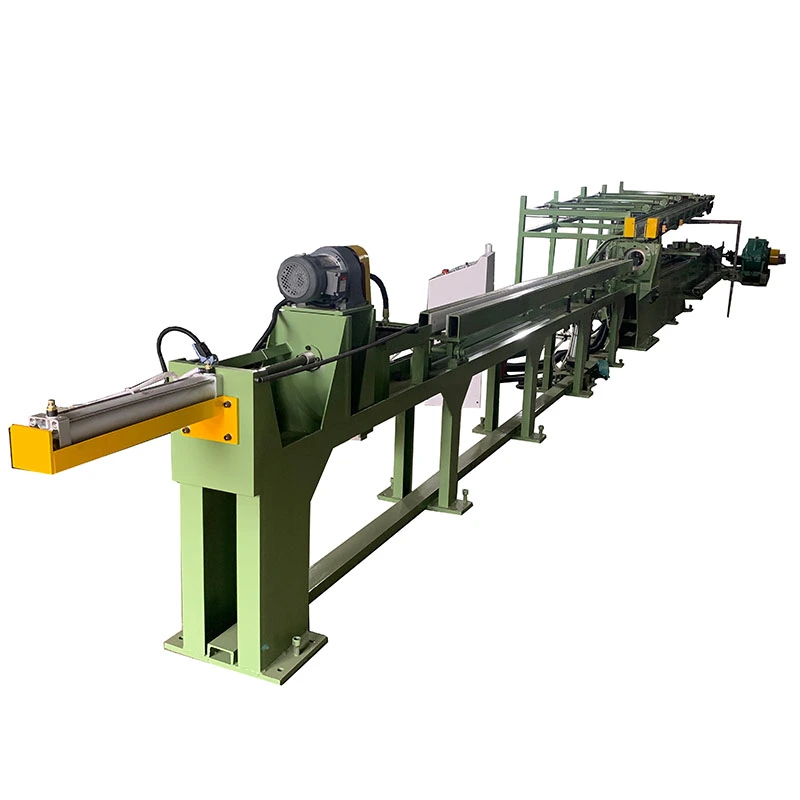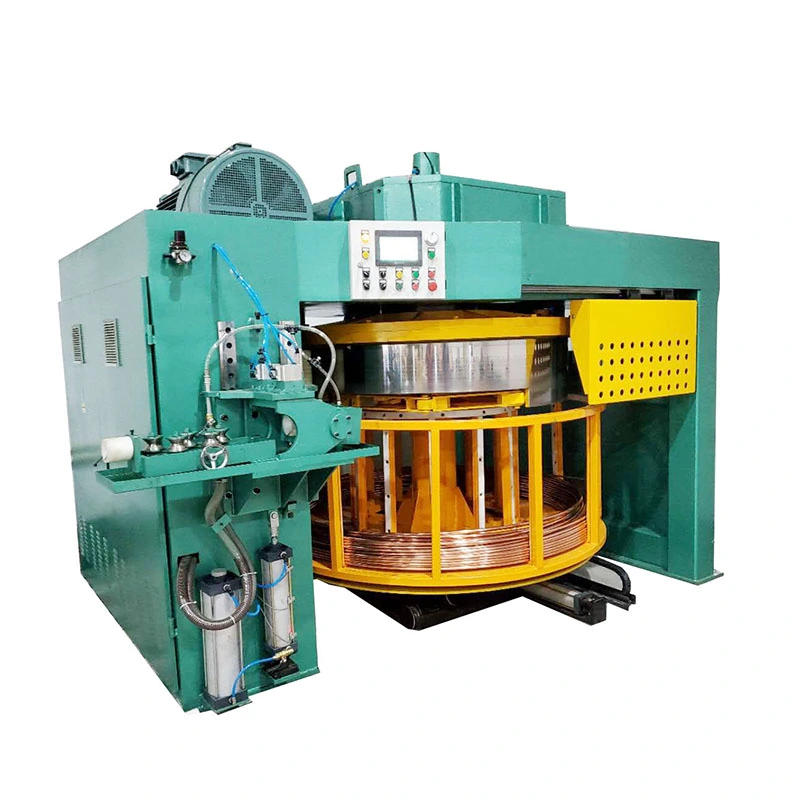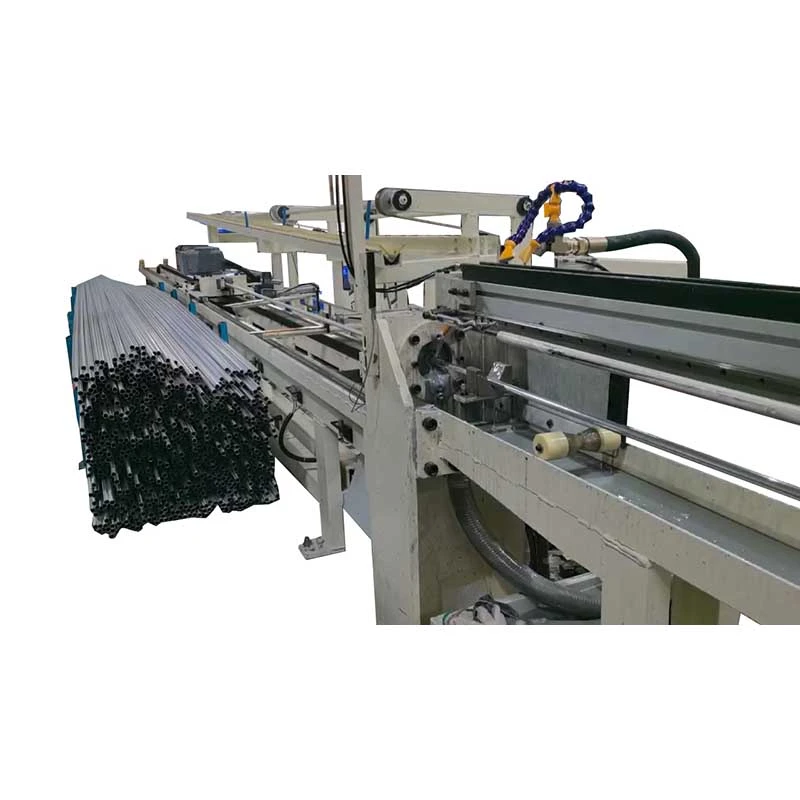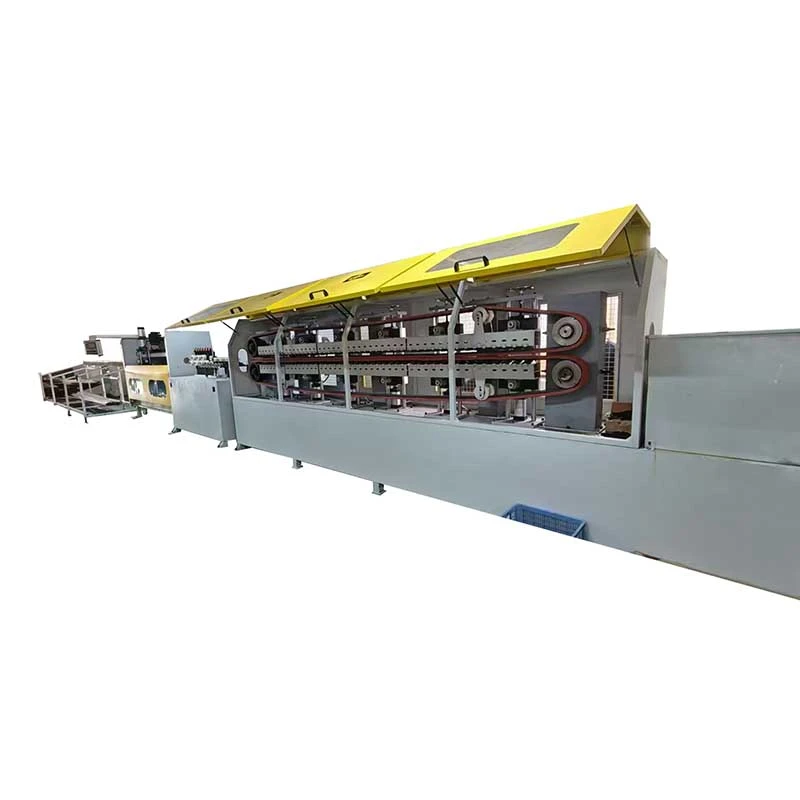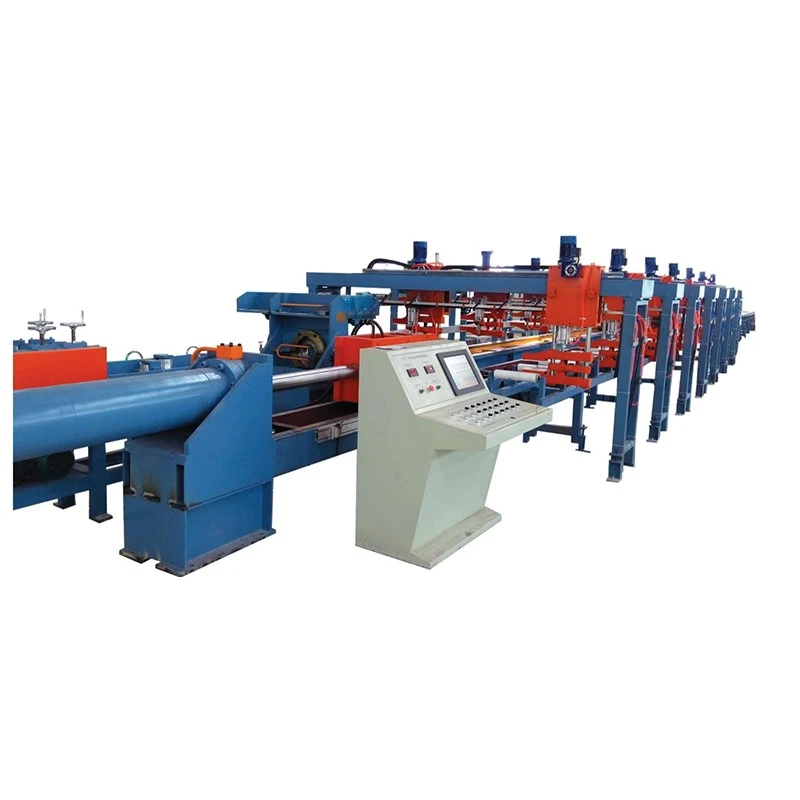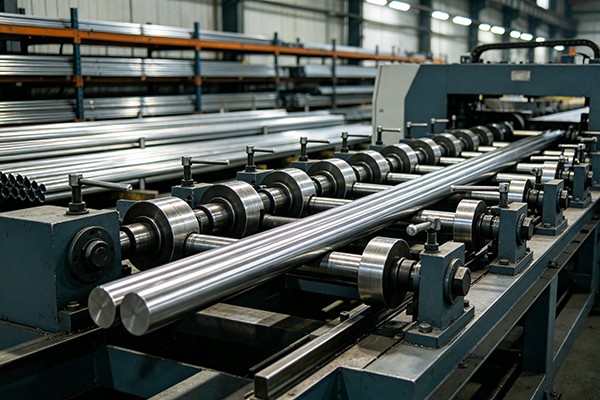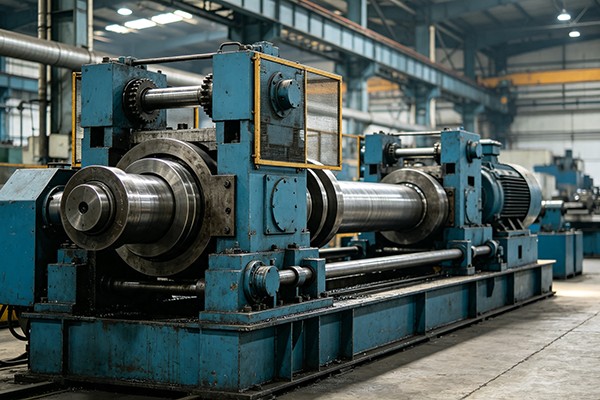

We offer a comprehensive range of precision metal processing equipment, including straightening, cold drawing, pointing, chamfering, cutting, thread rolling machines, and drawing dies, tailored for tube, bar, and wire materials across diverse industries.
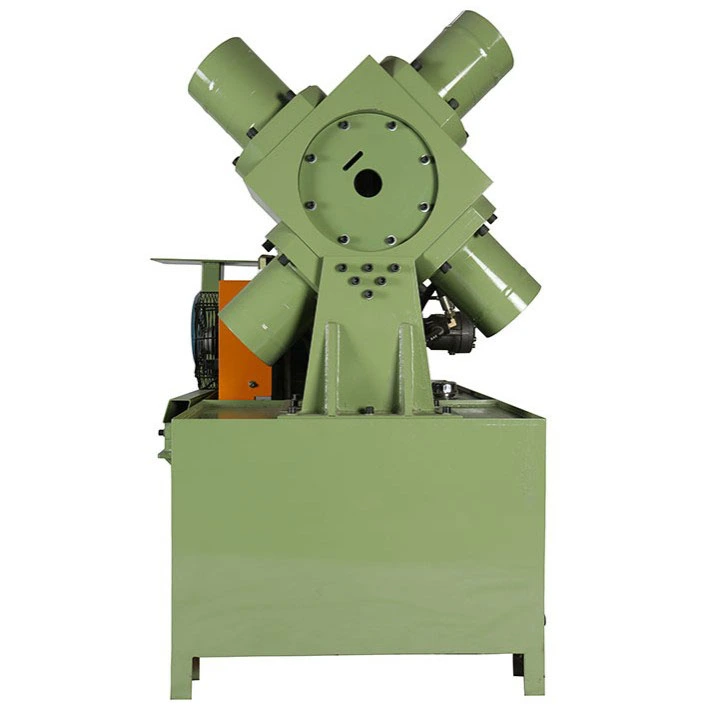
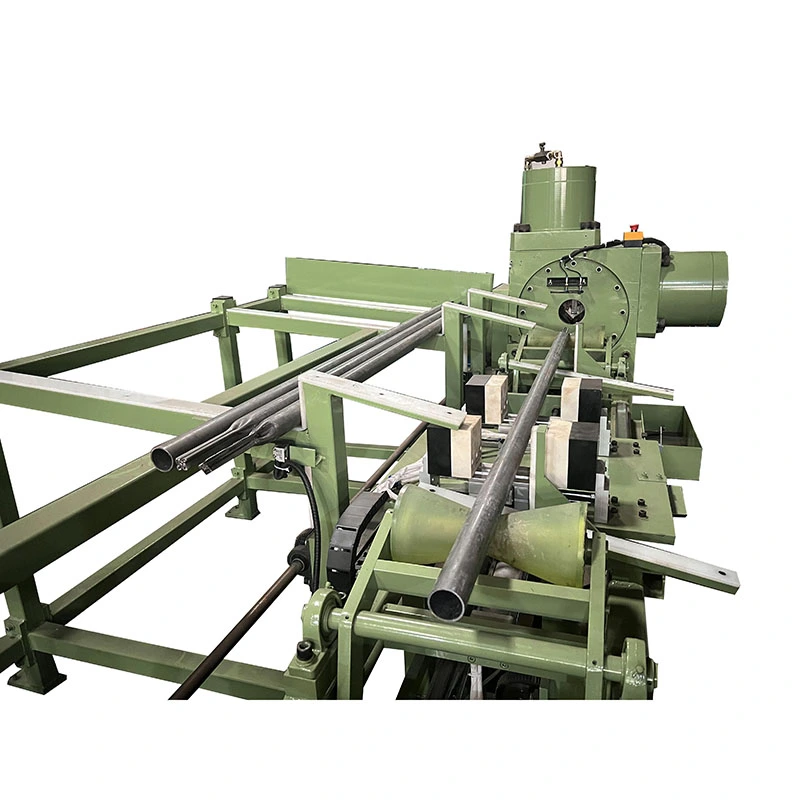
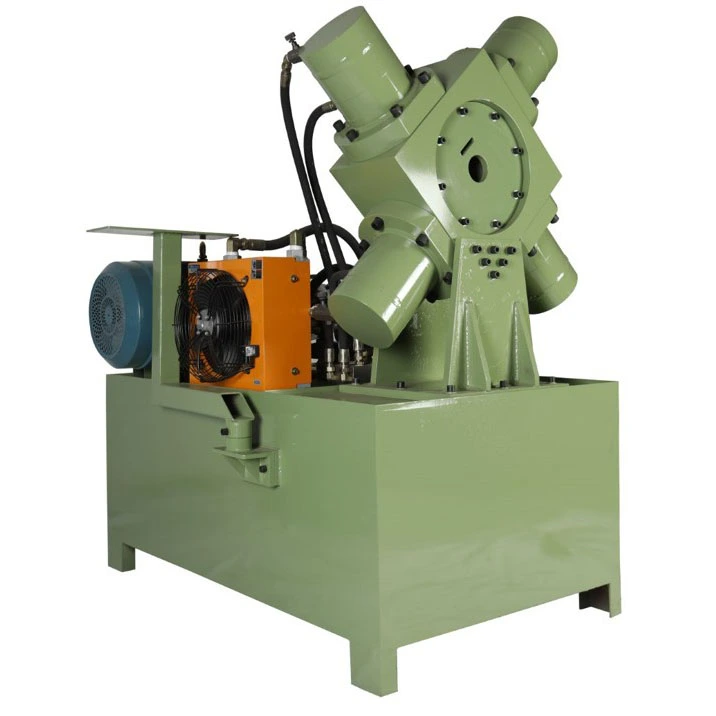
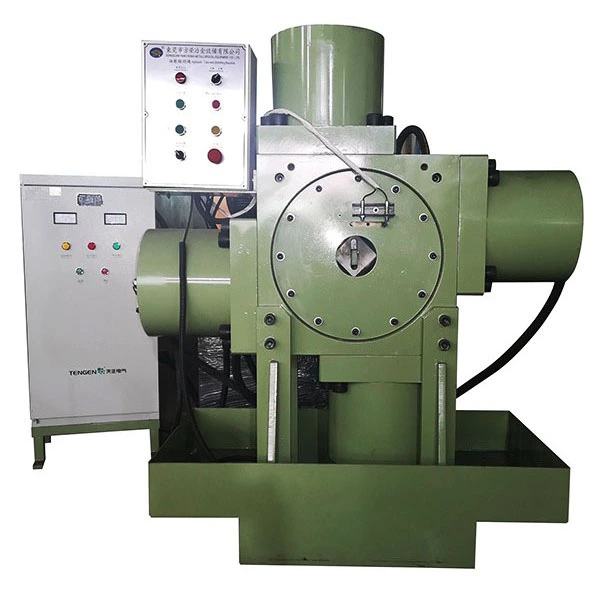
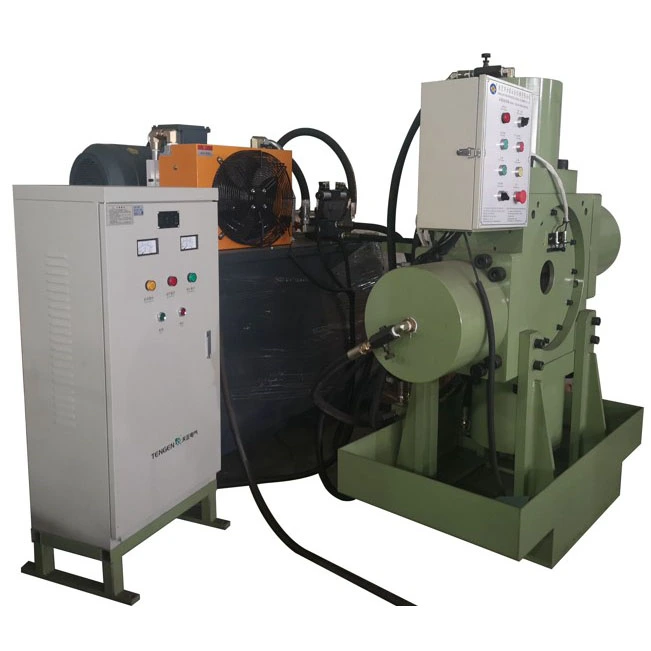
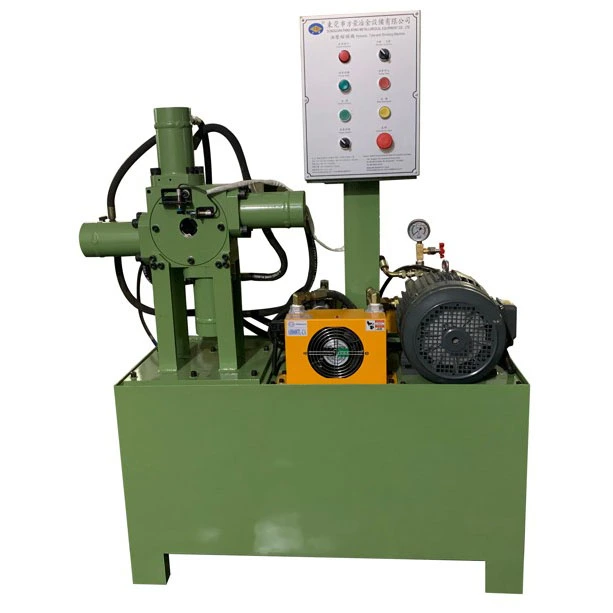
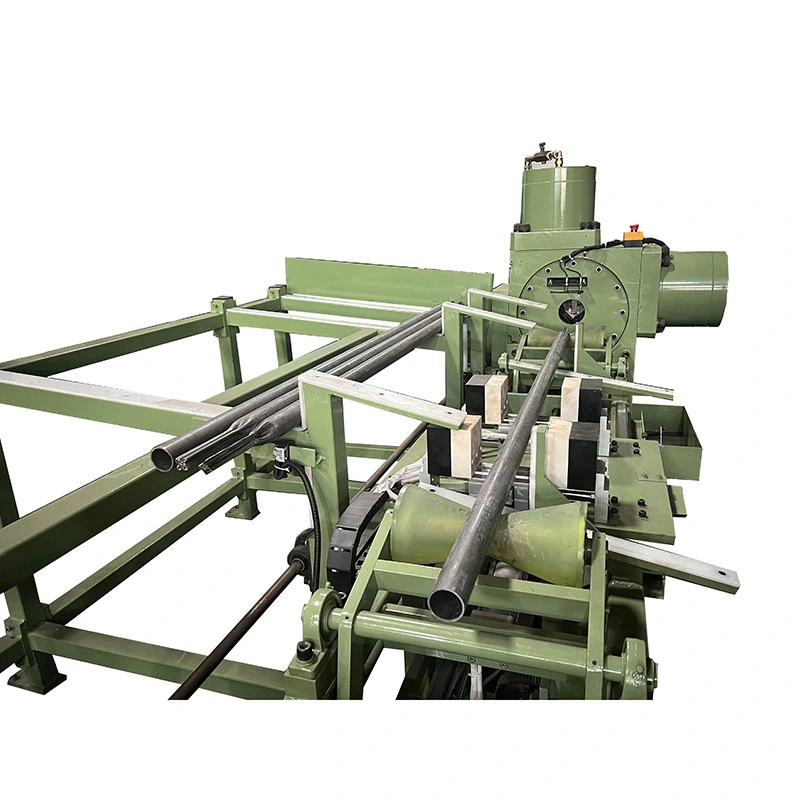
The Stainless Steel Hydraulic Four Dies Pointing Machine is used to reduce and taper the end of stainless steel pipes, tubes, bars, and profiles before cold drawing or other downstream forming processes. The prepared end gives the material a smaller section that can be introduced into the drawing die and gripped by the drawing equipment.
Instead of pressing the material from one or two directions, this machine uses four hydraulic cylinders to close four dies toward the centre at the same time. The forming force is distributed around the workpiece, which helps control eccentricity, oval deformation, and uneven marks during end reduction. It is suitable for stainless steel materials where end preparation needs to remain consistent from piece to piece.
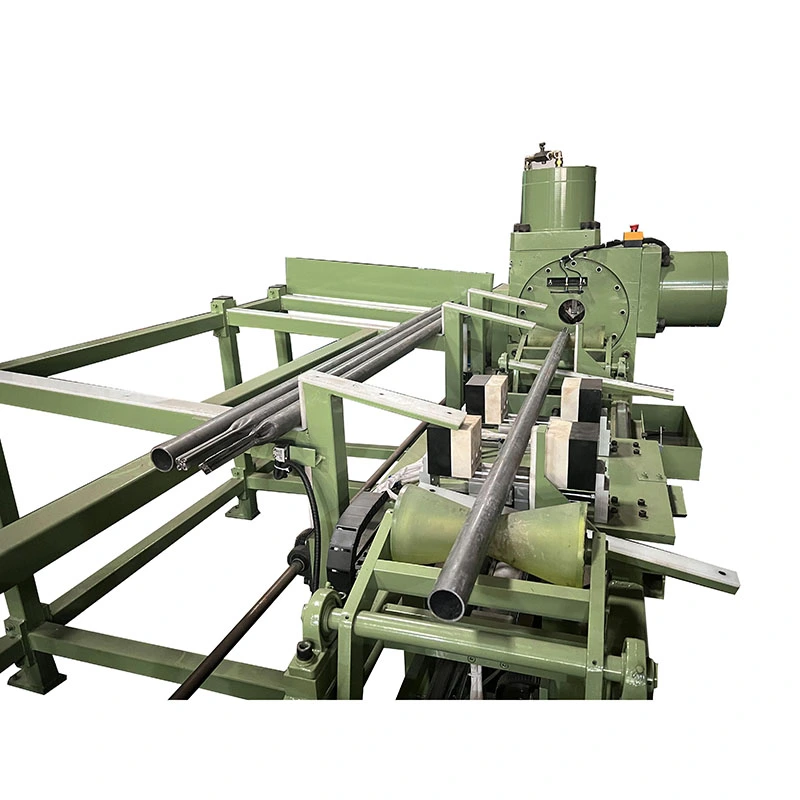
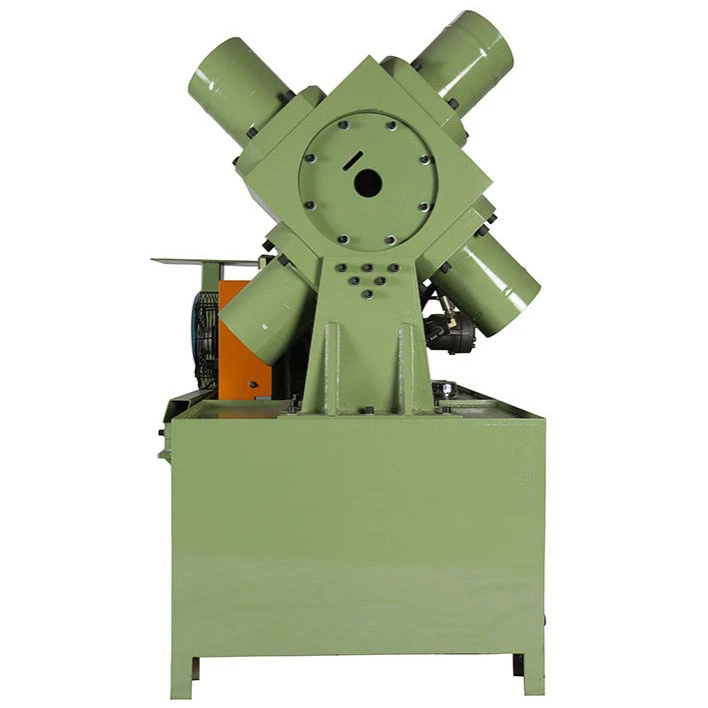
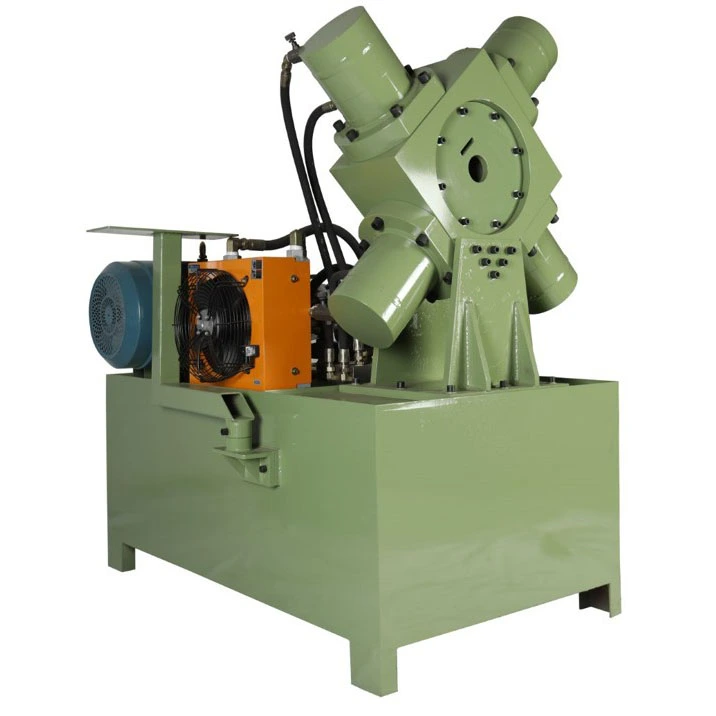
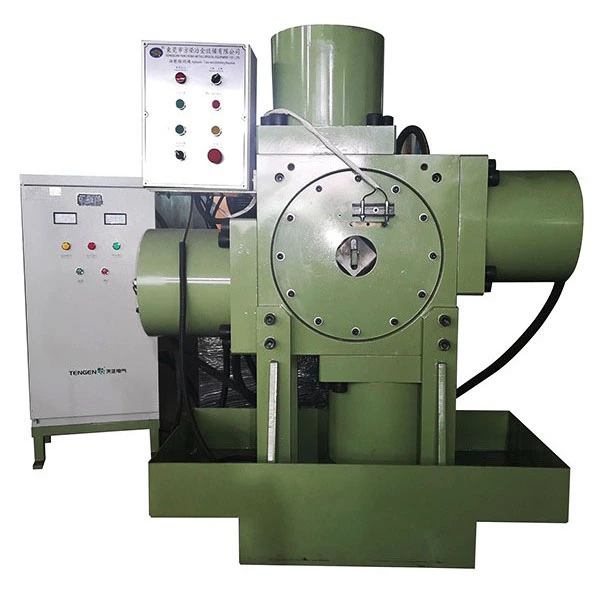
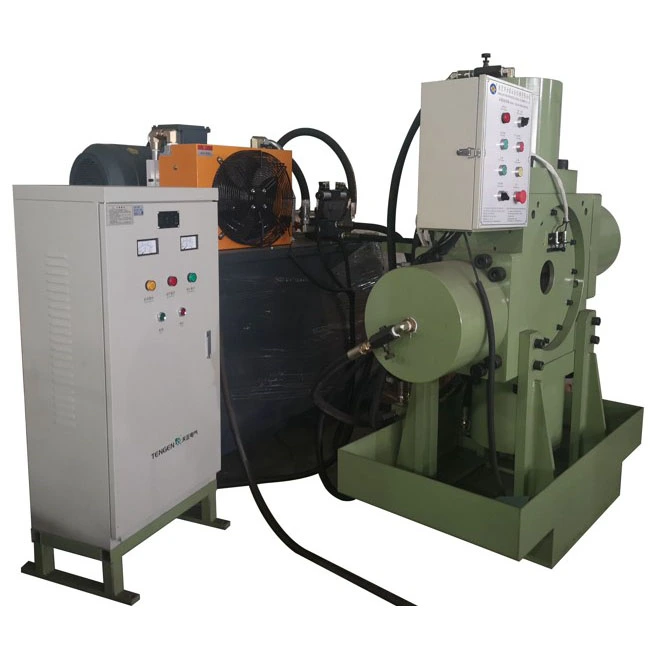
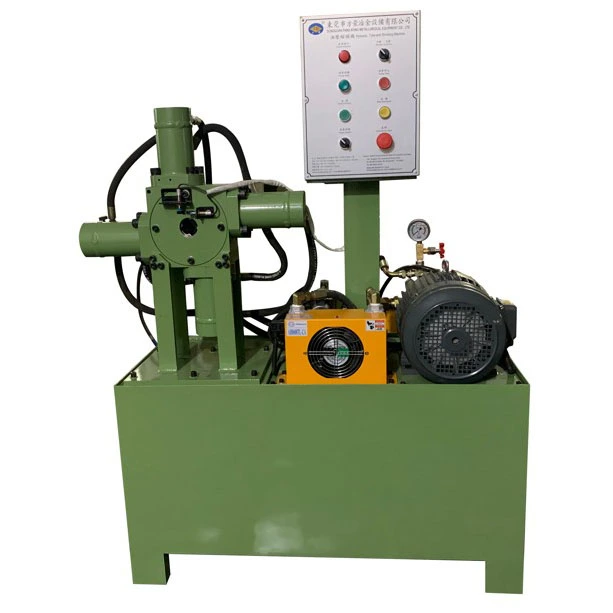
The stainless steel pipe, bar, or profile is positioned at the centre of the die set. When the forming cycle starts, four hydraulic cylinders move the dies inward simultaneously. The material is compressed from four sides and plastically deformed at the end until the required reduced or tapered section is obtained.
The four dies work as one forming unit rather than relying on a single pressing direction. This keeps the workpiece closer to the centre during forming and reduces the risk of an off-centre pointed end. After one forming cycle, the prepared end can be transferred to the next operation, such as cold drawing, pulling, or straightening, according to the production line.
For stainless steel tube processing, the forming result is not determined only by hydraulic force. The direction in which the force is applied also affects the shape of the reduced section. A four-die arrangement gives the material support from four directions, making it more suitable when the pointed end needs controlled geometry before drawing.
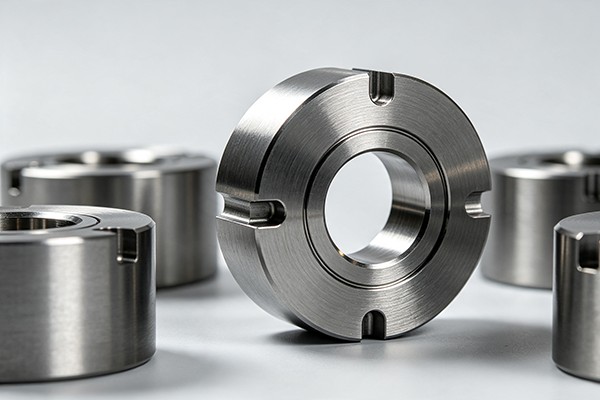
This configuration can reduce problems such as eccentric tube ends, excessive ovality, uneven deformation, and repeated forming. For production lines processing different stainless steel sizes, the use of replaceable dies also makes it possible to change the forming setup between production runs.
| Forming Method | Typical Consideration |
| Two-die forming | Force is concentrated from two directions, so material positioning and deformation control become more important. |
| Three-die forming | Adds another forming direction but still has an uneven number of dies around the workpiece. |
| Four-die forming | Four dies close toward the centre simultaneously, providing more evenly distributed forming pressure around the material. |
The model should be selected according to the actual material and production requirements rather than pipe diameter alone. Outer diameter, wall thickness, material strength, required pointed-end shape, and production volume all affect the required machine configuration and die design.
The standard FangRong range covers FR-25, FR-50, FR-100, FR-160, and FR-250. The available pointing range extends from φ25mm to φ250mm, while the specified wall thickness range reaches up to 40mm on the FR-250 model.
The following table gives the standard specifications of the Stainless Steel Hydraulic Four Dies Pointing Machine. The cylinder arrangement, motor power, machine size, and weight increase with the forming capacity of the model. Custom specifications can be provided according to material, tube size, and production requirements.
| Parameters of Hydraulic 4 Dies Pointing Machine | |||||
| Model | FR-25 Type | FR-50 Type | FR-100 Type | FR-160 Type | FR-250 Type |
| Pointing Range | φ25 | φ50 | φ100 | φ30-φ160 | φ250 |
| Wall Thickness | 0.5-2.0mm | 0.5-3.0mm | 0.5-5.0mm | 0.5-10mm | ≤40mm |
| Cylinder Diameter | φ63*φ25mm (4 cylinders) | φ200*φ30mm (4 cylinders) | φ250mm (4 cylinders) | φ350*φ150 (4 cylinders) | φ400*φ160 (4 cylinders) |
| Motor Power | 5.5 kW | 11 kW | 18.5 kW | 55 kW-4 | 90 kW-4 |
| Dimensions | 1200*620*1500mm | 600*1000*1300mm | 1400*900*1700mm (excluding oil tank) | 1800*1500*1500mm (excluding oil tank) | 2000*1500*2000mm (excluding oil tank) |
| Weight | 300 kg | 1000 kg | 3000 kg | 5000 kg | 6000 kg |
Custom specifications can be provided as needed. The table above is for reference only; actual parameters may vary by material type.
The pointed section is the connection between tube-end preparation and the following drawing operation. If the reduced end is off-centre, excessively oval, cracked, or dimensionally inconsistent, it can make die entry and gripping more difficult and increase the chance of rework.
The four-cylinder hydraulic arrangement helps keep the forming action more evenly distributed around the tube. Combined with machined guide surfaces and properly matched dies, the machine is intended to produce repeatable pointed ends for subsequent drawing and cold-processing operations.
The actual forming result still depends on the stainless steel grade, tube dimensions, wall thickness, reduction ratio, die design, and process settings. These factors should be confirmed before the final machine and tooling configuration is determined.
The Stainless Steel Hydraulic Four Dies Pointing Machine is used where stainless steel tube or bar ends need to be reduced before drawing, forming, or other downstream operations.
Stainless Steel Tube Manufacturing
Preparing tube ends before cold drawing so the material can enter the drawing die and proceed through the production line.
Precision Tube Processing
Used for stainless steel tubes requiring controlled end geometry before further sizing or cold working.
Automotive Components
Applicable to stainless steel tubes used in exhaust systems, fuel lines, structural components, and related parts.
Heat Exchanger and Boiler Tubes
Prepares tube ends for drawing and other precision tube manufacturing operations.
Food and Beverage Equipment
Used for sanitary stainless steel tubing and components where controlled tube dimensions are required.
Medical Tube Manufacturing
Supports the production of small and precision stainless steel tubes used in medical equipment and related applications.
Chemical and Petrochemical Equipment
Used in the processing of stainless steel tubing for fluid handling and industrial equipment.
Furniture and Decorative Tubes
Prepares stainless steel tube ends for furniture frames, handrails, architectural components, and similar products.
Hydraulic and Instrumentation Tubes
Used before further tube drawing and sizing where controlled tube geometry is required.
Metal Tube Drawing Plants
Installed as a preparation machine before cold drawing lines to reduce tube ends and improve the consistency of material entry into the drawing process.
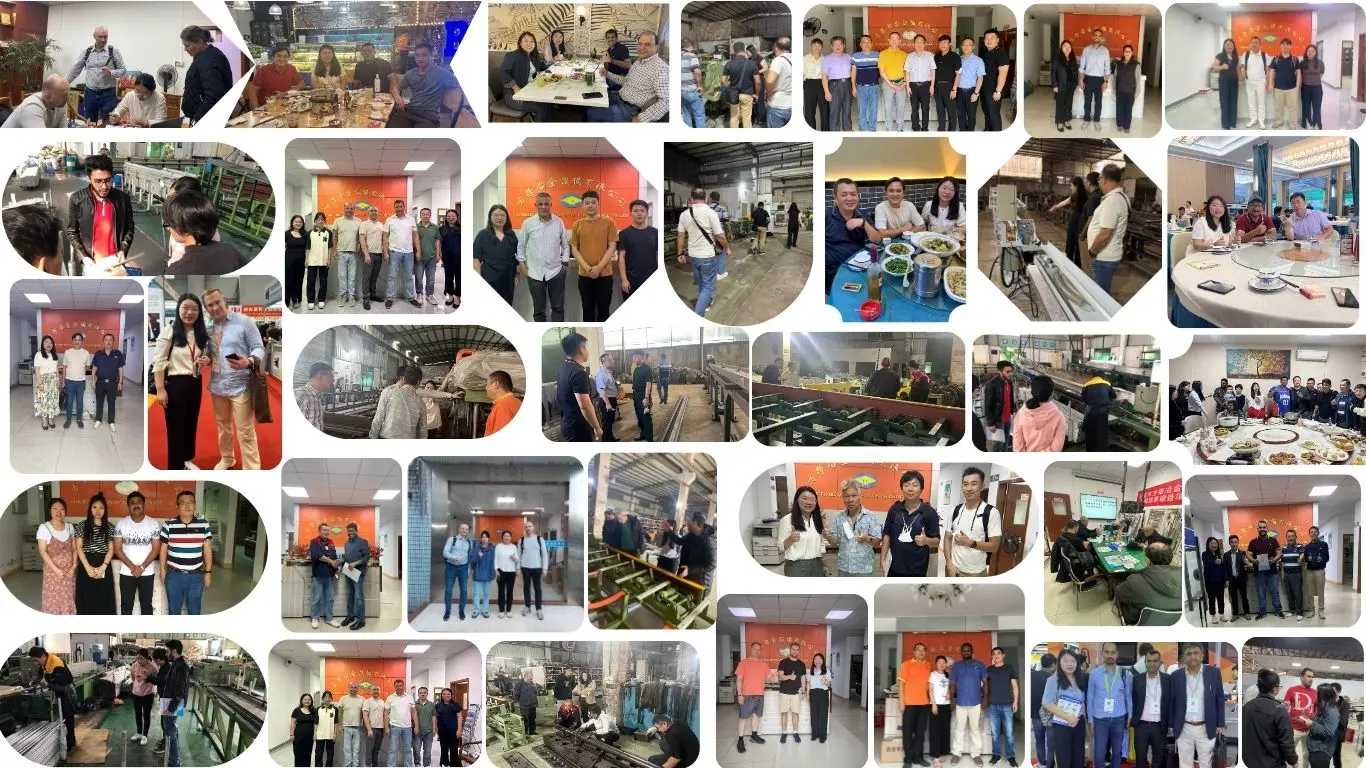
Fangrong was established in 1998 and has more than 26 years of experience in the design and manufacture of straightening machines, cold drawing equipment, and related metallurgical machinery. The company operates two manufacturing facilities in Guangdong Province: Dongguan Fangrong Metallurgical Equipment Co., Ltd. and Yangjiang Fangrong Machinery Co., Ltd.
Our equipment is used in more than 60 industries and has been supplied to more than 10,000 customers. Products have been exported to more than 60 countries and regions.
For machine development and production, FangRong carries out in-house testing covering machine performance, straightness accuracy, operational stability, and material compatibility. The company holds ISO 9001 certification and has patents covering equipment structures and related mechanical systems.
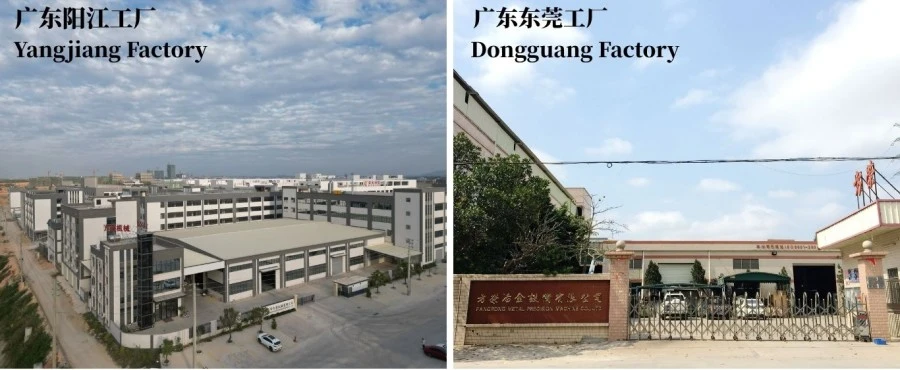
Dongguan Fangrong Metallurgical Equipment Co., Ltd. is located in Dalang Town, Dongguan City, Guangdong Province. It serves as the company's headquarters and primary manufacturing base, producing precision cold drawing machines, straightening machines, thread rolling equipment, and related metal processing machinery.
Yangjiang Fangrong Machinery Co., Ltd. is located in Yangdong District, Yangjiang City, Guangdong Province. The facility expands manufacturing capacity and supports equipment production and delivery.
Design and Drawing Confirmation
The machine structure and hydraulic system are confirmed according to the required model, pointing range, forming capacity, and customer application before production.
Material and Component Inspection
Steel plates, hydraulic cylinder barrels, hoses, electrical components, and die-grade tool steel are inspected for material grade, hardness, dimensions, and other specified requirements.
Frame Fabrication
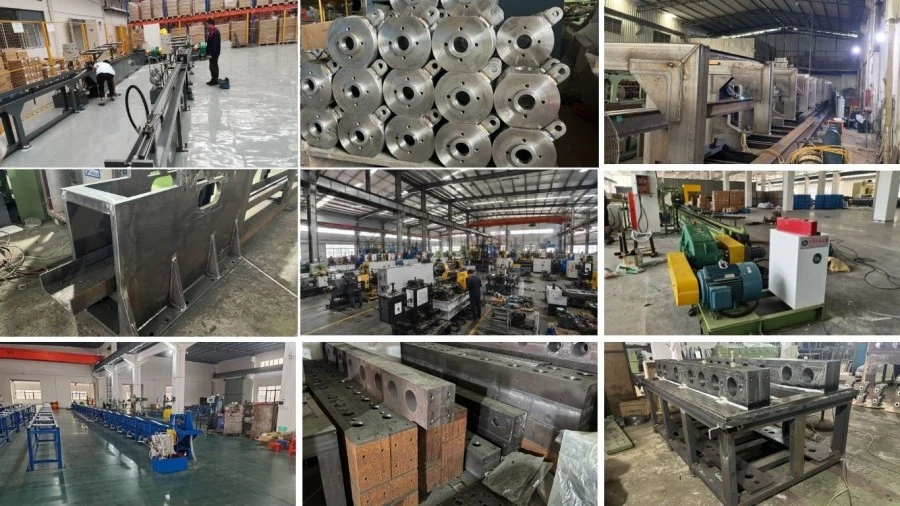
Frame plates, cylinder components, and tube sheets are cut according to the approved drawings. Welding is carried out using automatic or semi-automatic processes, followed by overall annealing or stress-relief treatment to reduce residual welding stress.
Precision Machining
Key areas such as guide rails, cylinder holes, and die mounting surfaces are CNC machined to maintain the required fitting accuracy.
Hydraulic and Electrical Assembly
Hydraulic cylinders, oil pumps, valve blocks, piping, electrical controls, and die assemblies are installed and connected as a complete four-cylinder synchronous forming system.
Machine Testing
Each machine undergoes no-load and load testing. The inspection covers cylinder synchronization, hydraulic movement, travel, forming operation, and the resulting dimensions and surface condition of the formed material.
Final Inspection and Surface Treatment
The finished machine is checked for appearance, dimensions, forming results, hydraulic sealing, and other specified requirements before surface painting and rust protection.
Export Packaging
The equipment is reinforced with wooden crate or steel-frame packaging according to shipping requirements. Moisture and impact protection are applied where required, with manuals and certificates supplied with the machine.
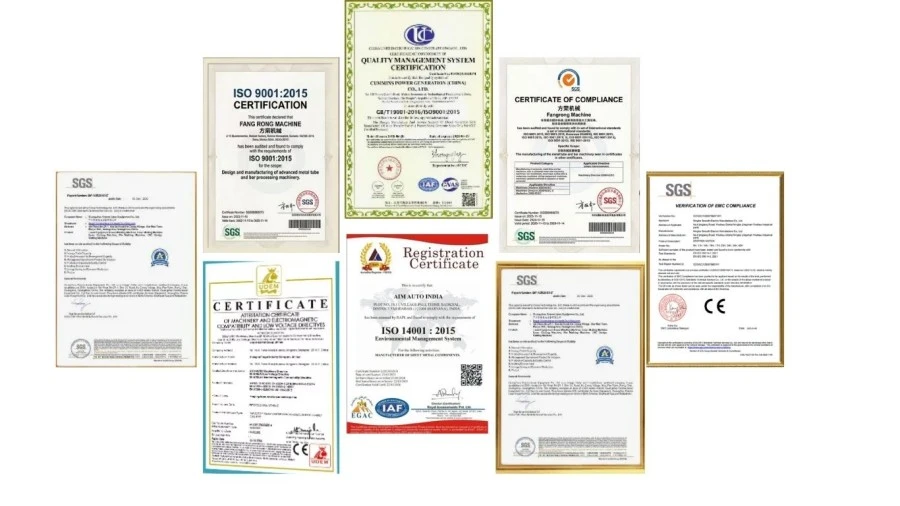
ISO9001:2015 — Quality management system covering design, production, installation, and service. Certificate No. UQ231211R1.
CE Mark — Compliance with Machinery Directive 2006/42/EC, including emergency stops, two-hand controls, and light curtains.
SGS Inspection — Independent inspection and verification covering specified machine performance and safety requirements.
National Patents — FangRong holds 32 invention patents and more than 100 utility model patents. Examples include 2013207829011 for a chain tensioning device, 2008300532117 for a multi-strand die holder, and ZL2015 2 0842922.7 for a quick-change mandrel system.
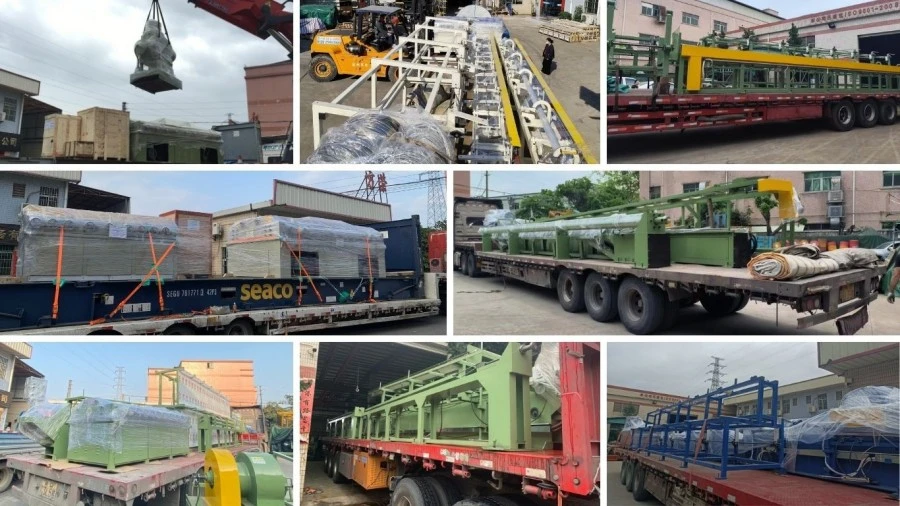
Before shipment, the machine is inspected and prepared according to its final configuration. Wooden crates or reinforced steel-frame packaging can be used according to machine size and transportation requirements. Hydraulic and electrical components are protected during handling, while operating manuals and relevant certificates are supplied with the equipment.
Q: What materials can the four-die pointing machine process?
A: The machine is mainly used for stainless steel and carbon steel round pipes, tubes, and solid round bars. Special cross-sections can also be considered with customised dies according to the material and forming requirements.
Q: How do I choose between FR-25, FR-50, FR-100, FR-160, and FR-250?
A: Start with the maximum outside diameter and wall thickness of the material to be processed. Material grade, required pointed-end shape, production volume, and forming requirements should also be considered before confirming the model.
Q: What is the advantage of four hydraulic dies?
A: Four dies close toward the centre from four directions, distributing the forming force more evenly around the workpiece. This helps control eccentricity and oval deformation during end reduction.
Q: Can the Stainless Steel Hydraulic Four Dies Pointing Machine prepare tube ends for cold drawing?
A: Yes. End reduction is one of its main applications. The pointed section is formed so the tube can enter the drawing die and be gripped by the downstream drawing equipment.
Q: Can the dies be changed for different tube sizes?
A: Yes. The machine uses replaceable forming dies, and the tooling configuration can be selected according to tube diameter, material, and required end shape.
Q: Can you manufacture a non-standard machine?
A: Yes. Custom specifications can be discussed according to tube dimensions, wall thickness, material, pointing requirements, and production conditions. The standard table should be used as a reference rather than the final configuration for every application.
Q: What is the standard delivery time?
A: Standard models may be available from stock or can generally be shipped within 30 days. Non-standard customised machines usually require 30-60 days, depending on the confirmed configuration and order requirements.
Q: What is the minimum order quantity?
A: A single machine can be ordered. FangRong also accepts enquiries from factories, traders, and distributors requiring multiple units.
Q: What payment methods are available?
A: T/T bank transfer, L/C letter of credit, and other agreed payment methods can be supported. Final terms are confirmed in the sales contract.
Q: What warranty is provided?
A: The machine normally includes a one-year warranty. Faults caused by manufacturing or quality issues during the warranty period can be repaired or have the affected parts replaced according to the warranty terms. Spare parts and paid technical service are available after the warranty period.
Q: Do you provide installation and operator training?
A: Operation manuals and video tutorials are provided. Installation, commissioning, and technician guidance can also be arranged when required.
Q: Can we check the actual pointing result before placing an order?
A: Yes. FangRong can provide processing videos or sample finished products. Customers can also arrange a factory visit to inspect the equipment and discuss the application with the technical team.
Q: Are spare parts and consumables available after purchase?
A: Common replacement parts such as forming dies, seals, and hydraulic pumps can be supplied. For continuous production, keeping commonly used consumables and critical spare parts available can help reduce unexpected downtime.
Address
NO.163,Shatong Road,Shabu 2nd Industrial Zone, Dalang Town, Dongguan City, Guangdong, China