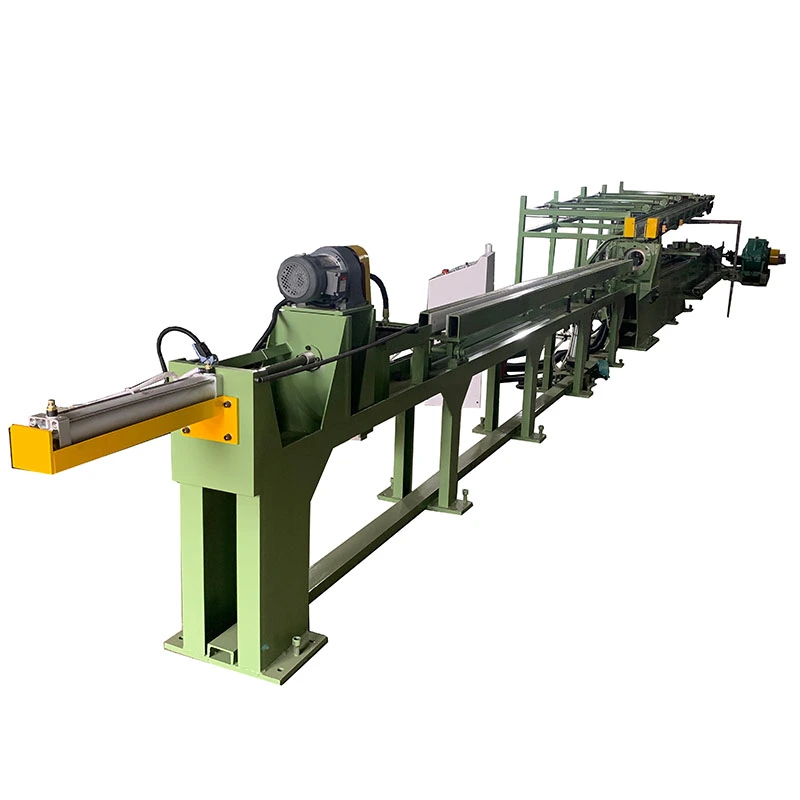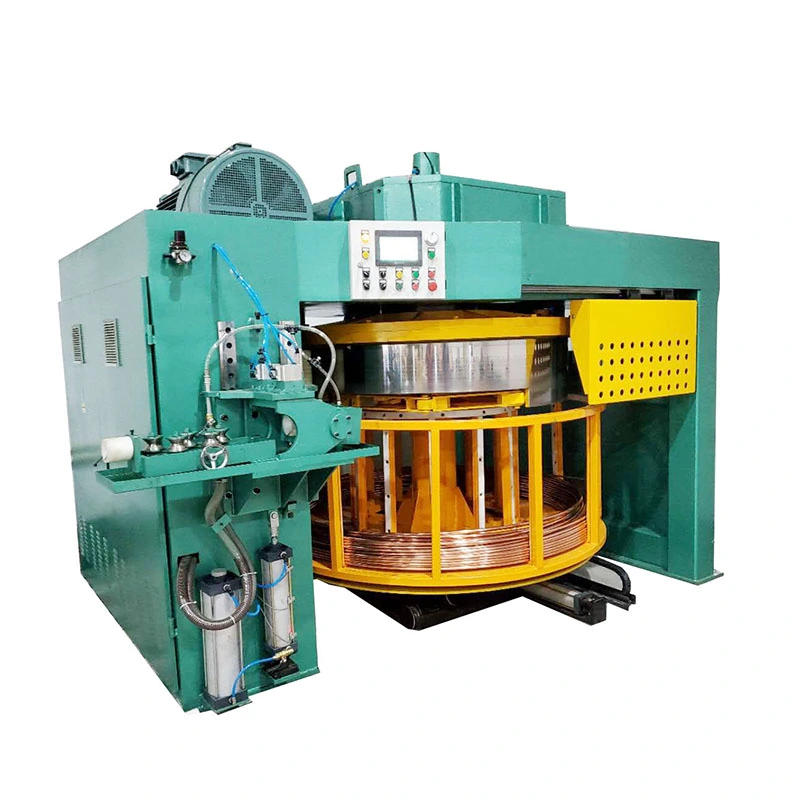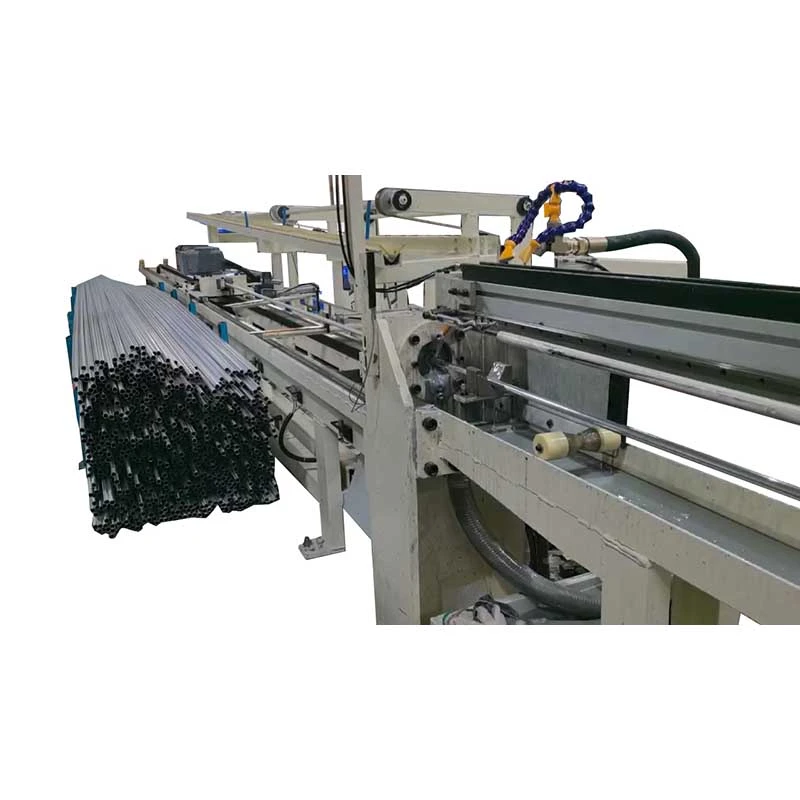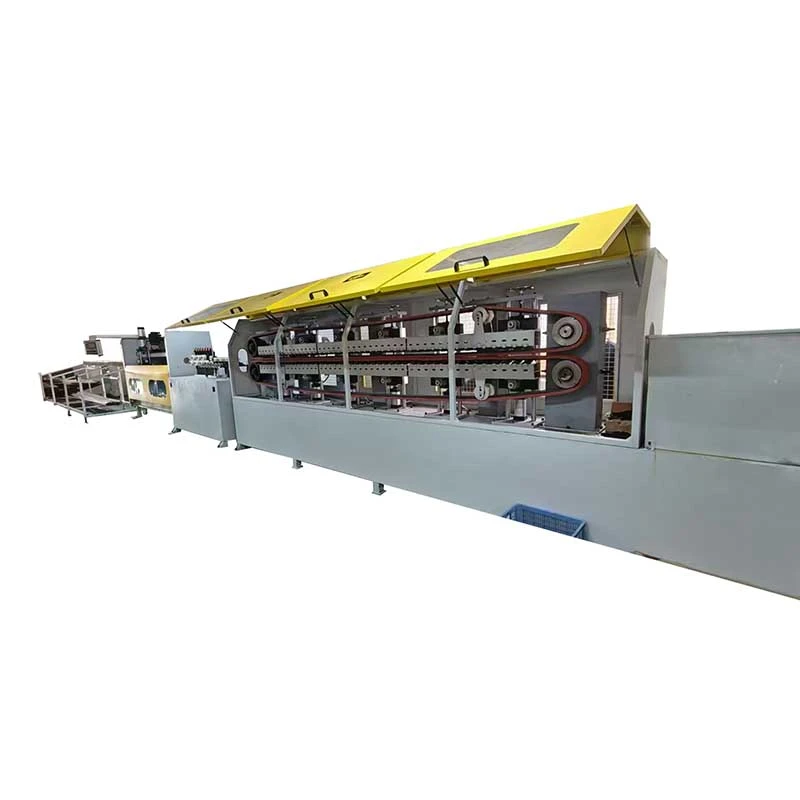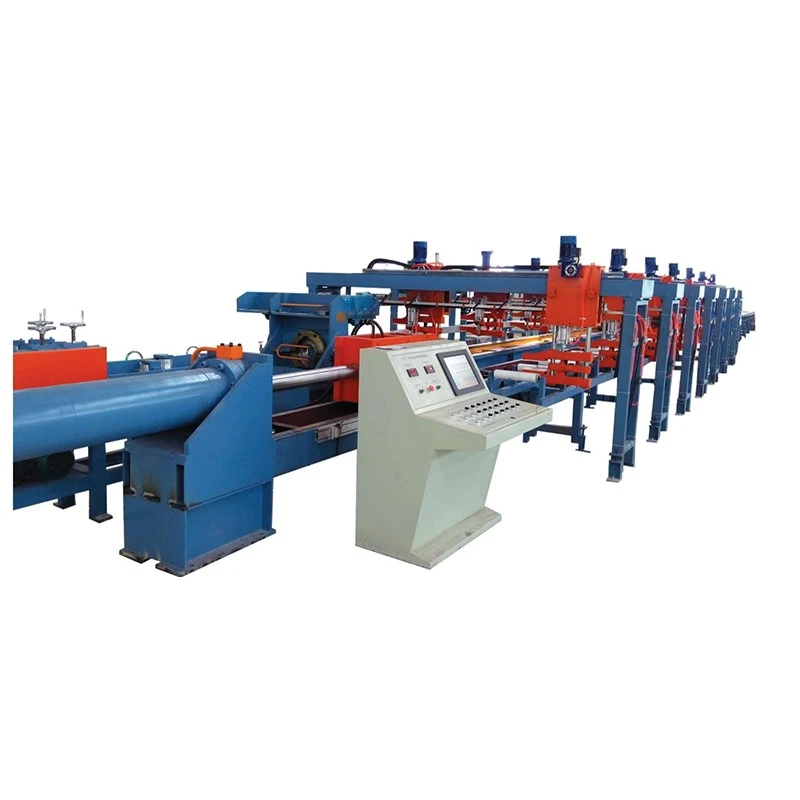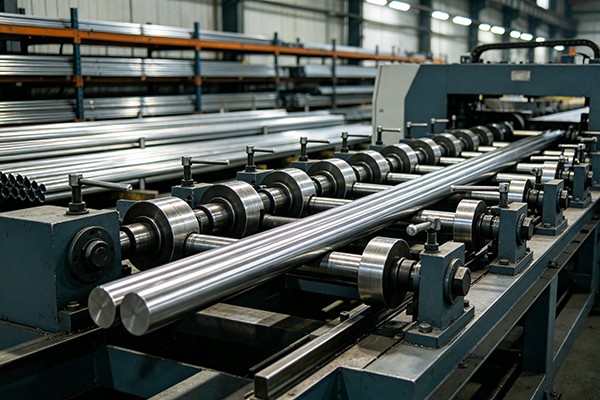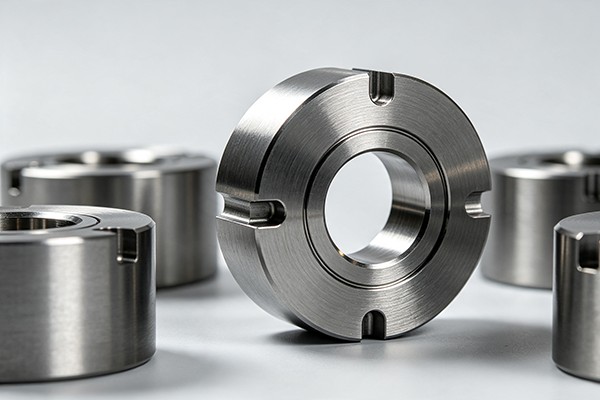

We offer a comprehensive range of precision metal processing equipment, including straightening, cold drawing, pointing, chamfering, cutting, thread rolling machines, and drawing dies, tailored for tube, bar, and wire materials across diverse industries.
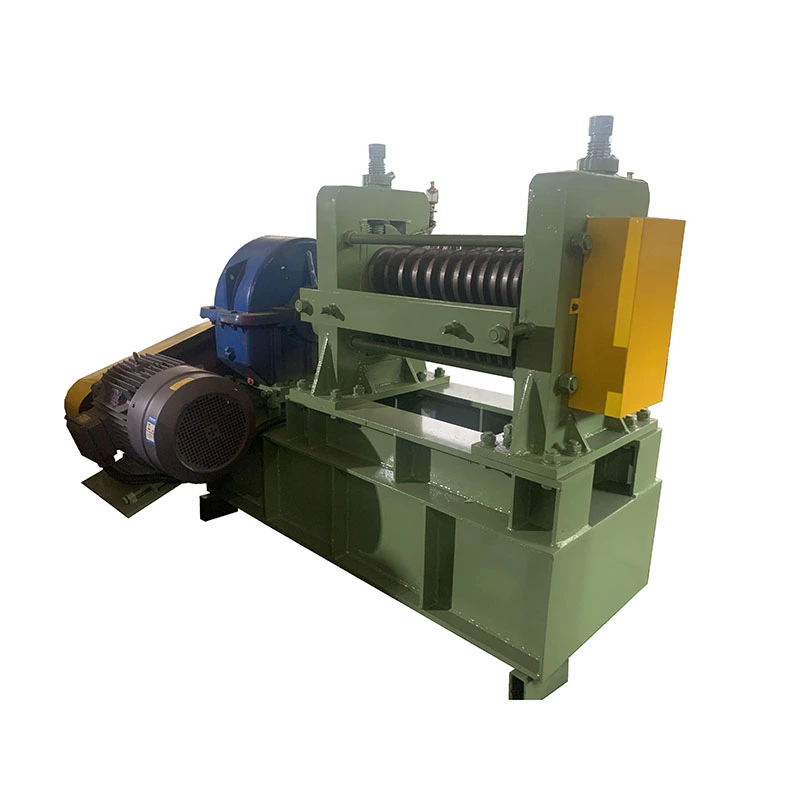
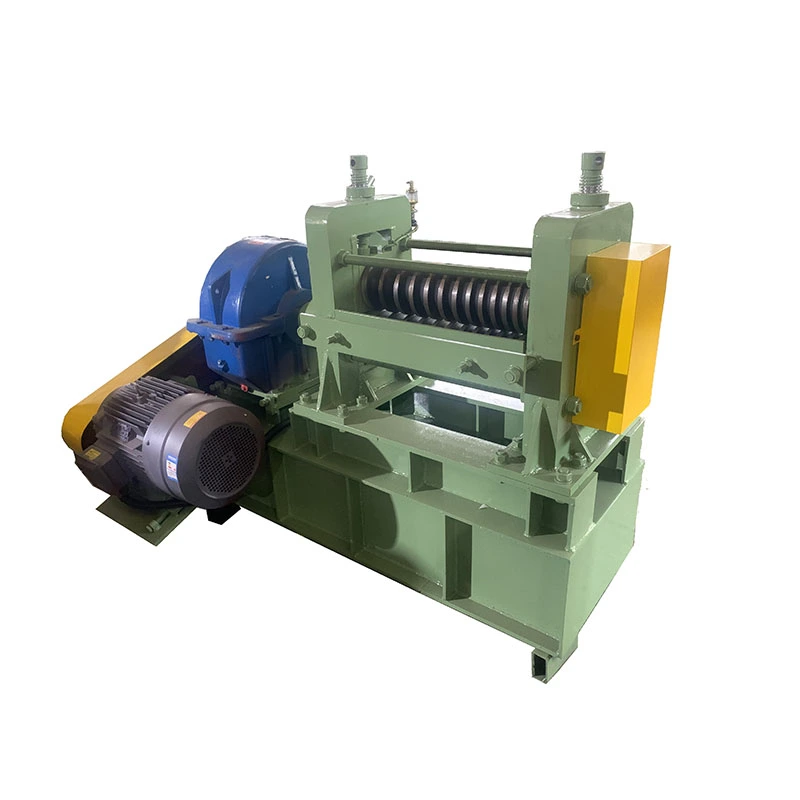
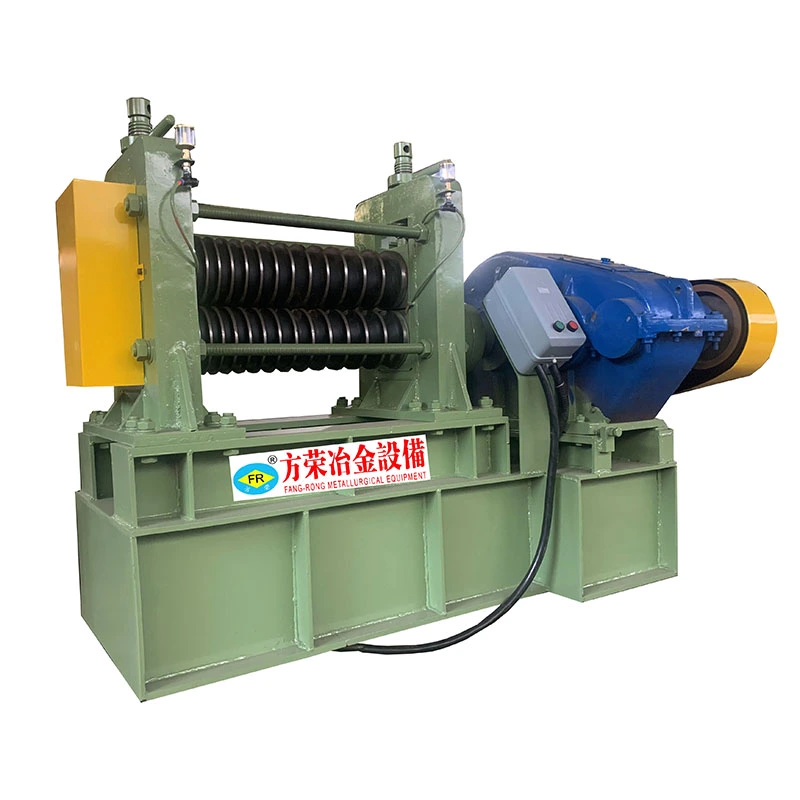
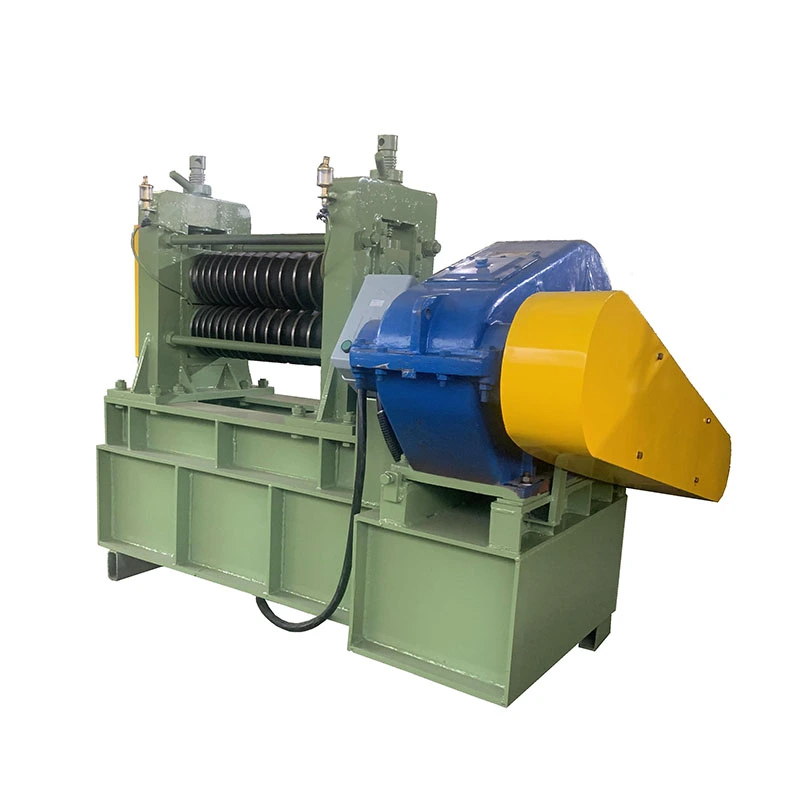
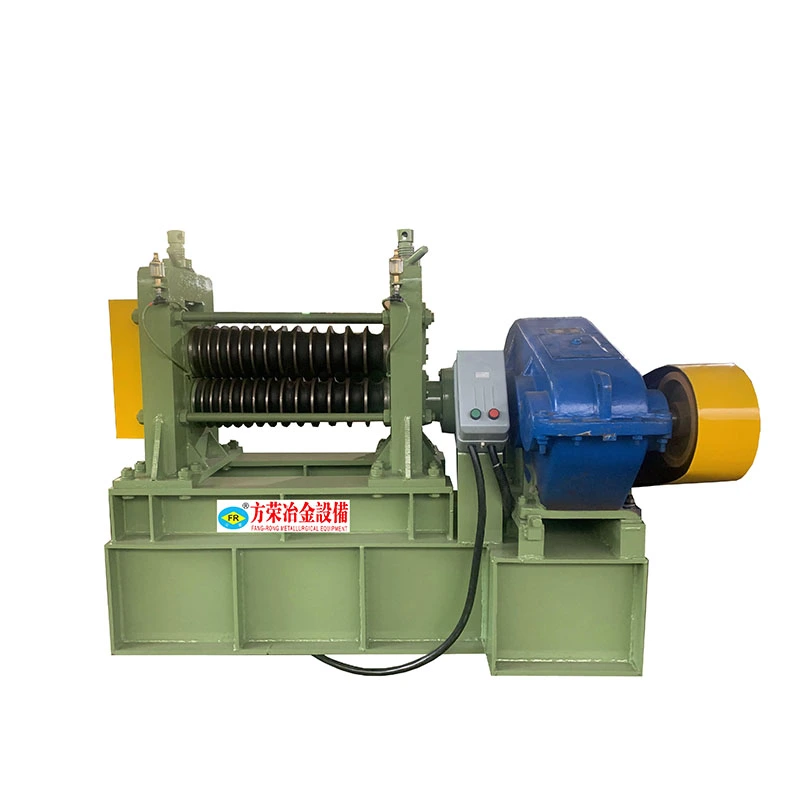
Carbon steel rods are not always ready to enter a cold drawing die directly. The front section needs to be reduced first so that it can pass through the die opening and provide enough length for the drawing machine to hold.
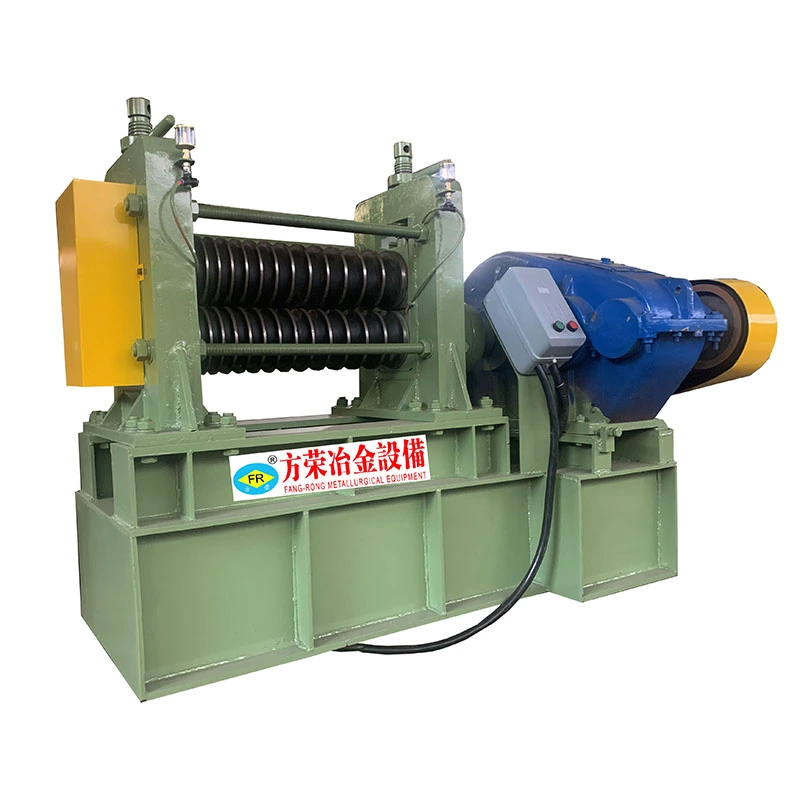
The Carbon Steel Rod Pointing Machine is used for this preparation. It works on the rod end before drawing, reducing the diameter and forming a tapered section without cutting the end away. This makes it a practical choice for rod and bar manufacturers that need a repeatable preparation process before cold drawing.
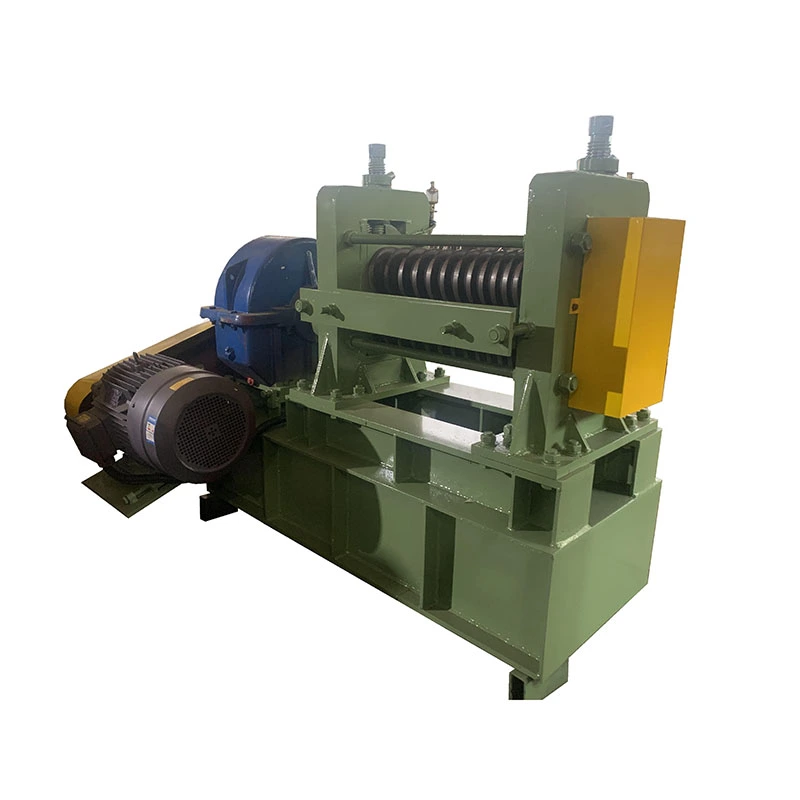
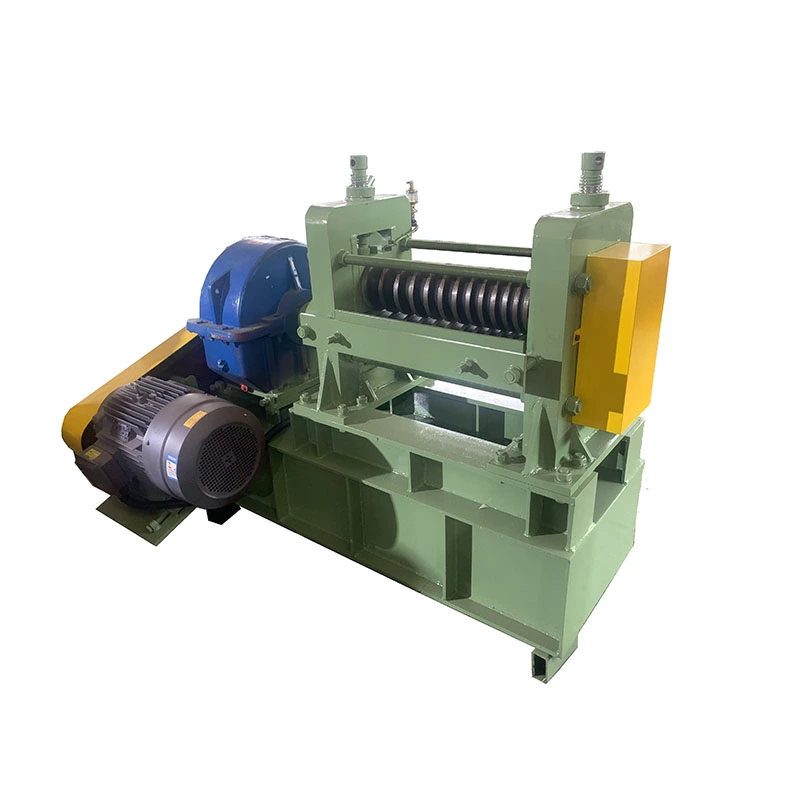
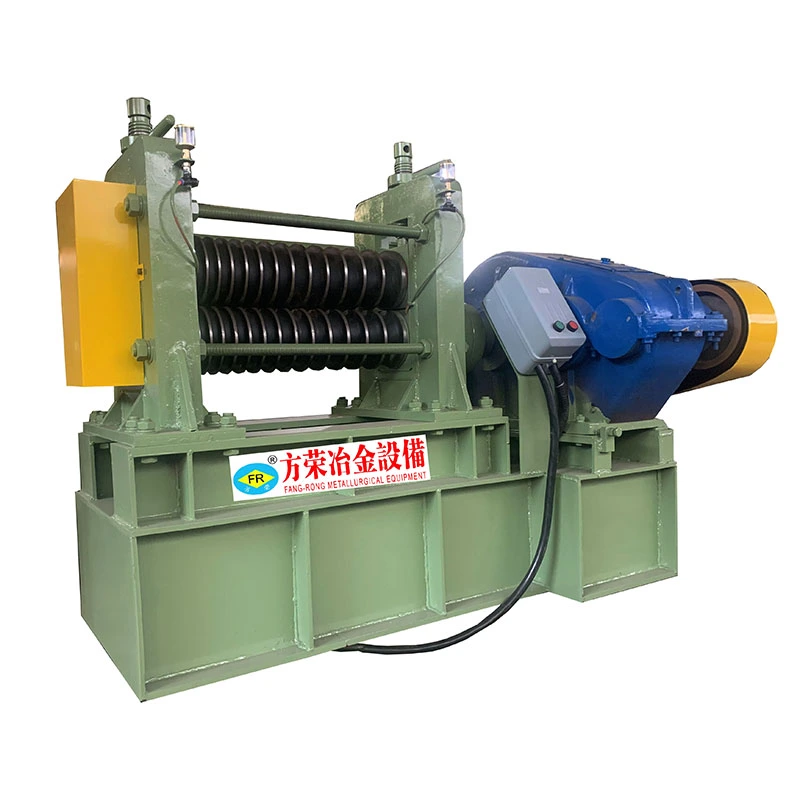
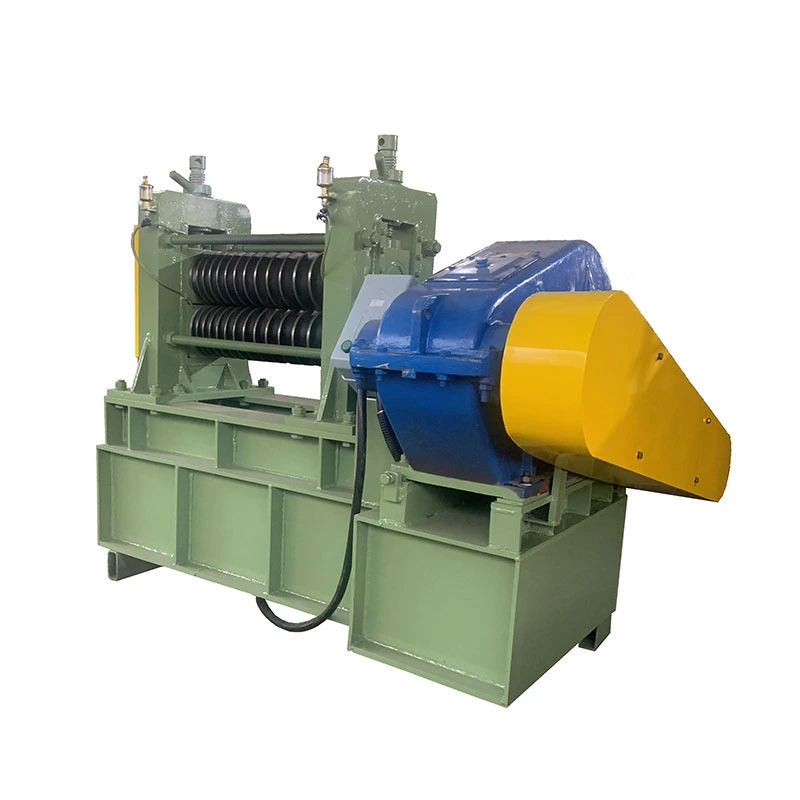
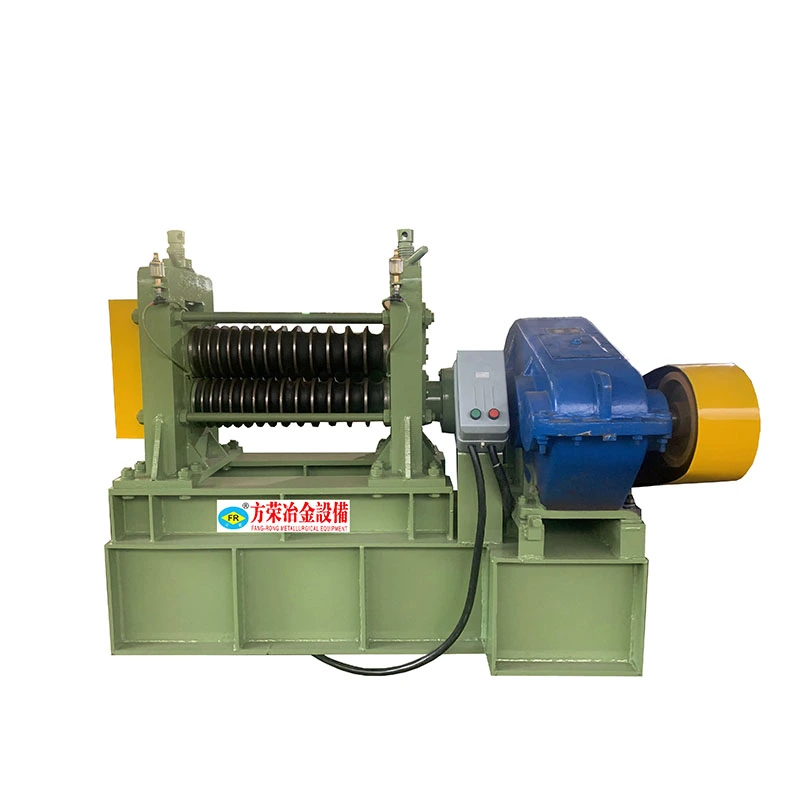
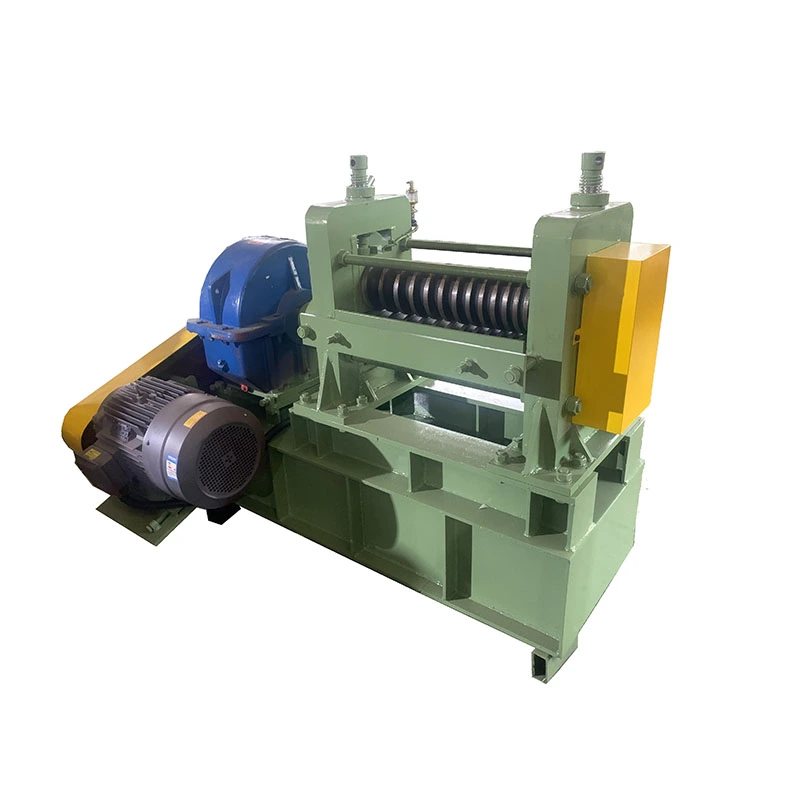
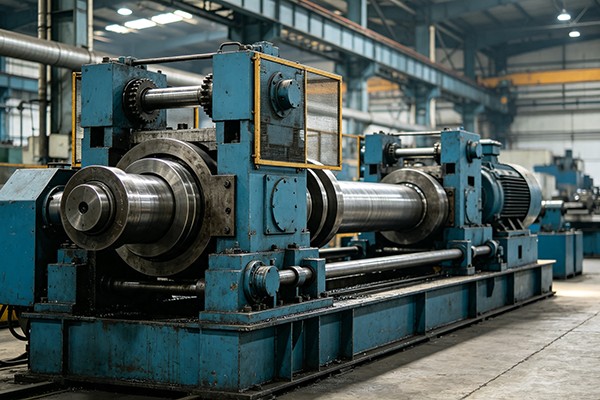
Inside the machine, the rod is worked between two hardened alloy steel rollers. The rollers rotate under the drive of the motor and gearbox, while the grooves on the roller surfaces progressively reduce the diameter of the rod end.
The material is formed by rolling instead of being cut off. As the rod moves through the grooves, the end becomes smaller and tapered. The roller configuration can include different groove sizes, allowing the machine to work with more than one rod diameter within its specified range.
The pointing operation is a small part of the overall drawing process, but an inconsistent rod end can create problems at the die entrance. Operators may need to spend additional time grinding or reshaping the material, while poorly formed ends can make feeding and gripping more difficult.
Using a dedicated pointing machine moves this preparation into a controlled mechanical process. The result is a more consistent starting end, less manual preparation and a smoother handover to the cold drawing machine.
The Carbon Steel Rod Pointing Machine is built around the pointing rollers, drive unit and supporting frame. The frame is made from welded steel construction to provide the rigidity required during rolling. The rollers use heat-treated alloy steel for repeated contact with carbon steel rods.
Model selection is mainly determined by the rod diameter that needs to be pointed. Fangrong provides models covering Ø2 mm to Ø100 mm, with roller diameter, motor power and reducer capacity matched to different working ranges.
For production involving several rod sizes, the multiple-groove roller arrangement allows the operator to use different grooves according to the workpiece diameter. This avoids having to select a completely different machine for every size within the applicable range.
The FR series includes eleven models from FR-10 through FR-100. Machine weight ranges from 160 kg for the smallest model to 4 tons for the largest model. The following specifications can be used as a starting point for equipment selection.
| Model / Parameters | Pointing Range | Roller Diameter | Motor Power | Reducer Model | Dimensions | Weight | Center Height |
| FR-10 | φ2~10 | φ81 | 2.2kw | ZQ200 | 750×550×1100mm | 160kg | 870mm |
| FR-15 | φ3~16 | φ126 | 5.5kw | ZQ350 | 1100×700×1200mm | 550kg | 850mm |
| FR-20 | φ6~20 | φ126 | 7.5kw | ZQ350 | 1100×700×1200mm | 580kg | 850mm |
| FR-25 | φ10~25 | φ135 | 11kw | ZQ400 | 1170×700×1200mm | 600kg | 850mm |
| FR-30 | φ10~30 | φ156 | 11kw | ZQ400 | 1500×900×1300mm | 1.4 ton | 850mm |
| FR-40 | φ15~40 | φ168 | 15kw | ZQ500 | 1700×1450×1400mm | 1.7 ton | 850mm |
| FR-50 | φ15~50 | φ175 | 18.5kw | ZQ500 | 1820×1700×1450mm | 2 ton | 850mm |
| FR-60 | φ30~60 | φ203 | 22kw | ZQ500 | 2000×2100×1550mm | 2.8 ton | 850mm |
| FR-70 | φ40~70 | φ224 | 30kw | ZQ650 | 2000×2100×1550mm | 3 ton | 870mm |
| FR-80 | φ40~80 | φ224 | 37kw | ZQ750 | 2000×2100×1550mm | 3.5 ton | 890mm |
| FR-100 | φ50~100 | φ224 | 45kw | ZQ850 | 2000×2100×1550mm | 4 ton | 910mm |
Custom configurations are available according to the material, rod diameter and production requirements. The data above is for reference; final specifications should be confirmed according to the actual workpiece.
This equipment is generally installed before cold drawing and is suitable for carbon steel rod and bar processing. Common applications include steel wire production, bright steel bar processing, fastener manufacturing, welding rod production and spring steel processing.
It can also be used by manufacturers producing construction steel products, automotive components and other drawn or formed metal products. Depending on the line layout, the pointing machine can work as a separate preparation station or be arranged ahead of an automatic drawing system.
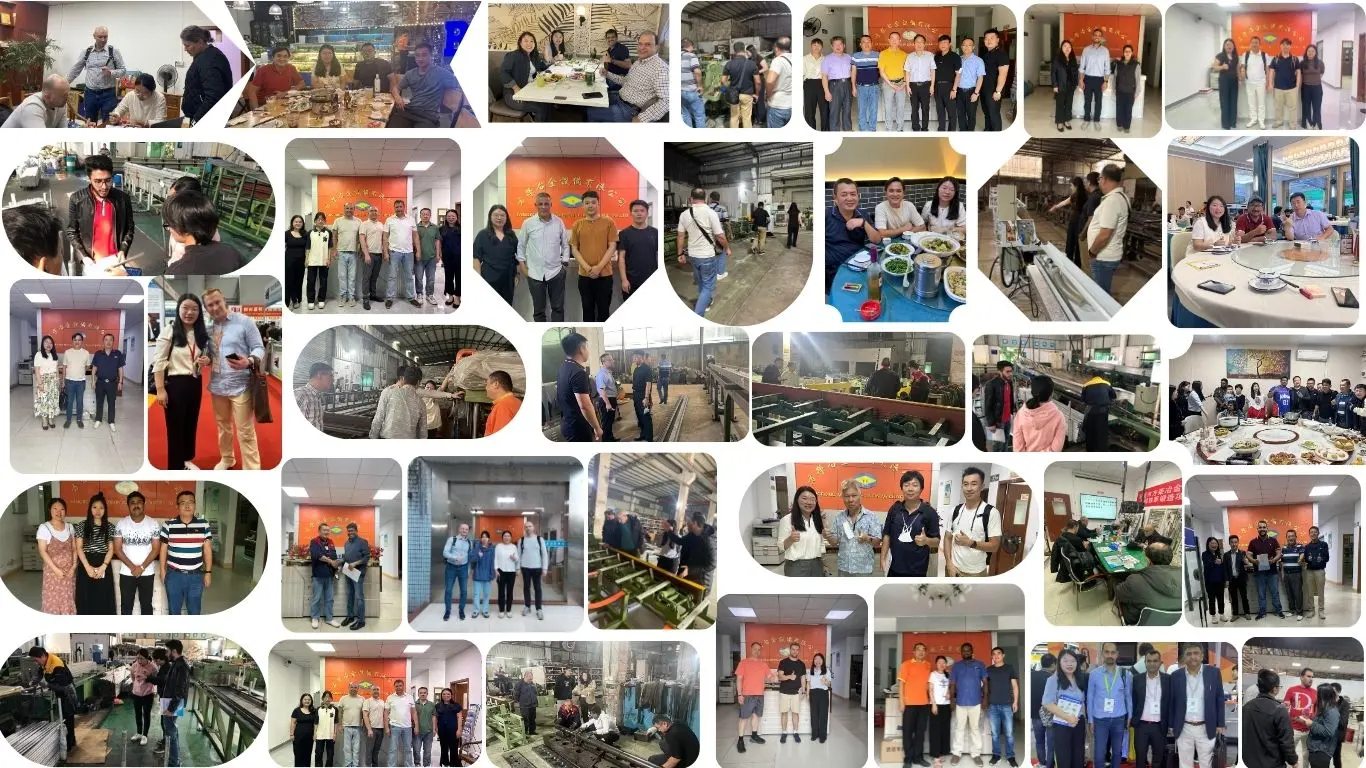
Fangrong started in 1998 and has focused on straightening machines, cold drawing equipment and related metallurgical machinery for more than 26 years. The company has two manufacturing facilities in Guangdong Province: Dongguan Fangrong Metallurgical Equipment Co., Ltd. and Yangjiang Fangrong Machinery Co., Ltd.
The equipment supplied by Fangrong is used in more than 60 industries. More than 10,000 customers have purchased Fangrong equipment, with machines exported to more than 60 countries and regions.
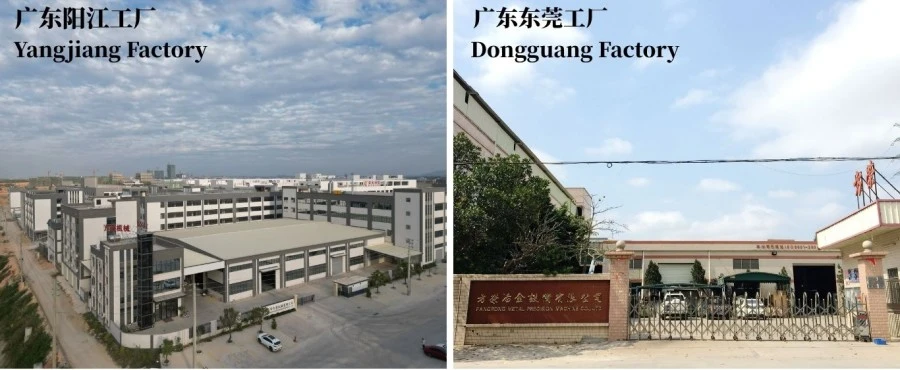
Dongguan Fangrong Metallurgical Equipment Co., Ltd. is located in Dalang Town, Dongguan City. It is the headquarters and main manufacturing base for precision cold drawing machines, straightening machines and thread rolling equipment.
Yangjiang Fangrong Machinery Co., Ltd., located in Yangdong District, Yangjiang City, provides additional manufacturing capacity and supports equipment production and delivery.
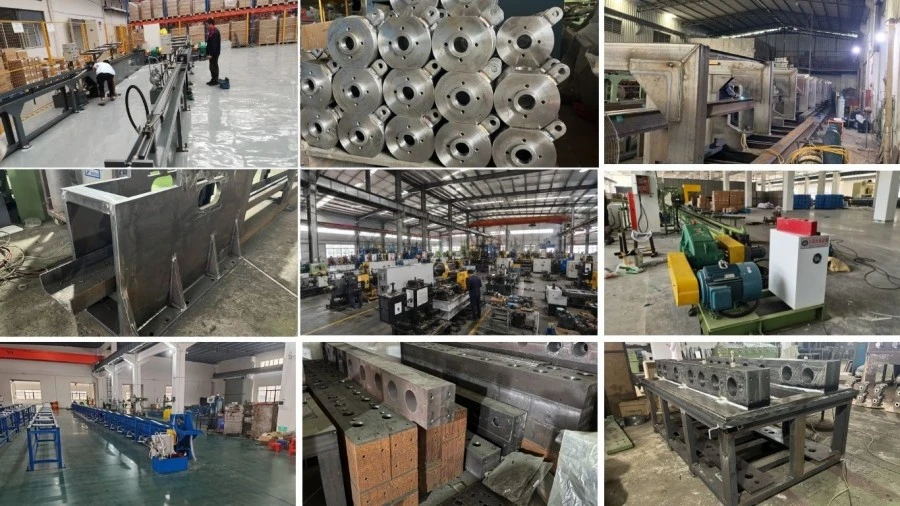
The Carbon Steel Rod Pointing Machine model and working range are confirmed against the customer's rod diameter, material and production requirements before manufacturing drawings are released.
Steel sections and plates are cut according to the drawings and welded into the machine frame. The welded structure is treated to reduce residual stress before machining and assembly.
The pointing rollers are machined to the required groove dimensions and heat treated according to the mechanical requirements of the application. Roller condition and dimensions are checked before installation.
The frame, rollers, motor, reducer and transmission components are fitted together. Alignment and mechanical movement are checked during assembly to ensure the rollers operate correctly.
Before shipment, the complete machine is operated and inspected. The test covers drive operation, roller movement, machine stability and the resulting pointed rod end.
After final inspection, exposed machine surfaces receive protective treatment. The equipment is then secured with reinforced wooden crate or steel-frame packaging according to the shipping requirements.
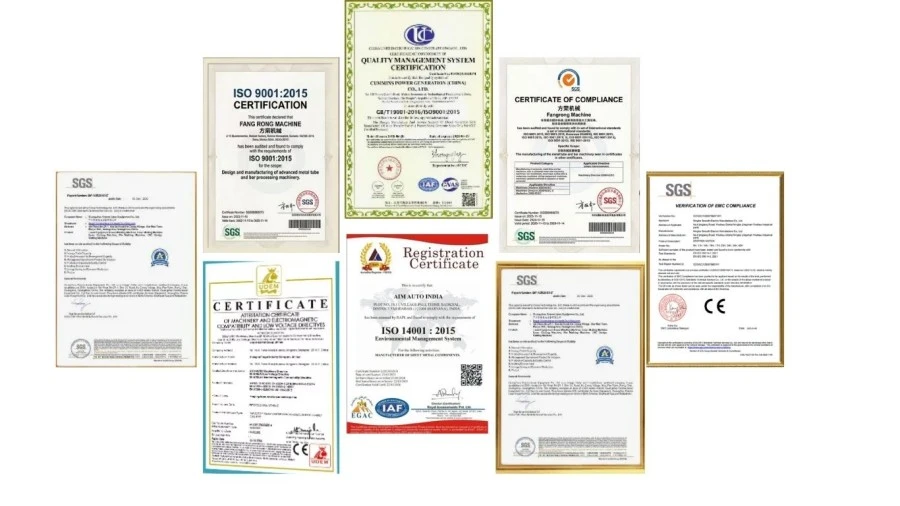
ISO9001:2015 — Quality management system covering design, production, installation and service. Certificate No. UQ231211R1.
CE Mark — Machinery compliance according to the applicable Machinery Directive 2006/42/EC requirements, including relevant safety functions.
SGS Inspection — Independent inspection support for equipment performance and safety verification.
National Patents — Fangrong holds 32 invention patents and more than 100 utility model patents. Examples include 2013207829011 for a chain tensioning device, 2008300532117 for a multi-strand die holder and ZL2015 2 0842922.7 for a quick-change mandrel system.
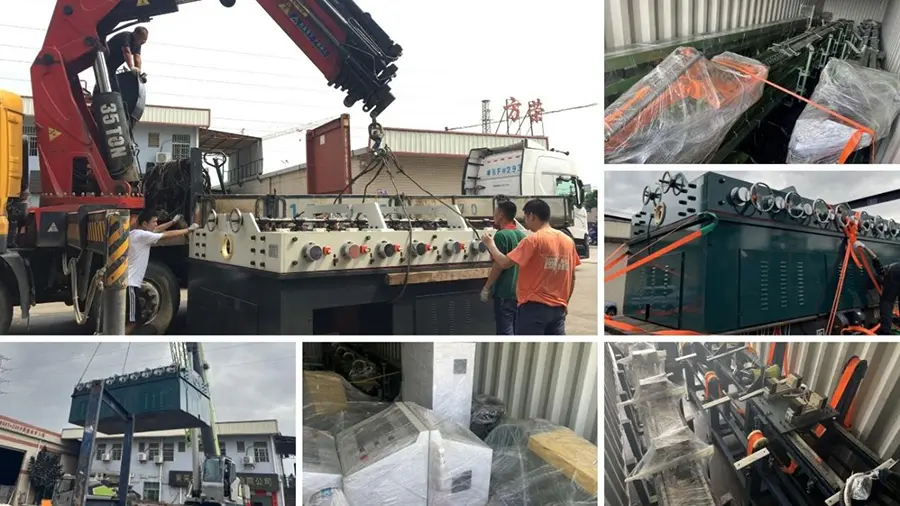
Packaging is selected according to the machine's dimensions, weight and shipping method. Heavy equipment can be reinforced with a steel frame, while wooden crate packaging can be used to protect components during handling and transportation. Operating manuals, certificates and related documents are supplied with the machine.
Q1. What carbon steel rod sizes can be pointed?
The FR series covers approximately Ø2 mm to Ø100 mm. Each model has its own working range, so the rod diameter should be confirmed before selecting the machine.
Q2. Which model should I choose for my production?
The first consideration is the actual rod diameter range. Material type, rod length, production volume and whether the machine will be installed in an automatic drawing line should also be provided when requesting a quotation.
Q3. Can one machine process several rod diameters?
Yes. The rollers can have multiple grooves for different rod sizes within the applicable working range.
Q4. Does the Carbon Steel Rod Pointing Machine cut off the rod end?
No. The pointing process reduces and forms the rod end through the grooved rollers instead of cutting the end away.
Q5. Why is pointing needed before cold drawing?
The reduced end allows the rod to enter the drawing die and gives the drawing equipment a section that can be gripped. This is especially useful when the starting rod diameter is larger than the die opening.
Q6. Can it be used with an automatic drawing line?
Yes. The machine can be operated separately or incorporated into a production line with automatic feeding and cold drawing equipment.
Q7. What information is needed for a quotation?
Please provide the carbon steel material type, rod diameter range, rod length, required output and the planned production-line arrangement. This information is used to determine the suitable machine model and configuration.
Q8. How often do the rollers need to be replaced?
There is no fixed replacement interval. Roller life depends on the material hardness, rod diameter, production volume and operating conditions. The rollers are made from heat-treated alloy steel for repeated use.
Q9. What support is available after delivery?
Fangrong provides installation guidance, commissioning support, operator training, spare parts supply and long-term technical assistance.
Q10. What warranty is provided?
The standard warranty period is 12 months for manufacturing defects. Spare parts and after-sales technical support are available after the warranty period.
Address
NO.163,Shatong Road,Shabu 2nd Industrial Zone, Dalang Town, Dongguan City, Guangdong, China