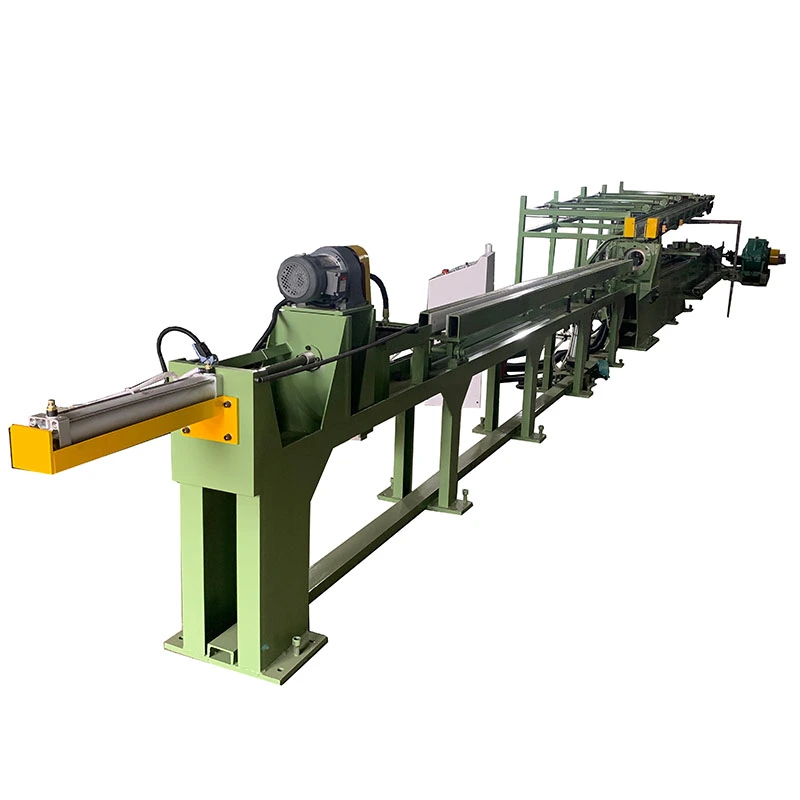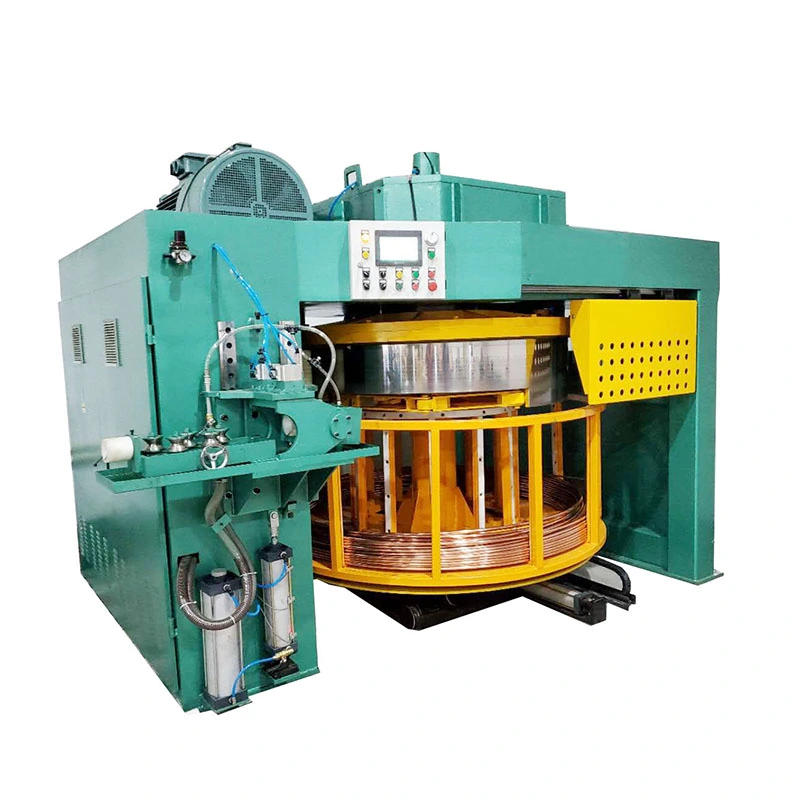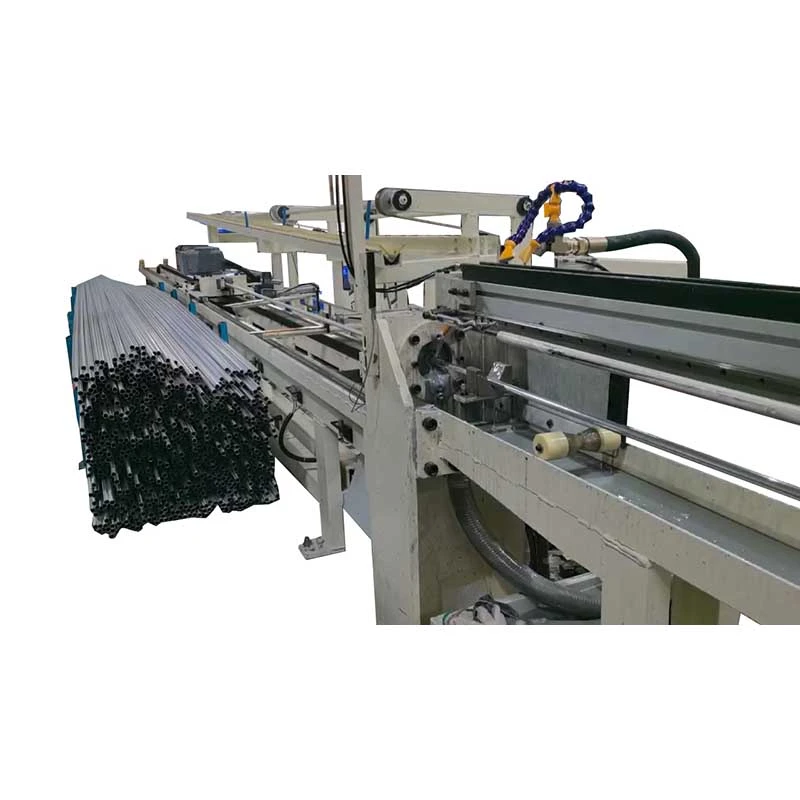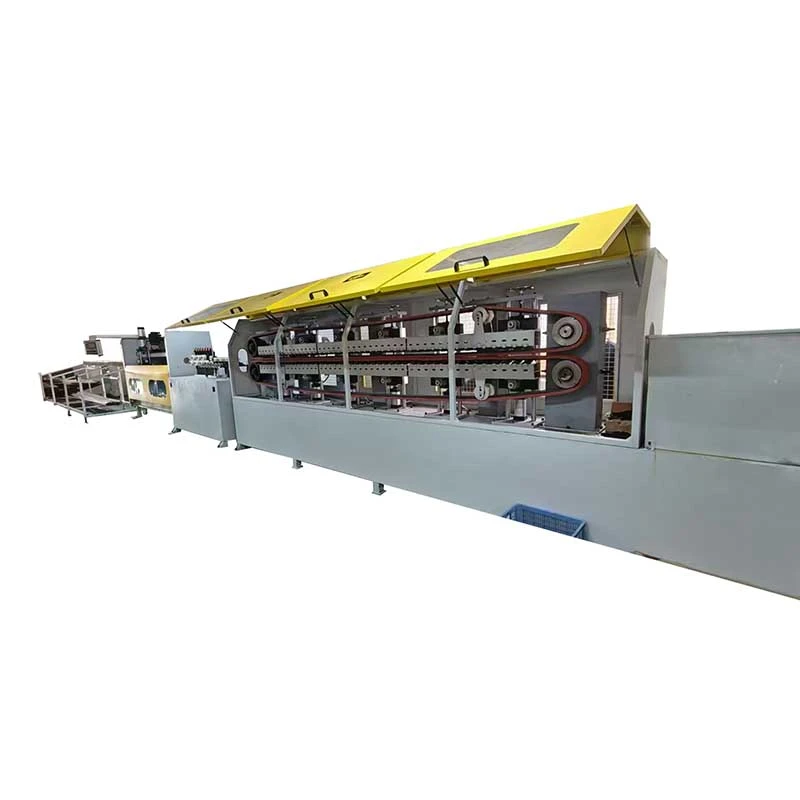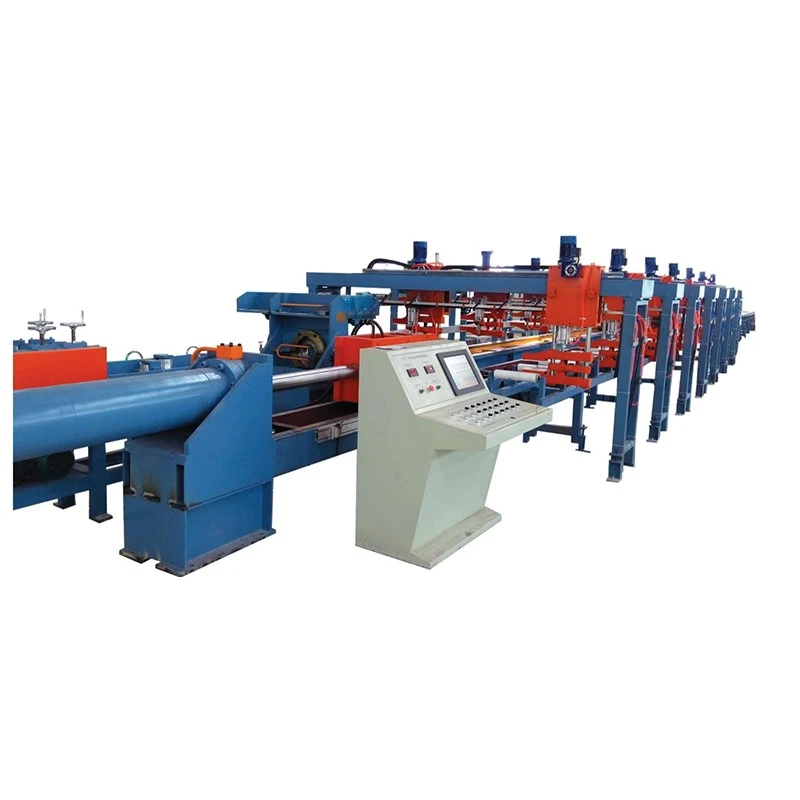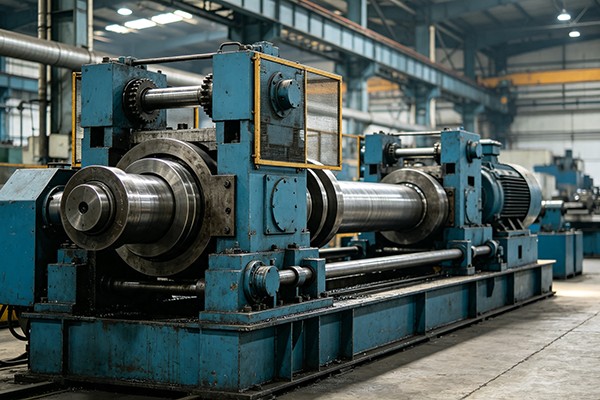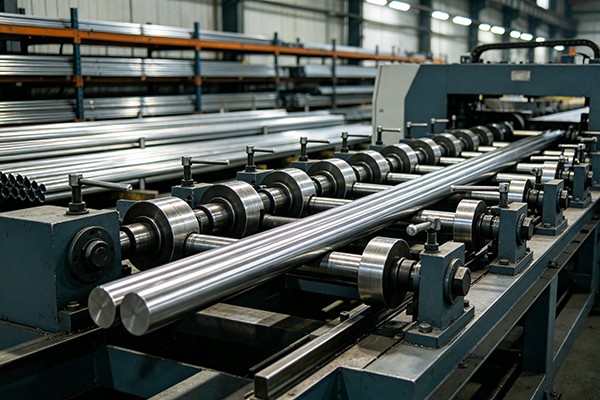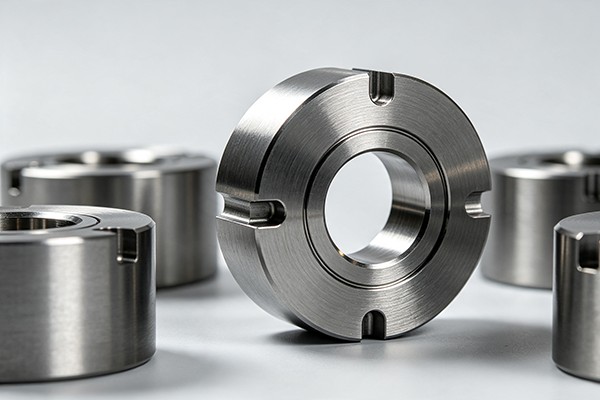

We offer a comprehensive range of precision metal processing equipment, including straightening, cold drawing, pointing, chamfering, cutting, thread rolling machines, and drawing dies, tailored for tube, bar, and wire materials across diverse industries.
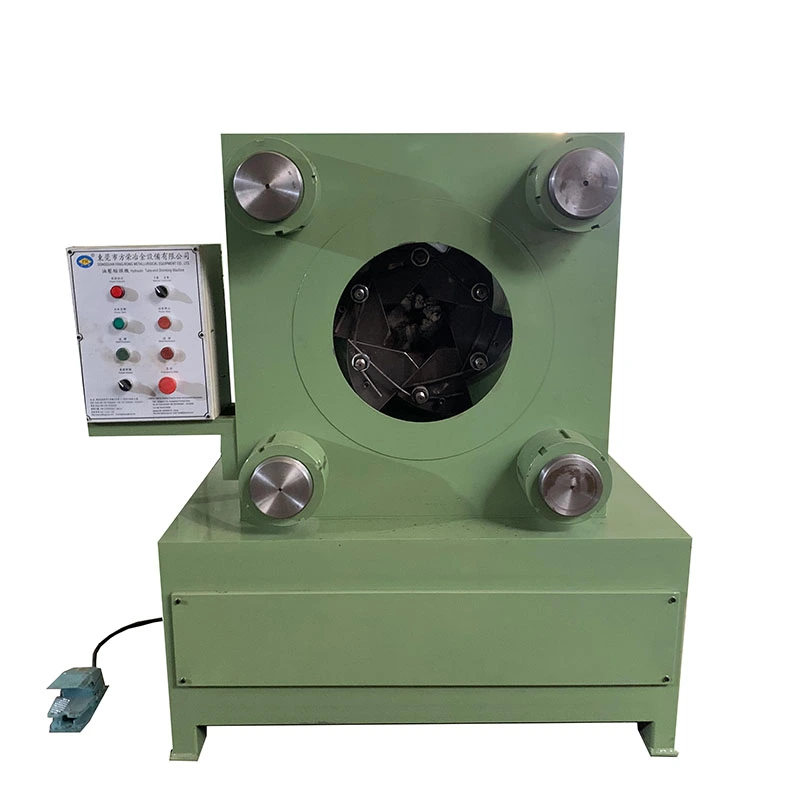
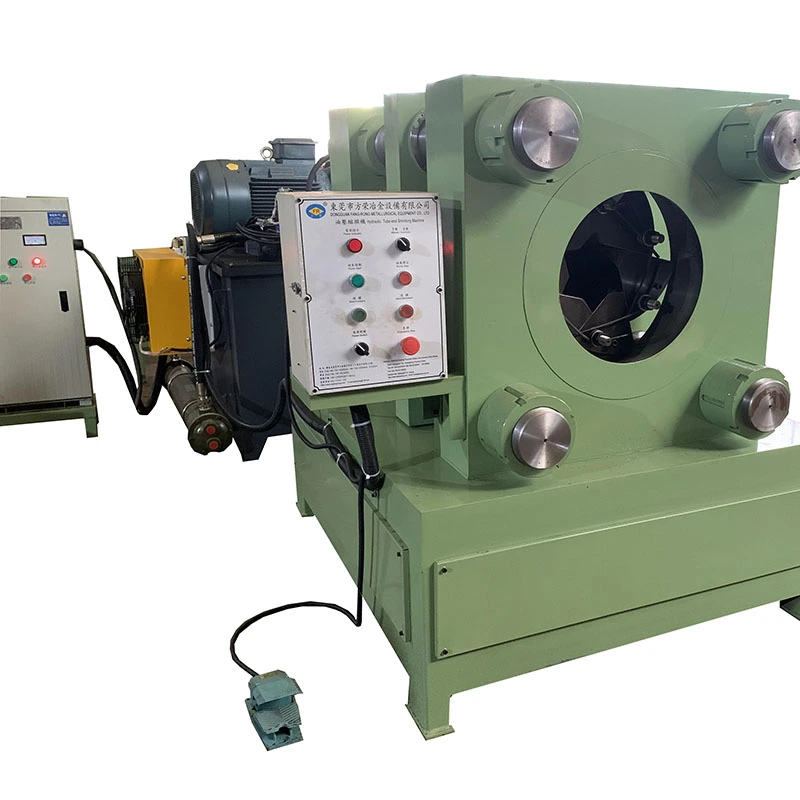
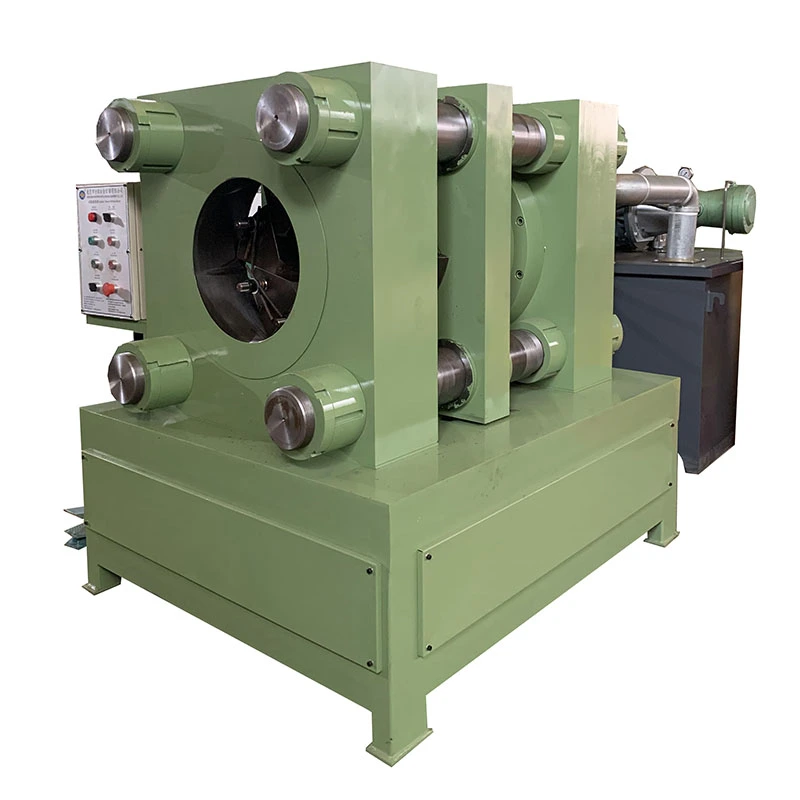
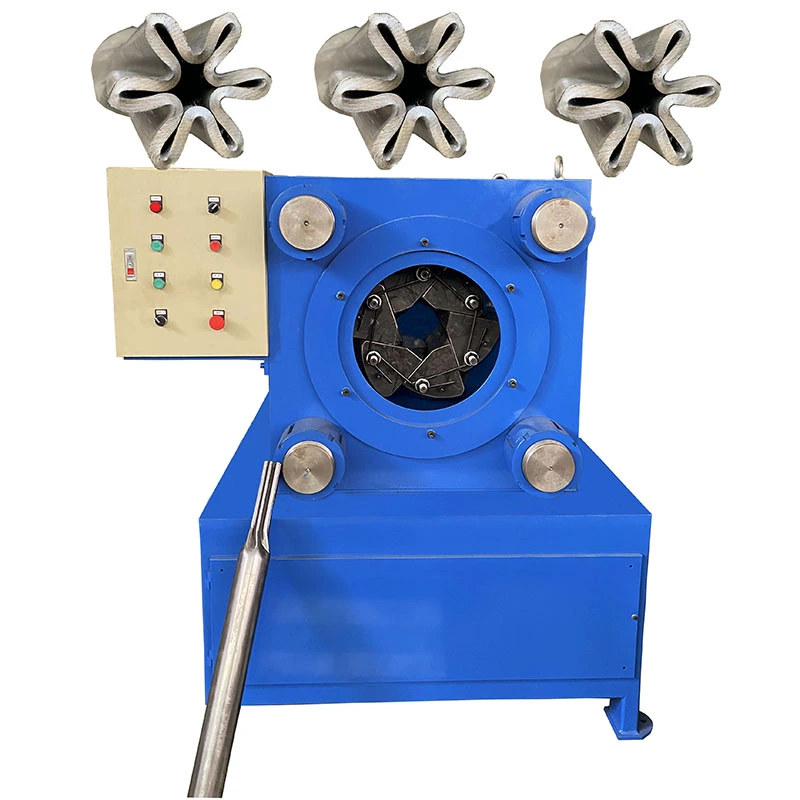
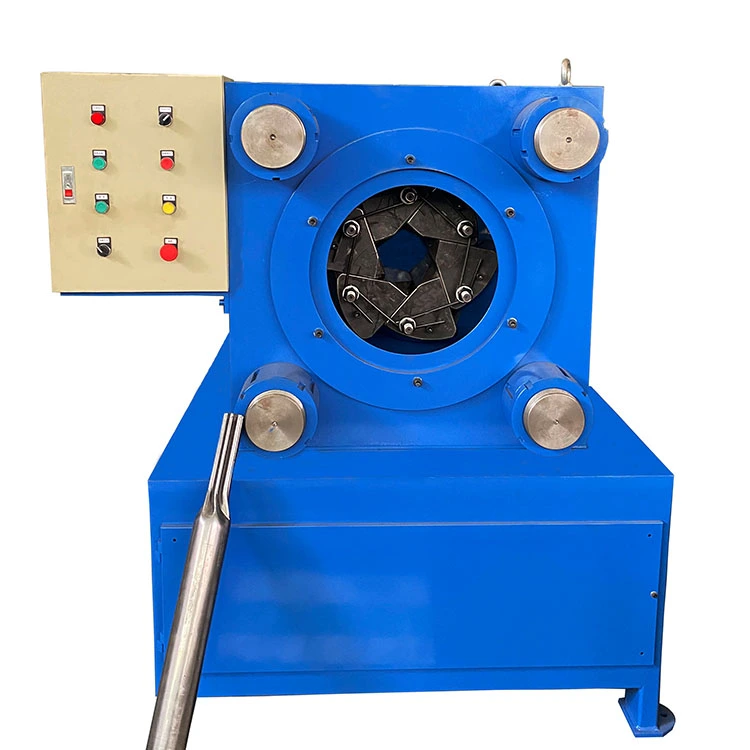
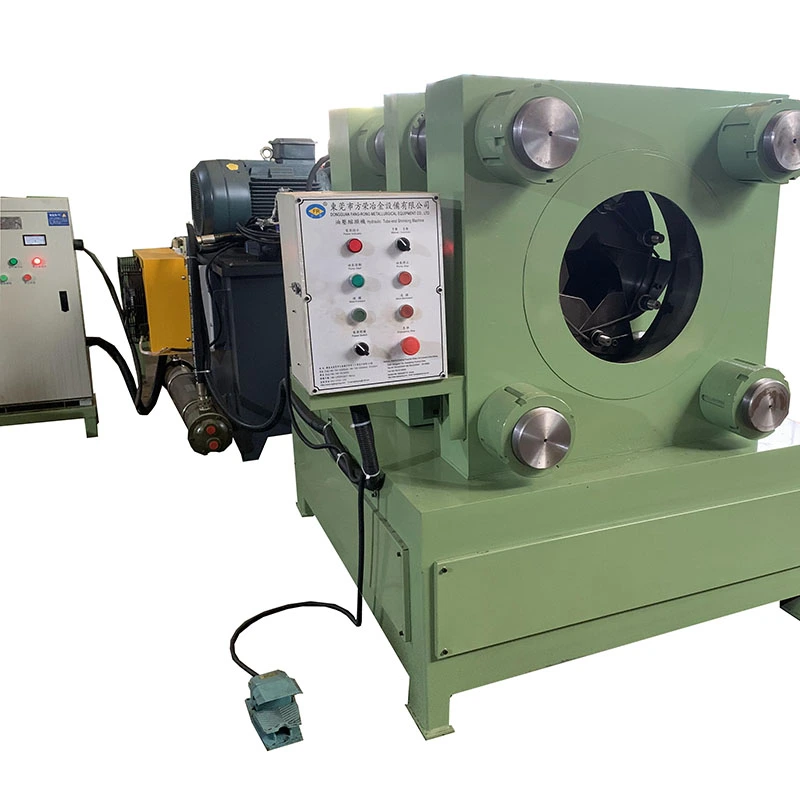
For copper tube production, the quality of the pointed section directly affects the first drawing pass. An uneven or badly formed end can make die entry more difficult, increase the chance of surface damage, or require additional manual preparation. The six-die hydraulic structure is intended for applications where controlled radial forming and consistent tube-end geometry are important.
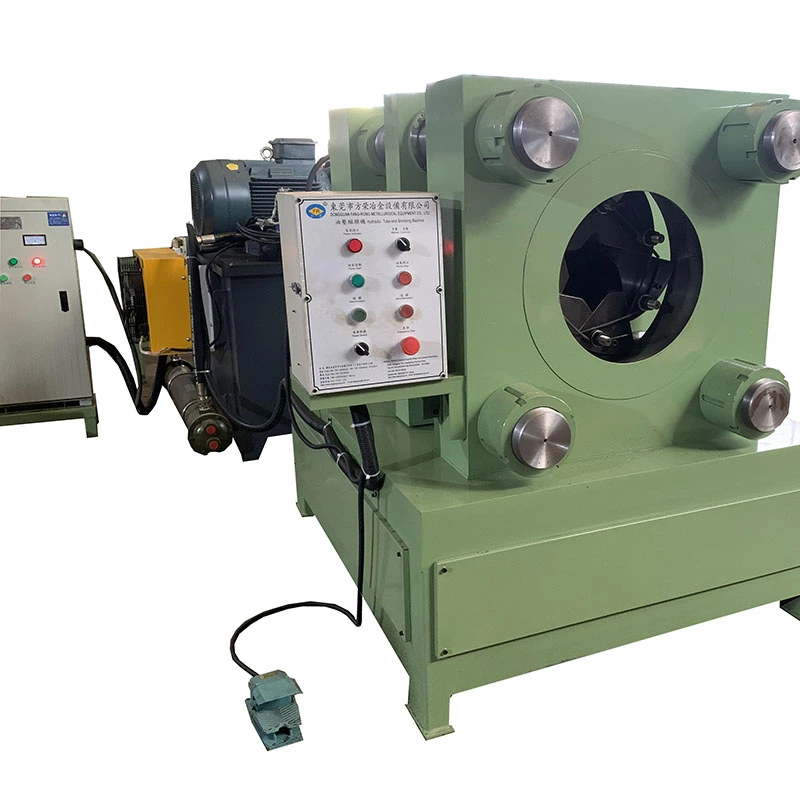
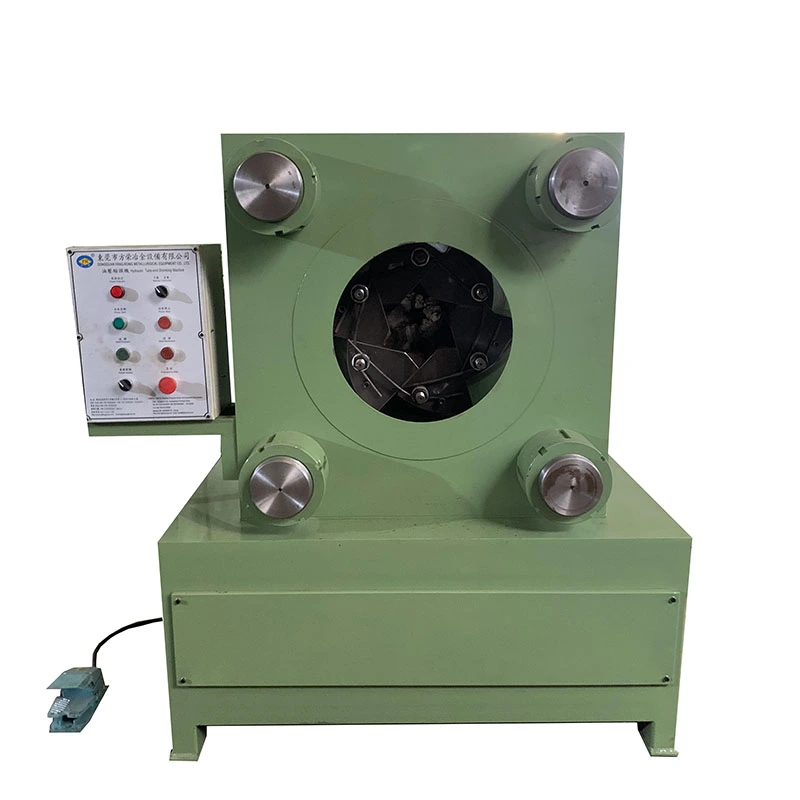
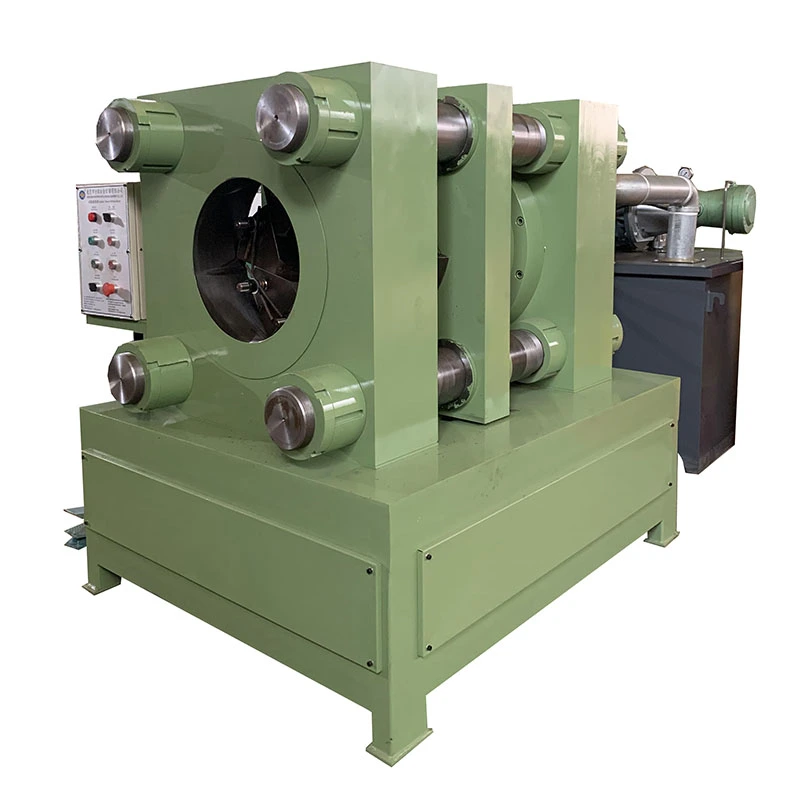
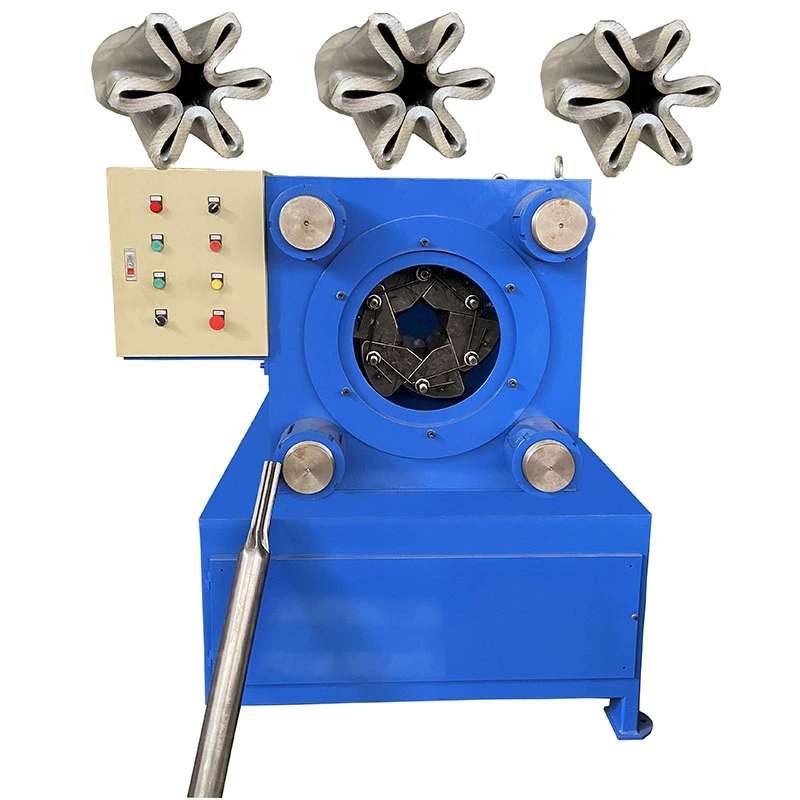
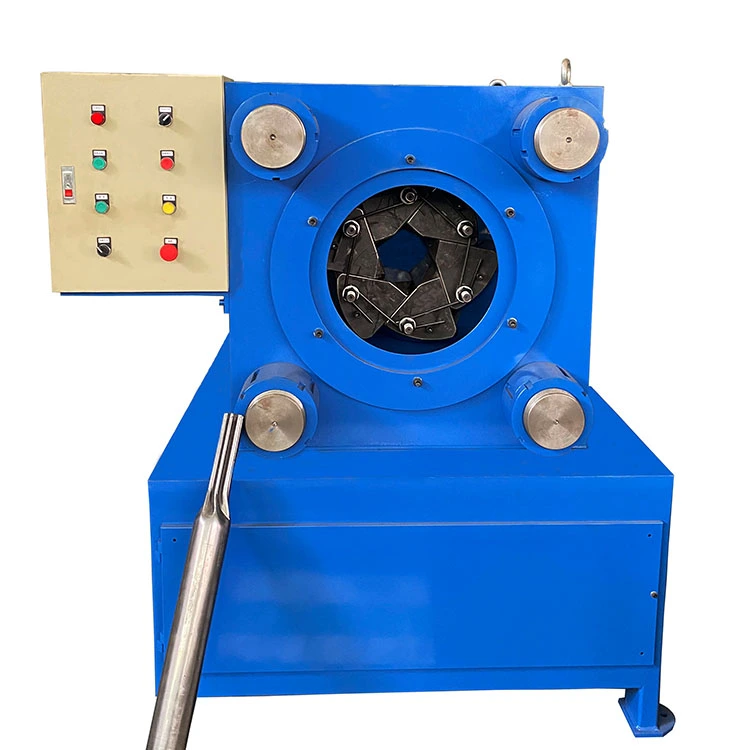
The main difference is how the forming force is applied to the tube. Two-die and four-die systems can perform tube pointing, but the number and arrangement of forming dies affect how evenly the tube is compressed around its circumference.
| Comparison | Two Dies | Four Dies | Six Dies |
| Forming Direction | Opposing directions | Four radial directions | Six radial directions |
| Force Distribution | More concentrated | More evenly distributed | More evenly distributed around the tube |
| Tube-End Control | Suitable for basic pointing work | Improved control | Suited to applications requiring more uniform radial forming |
| Typical Consideration | Simple tube-end reduction | General production use | Copper tubes and applications where tube-end geometry is important |
The six-die arrangement does not simply mean "more dies equals better results." Its practical advantage is the way forming pressure is distributed around the tube. For copper tubes that are sensitive to deformation, this can help control eccentricity and maintain a more consistent pointed section.
The tube is positioned in the pointing area and supported according to the machine configuration. Six dies are arranged around the tube circumference. When the hydraulic system is activated, the dies move toward the center and reduce the tube end through controlled radial compression.
The forming action is completed during one hydraulic stroke. The exact pointing result depends on the tube outside diameter, wall thickness, copper grade, required pointed-end size, die geometry, and machine model. These parameters should be confirmed before production rather than selecting a machine only from the maximum tube diameter.
The three standard models cover different tube diameters and wall thicknesses. For buyers comparing machines, pointing range and wall thickness are the first two parameters to check. Cylinder size and pump power then indicate the forming capacity of the machine.
| Parameters of Hydraulic 6 Dies Pointing Machine | |||
| Model | FR-40 Type | FR-80 Type | FR-150 Type |
| Pointing Range | φ6-40mm | φ20-80mm | φ30-150mm |
| Wall Thickness | 0.5-1.8mm | 0.5-3.0mm | 0.5-5.0mm |
| Cylinder Diameter | φ160*φ100mm | φ250*φ160mm | Inner Diameter Ф480mm |
| Pump Power | 5.5kW-4 | 7.5kW | 30kW |
| Dimensions | 1200*600*900mm | 1200*800*1300mm | 1800*1500*1500mm |
| Weight | 500 kg | 800 kg | 5000 kg |
The table is a reference for standard configurations. Actual machine parameters can be adjusted according to copper tube material, diameter, wall thickness, pointed-end requirements and production conditions.
FR-40 covers φ6-40mm tubes with a wall thickness of 0.5-1.8mm. It uses a φ160×φ100mm cylinder and 5.5kW-4 pump power. With dimensions of 1200×600×900mm and a weight of 500kg, it is the smallest model in this series.
FR-80 covers φ20-80mm and wall thicknesses from 0.5-3.0mm. The machine is equipped with a φ250×φ160mm cylinder and 7.5kW pump. Its dimensions are 1200×800×1300mm and its weight is 800kg.
FR-150 is intended for larger tube sizes, covering φ30-150mm and wall thicknesses up to 5.0mm. It uses a cylinder with an inner diameter of Ф480mm and 30kW pump power. The machine measures 1800×1500×1500mm and weighs approximately 5000kg.
Pointing is not the final forming operation. Its job is to make the tube end suitable for the next process. A properly prepared end reduces the difficulty of feeding the tube into the drawing die and gives the drawing machine a section that can be gripped.
For production lines, the benefit is therefore connected to the entire drawing process rather than the pointing operation alone. More consistent tube ends can reduce manual preparation, limit repeated forming, and make the transition into the first drawing pass easier to control.
The Copper Hydraulic Six Dies Pointing Machine is mainly used ahead of cold drawing operations where copper or other compatible metal tubes require controlled end reduction.
Copper Tube Manufacturing — Tube ends are reduced before drawing to prepare them for die entry and gripping.
Cold Drawing Production Lines — Installed as an auxiliary machine before the first or subsequent drawing operation where end preparation is required.
Mechanical Tube Processing — Suitable for tube processing operations involving different diameters and wall thicknesses.
Automotive Components — Can be used for tube components that require controlled end reduction before further forming or drawing.
Industrial Tube Production — Used in factories processing metal tubes for machinery, infrastructure and other industrial applications.
A tube diameter alone is not enough to select a six-die pointing machine. For a proper configuration, buyers should provide the material grade, outside diameter, wall thickness, tube length, required pointed-end dimensions and expected production capacity.
If several tube sizes will be processed on the same machine, provide the complete size range rather than only the largest diameter. This allows the die configuration and machine capacity to be considered together.
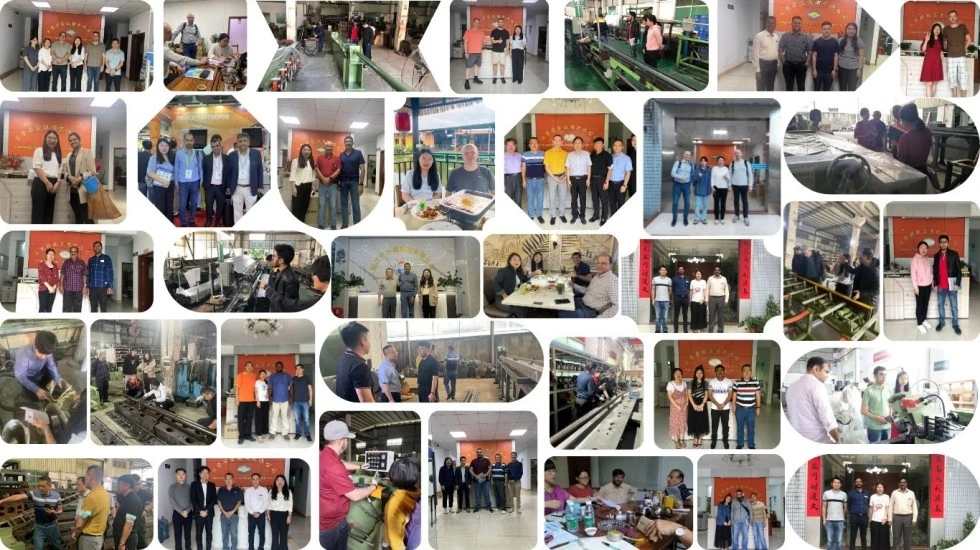
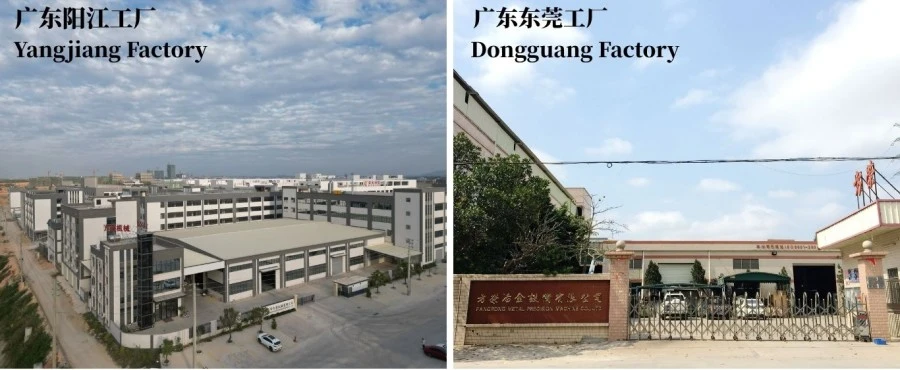
Fangrong was established in 1998 and has more than 26 years of experience in straightening machines, cold drawing equipment and related metallurgical machinery. The company operates two manufacturing facilities in Guangdong, China.
Dongguan Fangrong Metallurgical Equipment Co., Ltd. is located in Dalang Town, Dongguan City and serves as the headquarters and primary manufacturing base. Its equipment range includes cold drawing machines, straightening machines and thread rolling equipment.
Yangjiang Fangrong Machinery Co., Ltd. is located in Yangdong District, Yangjiang City. The second facility provides additional manufacturing capacity and supports equipment delivery.
Fangrong equipment has been supplied to more than 10,000 customers, used in over 60 industries and exported to more than 60 countries and regions.
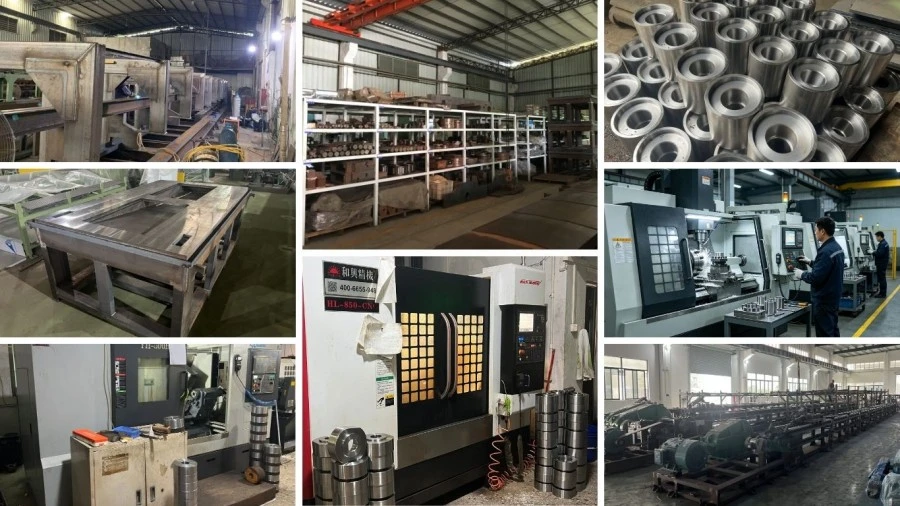
The manufacturing process focuses on the frame, hydraulic forming components, die system, drive and control components. Each part is prepared according to the machine configuration before final assembly.
Steel plates are cut and welded according to the approved machine drawings. The frame is then treated to reduce welding stress and limit deformation during subsequent machining and assembly.
Hydraulic cylinders and related components are machined to the required dimensions. Die mounting and guiding surfaces are checked before they are installed into the machine.
The hydraulic pump, cylinders, valves, piping and electrical control components are assembled according to the machine configuration. Connections are checked before commissioning.
The six dies are installed around the forming area and adjusted to provide the required movement and positioning. Die geometry is matched to the customer's tube specifications.
Before shipment, the machine undergoes no-load and forming tests. Hydraulic movement, die synchronization, stroke, operating controls and pointing results are checked against the agreed configuration.
Final inspection covers machine dimensions, appearance, hydraulic connections, electrical components and operating functions. After inspection, the equipment is prepared for reinforced export packaging.
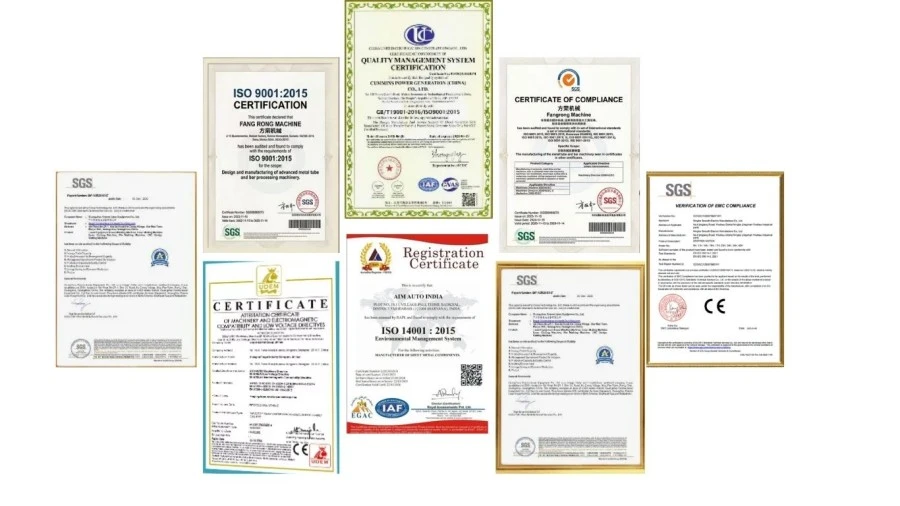
ISO9001:2015 — Quality management system covering design, production, installation and service. Certificate No. UQ231211R1.
CE Mark — Machinery complies with applicable requirements of Machinery Directive 2006/42/EC, including safety provisions such as emergency stops, two-hand controls and light curtains.
SGS Inspection — Independent inspection support for machine performance and safety-related requirements.
National Patents — Fangrong holds 32 invention patents and more than 100 utility model patents. Examples include patent 2013207829011 for a chain tensioning device, patent 2008300532117 for a multi-strand die holder, and ZL2015 2 0842922.7 for a quick-change mandrel system.
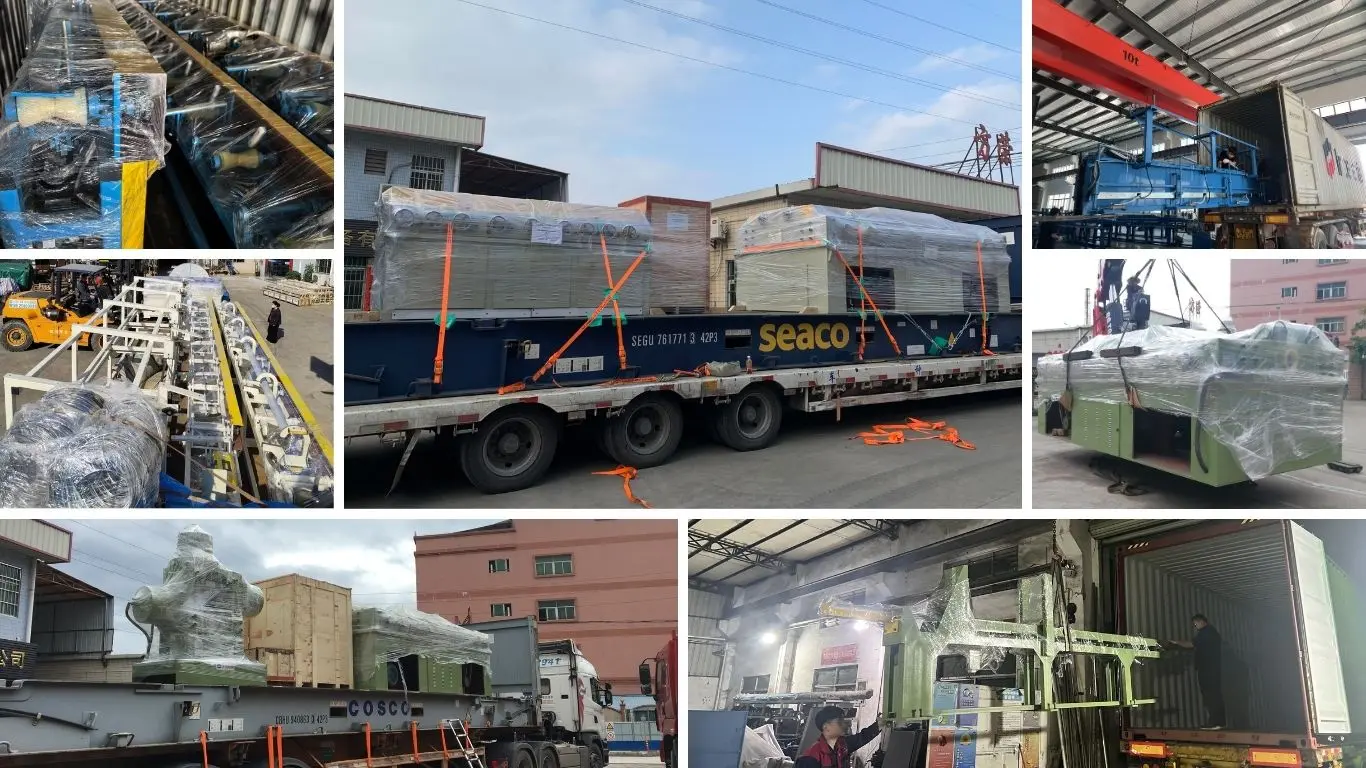
The Copper Hydraulic Six Dies Pointing Machine is prepared according to its dimensions and shipping requirements. Reinforced wooden crates or steel-frame packaging can be used to protect the equipment during handling and transportation. Manuals, certificates and relevant machine documentation are supplied with the equipment.
1. Why is six-die pointing suitable for copper tubes?
Six dies apply forming force from multiple radial directions. This provides more evenly distributed compression around the tube and is useful when controlling the geometry of the pointed end is important.
2. What is the difference between a six-die and four-die pointing machine?
Both can reduce a tube end, but the six-die arrangement provides forming from six radial directions. The appropriate choice depends on tube material, diameter, wall thickness and required pointed-end geometry.
3. Can one machine process different copper tube sizes?
Yes. Different tube sizes can be processed with the appropriate die configuration, provided they fall within the working range of the selected model. The complete tube size range should be confirmed before ordering.
4. Which model should I choose for my copper tubes?
FR-40 covers φ6-40mm, FR-80 covers φ20-80mm, and FR-150 covers φ30-150mm. Wall thickness must also be considered because the three models have different working ranges.
5. Can the Copper Hydraulic Six Dies Pointing Machine process thick-wall copper tubes?
Yes. The standard models cover wall thicknesses up to 1.8mm for FR-40, 3.0mm for FR-80 and 5.0mm for FR-150. Actual suitability should be confirmed according to the copper material and required pointed-end dimensions.
6. Does the machine complete pointing in one stroke?
The six hydraulic dies are designed to move toward the tube center during one hydraulic forming cycle. The final forming result depends on tube specifications and die configuration.
7. Can it be integrated with a cold drawing line?
Yes. The machine is used as an end-preparation process before cold drawing. The layout and operating sequence can be discussed according to the existing drawing equipment and factory arrangement.
8. What information is required for a quotation?
Please provide the tube material, outside diameter, wall thickness, tube length, required pointed-end dimensions and production capacity. If multiple tube sizes are involved, provide the full size range.
9. Can Fangrong customize the machine?
Yes. Fangrong can discuss machine configuration according to tube dimensions, material, production requirements and factory layout. Custom specifications can be provided where required.
10. What after-sales support is available?
Fangrong provides a 12-month warranty covering manufacturing defects, together with installation guidance, commissioning support, operation training, spare parts supply and long-term technical assistance.
Address
NO.163,Shatong Road,Shabu 2nd Industrial Zone, Dalang Town, Dongguan City, Guangdong, China