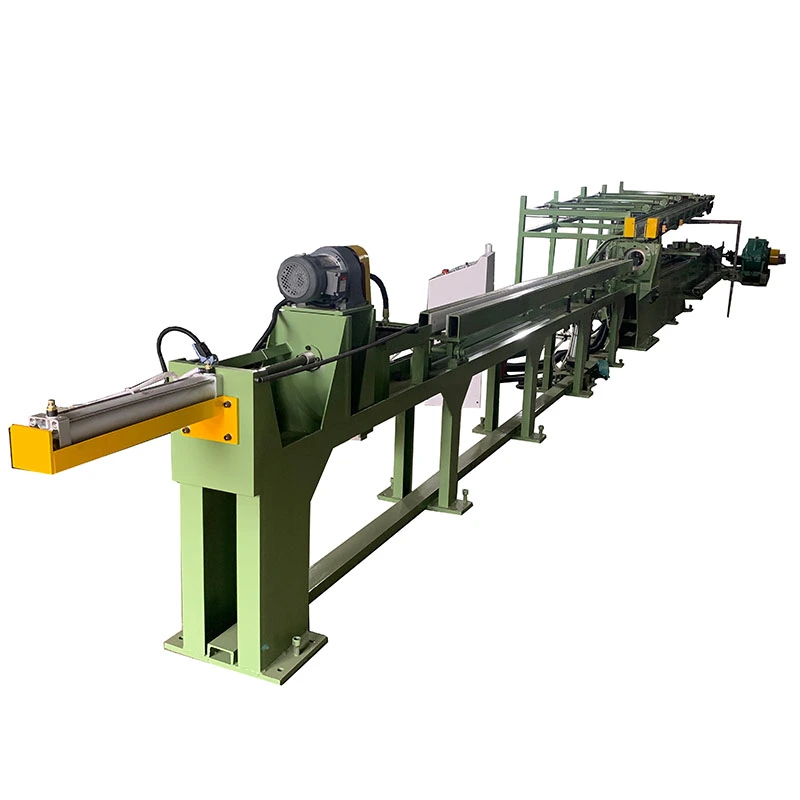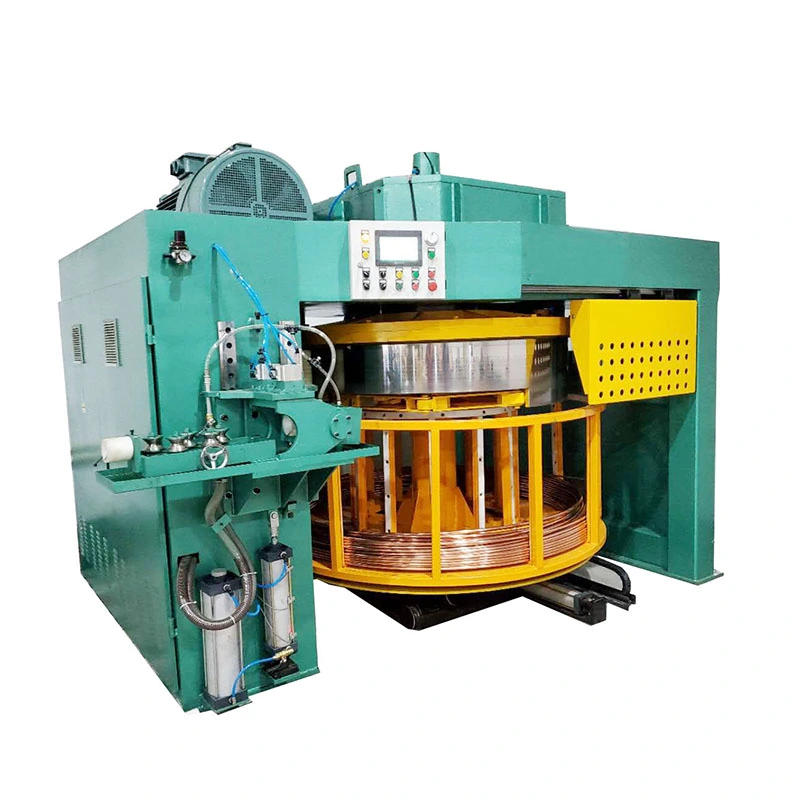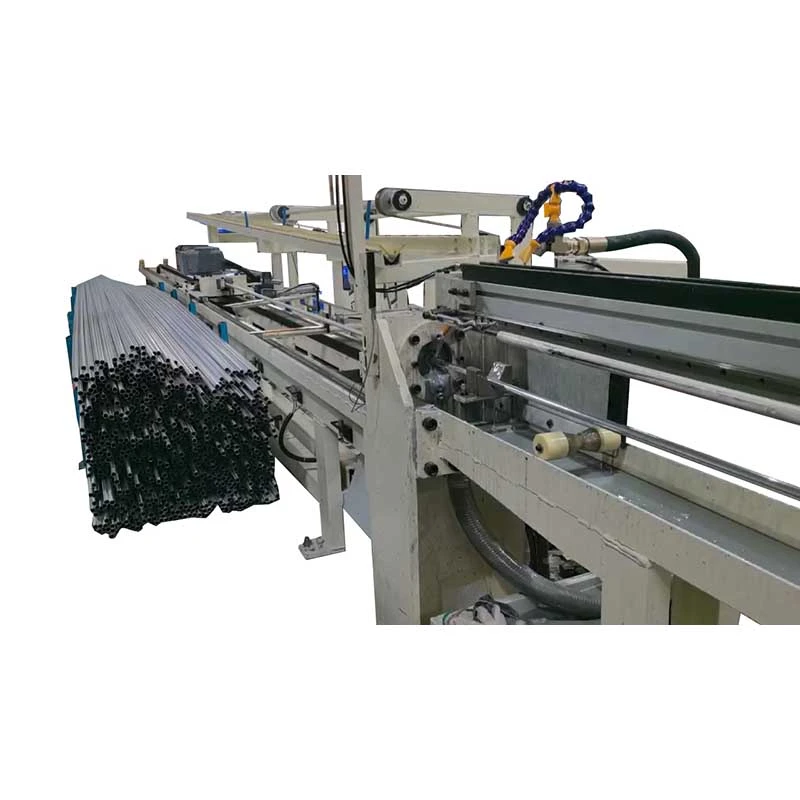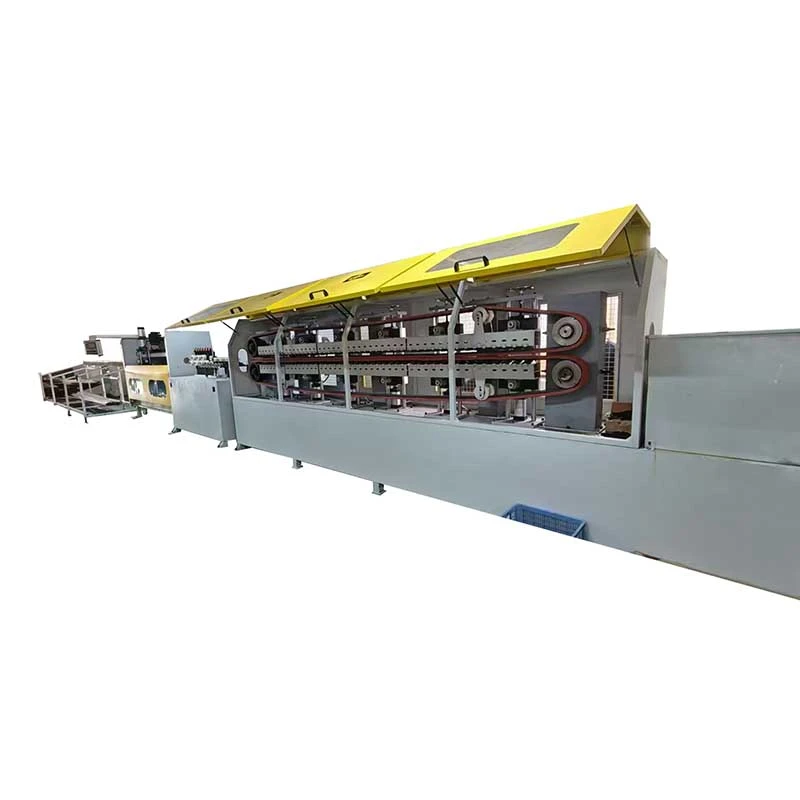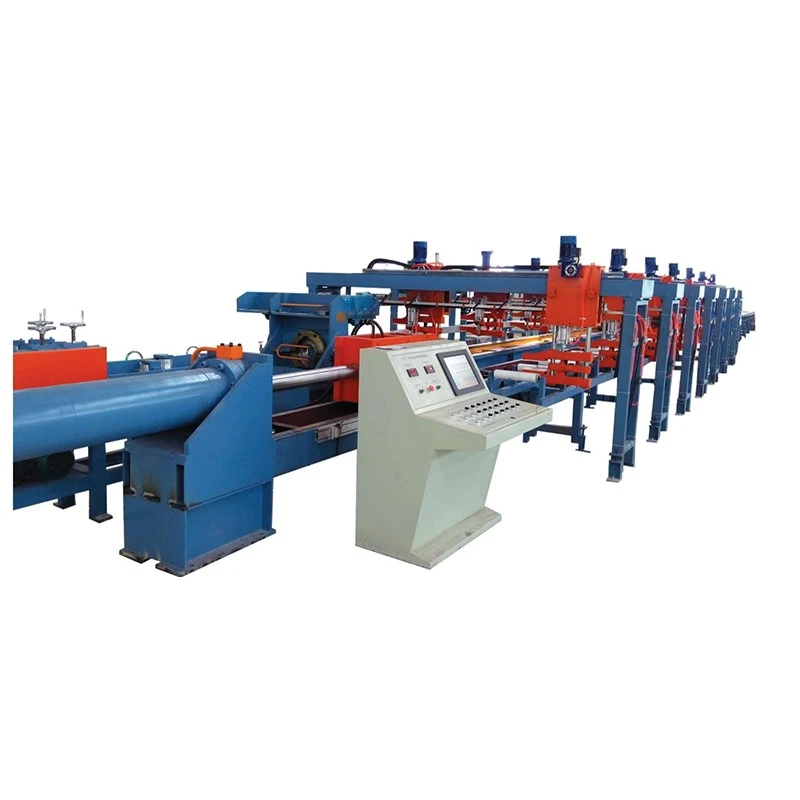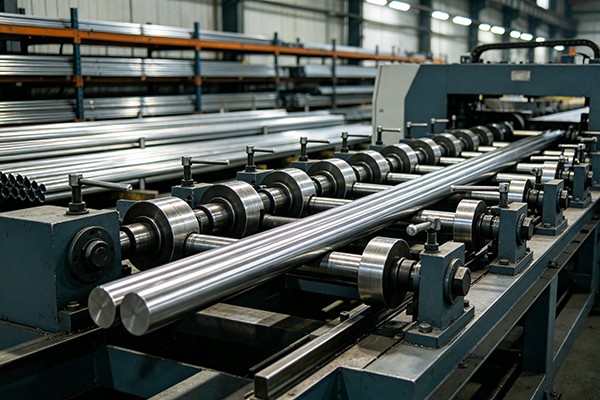
We offer a comprehensive range of precision metal processing equipment, including straightening, cold drawing, pointing, chamfering, cutting, thread rolling machines, and drawing dies, tailored for tube, bar, and wire materials across diverse industries.
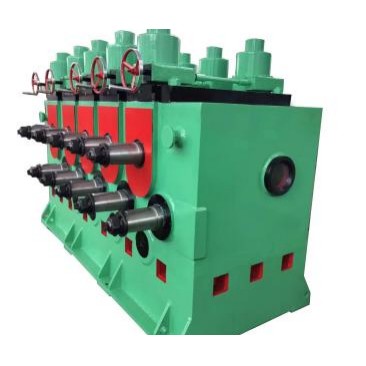
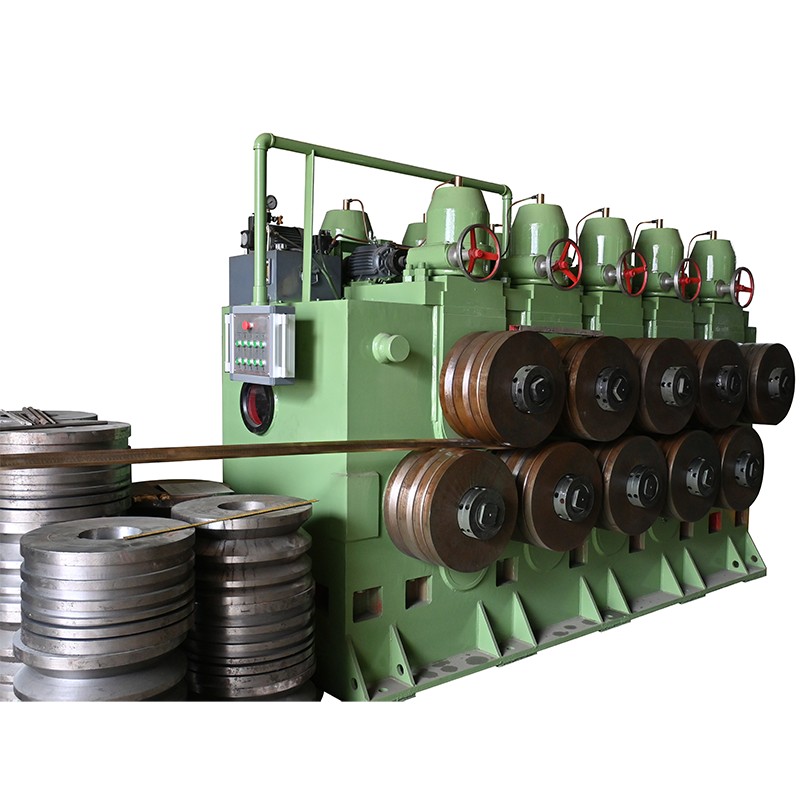
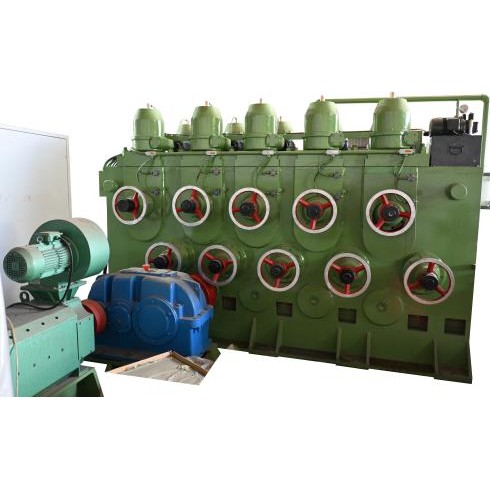
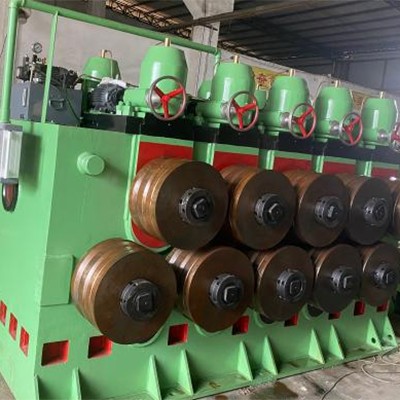
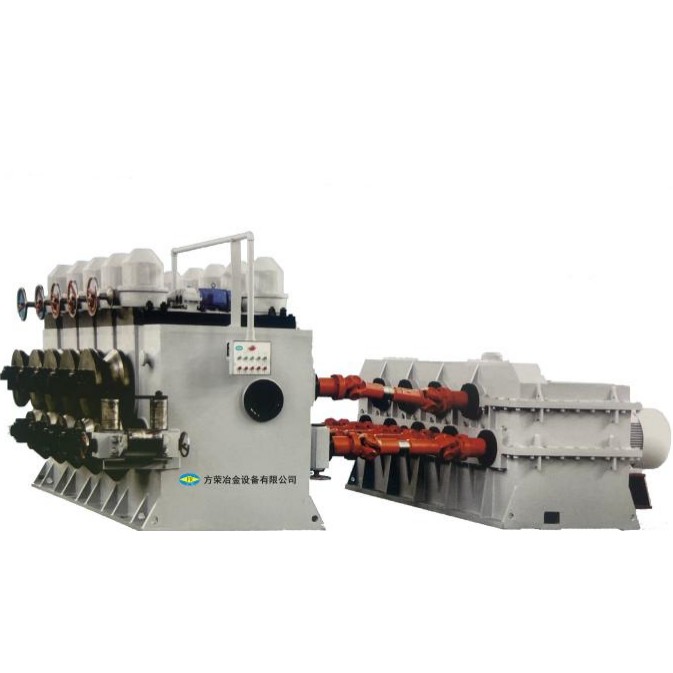
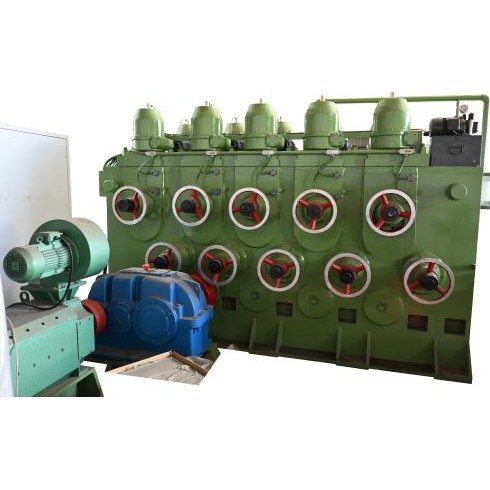
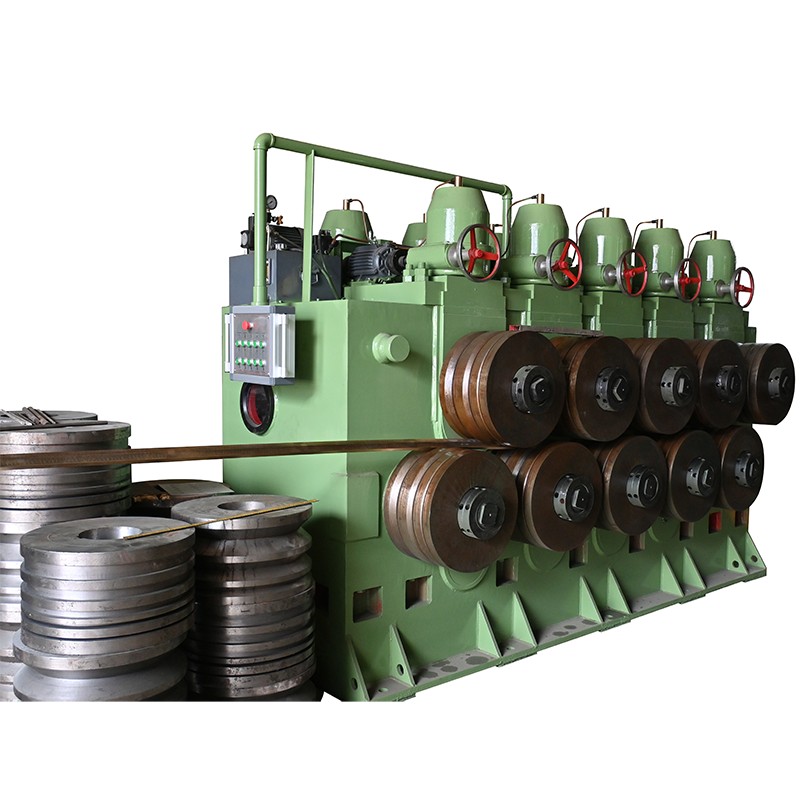
The FangRong Brass Irregular Straightening Machine is built for straightening non-round brass bars and special profiles after extrusion, rolling, cooling, or heat treatment. It uses multi-roll correction to control longitudinal bending, twisting, and deformation without cutting away material, making it suitable for brass profiles that must retain their original cross-sectional shape.
Unlike round-bar straightening, irregular profiles require the roller geometry, contact position, and correction force to match the actual cross-section. FangRong configures the roller arrangement and working range according to the brass alloy, profile dimensions, deformation condition, straightness tolerance, and production speed.
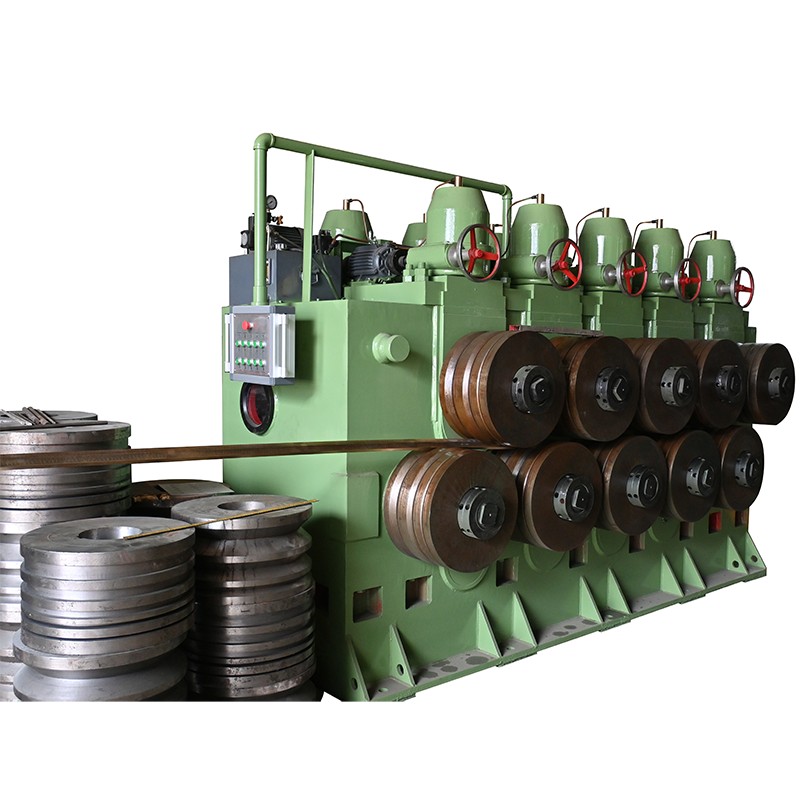
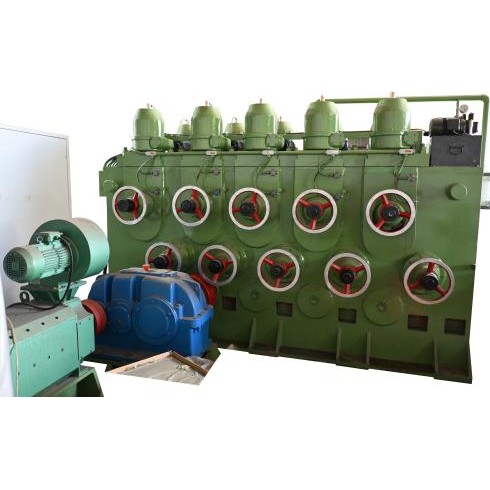
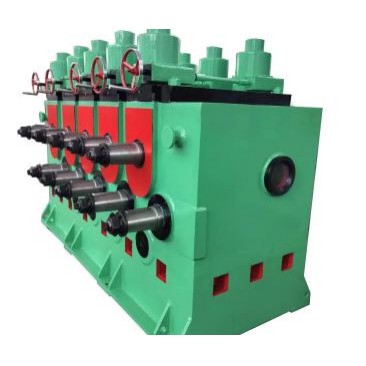
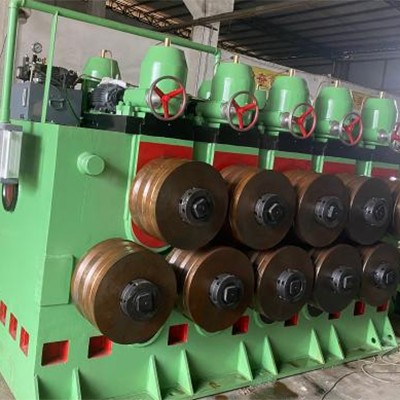
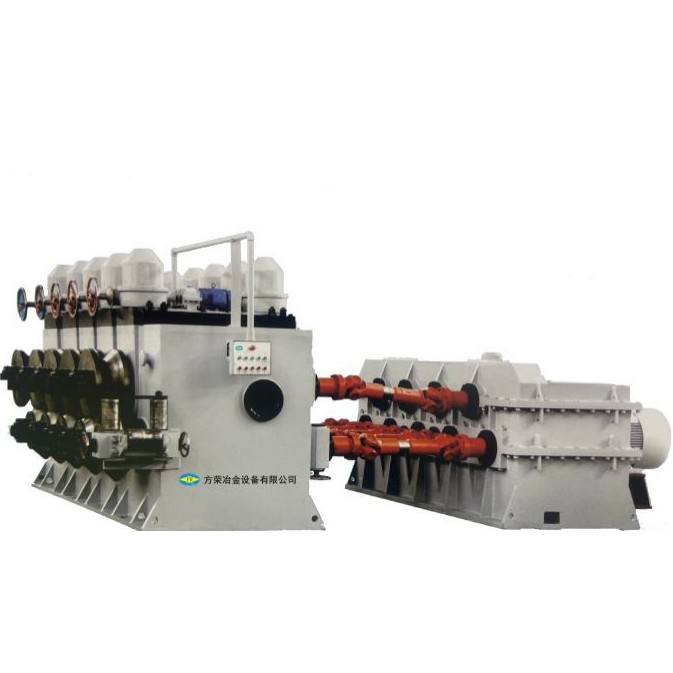
The profile passes through a series of synchronized straightening rolls. Each roll applies a controlled correction force at a specific position, gradually reducing the existing curvature instead of forcing the entire profile through one large bending operation.
This controlled deformation is important for brass profiles because excessive local pressure can cause section distortion, surface marks, or unwanted residual stress. Roller spacing, working position, pressure, and alignment are adjusted according to the profile geometry and material condition.
For asymmetric sections, the position of the contact points is particularly important. The straightening force must correct the bending direction while preventing the profile from rotating or changing its designed cross-section.
Bending and twisting can occur during extrusion, rolling, cooling, handling, and heat treatment. The problem becomes more difficult when the brass section is thin-walled, asymmetric, or has a complex geometry. Manual correction is slow and produces inconsistent results between operators.
The Brass Irregular Straightening Machine provides a controlled mechanical process for:
- Correcting longitudinal bending and profile deformation
- Controlling twisting in non-round brass sections
- Maintaining the designed cross-sectional geometry
- Preparing straight feedstock for CNC machining and cutting
- Reducing manual straightening work
- Improving consistency between production batches
- Reducing rejection caused by excessive curvature or deformation
- Supporting continuous processing of long brass profiles
For Non-Round Brass Sections
The machine is configured for flat, rectangular, square, hexagonal, L-shaped, T-shaped, U-shaped, and other custom brass profiles. Complex asymmetric sections can be evaluated from the actual profile drawing.
Multi-Roll Correction
Multiple correction points distribute the straightening load along the profile. This reduces the need for aggressive correction at a single location and helps control section deformation.
Adjustable Roller Position
Roller positions and working pressure can be adjusted for different profile sizes and deformation conditions. For special profiles, the roller geometry can be designed around the actual cross-section.
Gear-Synchronized Drive
The gear transmission keeps the working rolls synchronized during feeding. Consistent roll movement is important for maintaining stable material travel through the straightening section.
Rigid Machine Frame
A rigid frame supports the roller system and helps maintain alignment under working loads. Stable mechanical support is particularly important when processing larger brass sections or correcting significant deformation.
Production-Focused Maintenance
Mechanical adjustment and transmission components are arranged for routine inspection, adjustment, and maintenance to help reduce unnecessary production downtime.
FangRong FR-series irregular straightening machines are engineered according to the material, profile geometry, dimensions, straightness tolerance, and required output. Available configurations cover different roller arrangements and working ranges for metal bars, profiles, and tubes.
| Roller Distance | 9–1450 mm |
| Roller Arrangement | 13-1 to 9-1 configurations |
| Main Motor Power | 3–225 kW |
| Material | Brass and other applicable metal profiles |
| Profile Type | Round and irregular sections, depending on configuration |
| Configuration | Customized according to profile and production requirements |
The figures above describe the available FR-series range rather than a fixed specification for every brass straightening machine. For irregular brass profiles, machine selection should be based on the actual cross-section rather than profile width alone. Brass alloy, hardness, section thickness, initial deformation, residual stress, straightness tolerance, and line speed all affect the required roller configuration and correction capacity.
For a machine quotation, provide the brass grade, profile drawing, cross-sectional dimensions, material length, initial deformation, required straightness tolerance, and production capacity. FangRong can then determine the appropriate roller arrangement, working range, drive power, and tooling.
Brass Profile Manufacturing
Used after extrusion or rolling to correct profile curvature before cutting, machining, surface treatment, or shipment.
Electrical Components
Applicable to brass conductor sections, terminals, connector profiles, busbar-related sections, and other components where straight feedstock is required for cutting and assembly.
Plumbing and Sanitary Components
Used for brass sections processed into valves, faucets, pipe fittings, and other plumbing components before subsequent machining or forming.
Hardware and Architectural Products
Suitable for brass profiles used in locks, hinges, furniture fittings, door hardware, decorative sections, and architectural components.
CNC and Precision Machining
Straighter bar stock provides more stable feeding and positioning during CNC turning, milling, drilling, cutting, and other machining operations.
Automotive and Industrial Components
Can be used for customized brass sections used in electrical connectors, terminals, instrumentation, industrial fittings, and other machined components.
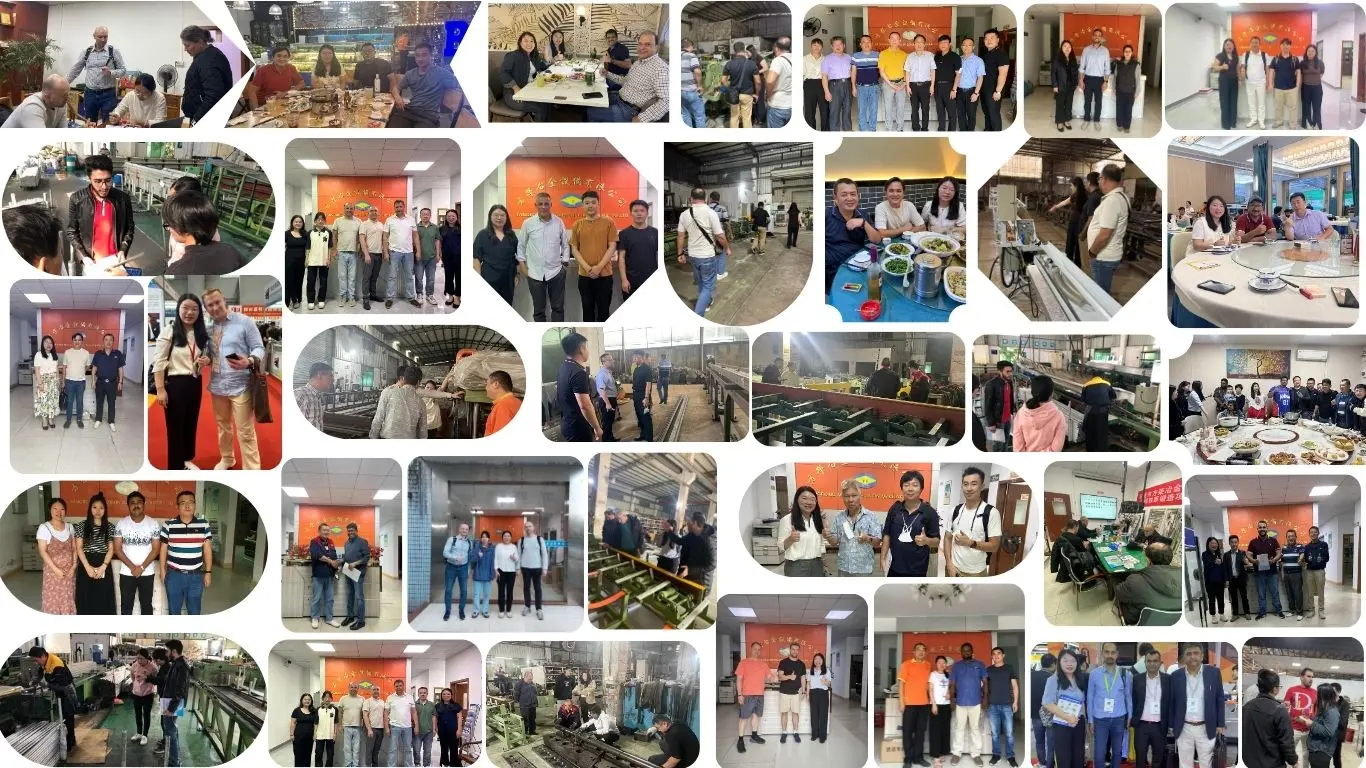
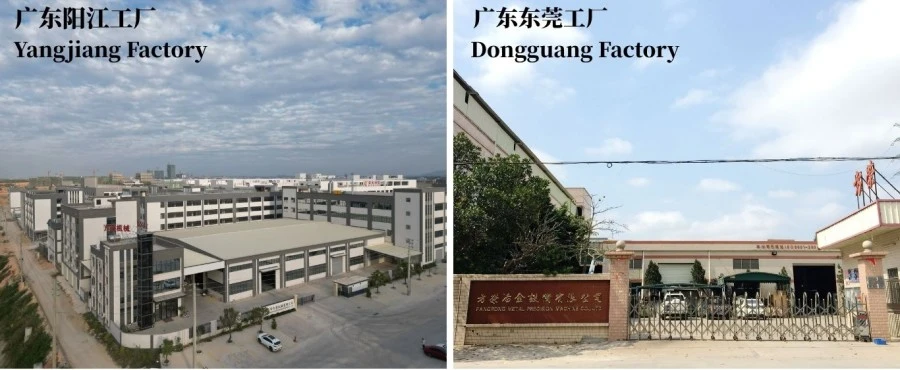
FangRong was established in 1998 and manufactures straightening machines, cold drawing equipment, thread rolling machines, and related metallurgical machinery. The company operates two manufacturing facilities: Dongguan Fangrong Metallurgical Equipment Co., Ltd. and Yangjiang Fangrong Machinery Co., Ltd.
With equipment supplied to more than 10,000 customers in over 60 countries and regions, FangRong has experience with different metal processing conditions and production requirements. Machine configuration is based on the customer's actual material and profile rather than selecting equipment from dimensions alone.
Engineering evaluation covers roller arrangement, mechanical alignment, drive requirements, material compatibility, and straightening performance. FangRong also holds ISO 9001 certification and patents related to machinery and mechanical systems.
Application Review
Engineers review the brass alloy, profile drawing, dimensions, material length, initial deformation, straightness tolerance, and required output before determining the machine configuration.
Mechanical Design
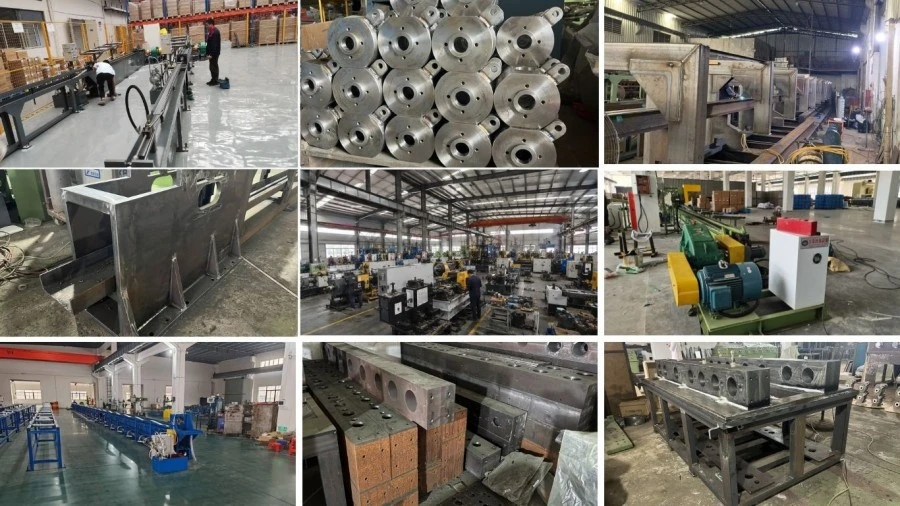
The frame, roller system, transmission, drive, and control system are designed around the production requirements. For irregular sections, roller geometry and contact position are critical because the correction force must not distort the profile.
Roller and Component Manufacturing
Key mechanical components and straightening rollers are manufactured according to the machine design. Roller geometry, surface condition, dimensional accuracy, and alignment are checked because they directly affect feeding and straightening performance.
Assembly and Commissioning
The frame, rolls, transmission, motor, and electrical system are assembled and adjusted. Mechanical movement and roller alignment are checked before machine testing.
Final Testing
Testing covers machine running performance, roller alignment, straightening operation, electrical controls, and continuous running stability. Where required, customer material samples can be used during commissioning to verify the selected configuration.
Installation and Technical Support
FangRong provides installation guidance, operator training, roller adjustment support, and technical assistance after delivery. The standard warranty period is 12 months, with continued technical support and spare-parts service available after the warranty period.
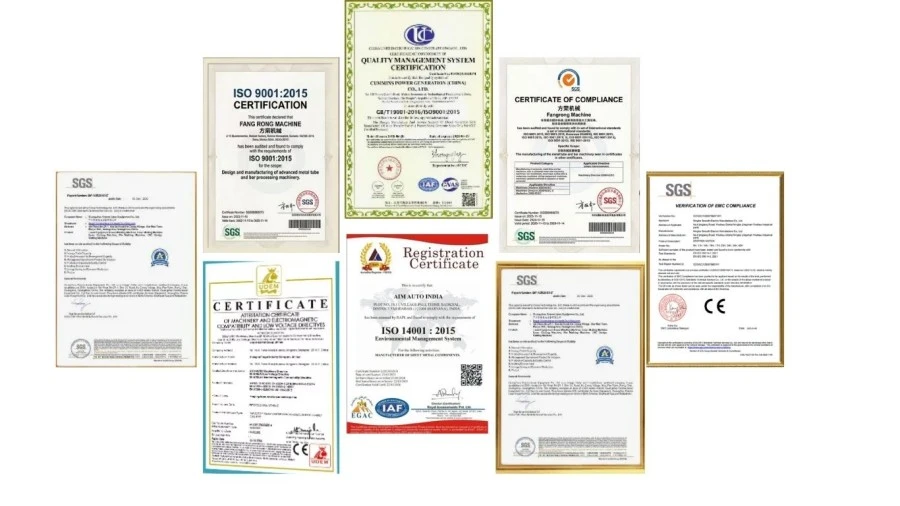
ISO 9001:2015 — Quality management certification for the company's quality management system. Certificate No. UQ231211R1.
CE Mark — Applicable machine configurations can be supplied to meet relevant European machinery safety requirements.
SGS Inspection — Third-party inspection can be arranged for machine performance and safety verification when required by the project.
National Patents — FangRong holds invention and utility model patents covering equipment components and mechanical systems, including 2013207829011, 2008300532117, and ZL2015 2 0842922.7.
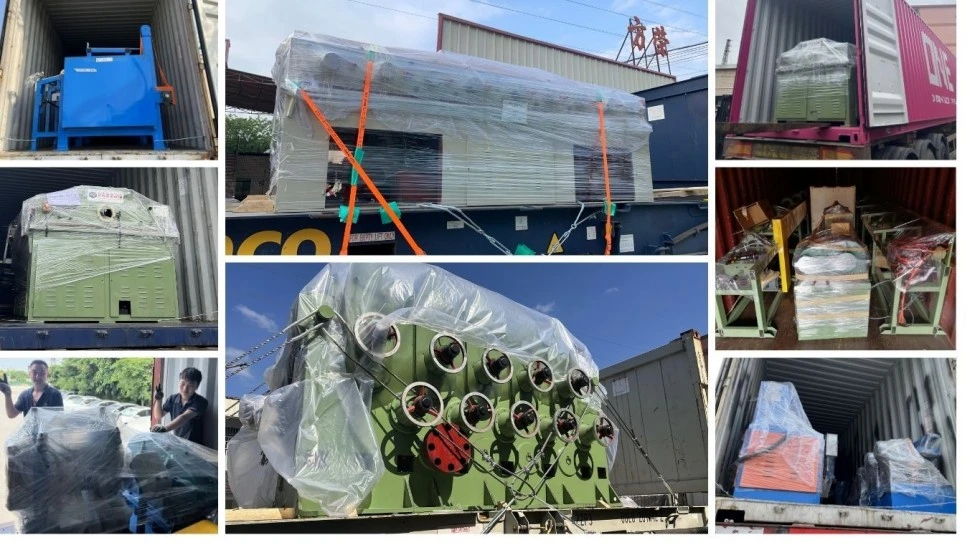
Before shipment, the machine is inspected and prepared according to its configuration. Packaging is selected according to machine size, component structure, and transportation requirements to protect the equipment during handling and international shipment.
1. How do you determine the roller configuration for an irregular brass profile?
The roller arrangement is selected according to the brass alloy, profile cross-section, section thickness, initial bending or twisting, required straightness tolerance, and production speed. For asymmetric profiles, the roller contact points must be positioned to correct the deformation without changing the original cross-sectional geometry. A profile drawing and material sample are recommended for engineering evaluation.
2. Can the Brass Irregular Straightening Machine straighten twisted or severely deformed brass profiles?
Yes, the machine can be configured for both bending and twisting correction, but the required setup depends on the deformation pattern and profile geometry. Severe or uneven deformation may require a dedicated roller arrangement and a controlled correction sequence. The final configuration should be confirmed through sample testing or engineering analysis rather than based on profile dimensions alone.
3. How do you control surface marks and cross-section deformation during straightening?
For brass profiles, excessive roller pressure or incorrect contact positioning can leave marks or distort the section. FangRong controls the roller geometry, contact position, pressure, and alignment according to the actual profile. The correction is distributed across multiple rolls so that the required straightness can be achieved without relying on excessive force at one point.
4. What information should we provide to receive a machine quotation?
Please provide the brass grade, profile drawing or sample, cross-sectional dimensions, material length, initial deformation, required straightness tolerance, and target production capacity. If multiple profiles will be processed on the same machine, provide the complete profile range. This information allows FangRong to quote the appropriate roller arrangement, working range, drive system, and tooling instead of offering a generic machine.
5. Can one machine handle multiple brass profile sizes?
Yes, if the profiles are within the machine's working range and the roller system can be adjusted or equipped with interchangeable tooling. When several profiles have significantly different cross-sections, FangRong will evaluate whether one machine can cover the full range or whether dedicated tooling or separate configurations are more economical for production.
6. What are the lead time, warranty, and after-sales services?
Standard machines typically require 30–60 days, while customized machines may require additional engineering and testing time. The standard warranty is 12 months. FangRong provides installation guidance, operator training, commissioning support, technical assistance, and spare-parts service after delivery.
Address
NO.163,Shatong Road,Shabu 2nd Industrial Zone, Dalang Town, Dongguan City, Guangdong, China