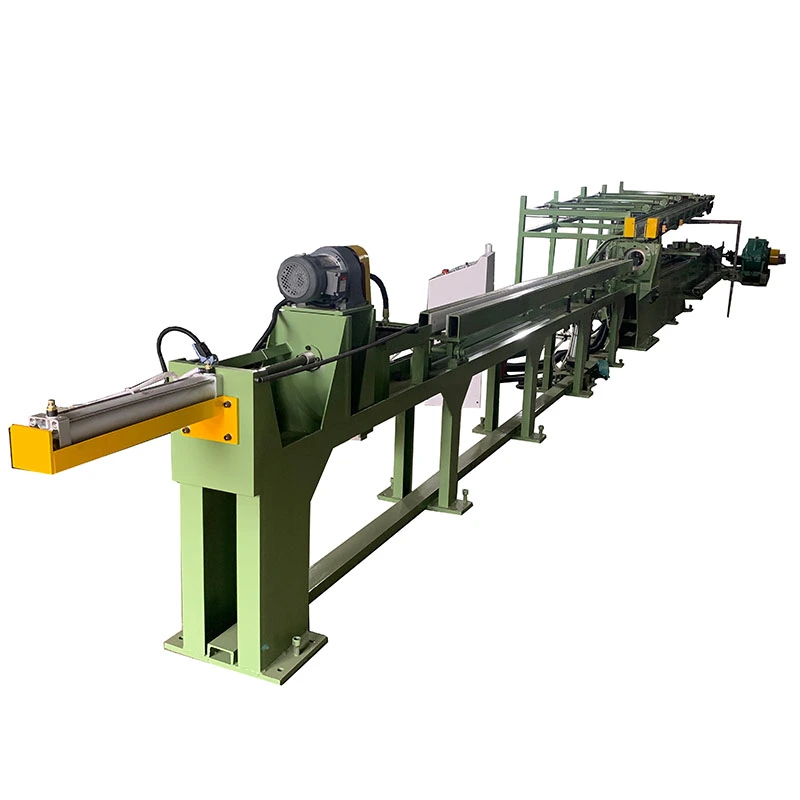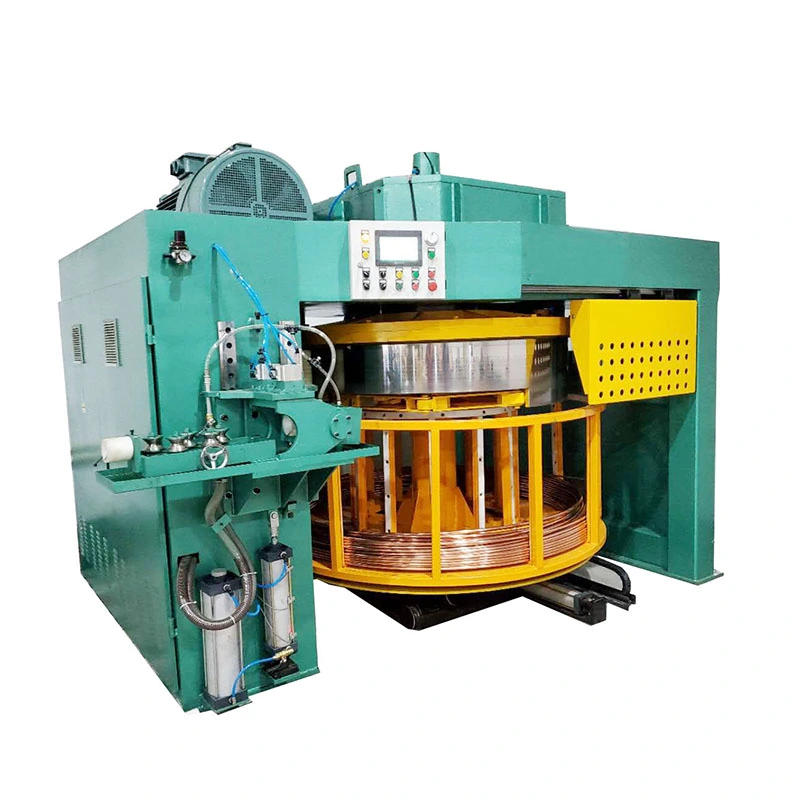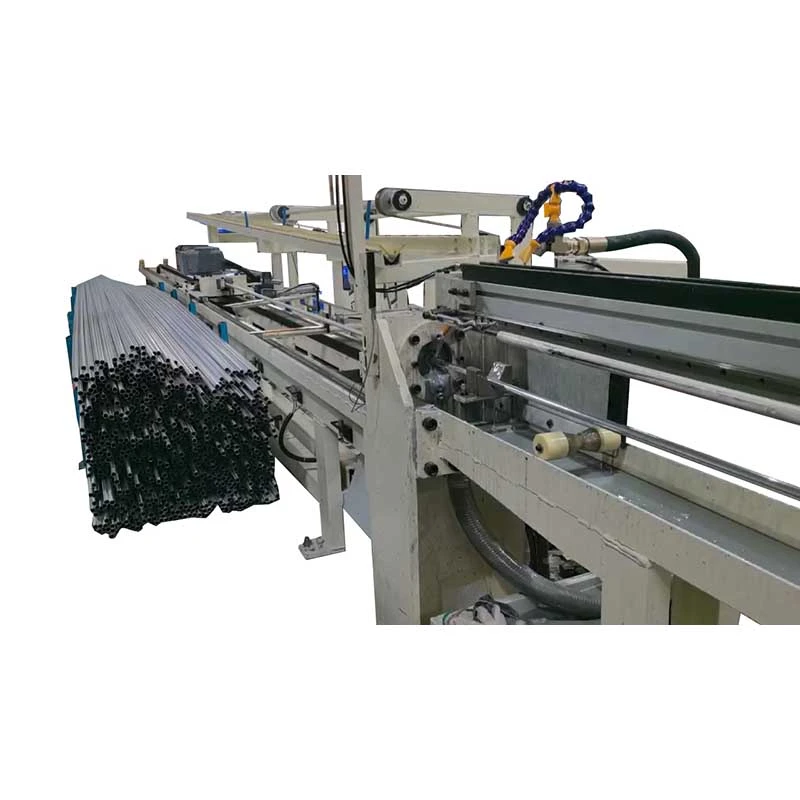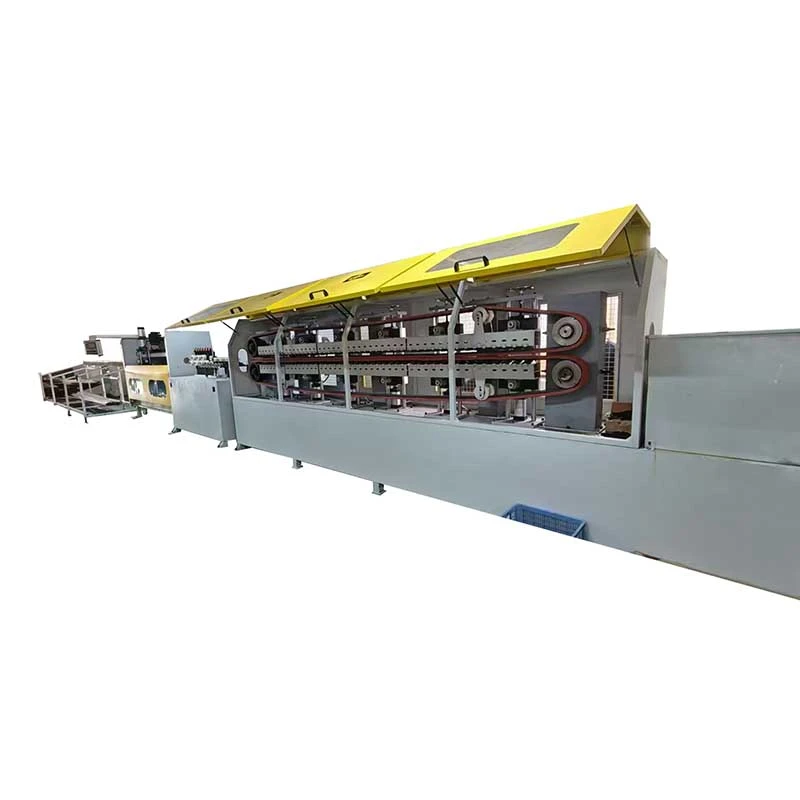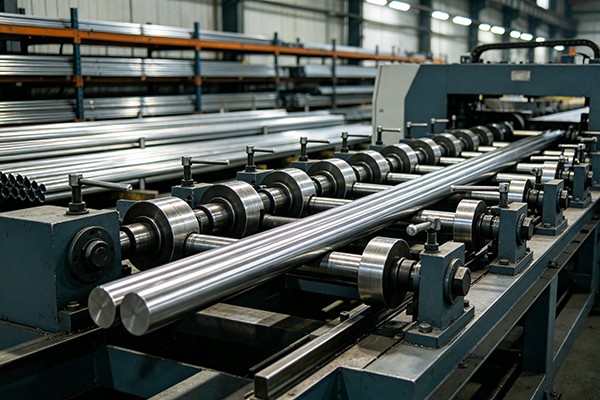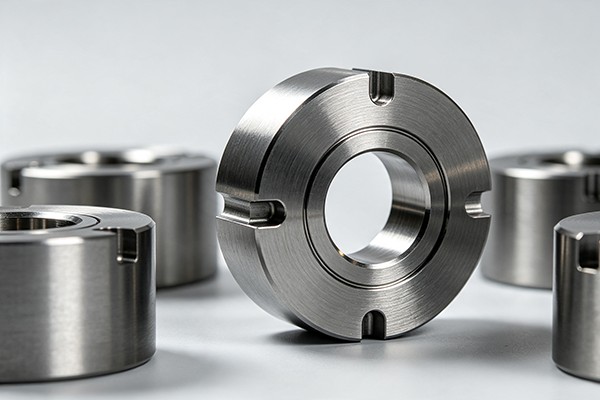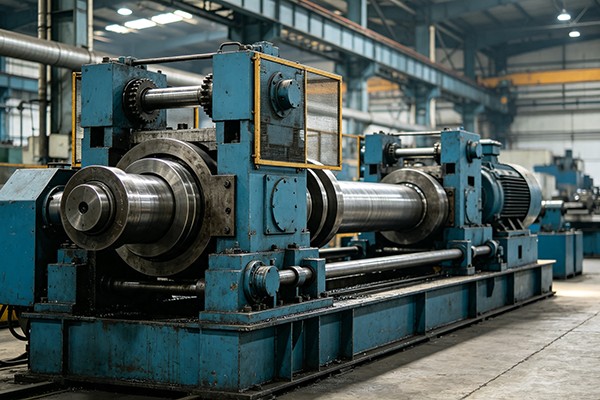

We offer a comprehensive range of precision metal processing equipment, including straightening, cold drawing, pointing, chamfering, cutting, thread rolling machines, and drawing dies, tailored for tube, bar, and wire materials across diverse industries.
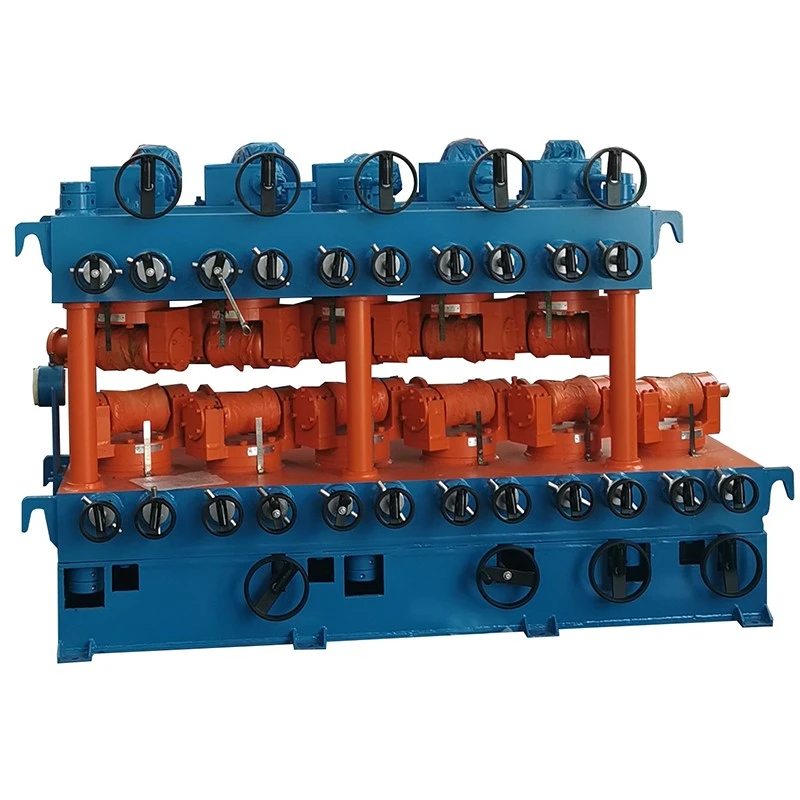
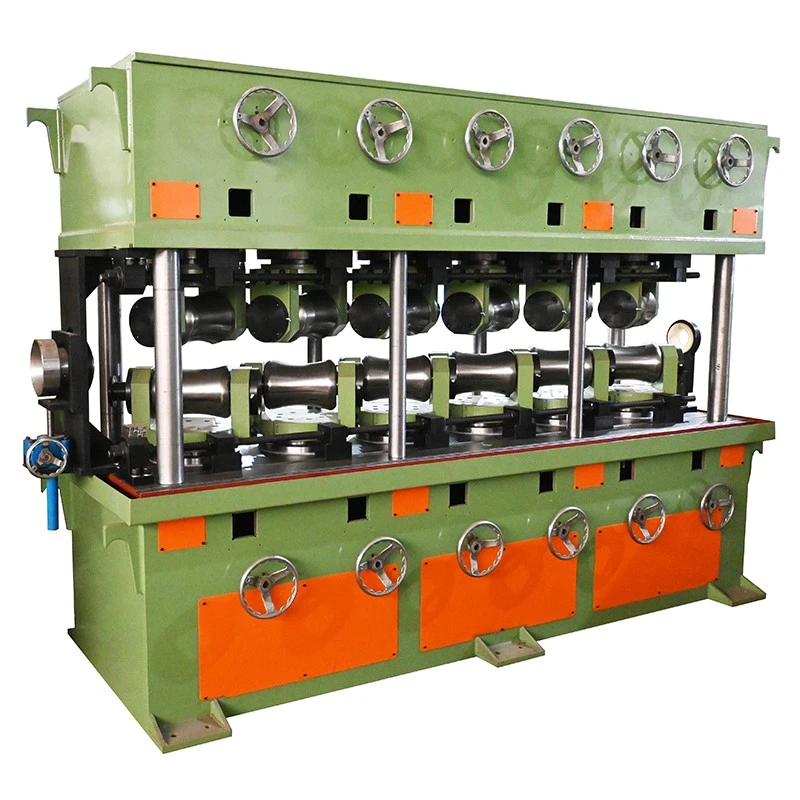
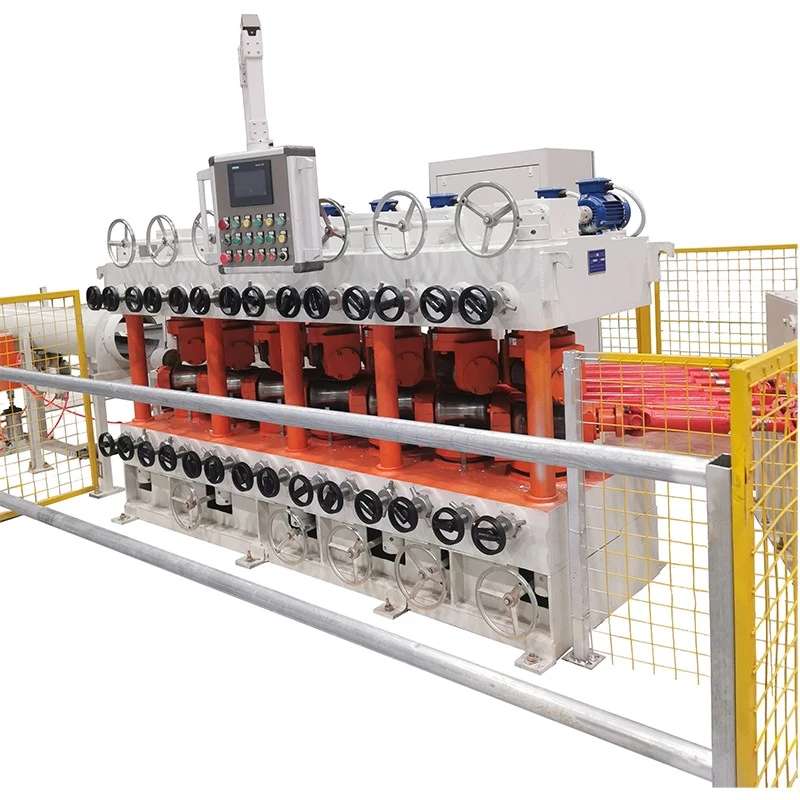
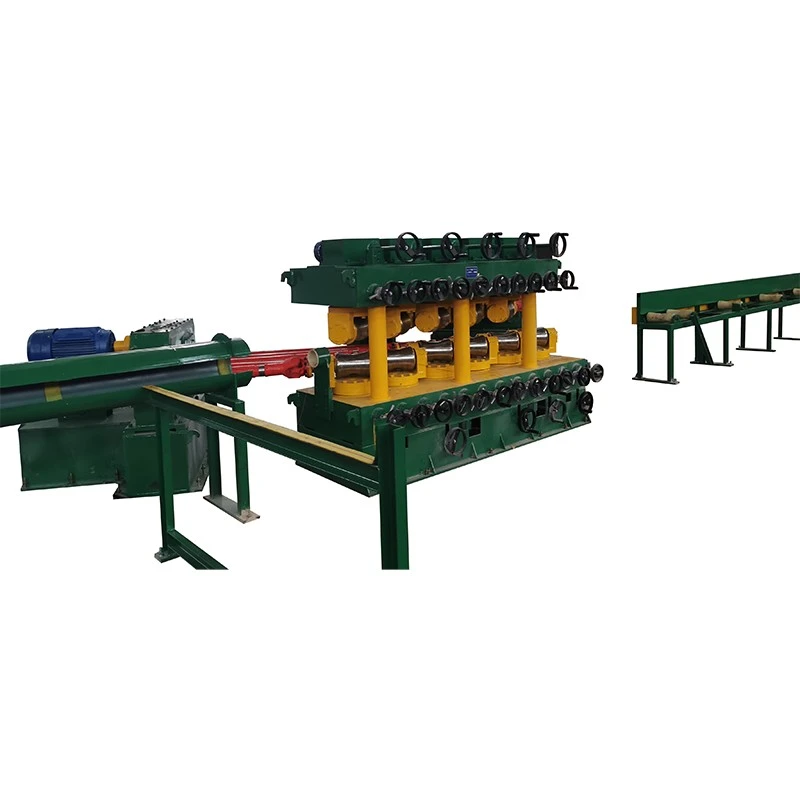
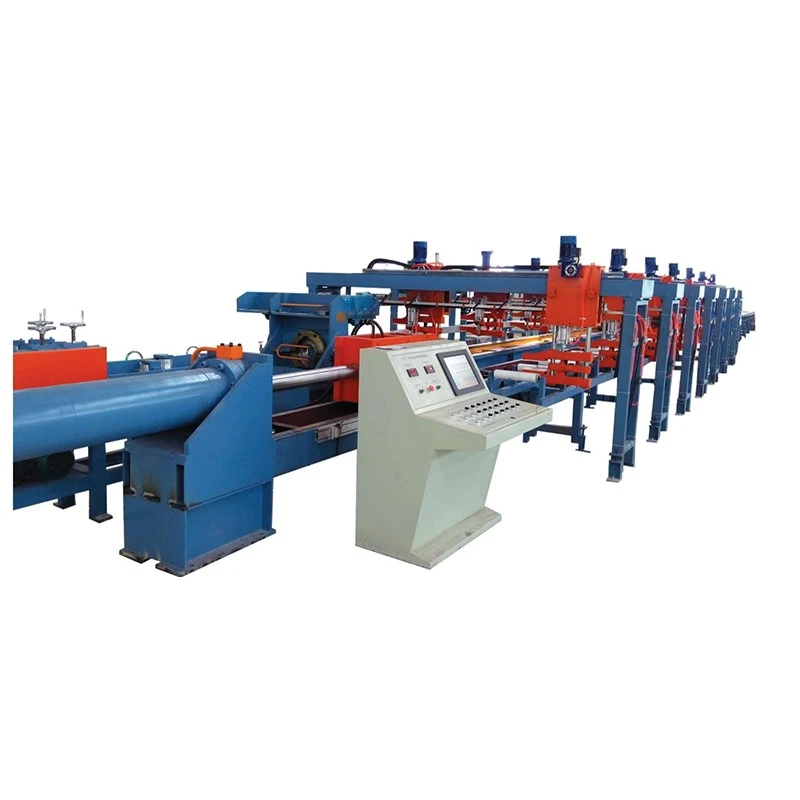
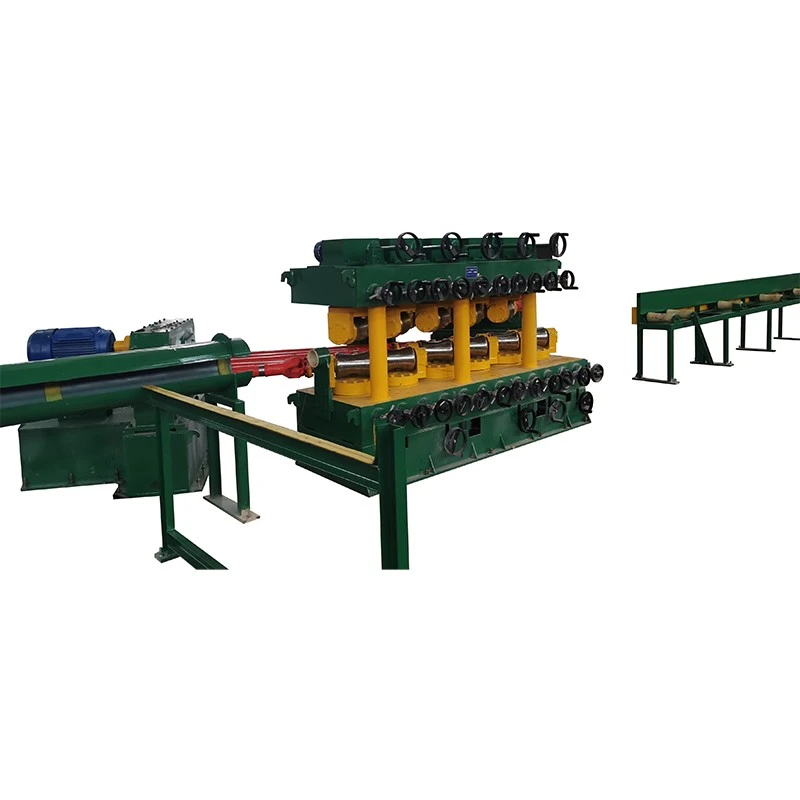
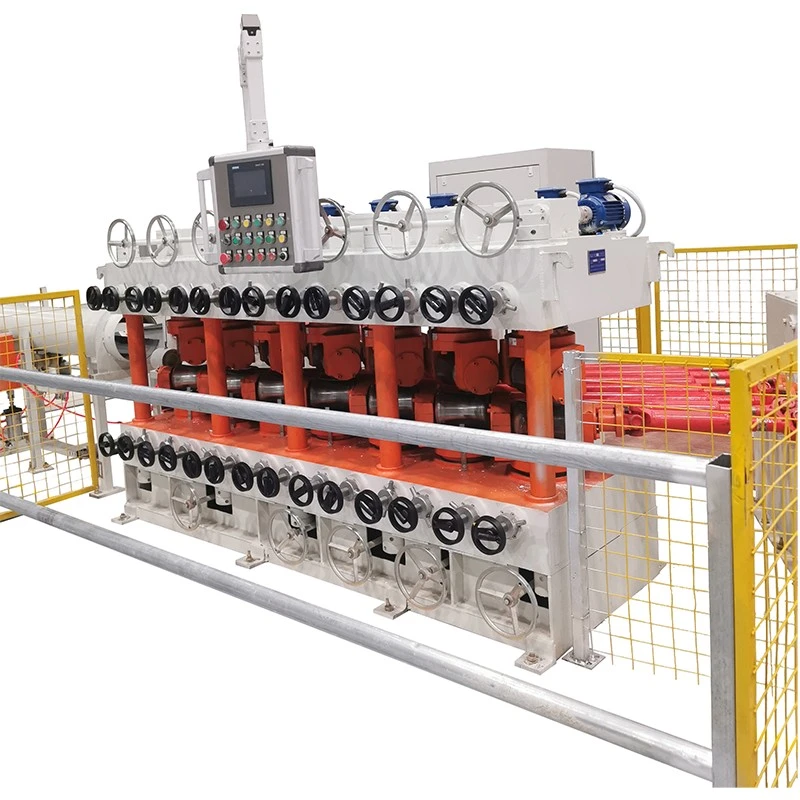
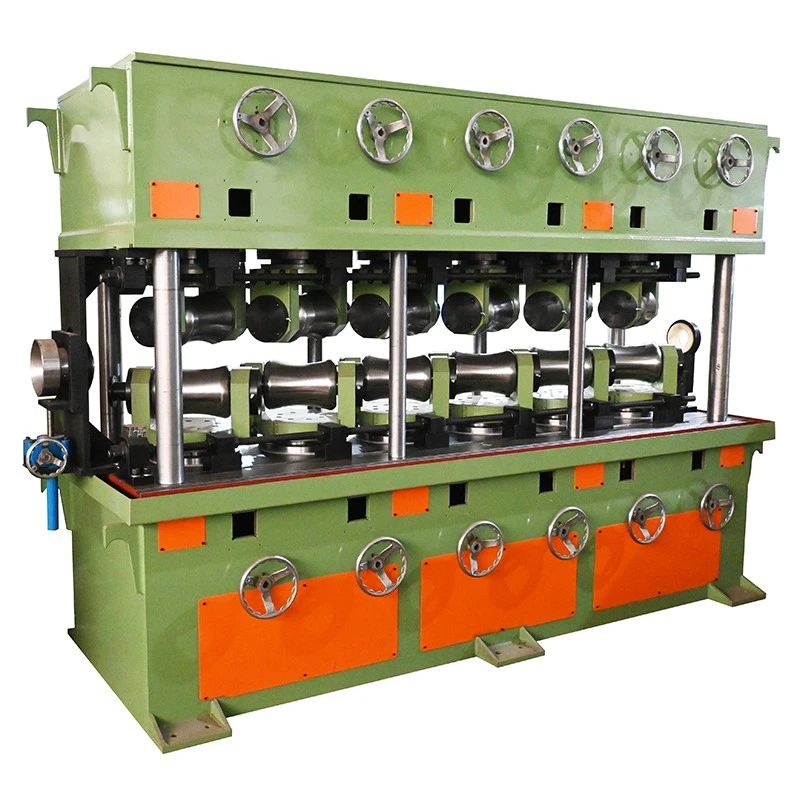
The Copper Vertical Multi-Rollers Straightening Machine is designed for correcting bending, camber and other deformation in copper tubes, rods, bars and selected copper alloy products. It uses multiple straightening rollers to apply controlled bending at successive contact points, allowing deformation to be corrected progressively rather than relying on heavy pressure at a few points.
Copper requires different straightening control from carbon steel because its lower hardness and high ductility make surface marks, local deformation and dimensional changes easier to introduce during processing. Roller geometry, contact pressure, material diameter, tube wall thickness and initial deformation therefore need to be considered together when selecting the machine.
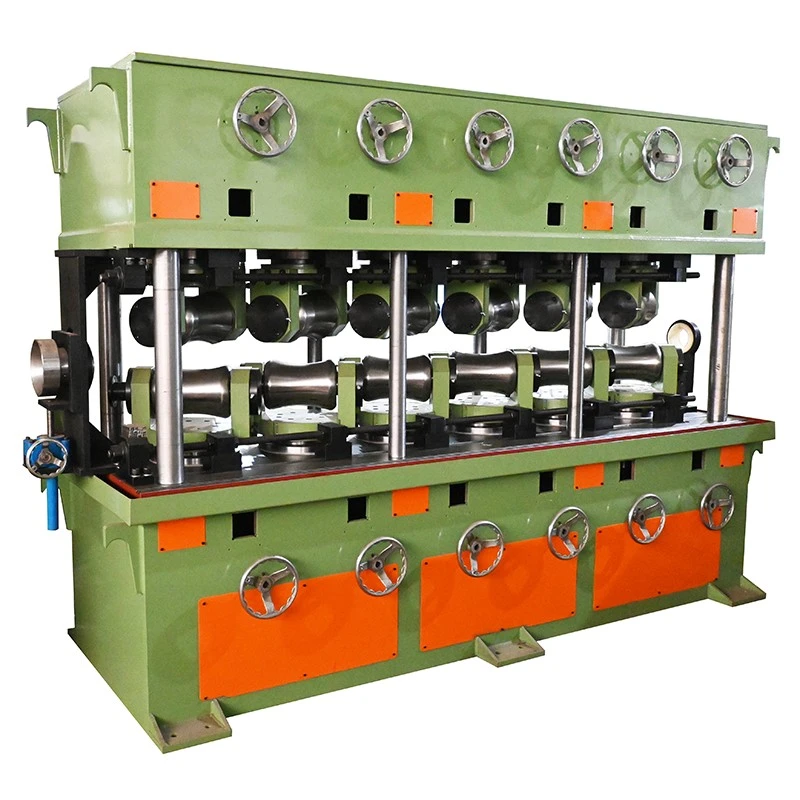
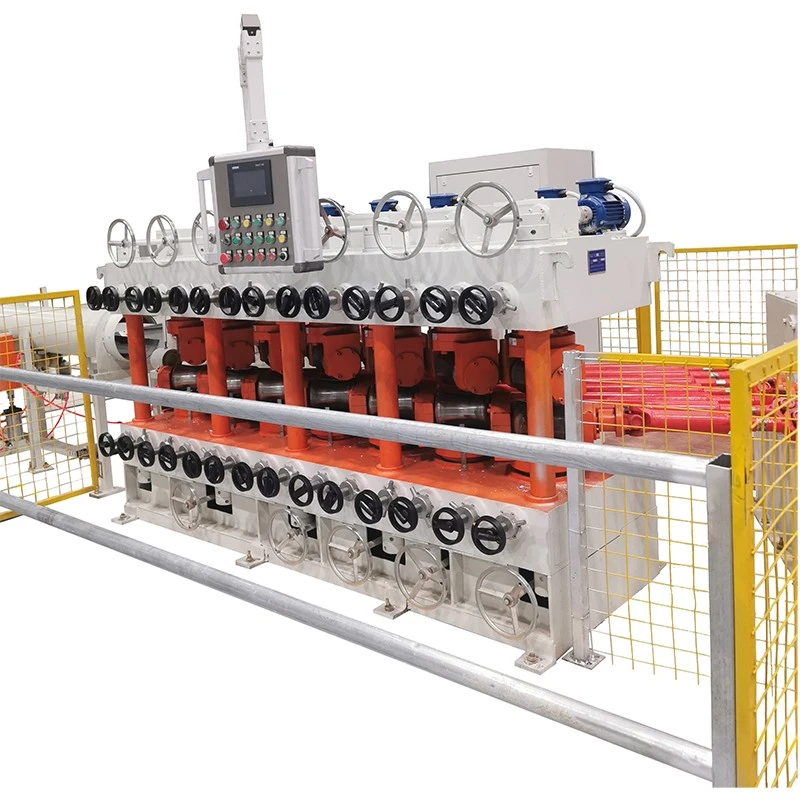
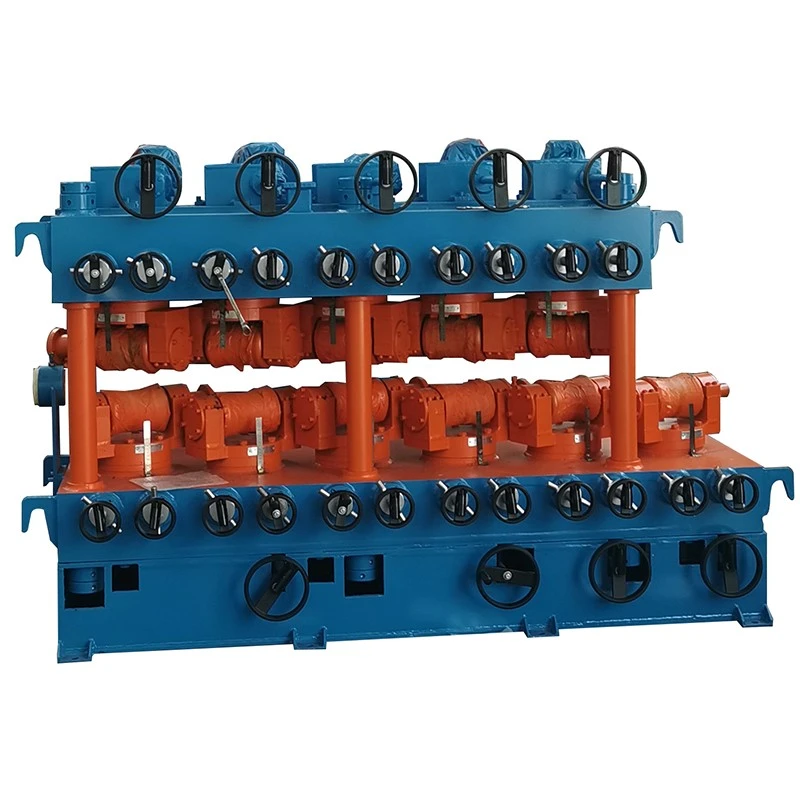
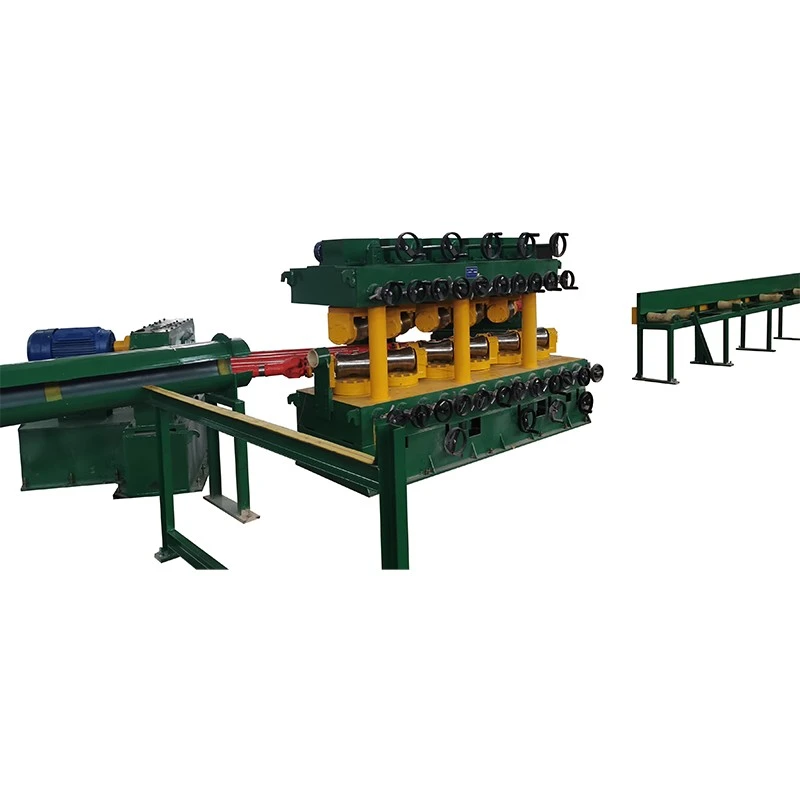
The copper tube or bar passes continuously through the upper and lower roller groups. Each roller introduces a controlled amount of bending in relation to the previous contact point. The repeated change in bending direction gradually reduces the original deformation and brings the material closer to the required straightness.
For copper products, the objective is not simply to apply more force. Excessive local pressure can leave roller marks or affect the tube cross-section. The roller position, opening distance, tilt angle and feed speed must be matched to the material size and condition so that correction is distributed over several contact points.
The vertical roller arrangement provides a compact processing layout and helps maintain a consistent material path through the roller section. This is useful when processing long copper tubes and bars where unsupported material can sag during horizontal handling. The actual handling and support arrangement should still be selected according to material length, weight and production-line layout.
Copper tubes and bars can leave drawing, extrusion, casting or rolling processes with longitudinal bending, camber or uneven deformation. If this condition is not corrected, it can affect feeding, cutting, forming, assembly and dimensional inspection in later operations. Multi-roller correction provides several successive deformation points to reduce these errors.
Copper is more sensitive to visible roller marks than many steel products. A straightening machine therefore needs controlled roller pressure and suitable roller surfaces rather than simply increasing the correction force. For products with strict appearance or conductivity requirements, roller material, surface finish and contact conditions should be considered during machine configuration.
For copper tubes, outside diameter alone is not sufficient for machine selection. Wall thickness affects tube stiffness and the amount of deformation that can be applied without unwanted ovality or local flattening. The Copper Vertical Multi-Rollers Straightening Machine selection should therefore consider tube diameter, wall thickness, material temper and initial straightness together.
Residual stress from previous forming and drawing operations can cause a tube or bar to change shape after cutting or further processing. Controlled multi-point bending can reduce the influence of this stress, but the achievable result depends on the material condition and the amount of initial deformation. Straightness requirements should be verified with representative samples when tight tolerances are involved.
The available roller configurations provide more contact points along the material path than simple two- or three-point straightening arrangements. This allows the correction load to be distributed across the workpiece, which is particularly useful when processing copper products where excessive local pressure can damage the surface or change the section geometry.
The roller opening distance and tilt angle influence how much bending is introduced at each contact point. These settings need to be adjusted according to the copper diameter, tube wall thickness, material strength and required straightness rather than using one setting for all specifications.
For electrical copper bars, rods and other products where surface condition matters, roller contact should be controlled to avoid unnecessary indentation or scratching. Roller specifications and surface treatment can be selected according to the copper grade and finished-product requirements.
The variable frequency drive allows the working speed to be adjusted within the specified range of each model. Lower or higher feed speeds may be selected according to material dimensions, deformation level and the required production rate. The optimum setting should be established through actual material trials rather than by speed alone.
The FR series covers different copper tube and solid bar sizes, from small-diameter products to larger sections. The table below lists the standard reference configuration. Final machine selection should be based on copper grade, diameter, tube wall thickness, length, tensile strength, initial straightness and required finished straightness.
| Model | FR-20 | FR-30 | FR-40 | FR-50 | FR-60 | FR-80 | FR-100 | FR-130 | FR-150 | FR-180 |
| Rollers Qty. | 7+7 Rollers | 7+7 Rollers | 10+1 Rollers | 6+6 Rollers | 10+1 Rollers | 10+1 Rollers | 10+1 Rollers | 10+1 Rollers | 10+1 Rollers | 10+1 Rollers |
| Tube Range / mm |
φ5-φ10 Wall thickness 1-7 |
φ10-φ30 Wall thickness 1-7 |
φ10-φ40 Wall thickness 1-5 |
φ18-φ50 Wall thickness 1-4 |
φ18-φ60 Wall thickness 3-12 |
φ30-φ80 Wall thickness 2-7 |
φ40-φ100 Wall thickness 2.5-10 |
φ50-φ130 Wall thickness 2.5-10 |
φ40-φ100 Wall thickness 2.5-10 |
φ80-φ180 Wall thickness 3-20 |
| Solid Bar Range / mm | φ5-φ10 | φ10-φ15 | φ10-φ25 | φ10-φ25 | φ18-φ30 | φ30-φ45 | φ16-φ55 | φ16-φ60 | φ16-φ55 | φ80-95 |
| Raw Material Length / mm | ≥2000 | >2000 | ≥2000 | ≥2000 | >2000 | >2000 | ≥2000 | ≥2500 | ≥2500 | ≥2000 |
| Tensile Strength / MPa | ≤800 | ≤800 | ≤800 | ≤800 | ≤980 | ≤650 | ≤1000 | ≤1000 | ≤1000 | ≤1000 |
| Raw Material Straightness / mm/m | ≤20 | ≤20 | ≤20 | ≤20 | ≤20 | ≤20 | ≤20 | ≤20 | ≤20 | ≤20 |
| Finished Material Straightness / mm/m | ≤0.3-0.5 | ≤0.3-0.5 | ≤0.3-0.5 | ≤0.3 | ≤0.8 | ≤0.7 | ≤0.6 | ≤0.6 | ≤0.65 | ≤0.7 |
| Roller Size / mm | φ68*90 | φ115*160 | φ130*210 | φ136*260 | φ150*260 | φ200*300 | φ220*300 | φ250*360 | φ220*300 | φ320*460 |
| Roller Size / mm | 200 | 250 | 360 | 360 | 430 | 450 | 600 | 650 | 600 | 780 |
| Upper and Lower Roller Opening Distance / mm | 35 | 45 | 55 | 65 | 75 | 75 | 85 | 85 | 95 | 95 |
| Adjustable Tilt Range | 27°-33° | 27°-33° | 27°-33° | 27°-33° | 27°-33° | 27°-33° | 27°-33° | 27°-33° | 27°-33° | 27°-33° |
| Main Motor Power / kW | 2.2*2 | 5.5*2 | 11*2 | 11*2 | 15*2 | 22*2 | 45*2 | 55*2 | 75*2 | 90*2 |
| Variable Frequency Drive / kW | 5 | 11 | 22 | 30 | 37 | 75 | 90 | 110 | 150 | 180 |
| Lifting Motor Power / kW | / | / | 0.75 | 0.75 | 1.1 | 1.1 | 1.5 | 2.2 | 2.2 | 3 |
| Working Speed / m/min | 10-30 | 10-30 | 10-40 | 0-20 | 10-30 | 10-30 | 10-30 | 10-30 | 10-30 | 10-30 |
| Center Height / mm | 750 | 750 | 790 | 830 | 830 | 830 | 830 | 870 | 890 | 890 |
| Weight / T (Reference) | 4 | 5 | 6 | 8 | 10 | 11 | 12 | 14 | 22 | 27 |
Provide the outside diameter, wall thickness, material grade or temper, tube length, initial straightness and required finished straightness. Wall thickness is particularly important because thin-wall and heavy-wall tubes respond differently to roller pressure.
The key selection factors are diameter, tensile strength, material condition, initial deformation and finished straightness. For larger solid bars, the required straightening force increases with section size and material strength, so model selection should not be based on diameter alone.
If several copper specifications will be processed on one machine, provide the complete size range rather than only the largest diameter. The roller working range, adjustment method and production sequence can then be evaluated against the actual product mix.
The Copper Vertical Multi-Rollers Straightening Machine can be used for straightening copper and copper alloy products used in:
Electrical and power components: Copper bars, rods and conductive components where straightness and surface condition affect downstream forming or assembly.
Refrigeration and air conditioning: Copper tubes used for heat-transfer and refrigerant systems, subject to the required tube diameter, wall thickness and material condition.
Electronics and electrical manufacturing: Copper bars, rods and connector materials requiring controlled geometry before cutting, forming or machining.
New energy equipment: Copper busbars and other copper components used in batteries, motors and electrical connections.
Plumbing and building products: Copper tubes, rods and profiles requiring straight material for subsequent fabrication and installation.
Metal processing: Copper and copper alloy products produced by extrusion, drawing, rolling or other forming processes.
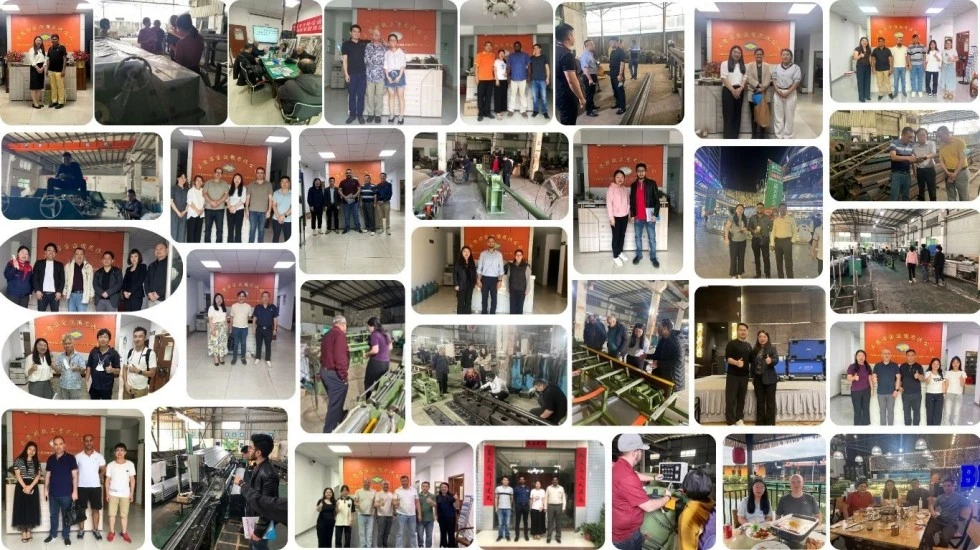
FangRong has manufactured straightening machines, cold drawing equipment and related metallurgical machinery since 1998. The company operates manufacturing facilities in Dongguan and Yangjiang and supplies equipment to customers in more than 60 countries and regions.
Our equipment range covers metal tube and bar processing applications. Machine configuration can be developed around the customer's material dimensions, production requirements and finished straightness target rather than using the same roller setup for every copper product.
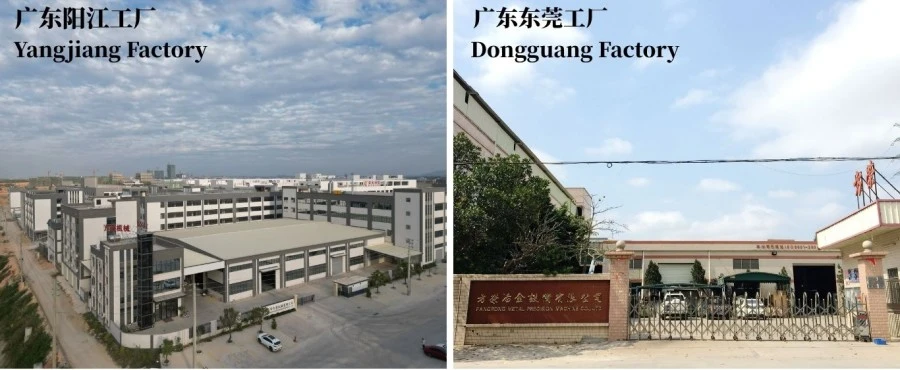
Dongguan Fangrong Metallurgical Equipment Co., Ltd. -- Located in Dalang Town, Dongguan City, with production covering straightening machines, cold drawing machines and related metal processing equipment.
Yangjiang Fangrong Machinery Co., Ltd. -- Located in Yangdong District, Yangjiang City, supporting equipment manufacturing and production capacity.
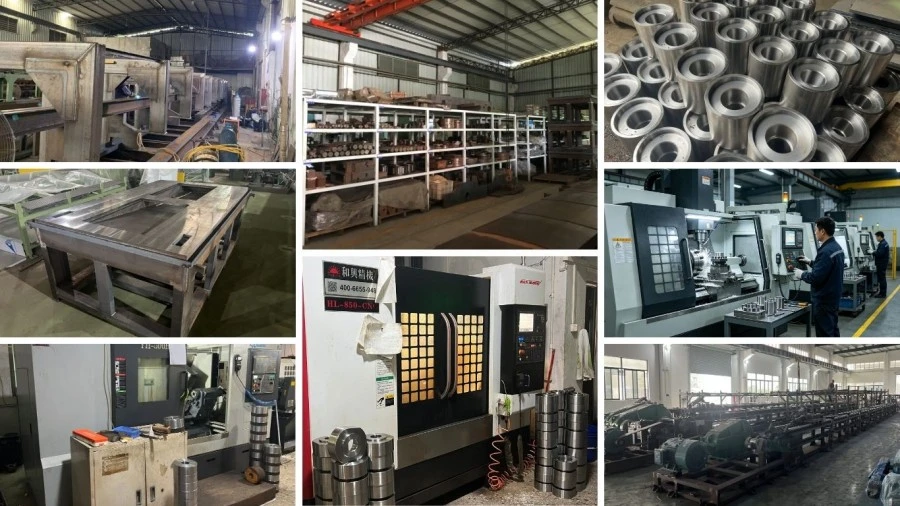
Machine frames and structural components are fabricated and machined according to the selected configuration. Straightening rollers, drive components and adjustment mechanisms are assembled after machining and inspection.
Before shipment, the Copper Vertical Multi-Rollers Straightening Machine is checked for roller adjustment, drive operation, speed control, lubrication, electrical functions and overall operating condition. Where required, sample copper tubes or bars can be used to verify the straightening effect and help establish the working parameters.
For copper straightening equipment, particular attention is given to roller alignment, opening adjustment, drive synchronization and the condition of the roller working surfaces. These factors directly affect material tracking, correction consistency and the risk of surface marking.
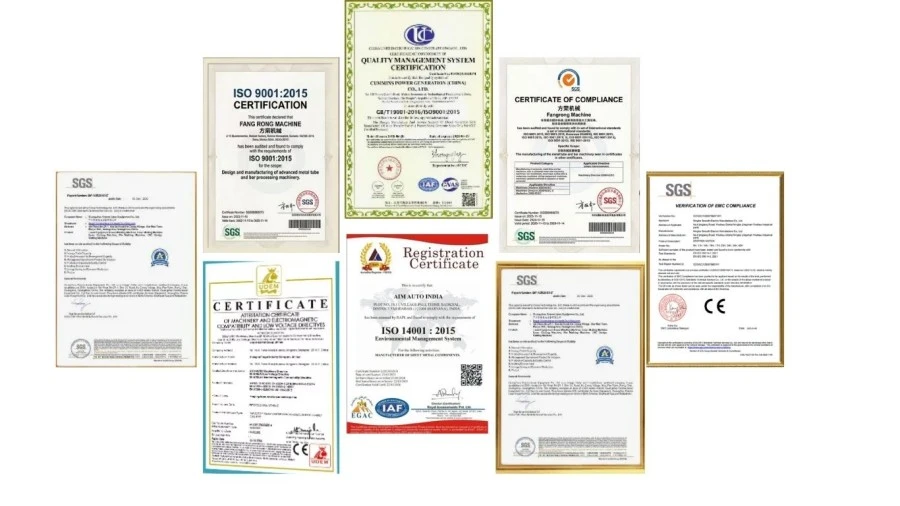
ISO 9001:2015: Quality management system certification, Certificate No. UQ231211R1.
CE: CE-marked equipment can be supplied according to the applicable machine configuration and requirements.
SGS: Third-party inspection can be arranged when required by the customer or project.
Patents: FangRong holds invention and utility model patents related to its machinery designs, including patents covering equipment components and processing mechanisms.
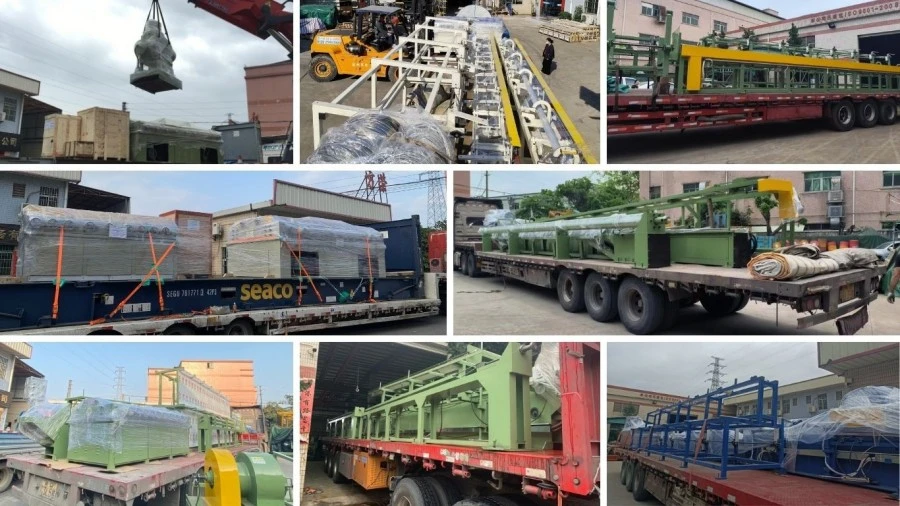
The machine is prepared for international transportation according to its structure and shipment method. Large equipment is divided into suitable transport sections where required, with protective packaging and export documentation prepared for container shipment.
Yes. The FR series includes configurations for both tubes and solid bars. However, the applicable range is different for each model, and tube wall thickness must be considered when selecting the machine.
Wall thickness affects tube stiffness and its response to roller pressure. A thin-wall copper tube may be more susceptible to ovality or local deformation, while a thicker tube requires greater correction force. The diameter and wall thickness should therefore be provided together when requesting a machine.
Use the correct roller working surface, avoid excessive local pressure and adjust the roller opening according to the material size and condition. For copper products with strict surface requirements, roller material and surface treatment should be discussed during machine configuration.
The reference specifications list finished straightness values from ≤0.3 mm/m to ≤0.8 mm/m depending on the model. The actual result depends on copper grade, dimensions, initial deformation, roller adjustment and production conditions.
Yes, when the sizes fall within the applicable working range of the selected model. If the production range is wide, provide all tube diameters and wall thicknesses so the roller configuration and adjustment range can be evaluated.
Provide the copper grade or temper, tube diameter and wall thickness or solid-bar diameter, material length, tensile strength if available, initial straightness, required finished straightness and expected production rate. Samples or drawings are useful when the product has tight dimensional or surface requirements.
Yes. Roller configuration, adjustment arrangement, drive system and other machine details can be developed according to the material and production requirements. Customization should be based on actual product dimensions and straightening targets rather than only the material name.
Yes. The machine can be arranged for continuous material feeding and can be matched with upstream or downstream equipment according to the production process. The interface and automation requirements should be confirmed during project design.
Price depends mainly on the machine model, material working range, roller configuration, drive power, adjustment system, automation requirements and other customized functions. Send the copper product specifications and production target for a project-specific quotation.
The standard warranty period is 12 months. Technical support and spare-parts services are available after delivery according to the agreed service terms.
Representative copper tubes or bars, material grade, dimensions, initial straightness and the required finished straightness are recommended. For difficult products, actual samples allow the roller arrangement and working parameters to be evaluated more accurately.
Address
NO.163,Shatong Road,Shabu 2nd Industrial Zone, Dalang Town, Dongguan City, Guangdong, China