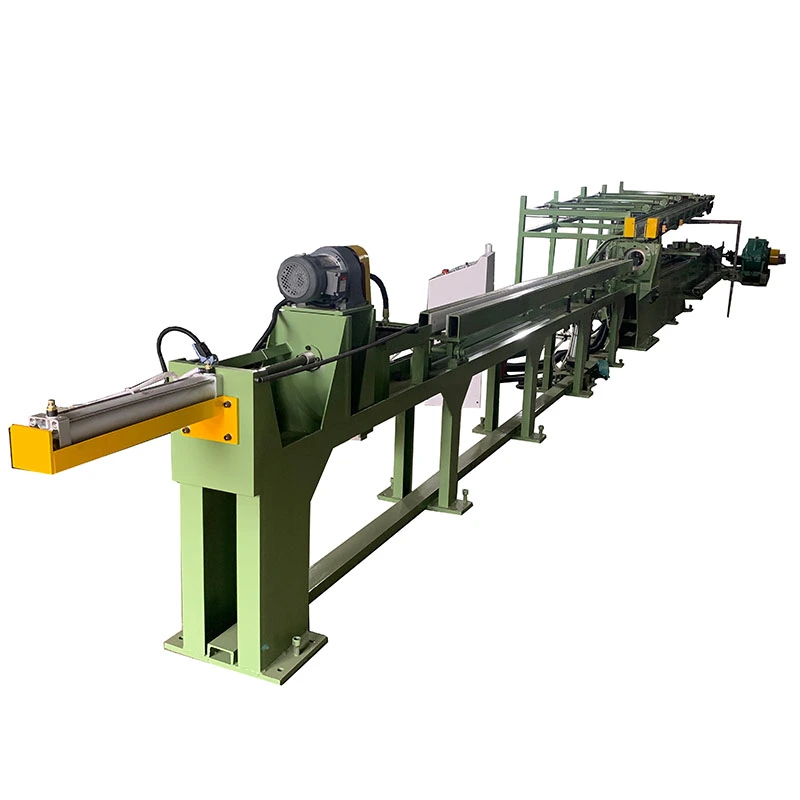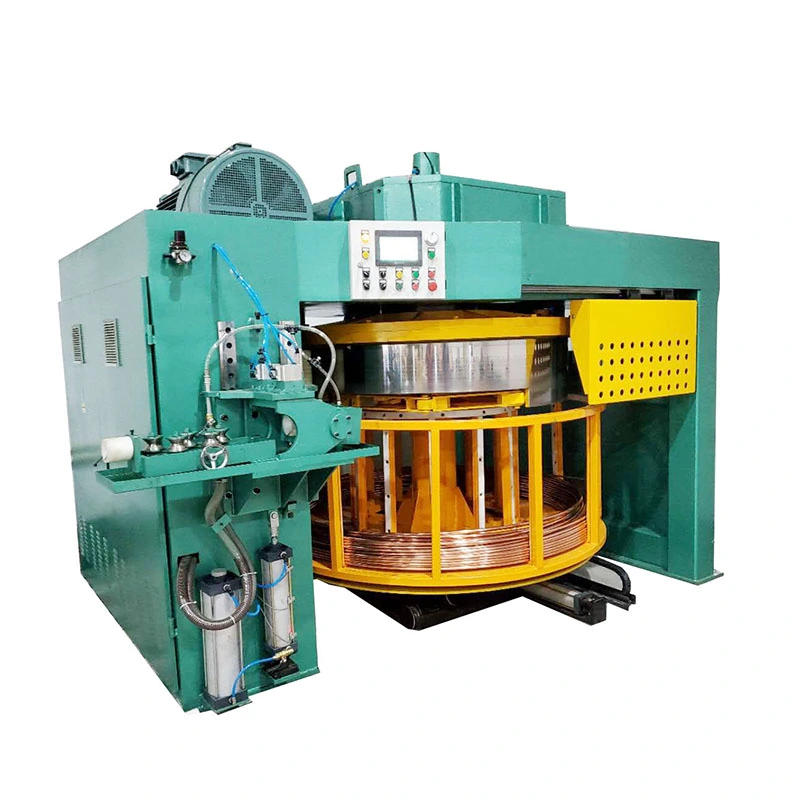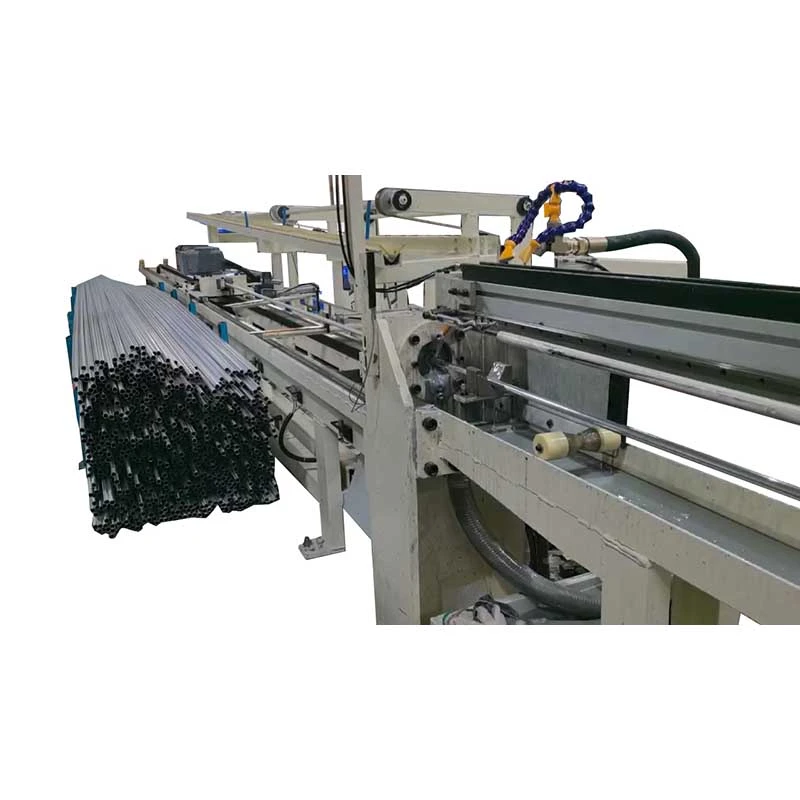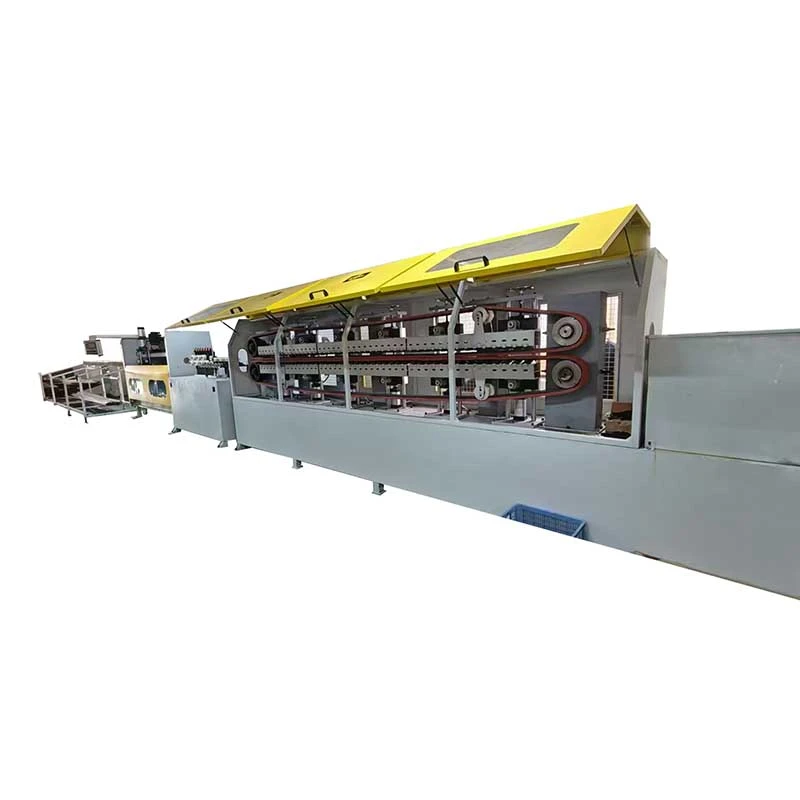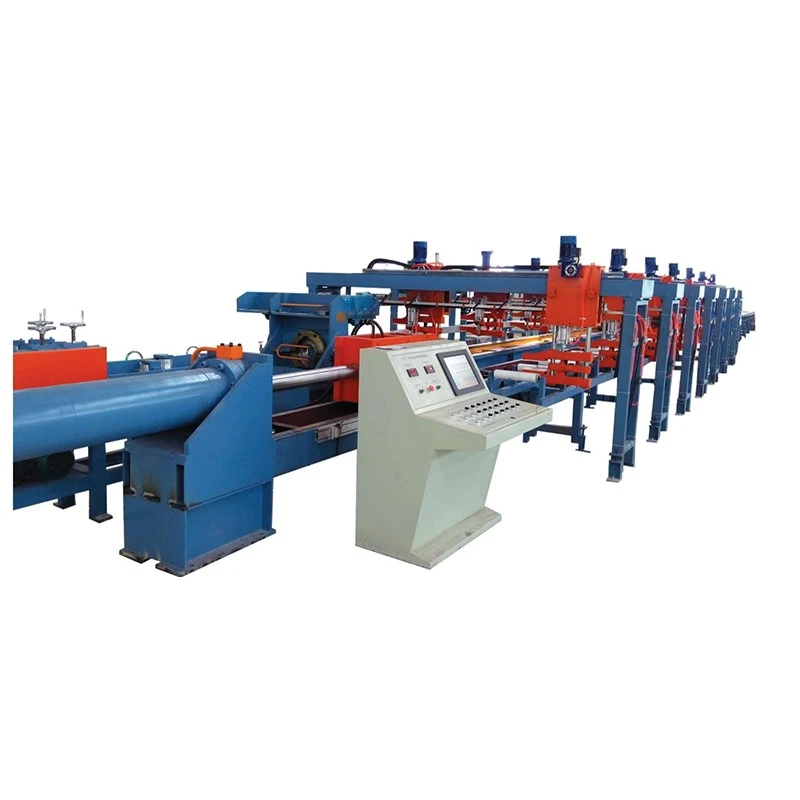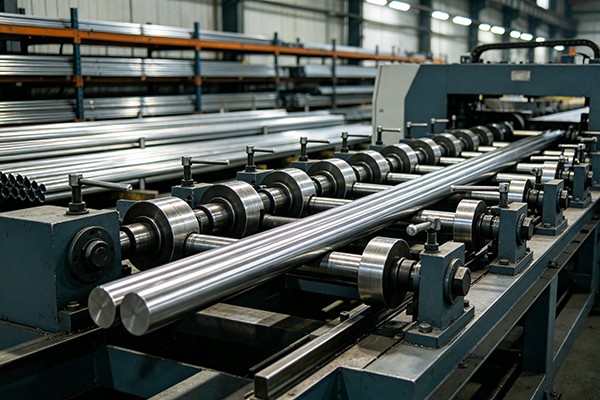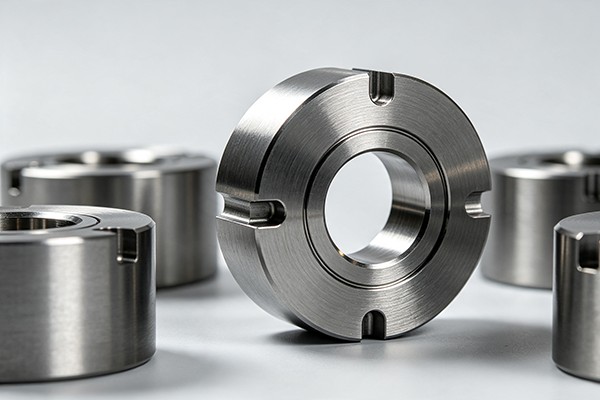

We offer a comprehensive range of precision metal processing equipment, including straightening, cold drawing, pointing, chamfering, cutting, thread rolling machines, and drawing dies, tailored for tube, bar, and wire materials across diverse industries.
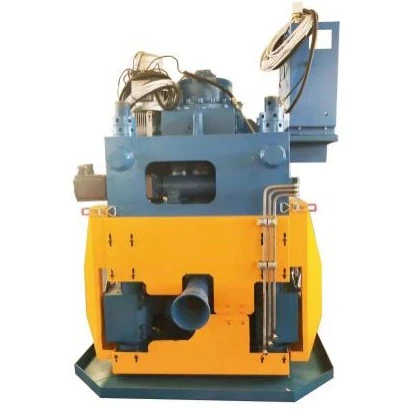
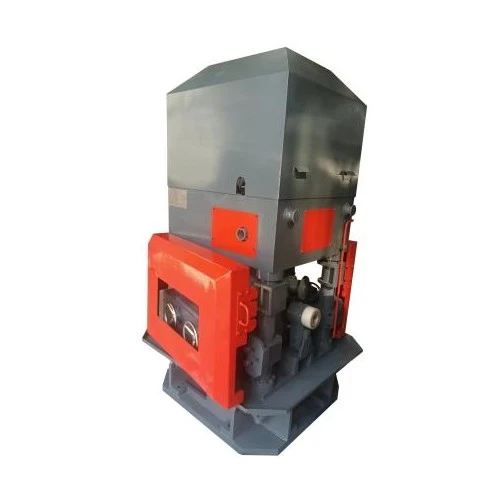
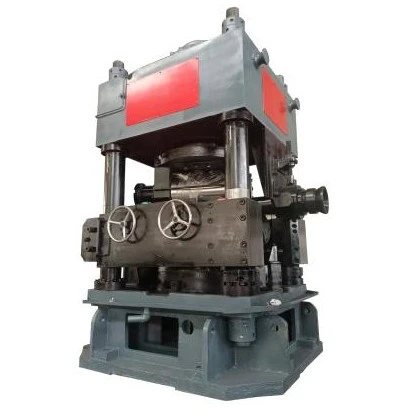
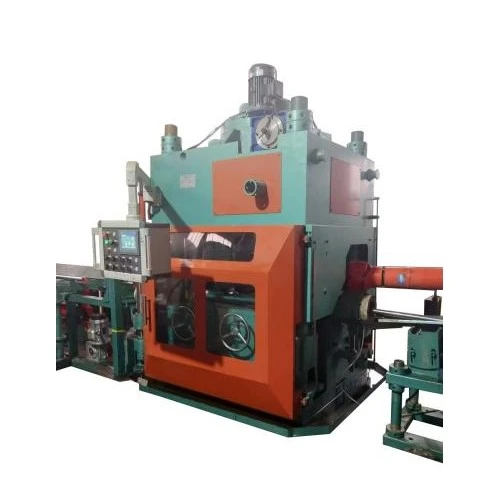
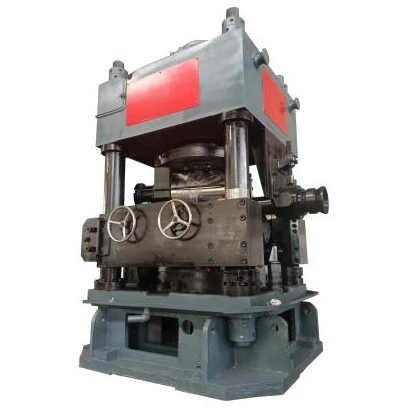
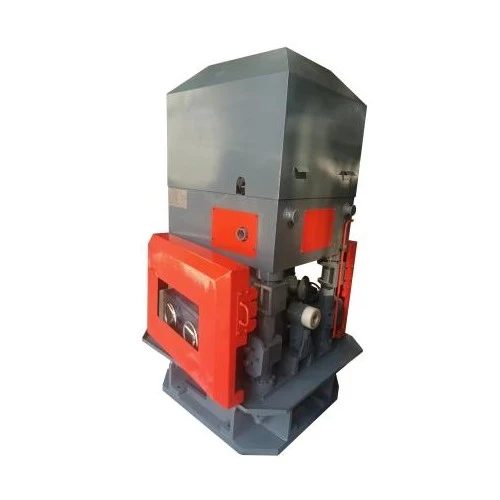
The Titanium Alloy Vertical Two-Roller Straightening Machine is designed for continuous straightening of titanium and titanium alloy bars, rods, and tubes. Its vertical two-roller arrangement applies controlled bending from multiple contact points as the material passes through the rollers, correcting longitudinal bending and improving dimensional consistency.
Titanium alloys are widely used where strength-to-weight ratio, corrosion resistance, and material performance are critical. However, their high material value also makes surface damage and dimensional deviation costly. The straightening process therefore needs to control roller pressure, contact geometry, feed condition, and material deformation rather than simply applying a high straightening force.
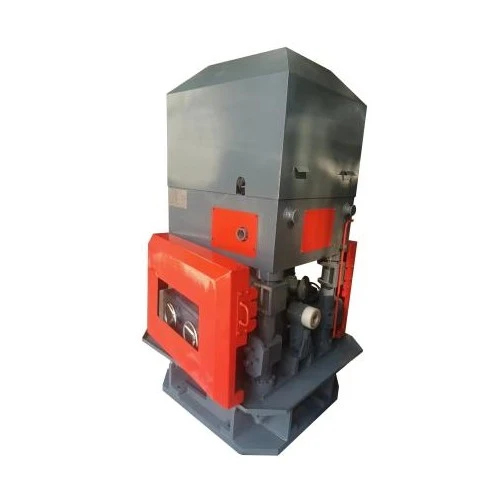
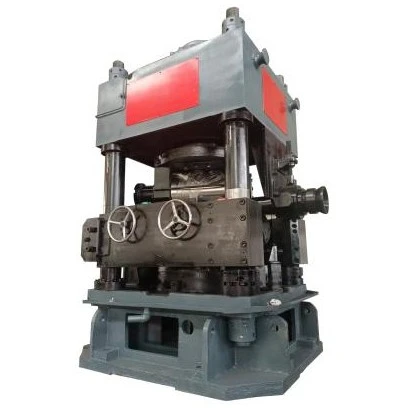
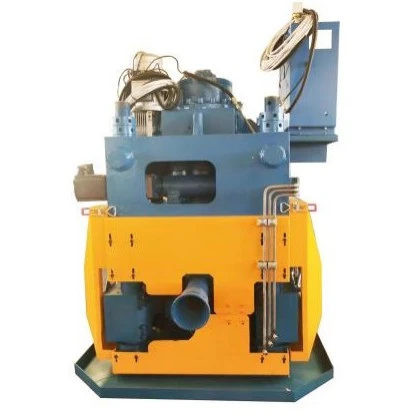
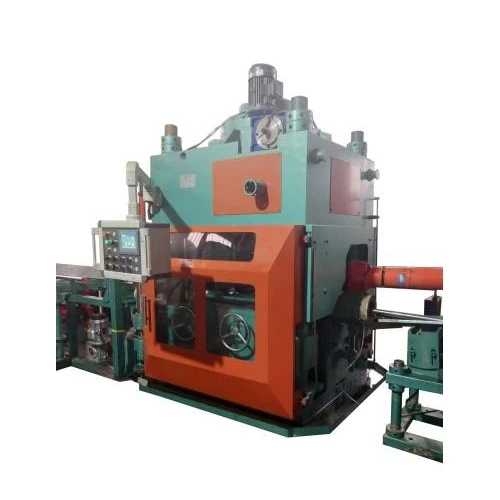
The machine uses two actively driven hyperbolic straightening rollers positioned vertically. As the titanium bar or tube enters the working zone, the rollers rotate and feed the material forward while applying controlled radial pressure.
The material is subjected to repeated bending and elastic recovery as it passes through the roller contact zone. Correct roller pressure and crossing angle allow the original bend to be progressively reduced instead of forcing the entire deformation in a single pass.
For titanium alloy products, roller adjustment is particularly important because excessive localized pressure can leave surface marks or affect the cross-sectional geometry. The working position is selected according to material diameter, wall thickness, material strength, initial straightness, and the required finished condition.
For tube applications, the process must also consider wall thickness and resistance to ovalization. The straightening parameters therefore cannot be selected from outside diameter alone.
Residual Bending After Drawing or Rolling
Titanium bars and tubes may retain longitudinal bending after rolling, drawing, heat treatment, cutting, or handling. Controlled roller deformation brings the material closer to the specified straightness before machining or assembly.
Roundness and Section Stability
Straightening force can influence the cross-section, especially when processing thin-wall tubes or precision-diameter products. Roller geometry and pressure must therefore be matched to the material section rather than adjusted only for bending correction.
Surface Protection
Titanium products are often used in applications where surface condition affects subsequent machining, fatigue performance, corrosion behavior, or final appearance. Proper roller material, surface finish, alignment, and process adjustment help reduce unnecessary contact damage.
Springback
Titanium alloys can show significant elastic recovery. The machine must compensate for springback through controlled over-bending and repeated correction rather than relying on a single fixed pressure setting.
High-Value Material Processing
When the raw material itself is expensive, unstable straightening conditions can increase scrap and rework costs. Process parameters should be established around the actual alloy grade, dimensions, deformation level, and finished tolerance.
Vertical Two-Roller Arrangement
The vertical layout provides a compact working configuration while allowing the two rollers to apply controlled pressure to the material from opposite sides.
Adjustable Roller Position
Roller spacing, inclination, and working pressure can be adjusted according to the material diameter and deformation condition. This is important when the same production line handles different titanium alloy sizes.
Controlled Contact Geometry
The hyperbolic roller profile determines how the material contacts the working surface. Proper roller geometry helps distribute the load along the material and reduces excessive localized deformation.
Suitable for Bars and Tubes
The equipment can be configured for solid titanium bars, rods, and applicable tube sizes. Tube processing requires additional consideration of wall thickness, ovality, and internal support conditions.
Precision-Oriented Straightening
The Titanium Alloy Vertical Two-Roller Straightening Machine is intended for finishing operations where straightness and dimensional consistency are more important than simply removing visible bending.
Adjustable Production Parameters
Working speed and roller settings can be adjusted for different material conditions and production requirements. The correct setting should be established through material testing rather than using one universal parameter.
Interchangeable Configuration
Depending on the production range, different roller specifications and working configurations can be selected to cover different diameter ranges and material conditions.
The FR series covers different diameter ranges for titanium alloy bars and other applicable long products. Model selection depends on material diameter, tensile strength, surface condition, initial straightness, required finished tolerance, and production capacity.
| Model | FR-20 | FR-40 | FR-60 | FR-80 | FR-100 | FR-130 | FR-160 |
| Solid Bar Diameter / mm | φ5-φ20 | φ10-φ40 | φ15-φ60 | φ20-φ80 | φ25-φ100 | φ35-φ130 | φ40-φ160 |
| Raw Material Length / mm | ≥2000 | ≥2000 | ≥2000 | ≥2000 | ≥2000 | ≥2000 | ≥2000 |
| Tensile Strength / MPa | ≤1000 | ≤1000 | ≤1000 | ≤1000 | ≤1000 | ≤1300 | ≤1300 |
| Surface Hardness | ≤HB380 (≤HRC42) | ≤HB380 (≤HRC42) | ≤HB380 (≤HRC42) | ≤HB380 (≤HRC42) | ≤HB380 (≤HRC42) | ≤HB380 (≤HRC42) | ≤HB380 (≤HRC42) |
| Raw Material Straightness / mm/m | ≤3 | ≤3 | ≤3 | ≤3 | ≤3 | ≤3 | ≤3 |
| Diameter Tolerance | ≤IT10 | ≤IT10 | ≤IT10 | ≤IT10 | ≤IT10 | ≤IT10 | ≤IT10 |
| Roundness | ≤50% of dia tol | ≤50% of dia tol | ≤50% of dia tol | ≤50% of dia tol | d≤50, ≤50% of dia tol; 50<d≤80, ≤65% of dia tol; d>80, ≤70% of dia tol | d≤50, ≤50% of dia tol; 50<d≤80, ≤65% of dia tol; d>80, ≤70% of dia tol | d≤50, ≤50% of dia tol; 50<d≤80, ≤65% of dia tol; d>80, ≤70% of dia tol |
| Raw Material Surface Roughness / Ra | ≤3.2~6.3 μm | ≤3.2~6.3 μm | ≤3.2~6.3 μm | ≤3.2~6.3 μm | ≤3.2~6.3 μm | ≤3.2~6.3 μm | ≤3.2~6.3 μm |
| Finished Material Straightness / mm/m | ≤0.3 | ≤0.3 | ≤0.3 | ≤0.3 | ≤0.3 | Peeled Material ≤0.3 | Peeled Material ≤0.3 |
| Finished Diameter Tolerance | ≤IT8 | ≤IT8 | ≤IT8 | ≤IT8 | ≤IT8 | ≤IT8 | ≤IT8 |
| Finished Surface Roughness / Ra | ≤0.8 μm | ≤0.8 μm | ≤0.8 μm | ≤0.8 μm | ≤0.8 μm | Peeled material: ≤0.8 μm; black skin material: improved. | Peeled material: ≤0.8 μm; black skin material: improved. |
| Roller Diameter / mm | φ180 | φ200 | φ260 | φ430 | φ570 | φ460 | φ460 |
| Working Speed / m/min | 2~30 | 2~10 | 3~15 | 3~15 | 3~15 | 3~15 | 3~15 |
| Main Motor Power / kW | 7.5×2 | 30×2 | 45×2 | 55×2 | 75×2 | 110×2 | 110×2 |
| Lifting Motor Power / kW | 0.75 | 1.1 | 1.5 | 1.5 | 4 | 5.5 | 5.5 |
| Main Machine Dimensions / m (Reference) | 4.7×1.7×1.8 | 5.7×2.0×2.2 | 6.6×2.3×2.6 | 6.6×2.3×2.6 | 8.1×3.1×3.6 | 11×5.4×4.3 | 11×5.4×4.3 |
| Main Machine Weight / T (Reference) | 2.5 | 5.8 | 10.9 | 16 | 26.2 | 42 | 42 |
| Total Installed Capacity / kW (Reference) | 18 | 62 | 110 | 120 | 170 | 240 | 300 |
The specifications above are reference values for the FR series. Final machine selection and process parameters depend on the titanium alloy grade, bar or tube dimensions, wall thickness, initial deformation, surface condition, required straightness, dimensional tolerance, and production capacity. For titanium products with tight tolerances, providing a material drawing and sample is recommended before finalizing the configuration.
Aerospace Components
Titanium bars and tubes are used in structural components, fasteners, engine-related parts, and other aerospace applications. Straightening is commonly required before machining, cutting, or assembly where material alignment affects subsequent processing.
Medical Titanium Products
Titanium and titanium alloys used for implants, surgical components, and medical equipment may require controlled straightness and surface condition before further precision processing. Final requirements depend on the applicable material and medical-product specifications.
Chemical and Marine Equipment
Titanium's corrosion resistance makes it suitable for selected heat exchangers, chemical equipment, seawater systems, and marine applications. Straightening helps prepare tubes and bars for fabrication and machining.
Precision Machinery and Equipment
Used for titanium alloy bars and tubes that require controlled geometry before turning, grinding, drilling, cutting, or assembly.
Non-Ferrous Metal Finishing
The same machine platform can be configured for applicable round bars and tubes made from stainless steel, alloy steel, copper alloys, and other materials when their strength and dimensional conditions fall within the machine's working range.
High-Value Metal Processing
Suitable for finishing lines where material recovery, dimensional consistency, and controlled surface contact are important because the raw material has a relatively high processing cost.
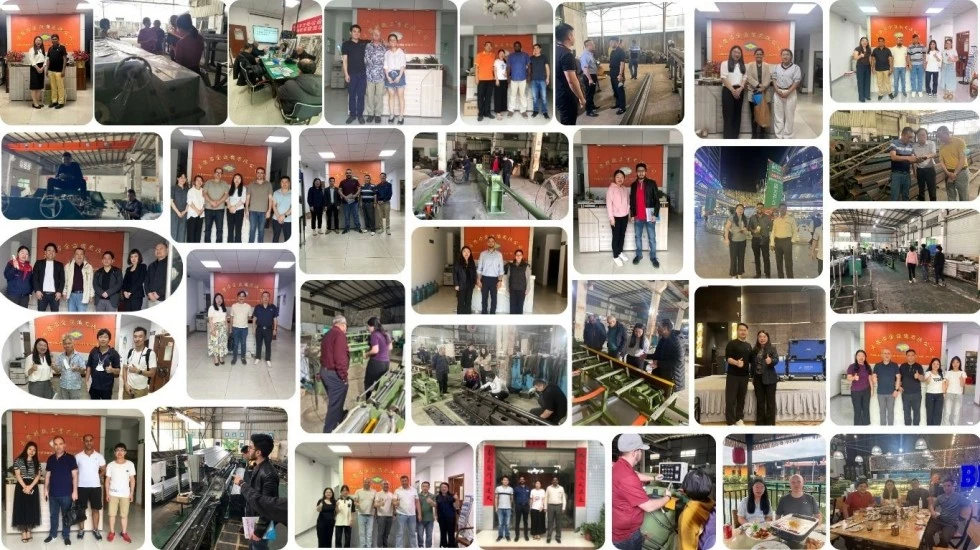
FangRong has manufactured straightening machines, cold drawing equipment, and related metallurgical machinery since 1998. The company operates manufacturing facilities in Dongguan and Yangjiang, China, and supplies equipment for bar, tube, and profile processing.
The company has supplied equipment to more than 10,000 customers in over 60 countries and regions. For titanium alloy applications, machine configuration is based on the actual material specification and finished-product requirements rather than diameter alone.
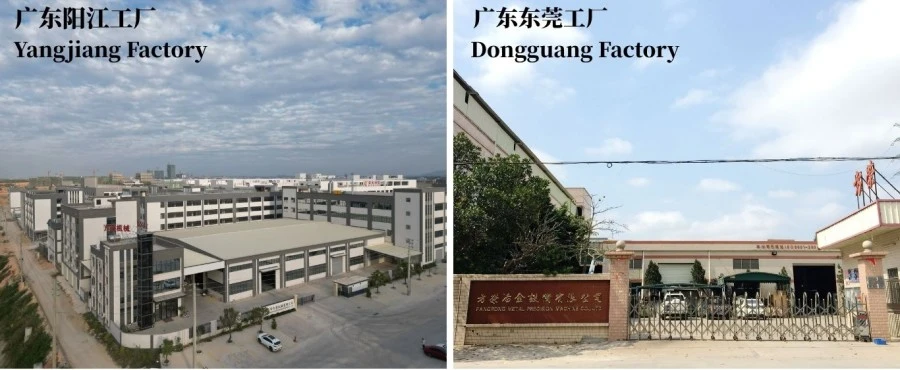
Manufacturing Facilities
Dongguan Fangrong Metallurgical Equipment Co., Ltd. is located in Dalang Town, Dongguan City, and focuses on metallurgical equipment manufacturing. Yangjiang Fangrong Machinery Co., Ltd. in Yangdong District, Yangjiang City supports additional production capacity.
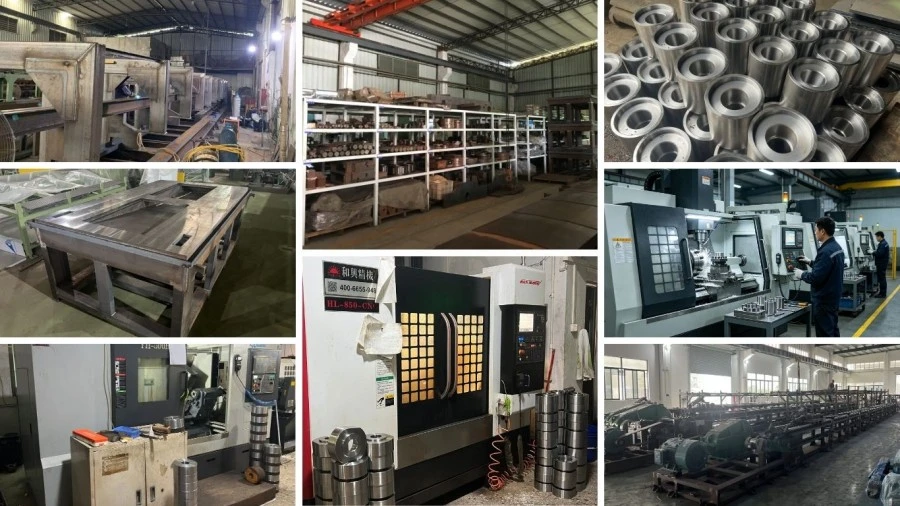
For customized straightening machines, the production process starts with material and application review, followed by mechanical design, component machining, roller manufacturing, assembly, alignment, and machine testing.
Roller geometry and alignment are checked before delivery because these directly affect material contact and straightening behavior. Machine testing covers running condition, roller adjustment, electrical controls, and straightening performance according to the agreed technical requirements.
FangRong provides installation guidance, operator training, technical support, and a standard 12-month warranty.
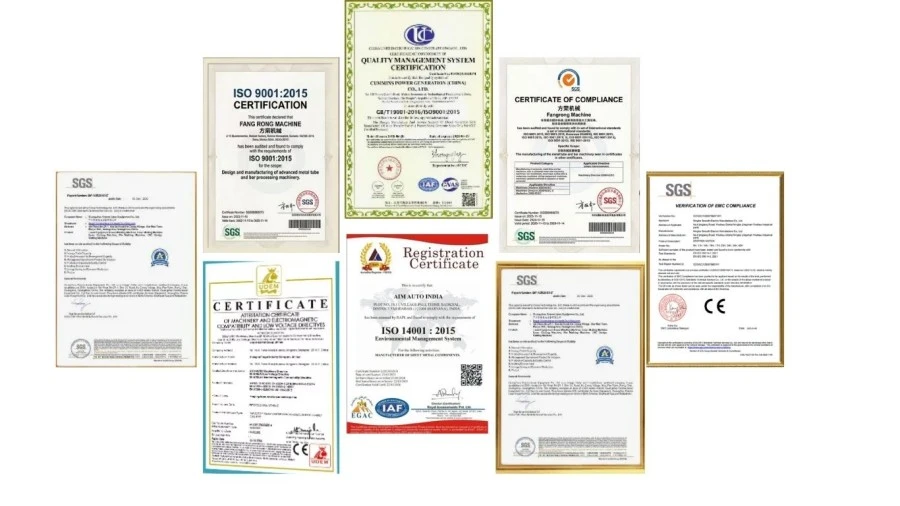
ISO 9001:2015 — Quality management system certification, Certificate No. UQ231211R1.
CE Mark — Applicable conformity requirements for the relevant machine configuration.
SGS Inspection — Independent inspection can be arranged according to project requirements.
Patents — FangRong holds invention and utility model patents covering straightening and metallurgical equipment technologies, including 2013207829011, 2008300532117, and ZL2015 2 0842922.7.
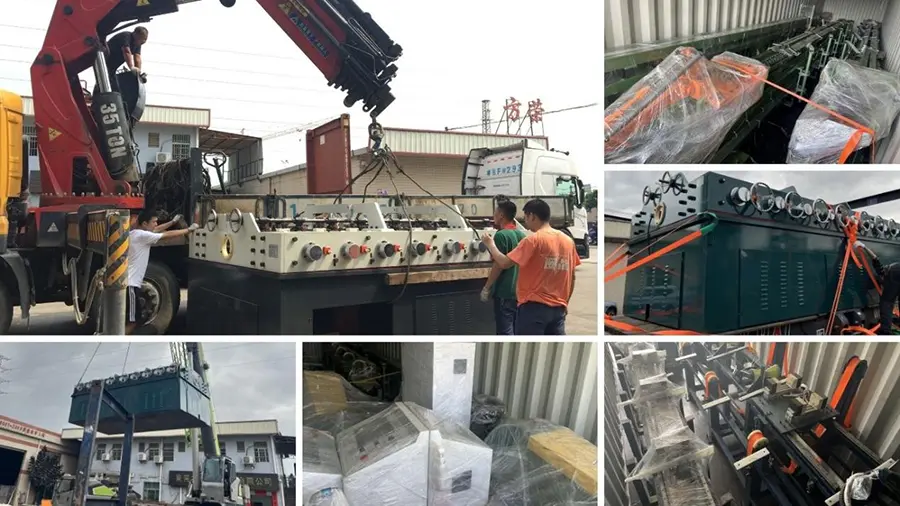
After testing and final inspection, the machine is prepared for transportation according to its dimensions, weight, and shipping method. The main machine, electrical components, rollers, tooling, and auxiliary parts are protected and packed according to their transportation requirements.
Q1: What information should I provide when selecting a Titanium Alloy Vertical Two-Roller Straightening Machine?
Provide the titanium alloy grade, bar or tube diameter, tube wall thickness if applicable, material length, initial straightness, tensile strength, surface condition, required finished straightness, dimensional tolerance, and production quantity. A material drawing or sample is useful when the tolerance is tight.
Q2: Can the machine straighten titanium alloy tubes as well as solid bars?
Yes, provided the tube dimensions and material condition fall within the selected machine's working range. Tube straightening requires additional consideration of wall thickness and ovality because excessive roller pressure can affect the cross-section.
Q3: How do you prevent roller marks on titanium alloy products?
Roller surface condition, roller geometry, alignment, contact pressure, and working speed all affect surface quality. For products with strict surface requirements, the roller material and finish should be selected together with the titanium grade and finished surface specification. Trial processing is recommended before mass production.
Q4: Can one machine process different titanium alloy diameters?
Yes. A suitable model can cover a defined diameter range, with roller spacing and working conditions adjusted for each specification. If the diameter range is large or the product shapes vary significantly, different roller configurations or tooling may be required.
Q5: What is the difference between straightness and roundness in the finished product?
Straightness describes how closely the longitudinal axis or surface follows a straight reference line, while roundness describes the deviation of the cross-section from a true circle. A straight bar is not necessarily round, so both requirements should be specified separately when dimensional accuracy is important.
Q6: Can the machine correct material with severe initial bending?
It depends on the amount and direction of deformation, material strength, diameter, and required finished tolerance. Excessive initial deformation may require a different correction strategy or pre-straightening process. Sample testing is recommended when the incoming material exceeds the standard straightness range.
Q7: What is the typical production speed?
The reference working speed varies by model, from 2–30 m/min on FR-20 and 2–10 m/min on FR-40, while larger models are generally listed at 3–15 m/min. Actual production speed should be determined according to material grade, diameter, deformation, surface requirements, and target straightness.
Q8: Does FangRong provide customized machines for titanium alloy applications?
Yes. Configuration can be adjusted according to diameter range, material strength, tube dimensions, production capacity, finished straightness, dimensional tolerance, automation requirements, and other process conditions. The final configuration is confirmed after technical review.
Q9: What is the normal delivery time?
Standard configurations generally require 30–60 days after technical and order confirmation. Customized equipment may require additional engineering, manufacturing, and testing time. The final lead time is confirmed according to the agreed machine configuration.
Q10: What are the warranty and after-sales terms?
The standard machine warranty is 12 months. FangRong provides installation guidance, operator training, remote technical support, and spare-parts service. On-site commissioning or other services can be arranged according to the project requirements.
Q11: What information is needed for a quotation?
The most useful information is titanium alloy grade, solid bar or tube specification, diameter and wall thickness, material length, incoming straightness, surface condition, required finished tolerance, production capacity, and factory power supply. If available, provide a drawing and photos of the material so the roller configuration can be evaluated more accurately.
Address
NO.163,Shatong Road,Shabu 2nd Industrial Zone, Dalang Town, Dongguan City, Guangdong, China