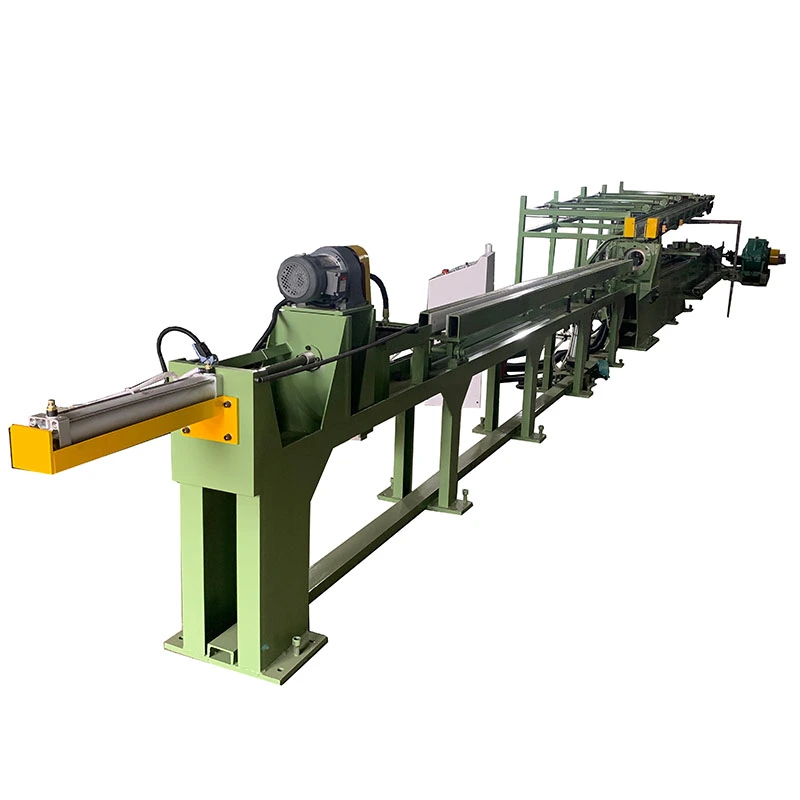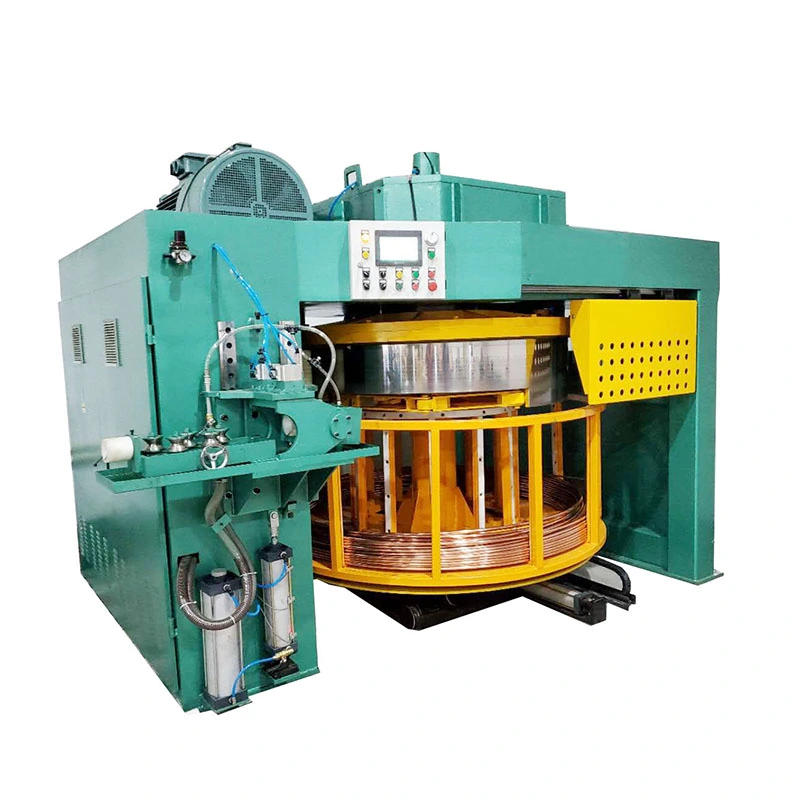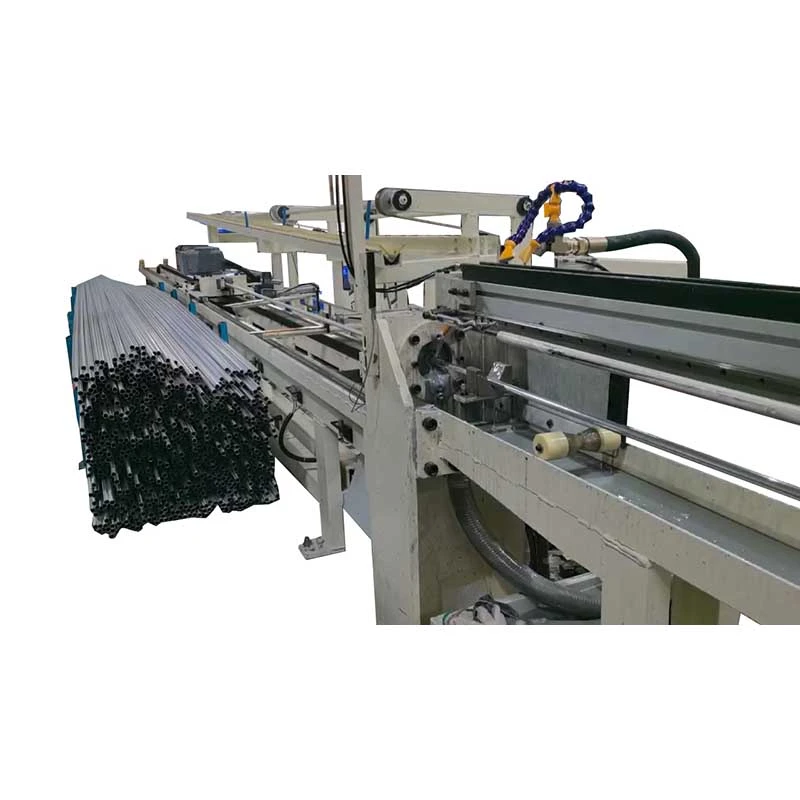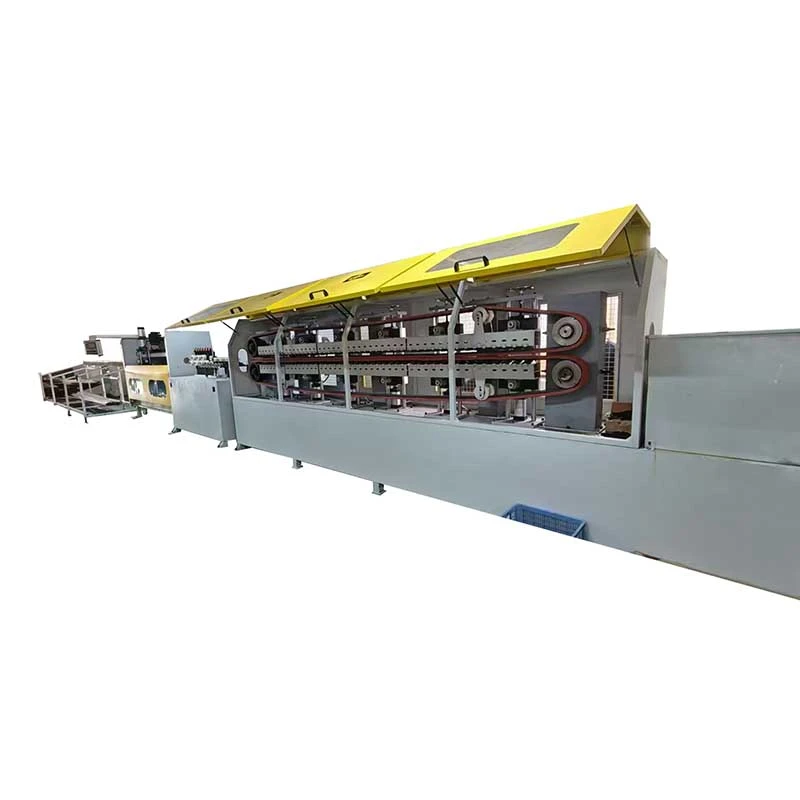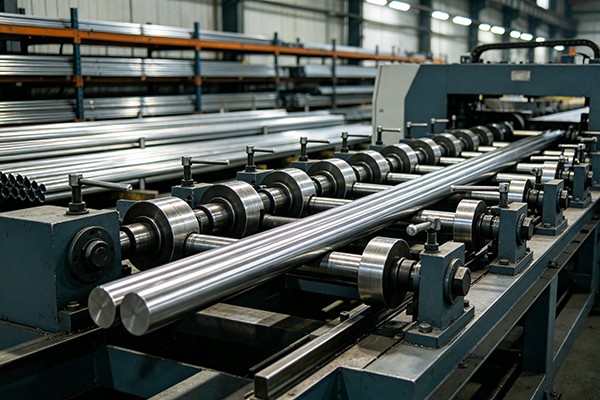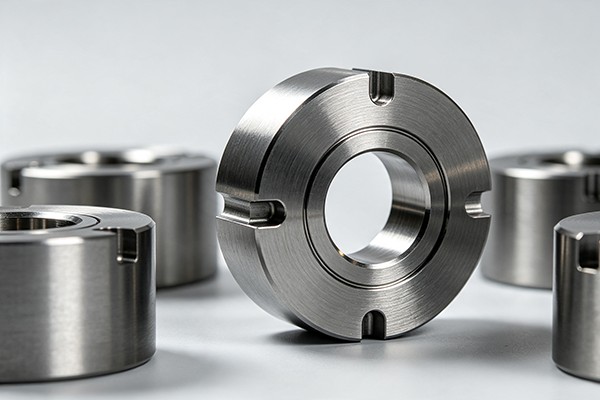
We offer a comprehensive range of precision metal processing equipment, including straightening, cold drawing, pointing, chamfering, cutting, thread rolling machines, and drawing dies, tailored for tube, bar, and wire materials across diverse industries.
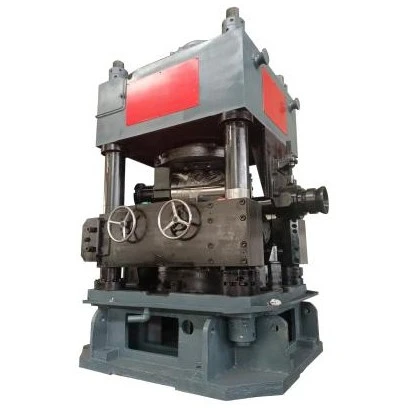
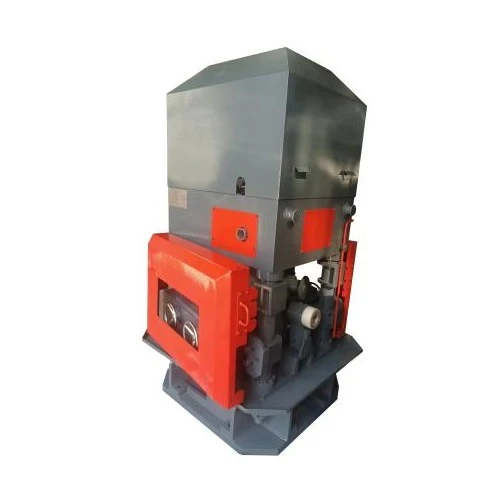
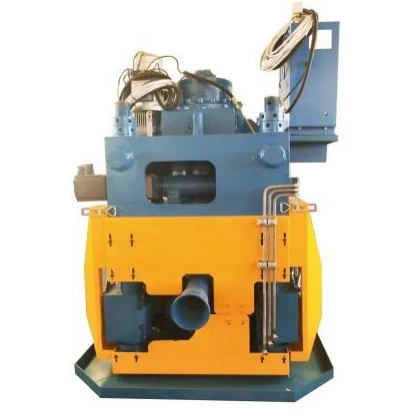
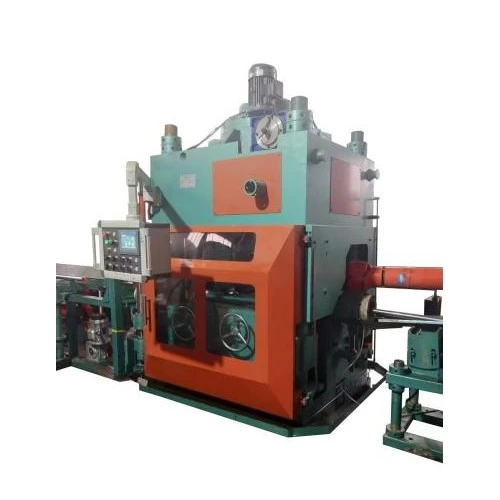
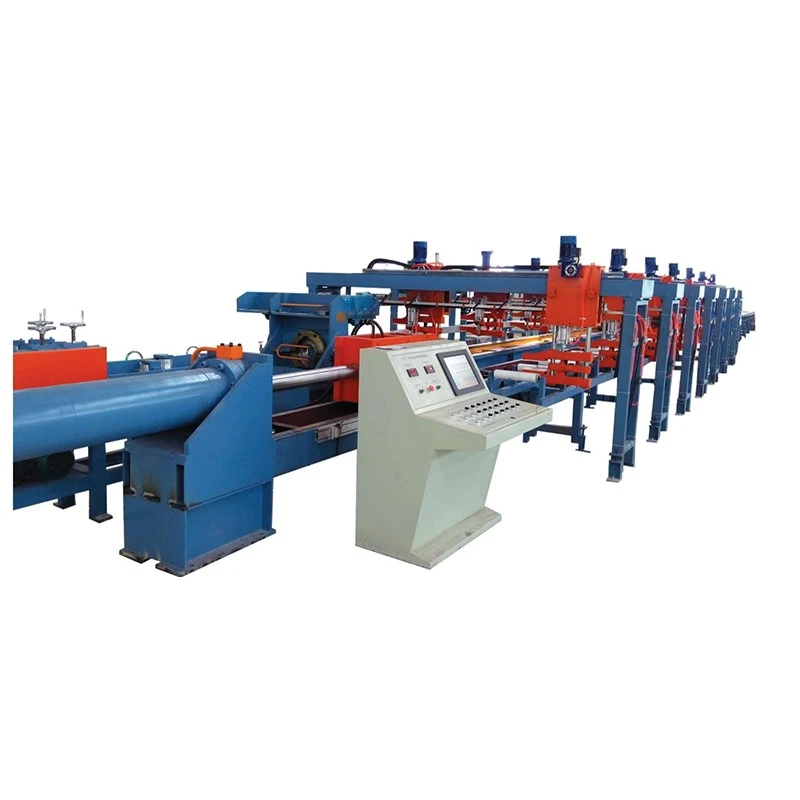
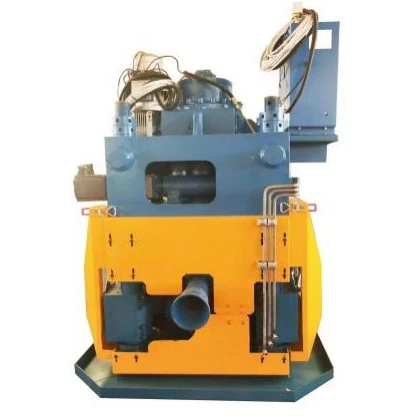
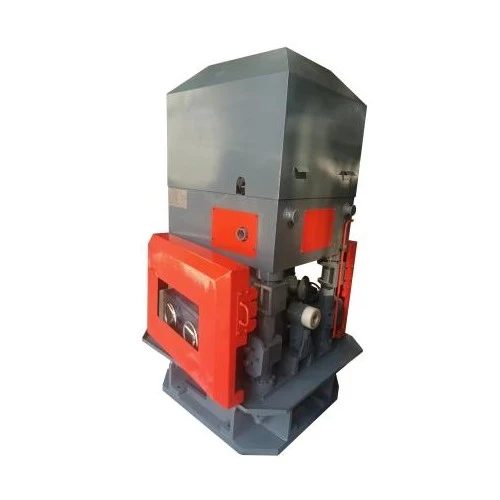
The Stainless Steel Vertical Two Rollers Straightening Machine is designed for continuous straightening of stainless steel bars, rods, tubes, and other long metal products. It corrects bending and deformation introduced during rolling, drawing, heat treatment, machining, handling, and transportation.
Stainless steel requires controlled straightening because excessive roller pressure can leave surface marks, affect roundness, or introduce unwanted deformation. The vertical two-roller arrangement provides controlled contact between the material and rollers, allowing the straightening force and roller position to be adjusted according to material size, hardness, initial bending, and required straightness.
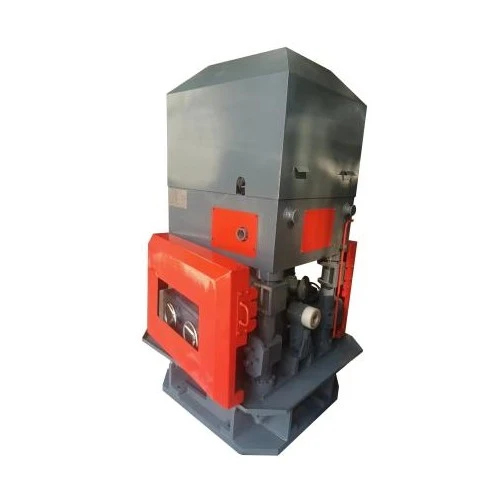
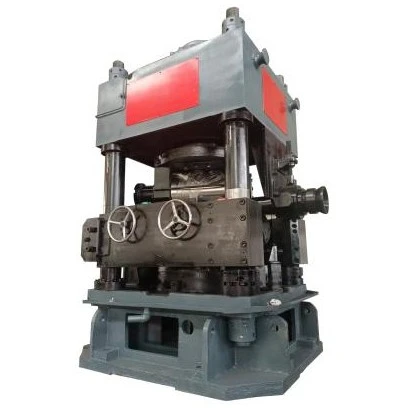
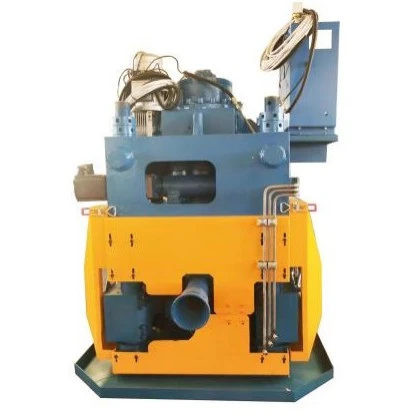
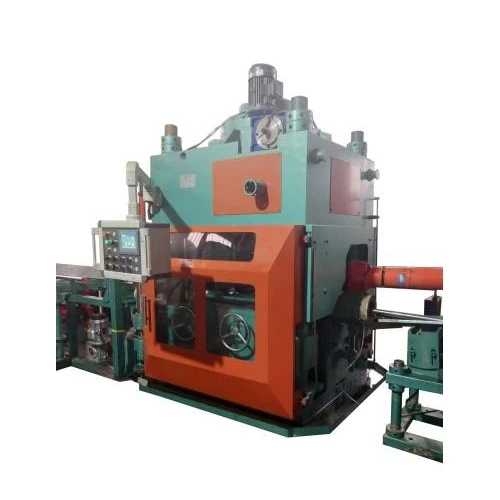
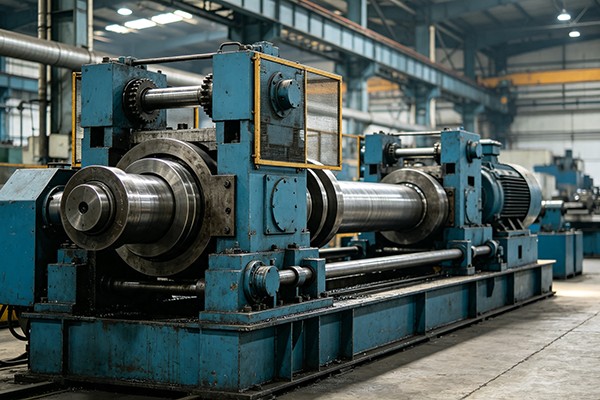
The stainless steel bar, rod, or tube passes continuously between two rotating straightening rollers. By adjusting the roller position and contact pressure, the machine applies controlled deformation in the direction required to correct the original bend.
The amount of correction depends on the material grade, cross-sectional size, hardness, initial straightness, and springback. Proper roller adjustment is therefore more important than simply increasing the applied pressure. For stainless steel products with demanding surface or dimensional requirements, the roller profile and contact condition also need to be matched to the product.
For tubes, wall thickness and ovality should be considered together with outside diameter. For solid bars, diameter tolerance and roundness affect the contact condition between the material and rollers.
Post-process bending: Corrects deformation remaining after cold drawing, rolling, heat treatment, machining, or material handling.
Inconsistent straightness: Provides a repeatable mechanical correction process instead of relying on manual straightening.
Downstream machining problems: Straightens bars and rods before cutting, grinding, turning, threading, or other machining operations where excessive bending can affect positioning and dimensional consistency.
Tube alignment problems: Helps correct bending in stainless steel tubes before subsequent cutting, assembly, welding, or inspection.
Surface marking: Controlled roller pressure and suitable roller geometry help reduce unnecessary contact damage on stainless steel surfaces.
Production labor: Continuous mechanical straightening reduces dependence on manual correction for repetitive production work.
Two-Roller Vertical Arrangement
The vertical roller layout provides a compact straightening configuration and controlled material guidance during continuous processing.
Adjustable Straightening Force
Roller position and pressure can be adjusted for different stainless steel diameters, material conditions, and straightness requirements.
Suitable for Bars, Rods, and Tubes
The machine can be configured according to the product geometry. Tube applications require additional consideration of wall thickness and ovality.
Wide Processing Range
The FR series covers solid bar diameters from φ5 mm to φ160 mm, depending on the selected model.
Continuous Processing
Working speeds range from 2 to 30 m/min depending on model, material condition, and production requirements.
Surface-Conscious Straightening
For stainless steel products with polished, peeled, or otherwise controlled surfaces, roller material, finish, geometry, and pressure can be considered during machine configuration.
Configuration for Different Production Lines
FangRong can configure the Stainless Steel Vertical Two Rollers Straightening Machine according to material dimensions, required output, straightness tolerance, loading method, and factory layout.
The FR series is available in several models according to the processing diameter and material condition. The following specifications are reference values for solid stainless steel bars. Final machine selection should be confirmed against the actual material grade, dimensions, initial deformation, surface condition, straightness tolerance, and production capacity.
| Model | FR-20 | FR-40 | FR-60 | FR-80 | FR-100 | FR-130 | FR-160 |
| Solid Bar Range/mm | φ5-φ20 | φ10-φ40 | φ15-φ60 | φ20-φ80 | φ25-φ100 | φ35-φ130 | φ40-φ160 |
| Raw Material Length/mm | ≥2000 | ≥2000 | ≥2000 | ≥2000 | ≥2000 | ≥2000 | ≥2000 |
| Tensile Strength/MPa | ≤1000 | ≤1000 | ≤1000 | ≤1000 | ≤1000 | ≤1300 | ≤1300 |
| Surface Hardness | ≤HB380 (≤HRC42) | ≤HB380 (≤HRC42) | ≤HB380 (≤HRC42) | ≤HB380 (≤HRC42) | ≤HB380 (≤HRC42) | ≤HB380 (≤HRC42) | ≤HB380 (≤HRC42) |
| Raw Material Straightness/mm/m | ≤3 | ≤3 | ≤3 | ≤3 | ≤3 | ≤3 | ≤3 |
| Diameter Tolerance | ≤IT10 | ≤IT10 | ≤IT10 | ≤IT10 | ≤IT10 | ≤IT10 | ≤IT10 |
| Roundness | ≤50% of diameter tolerance | ≤50% of diameter tolerance | ≤50% of diameter tolerance | ≤50% of diameter tolerance | d≤50: ≤50%; 50<d≤80: ≤65%; d>80: ≤70% of diameter tolerance | d≤50: ≤50%; 50<d≤80: ≤65%; d>80: ≤70% of diameter tolerance | d≤50: ≤50%; 50<d≤80: ≤65%; d>80: ≤70% of diameter tolerance |
| Raw Surface Roughness/Ra | ≤3.2~6.3 μm | ≤3.2~6.3 μm | ≤3.2~6.3 μm | ≤3.2~6.3 μm | ≤3.2~6.3 μm | ≤3.2~6.3 μm | ≤3.2~6.3 μm |
| Finished Straightness/mm/m | ≤0.3 | ≤0.3 | ≤0.3 | ≤0.3 | ≤0.3 | Peeled Material ≤0.3 | Peeled Material ≤0.3 |
| Finished Diameter Tolerance | ≤IT8 | ≤IT8 | ≤IT8 | ≤IT8 | ≤IT8 | ≤IT8 | ≤IT8 |
| Finished Surface Roughness/Ra | ≤0.8 μm | ≤0.8 μm | ≤0.8 μm | ≤0.8 μm | ≤0.8 μm | Peeled Material: ≤0.8 μm; black skin material: improved | Peeled Material: ≤0.8 μm; black skin material: improved |
| Roller Diameter/mm | φ180 | φ200 | φ260 | φ430 | φ570 | φ460 | φ460 |
| Working Speed/m/min | 2~30 | 2~10 | 3~15 | 3~15 | 3~15 | 3~15 | 3~15 |
| Main Motor Power/kW | 7.5 × 2 | 30 × 2 | 45 × 2 | 55 × 2 | 75 × 2 | 110 × 2 | 110 × 2 |
| Lifting Motor Power/kW | 0.75 | 1.1 | 1.5 | 1.5 | 4 | 5.5 | 5.5 |
| Main Machine Dimensions/m (Reference) | 4.7 × 1.7 × 1.8 | 5.7 × 2.0 × 2.2 | 6.6 × 2.3 × 2.6 | 6.6 × 2.3 × 2.6 | 8.1 × 3.1 × 3.6 | 11 × 5.4 × 4.3 | 11 × 5.4 × 4.3 |
| Main Machine Weight/t (Reference) | 2.5 | 5.8 | 10.9 | 16 | 26.2 | 42 | 42 |
| Total Installed Capacity/kW (Reference) | 18 | 62 | 110 | 120 | 170 | 240 | 300 |
Custom specifications are available. The above data is for reference; actual machine configuration may vary according to stainless steel grade, product dimensions, material condition, surface requirements, production capacity, and required straightness.
Model selection should not be based on diameter alone. The material grade, tensile strength, hardness, initial straightness, cross-sectional geometry, product length, and required finished tolerance all affect the required straightening capacity.
For solid bars, diameter, roundness, and surface condition are the main starting points. For tubes, outside diameter, wall thickness, ovality, and forming condition should be provided. If the material has significant initial bending or a high-strength stainless steel grade, the actual sample should be evaluated before finalizing the machine configuration.
Used after cold drawing, rolling, heat treatment, or other processes to correct bending in stainless steel round bars and rods before cutting, grinding, machining, or inspection.
Applied to stainless steel tubes and pipes after forming, welding, or heat treatment where straightness needs to be controlled before subsequent processing or assembly. Tube wall thickness and ovality should be considered during machine selection.
Suitable for stainless steel shafts, pins, rods, and other long components where excessive bending can affect machining, positioning, assembly, or dimensional inspection.
Used for stainless steel mechanical and structural components that require controlled straightness before machining or assembly.
Can be used for stainless steel material preparation for medical instruments and precision equipment. The required straightness, surface condition, and dimensional tolerances should be matched to the applicable product specification.
Used for stainless steel components, hardware, fabricated parts, and industrial products where bending correction is required before further fabrication or finishing.
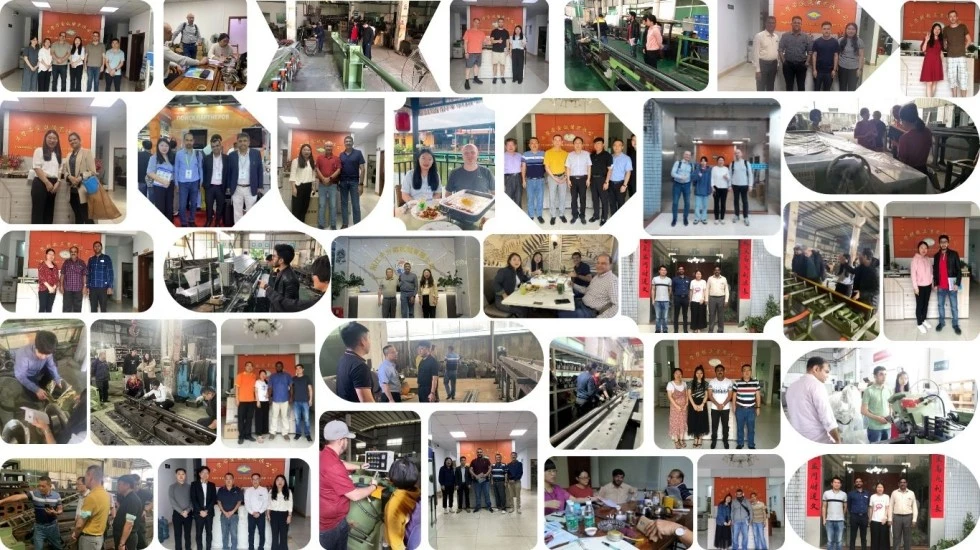
FangRong has manufactured straightening machines, cold drawing equipment, and related metallurgical machinery since 1998. The company operates manufacturing facilities in Dongguan and Yangjiang, China.
Our equipment has been supplied to more than 10,000 customers in over 60 countries and regions and is used across a wide range of metal processing applications. Machine configuration is based on the customer's material, product dimensions, straightness target, and production requirements rather than using one standard setup for every application.
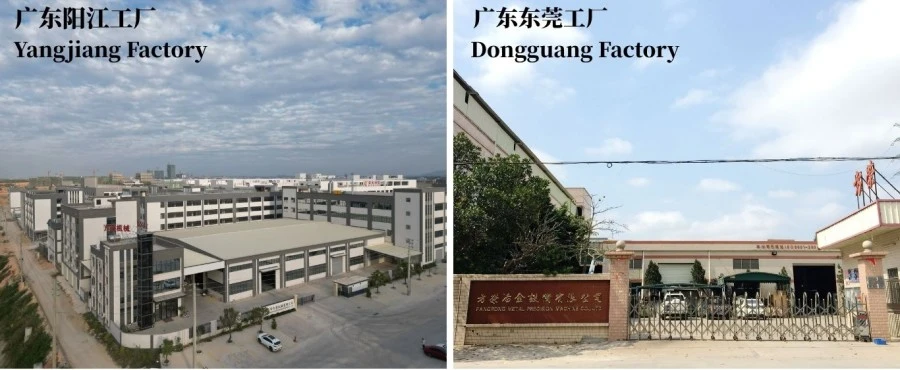
FangRong operates two production facilities in Guangdong Province. The Dongguan facility focuses on straightening machines, cold drawing machines, and related metal processing equipment, while the Yangjiang facility provides additional manufacturing capacity.
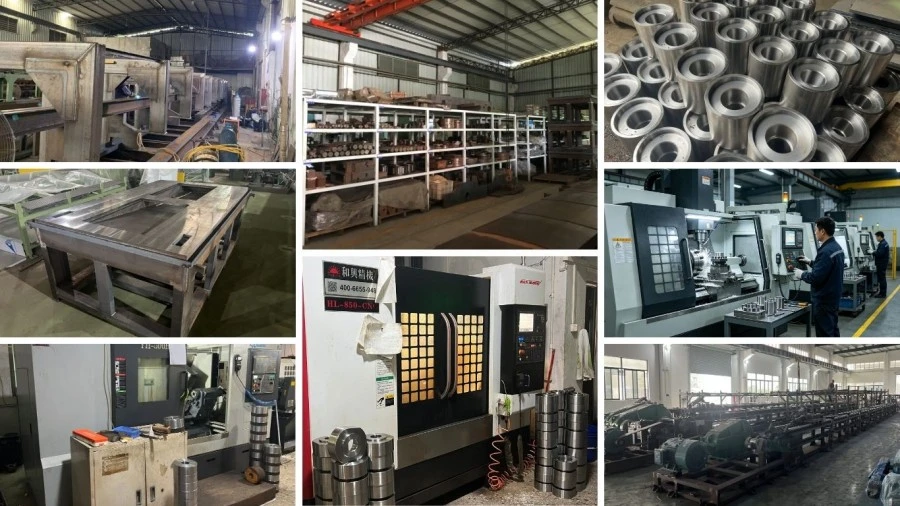
Before production, engineers review the material grade, diameter or tube dimensions, length, initial straightness, surface condition, required finished tolerance, and target output. These parameters determine the machine model, roller configuration, drive capacity, and adjustment range.
Key components are machined and assembled in-house, followed by roller alignment, mechanical adjustment, electrical inspection, and machine running tests. Where tight straightness or surface requirements apply, sample testing can be used to verify the proposed configuration before shipment.
Installation guidance, operation training, technical support, and a one-year warranty are available according to the agreed project scope.
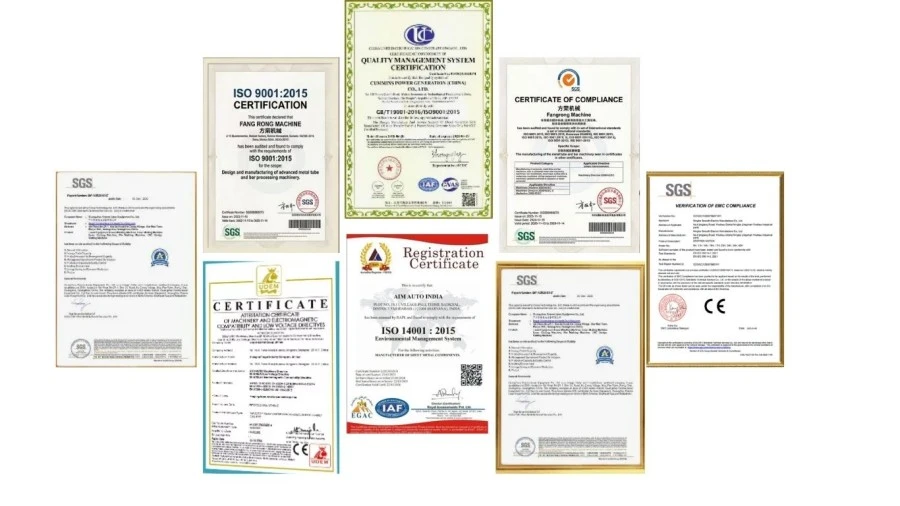
ISO 9001:2015: Quality management system certification, Certificate No. UQ231211R1.
CE Mark: Equipment supplied with applicable CE compliance documentation according to the machine configuration.
SGS Inspection: Third-party inspection services are available for equipment verification.
Patents: FangRong holds 32 invention patents and more than 100 utility model patents. Representative patents include 2013207829011, 2008300532117, and ZL2015 2 0842922.7.
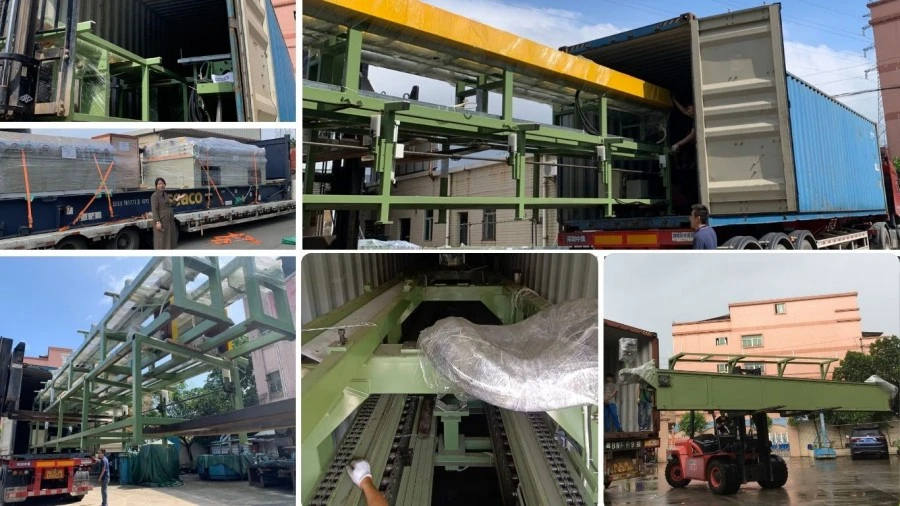
The machine is prepared for shipment according to its structure, weight, and transportation method. Large equipment is normally shipped in sections when required, with components protected and packed according to the agreed shipping conditions.
Please provide the material grade, bar or tube diameter, wall thickness if applicable, length, initial straightness, surface condition, required finished straightness, and production capacity. These parameters determine the suitable roller size, machine model, and straightening force.
Yes. The Stainless Steel Vertical Two Rollers Straightening Machine can be configured for different stainless steel bar, rod, and tube applications. For tubes, wall thickness, ovality, and cross-sectional stability must be considered in addition to outside diameter to avoid excessive deformation during straightening.
Roller geometry, contact pressure, roller surface condition, and the amount of correction all affect surface quality. For stainless steel with strict cosmetic or dimensional requirements, the roller configuration should be selected according to the material surface and finished tolerance rather than using a standard setup.
It depends on the diameter range and the required straightness tolerance. A machine may cover multiple sizes within its working range, but frequent size changes and tight tolerances should be considered when selecting the roller arrangement and adjustment system.
The reference specifications for the listed models show finished straightness down to 0.3 mm/m. Actual results depend on stainless steel grade, dimensions, initial deformation, roller setup, and process conditions. Sample testing is recommended when a tight straightness tolerance is required.
Yes. The machine configuration can be discussed according to the material, cross-section, size range, deformation level, finished tolerance, and production requirements. For a quotation, it is best to provide product drawings or samples together with the required straightness and production capacity.
Address
NO.163,Shatong Road,Shabu 2nd Industrial Zone, Dalang Town, Dongguan City, Guangdong, China