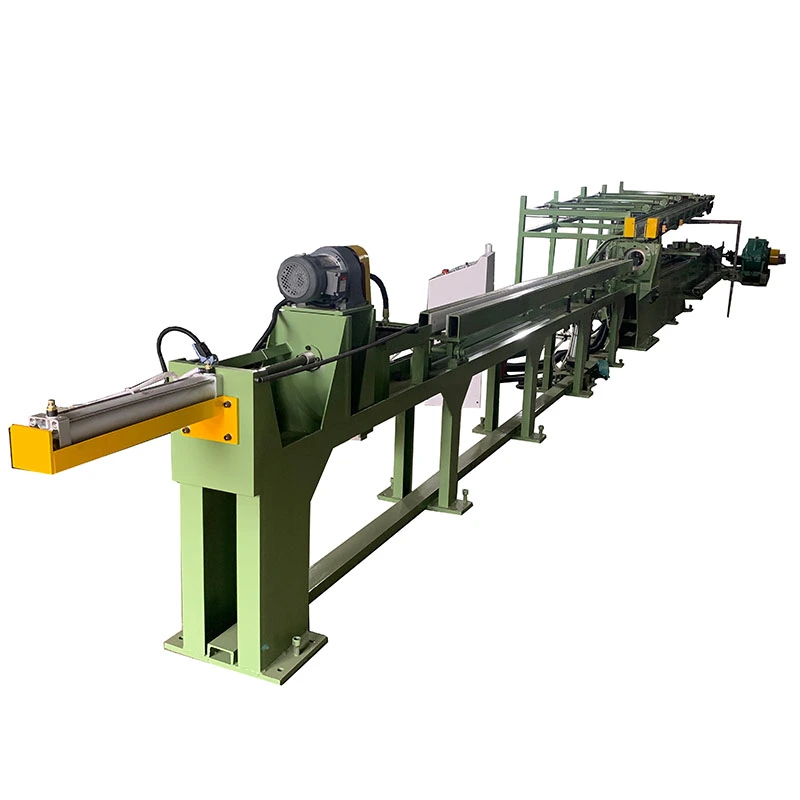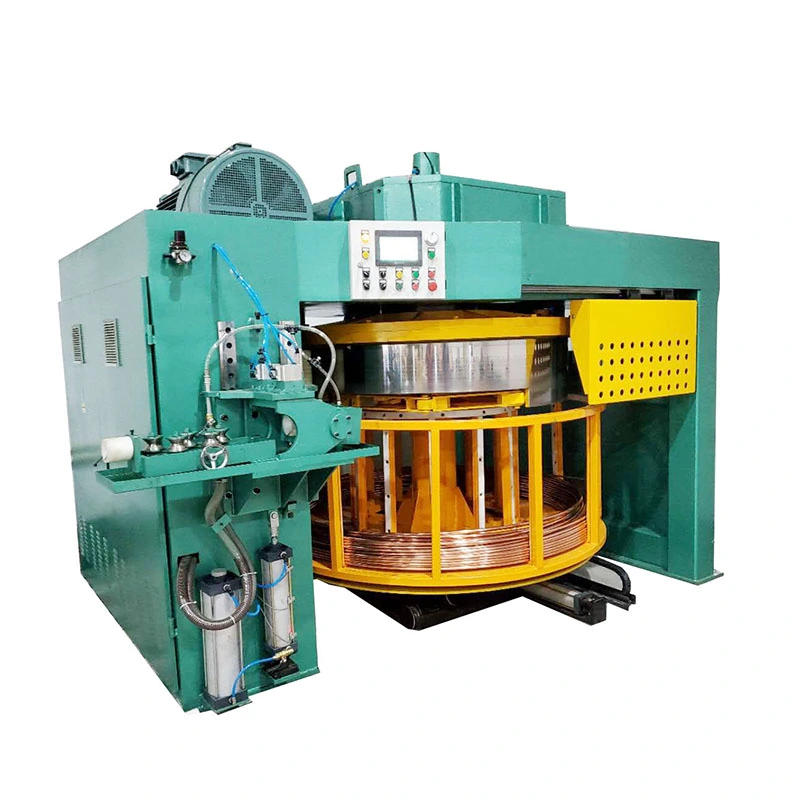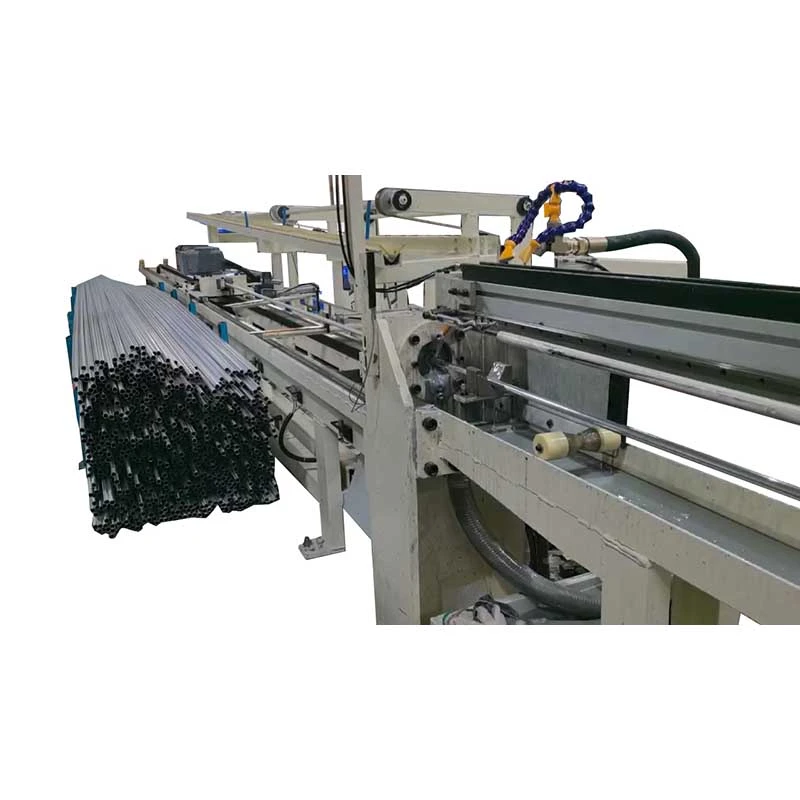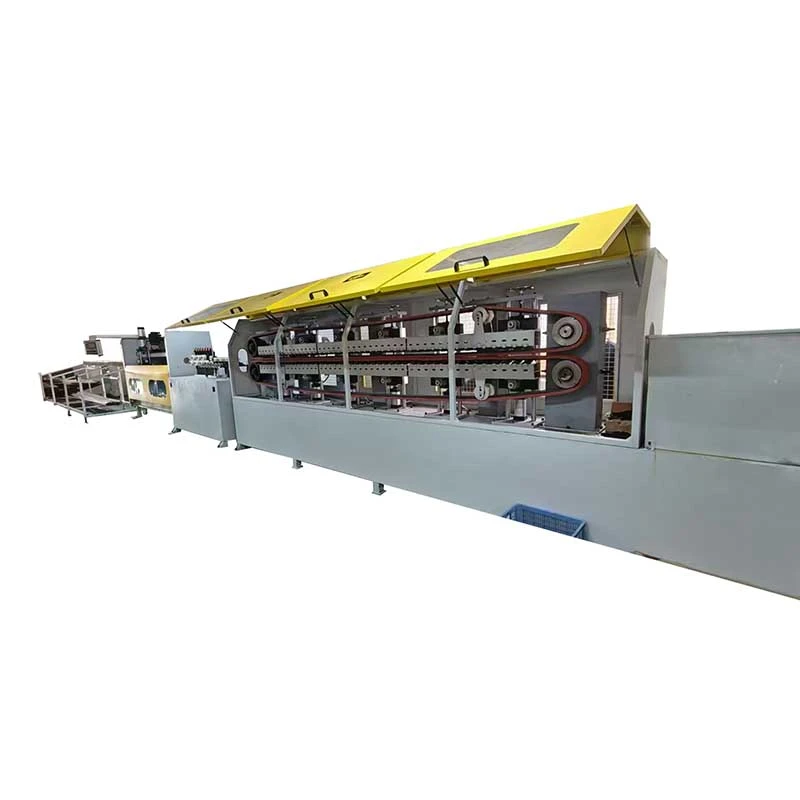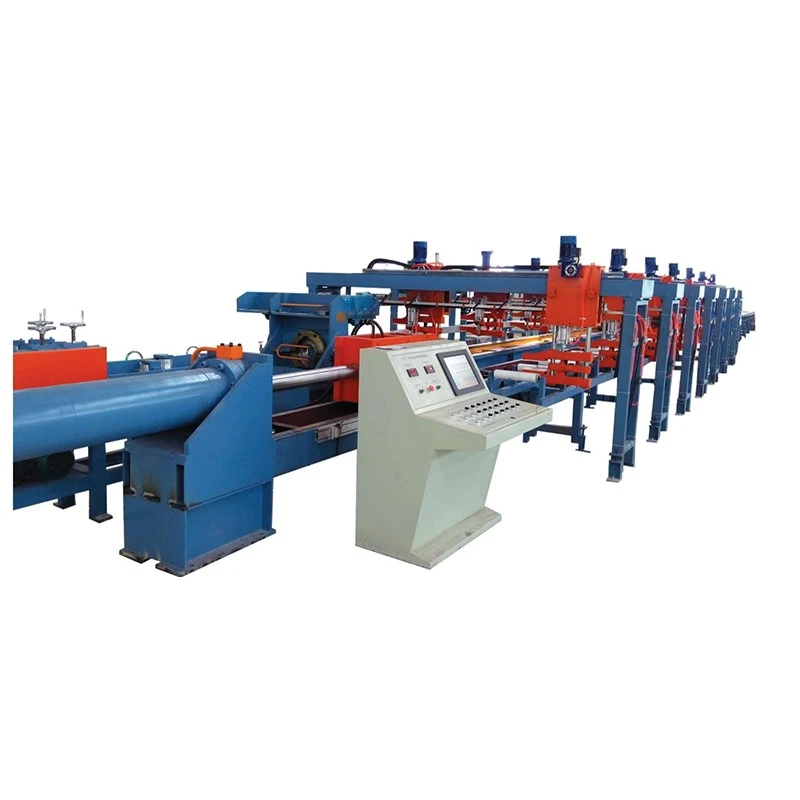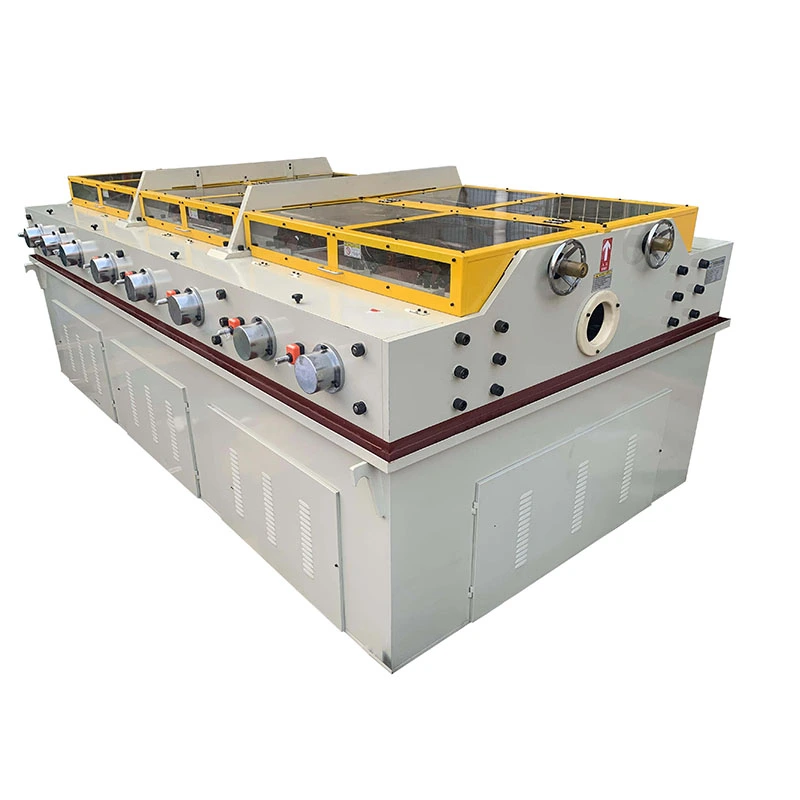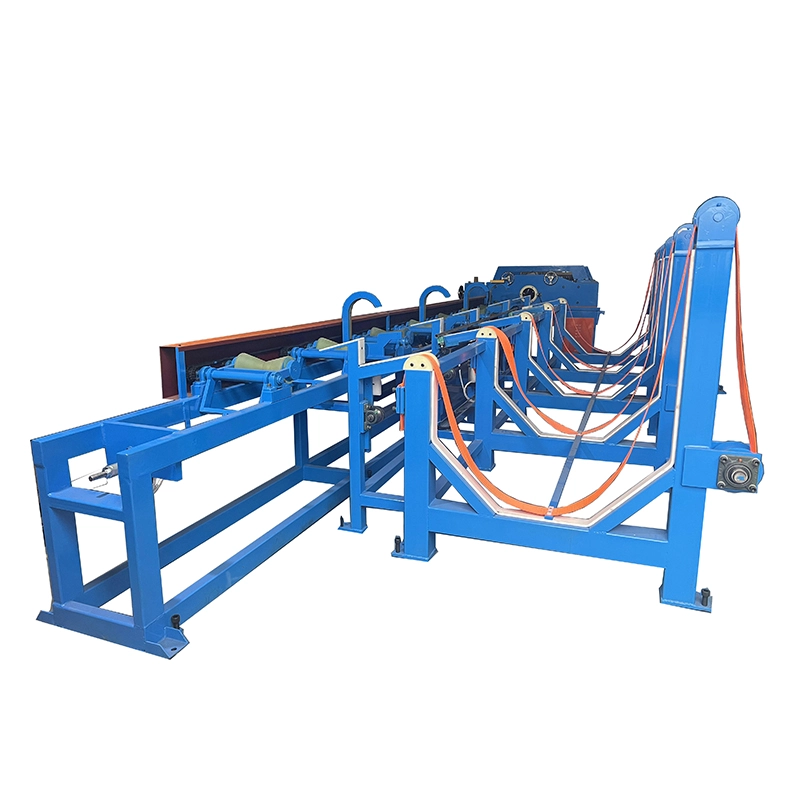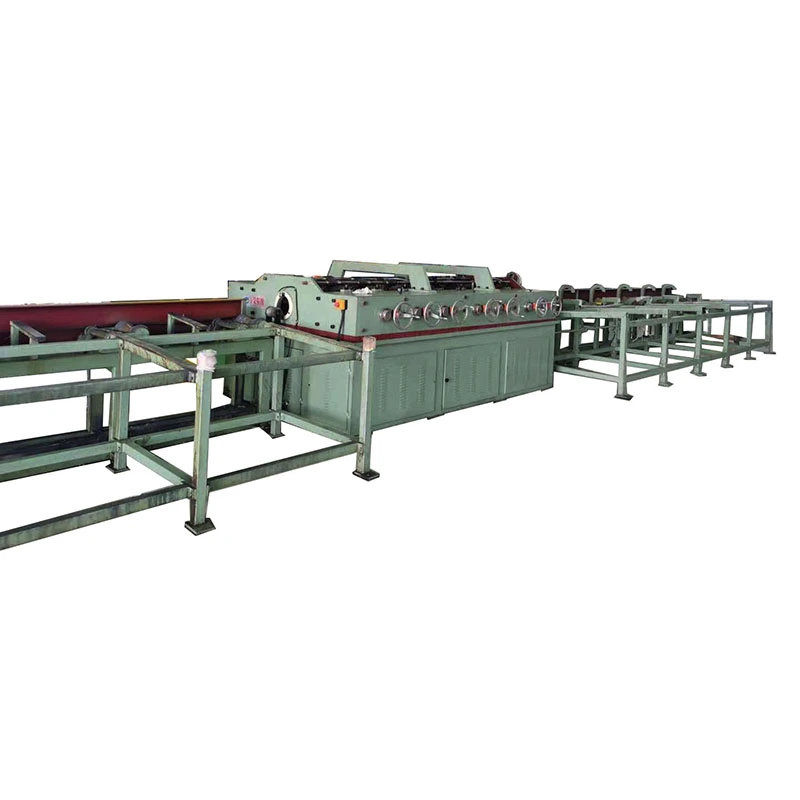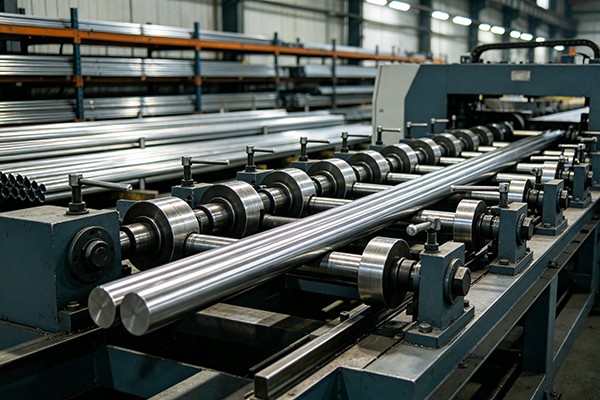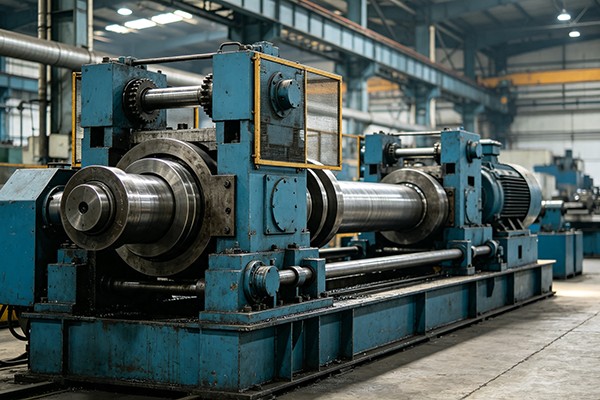

We offer a comprehensive range of precision metal processing equipment, including straightening, cold drawing, pointing, chamfering, cutting, thread rolling machines, and drawing dies, tailored for tube, bar, and wire materials across diverse industries.
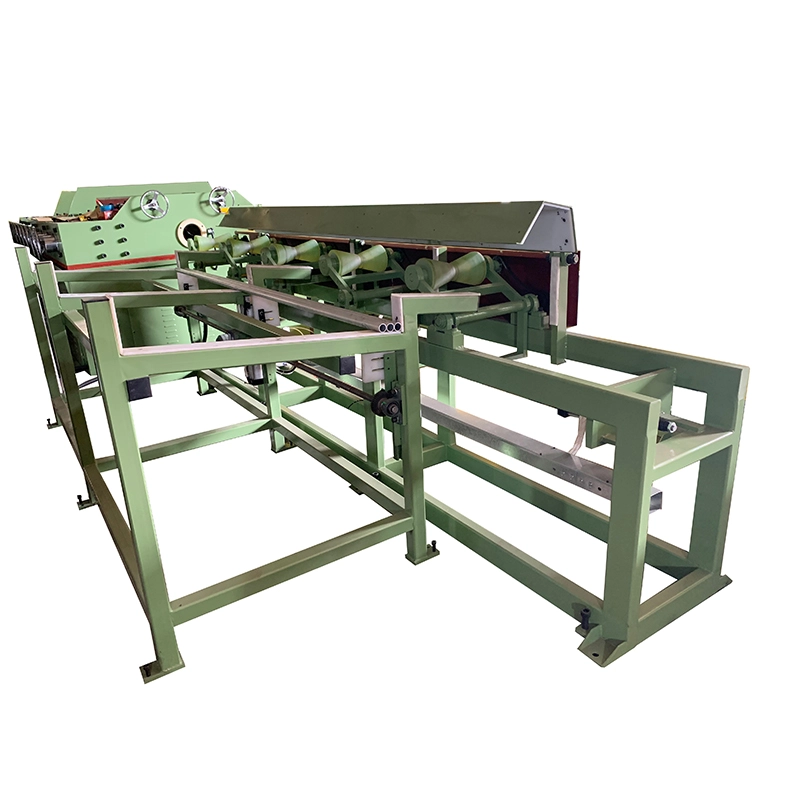
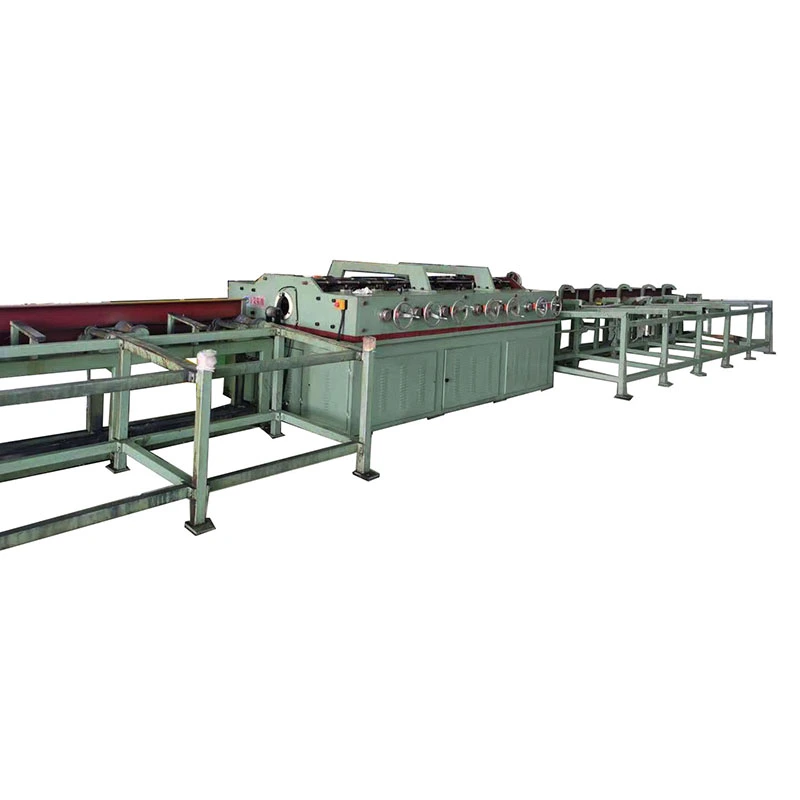
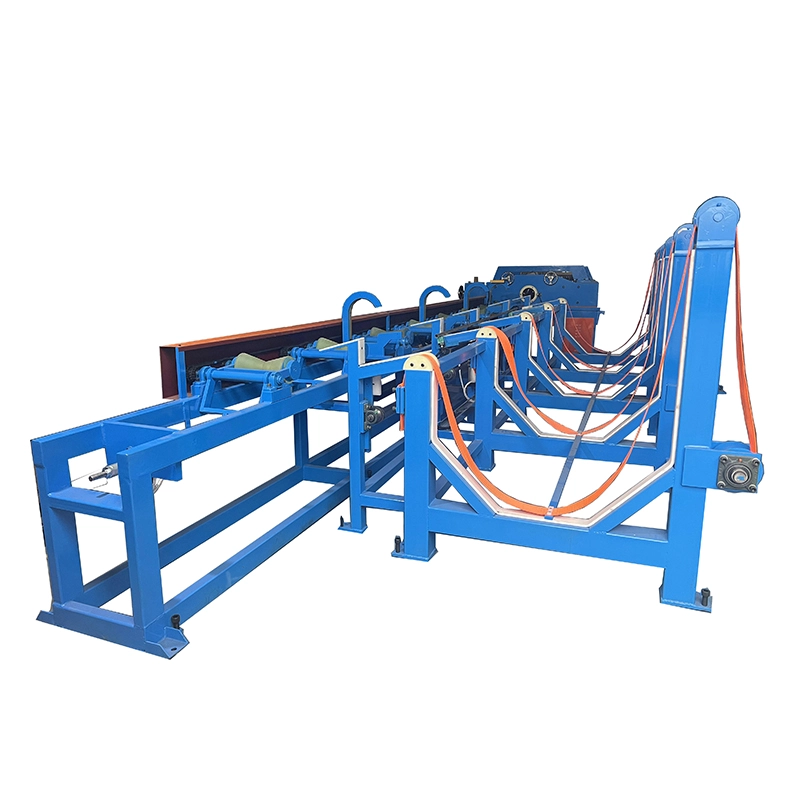
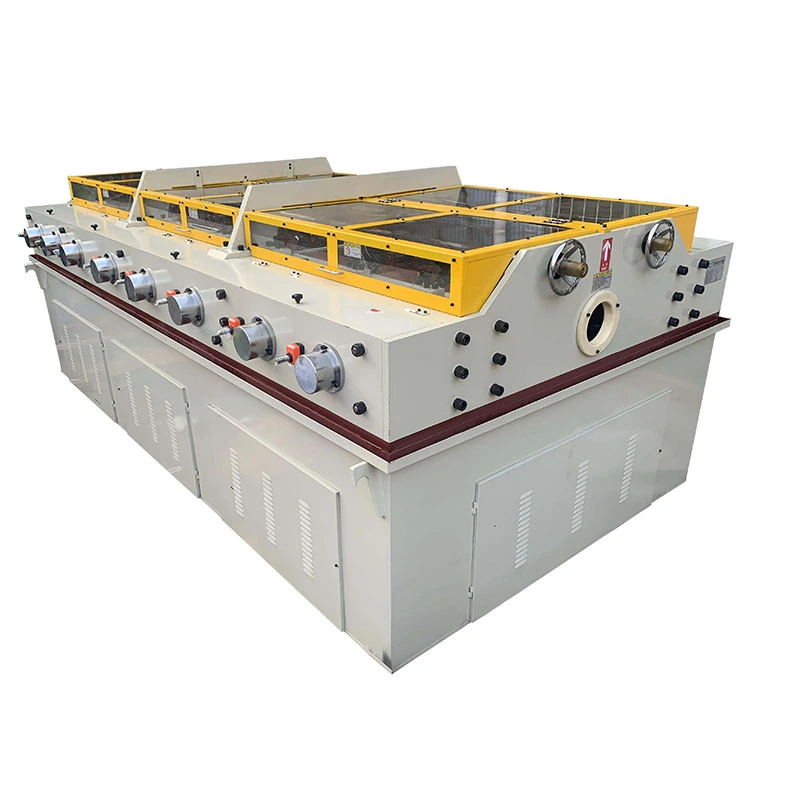
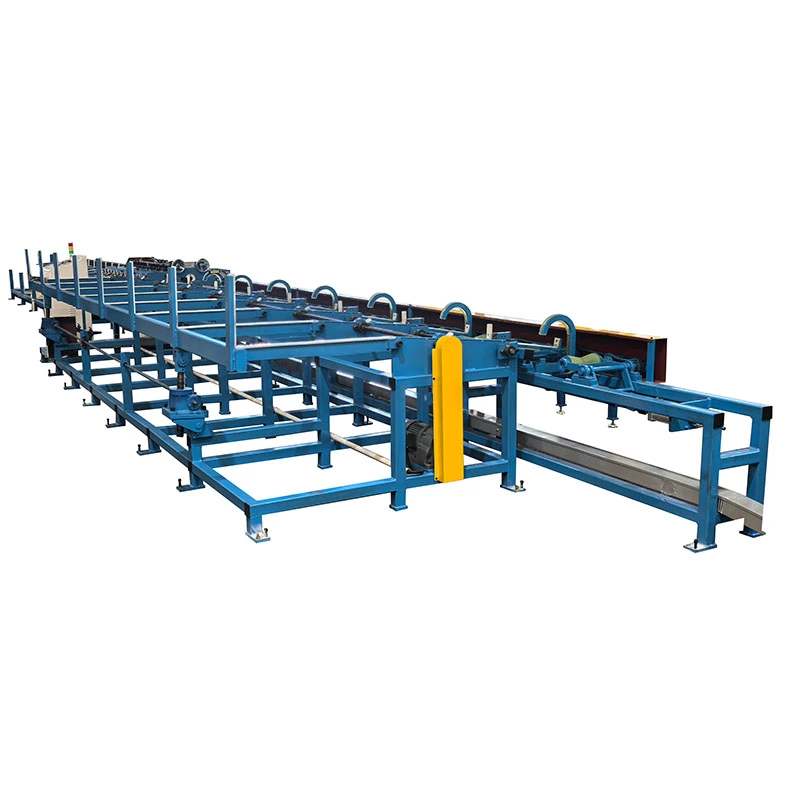
The Aluminum Horizontal Straightening Machine is a multi-roller machine for correcting bending and curvature in aluminum tubes, pipes, solid bars, and profiles after extrusion, drawing, heat treatment, cutting, or handling. Unlike steel, aluminum has a lower yield strength and a softer surface, so straightening force, roller pressure, roller surface condition, and feed speed all need to be controlled carefully.
FangRong's FR series includes 13 standard configurations from FR-20 to FR-180. Depending on the model, the aluminum straightening machine covers tube diameters from φ4 to φ180 mm and solid bars from φ10 to φ90 mm. Roller configurations range from 14 to 20 sets, with standard straightness specifications from ≤0.3 mm/m and selected configurations reaching ≤0.1 mm/m. Total installed power ranges from 3 kW to 55 kW.
The machine design is based on FangRong's long-term straightening and drawbench engineering experience. The company was established in 1998 through a joint venture with a Taiwanese manufacturer experienced in straightening equipment and became wholly owned in 2013.
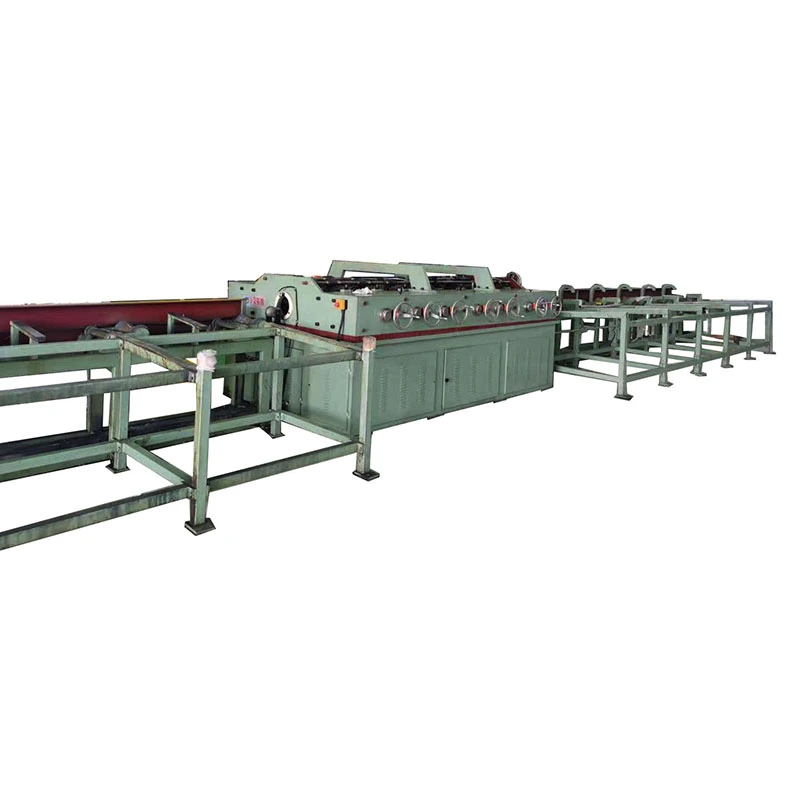
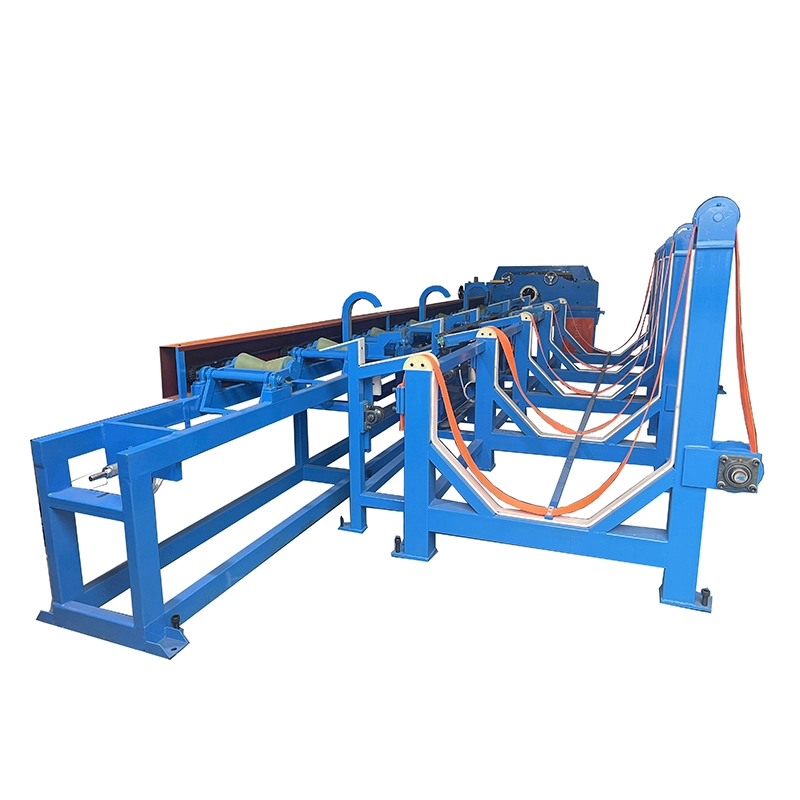
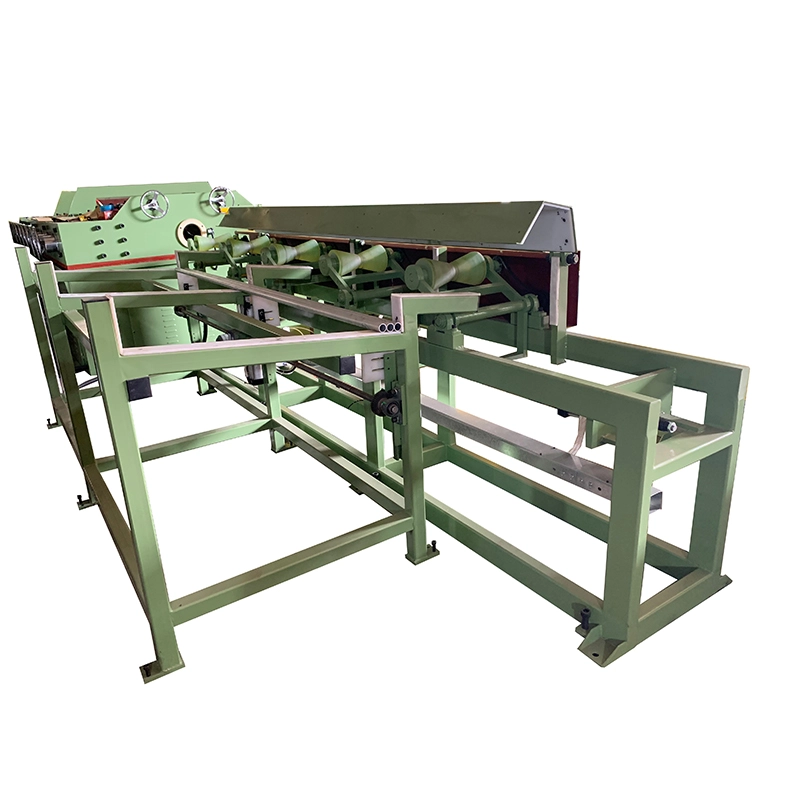
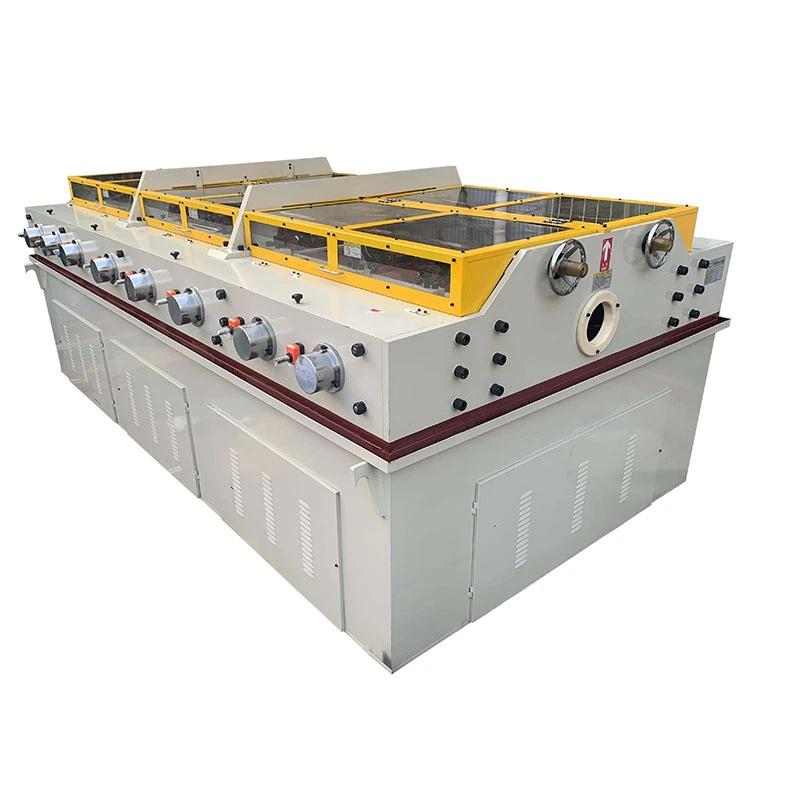
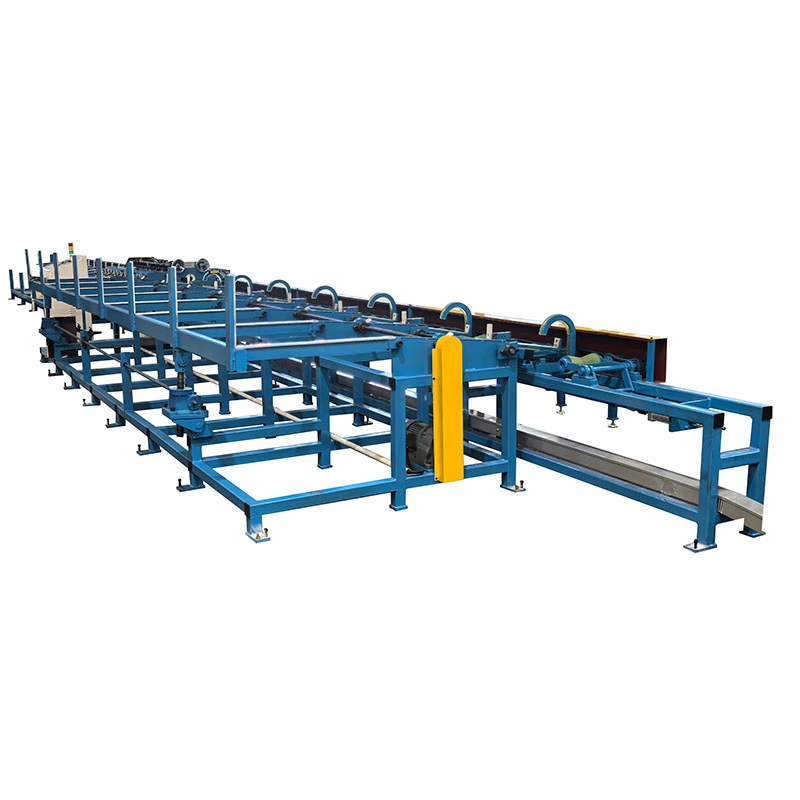
The FR series uses controlled reverse bending through multiple roller sets. Instead of correcting the entire bend at one point, the workpiece is guided through successive correction points so that residual curvature is gradually reduced.
For aluminum products, the roller setting is particularly important. Excessive pressure can leave roller marks or introduce reverse bending, while insufficient pressure may leave residual curvature. The required setting depends on alloy, temper, diameter, wall thickness, initial deformation, and the specified straightness.
The workpiece first enters through an aligned guide, then passes through the straightening rollers. Each roller position applies a controlled amount of deformation. The number of roller sets provides additional correction points, which is why higher-roller configurations are normally selected when tighter straightness is required.
FR-76 and larger models provide variable speed control up to 60 m/min. FR-50 and smaller models use selectable speeds of 9, 18, 27, and 45 m/min. The appropriate working speed should be established according to the aluminum grade, product geometry, straightness target, and surface requirements rather than simply running at the maximum available speed.
Aluminum products can leave an extrusion or drawing line with bow, local curvature, or deformation caused during cooling, heat treatment, cutting, storage, or transportation. These defects become more noticeable when the material enters CNC machining, welding, bending, anodizing, or assembly.
For thin-wall aluminum tubes, the challenge is not only straightness. Excessive roller pressure can affect roundness or leave visible marks on the surface. For hard alloys such as 6061 and 7075, the required correction force is higher than for softer commercial-purity grades. For architectural products such as 6063 profiles, surface appearance may be as important as dimensional straightness.
This is why an aluminum tube straightening machine should be selected from the actual product range rather than from diameter alone. Alloy, temper, wall thickness, initial bend, target straightness, and acceptable surface condition all affect the final machine configuration.
The FR series is available with 14, 15, 16, 17, or 20 roller sets. More roller sets provide more correction points and are generally used where a tighter straightness specification is required.
For example, the FR-50 with 20 rollers is specified at ≤0.1 mm/m, while several 17-roller configurations are specified at ≤0.2 mm/m. Standard 14-roller configurations are generally specified at ≤0.3 mm/m. Actual results still depend on the workpiece condition and machine adjustment, so customers with tight tolerances should conduct a sample test before finalizing the configuration.
Model selection should start with the actual production range. Check the largest and smallest tube or bar diameter, tube wall thickness, aluminum alloy and temper, required straightness, production speed, and surface requirements. A larger machine is not automatically the better choice if most of the production consists of small or thin-wall products.
| Model | Max Tube Ø (mm) | Min Tube Ø (mm) | Max Bar Ø (mm) | Straightness (mm/m) | Roller Sets | Speed (m/min) | Total Power (kW) | Weight (kg) | Dimensions L×W×H (mm) |
| FR-180 (17 rollers) | φ180 | φ60 | φ90 | ≤0.3 | 17 | --- | 55 | 25,000 | 4200×1800×1500 |
| FR-150 (17 rollers) | φ150 | φ58 | φ70 | ≤0.3 | 17 | --- | 30/37 | 12,000 | 4100×2280×1700 |
| FR-120 (14 rollers) | φ120×T3.0 | φ38 | φ50 | ≤0.3 | 14 | --- | 30 | 9,000 | 3250×1450×1250 |
| FR-100 (14 rollers) | φ89×T3.0 | φ28 | φ32 | ≤0.3 | 14 | 0-60 | 15 | 5,000 | 2350×1560×1160 |
| FR-100 (17 rollers) | φ89×T3.0 | φ28 | φ32 | ≤0.2 | 17 | 0-60 | 18 | 5,000 | 2700×1560×1160 |
| FR-76 (14 rollers) | φ60×T3.0 | φ16 | φ22 | ≤0.3 | 14 | 0-60 | 11 | 2,500 | 2250×1560×1160 |
| FR-76 (17 rollers) | φ76×T3.0 | φ18 | φ25 | ≤0.2 | 17 | 0-60 | 15 | 3,500 | 2560×1560×1160 |
| FR-76 (20 rollers) | φ76×T3.0 | φ18 | φ25 | ≤0.2 | 20 | 0-60 | 15 | 5,400 | 3250×1500×1250 |
| FR-50 (14 rollers) | φ30/φ45×T2.0 | φ8/φ13 | φ16 | ≤0.3 | 14 | 9/18/27/45 | 7.5 | 1,500 | 1750×1120×1040 |
| FR-50 (20 rollers) | φ30/φ45×T2.0 | φ8/φ13 | φ16 | ≤0.1 | 20 | 9/18/27/45 | 7.5 | 2,000 | 2200×1120×1040 |
| FR-25 (14 rollers) | φ25 | φ6 | φ12 | ≤0.3 | 14 | 9/18/27/45 | 4 | 1,000 | 1300×900×950 |
| FR-25 (16 rollers) | φ25 | φ6 | φ12 | ≤0.2 | 16 | 9/18/27/45 | 4 | 1,100 | 1800×1100×950 |
| FR-20 (15 rollers) | φ16×T2.0 | φ4 | φ10 | ≤0.3 | 15 | 9/18/27/45 | 3 | 700 | 1100×1050×950 |
T indicates tube wall thickness. FR-50 and smaller models use selectable speeds of 9/18/27/45 m/min, while FR-76 and larger models listed above provide 0-60 m/min variable speed control. Roller surface options can be specified according to the required aluminum surface finish.
Aluminum tubes used in condensers, evaporators, refrigeration assemblies, and automotive thermal-management systems may require straightening after extrusion or cutting. Controlled roller correction helps maintain the geometry needed for subsequent bending, joining, brazing, or assembly.
Typical applications include aluminum cooling tubes, battery thermal-management tubes, structural tubes, and extruded bars. For these products, straightness must be considered together with tube wall thickness, roundness, and surface condition.
6063 tubes and profiles used for handrails, frames, facades, and decorative structures often require a clean surface after straightening because anodizing or coating will not hide roller marks. The roller configuration and contact surface should therefore be selected with the downstream finishing process in mind.
The machine can be used for aluminum bars, conductors, profiles, and other extruded products that need correction before machining, cutting, assembly, or further forming. An aluminum bar straightening machine configuration can be selected for solid round bars within the applicable diameter range.
The FR series is available with different roller configurations and working ranges. The right model depends mainly on tube or bar diameter, wall thickness, required straightness, and production speed. The comparison below shows the practical differences between the main configurations.
| Configuration | Typical Models | Workpiece Range | Straightness | Speed | Best Suited For |
|---|---|---|---|---|---|
| 14 Roller | FR-25, FR-50, FR-76, FR-100, FR-120 | Small to large aluminum tubes and bars | Typically ≤0.3 mm/m | Up to 0–60 m/min on applicable models | General production, standard straightness requirements, mixed-size production |
| 15 Roller | FR-20 | Tube Ø4–16 mm; bar Ø10 mm | ≤0.3 mm/m | 9/18/27/45 m/min | Small-diameter aluminum tubes and bars |
| 16 Roller | FR-25 | Tube Ø6–25 mm; bar Ø12 mm | ≤0.2 mm/m | 9/18/27/45 m/min | Smaller tubes requiring tighter straightness |
| 17 Roller | FR-76, FR-100, FR-150, FR-180 | Medium to large aluminum tubes and bars | Down to ≤0.2 mm/m on selected models | 0–60 m/min on FR-76 and above where specified | Higher straightness requirements and continuous production |
| 20 Roller | FR-50, FR-76 | Tube Ø18–76 mm; bar Ø16–25 mm | ≤0.1–0.2 mm/m depending on model | 9/18/27/45 or 0–60 m/min depending on model | Precision straightening where tighter straightness is required |
A 14-roller configuration is generally suitable when standard straightness is sufficient and production flexibility is more important than achieving the tightest possible straightness. A 17-roller configuration provides more controlled reverse bending and is commonly selected when the customer needs tighter straightness on medium or larger aluminum tubes.
For applications requiring the tightest straightness within the FR range, a 20-roller configuration can provide additional correction points along the workpiece. For example, the FR-50 (20 roller) is specified at ≤0.1 mm/m, while the FR-76 (20 roller) is specified at ≤0.2 mm/m. Actual results still depend on alloy, temper, tube geometry, wall thickness, initial deformation, roller adjustment, and production speed.
| Factor | Aluminum Tubes | Aluminum Solid Bars |
|---|---|---|
| Workpiece Structure | Hollow section with wall thickness affecting deformation | Solid section with greater resistance to bending |
| Key Selection Factor | Outside diameter and wall thickness | Bar diameter |
| Surface Concern | Higher risk of roller marks on softer surfaces | Surface marking still needs to be controlled for finished bars |
| Straightening Adjustment | Roller pressure must be matched to alloy, temper and wall thickness | Roller pressure is mainly determined by diameter, material condition and initial bend |
Do not select the machine by maximum diameter alone. For an aluminum tube, provide the outside diameter, wall thickness, alloy and temper, initial straightness, required straightness after correction, and target production speed. For solid bars, provide the bar diameter, alloy and temper, initial bend, and finished straightness requirement.
When two models can cover the same workpiece diameter, the decision should be based on the required straightness and production conditions. For example, a 14-roller model may be sufficient for ≤0.3 mm/m, while a 16-, 17-, or 20-roller configuration may be more appropriate when the process requires tighter straightness.
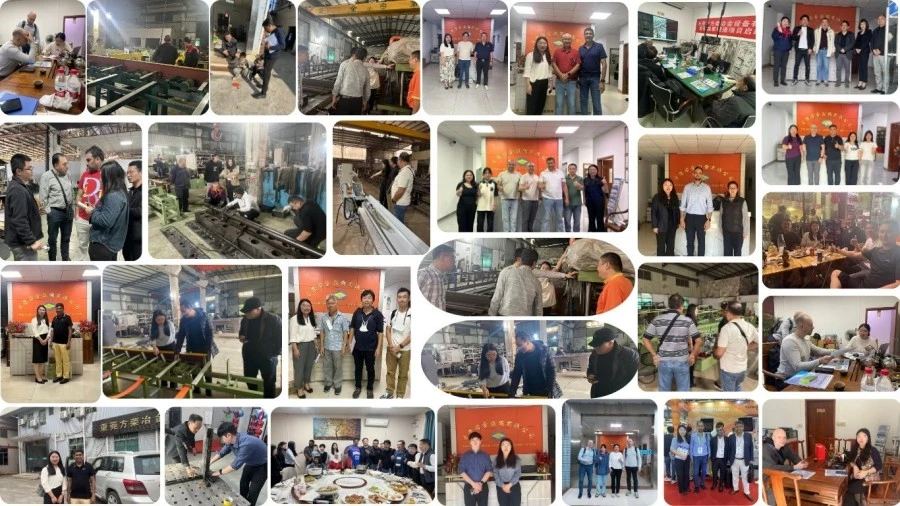
Established in 1998
FangRong has specialized in straightening and drawbench equipment since 1998. The company initially operated as a joint venture with a Taiwanese manufacturer and became wholly owned in 2013.
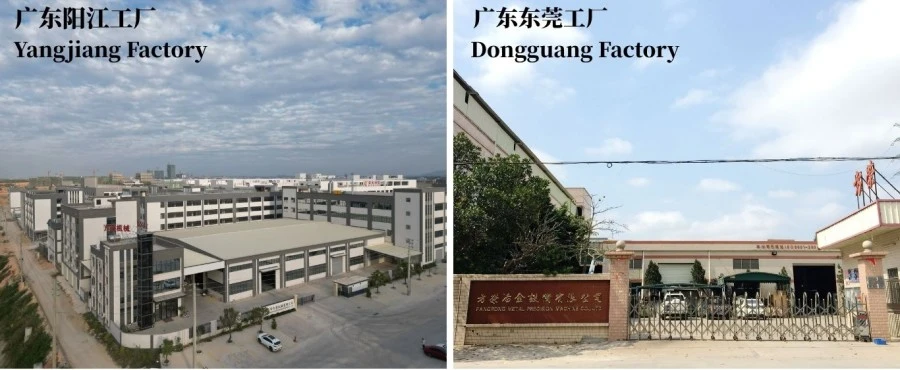
Two Manufacturing Facilities
Dongguan Fangrong Metallurgical Equipment Co., Ltd. and Yangjiang Fangrong Machinery Co., Ltd. provide production capacity for straightening and related metal-processing equipment.
Machine Testing Before Shipment
Machines can be tested under idle and load conditions before shipment. Where customer samples are available, testing can include straightness, roller alignment, machine vibration, motor current, surface condition, and operating stability.
Engineering Based on the Actual Product
For an aluminum horizontal straightening machine, the customer's product data determines the roller configuration, working range, speed, and surface treatment requirements. FangRong can evaluate aluminum grade, diameter, wall thickness, temper, straightness target, and production requirements before recommending a model.
Installation and Technical Support
Foundation drawings, commissioning support, operator training, spare-parts supply, and remote troubleshooting are available. On-site installation support can also be arranged when required.
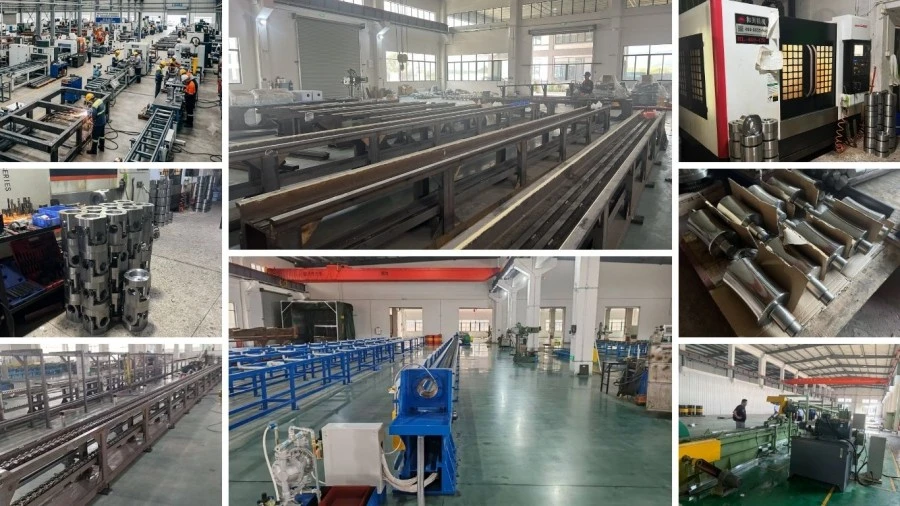
Engineering: Machine configuration is determined from product dimensions, aluminum grade, straightness requirements, speed, and surface requirements.
Machining: Rollers, shafts, frames, gears, and other critical components are machined and inspected according to the machine design.
Assembly: Roller assemblies, transmission components, electrical systems, PLC, and HMI are integrated and checked during assembly.
Testing: Machine operation, roller alignment, straightening performance, vibration, electrical safety, and other specified parameters are inspected before shipment.
Final inspection: Customer-specific requirements and test results are reviewed before export packaging.
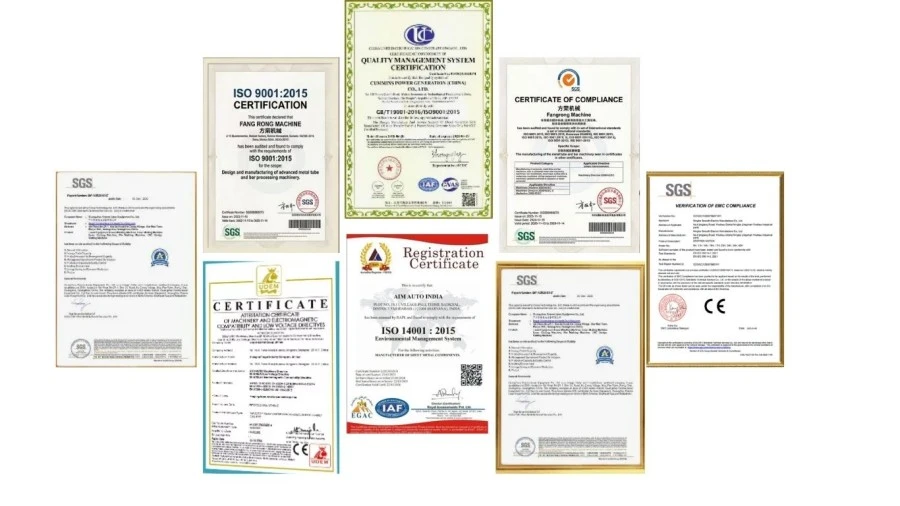
ISO 9001:2015 quality management certification supports the company's documented production and quality-control procedures. The FR series is also available with CE certification for applicable models and markets. SGS inspection and patent documentation can be provided where required for project evaluation.
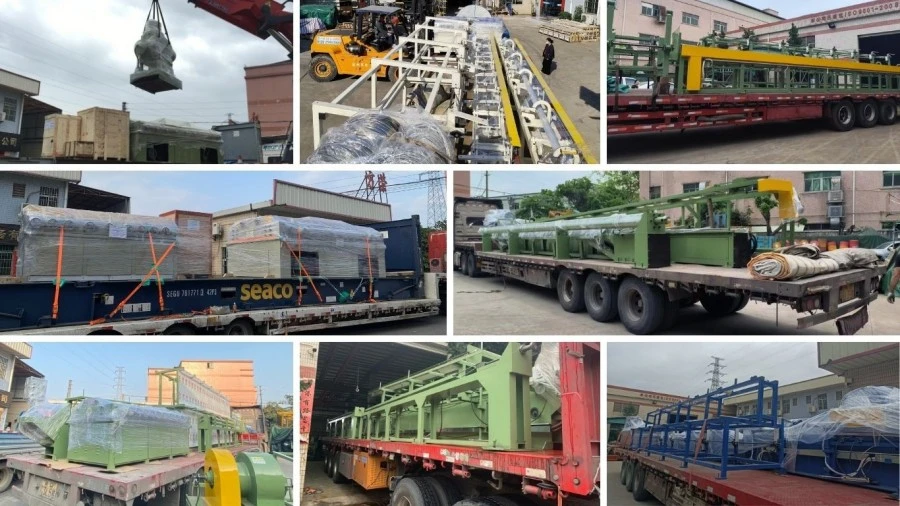
Machines are prepared for export shipment with appropriate protection for mechanical components, electrical systems, and exposed surfaces. Packaging and shipping arrangements can be confirmed according to machine size, destination, and transportation method.
The FR series can be configured for common aluminum alloys including 1050, 1060, 1100, 3003, 5052, 6061, 6063, 6082, 7075, and other grades. Because yield strength and temper vary significantly between alloys, the final roller setting should be based on the actual material rather than alloy designation alone.
The main factors are the required straightness, product geometry, material condition, and production range. More roller sets provide more correction points and are generally preferred for tighter straightness requirements. For example, the FR-50 with 20 rollers is specified at ≤0.1 mm/m, while standard 14-roller configurations are generally specified at ≤0.3 mm/m.
It depends on the tube geometry, alloy, temper, surface requirements, and roller configuration. Aluminum is relatively soft, so excessive pressure or unsuitable roller surfaces can cause marks. For appearance-critical tubes, roller material and surface condition should be confirmed during machine selection and sample testing.
Yes, provided the sizes fall within the machine's specified working range and the tooling and roller configuration are suitable. If the production range covers substantially different diameters or wall thicknesses, the required adjustment range should be checked before ordering.
Yes. Sample testing is recommended when the product has a tight straightness tolerance, thin wall, demanding surface finish, or an alloy that has not previously been processed on the selected configuration. Test results can be used to confirm the machine model, roller arrangement, speed, and correction settings before shipment.
Provide the aluminum alloy and temper, tube or bar type, minimum and maximum diameter, tube wall thickness where applicable, initial straightness, required final straightness, surface-quality requirement, and expected production speed. These details are sufficient for an initial machine recommendation and capacity evaluation.
Address
NO.163,Shatong Road,Shabu 2nd Industrial Zone, Dalang Town, Dongguan City, Guangdong, China