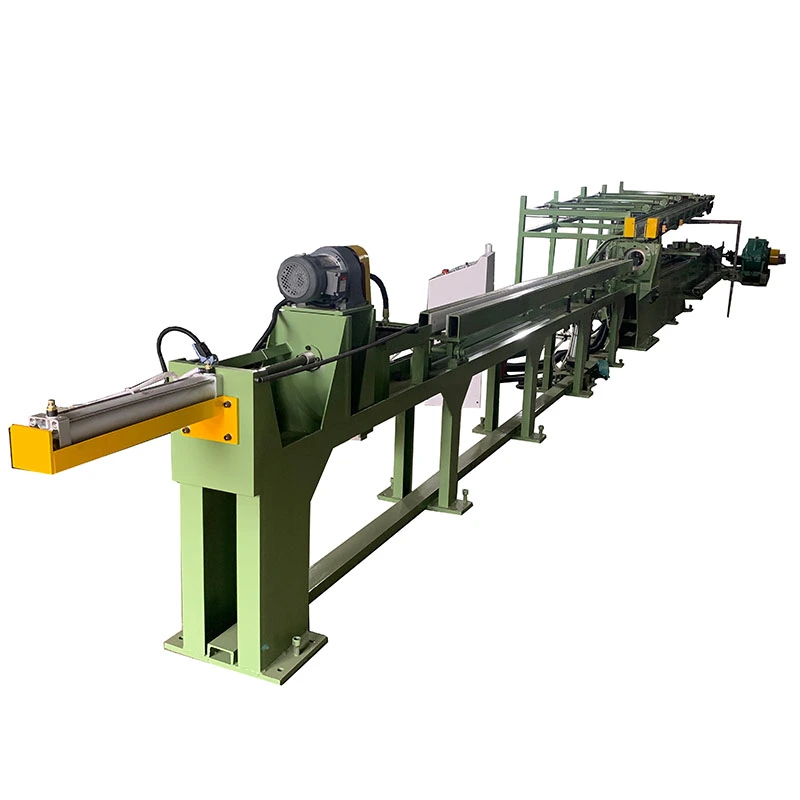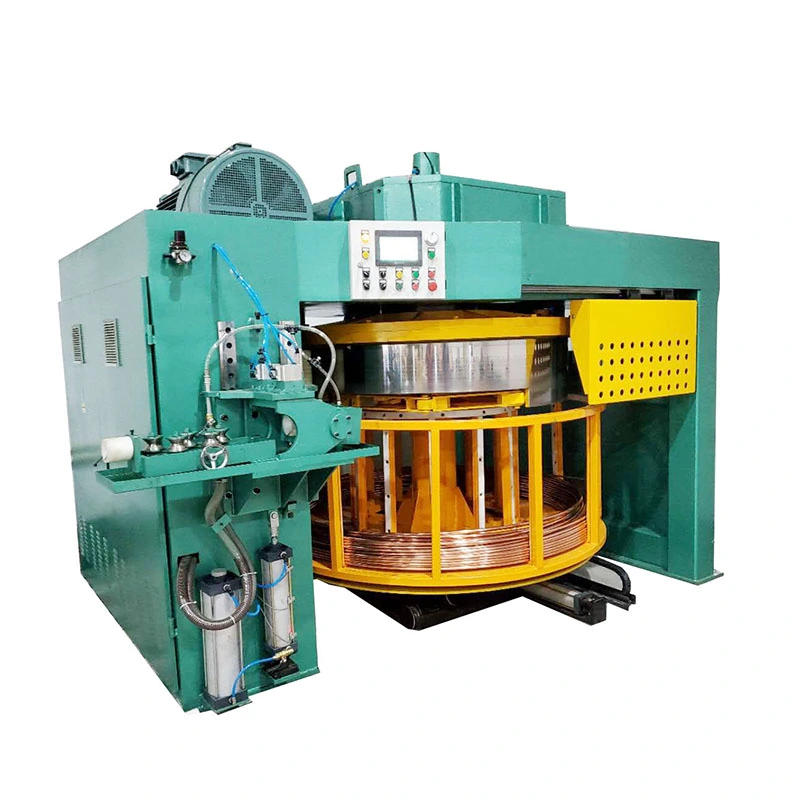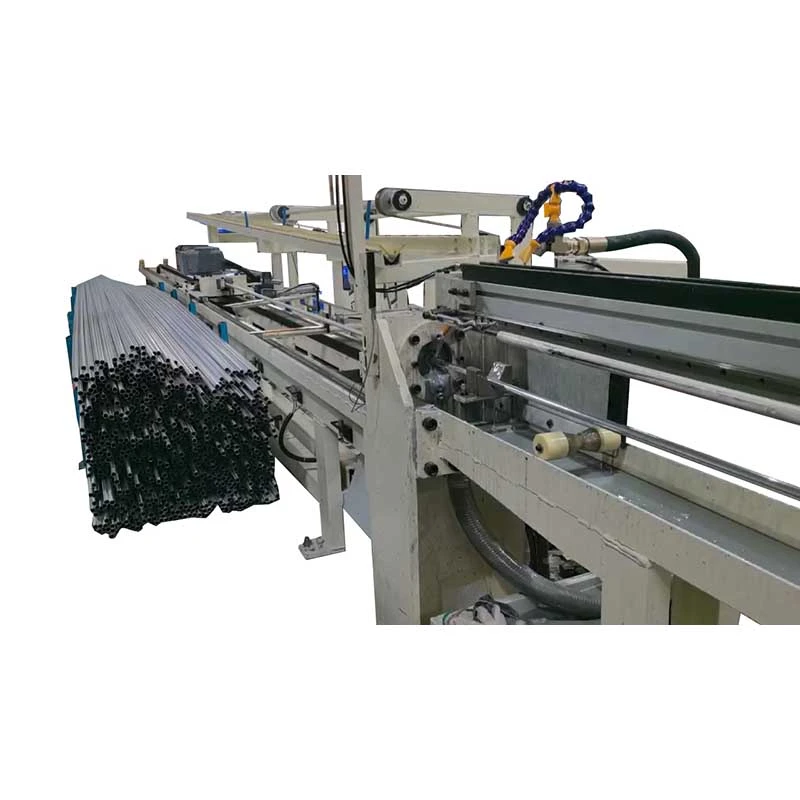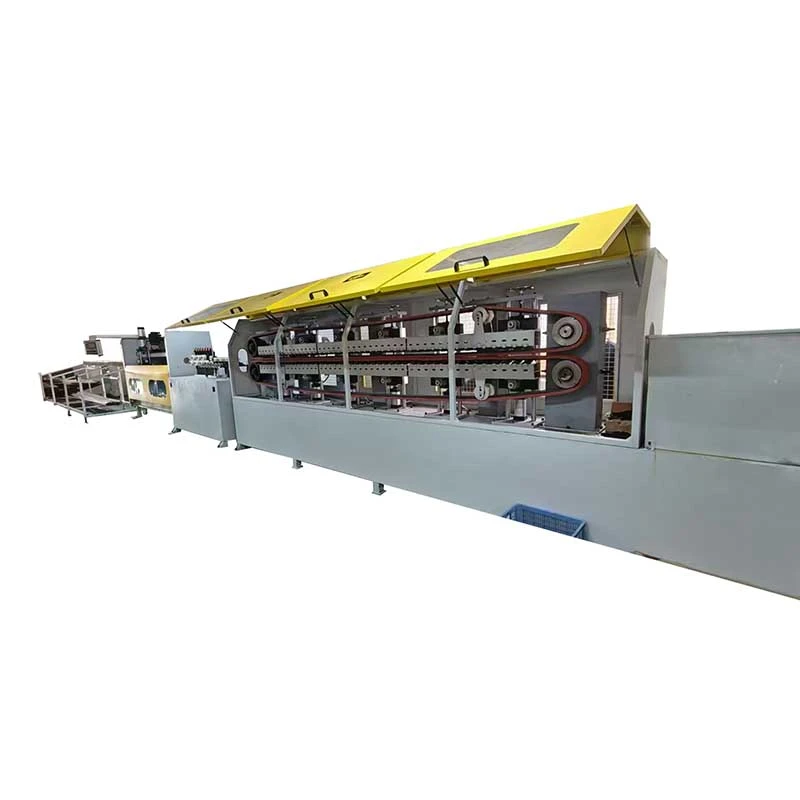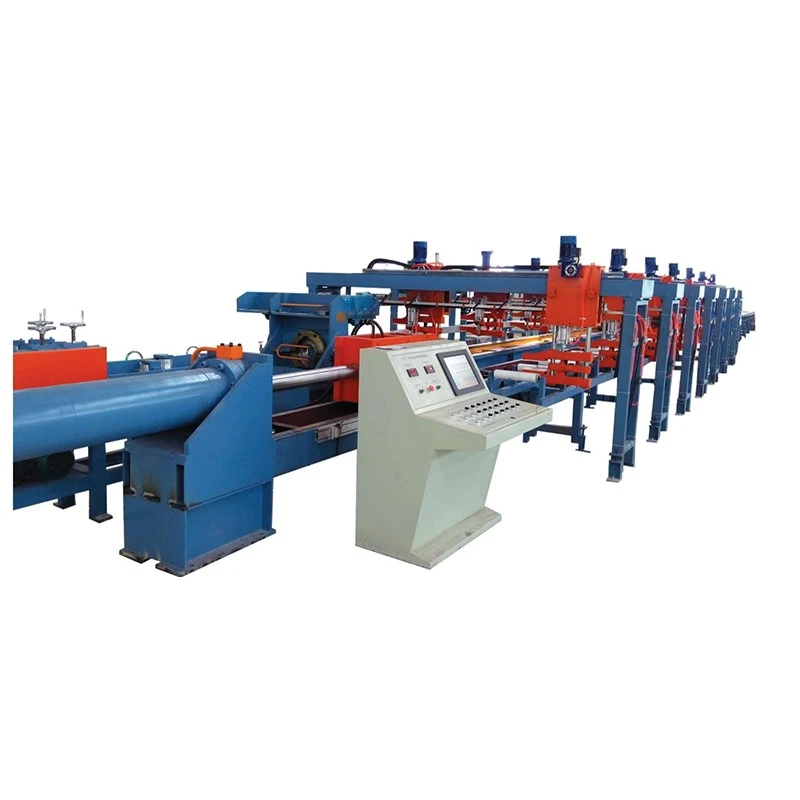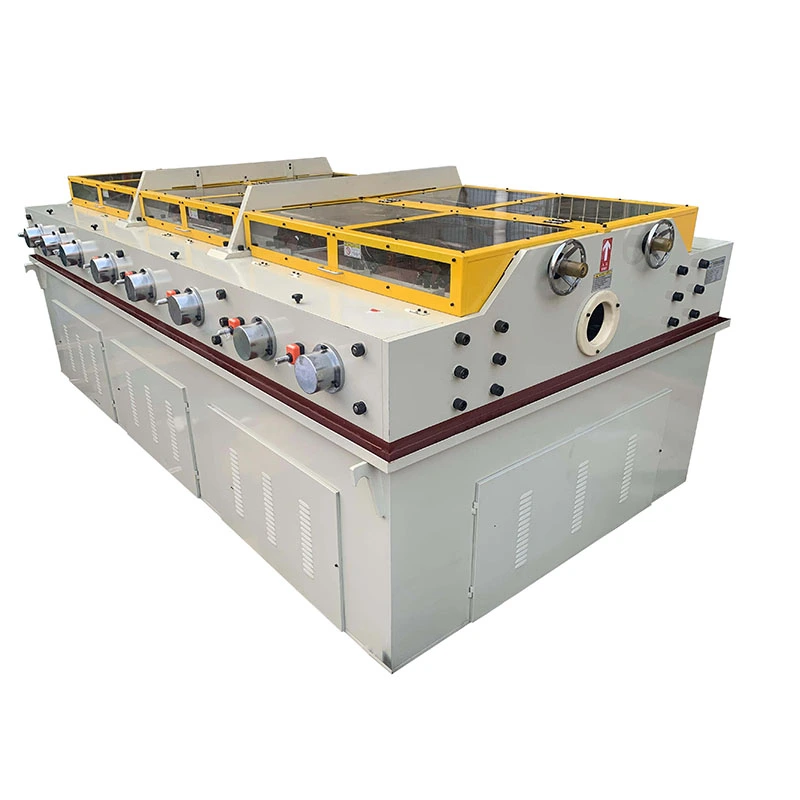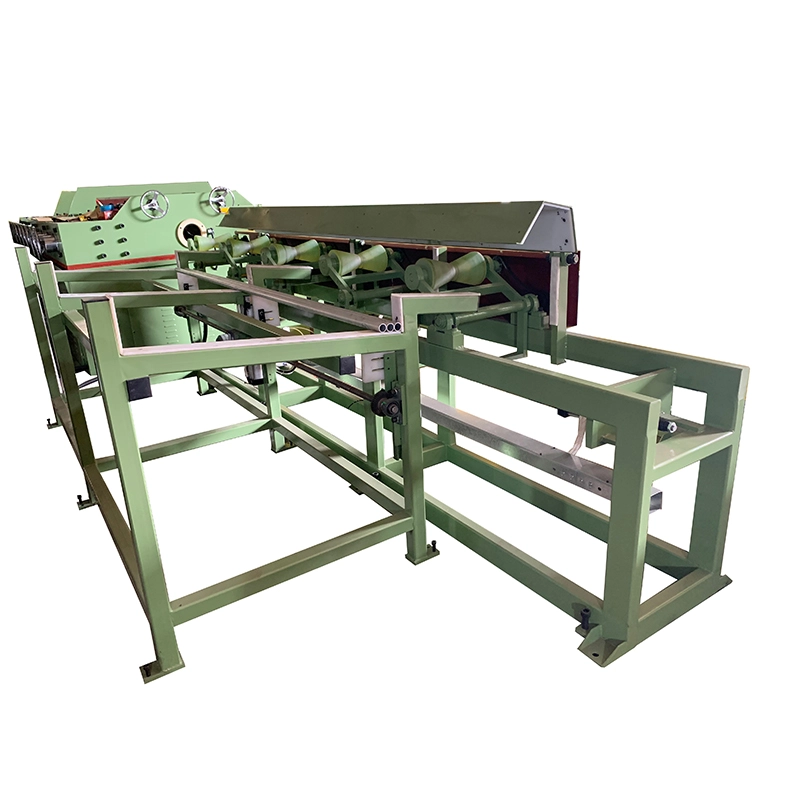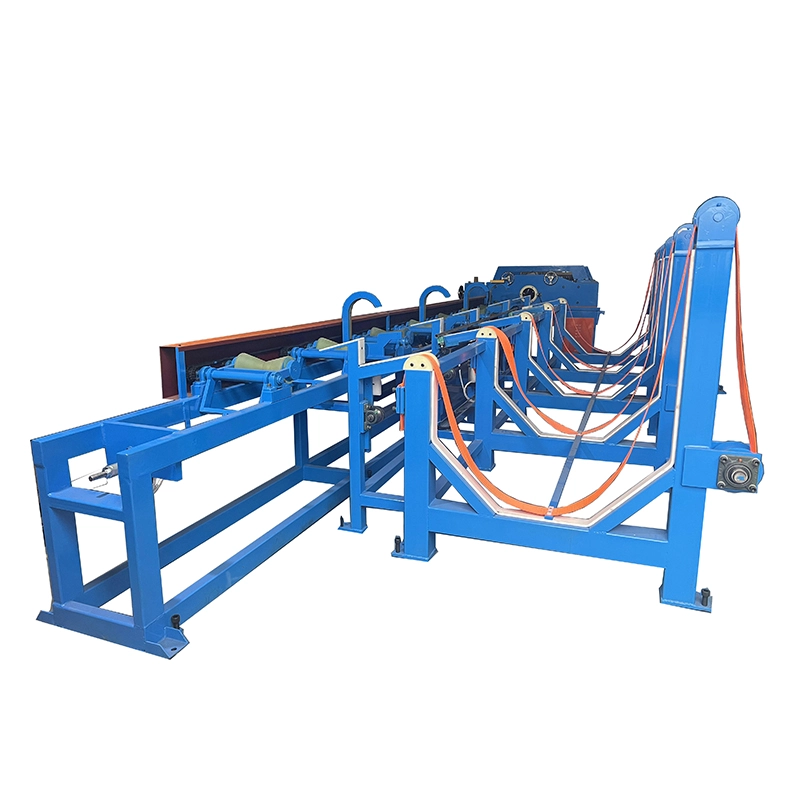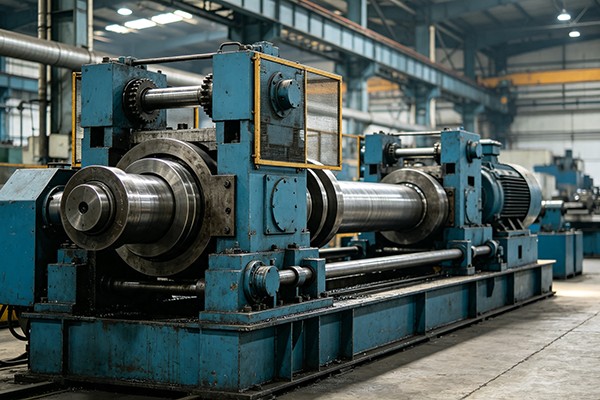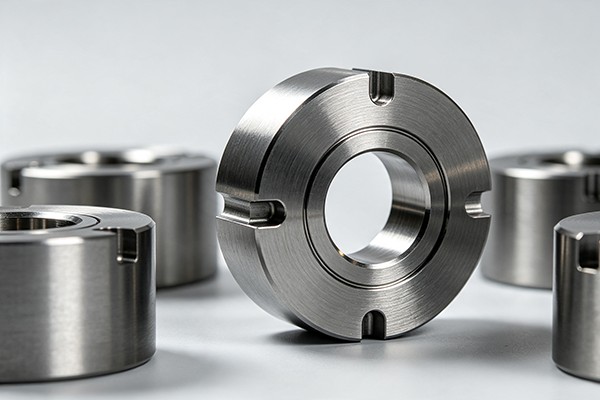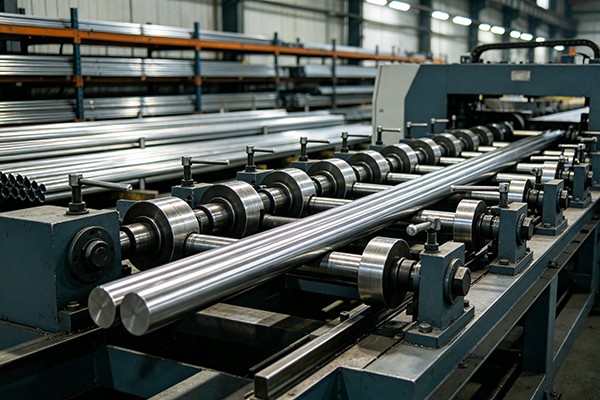

We offer a comprehensive range of precision metal processing equipment, including straightening, cold drawing, pointing, chamfering, cutting, thread rolling machines, and drawing dies, tailored for tube, bar, and wire materials across diverse industries.
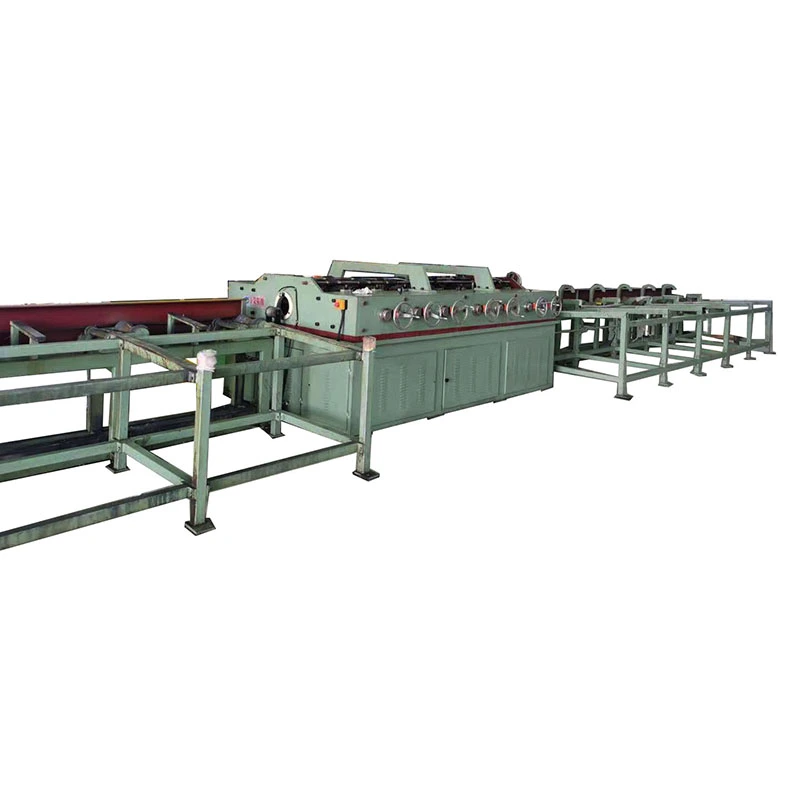
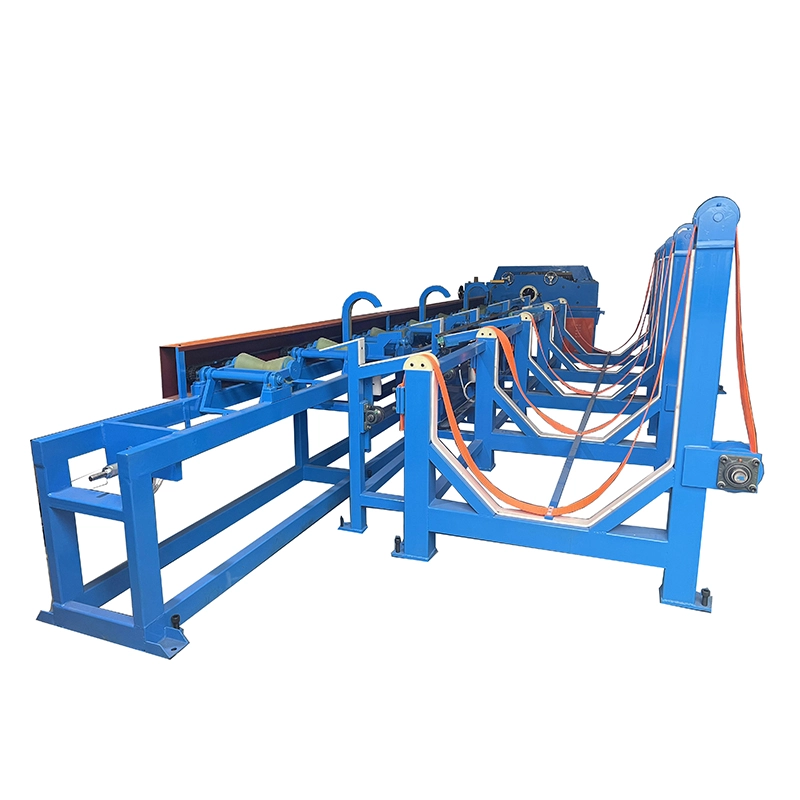
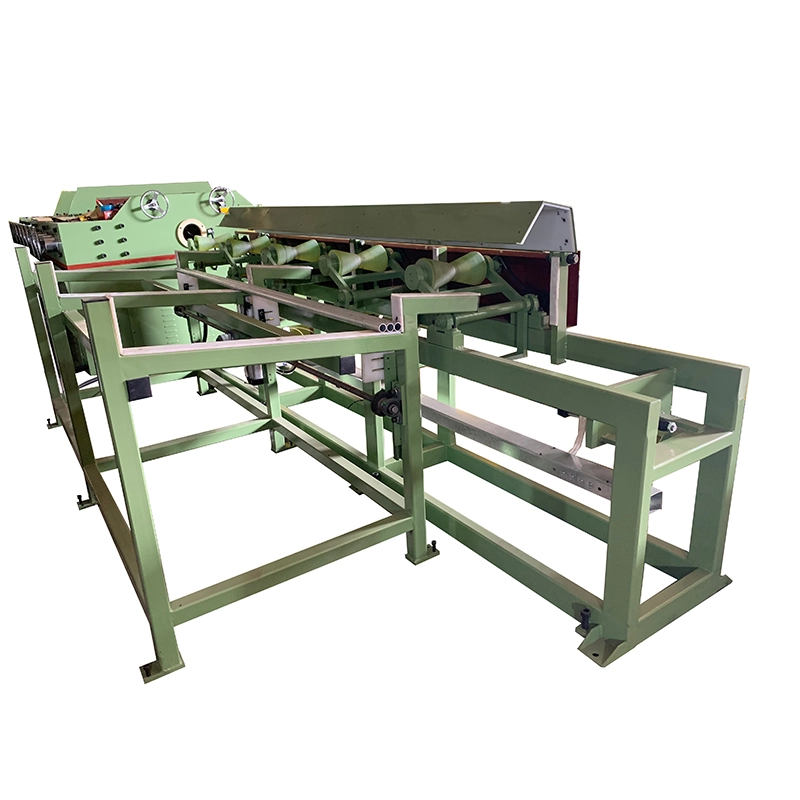
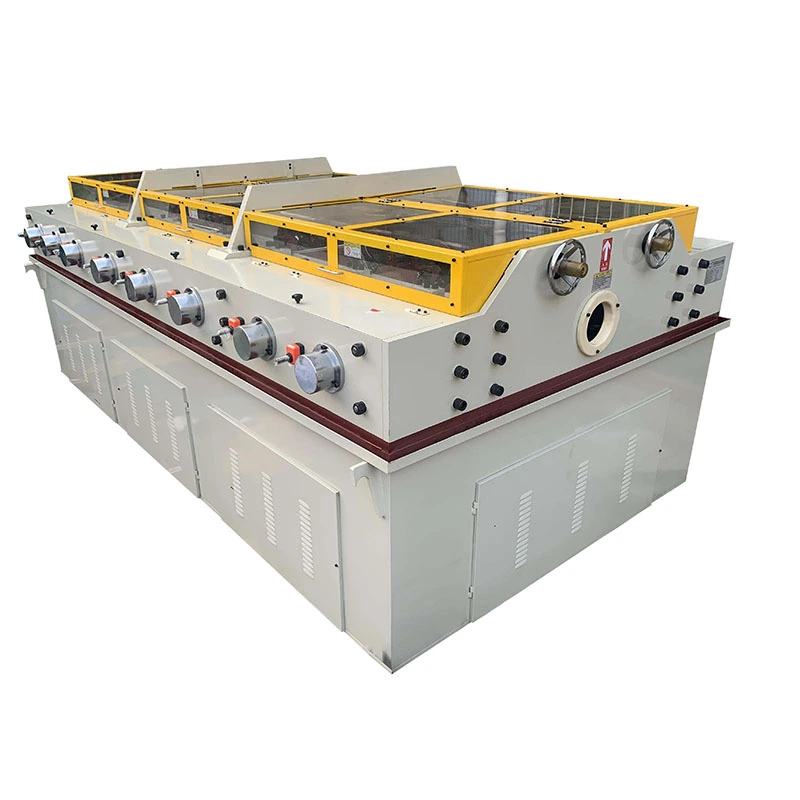
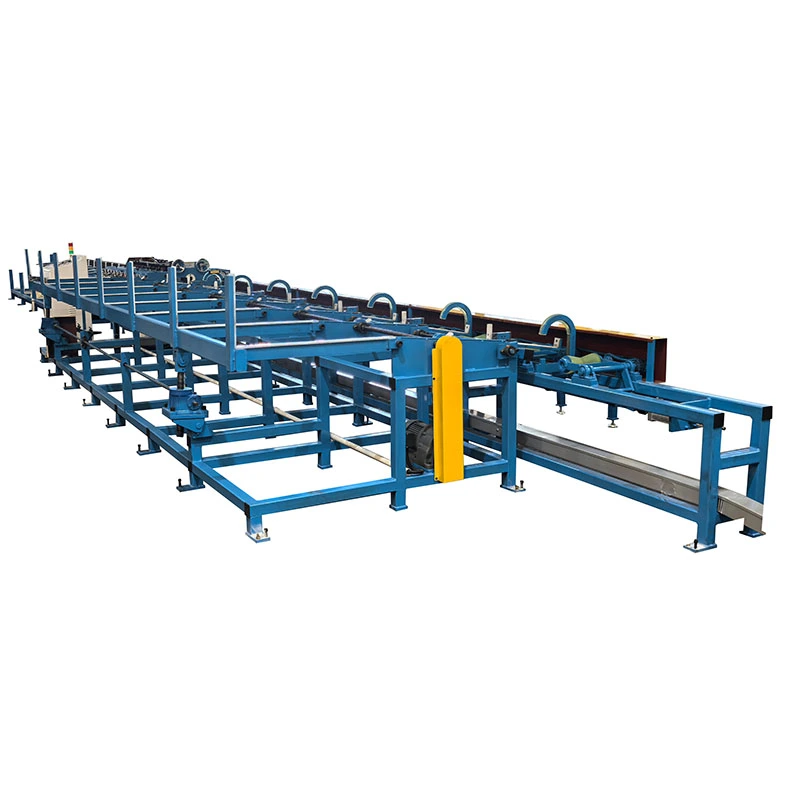
The Carbon Steel Horizontal Straightening Machine is a multi-roll straightening system for carbon steel tubes, pipes, round bars and similar long metal workpieces. It uses a series of crossed rollers to apply controlled reverse bending from multiple points, correcting material bending and improving straightness before cutting, machining, welding or assembly.
FangRong FR series machines are available in different roller configurations and working ranges, covering tube diameters from φ4 mm to φ180 mm and solid bars from φ10 mm to φ90 mm. Depending on the model, finished straightness can reach ≤0.1 mm/m under specified processing conditions.
The machine can process carbon steel as well as alloy steel, stainless steel, copper, aluminum and selected specialty alloys. Final model selection depends on the material grade, tube diameter, wall thickness, bar diameter, incoming straightness, required finished straightness and production speed.
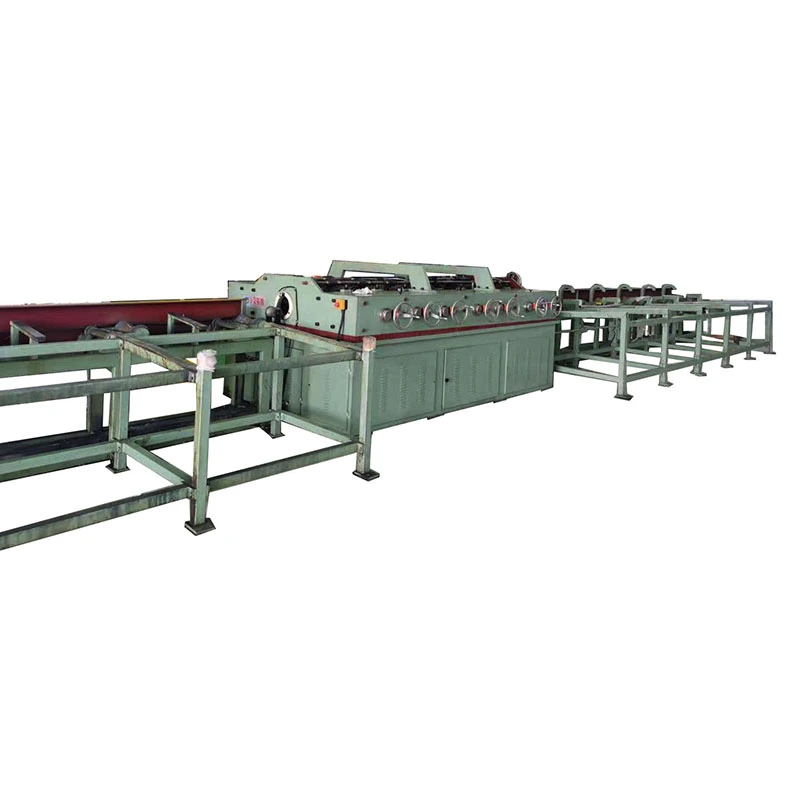
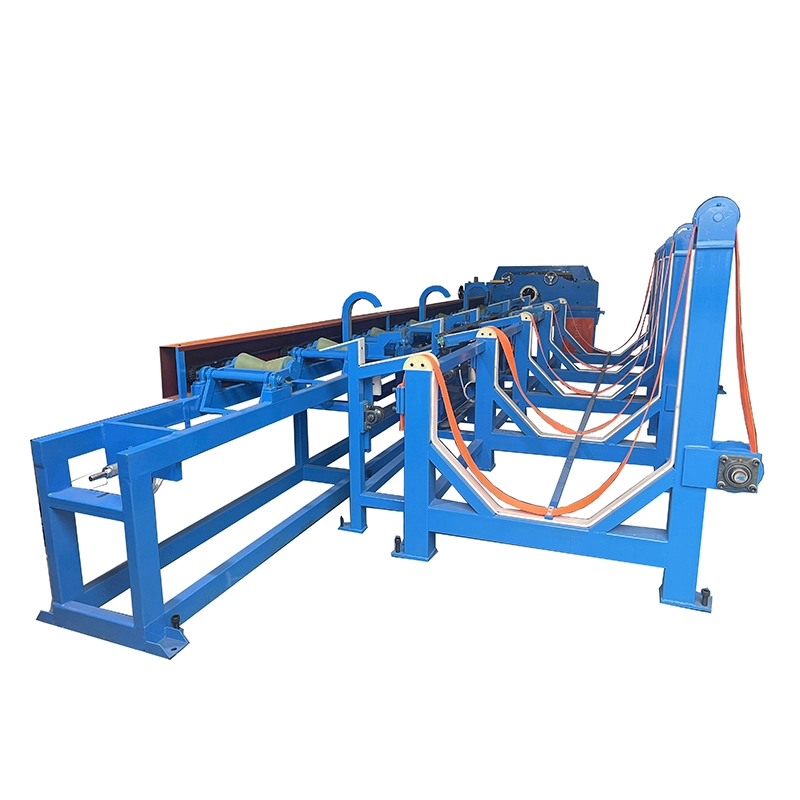
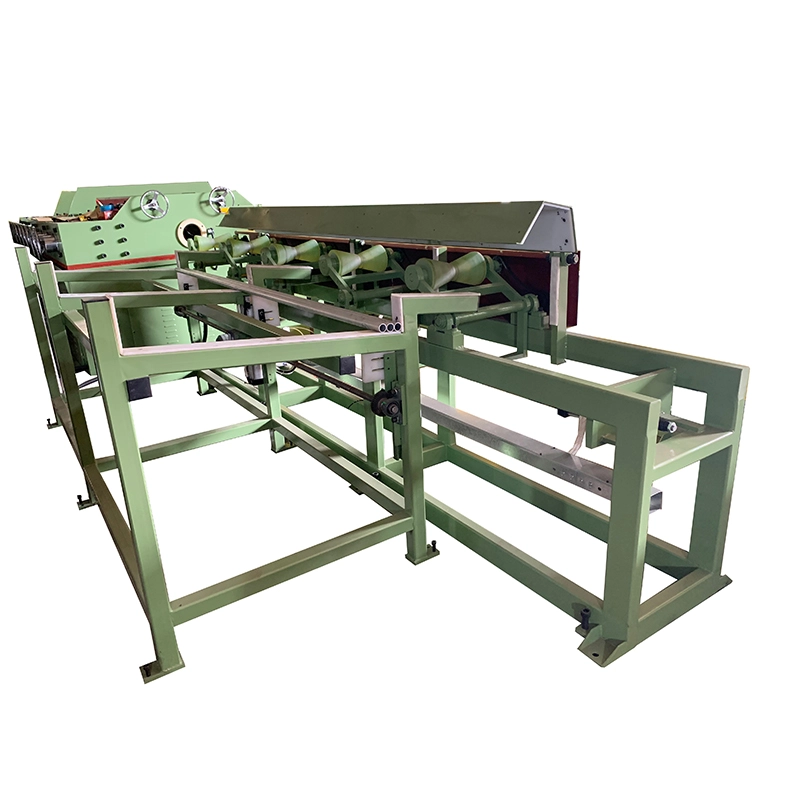
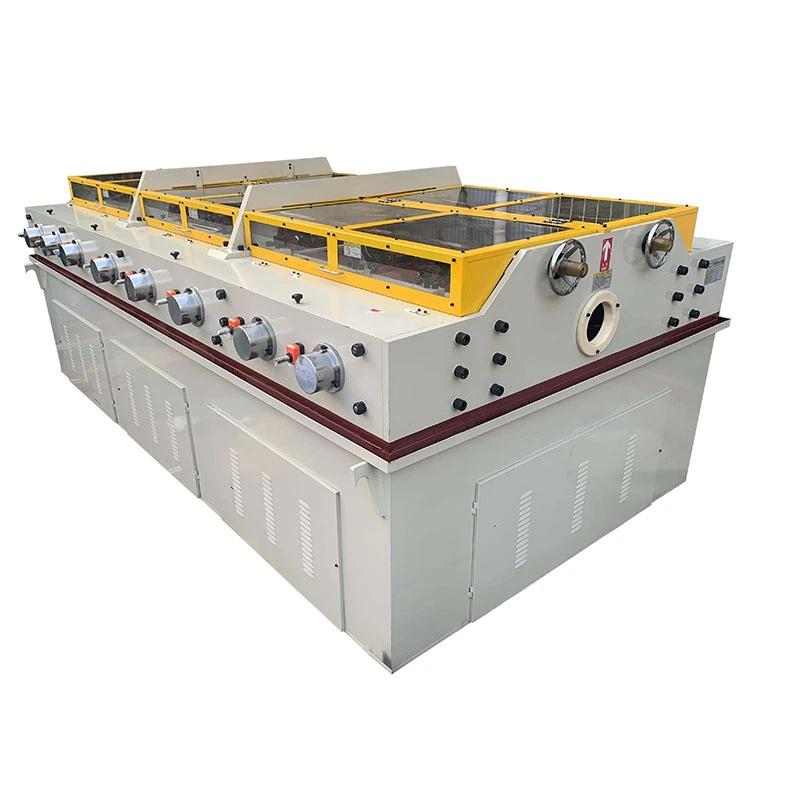
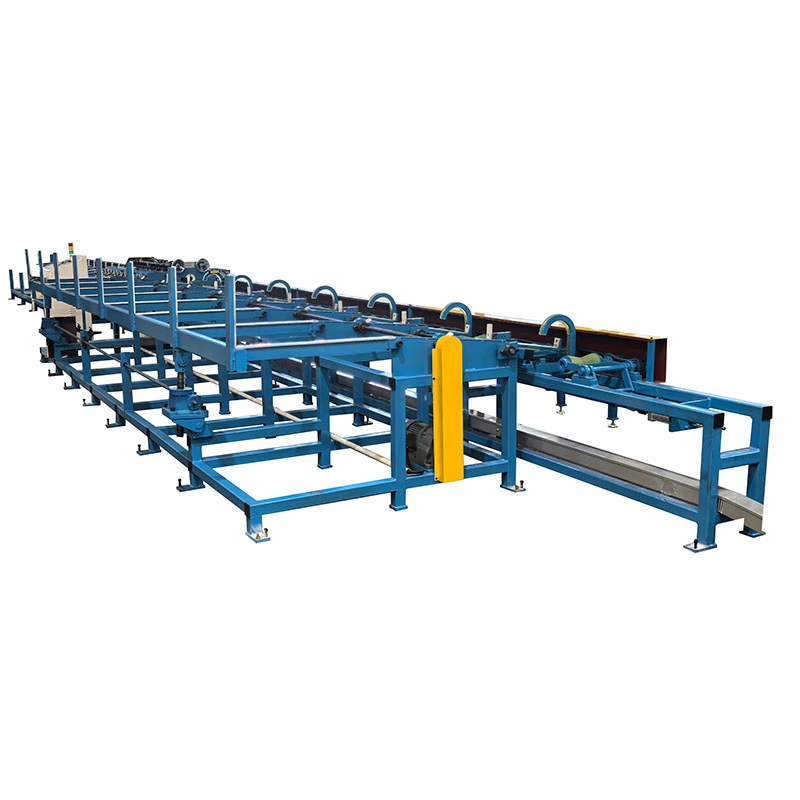
The FR series uses multi-point reverse bending rather than a single-point correction. The workpiece rotates and advances through inclined crossed rollers while each roller applies a controlled amount of deformation. Because the workpiece is corrected at multiple positions along its length, local bending is progressively reduced rather than corrected at only one point.
The working result depends on the relationship between roller position, roller angle, material hardness, section size, wall thickness and incoming deformation. Operators therefore adjust the roller settings according to the actual material rather than relying on one fixed setting for every specification.
A typical straightening cycle includes:
1. Material feeding: The tube or bar is positioned and fed into the straightening section.
2. Initial bending: The first roller groups introduce controlled deformation opposite to the existing bend.
3. Progressive correction: Subsequent rollers apply alternating bending to correct the remaining deviation along the workpiece.
4. Rotation and forward movement: Crossed rollers continuously rotate the workpiece while moving it through the machine, allowing correction around the complete circumference.
5. Fine adjustment: Roller pressure, angle and gap are adjusted according to material and required straightness.
6. Finished inspection: Straightness and other specified dimensions are checked before the material enters the next production operation.
Carbon steel tubes and bars can develop bending during rolling, drawing, heat treatment, cooling, storage and transportation. Even relatively small deviations can create problems during automatic feeding, cutting, machining, welding and assembly.
The FR series is designed to address these production problems:
Uneven straightness: Multi-point reverse bending corrects longitudinal deformation and provides more consistent straightness over the full working length.
Inconsistent downstream machining: Straighter stock is easier to feed, clamp, cut and machine, reducing alignment problems in subsequent operations.
Different material sizes: The FR series covers a wide range of tube and bar diameters, with different roller counts available for different straightness requirements.
High production requirements: Selected models support continuous operation and adjustable working speeds, making them suitable for production lines as well as batch processing.
Small-batch production: Different roller configurations allow manufacturers to balance machine size, straightening accuracy and investment according to their actual product range.
The workpiece passes through multiple crossed rollers instead of being corrected at a single contact point. This distributes the correction over several positions and helps control residual bending more consistently.
FangRong offers different roller arrangements within the FR series. A higher roller count is generally selected when tighter straightness is required or when the material needs more controlled progressive correction. Roller count alone does not determine the final result; material condition, diameter, wall thickness, roller settings and incoming deformation also affect straightness.
The same machine platform can be configured for both hollow and solid round workpieces within the applicable model range. Tube processing requires particular attention to wall thickness and resistance to deformation, while solid bars normally require greater correction force as diameter and material strength increase.
FR-76 and larger models in the supplied configuration use frequency-inverter speed control with a working range of 0–60 m/min. FR-50 and smaller models use selectable speeds of 9, 18, 27 or 45 m/min. Actual production speed should be determined by material grade, workpiece dimensions, required straightness and surface requirements.
The machine frame, roller assemblies and transmission system are designed for continuous metal-processing applications. The structure must maintain roller alignment under working load because even small changes in roller position can affect the final straightness of the workpiece.
Depending on the production line, the machine can be equipped with PLC control, touchscreen operation, automatic feeding and unloading, and other automation functions. Automation level can be selected according to production volume and integration requirements.
The most important selection difference within the FR series is not simply machine size. Buyers should compare workpiece diameter, material condition, required straightness and roller configuration before choosing a model.
| Configuration | Typical Selection | Strength | Consideration |
|---|---|---|---|
| 14 rollers | Standard straightening | Lower machine cost and simpler configuration | Suitable when standard straightness is sufficient |
| 15 rollers | Small-diameter workpieces | Compact configuration for smaller tubes and bars | Model-specific working range must be checked |
| 16 rollers | Higher straightness requirement | More correction points than standard configurations | Useful for selected smaller-diameter precision applications |
| 17 rollers | Precision production | More progressive correction and tighter straightness capability | Higher machine cost and larger footprint |
| 20 rollers | High-precision straightening | More correction points for demanding straightness requirements | Higher investment; select only when the application benefits from it |
For applications requiring approximately ≤0.3 mm/m, a standard 14-roller configuration may be sufficient depending on the material and incoming condition. When the customer requires tighter straightness, 17- or 20-roller configurations can provide additional correction stages.
For example, the supplied FR specifications show FR-50 with 20 rollers at ≤0.1 mm/m, while FR-76 with 17 or 20 rollers is specified at ≤0.2 mm/m. Therefore, a 20-roller configuration should not automatically be described as achieving the same straightness on every model.
| Item | Tube / Pipe | Solid Round Bar |
|---|---|---|
| Key parameters | Outer diameter and wall thickness | Bar diameter |
| Deformation concern | Straightness and possible section deformation | Straightness and correction force |
| Material consideration | Wall thickness affects stiffness | Diameter and strength strongly affect required correction |
| Typical downstream operations | Cutting, welding, drawing, machining, assembly | Turning, grinding, forging, machining, assembly |
| Requirement | Standard Configuration | Precision Configuration |
|---|---|---|
| Typical straightness target | ≤0.3 mm/m | Down to ≤0.1 mm/m on specified models |
| Roller configuration | Generally 14–15 rollers | Selected 16–20 roller configurations |
| Best suited for | General industrial processing | Precision machining and demanding assembly applications |
| Machine investment | Lower | Higher |
Do not select a straightening machine by diameter alone. For an accurate recommendation, provide the following information:
1. Workpiece type: tube, pipe, solid round bar or other round section.
2. Material: carbon steel grade, alloy steel grade or other material.
3. Tube dimensions: outside diameter and wall thickness.
4. Bar dimensions: solid bar diameter.
5. Incoming straightness: maximum bending or measured deviation before straightening.
6. Required finished straightness: for example ≤0.3 mm/m, ≤0.2 mm/m or a tighter project-specific requirement.
7. Production requirement: required output, working length and target line speed.
8. Surface requirement: whether the finished material has a polished, coated or otherwise sensitive surface.
This information allows the roller configuration, machine size and operating parameters to be matched to the actual production requirement instead of selecting an oversized machine unnecessarily.
The FangRong FR series includes 13 standard configurations from FR-20 to FR-180. The standard range covers tubes from φ4 mm to φ180 mm and solid bars from φ10 mm to φ90 mm. The table below is for model selection reference; final specifications should be confirmed against the customer's actual material and process conditions.
| Model | Max. Tube Ø | Min. Tube Ø | Max. Bar Ø | Straightness | Roller Sets | Speed (m/min) | Power (kW) | Weight (kg) | Dimensions (mm) |
|---|---|---|---|---|---|---|---|---|---|
| FR-180 (17) | φ180 | φ60 | φ90 | ≤0.3 mm/m | 17 | — | 55 | 25,000 | 4200×1800×1500 |
| FR-150 (17) | φ150 | φ58 | φ70 | ≤0.3 mm/m | 17 | — | 30/37 | 12,000 | 4100×2280×1700 |
| FR-120 (14) | φ120×T3.0 | φ38 | φ50 | ≤0.3 mm/m | 14 | — | 30 | 9,000 | 3250×1450×1250 |
| FR-100 (14) | φ89×T3.0 | φ28 | φ32 | ≤0.3 mm/m | 14 | 0–60 | 15 | 5,000 | 2350×1560×1160 |
| FR-100 (17) | φ89×T3.0 | φ28 | φ32 | ≤0.2 mm/m | 17 | 0–60 | 18 | 5,000 | 2700×1560×1160 |
| FR-76 (14) | φ60×T3.0 | φ16 | φ22 | ≤0.3 mm/m | 14 | 0–60 | 11 | 2,500 | 2250×1560×1160 |
| FR-76 (17) | φ76×T3.0 | φ18 | φ25 | ≤0.2 mm/m | 17 | 0–60 | 15 | 3,500 | 2560×1560×1160 |
| FR-76 (20) | φ76×T3.0 | φ18 | φ25 | ≤0.2 mm/m | 20 | 0–60 | 15 | 5,400 | 3250×1500×1250 |
| FR-50 (14) | φ30/φ45×T2.0 | φ8/φ13 | φ16 | ≤0.3 mm/m | 14 | 9/18/27/45 | 7.5 | 1,500 | 1750×1120×1040 |
| FR-50 (20) | φ30/φ45×T2.0 | φ8/φ13 | φ16 | ≤0.1 mm/m | 20 | 9/18/27/45 | 7.5 | 2,000 | 2200×1120×1040 |
| FR-25 (14) | φ25 | φ6 | φ12 | ≤0.3 mm/m | 14 | 9/18/27/45 | 4 | 1,000 | 1300×900×950 |
| FR-25 (16) | φ25 | φ6 | φ12 | ≤0.2 mm/m | 16 | 9/18/27/45 | 4 | 1,100 | 1800×1100×950 |
| FR-20 (15) | φ16×T2.0 | φ4 | φ10 | ≤0.3 mm/m | 15 | 9/18/27/45 | 3 | 700 | 1100×1050×950 |
Notes: T indicates tube wall thickness. Dimensions, power and working range may vary with the final machine configuration. For FR-76 and larger models listed with 0–60 m/min, speed is controlled by a frequency inverter. FR-50 and smaller models use selectable mechanical speeds of 9/18/27/45 m/min.
The machine is used after rolling, drawing, heat treatment or other processes where tubes may develop longitudinal bending. Straightened tubes can then proceed to cutting, machining, welding or assembly.
For round bars, straightening improves the condition of bar stock before turning, grinding, forging, machining or automatic feeding. Model selection depends mainly on bar diameter, material strength and required straightness.
Suitable for round tubes and bars used in shafts, structural components, steering-related parts, shock absorber components and other automotive applications where straight stock improves downstream machining and assembly.
Used for carbon steel rods, tubes and structural components that require improved straightness before fabrication, cutting or installation.
Carbon steel and alloy steel tubes used in industrial piping and energy equipment can require straightening before further machining or assembly. The required straightness should be specified according to the applicable product standard and application.
The FR series can be integrated into metal processing lines supplying straight tubes and bars for machining, welding, assembly and other fabrication processes.
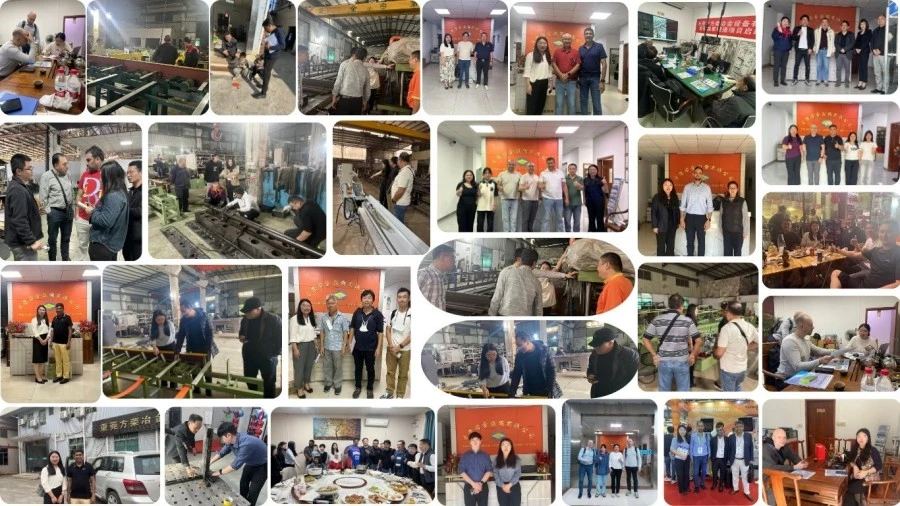
Experience in straightening and metal processing equipment
FangRong was established in 1998 and has developed its business around straightening machines, cold drawing equipment and related metallurgical machinery. The company operates manufacturing facilities in Dongguan and Yangjiang, Guangdong, serving tube, bar and metal processing customers in international markets.
Engineering based on the actual workpiece
We do not select a straightening machine from diameter alone. Material grade, tube wall thickness, bar diameter, incoming bending, finished straightness and required throughput all affect the machine configuration. Where necessary, customers can provide actual samples for testing before finalizing the machine.
Factory testing before shipment
Machines are checked for mechanical operation, roller alignment, vibration, motor current, lubrication, electrical safety and straightening performance. Where customer samples are available, full-load testing can be carried out using the actual tubes or bars to verify the proposed configuration.
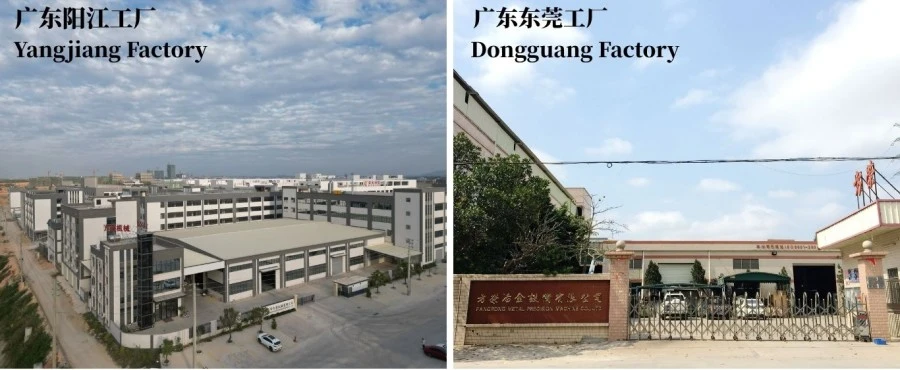
Two Manufacturing Facilities
Dongguan Fangrong Metallurgical Equipment Co., Ltd. is located in Dalang Town, Dongguan City, Guangdong Province and serves as one of the company's main production and engineering bases.
Yangjiang Fangrong Machinery Co., Ltd. is located in Yangdong District, Yangjiang City, Guangdong Province and supports equipment manufacturing and production capacity.
Combined production capacity exceeds 650 machines per year, covering straightening, cold drawing and related metal processing equipment.
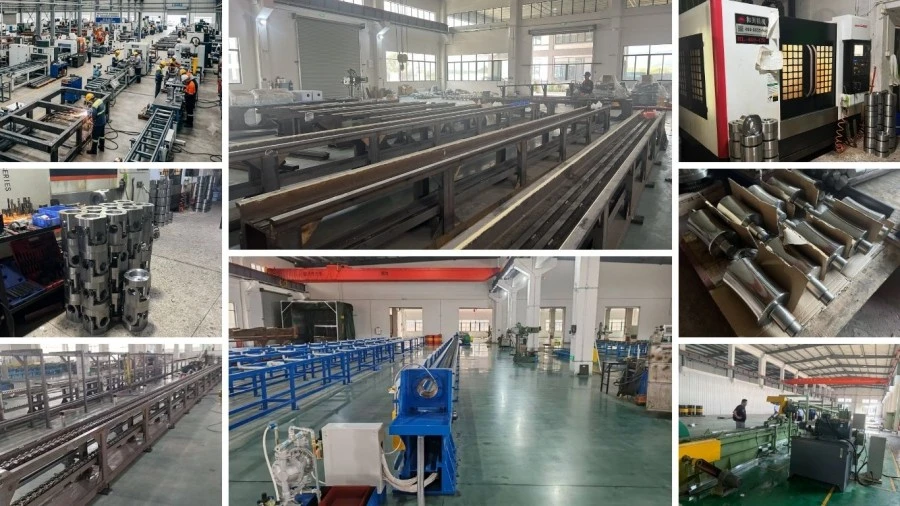
Each machine passes through engineering review, material inspection, machining, sub-assembly, final assembly, electrical and PLC setup, testing and final inspection before shipment.
The main production stages include:
1. Engineering review — Confirm workpiece dimensions, material properties, straightness requirements and machine configuration.
2. Raw material inspection — Check purchased steel and key components before machining.
3. Precision machining — Machine frames, roller assemblies and other components according to engineering drawings.
4. Sub-assembly and final assembly — Assemble transmission, roller, lubrication, electrical and control systems.
5. PLC programming and commissioning — Configure the control system according to the machine specification.
6. Load testing — Verify machine operation under idle and working conditions.
7. Final inspection — Check straightness, roller alignment, vibration, electrical safety, lubrication and other specified parameters.
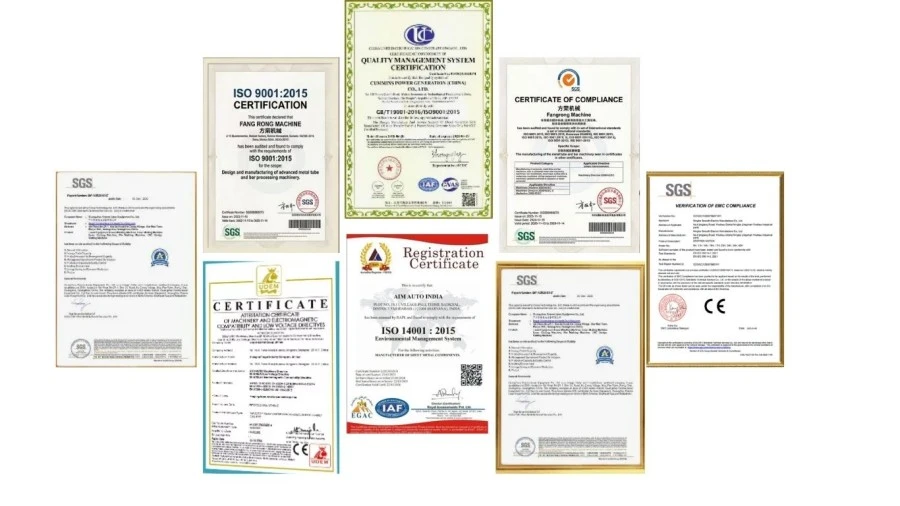
Before shipment, the Carbon Steel Horizontal Straightening Machine can undergo an idle running test and a load test. The standard factory inspection process includes mechanical operation, roller alignment, vibration, motor current, lubrication and electrical safety checks. When customer samples are supplied, actual tubes or bars can be processed to verify straightening performance against the agreed requirements.
FangRong maintains an ISO 9001:2015 quality management system and provides CE-certified standard machine configurations for applicable markets. The company also holds equipment-related patents and has experience in designing customized straightening and metal processing equipment.
Certification and inspection documents can be provided according to the machine model and destination market. Where a project requires additional compliance documentation, requirements should be confirmed before order placement.
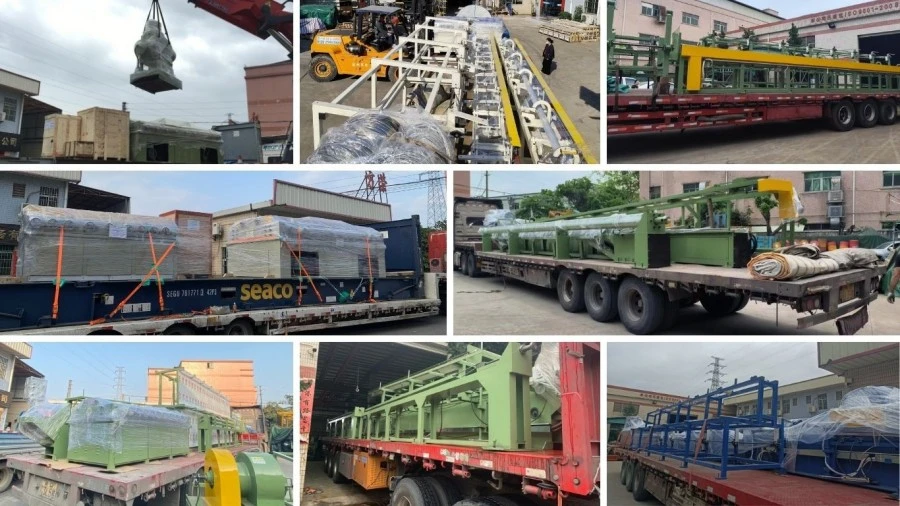
Before shipment, the machine is cleaned, inspected and prepared according to its transport method. Electrical components and exposed precision parts are protected against moisture, dust and impact during transportation.
The machine is normally shipped after factory inspection and customer acceptance requirements have been completed. Foundation drawings, anchor bolt layouts and installation information can be provided before delivery to help customers prepare the workshop in advance.
Standard FR-20 to FR-100 models generally require approximately 30–60 days for production, while larger FR-120 and above models generally require approximately 60–90 days. Final delivery time depends on machine configuration and order requirements.
The standard warranty period is 12 months from commissioning. FangRong provides remote troubleshooting support and can arrange on-site installation and commissioning when required. Operator training is typically arranged for approximately 3–5 days during commissioning.
The standard FR series covers tube diameters from φ4 mm to φ180 mm and solid round bars from φ10 mm to φ90 mm. The usable range is model-specific, so the tube diameter, wall thickness or bar diameter should be provided when requesting a quotation.
Standard configurations are specified at around ≤0.3 mm/m, while selected configurations provide tighter results. For example, FR-50 with 20 rollers is specified at ≤0.1 mm/m, while selected FR-25, FR-76 and FR-100 configurations are specified at ≤0.2 mm/m. Actual performance depends on material, dimensions, incoming deformation and machine settings.
Start with the required finished straightness rather than simply choosing the highest roller count. A 14-roller machine may be sufficient for standard requirements, while 17- or 20-roller configurations are more appropriate for selected precision applications. The final choice also depends on workpiece dimensions and material condition.
Yes, selected FR models can be configured for both tubes and solid round bars within their specified diameter ranges. However, tube wall thickness and solid bar diameter affect the required roller configuration and working parameters, so both product types should be included when requesting model selection.
Please provide the material grade, tube outside diameter and wall thickness or bar diameter, workpiece length, incoming straightness, required finished straightness, required production speed and approximate annual or monthly output. Sample material or drawings are useful when the application has tight straightness or surface requirements.
FR-50 and smaller models listed in the standard configuration use selectable speeds of 9/18/27/45 m/min. FR-76 and larger listed models use a frequency inverter for variable speed control from 0–60 m/min. The appropriate speed should be selected according to material and finished-product requirements.
Yes. Customers can provide representative workpieces for machine testing when the application requires verification. Testing can be used to evaluate roller configuration, straightening settings and finished straightness before shipment.
FangRong can provide foundation drawings and anchor bolt layouts before delivery. On-site installation and commissioning can be arranged, with typical operator training of 3–5 days. The standard warranty period is 12 months from commissioning, with remote technical support available for troubleshooting.
Address
NO.163,Shatong Road,Shabu 2nd Industrial Zone, Dalang Town, Dongguan City, Guangdong, China