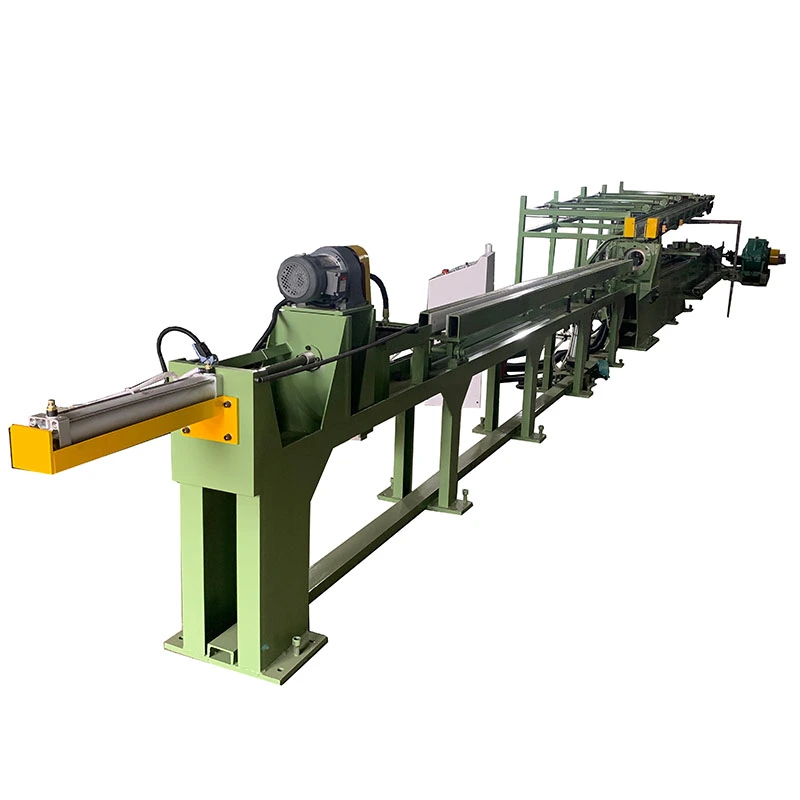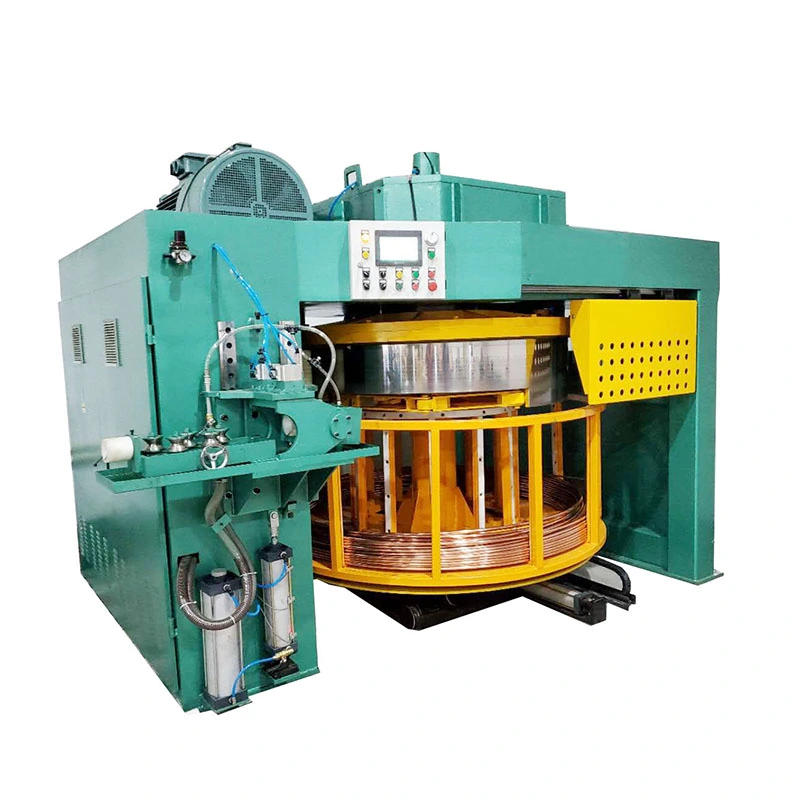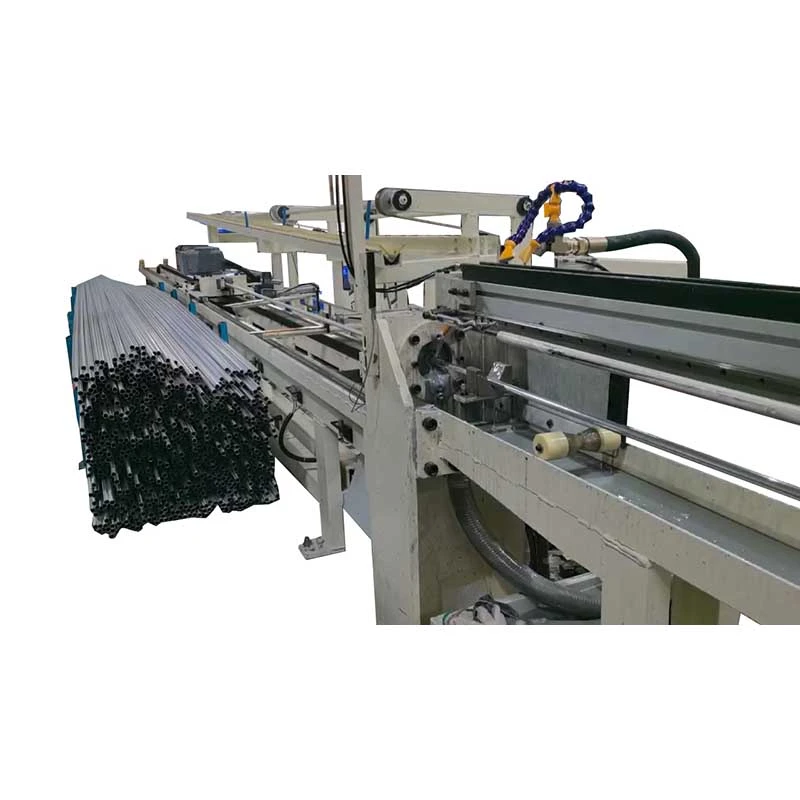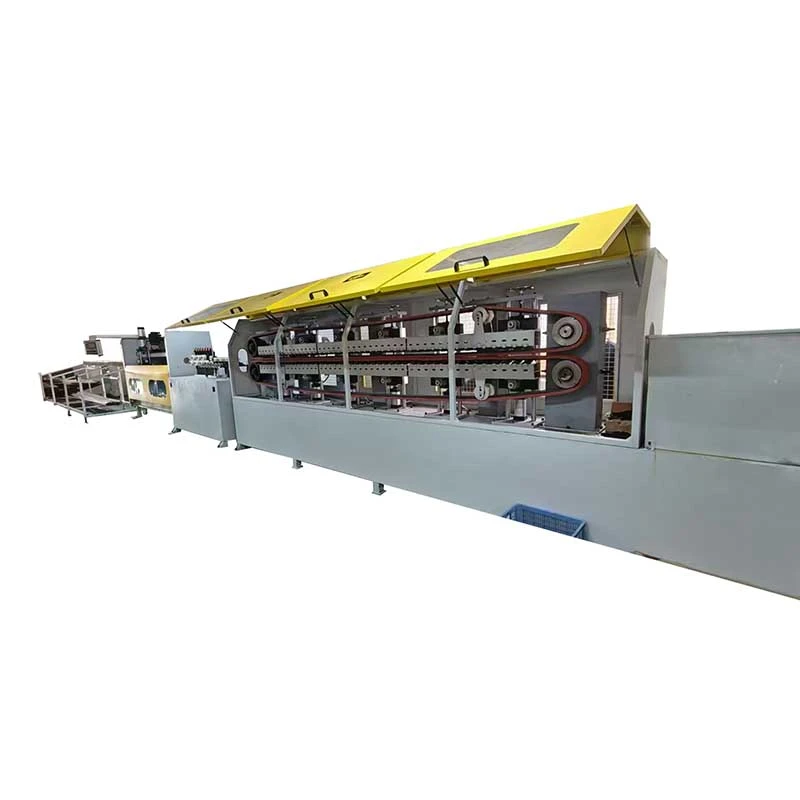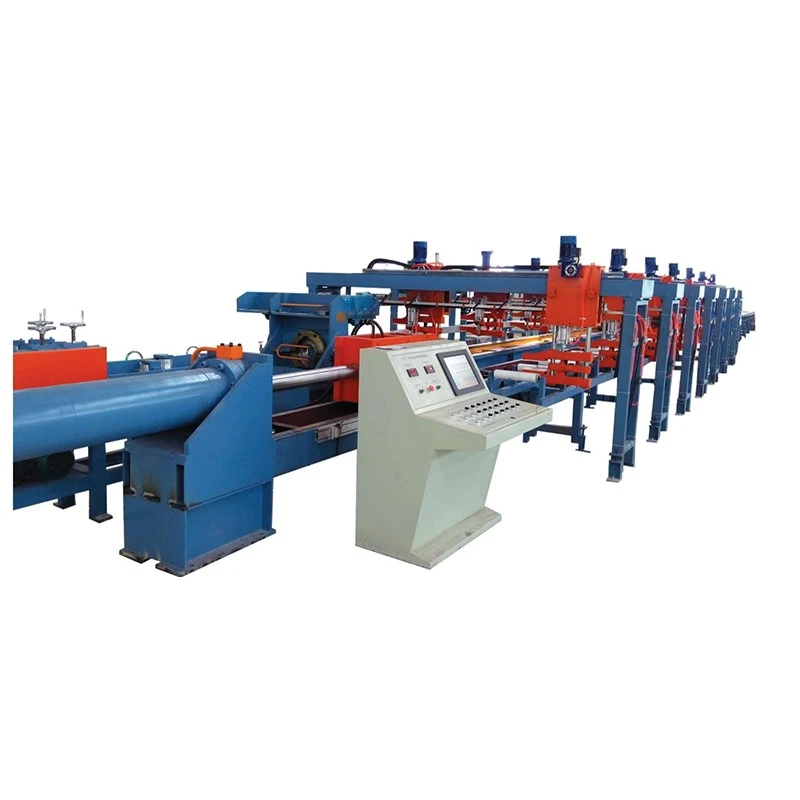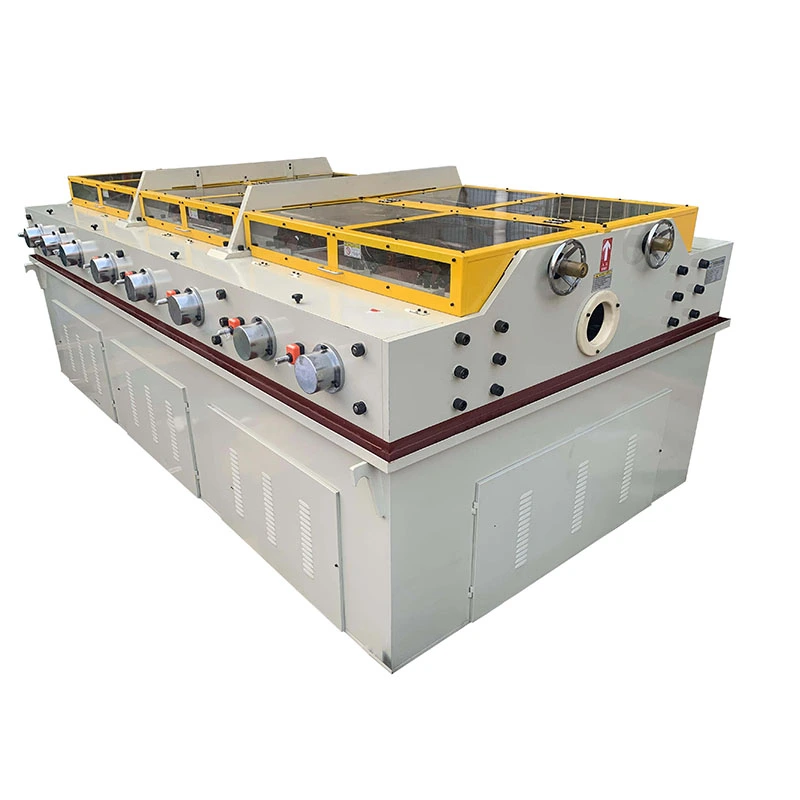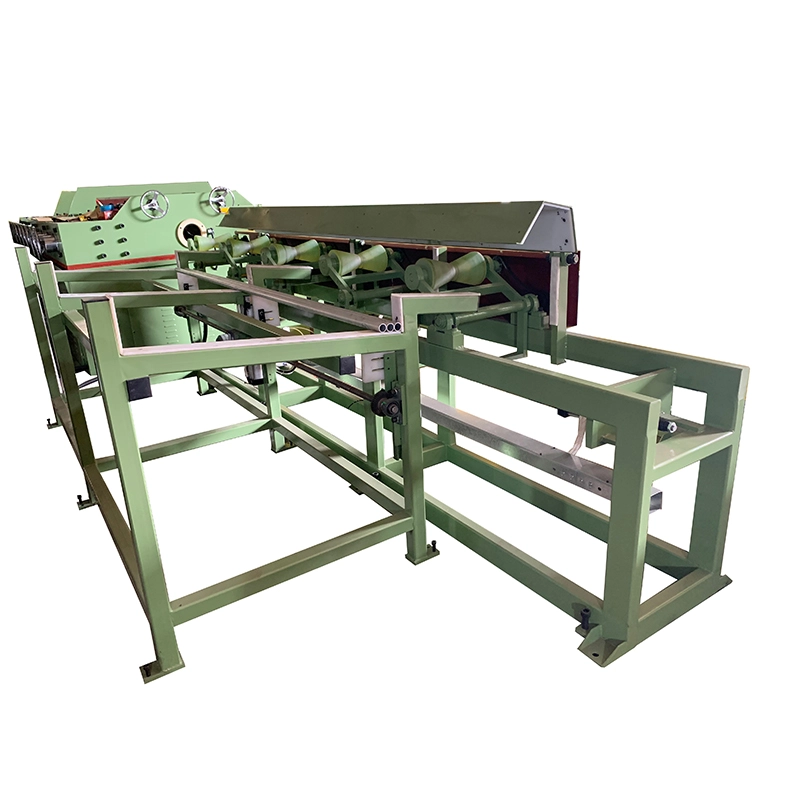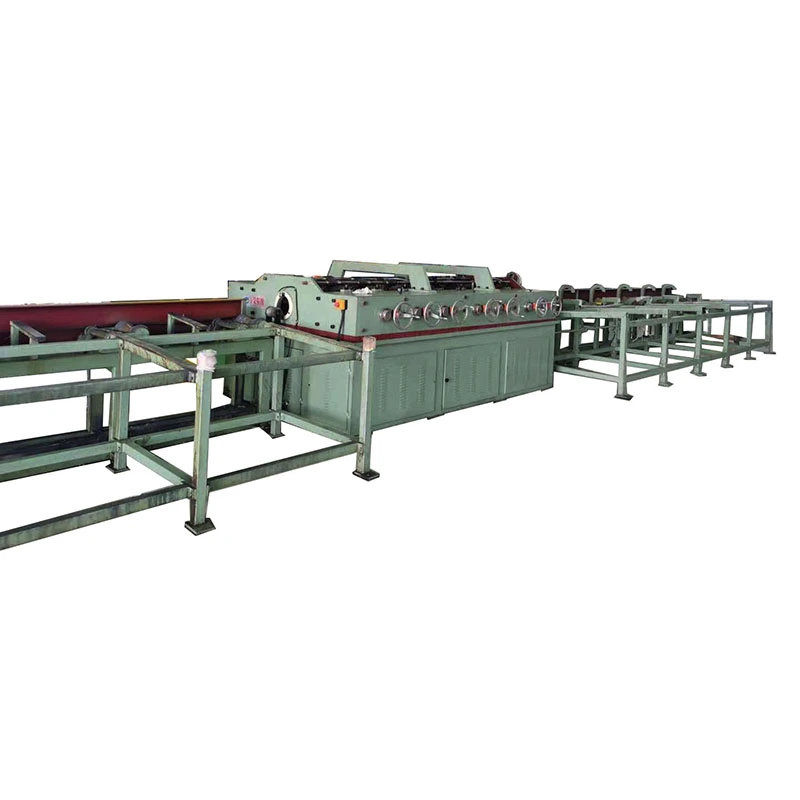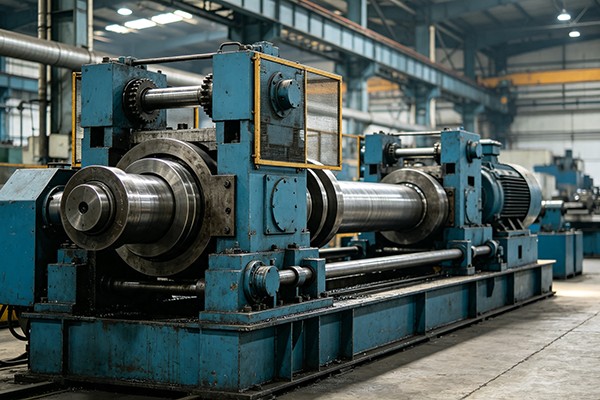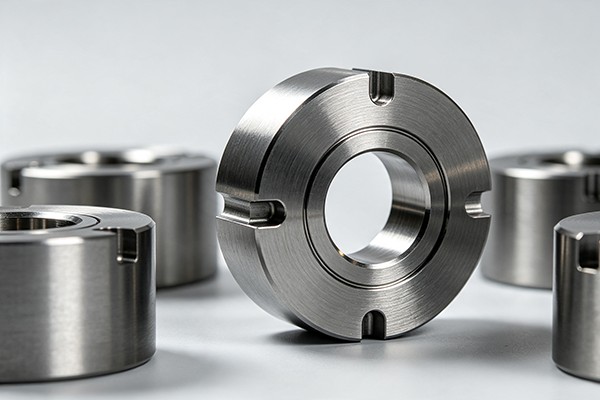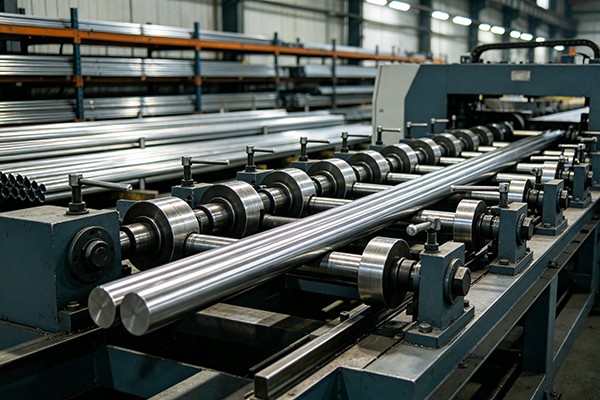

We offer a comprehensive range of precision metal processing equipment, including straightening, cold drawing, pointing, chamfering, cutting, thread rolling machines, and drawing dies, tailored for tube, bar, and wire materials across diverse industries.
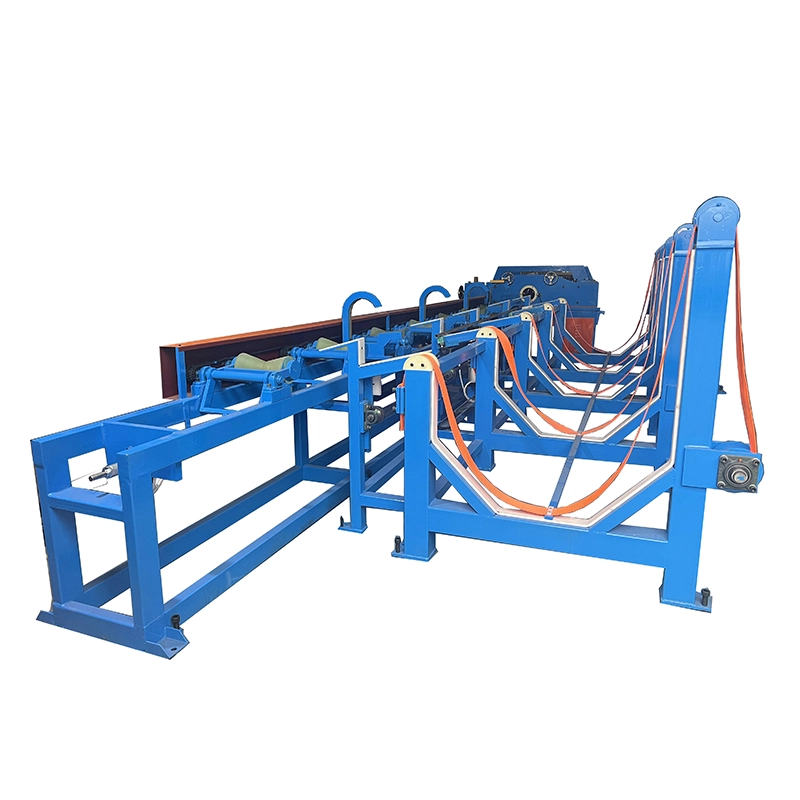
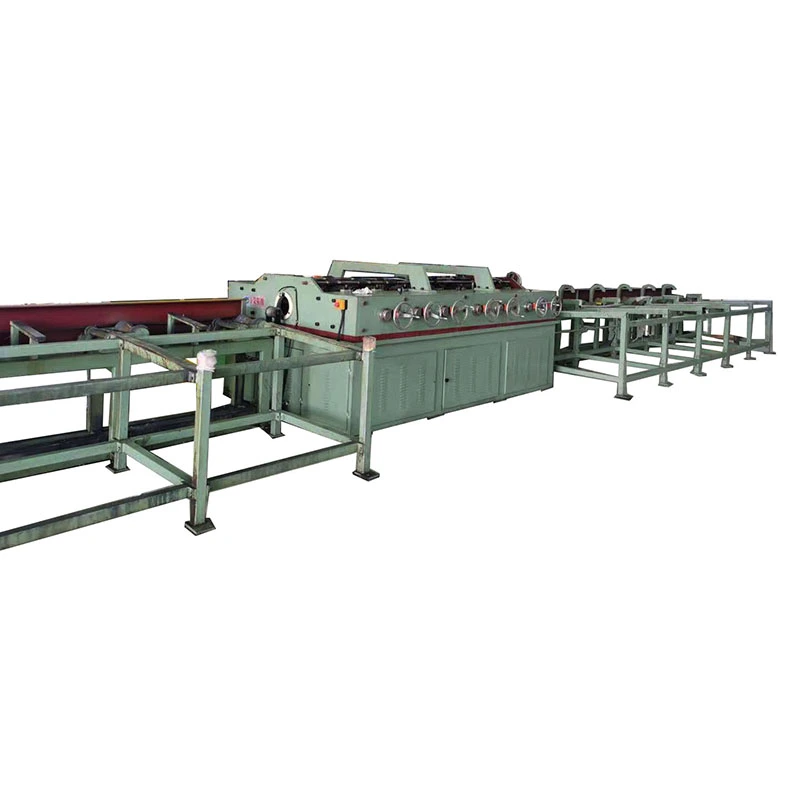
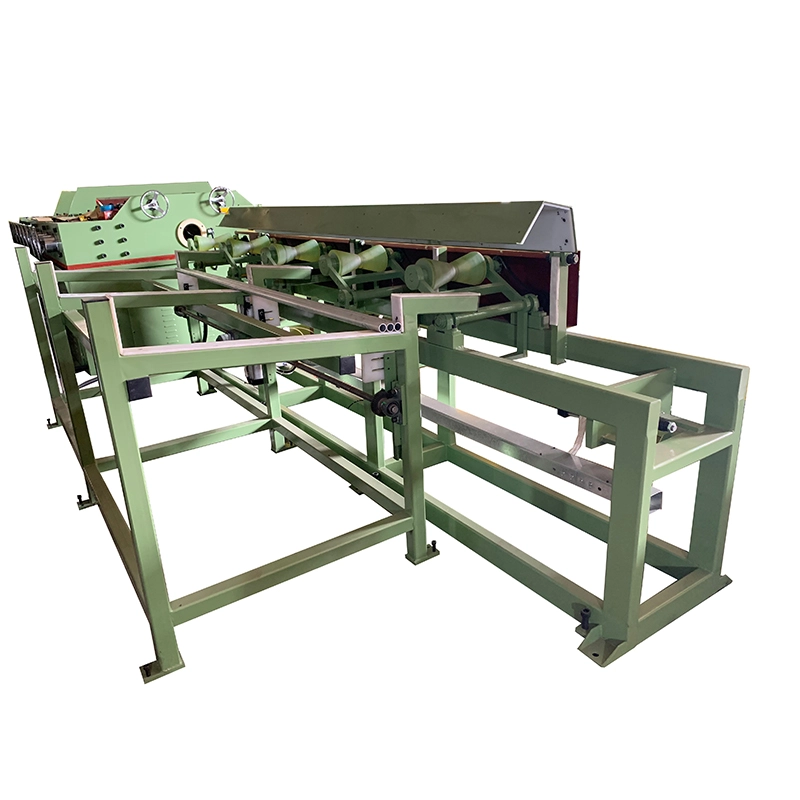
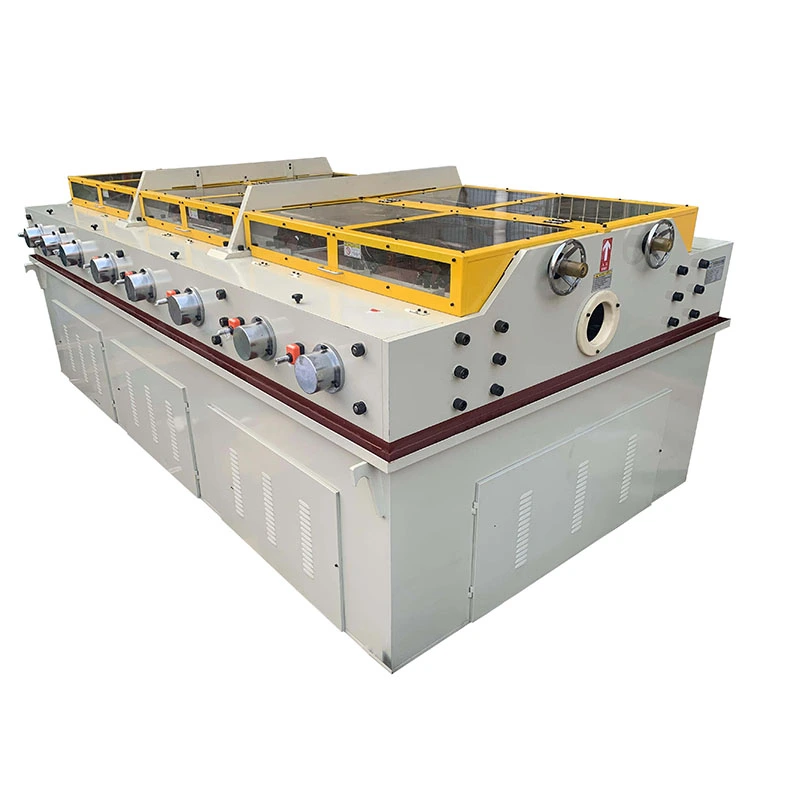
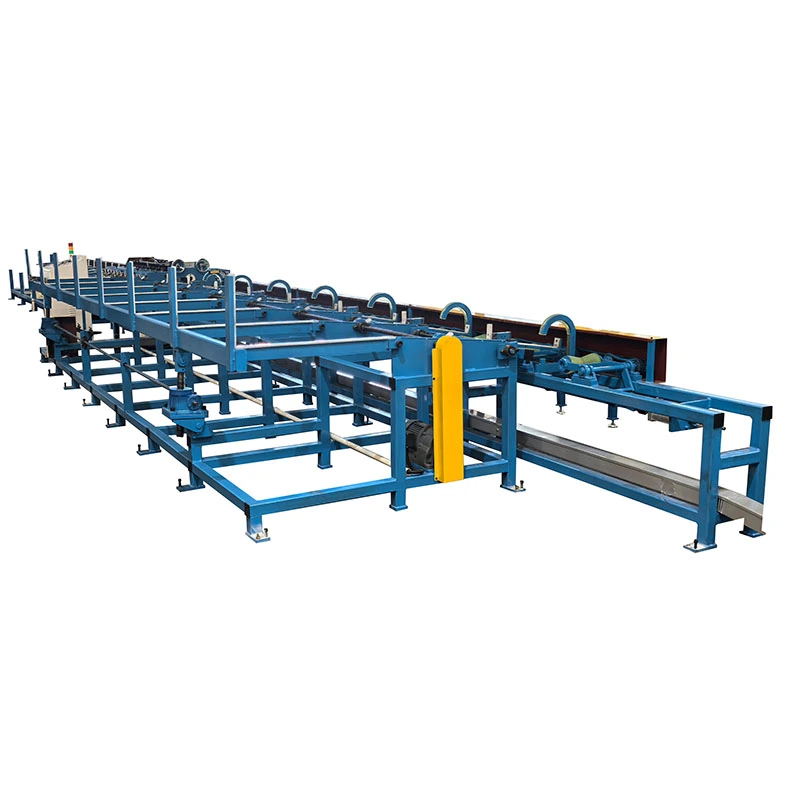
The Stainless Steel Horizontal Straightening Machine is a roller-type straightening equipment specifically designed and optimized for the precision straightening of stainless steel tubes, pipes, and solid bars. While the basic straightening principle---passing the workpiece through multiple sets of precision-aligned rollers---is shared with carbon steel machines, stainless steel processing demands critical engineering differences:
- Roller surface materials must be carefully selected to prevent galling and scratching of the stainless steel surface
- Lower straightening speeds are required to prevent work hardening and surface defects
- Higher straightening forces are needed to overcome stainless steel's higher yield strength
- Tighter surface quality requirements demand roller configurations that minimize contact marks
FangRong's FR series covers 13 standard models (FR‑20 through FR‑180), handling tube diameters from φ4 mm to φ180 mm and solid bars from φ10 mm to φ90 mm. The machine is available with 14, 15, 16, 17, or 20 roller sets---more rollers deliver higher straightness precision, with 20-roller models achieving 0.1 mm/m straightness. Total power ranges from 3 kW to 55 kW, with machine weights from 700 kg to 25,000 kg depending on model.
The machines incorporate proven Taiwan-brand straightening technology---the company was established in 1998 as a joint venture with a Taiwanese manufacturer with over 30 years of experience in straightening and drawbench engineering.
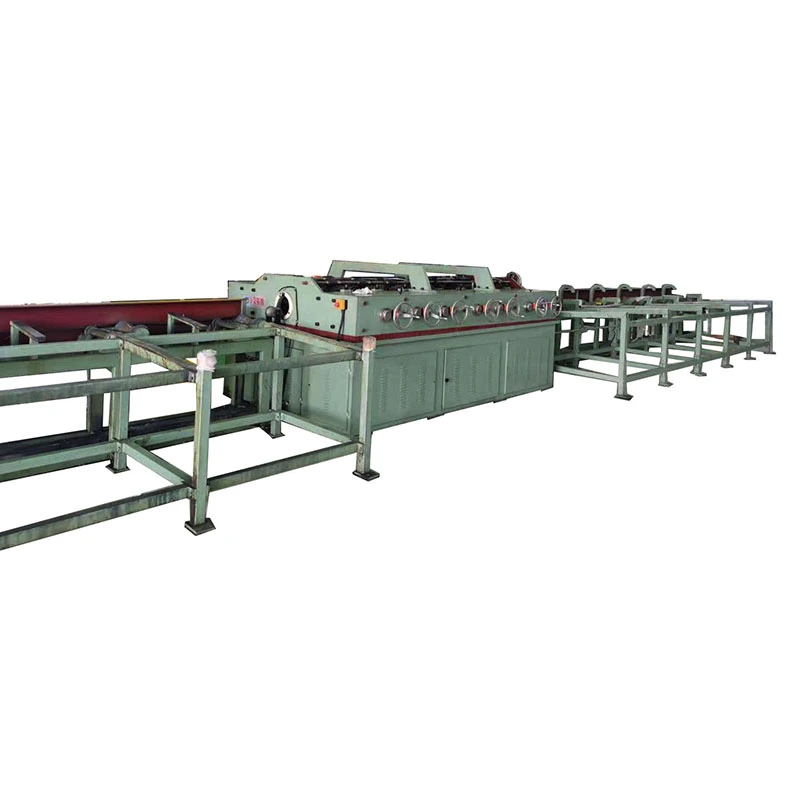
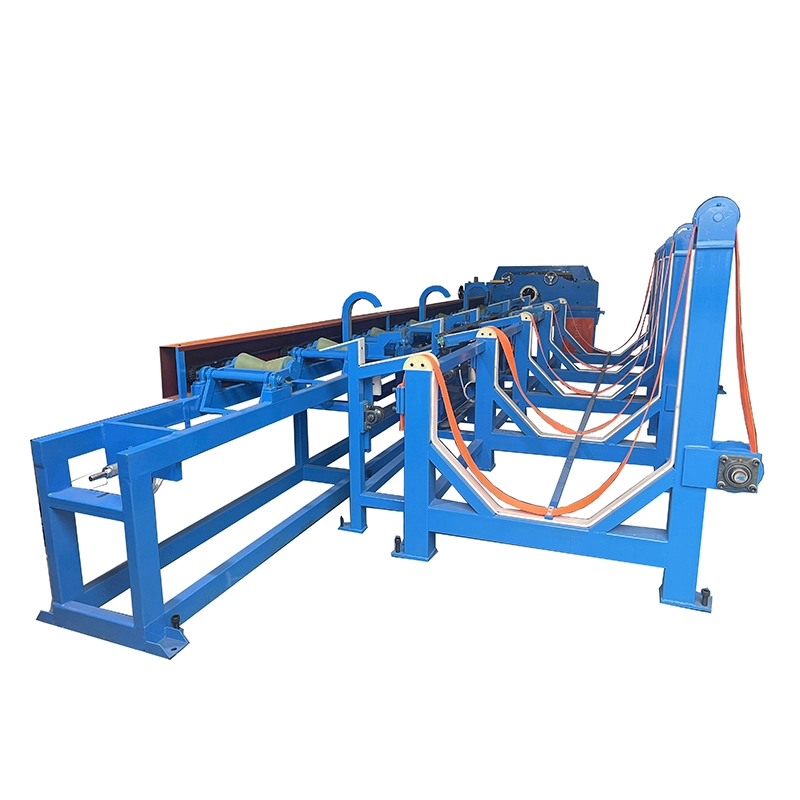
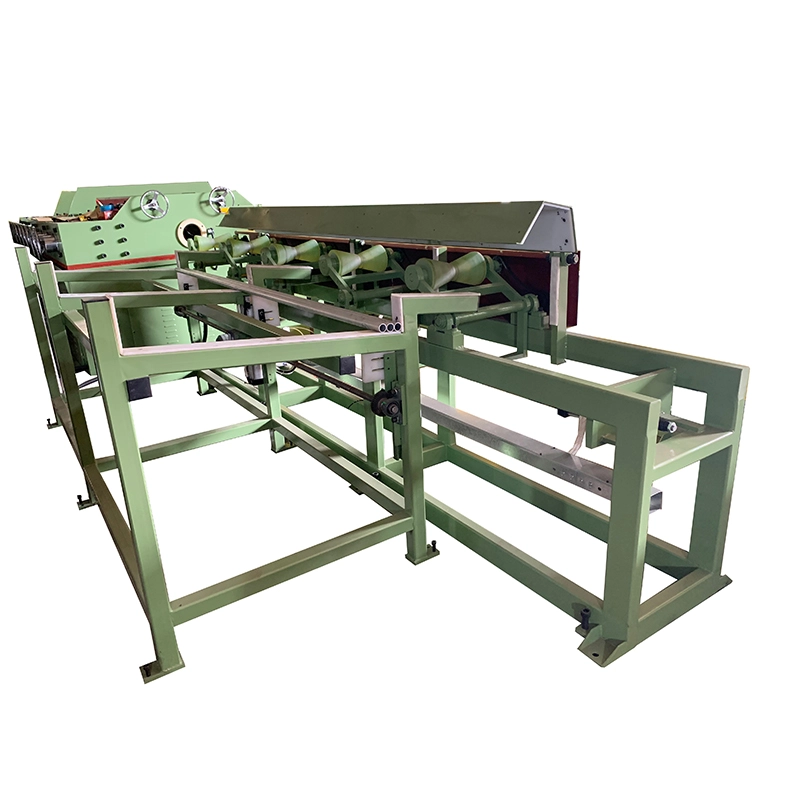
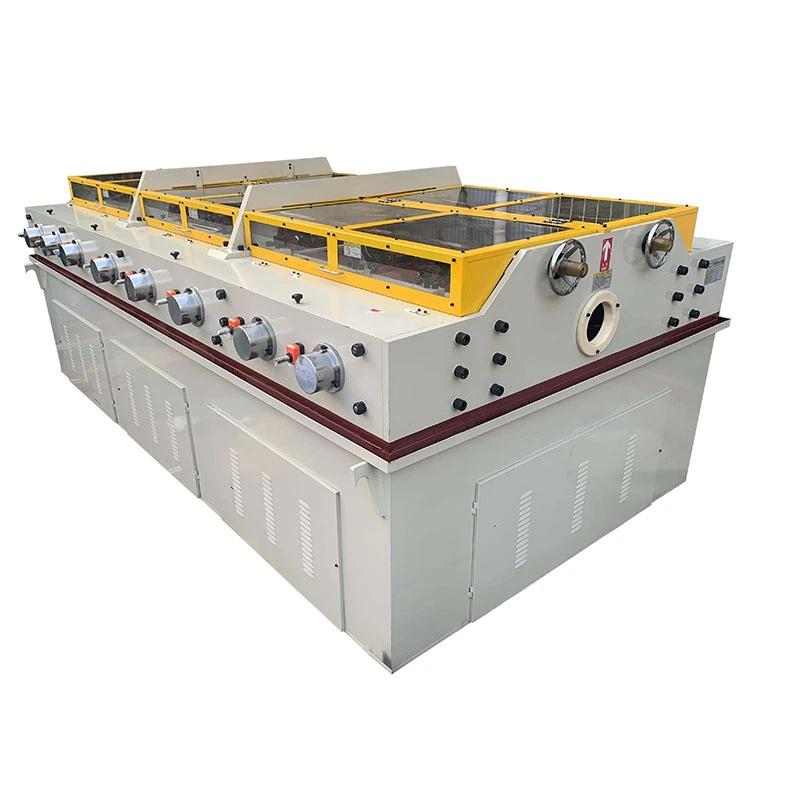
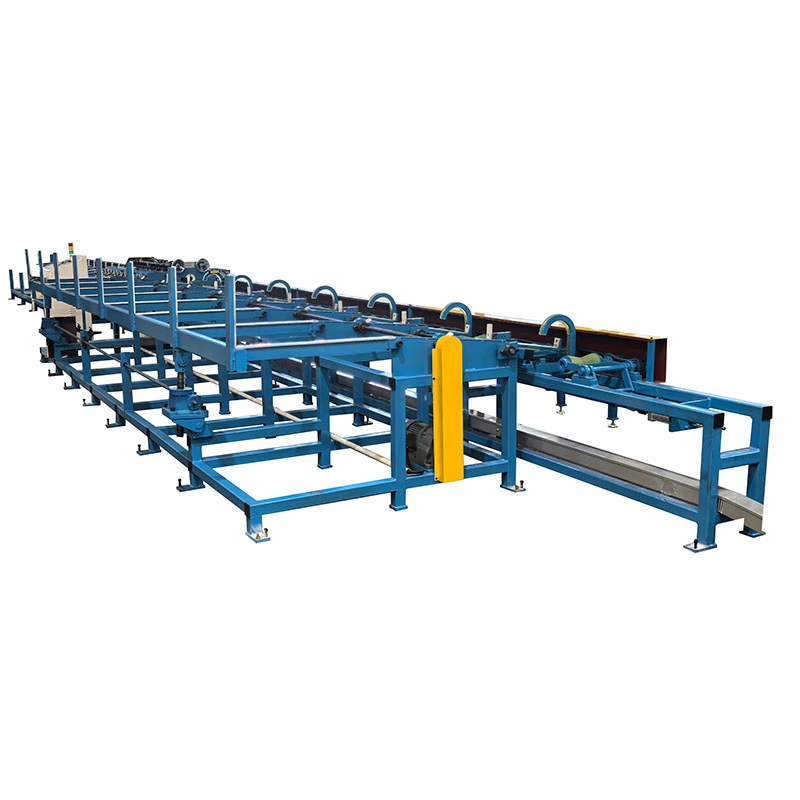
The horizontal straightening process for stainless steel operates on a multi-roller reverse-bending principle, with specific adaptations for stainless material:
1. Workpiece feeding: The stainless steel tube or bar is fed into the machine entry guide. Proper alignment is critical---incorrectly adjusted entry guides are a common cause of straightening defects in stainless steel.
2. Progressive straightening: The workpiece passes through multiple sets of straightening rollers. Each roller set applies controlled pressure to progressively correct bending and curvature. The roller count determines the number of reverse-bending cycles the material undergoes---more rollers = more correction points = higher precision.
3. Surface protection: Rollers are precision-ground to hyperbolic profiles and may feature surface-protective materials to prevent scratching and galling of the stainless surface.
4. Speed control: Workpiece speed is infinitely variable via frequency inverter drive. For stainless steel, lower speeds are typically required to prevent work hardening and surface defects. FR‑76 and above offer 0--60 m/min infinitely variable speed; FR‑50 and below offer selectable speeds (9/18/27/45 m/min).
5. Smoothing and sizing effect: Beyond straightening, the roller pressure provides a surface smoothing and sizing effect---reducing surface roughness and improving roundness (ovality correction). This is particularly valuable for stainless steel, where surface quality is often critical for subsequent applications.
6. Discharge: The straightened workpiece exits with improved straightness (down to 0.1 mm/m) and roundness (≤0.05 mm), ready for subsequent processing or direct use.
Stainless steel tubes and bars present unique straightening challenges that the Stainless Steel Horizontal Straightening Machine addresses directly:
Work hardening during straightening: Stainless steel work-hardens rapidly under deformation. If straightening speed is too high or roller pressure is excessive, the material can become work-hardened, leading to surface cracking, dimensional instability, and difficulty in subsequent forming operations. The frequency inverter drive enables controlled low-speed processing to minimize work hardening.
Surface scratching and galling: Stainless steel's surface is easily scratched or galled by contact with hard steel rollers. This is particularly problematic for 304 and 316 grades used in food processing, medical devices, and architectural applications where surface appearance and corrosion resistance are critical. The machine uses surface-protective roller materials (polished steel, polyurethane coatings) to prevent surface damage.
Higher straightening forces: Stainless steel has higher yield strength (200--600 MPa) than carbon steel, requiring greater straightening force. The FR series provides ample force capacity across all models, with heavy-duty construction (weights up to 25,000 kg) ensuring stability under load.
Ovality and roundness issues: Stainless steel tubes, particularly thin-wall sections, are prone to ovality. The multi-roller straightening process restores roundness to ≤0.05 mm tolerance.
Heat treatment distortion: Stainless steel tubes often undergo solution annealing which can soften the material and cause distortion. Direct straightening of annealed thin-wall tubes can cause "straightening waves" that affect dimensional tolerances. The machine's controlled roller pressure and speed settings prevent this defect.
Inconsistent straightness: Out-of-spec straightness causes feeding problems in downstream CNC machining, welding fixtures, and assembly. The machine achieves ≤0.3 mm/m straightness (standard) and ≤0.1 mm/m (20-roller models).
Since 1998, FangRong has designed and built straightening machines and drawbenches for customers in 70+ countries. The company was established in 1998 as a joint venture with a Taiwanese manufacturer with over 30 years of experience in straightening and drawbench engineering, and became wholly-owned in 2013. Our horizontal straightening machines incorporate proven Taiwan-brand straightening technology, refined through thousands of installations worldwide. The FR series covers the full spectrum from small-diameter precision tubes (φ4 mm) to large-diameter structural pipes (φ180 mm), serving industries including:
- 5,000+ steel mills for finishing stainless steel tubes and bars,
- 2,100+ stainless steel processors,
- 1,800+ copper/brass tube manufacturers,
- 700+ aluminium producers,
- 500+ specialty alloy users.
1. Surface-Protective Roller Technology
Rollers feature precision-ground surfaces to prevent scratching and galling of stainless steel surfaces. This is critical for 304/316 grades used in food, medical, and architectural applications where surface quality determines product acceptance.
2. Infinitely Variable Speed Control for Work Hardening Prevention
Frequency inverter drive provides infinitely variable speed control---allowing low-speed processing to minimize work hardening in stainless steel. FR‑76 and above: 0--60 m/min; FR‑50 and below: selectable 9/18/27/45 m/min.
3. Precision Straightness Control
Achieves straightness tolerances down to 0.1 mm/m (FR‑50 20-roller model) and typically 0.3 mm/m across the range. Roundness tolerance: ≤0.05 mm. This precision eliminates the need for secondary straightening operations.
4. Multiple Roller Configurations for Precision Scaling
Models available with 14, 15, 16, 17, or 20 roller sets. More rollers deliver higher straightness precision---20-roller models achieve 0.1 mm/m straightness. Roller count directly correlates with straightening accuracy.
5. Wide Diameter Coverage (φ4--φ180 mm)
Thirteen models cover tube diameters from 4 mm to 180 mm and solid bars from 10 mm to 90 mm. This comprehensive range allows matching the machine to your specific production sizes.
6. Surface Smoothing and Sizing Effect
Beyond straightening, the roller pressure provides a smoothing and sizing effect---reducing surface roughness and improving roundness (ovality correction). This often eliminates the need for separate surface finishing operations.
7. Heavy-Duty Construction for Continuous Operation
Robust frame construction with weights from 700 kg to 25,000 kg ensures stability and vibration-free operation under continuous production conditions---essential for maintaining straightness precision in stainless steel.
8. Versatile Stainless Steel Grade Compatibility
Processes 304, 304L, 316, 316L, 321, 310, 410, 430, and other stainless steel grades. Handles both seamless and welded tubes, as well as solid round bars.
9. Proven Taiwan-Brand Technology
Incorporates proven Taiwan-brand straightening technology with over 30 years of engineering heritage. Refined through thousands of installations worldwide.
10. Energy Efficient
Total power ranges from 3 kW to 55 kW, with frequency inverter drive reducing energy consumption compared to fixed-speed operation.
The table below lists the complete FR series horizontal straightening machine models. When selecting, consider:
- Workpiece type and diameter -- select a model whose diameter range encompasses your production sizes. For tubes, refer to "Max straightening diameter"; for solid bars, refer to "Max bar."
- Straightness requirement -- higher precision requirements (0.1--0.2 mm/m) typically require models with more rollers (17 or 20 sets).
- Roller count -- more rollers = higher straightness precision. FR‑50 (20 rollers) achieves 0.1 mm/m; FR‑76 (17 rollers) achieves 0.2 mm/m; most 14-roller models achieve 0.3 mm/m.
- Speed requirement -- all models offer infinitely variable speed via frequency inverter. Larger models have higher speed ranges (up to 60 m/min).
- Power supply -- ensure site electrical supply matches the total power requirement (3 kW to 55 kW).
- Surface protection -- specify roller surface material requirements based on your surface quality standards.
| Model | Max Tube Ø (mm) | Min Tube Ø (mm) | Max Bar Ø (mm) | Straightness (mm/m) | Roller Sets | Speed (m/min) | Total Power (kW) | Weight (kg) | Dimensions L×W×H (mm) |
| FR‑180 (17 rollers) | φ180 | φ60 | φ90 | ≤0.3 | 17 | --- | 55 | 25,000 | 4200×1800×1500 |
| FR‑150 (17 rollers) | φ150 | φ58 | φ70 | ≤0.3 | 17 | --- | 30/37 | 12,000 | 4100×2280×1700 |
| FR‑120 (14 rollers) | φ120×T3.0 | φ38 | φ50 | ≤0.3 | 14 | --- | 30 | 9,000 | 3250×1450×1250 |
| FR‑100 (14 rollers) | φ89×T3.0 | φ28 | φ32 | ≤0.3 | 14 | 0--60 | 15 | 5,000 | 2350×1560×1160 |
| FR‑100 (17 rollers) | φ89×T3.0 | φ28 | φ32 | ≤0.2 | 17 | 0--60 | 18 | 5,000 | 2700×1560×1160 |
| FR‑76 (14 rollers) | φ60×T3.0 | φ16 | φ22 | ≤0.3 | 14 | 0--60 | 11 | 2,500 | 2250×1560×1160 |
| FR‑76 (17 rollers) | φ76×T3.0 | φ18 | φ25 | ≤0.2 | 17 | 0--60 | 15 | 3,500 | 2560×1560×1160 |
| FR‑76 (20 rollers) | φ76×T3.0 | φ18 | φ25 | ≤0.2 | 20 | 0--60 | 15 | 5,400 | 3250×1500×1250 |
| FR‑50 (14 rollers) | φ30/φ45×T2.0 | φ8/φ13 | φ16 | ≤0.3 | 14 | 9/18/27/45 | 7.5 | 1,500 | 1750×1120×1040 |
| FR‑50 (20 rollers) | φ30/φ45×T2.0 | φ8/φ13 | φ16 | ≤0.1 | 20 | 9/18/27/45 | 7.5 | 2,000 | 2200×1120×1040 |
| FR‑25 (14 rollers) | φ25 | φ6 | φ12 | ≤0.3 | 14 | 9/18/27/45 | 4 | 1,000 | 1300×900×950 |
| FR‑25 (16 rollers) | φ25 | φ6 | φ12 | ≤0.2 | 16 | 9/18/27/45 | 4 | 1,100 | 1800×1100×950 |
| FR‑20 (15 rollers) | φ16×T2.0 | φ4 | φ10 | ≤0.3 | 15 | 9/18/27/45 | 3 | 700 | 1100×1050×950 |
- "T" indicates tube wall thickness (e.g., T3.0 = 3.0 mm wall thickness)
- FR‑50 and below offer selectable speeds (9/18/27/45 m/min) via multi-speed gearbox
- FR‑76 and above feature 0--60 m/min infinitely variable speed via frequency inverter
- All models include frequency inverter drive for speed control where indicated
- Surface-protective roller materials available on request
- Stainless steel hypotubes -- fine-diameter tubing (φ4--φ16 mm) for catheters, guidewires, and surgical instruments
- Precision tubes for fluid delivery systems and implantable devices
- Surgical instrument blanks -- straightening after drawing or machining
Case: A medical device manufacturer uses an FR‑20 (15-roller) machine to straighten 304 stainless steel hypotubes for catheter assemblies. The surface-protective rollers prevent scratching of the critical internal and external surfaces, and the low-speed operation (9 m/min) prevents work hardening that would affect subsequent forming operations.
- 316L stainless steel tubes -- for food-grade piping systems requiring sanitary surfaces
- Heat exchanger tubes -- straightening after welding for dairy and beverage processing
- Structural tubing -- for food processing equipment frames and conveyors
Case: A food processing equipment manufacturer uses an FR‑76 (20-roller) machine to straighten 316L stainless steel tubes for sanitary piping. The 20-roller configuration achieves 0.2 mm/m straightness, ensuring leak-free welded joints, while the polished steel rollers maintain the required surface finish for food-contact applications.
- Stainless steel handrails and balustrades -- aesthetic straightness for architectural features
- Decorative tubing -- mirror-finish stainless for interior and exterior applications
- Structural sections -- straightening after forming for building facades
Case: An architectural metal fabricator uses an FR‑100 (17-roller) machine to straighten 304 stainless steel tubes for building handrails. The machine's precision straightening and surface-smoothing effect eliminate the need for post-straightening polishing, reducing production time.
- Fuel and brake lines -- stainless steel tubing for corrosion-resistant automotive systems
- Exhaust system components -- straightening after bending and forming
- Battery cooling tubes -- precision stainless tubing for EV thermal management
- Instrumentation tubing -- 316/316L stainless tubes for control systems
- Heat exchanger tubes -- straightening after welding for corrosive environments
- Downhole tools -- high-strength stainless alloy bars
- Stainless steel bar stock -- straightening after hot rolling or cold drawing
- Seamless and welded tubes -- finishing for various industrial applications
- Precision shafts -- straightening for CNC machining
Case: A stainless steel service center uses an FR‑180 (17-roller) machine to straighten large-diameter 304 stainless tubes up to 168 mm OD. The machine's heavy-duty construction and 17-roller configuration handle the higher yield strength of stainless steel, achieving straightness within API and ASTM specifications.
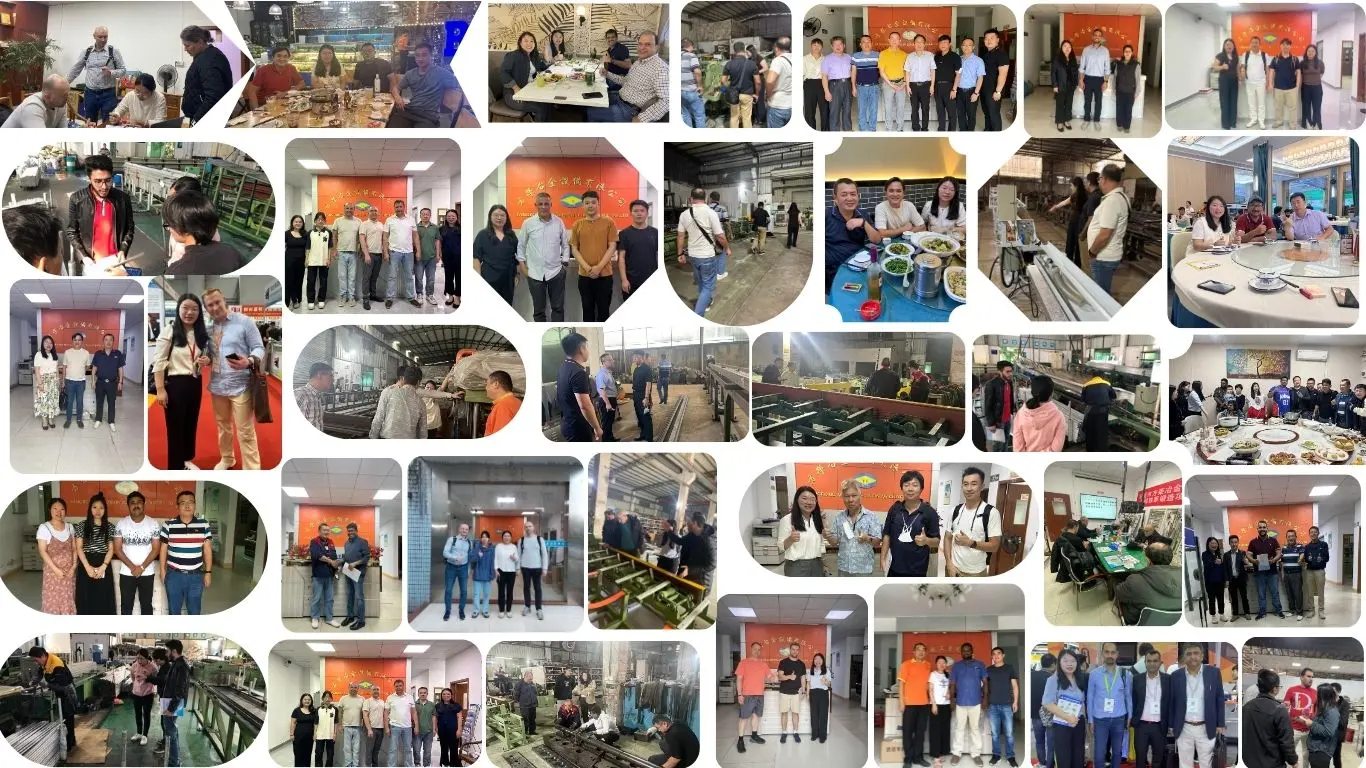
26 Years of Straightening Engineering
Founded in 1998, FangRong started as a joint venture with a Taiwanese drawing specialist. In 2013 we became wholly‑owned, but the engineering expertise remains---we have built more stainless steel horizontal straightening machines than most competitors.
Two Manufacturing Facilities
Dongguan and Yangjiang factories -- total annual capacity >650 machines. Average annual turnover 45 million RMB. Dual sites allow parallel production, reducing lead times and providing flexibility for large orders.
Global Track Record
Exported to 70+ countries. Over 10,000 customers -- including 5,000+ steel mills, 2,100+ stainless processors, 1,800+ copper/brass manufacturers, 700+ aluminium producers, and 500+ specialty alloy users.
Proven Taiwan-Brand Technology
Our straightening machines incorporate proven Taiwan-brand straightening technology, refined through decades of engineering development and thousands of installations worldwide.
Rigorous Factory Testing
Every machine runs idle for 30 min, then full-load at rated capacity for 2 hours using actual stainless steel samples (if provided). Straightness, roundness, surface finish, and dimensional accuracy are verified. Roller alignment, vibration, and motor current are monitored.
Surface-Protective Roller Options
We offer surface-protective roller materials to prevent scratching and galling of stainless steel surfaces---critical for 304/316 grades used in food, medical, and architectural applications.
Comprehensive After‑Sales
Installation supervision, commissioning, operator training, spare parts supply, and remote diagnostics. Global service network with local engineers in key regions ensures prompt support.
Custom Engineering Support
Our team provides roller configuration optimization, speed parameter setting, surface-protective roller selection, and automation integration tailored to your stainless steel specifications. We offer free straightening capacity calculations and layout drawings.
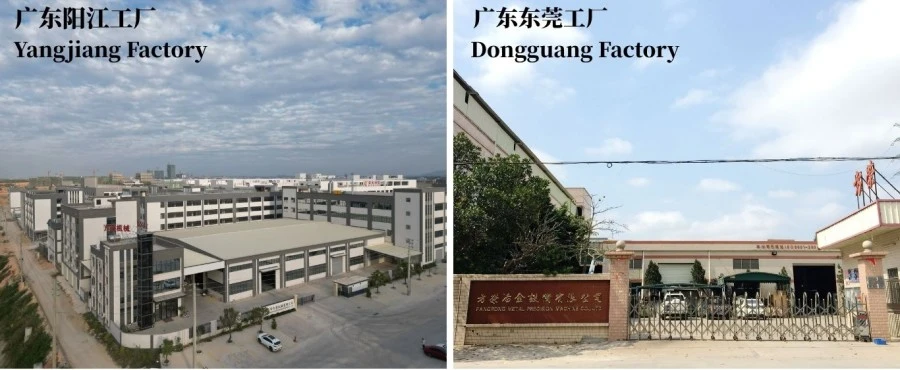
Dongguan Fangrong Metallurgical Equipment Co., Ltd. -- Headquarters and primary manufacturing base in Dalang Town, Dongguan City. Specializes in cold drawing machines, straightening machines, and thread rolling equipment.
Yangjiang Fangrong Machinery Co., Ltd. -- Secondary facility in Yangdong District, Yangjiang City, expanding production capacity and enabling faster delivery.
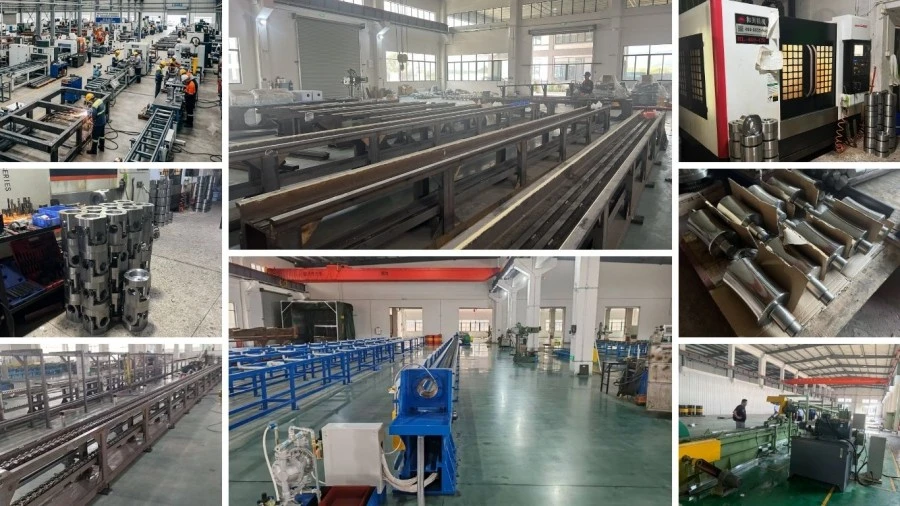
1. Order engineering -- Customised roller configuration, speed control, surface-protective roller selection, and automation layout based on stainless steel grade, diameter range, and straightness requirement.
2. Raw material inspection -- Chemical and hardness checks on steel plates, shafts, rollers, and gears.
3. Machining -- Rollers precision-ground to hyperbolic profiles; frames machined for accurate roller alignment.
4. Sub-assembly -- Roller sets, gearbox, and drive system pre-assembled and run-tested.
5. Final assembly -- All mechanical, electrical, and control systems integrated.
6. PLC programming -- Customised control logic with HMI, including speed and parameter setting.
7. Full-load test -- Actual stainless steel tube/bar straightening with customer-supplied samples (if available) to verify straightness, roundness, surface quality, and absence of scratching/galling.
8. Inspection -- Straightness measurement, roundness check, surface finish inspection (including scratch inspection), oil leak test, electrical safety check.
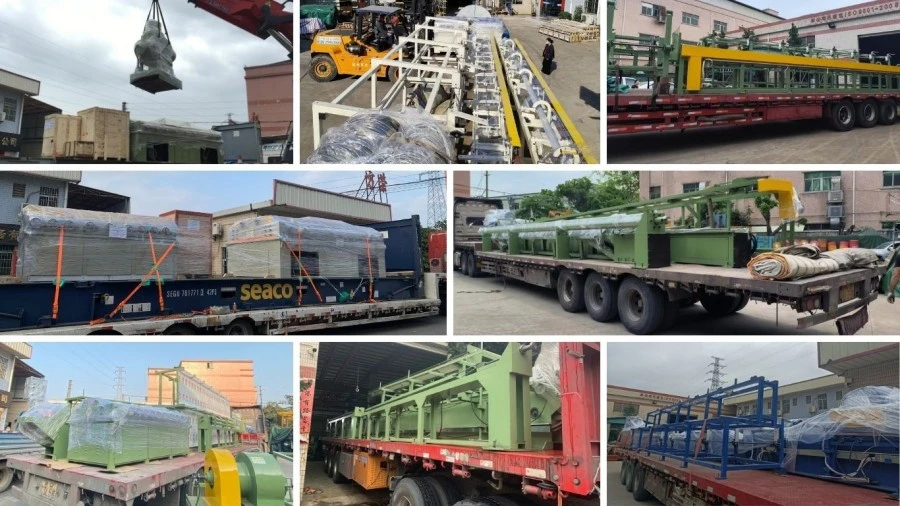
9. Packaging -- Export-worthy wooden crates with moisture barrier and corrosion protection.
Quality Control
We maintain documented quality procedures for every step. Non‑conformance reports are tracked and corrective actions implemented. Our average customer audit score has been consistently high over recent years.
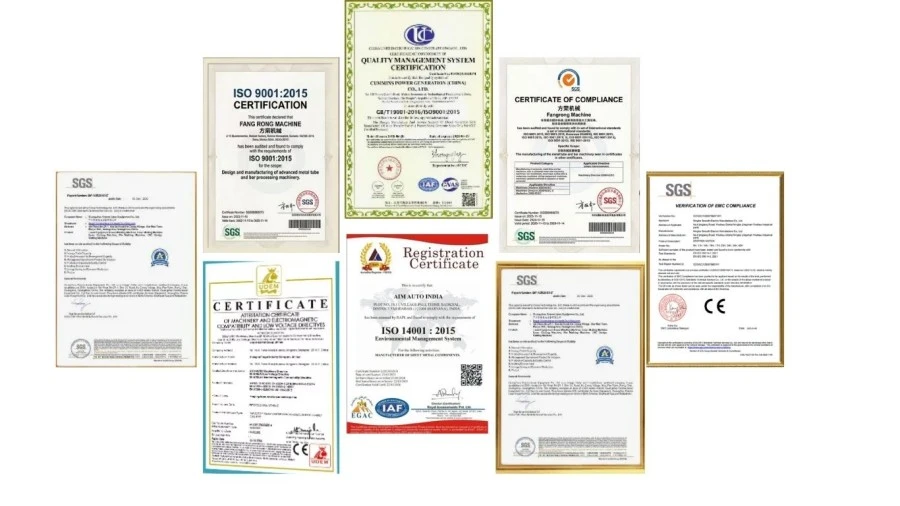
- ISO9001:2015 -- Quality management system for design, production, installation and service. Certificate No. UQ231211R1.
- CE Mark -- Compliance with Machinery Directive 2006/42/EC, including emergency stops, two‑hand controls and light curtains.
- SGS Inspection -- Independent verification of machine performance and safety features.
- National Patents -- 32 invention and 100+ utility model patents. Examples: 2013207829011 (chain tensioning device), 2008300532117 (multi‑strand die holder), ZL2015 2 0842922.7 (quick‑change mandrel system).
The FR series processes 304, 304L, 316, 316L, 321, 310, 410, 430, and other stainless steel grades. The machine handles both austenitic (300 series) and ferritic/martensitic (400 series) stainless steels.
- 14 rollers: ≤0.3 mm/m
- 15--16 rollers: ≤0.2--0.3 mm/m
- 17 rollers: ≤0.2--0.3 mm/m
- 20 rollers: ≤0.1--0.2 mm/m (FR‑50 20-roller achieves 0.1 mm/m)
The FR series covers tube diameters from φ4 mm (FR‑20) up to φ180 mm (FR‑180), and solid bars from φ10 mm (FR‑20) up to φ90 mm (FR‑180). Select the model whose range encompasses your production sizes.
Stainless steel has higher yield strength (200--600 MPa vs. 200--350 MPa), work-hardens rapidly under deformation, and requires surface protection to prevent scratching and galling. The FR series addresses these challenges through surface-protective roller materials, lower speed operation, and higher force capacity.
The choice depends on your surface quality requirements and the specific stainless steel grade being processed.
Stainless steel typically requires lower speeds than carbon steel to prevent work hardening and surface defects. FR‑76 and above offer 0--60 m/min infinitely variable speed; FR‑50 and below offer selectable 9/18/27/45 m/min. We recommend starting at lower speeds and adjusting based on material response.
Yes. The FR series processes both seamless and welded stainless steel tubes within the specified diameter ranges.
Yes. The straightening process provides a smoothing and sizing effect---reducing surface roughness and improving roundness (ovality correction). This is particularly valuable for stainless steel where surface quality is critical.
Provide us with: stainless steel grade, workpiece type (tube or bar), diameter range, target straightness, surface quality requirements, and desired output. We will recommend the most suitable model, roller configuration, and surface-protective roller material.
Machine complete with main motor, gearbox, straightening rollers, roller frames, frequency inverter (where applicable), PLC control panel with HMI, and standard tooling. Surface-protective roller materials available on request.
- Standard models (FR‑20 to FR‑100): 30--60 days.
- Large models (FR‑120 and above): 60--90 days depending on specifications. Dual‑factory operations enable parallel production for multiple orders, and we can often shorten lead time for urgent projects.
Standard terms: 30% deposit upon order confirmation, 70% prior to shipment (after factory acceptance test).
12 months from commissioning.
Yes. We keep a stock of common spare parts (chains, sprockets, seals, sensors) in our Dongguan warehouse. Remote troubleshooting via video call is free of charge.
Absolutely. We welcome customers to our Dongguan and Yangjiang plants. We can arrange a live demonstration with your own material if arranged in advance. Many customers have validated our quality through on‑site inspections.
Yes. We provide 3‑5 days of on‑site training for your operators and maintenance staff during commissioning. Training covers operation, die changing, routine maintenance and fault diagnosis.
We supply detailed foundation drawings and anchor bolt layouts. Our engineers will supervise the installation and commissioning. For an additional fee, we can send a full installation team.
Yes, all standard FR models carry CE certification, making them compliant for import into the EU and other regions that require it. We can also provide UKCA if needed.
Address
NO.163,Shatong Road,Shabu 2nd Industrial Zone, Dalang Town, Dongguan City, Guangdong, China