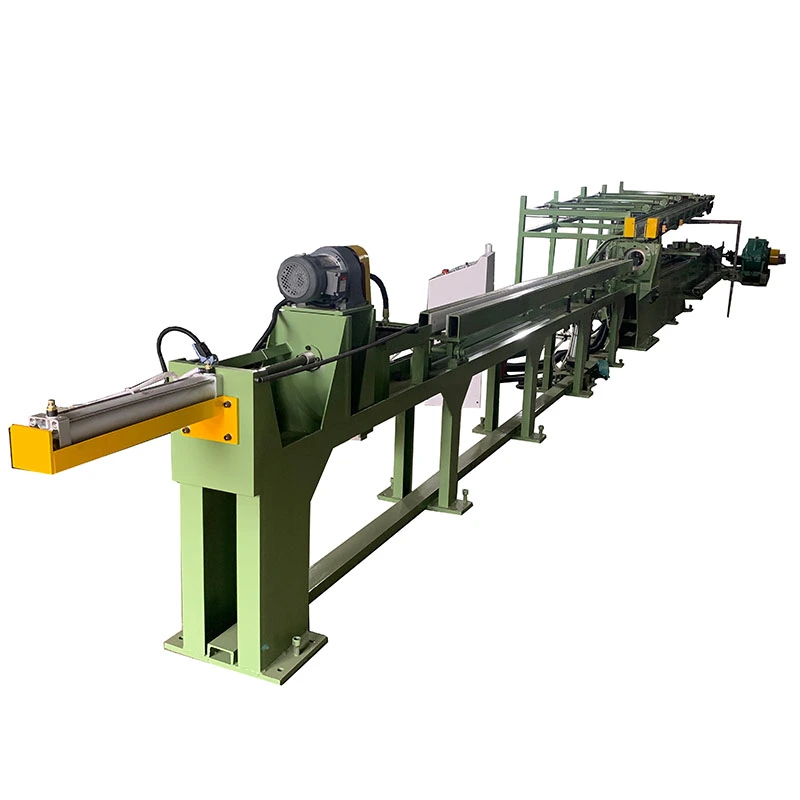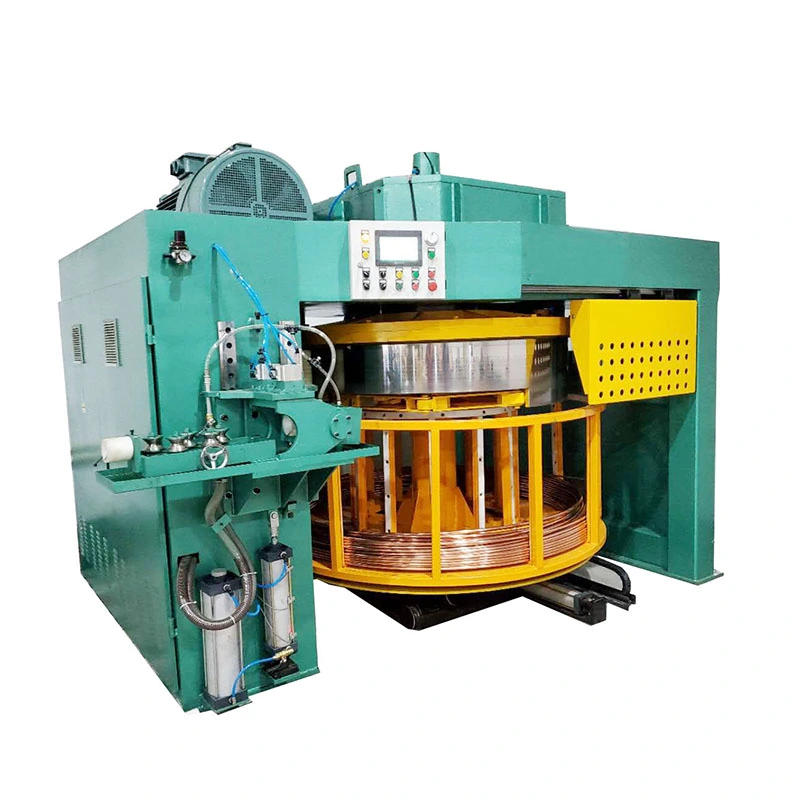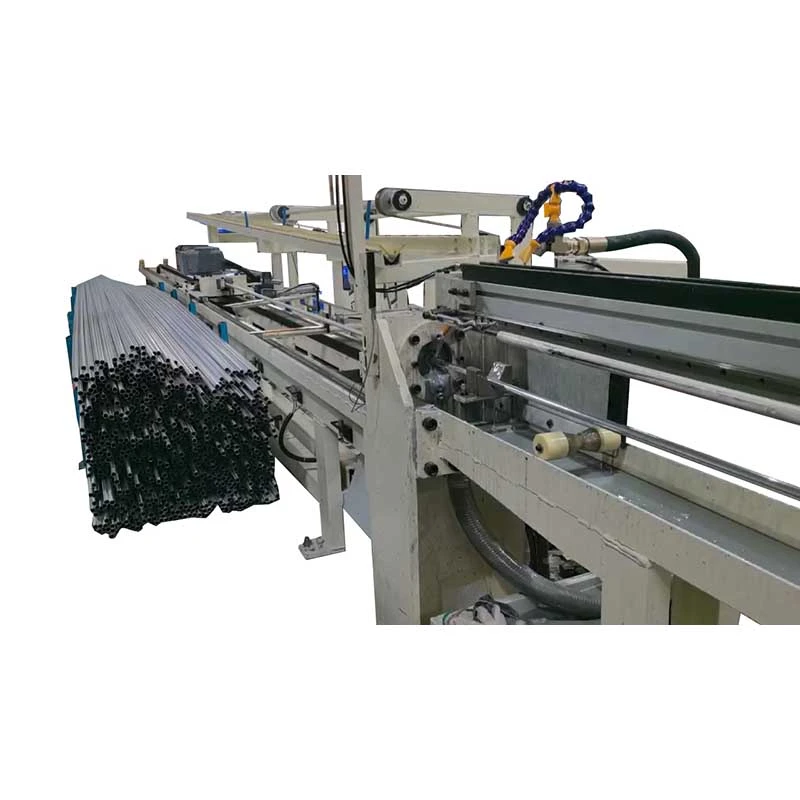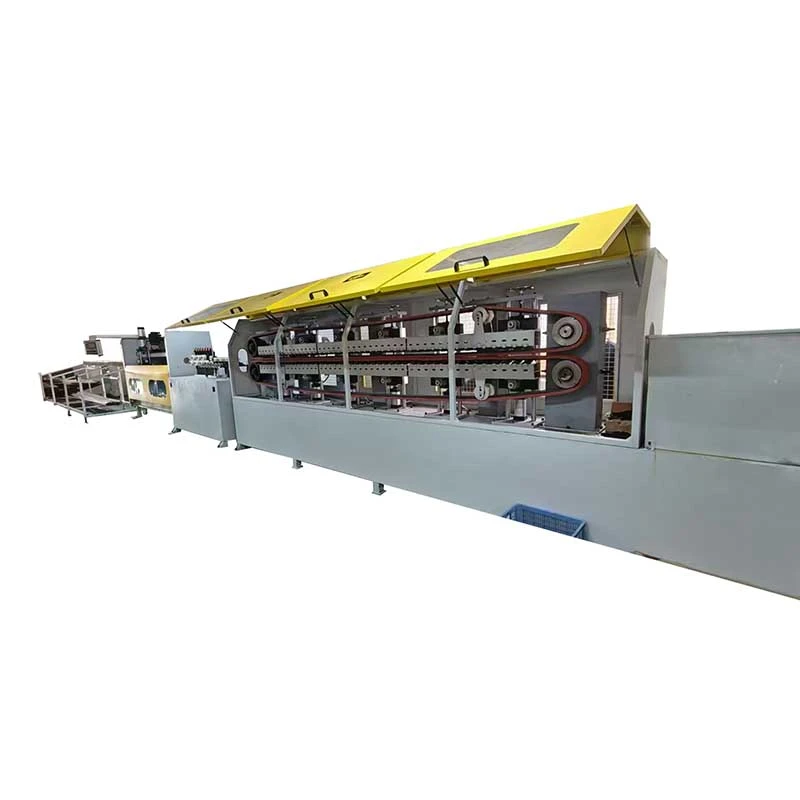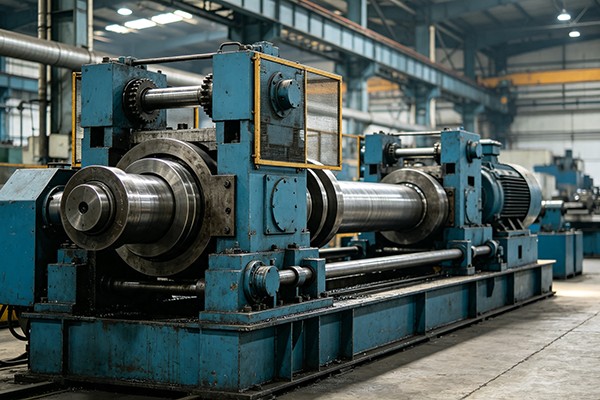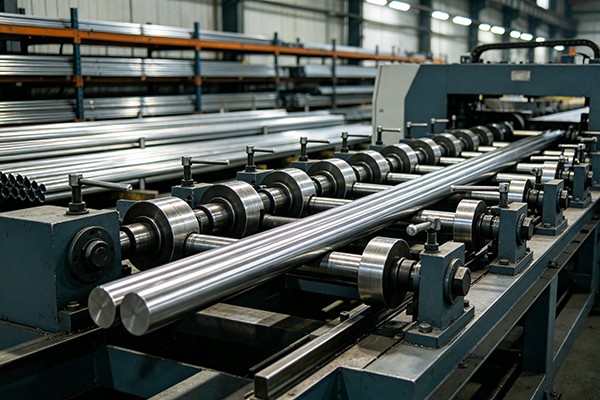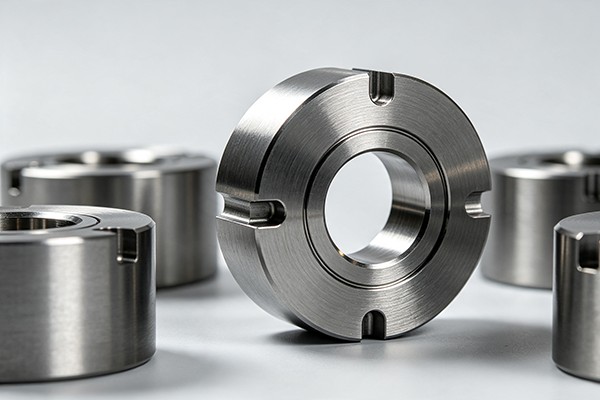

We offer a comprehensive range of precision metal processing equipment, including straightening, cold drawing, pointing, chamfering, cutting, thread rolling machines, and drawing dies, tailored for tube, bar, and wire materials across diverse industries.
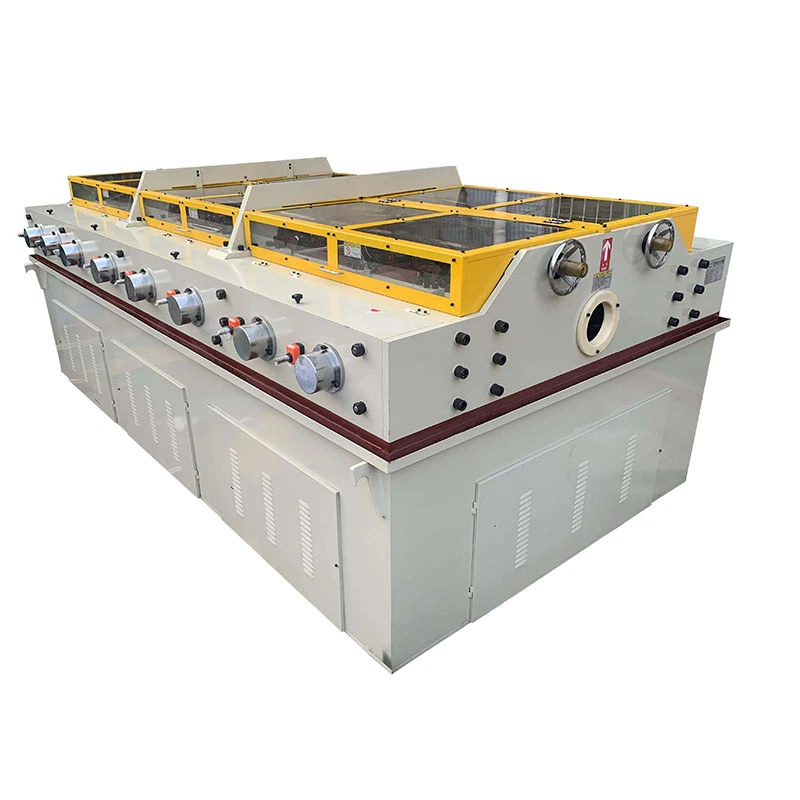
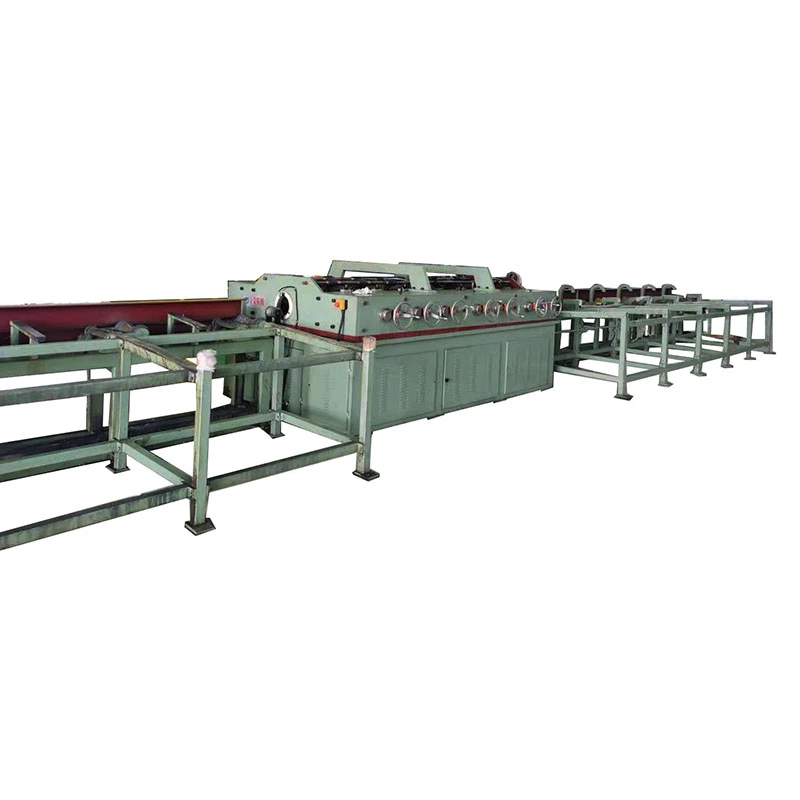
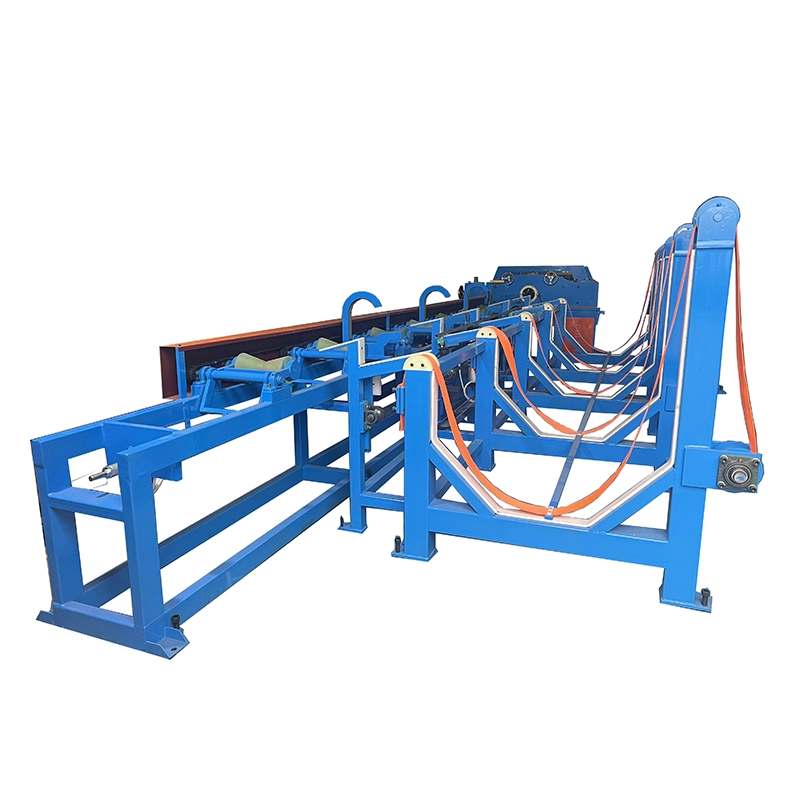
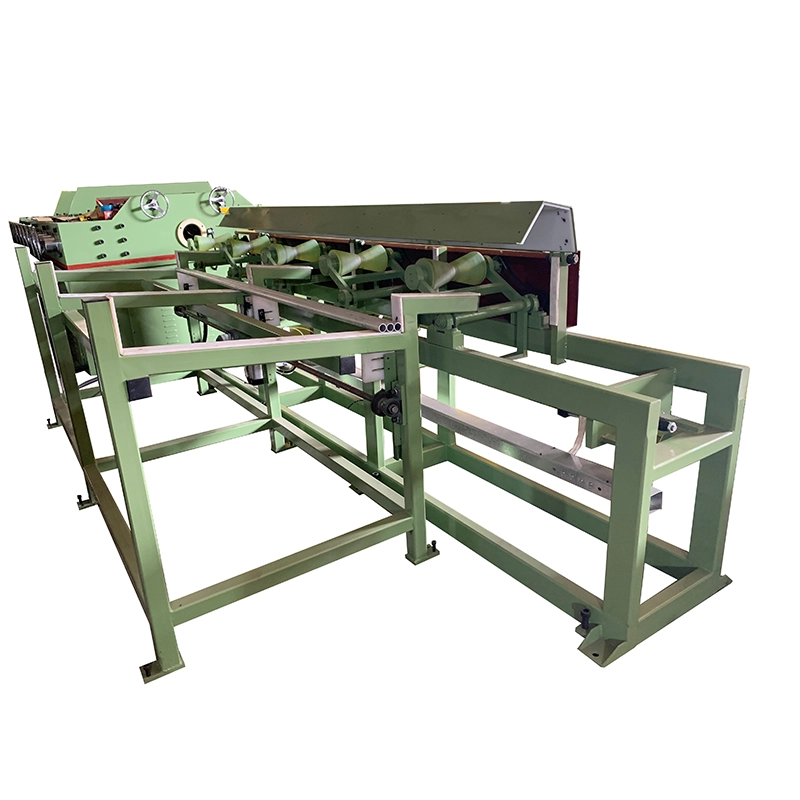
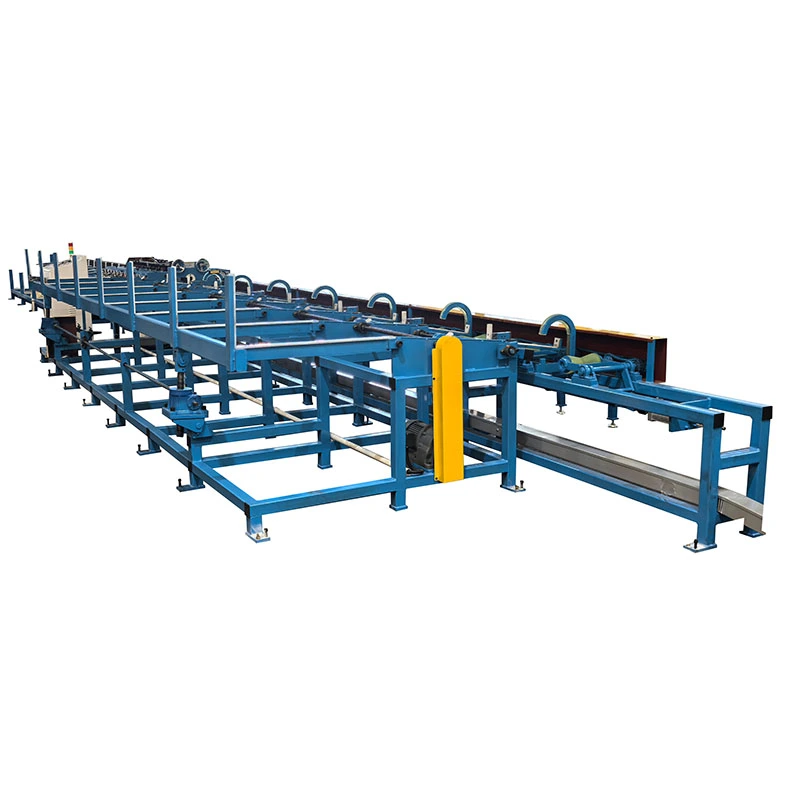
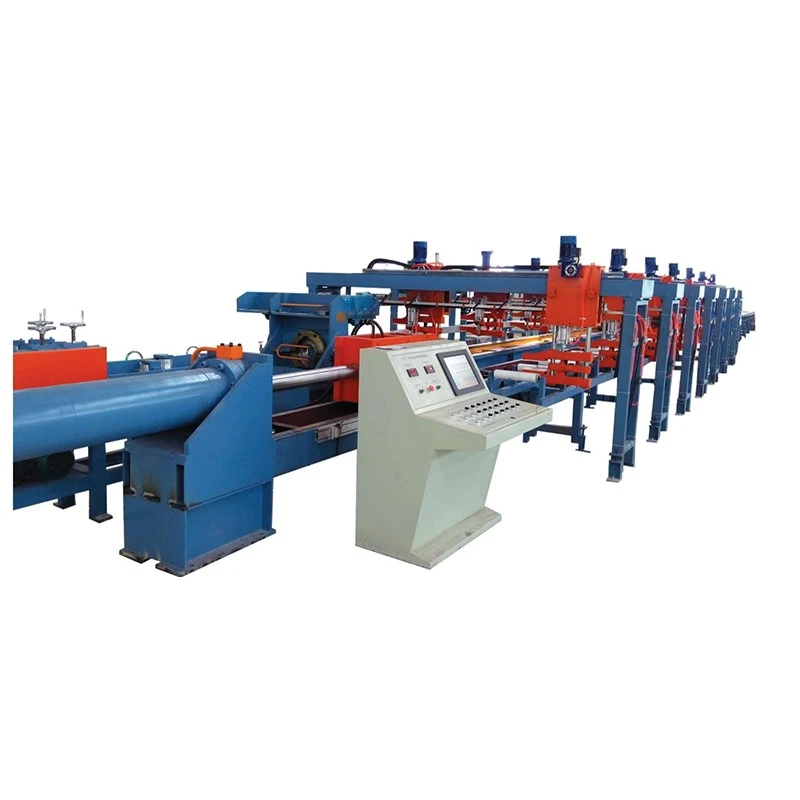
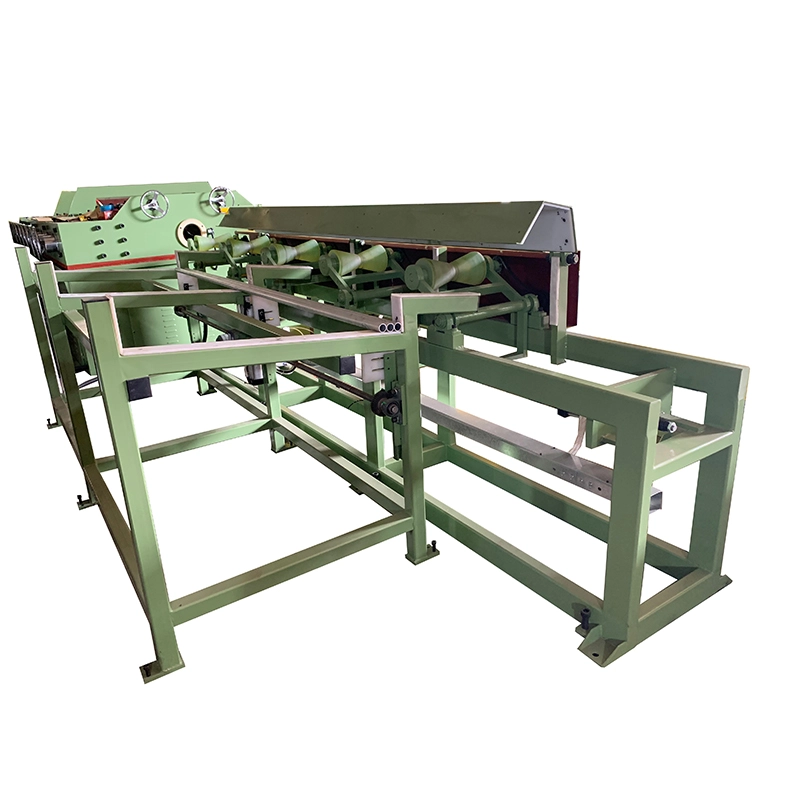
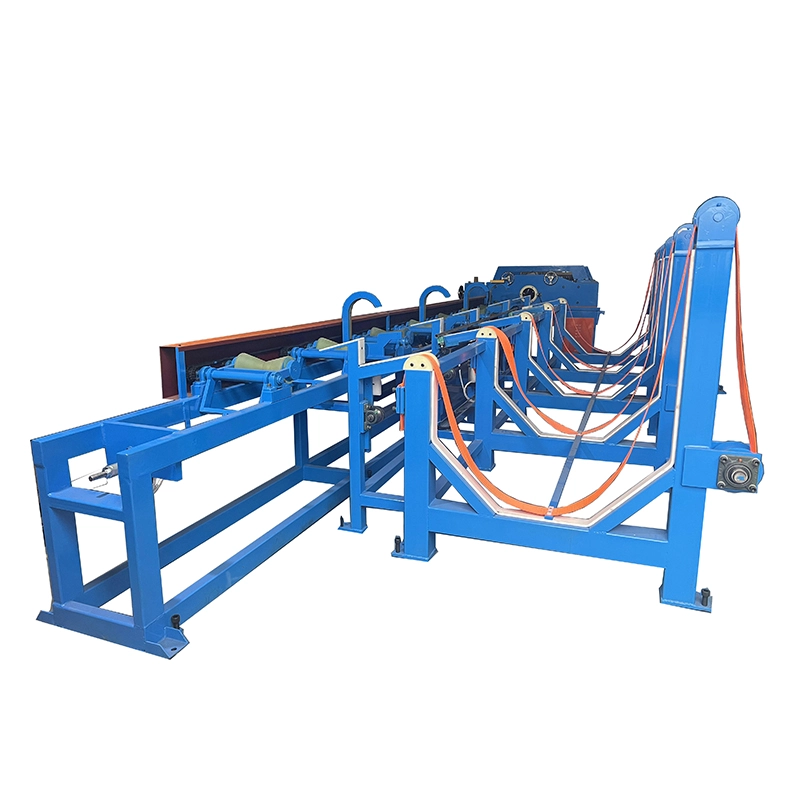
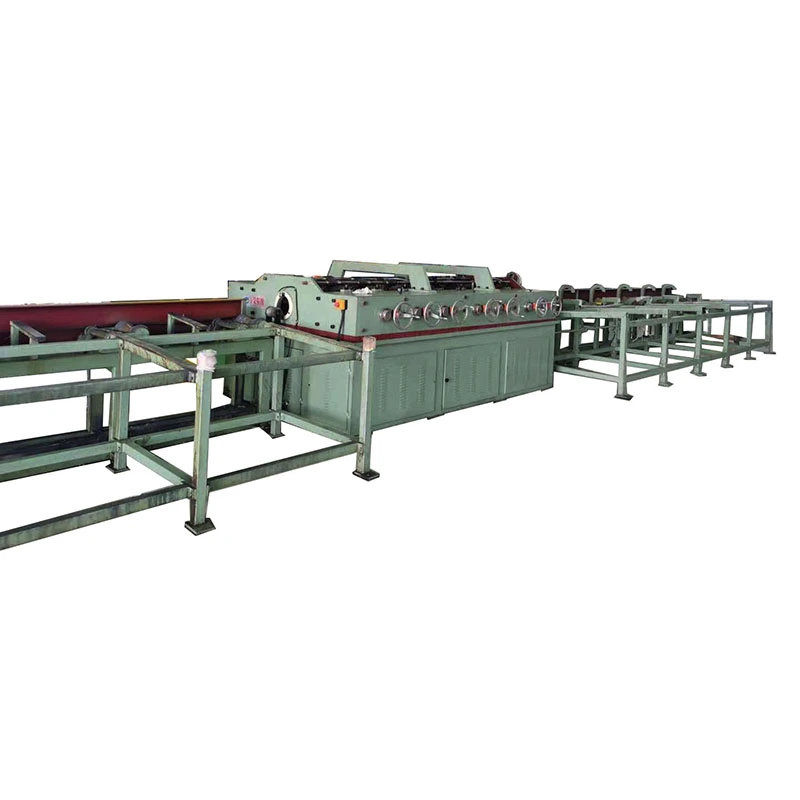
The Copper Horizontal Straightening Machine is a multi-roller straightening machine for copper tubes, pipes, solid bars, and profiles after extrusion, drawing, annealing, or handling. It uses controlled reverse bending through multiple roller sets to correct bow, curvature, and minor ovality without requiring a separate straightening operation.
Copper needs different straightening conditions from steel. Its relatively low yield strength and soft surface make excessive roller pressure a common cause of surface marks, while different tempers require different straightening forces and line speeds. The FR series is therefore configured around roller count, workpiece diameter, copper temper, straightness tolerance, and surface-finish requirements.
For production lines where the copper tube will be brazed, bent, plated, or assembled automatically, straightness and surface condition are both important. Proper roller geometry and adjustment help correct the tube without introducing new scratches, excessive deformation, or over-correction.
FangRong's FR series includes 13 standard configurations from FR-20 to FR-180, covering copper tube diameters from φ4 mm to φ180 mm and solid bars from φ10 mm to φ90 mm. Depending on the model, the machine uses 14, 15, 16, 17, or 20 roller sets. Selected 20-roller configurations can achieve straightness as low as 0.1 mm/m. Total motor power ranges from 3 kW to 55 kW, with machine weights from approximately 700 kg to 25,000 kg.
The equipment incorporates straightening technology developed through FangRong's long-term cooperation with a Taiwanese manufacturer. FangRong was established in 1998 as a joint venture and became wholly owned in 2013, retaining the straightening and drawing engineering experience developed through that cooperation.
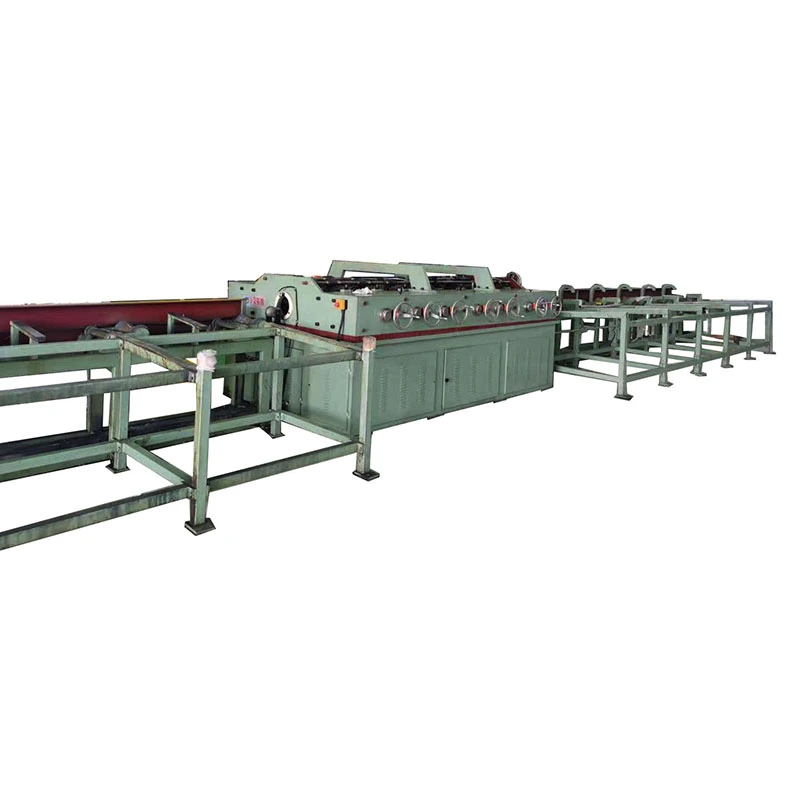
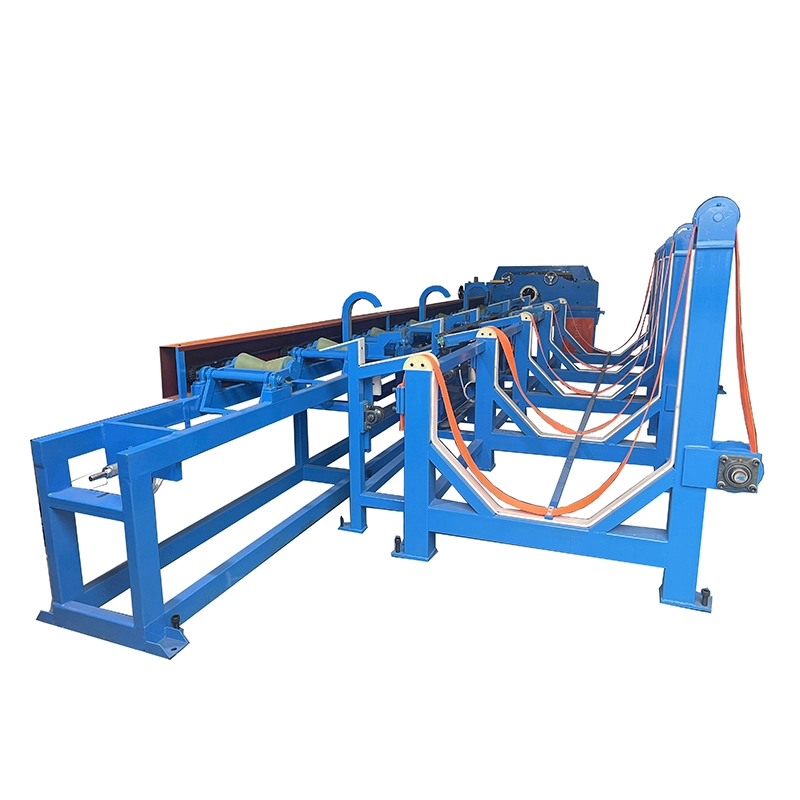
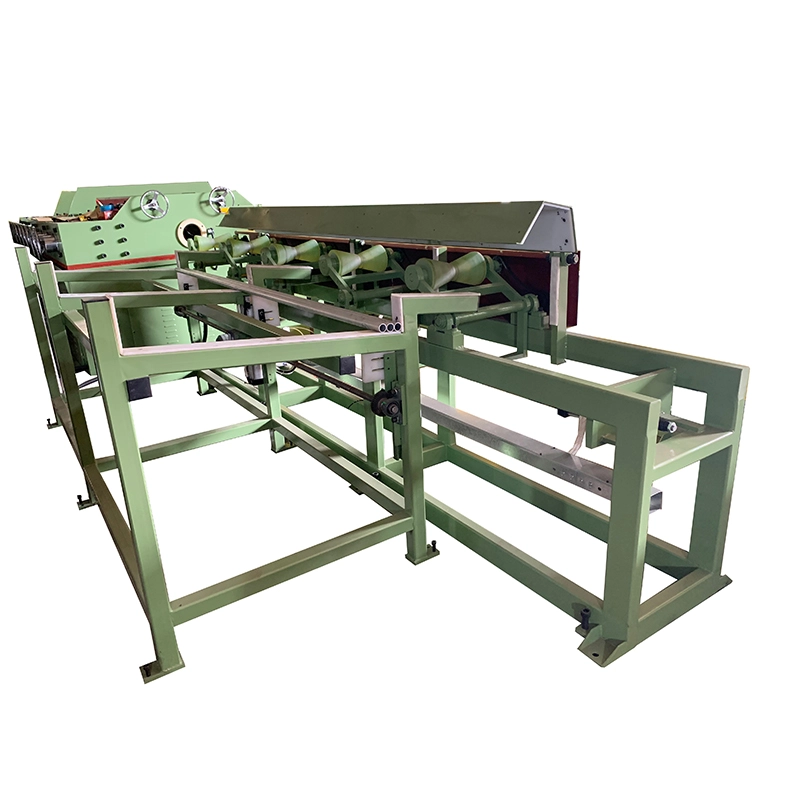
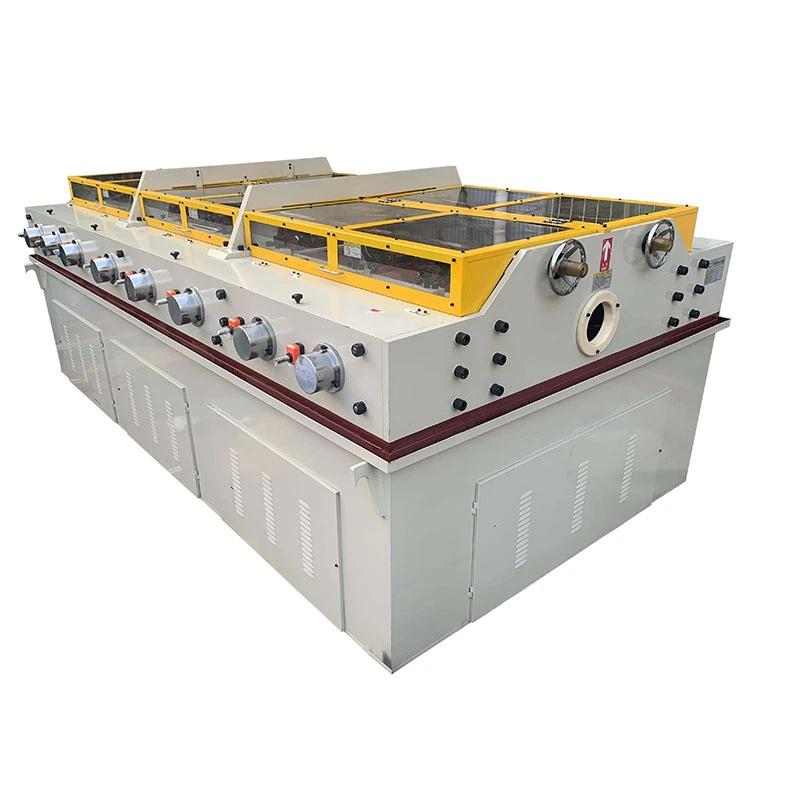
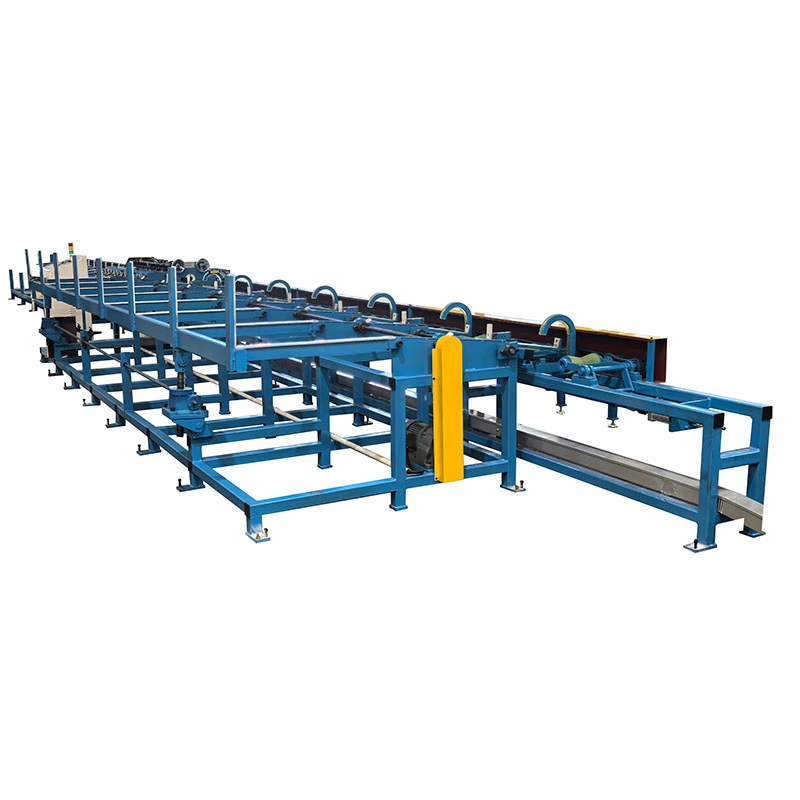
The FR series uses multi-roller reverse bending. Instead of correcting a bend at one point with a high force, the workpiece passes through successive rollers that apply smaller controlled corrections. This distributes the deformation along the tube or bar and allows the operator to reach the required straightness with less risk of permanent over-bending.
1. Feeding and alignment
The copper tube or bar enters through the guide system. Correct entry alignment is important because an improperly positioned workpiece can produce inconsistent straightness even when the roller settings are correct.
2. Progressive reverse bending
Multiple roller sets apply controlled pressure from different directions. Roller geometry and adjustment are matched to the workpiece diameter. More roller sets provide more correction points and are generally selected when tighter straightness tolerances are required.
3. Controlled surface contact
Copper is softer than steel, particularly in annealed condition. Roller surfaces are therefore precision finished, with surface-protective roller options available when the application requires strict control of scratches, galling, or surface marks.
4. Speed adjustment
FR-76 and larger models provide 0-60 m/min variable speed through a frequency inverter. FR-50 and smaller models use selectable speeds of 9/18/27/45 m/min. Actual production speed should be selected according to copper alloy, temper, tube dimensions, straightness target, and surface requirements rather than simply using the maximum speed.
5. Straightening and sizing effect
The controlled roller contact can also reduce minor ovality and improve dimensional consistency. However, straightening should not be treated as a substitute for a dedicated sizing process when tight dimensional tolerances are required.
6. Discharge
The finished tube or bar exits the machine with the specified straightness and is ready for subsequent bending, cutting, brazing, plating, assembly, or other finishing operations.
Surface damage during straightening
Copper can be marked easily by unsuitable roller surfaces or excessive pressure. For HVAC tubes, electrical busbars, and decorative copper products, these marks can lead to rejection or additional finishing work. Surface-protective roller options help reduce this risk.
Different copper tempers
Soft annealed copper and hard-drawn copper do not respond to the same straightening settings. Roller pressure and processing speed must be matched to the material condition to avoid deformation or repeated passes.
Bending after extrusion and drawing
Copper tubes and bars can develop curvature during extrusion, cold drawing, annealing, coiling, or transportation. Multi-roller straightening corrects this curvature before the material enters the next production stage.
Tube ovality
Thin-wall copper tubes can develop ovality during forming and handling. Properly adjusted rollers can provide a secondary sizing effect while correcting straightness. The achievable result depends on tube dimensions, material condition, and initial deformation.
Inconsistent feeding into downstream equipment
Excessive curvature can interfere with automatic tube bending, cutting, welding, brazing, and assembly. A controlled straightening process improves feeding consistency and reduces manual correction.
Problems with tube fit-up
For HVAC, refrigeration, plumbing, and heat-exchanger production, excessive bending or ovality can affect tube positioning and joint fit-up. Consistent straightness makes downstream forming and joining more repeatable.
Copper requires careful control of roller-to-workpiece contact. Precision-ground roller surfaces and optional surface-protective materials are available for applications where scratches and galling cannot be accepted.
FR-76 and larger machines support 0-60 m/min variable-speed operation. FR-50 and smaller models provide 9/18/27/45 m/min selectable speeds. This allows the line to be adjusted according to material temper and product requirements instead of forcing every copper specification through the same setting.
The FR series is available with 14, 15, 16, 17, or 20 rollers. A higher roller count provides additional correction points and is normally considered when the production line requires tighter straightness. For example, the FR-50 20-roller configuration is specified for ≤0.1 mm/m straightness.
The series covers copper tubes from φ4 mm to φ180 mm and solid bars from φ10 mm to φ90 mm. This allows the same product range to cover small precision tubing as well as larger industrial copper products.
The Copper Horizontal Straightening Machines can be configured for pure copper such as C11000 and C12200, as well as brass, bronze, cupronickel, and other copper alloys. Both seamless and welded tubes can be processed when their dimensions fall within the selected machine's working range.
Copper's ductility allows relatively high straightening speeds, but maximum speed should not be the only selection criterion. For high-volume production, the correct combination of roller configuration, speed, pressure, and workpiece condition is more important than simply increasing line speed.
For copper straightening, select the machine according to the tube or bar diameter, wall thickness, copper alloy and temper, initial curvature, required straightness, surface-finish requirement, and production speed. If the same machine will process several sizes, the complete size range should be considered rather than selecting only according to the largest diameter.
| Model | Max Tube Ø (mm) | Min Tube Ø (mm) | Max Bar Ø (mm) | Straightness (mm/m) | Roller Sets | Speed (m/min) | Total Power (kW) | Weight (kg) | Dimensions L×W×H (mm) |
| FR-180 (17 rollers) | φ180 | φ60 | φ90 | ≤0.3 | 17 | - | 55 | 25,000 | 4200×1800×1500 |
| FR-150 (17 rollers) | φ150 | φ58 | φ70 | ≤0.3 | 17 | - | 30/37 | 12,000 | 4100×2280×1700 |
| FR-120 (14 rollers) | φ120×T3.0 | φ38 | φ50 | ≤0.3 | 14 | - | 30 | 9,000 | 3250×1450×1250 |
| FR-100 (14 rollers) | φ89×T3.0 | φ28 | φ32 | ≤0.3 | 14 | 0-60 | 15 | 5,000 | 2350×1560×1160 |
| FR-100 (17 rollers) | φ89×T3.0 | φ28 | φ32 | ≤0.2 | 17 | 0-60 | 18 | 5,000 | 2700×1560×1160 |
| FR-76 (14 rollers) | φ60×T3.0 | φ16 | φ22 | ≤0.3 | 14 | 0-60 | 11 | 2,500 | 2250×1560×1160 |
| FR-76 (17 rollers) | φ76×T3.0 | φ18 | φ25 | ≤0.2 | 17 | 0-60 | 15 | 3,500 | 2560×1560×1160 |
| FR-76 (20 rollers) | φ76×T3.0 | φ18 | φ25 | ≤0.2 | 20 | 0-60 | 15 | 5,400 | 3250×1500×1250 |
| FR-50 (14 rollers) | φ30/φ45×T2.0 | φ8/φ13 | φ16 | ≤0.3 | 14 | 9/18/27/45 | 7.5 | 1,500 | 1750×1120×1040 |
| FR-50 (20 rollers) | φ30/φ45×T2.0 | φ8/φ13 | φ16 | ≤0.1 | 20 | 9/18/27/45 | 7.5 | 2,000 | 2200×1120×1040 |
| FR-25 (14 rollers) | φ25 | φ6 | φ12 | ≤0.3 | 14 | 9/18/27/45 | 4 | 1,000 | 1300×900×950 |
| FR-25 (16 rollers) | φ25 | φ6 | φ12 | ≤0.2 | 16 | 9/18/27/45 | 4 | 1,100 | 1800×1100×950 |
| FR-20 (15 rollers) | φ16×T2.0 | φ4 | φ10 | ≤0.3 | 15 | 9/18/27/45 | 3 | 700 | 1100×1050×950 |
Technical notes: T indicates tube wall thickness, for example T3.0 means a 3.0 mm wall thickness. FR-50 and smaller models use selectable speeds of 9/18/27/45 m/min. FR-76 and larger models provide 0-60 m/min variable speed through a frequency inverter. Roller surface materials can be specified according to the copper product and surface-quality requirement.
Copper tubes for air-conditioning coils, refrigeration systems, evaporators, condensers, and heat exchangers often require straightening before automatic U-bending or tube-to-tubesheet assembly. Consistent straightness helps downstream equipment maintain repeatable feeding and positioning.
The Copper Horizontal Straightening Machine is suitable for copper busbars, conductors, and round bars used in switchgear, transformers, electrical distribution equipment, and power systems. Surface protection is particularly important where the finished copper must maintain a clean contact surface.
Copper tubing used in automotive air-conditioning systems and EV cooling circuits can require straightening after drawing or forming. The appropriate roller configuration can prepare the tube for subsequent bending and assembly operations.
Copper water tubes, gas tubing, and other building-service tubes can be straightened after production or handling to improve dimensional consistency before cutting, joining, and installation.
Small-diameter copper tubes used in instrumentation and fluid systems require careful control of straightness and surface condition. The FR-20 is designed for tube diameters starting from φ4 mm, subject to the specific tube wall thickness and material condition.
The same straightening principle can be applied to copper alloy tubes and solid bars, including brass, bronze, and cupronickel products. Final roller settings should be determined from the alloy, hardness, dimensions, initial curvature, and required straightness.
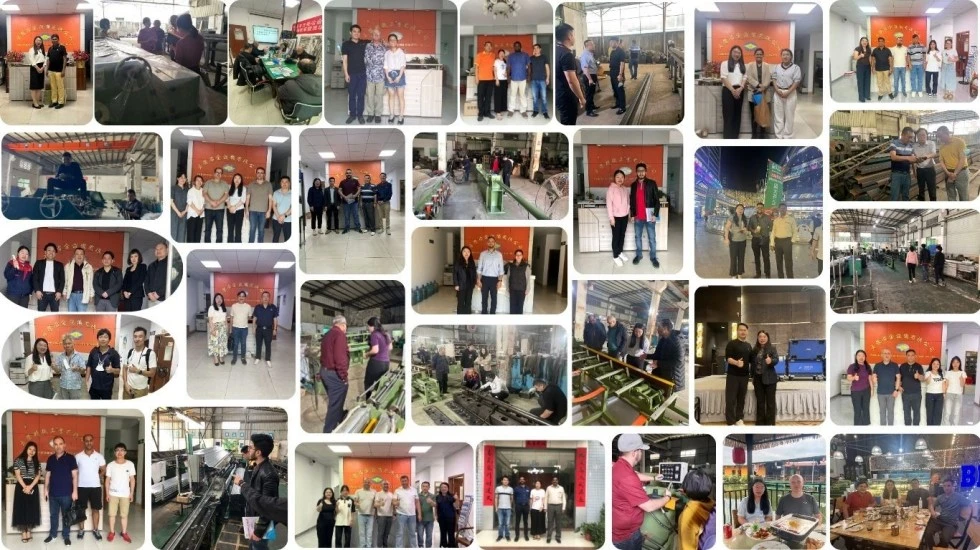
26+ Years of Straightening Engineering
FangRong was established in 1998 and began as a joint venture with a Taiwanese manufacturer specializing in drawing and straightening equipment. The company became wholly owned in 2013 and has continued to develop straightening and drawing machinery for metal tube and bar processing.
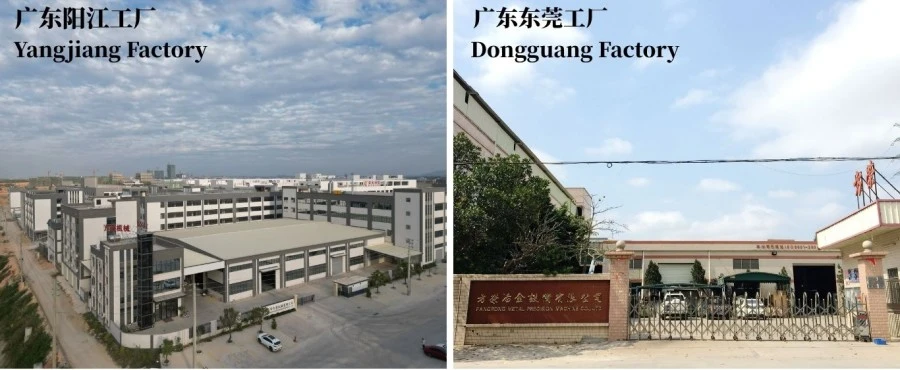
Two Manufacturing Facilities
Dongguan and Yangjiang production facilities provide a combined annual capacity of more than 650 machines. The two-site manufacturing setup supports simultaneous production for multiple projects and larger orders.
Experience Across Metal Processing
FangRong reports equipment supplied to customers in 70+ countries, with more than 10,000 customers across steel, stainless steel, copper, brass, aluminum, and specialty alloy processing.
Factory Testing Before Shipment
Each machine undergoes idle running and full-load testing. Where customer samples are available, actual copper tubes or bars can be used for testing. Straightness, roundness, roller alignment, vibration, motor current, surface condition, oil leakage, and electrical functions are checked before shipment.
Copper-Specific Engineering Support
Before production, FangRong can evaluate the copper alloy, temper, diameter, wall thickness, straightness target, surface requirement, and output requirement to determine the appropriate roller configuration, speed range, and roller surface treatment.
Installation and After-Sales Support
Support includes installation supervision, commissioning, operator training, spare-parts supply, remote troubleshooting, and technical assistance. Foundation drawings and anchor-bolt layouts are provided for machine installation.
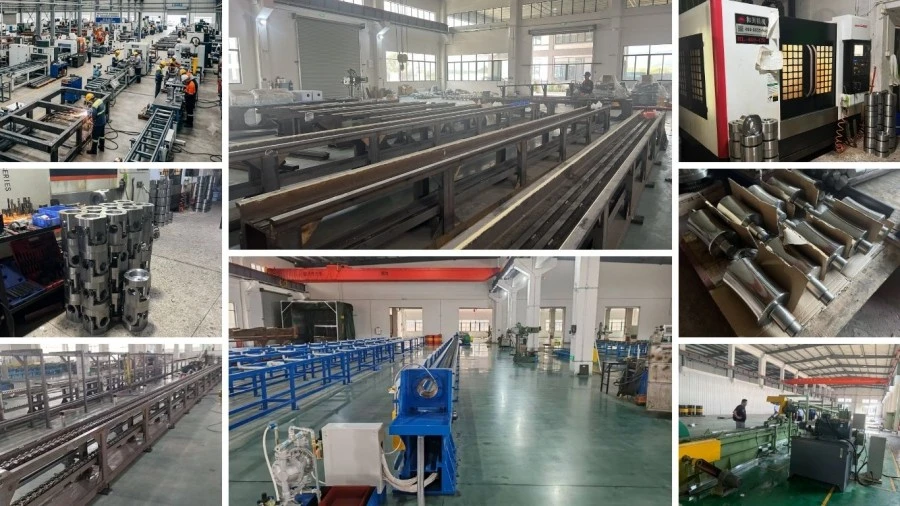
1. Engineering review — Roller configuration, speed range, surface protection, and machine layout are determined from the customer's copper specifications and production requirements.
2. Material inspection — Steel plates, shafts, rollers, gears, and other key components are inspected before machining.
3. Precision machining — Roller surfaces and machine frames are machined to the required geometry and alignment.
4. Mechanical assembly — Roller assemblies, transmission components, gearbox, and drive system are assembled and checked.
5. Electrical integration — Motor, inverter, PLC, HMI, sensors, and safety controls are integrated and tested.
6. Machine testing — The complete machine is run before shipment. Customer copper samples can be used for performance verification when provided.
7. Final inspection — Straightness, roundness, surface condition, electrical safety, vibration, and oil leakage are checked before packing.
8. Export packaging — Machines are protected against moisture, corrosion, and handling damage during international transportation.
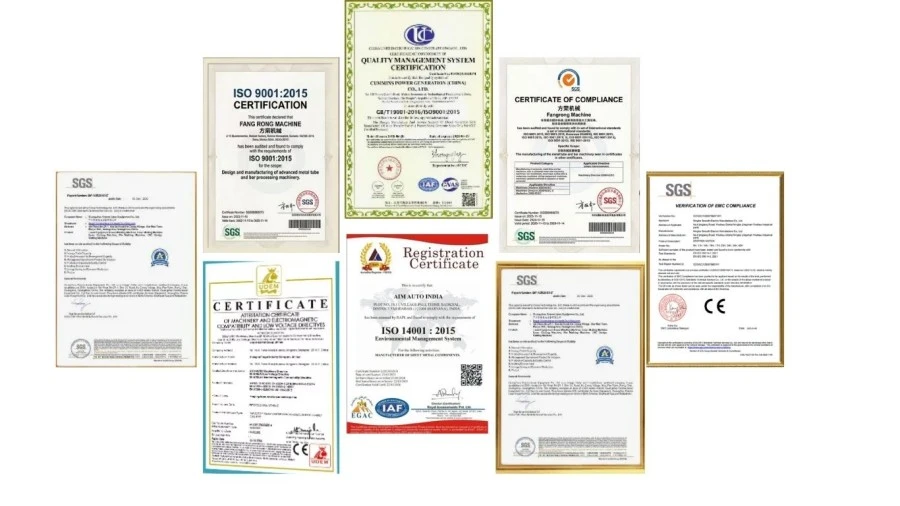
ISO 9001:2015 — Quality management system covering the company's design, manufacturing, installation, and service activities. Certificate No. UQ231211R1.
CE Mark — Standard FR machines are supplied with CE compliance for applicable machinery safety requirements, including relevant emergency-stop and safeguarding functions.
SGS Inspection — Independent inspection services are available for machine performance and safety verification according to project requirements.
Patented Technology — FangRong holds national invention and utility model patents covering equipment components and technologies, including chain tensioning, multi-strand die holding, and quick-change mandrel systems.
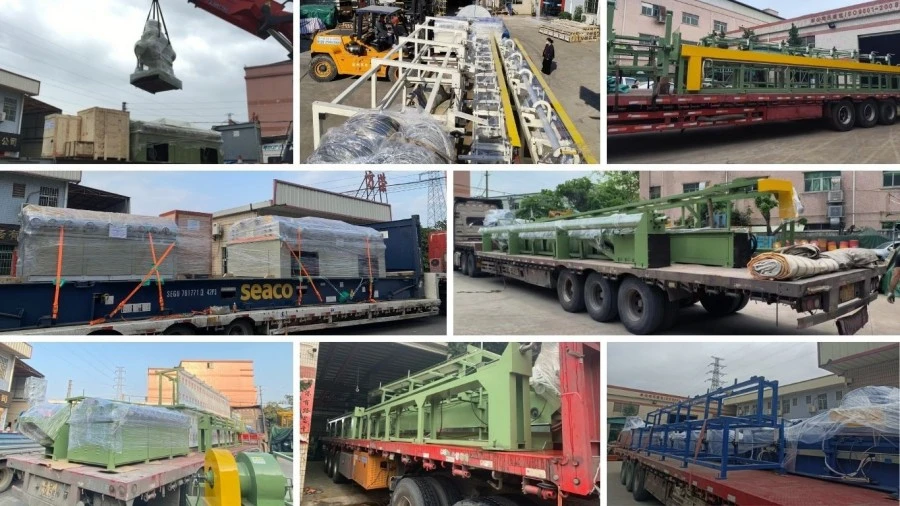
Before shipment, the machine is inspected, protected against corrosion, and packed for international transportation. Packaging and shipping arrangements are determined according to machine dimensions, weight, transportation method, and destination.
The machine is designed for copper and copper-alloy tubes, pipes, solid round bars and profiles. Typical materials include C11000, C12200, brass, bronze and cupronickel. Both seamless and welded tubes can be processed, provided the product dimensions and material condition match the selected model.
Model selection depends mainly on the maximum and minimum product diameter, wall thickness, material condition, required straightness and production speed. For example, FR-20 and FR-25 are suited to smaller tubes and bars, while FR-76, FR-100, FR-120, FR-150 and FR-180 cover larger products. A 14-, 17-, 20-roller configuration can also be selected when tighter straightness or more controlled correction is required.
Standard configurations are specified at ≤0.3 mm/m, while selected multi-roller configurations can reach ≤0.2 mm/m or ≤0.1 mm/m. The actual result depends on tube diameter, wall thickness, material temper, initial deformation and roller adjustment. For demanding applications, the final specification should be confirmed using the customer's actual samples.
Yes. However, annealed copper and hard-drawn copper require different roller pressure and machine settings. Softer material is more susceptible to indentation and surface marking, while harder material generally requires greater correction force. The straightening parameters should therefore be adjusted according to the copper alloy, temper and tube dimensions rather than using one fixed setting for all products.
Copper is softer than steel and can be scratched or marked if roller pressure, alignment or surface condition is unsuitable. The machine can be configured with roller materials and surface treatments appropriate for copper processing. For appearance-critical products such as HVAC tubes, decorative brass tubes or exposed copper components, surface requirements should be specified before production.
The multi-roller straightening process can help reduce minor ovality while correcting bending, but it is not a replacement for a dedicated tube sizing or calibration process. If the application has tight requirements for outside diameter, wall thickness or roundness, those tolerances should be evaluated separately during machine selection.
Yes. Factory testing can be carried out with customer-supplied copper tubes, bars or profiles. The test can evaluate straightness, surface condition, roller adjustment, machine stability and operating parameters under actual material conditions. This is recommended when processing a new copper alloy, thin-wall tube or product with tight straightness requirements.
Address
NO.163,Shatong Road,Shabu 2nd Industrial Zone, Dalang Town, Dongguan City, Guangdong, China