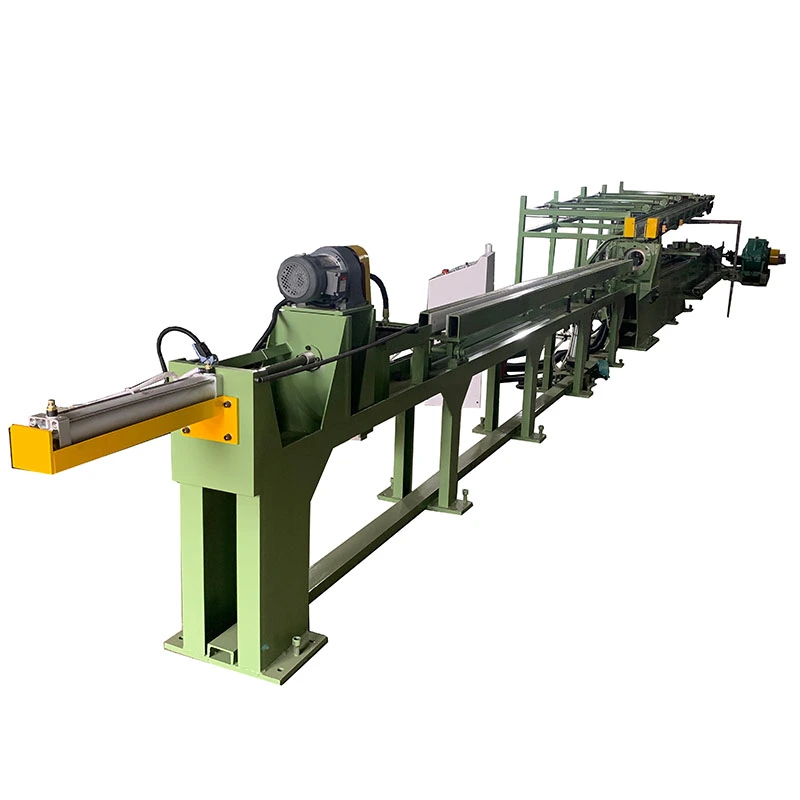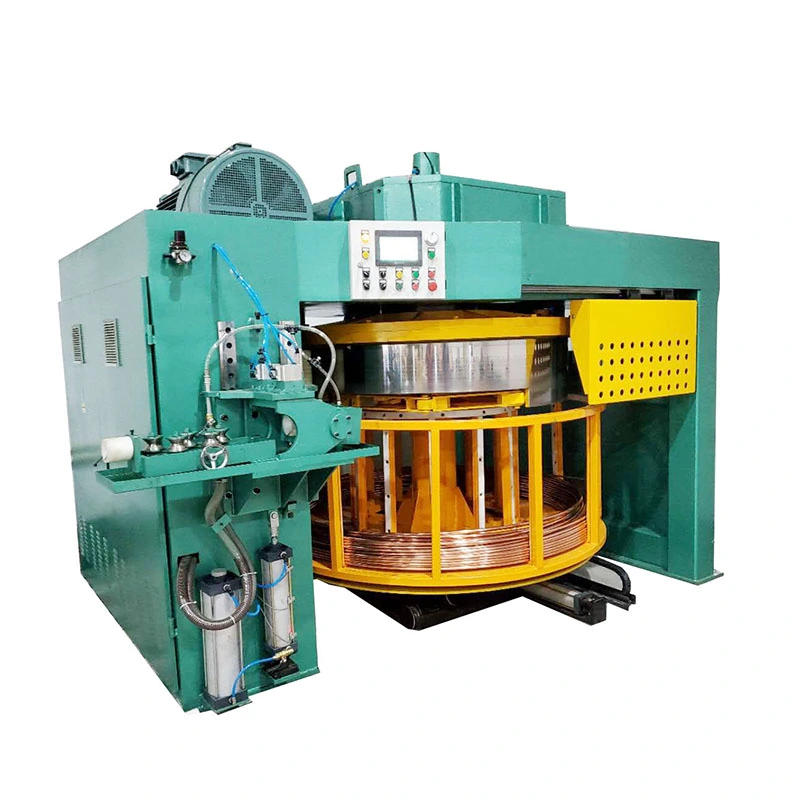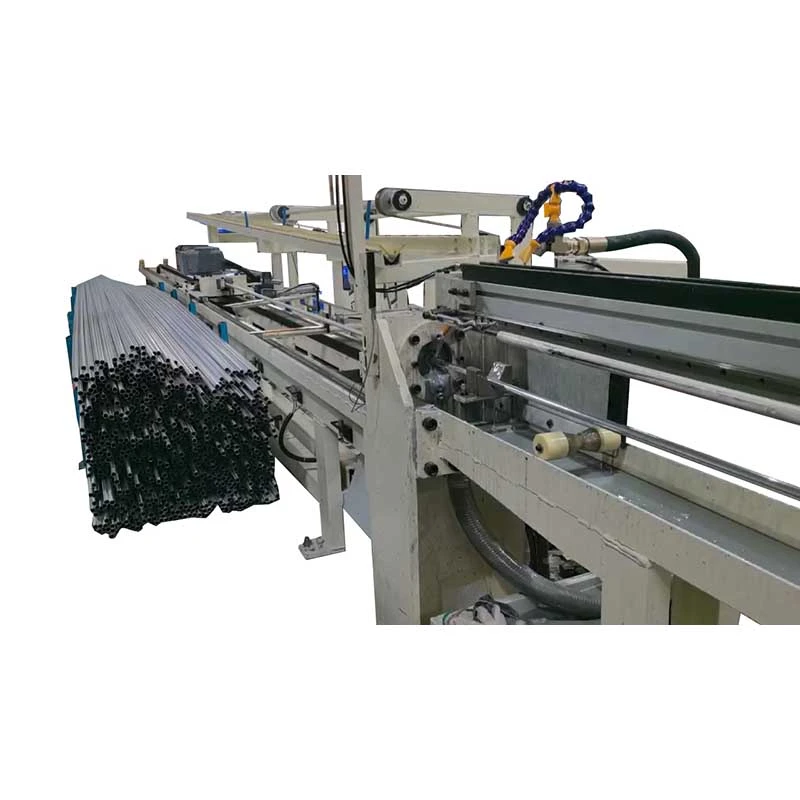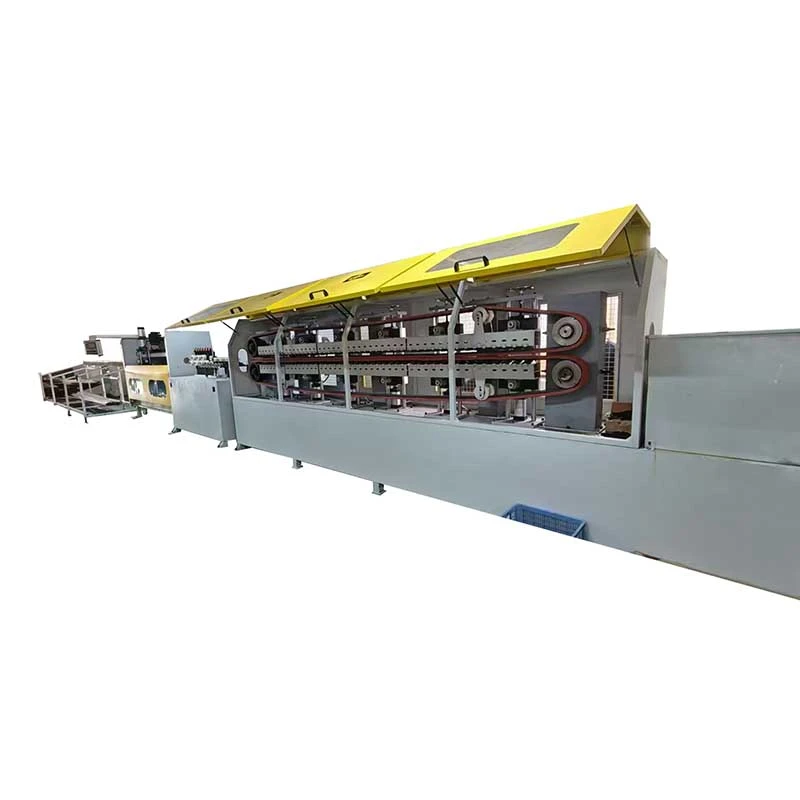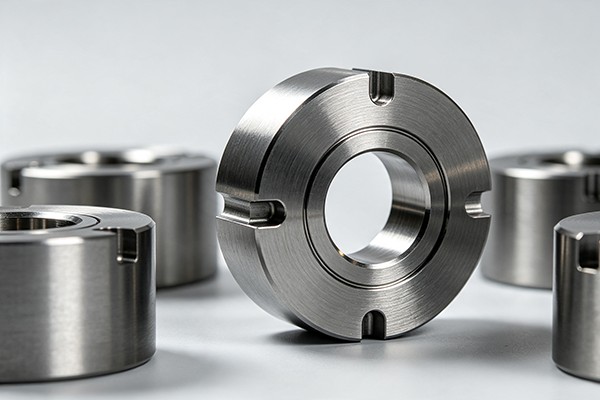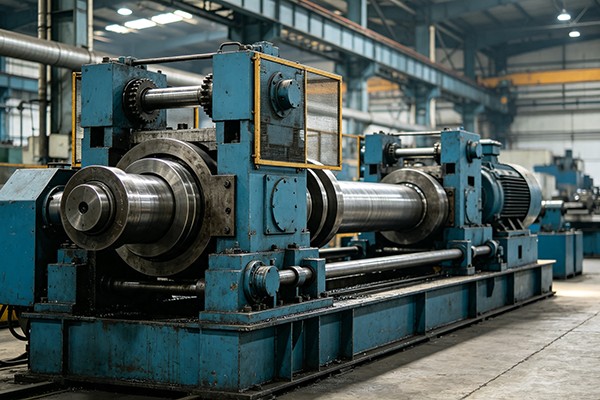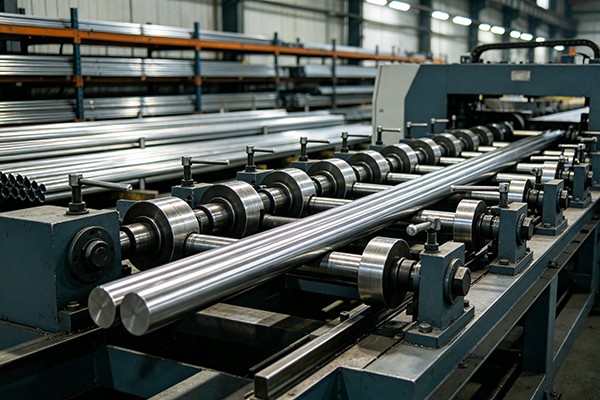

We offer a comprehensive range of precision metal processing equipment, including straightening, cold drawing, pointing, chamfering, cutting, thread rolling machines, and drawing dies, tailored for tube, bar, and wire materials across diverse industries.
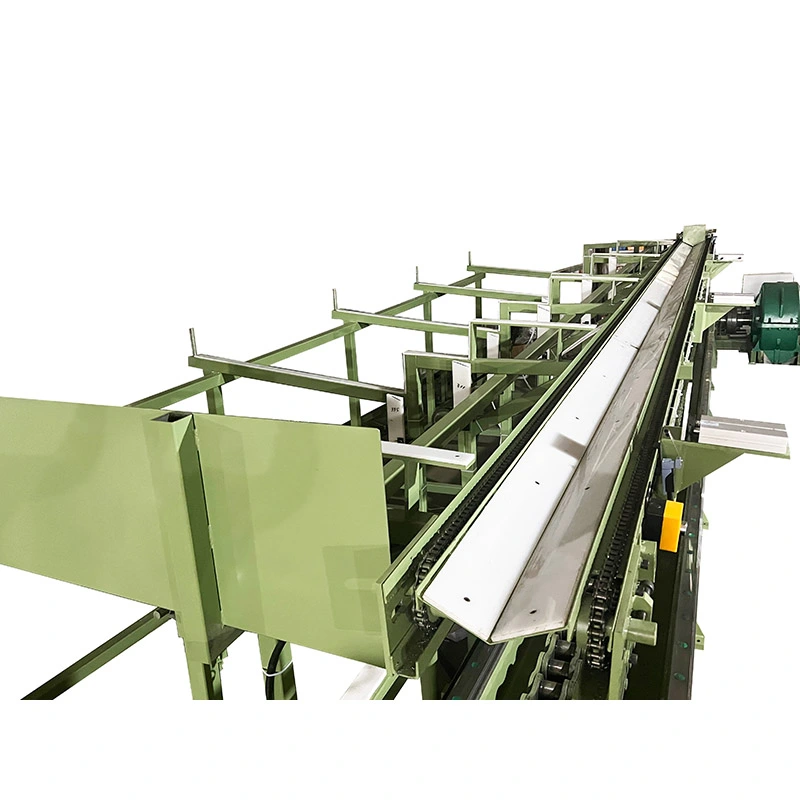
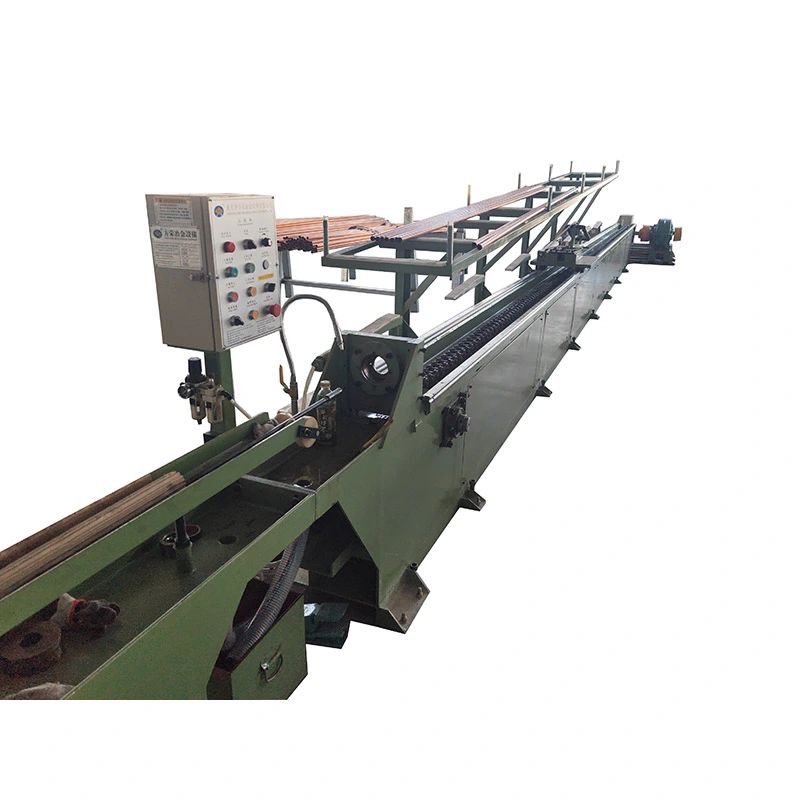
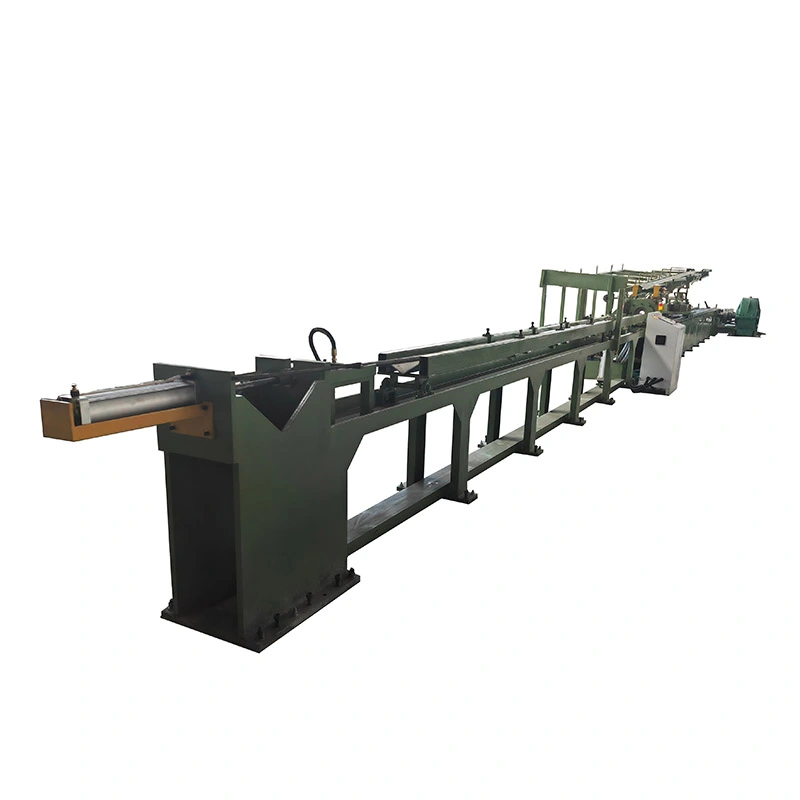
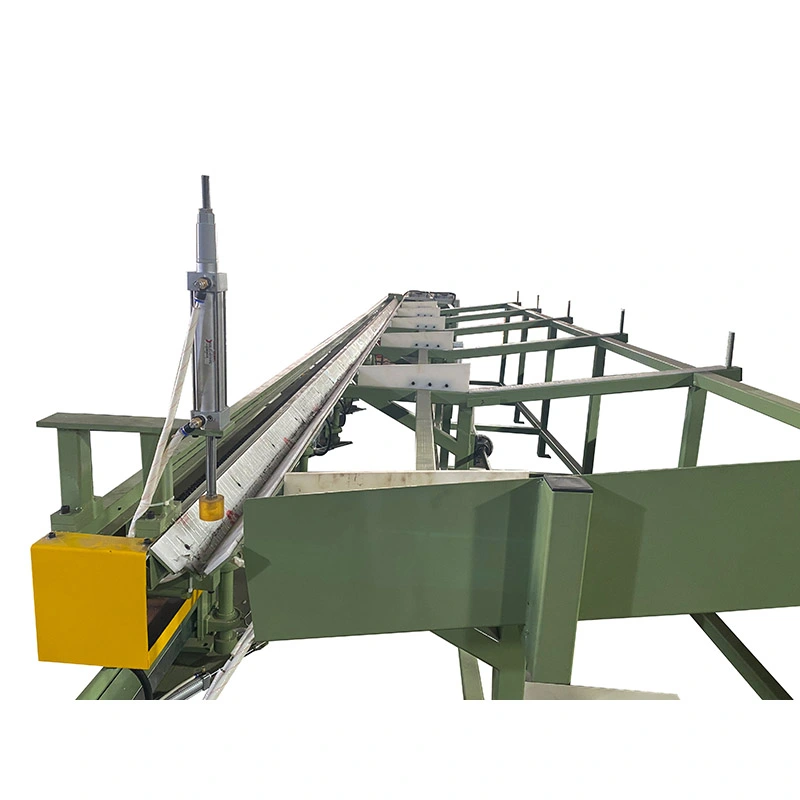
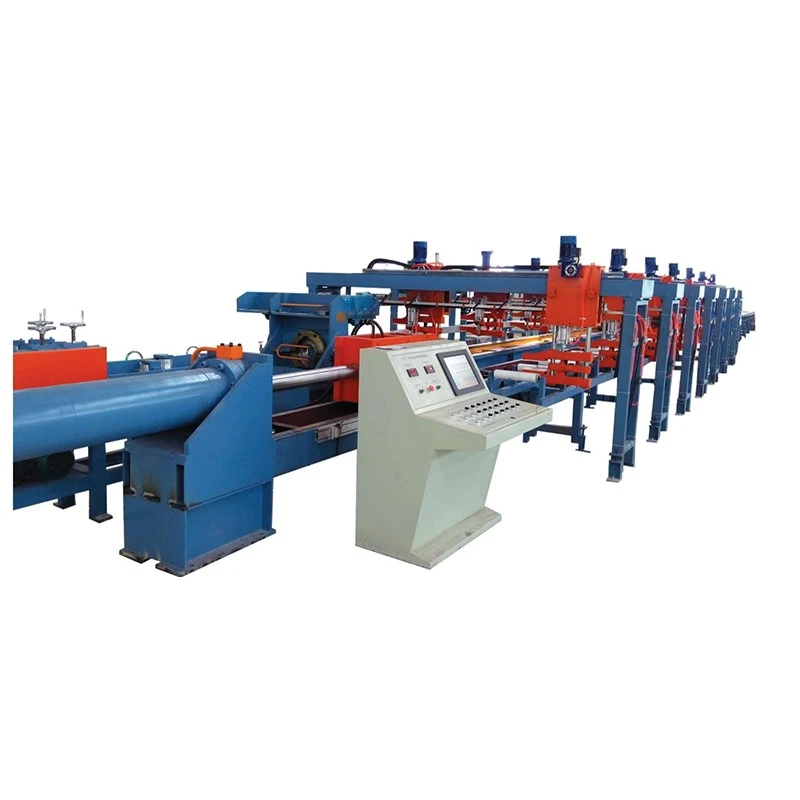
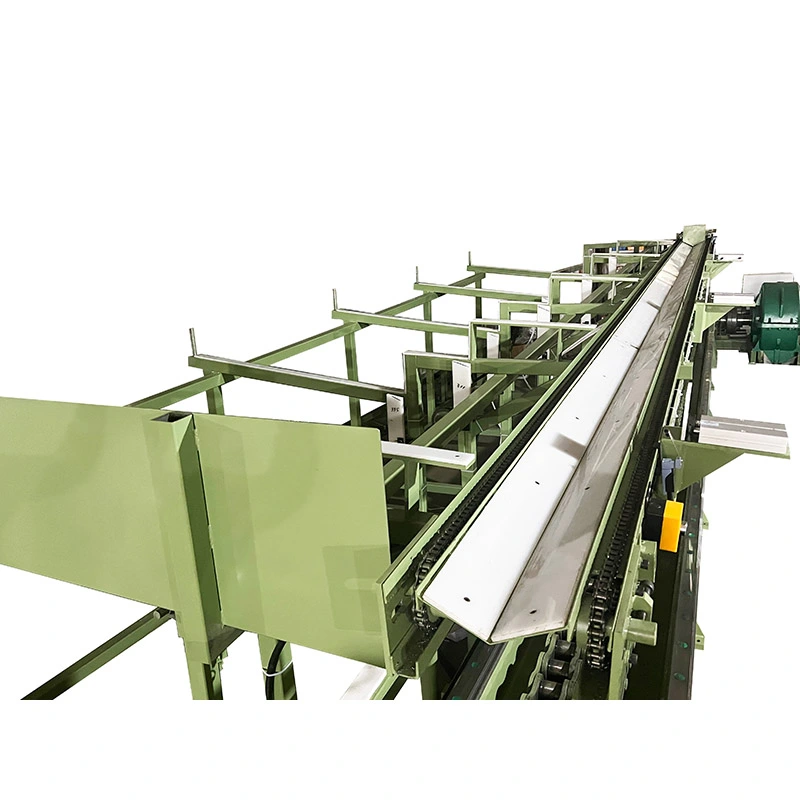
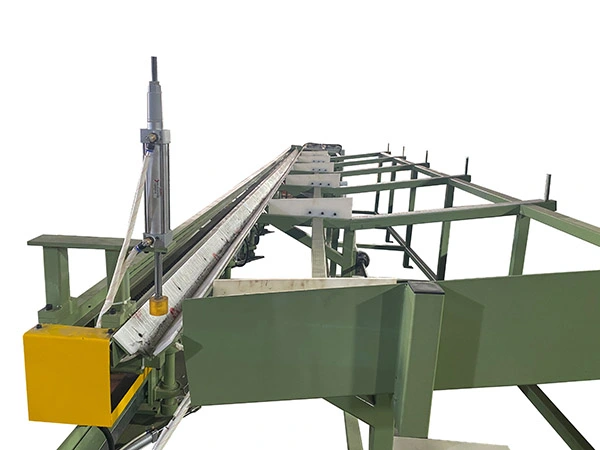
The Double Chain Cold Drawing Machine is built for high-force drawing where a single pulling chain may create uneven loading on the carriage. Its synchronized dual-chain drive distributes the drawing force more evenly, helping maintain die alignment and stable operation when processing large-diameter, thick-wall, or high-strength tubes and bars. FR-16 to FR-600 models provide 1–300 tons of pulling force, speeds up to 30 m/min, and customizable strokes of 10 m or more. Optional 1–5 strand drawing and automatic feeding, cutting, and receiving support higher-volume production of carbon steel, alloy steel, stainless steel, copper, aluminum, titanium, and specialty alloys.
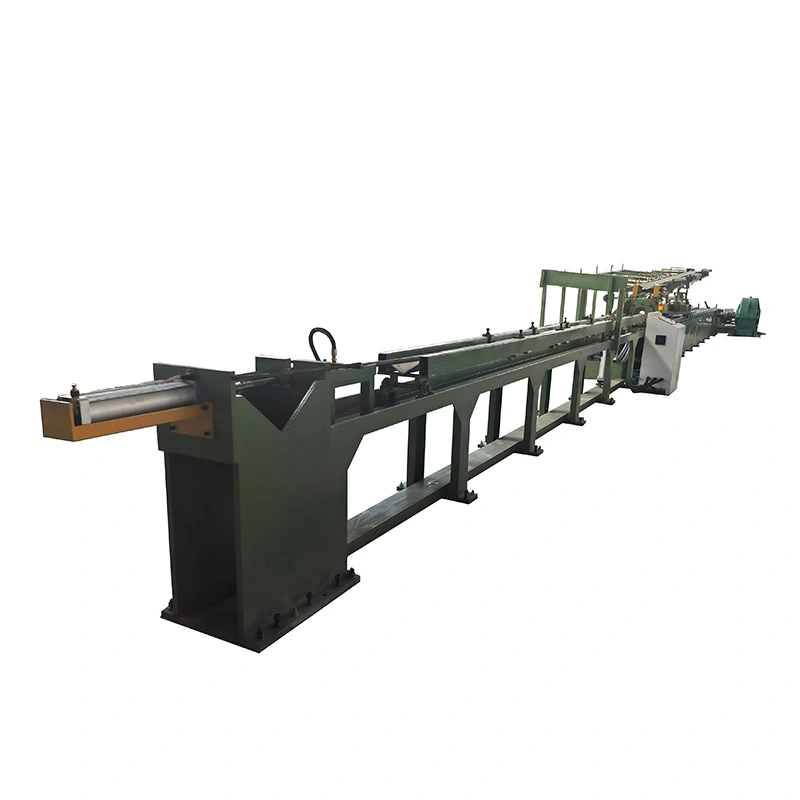
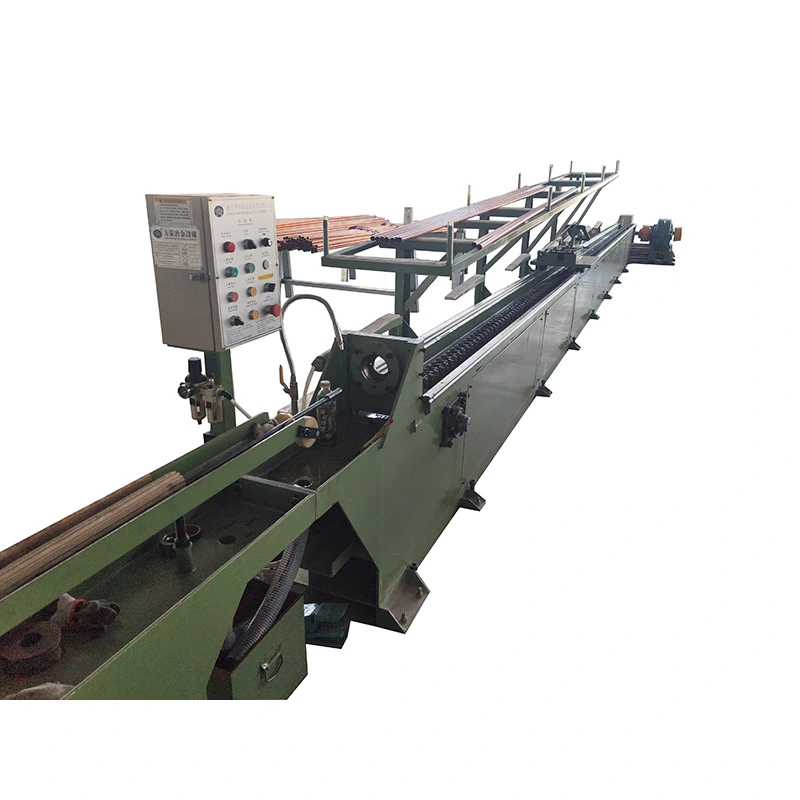
The Double Chain Cold Drawing Machine is a mechanical drawbench designed for cold drawing metal tubes and solid bars through a die at ambient temperature. It uses two parallel heavy-duty chains to pull the drawing carriage, distributing the load across both sides of the machine instead of concentrating the pulling force on a single chain.
This configuration is particularly useful when drawing large-diameter tubes, thick-wall products, high-strength alloys or products that require relatively high drawing force. The FR series covers 16 standard models from FR-16 to FR-600, with drawing forces from 1 to 300 tons and drawing speeds from 7 to 30 m/min. Depending on the product and tooling arrangement, the machine can be configured for single or multiple strands, including simultaneous drawing of up to five tubes or bars.
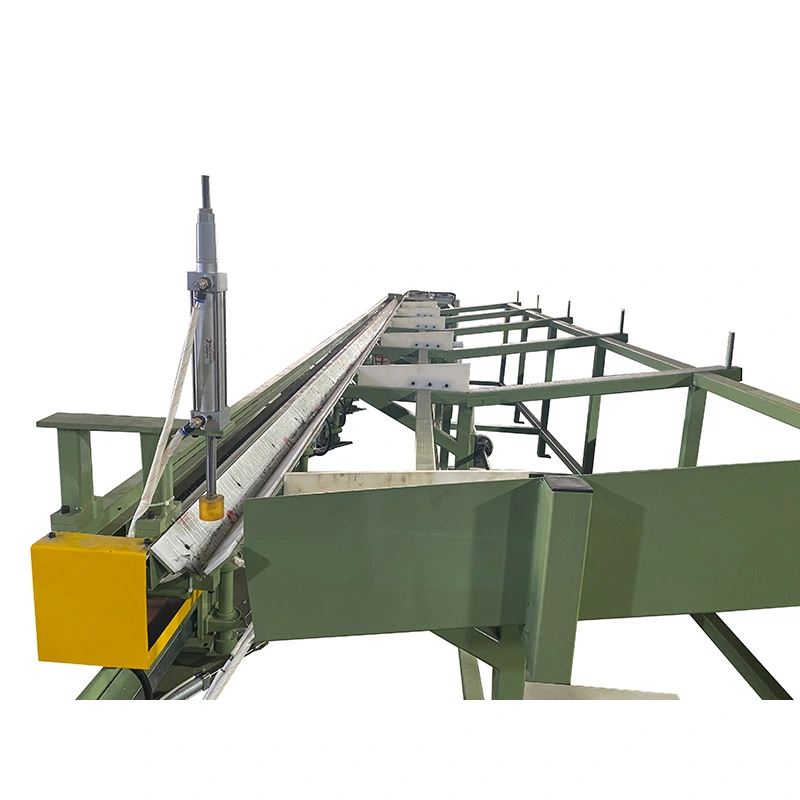
For tube production, the machine can be supplied with a mandrel system. Automatic feeding, cutting and receiving equipment can also be integrated when the customer needs a more continuous production line rather than a manually loaded drawbench.
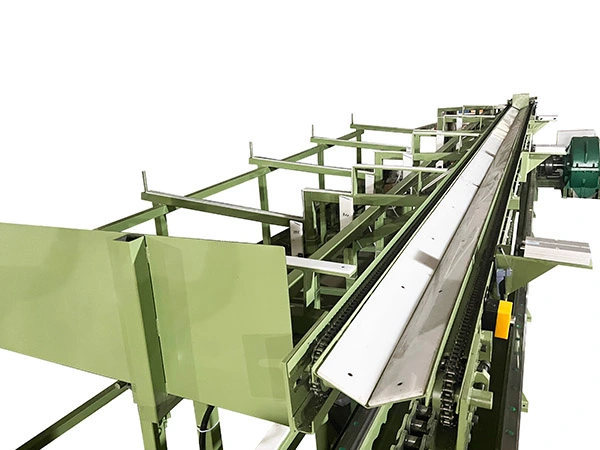
In a conventional single-chain drawbench, the pulling force is concentrated along one side of the carriage. As machine size and drawing force increase, this arrangement can create eccentric loading on the carriage, guide system and die assembly. The result can be accelerated mechanical wear, alignment problems and unstable product geometry.
The Double Chain Cold Drawing Machine addresses this problem by using two synchronized chains positioned on opposite sides of the carriage. The balanced pulling arrangement helps keep the carriage travelling more evenly through the drawing stroke and reduces the tendency for the carriage to twist under load.
This matters most when the drawing force is high or when dimensional consistency is important over long products. For small, low-force tube or bar applications, however, a double-chain system may provide less practical benefit than it does on heavy-duty production lines. Machine selection should therefore be based on actual drawing force and pass requirements rather than simply choosing the largest available model.
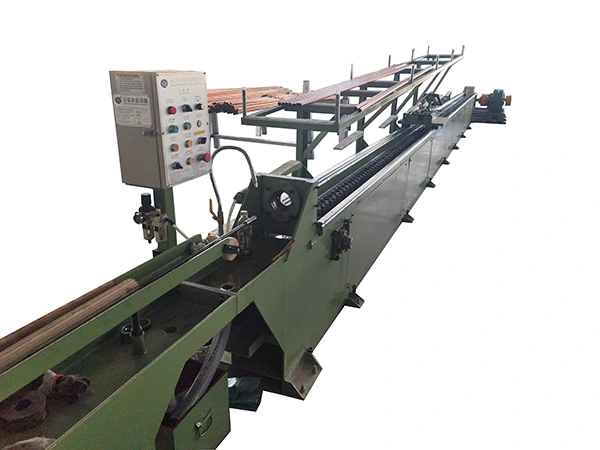
The workpiece is prepared according to the selected drawing process and positioned through the die. For tube drawing, the required mandrel arrangement is installed according to the tube dimensions, material and reduction schedule. The drawing carriage grips the prepared tube or bar and is pulled through the die by the synchronized chain system.
During the drawing stroke, the die reduces or controls the outside dimensions of the workpiece while the mandrel controls the internal geometry when internal sizing is required. After the drawing stroke, the carriage returns to its starting position and the next workpiece is loaded.
The actual dimensional result depends on the material grade, starting dimensions, die geometry, mandrel design, lubrication, reduction per pass and machine alignment. For this reason, a drawing machine should not be specified from finished diameter alone.
| Model | Drawing Force | Drawing Speed | Main Motor | Gearbox | Chain / Plate | Return Motor | Return Ratio |
|---|---|---|---|---|---|---|---|
| FR-16 | 1 ton | 25 m/min | 5.5 kW | ZQ350 | 1.5" | 0.75 kW | 1:10 |
| FR-25 | 1–3 tons | 30 m/min | 7.5 / 15 kW | ZQ400 | 2" | 1 kW | 1:10 |
| FR-50 | 5 tons | 30 m/min | 22 kW | ZQ500 | 2.5" | 1.5 kW | 1:10 |
| FR-76 | 10 tons | 25 m/min | 30 kW | ZQ650 | 3" | 1.5 kW | 1:10 |
| FR-80 | 12 tons | 25 m/min | 37 kW | ZQ750 | 3.5" | 1.5 kW | 1:10 |
| FR-100 | 15 tons | 25 m/min | 45 kW | ZQ850 | 4" | 2.2 kW | 1:15 |
| FR-120 | 20 tons | 20 m/min | 55 kW | ZQ1000 | 3.5" Double | 2.2 kW | 1:15 |
| FR-150 | 30 tons | 15 m/min | 75 kW | ZQ1000 | 4" Double | 3 kW | 1:15 |
| FR-180 | 40 tons | 15 m/min | 90 kW | ZL115 | Plate Z4824152.4 | 3.7 kW | 1:15 |
| FR-200 | 60 tons | 10 m/min | 110 kW | ZL130 | Plate Z5628177.8 | 4 kW | 1:20 |
| FR-250 | 80 tons | 8 m/min | 132 kW | ZFY500 | Plate 200 | 5.5 kW | 1:20 |
| FR-300 | 100 tons | 8 m/min | 166 / 200 kW | ZFY560 | Plate 220 | 5.5 kW | 1:20 |
| FR-350 | 120 tons | 8 m/min | 225 kW | ZFY630 | Plate 250 | 7.5 kW | 1:20 |
| FR-400 | 150 tons | 8 m/min | 250 kW | ZFY710 | Plate 300 | 7.5 kW | 1:20 |
| FR-500 | 200 tons | 8 m/min | 315 kW | ZFY800 | 2 × 2 Plate 300 | 7.5 kW | 1:20 |
| FR-600 | 300 tons | 7 m/min | 400 kW | ZFY800 | 2 × 2 Plate 350 | 7.5 kW | 1:20 |
The listed specifications are standard configurations. Motor power, drawing stroke, tooling, feeding arrangement and automation can be adjusted according to the customer's material, dimensions and production requirements.
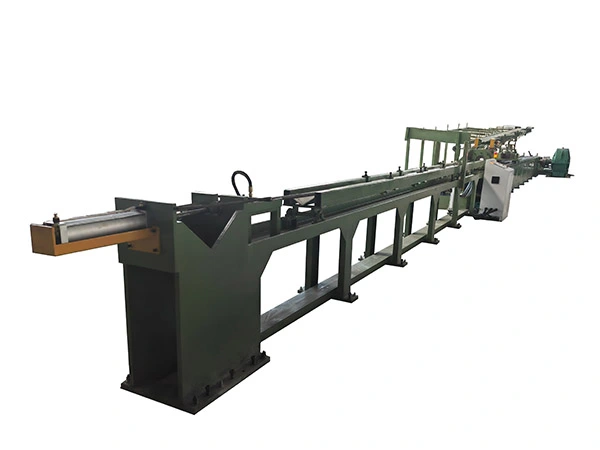
Chain selection becomes more important as the required drawing force increases. The smaller FR models use heavy-duty roller-chain configurations, while the higher-capacity models from FR-180 upward use plate-chain systems.
| Configuration | Typical Use | Why It Matters |
|---|---|---|
| Heavy-duty roller chain | Low to medium drawing force | Suitable for standard tube and bar drawing where the required pulling force remains within the roller-chain capacity. |
| Plate chain | Medium to very high drawing force | Used on larger FR models where higher load capacity and resistance to heavy-duty cyclic loading are required. |
For a customer drawing small stainless steel tubes, chain type may have little influence on product selection compared with die design and drawing force. For heavy-wall tubes or large-section bars, however, chain capacity, carriage rigidity and guide alignment become critical mechanical considerations.
The FR series Double Chain Cold Drawing Machine can be configured for 1 to 5 drawing strands depending on the machine model and product requirements. Multi-strand drawing allows several tubes or bars to be processed during the same drawing cycle, increasing output without simply increasing the machine's linear speed.
This configuration is useful for manufacturers producing large quantities of similar-size tubes. If products vary significantly in diameter, material or reduction schedule, a single-strand arrangement may be easier to operate and change over.
All FR models can be equipped with a mandrel for tube drawing. The mandrel configuration should be selected according to whether the process requires control of the internal diameter, wall thickness or internal surface geometry.
For example, a manufacturer producing hydraulic cylinder tubes may need tighter control of both outside and inside dimensions, making mandrel selection and pass design particularly important. A simple outside-diameter reduction application may require a different tooling arrangement.
Customers should provide the following information before the machine is selected:
The standard machine can be configured with optional automatic equipment to reduce manual handling between drawing cycles. Available options include:
Automation is most useful when the machine operates continuously with repeated product specifications. For small-batch production with frequent tooling changes, a simpler configuration may provide a better balance between investment and operating flexibility.
Model selection should begin with the required drawing force rather than motor power or machine size. The required force is influenced by material strength, cross-sectional reduction, friction, die angle, lubrication and the condition of the incoming tube or bar.
As a practical rule, a customer producing light-gauge copper or aluminium tubes may require a relatively small FR model even at higher production speeds. In contrast, stainless steel, alloy steel or thick-wall products can require substantially higher pulling force even when the finished diameter is relatively small.
The FR-16 to FR-150 range is generally suited to lower and medium drawing-force applications, while FR-180 and larger models are intended for progressively heavier drawing duties. The final selection should be confirmed through force calculation and, where necessary, sample testing.
Cylinder tube manufacturers often need stable control of diameter, wall thickness and straightness over relatively long products. The balanced pulling arrangement is useful when drawing forces are high and carriage alignment must remain stable throughout the stroke.
Cold-drawn tubes and bars are used in structural and precision automotive components where repeatable dimensions reduce subsequent machining. For high-volume products with consistent specifications, multi-strand drawing and automatic feeding can improve production efficiency.
Stainless steel and alloy tubes used in heat exchangers and energy equipment can require controlled deformation and consistent tooling conditions. In these applications, material grade and reduction schedule should be evaluated before determining the machine tonnage.
Titanium and other high-strength alloys can generate higher drawing resistance than common carbon steels. Drawing speed, lubrication, die condition and pass reduction become more important in these applications than simply increasing machine capacity.
The FR series can be configured for different non-ferrous and stainless-steel tube applications. The appropriate model depends on material strength and section reduction, so tube diameter alone should not be used as the selection criterion.
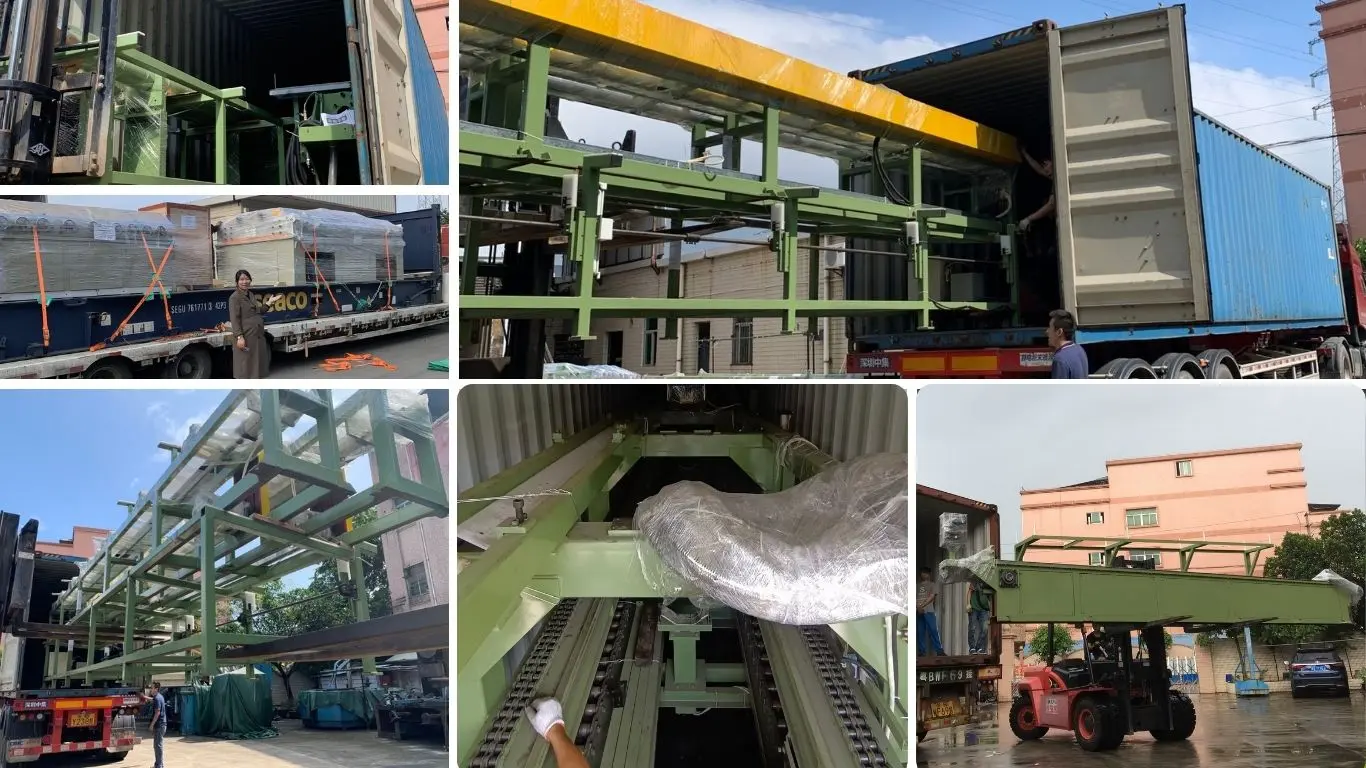
The Double Chain Cold Drawing Machine is engineered according to the confirmed product dimensions, drawing force, stroke and automation requirements. Before shipment, the equipment is assembled and tested to verify mechanical operation and major control functions.
Standard factory testing includes idle running and rated-load testing. During testing, key items such as chain tension, vibration, operating noise, gearbox and oil temperature are monitored. Where customer samples are available, trial drawing can also be used to check the suitability of the selected tooling and process parameters.
The machine is then prepared for export transportation with appropriate moisture and corrosion protection for the main equipment and loose components.
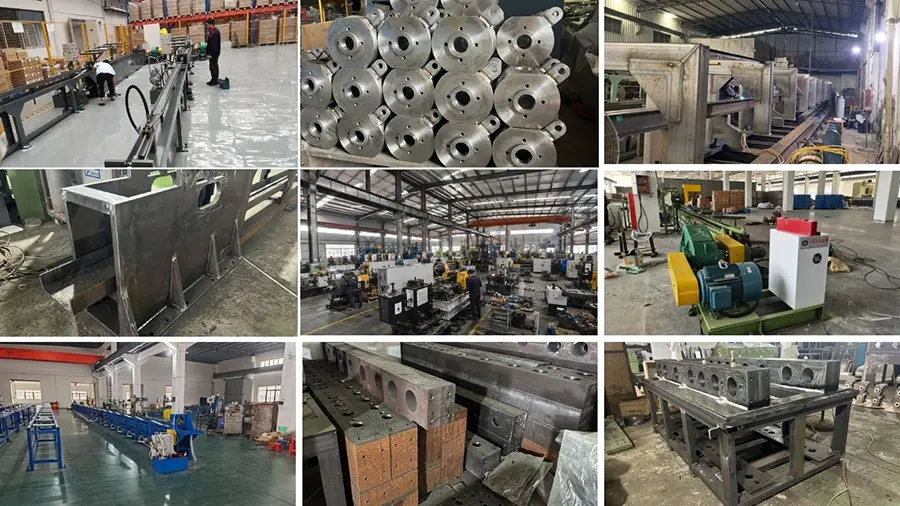
FangRong manufactures cold drawing equipment through a controlled engineering and assembly process covering:
Key guide components are machined and checked for dimensional accuracy and alignment. For large drawbenches, guide straightness and carriage alignment are especially important because small mechanical errors can become more significant over a long drawing stroke.
Buying a cold drawing machine without confirming the drawing process can result in an oversized machine, insufficient pulling capacity or unsuitable tooling. FangRong's engineering team can evaluate the production requirements before the final model is confirmed.
Technical support can include:
For a new project, the most useful information to provide is the incoming and finished dimensions, material grade, product length, target output and existing drawing process. These details allow the machine configuration to be based on the actual production requirement rather than a diameter-only estimate.
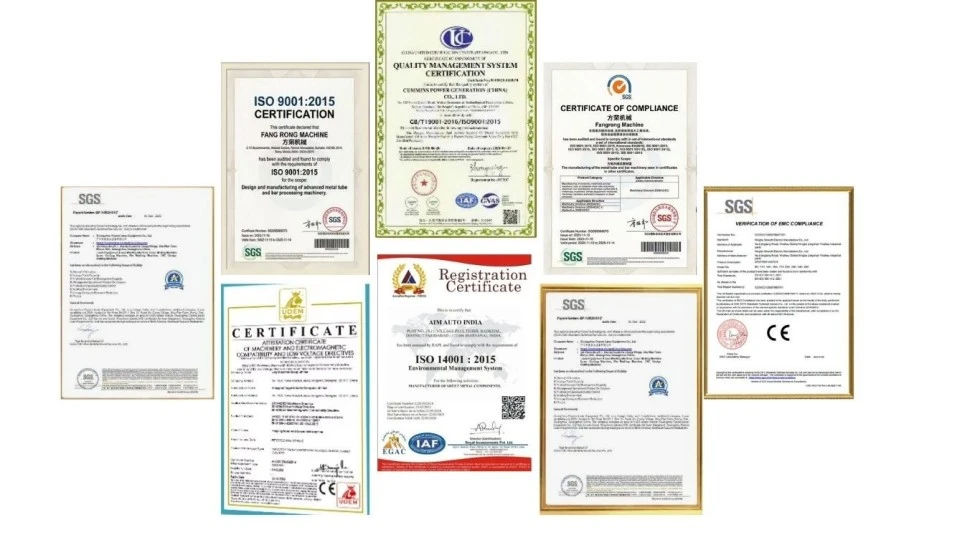
FangRong's quality management system is certified to ISO 9001:2015, certificate No. UQ231211R1. The equipment can be supplied with CE marking based on the applicable machinery safety requirements, including the Machinery Directive 2006/42/EC for relevant European-market configurations.
Inspection and documentation requirements can be discussed during quotation. If the customer's project requires additional third-party inspection, factory acceptance testing or specific documentation, these requirements should be confirmed before order placement.
| MOQ | 1 set for standard machine orders. Quantity-based pricing can be provided for 2–4 sets and 5+ sets. Final quantity tiers and unit prices are confirmed in the quotation. |
|---|---|
| Payment | 30% deposit; 70% balance before shipment after factory acceptance testing, unless otherwise agreed. |
| Standard Lead Time | Approximately 30–60 days for standard FR-16 to FR-100 configurations; approximately 90–120 days for FR-150 and larger machines or projects requiring special automation. |
| Expedited Order | Expedited production may be available depending on current production capacity, machine model and component availability. The confirmed expedited delivery date is stated in the quotation rather than guaranteed as a fixed standard period. |
| Warranty | 12 months from commissioning under the agreed warranty terms. |
| Installation | Installation supervision, commissioning and operator training can be provided according to the project scope. |
| Spare Parts | Recommended wear parts and spare components can be supplied according to the machine model and production conditions. |
A single-chain machine pulls the carriage from one side, while a double-chain machine uses synchronized chains on both sides. The double-chain arrangement is mainly advantageous for higher-force applications because it helps distribute the pulling load and reduce carriage eccentricity. For low-force applications, the benefit may be less significant.
Do not select the model only by tube diameter. The required drawing force depends on material strength, starting and finished dimensions, reduction per pass, die geometry, lubrication and mandrel configuration. Providing these parameters allows FangRong to calculate the appropriate machine capacity.
Yes. The Double Chain Cold Drawing Machine can be configured for both tubes and solid bars. Tube drawing requires the appropriate die and mandrel arrangement, while bar drawing uses a different workpiece gripping and tooling configuration.
Yes. Depending on the model and product specifications, the machine can be configured for 1 to 5 strands. Multi-strand drawing is most useful when several products have similar dimensions and process requirements.
There is no single reduction percentage suitable for every material. The practical reduction per pass depends on material grade, initial condition, finished dimensions, die design, lubrication and required surface and dimensional quality. The pass schedule should be established from the actual material and product requirements.
Conventional drawing processes generally require the tube or bar end to be prepared so it can pass through the die and be gripped by the drawing carriage. Whether a separate pointing machine is required depends on the selected feeding and end-preparation method. Automatic end preparation or point-free systems can be considered for higher levels of automation.
Yes. Automatic feeding, fixed-length cutting and receiving systems are available as optional configurations. Automation is particularly useful for high-volume production with stable product specifications, while manual loading may be more economical for low-volume or frequently changing orders.
Please provide the material grade, tube or bar type, initial and finished dimensions, product length, required reduction, target production capacity, number of strands and preferred automation level. If available, send drawings or sample dimensions. These details are enough to start the machine and tooling evaluation.
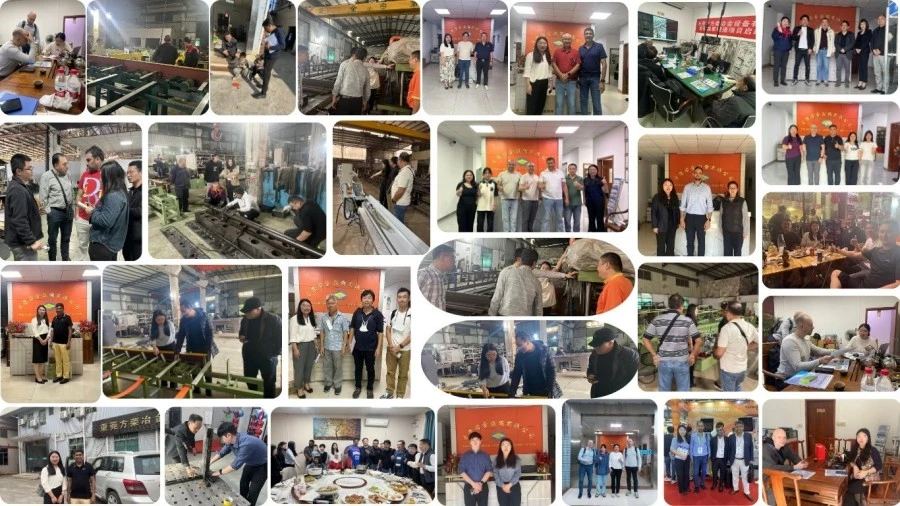
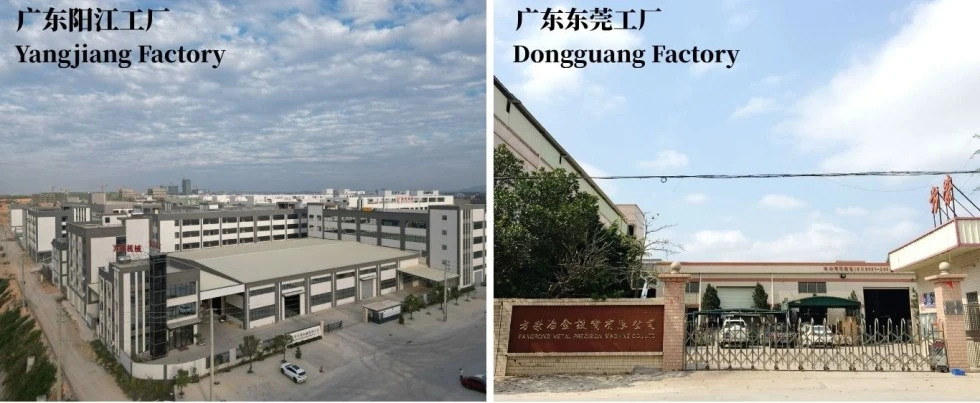
FangRong has been engaged in cold drawing equipment manufacturing since 1998 and focuses on mechanical and hydraulic metal forming equipment for tube and bar processing. Its engineering scope covers drawbench configuration, drawing-force calculation, tooling selection, automation integration and production commissioning.
For customers purchasing a heavy-duty drawbench, the machine itself is only one part of the project. The more important issue is whether the selected pulling capacity, chain system, die arrangement, mandrel configuration and production speed match the actual material and pass schedule. FangRong can work from the customer's product data to establish the machine configuration before quotation and support installation, commissioning and operator training after delivery.
For a project quotation, provide your material, starting size, finished size, product length and required output. FangRong can then recommend the suitable FR model, drawing force, tooling configuration and optional automation.
Address
NO.163,Shatong Road,Shabu 2nd Industrial Zone, Dalang Town, Dongguan City, Guangdong, China