
We offer a comprehensive range of precision metal processing equipment, including straightening, cold drawing, pointing, chamfering, cutting, thread rolling machines, and drawing dies, tailored for tube, bar, and wire materials across diverse industries.
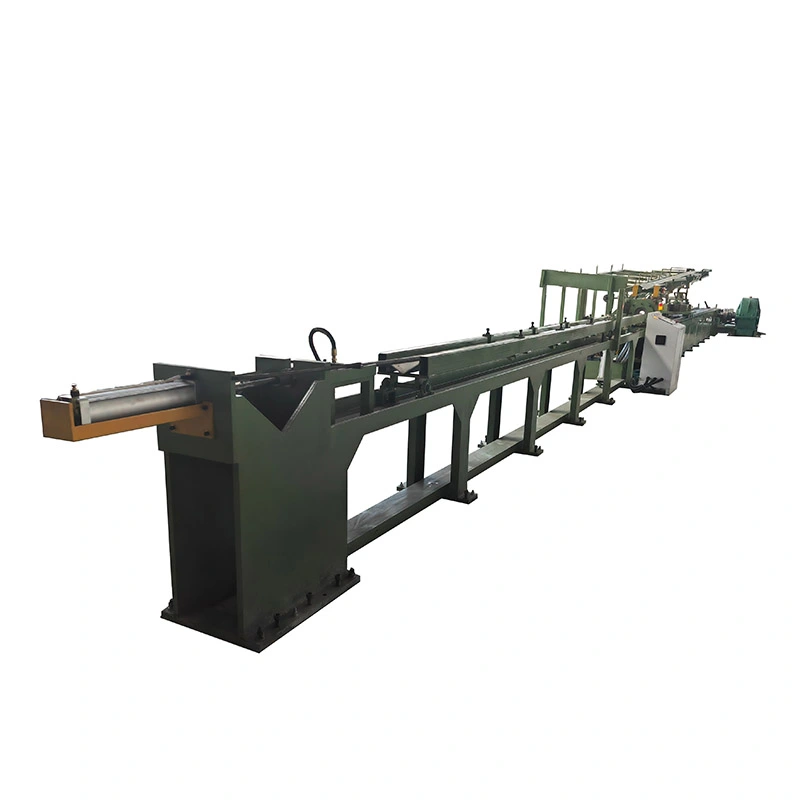
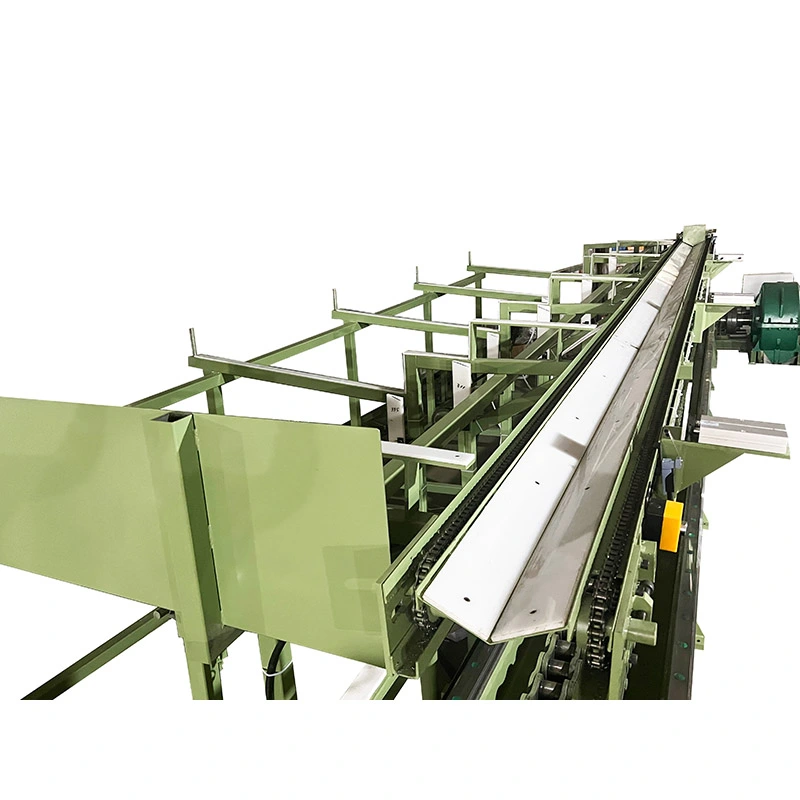
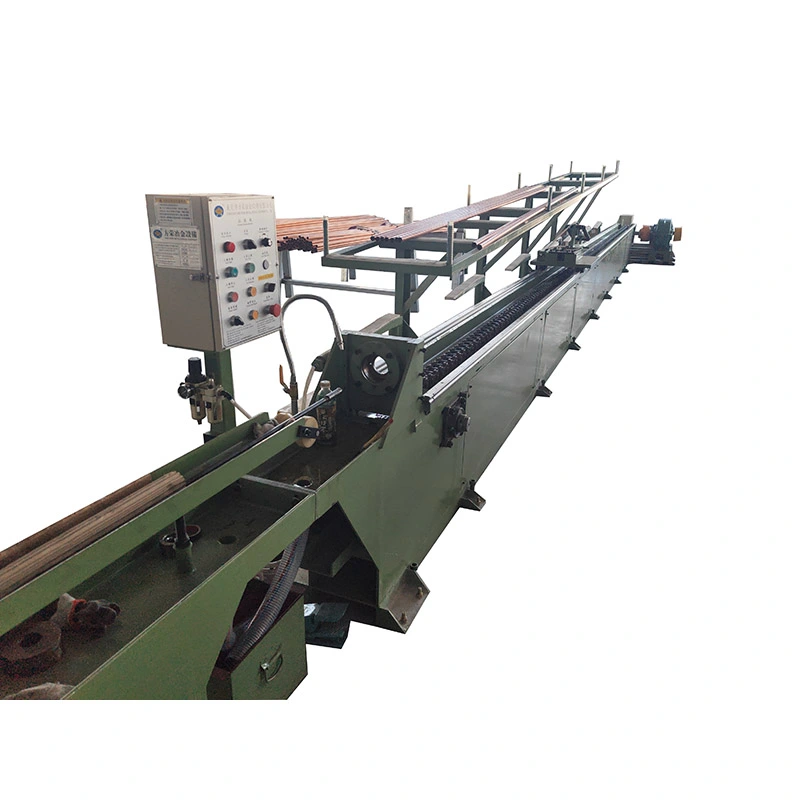
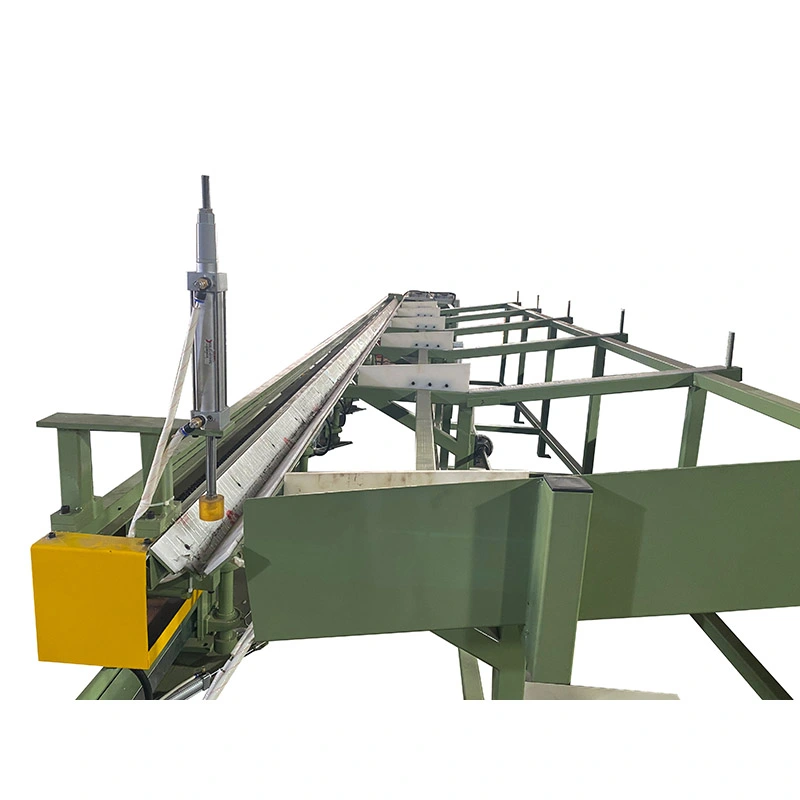
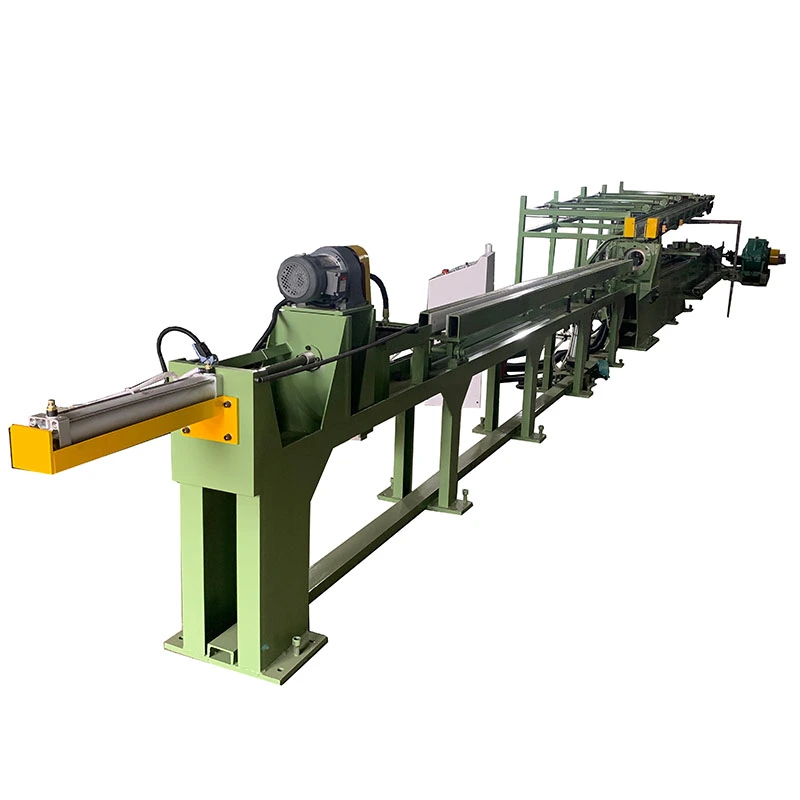
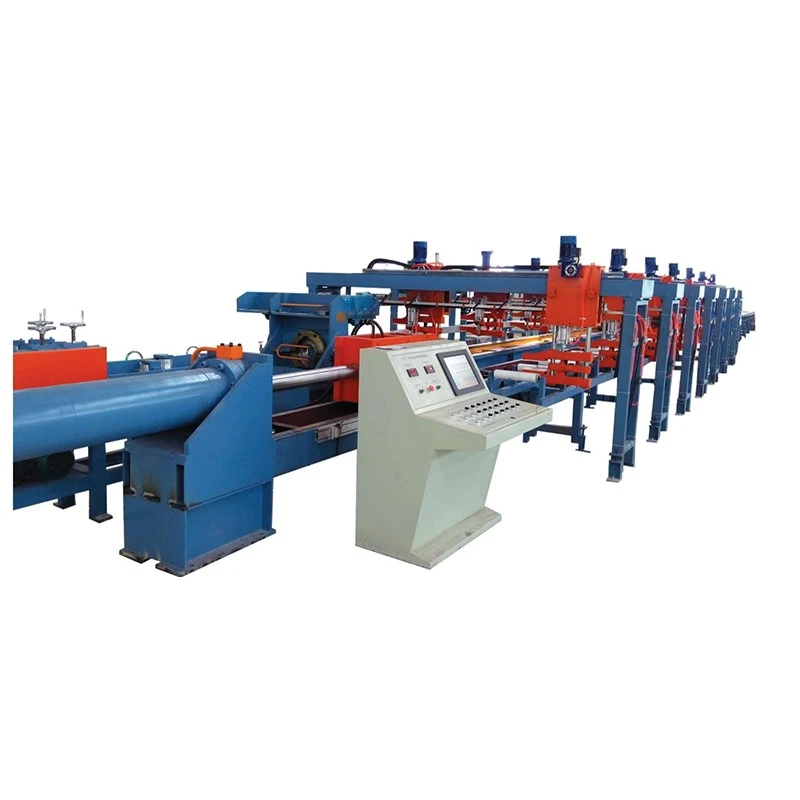
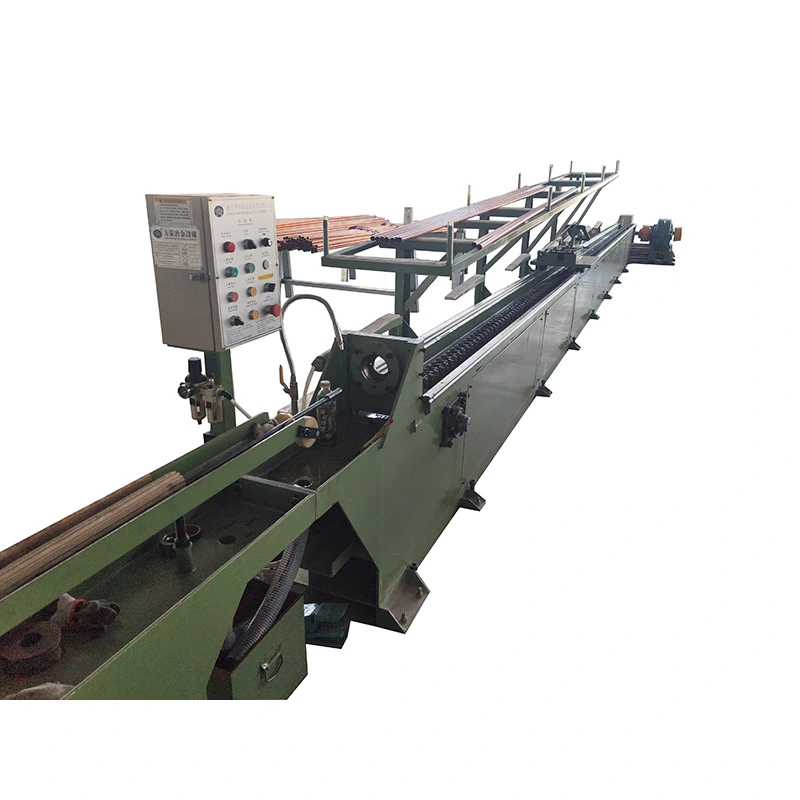
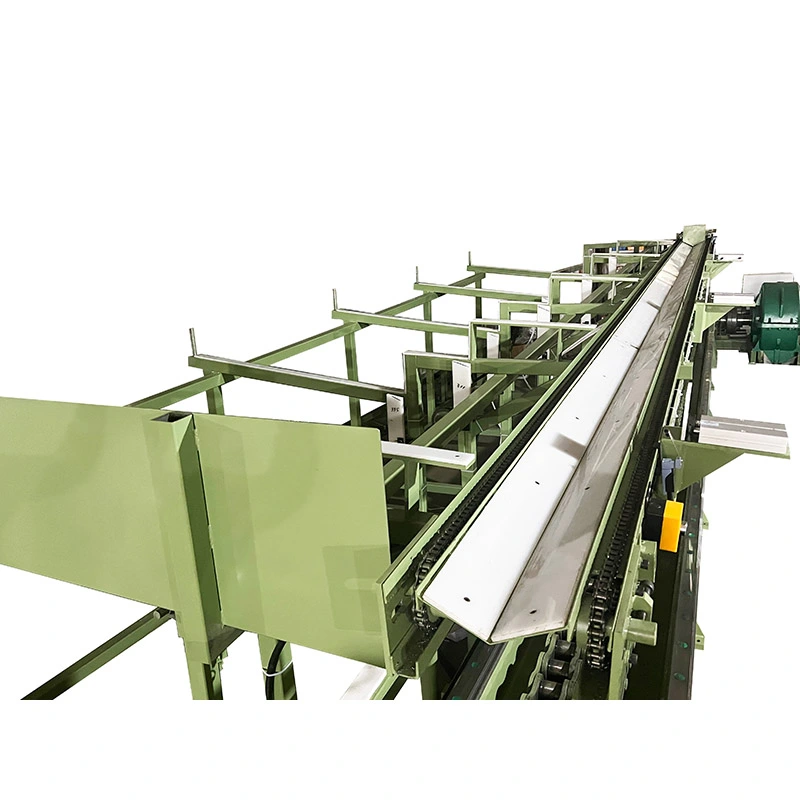
The Rod Chain Cold Drawing Machine is a mechanical drawbench designed to pull solid round bars through a precision die at room temperature. The FR series uses a chain, gearbox and drawing carriage to provide controlled pulling force without the hydraulic power unit required by hydraulic drawbenches.
The standard range includes FR-16 to FR-250, covering drawing forces from 7 to 1000 kN. Depending on the material, bar size, reduction schedule and tooling arrangement, one machine can draw 1 to 5 rods in parallel. Maximum listed drawing speed reaches 28 m/min, making the chain configuration particularly suitable for repetitive bar production where cycle time has a direct effect on output.
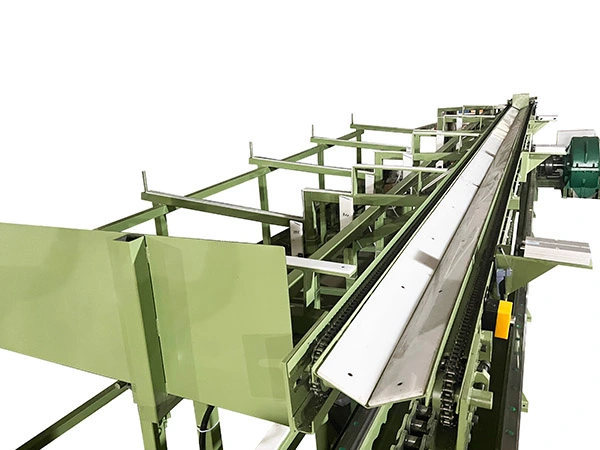
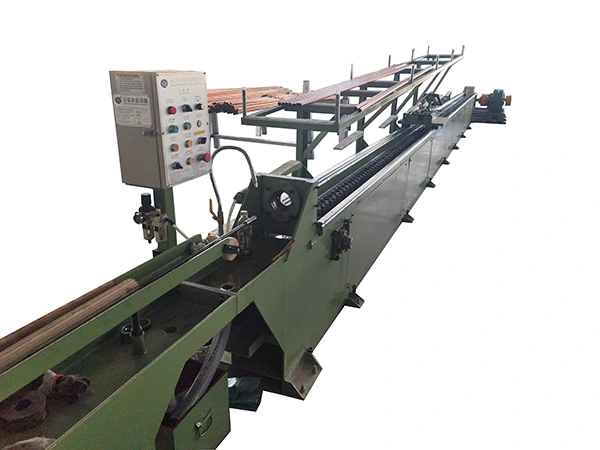
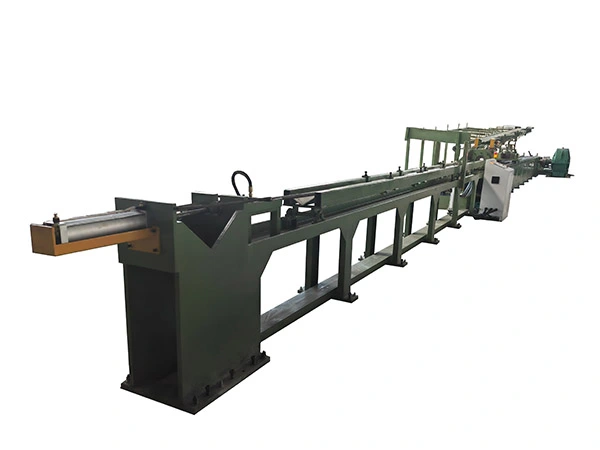
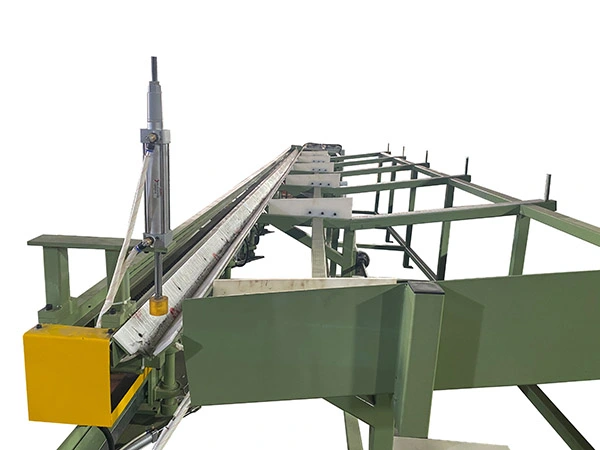
Before drawing, the rod end is pointed or otherwise reduced so that it can pass through the die. The prepared bar is positioned on the feed side, the pointed end passes through the die, and the drawing carriage grips the bar. The main motor drives the gearbox and chain, moving the carriage along the guide rails and pulling the rod through the die.
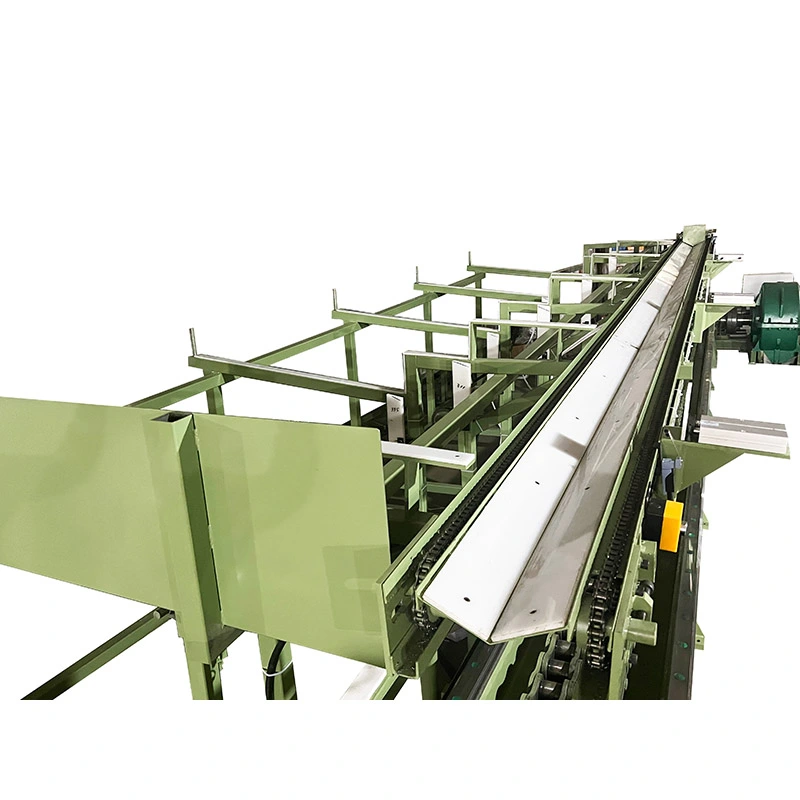
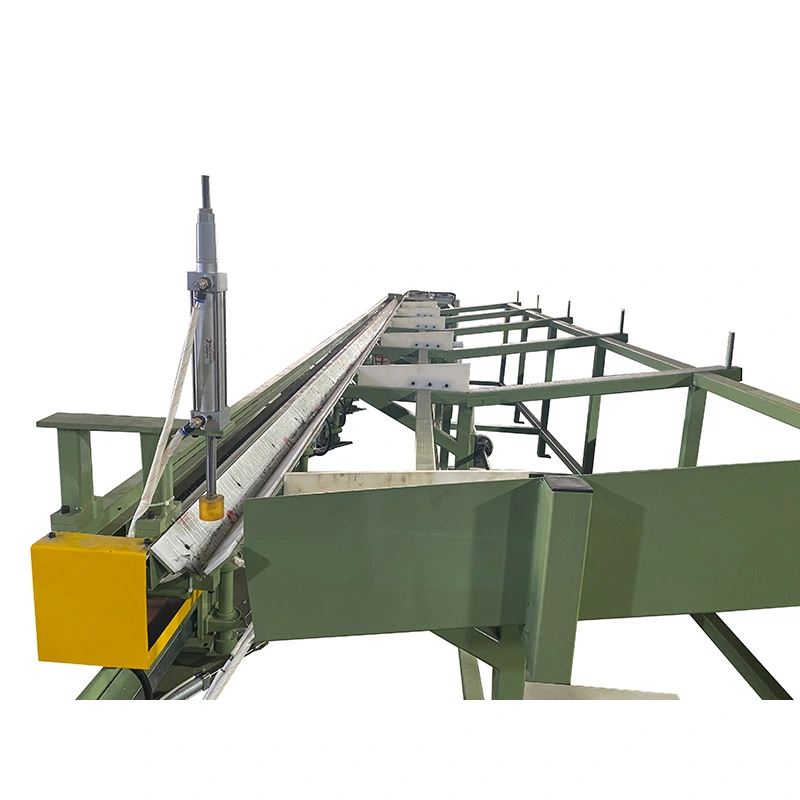
At the end of the stroke, the carriage returns to its starting position using the separate return drive. The drawn bar can then be removed manually or transferred to the next operation by an optional receiving system.
The chain pitch, gearbox and motor are selected according to the required drawing force. This matters when processing larger or higher-strength bars: an undersized drive can limit usable force, while excessive machine capacity adds unnecessary equipment cost.
Cold drawing is normally selected when hot-rolled, forged or extruded bar stock does not provide the dimensional consistency or surface condition required by the finished product. The die reduces the cross-section while increasing dimensional consistency and inducing work hardening.
For applications such as shafts, pins and precision fastener stock, diameter and roundness are often more important than maximum drawing speed. For high-volume commodity bar production, cycle time and the number of rods drawn per stroke become more important selection factors.
Surface improvement also depends on the incoming material. Cold drawing can improve the final surface by reducing the bar through the die, but it should not be treated as a guaranteed method for removing deep cracks, pits or subsurface defects. The quality of the incoming bar and the die condition remain important.
FR-series Rod Chain Cold Drawing Machines reach up to 28 m/min on the smaller models. This is useful when a bar producer runs many repeated drawing cycles and machine utilization is more important than maximum individual drawing force. For heavy alloy bars, the available drawing force and permissible reduction normally become the limiting factors, so the maximum speed is less important.
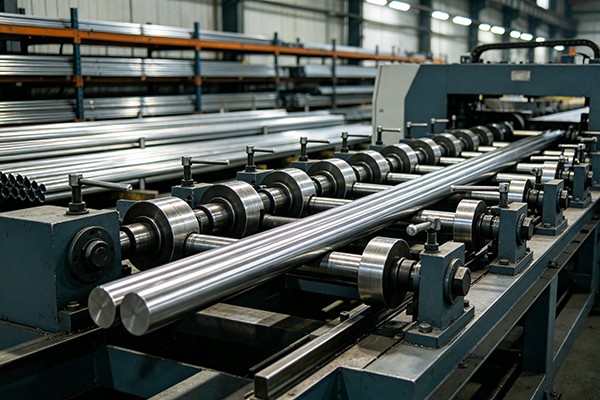
The machine can be configured for 1 to 5 rods simultaneously, subject to bar size, material and die-holder arrangement. Multi-rod drawing is especially useful for smaller-diameter products with stable incoming material because several pieces can be processed during one carriage movement. For large-diameter or high-strength bars, single-rod drawing may be more practical because the required drawing force and tooling space increase.
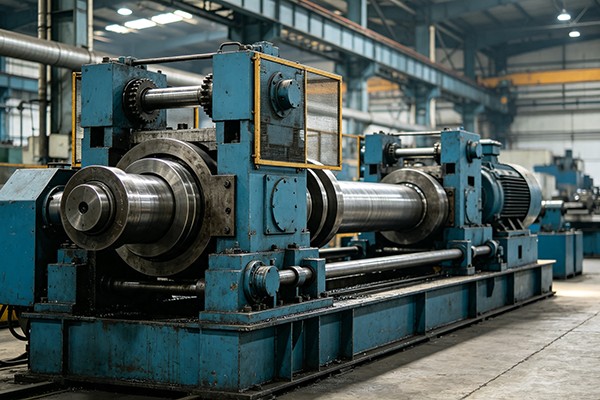
The drawing force is transmitted mechanically through the chain and reduction gearbox. The FR range uses different chain and gearbox configurations as machine capacity increases, from single-chain arrangements on smaller machines to double- and triple-chain configurations on higher-force models.
This configuration is useful for plants that prefer a straightforward mechanical transmission system and want to avoid installing a large hydraulic power unit. Chain tension, lubrication, sprocket condition and gearbox maintenance still need to be included in the plant's preventive maintenance plan.
A separate return motor brings the drawing carriage back after each stroke. This does not increase the drawing force, but it can reduce non-productive time between cycles. The benefit is most noticeable on repetitive production orders where the machine performs hundreds of similar strokes per shift.
Optional automatic feeding, cutting and receiving equipment can be integrated when the same bar specification is produced continuously. Automation is less critical for small-batch production with frequent size changes, where manual loading may provide greater flexibility and lower initial investment.
Do not select a machine only from the starting and finished diameter. Required drawing force depends on the material grade, actual cross-section reduction, work hardening, friction, die geometry, lubrication and the number of rods being drawn simultaneously.
As a practical starting point, provide the material grade, starting diameter, target diameter, required bar length, expected output and number of rods per stroke. These parameters allow the machine capacity and tooling arrangement to be checked before ordering.
| Model | Max. Drawing Force (kN) | Max. Travel (m) | Drawing Speed (m/min) | Return Motor (kW) | Reducer | Chain | Main Motor (kW) | Dimensions L×W×H (mm) |
| FR-16 | 7 | 7 | 28 | 0.75 | ZQ250 | 1.5" | 4 | 16000×110×1600 |
| FR-25 | 10 | 8 | 28 | 0.75 | ZQ400 | 2" | 7.5/11 | 17000×1200×1600 |
| FR-50 | 50 | 8 | 25 | 1.1 | ZQ500 | 2.5" | 22 | 17000×1300×1600 |
| FR-76 | 100 | 9 | 25 | 2.2 | ZQ650 | 3" | 30/37 | 17500×1350×1600 |
| FR-100 | 150 | 10 | 12 | 3 | ZQ850 | 4" | 45 | 18000×1400×1600 |
| FR-120 | 200 | 10 | 12 | 3 | ZQ850 | 3" double | 55 | 23000×2200×1800 |
| FR-150 | 400 | 10 | 10 | 3 | ZQ1000 | 4" double | 75 | 23000×2300×1800 |
| FR-180 | 600 | 10 | 10 | 4 | ZQ1250 | 5" double | 98 | 23000×2400×2000 |
| FR-200 | 800 | 10 | 10 | 4 | ZQ850×2 | 4" triple | 55×2 | 23000×3000×2000 |
| FR-250 | 1000 | 10 | 10 | 4 | ZQ1450 | 5" triple | 132 | 23000×2500×2000 |
Available configurations: 1–5 rods per stroke, customised drawing stroke, automatic feeder, automatic cutter and receiving rack. Tube-drawing tooling such as mandrels can also be supplied where the same drawbench configuration is required for tube applications.
Cold-drawn round bar is commonly used as feedstock for bolts, studs, pins, rivets and other turned or headed components. Consistent diameter is particularly useful when the downstream machine is sensitive to incoming bar size. For a fastener plant producing large batches of the same diameter, multi-rod drawing can provide a practical productivity advantage.
Applications include precision shafts, piston rods, valve stems and other round components requiring controlled diameter and a consistent surface. Here, the important machine parameters are usually drawing force, dimensional stability and repeatability rather than simply the highest possible drawing speed.
Bearing rollers, guide shafts, dowel pins and locating pins can benefit from controlled bar dimensions before subsequent grinding, turning or finishing. If grinding remains part of the production route, extremely fine drawing tolerances may be less important than stable and repeatable stock dimensions.
Tool steel, spring steel and alloy steel require greater attention to material strength, reduction per pass and lubrication. Heavy-duty FR models are available for higher drawing forces, while the actual pass schedule should be established from the material grade and required final dimensions rather than applying one reduction percentage to every steel grade.
Stainless steel, aluminium, copper, brass, titanium and nickel alloys can be processed when the material and die system are suitable. These materials do not behave the same way during drawing: work hardening, friction and lubrication can differ significantly, so the machine should be selected from the actual material and drawing schedule.
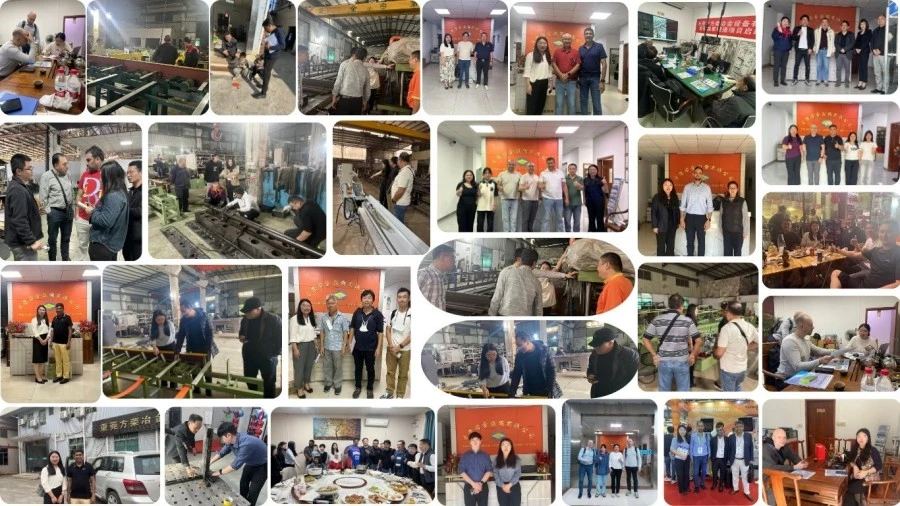
FangRong's engineering process starts with the customer's material, dimensions and production requirements. Die holder configuration, carriage arrangement, stroke, drawing force and optional automation are determined before manufacturing. This is important because the same nominal bar diameter can require different machine capacities when material strength and reduction are different.
The production process includes steel and component inspection, machining, gearbox and chain assembly, carriage assembly, final mechanical and electrical integration, PLC programming and machine testing. Guide rails are processed according to the stated production specification, with a listed straightness target of ≤0.3 mm/m.
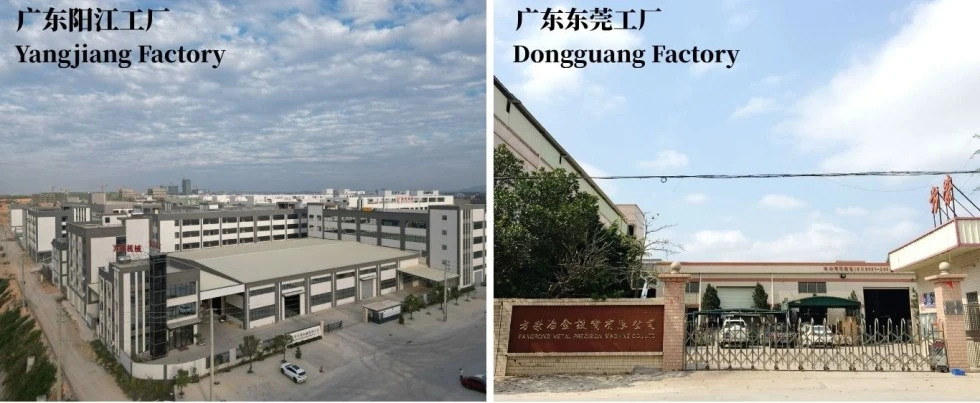
Machines are tested before shipment, including idle running and load testing. Where customer samples are available, actual material can be used to check the drawing cycle and machine operation. This provides a more useful acceptance reference than testing the mechanical system alone, particularly when the final result depends on the customer's material and die specification.
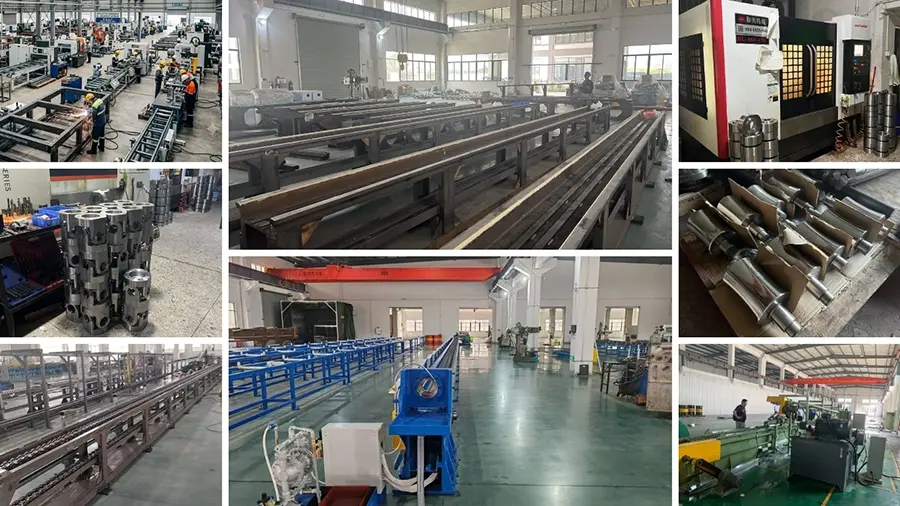
FangRong has been involved in chain-type cold drawing equipment since 1998. Its FR series has been developed around different drawing forces, chain arrangements, gearbox capacities and production requirements rather than using one machine configuration for every bar size.
Production is carried out through Dongguan Fangrong Metallurgical Equipment Co., Ltd. and Yangjiang Fangrong Machinery Co., Ltd. The two-site manufacturing arrangement supports production of standard drawbenches as well as larger machines and customised configurations.
Quality control covers incoming materials, machining, assembly, electrical integration, machine testing and final inspection. Inspection records and non-conformance handling are used to track manufacturing issues before equipment is packed for export.
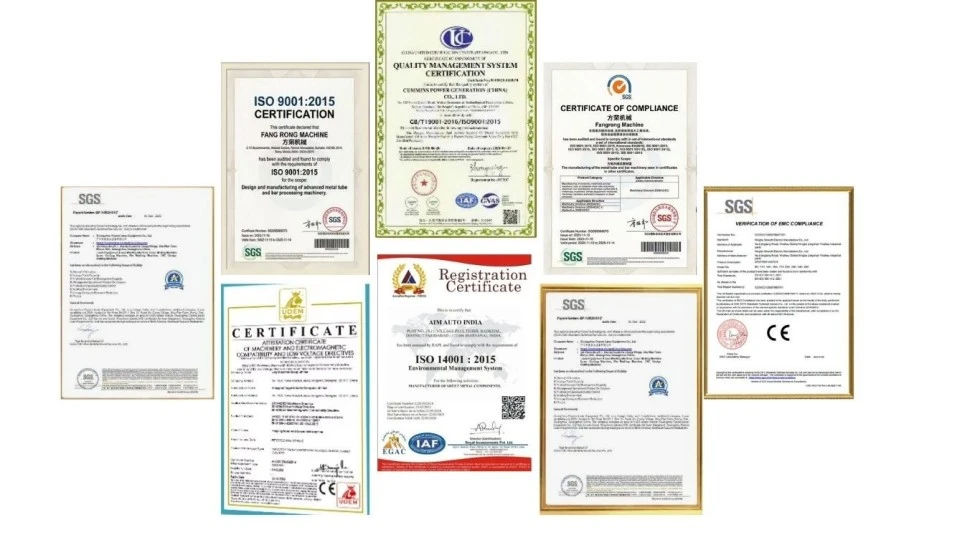
ISO 9001:2015 — Quality management system certification, Certificate No. UQ231211R1.
CE — Applicable machine configurations can be supplied to address European machinery safety requirements, including the relevant safeguarding and emergency-stop functions.
SGS inspection — Independent inspection can be arranged when required by the purchasing contract or customer quality procedure.
Patents — The company reports 32 invention patents and more than 100 utility model patents covering equipment and related mechanisms.
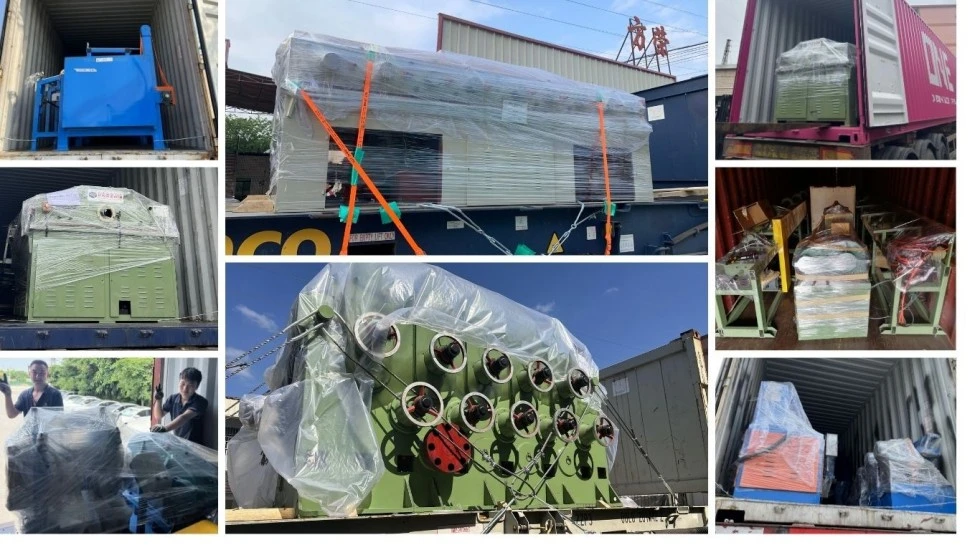
The Rod Chain Cold Drawing Machine package includes the main drawbench structure, main motor, reduction gearbox, chain drive, drawing carriage, die holder and PLC control system with HMI. Standard tooling is included according to the confirmed configuration; dies for a customer's specific material and finished size are quoted according to the actual drawing requirement.
Before shipment, the customer should confirm the installation space, electrical supply, material handling arrangement, foundation or anchor requirements, incoming bar preparation and downstream equipment. Foundation drawings and anchor-bolt information can be supplied for installation planning.
MOQ: 1 set. Pricing is quoted according to machine model and configuration. For multiple-machine purchases, quantity-based pricing is available as follows:
1 set: standard project quotation based on the selected FR model and configuration.
2–4 sets: quantity-based discounted quotation available according to the confirmed models and options.
5+ sets: project or volume quotation available after confirming the complete equipment list and delivery schedule.
Standard orders: approximately 30–60 days for FR-16 to FR-100 after receipt of the agreed down payment and technical confirmation.
Large or customised orders: approximately 90–120 days for FR-150 and above, or machines requiring special automation or customised engineering.
Expedited orders: priority production may be evaluated according to factory capacity, component availability and the required configuration. Any shortened delivery date should be confirmed in writing before the order is placed.
Standard payment terms are 30% deposit and 70% before shipment after factory acceptance testing. The standard warranty period is 12 months from commissioning, subject to the final sales contract.
The listed application range is approximately Ø5 to Ø250 mm for solid round bars. The practical range depends on material strength, starting size, finished size and required reduction, so diameter alone should not be used to select the machine.
The Rod Chain Cold Drawing Machines can be configured for carbon steel, alloy steel, stainless steel, tool steel, spring steel, aluminium, copper, brass, titanium, nickel alloys and other suitable metals. The die material, lubricant and drawing schedule should be matched to the material.
Up to 5 rods per stroke can be configured where the bar size, drawing force and die-holder layout permit it. Multi-rod operation is most beneficial for stable, repetitive production rather than frequently changing small batches.
For conventional bar drawing, the rod end normally needs to be reduced so it can enter the die and be gripped by the drawing carriage. A separate pointing machine or integrated pointing equipment can therefore be required depending on the customer's incoming bar condition and production line.
Start with the material grade, starting diameter, finished diameter, reduction per pass and required output. The machine should then be checked against the calculated drawing force, stroke and number of rods per cycle. A larger machine is not automatically better if the production requirement does not need its additional force capacity.
Yes. Manual loading can be used for flexible production with frequent product changes. Automatic feeding and receiving become more valuable when the same diameter and material are produced continuously and labour reduction or cycle time is a major concern.
The standard machine includes tooling according to the confirmed supply configuration. Dies for specific customer dimensions should be specified separately because die geometry and material depend on the rod grade, reduction and finished size.
Yes, customer-supplied samples can be used for factory testing when arranged in advance. Providing the actual rod material and target dimensions is recommended when dimensional performance and the drawing schedule are critical to the project.
Address
NO.163,Shatong Road,Shabu 2nd Industrial Zone, Dalang Town, Dongguan City, Guangdong, China