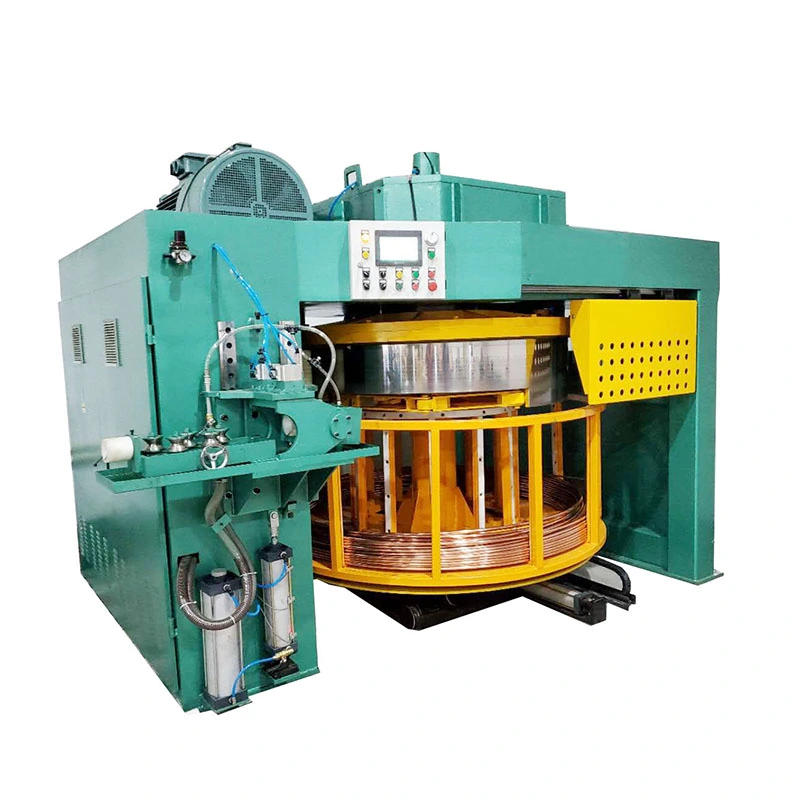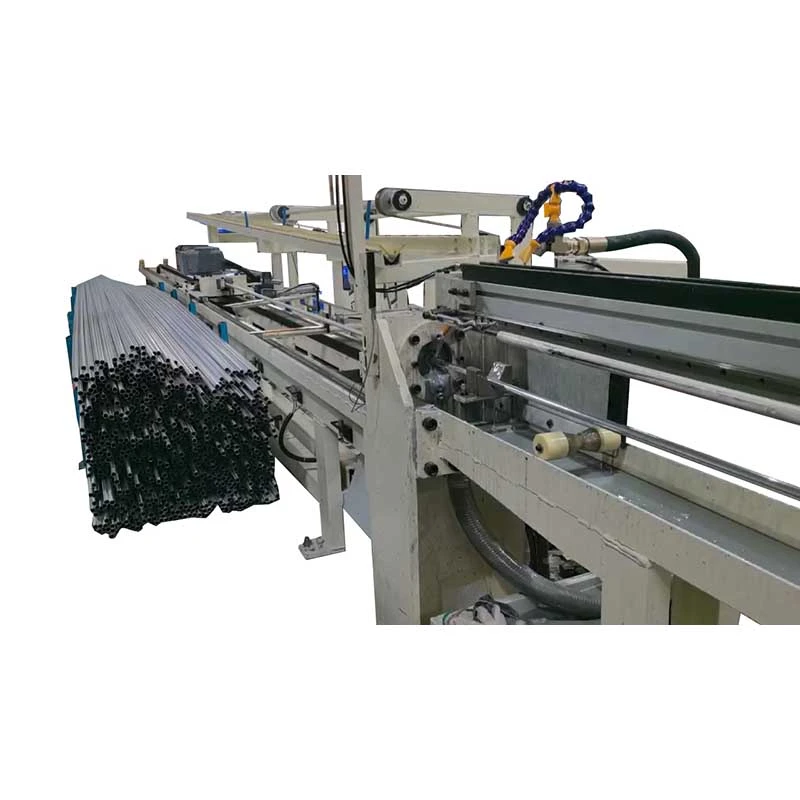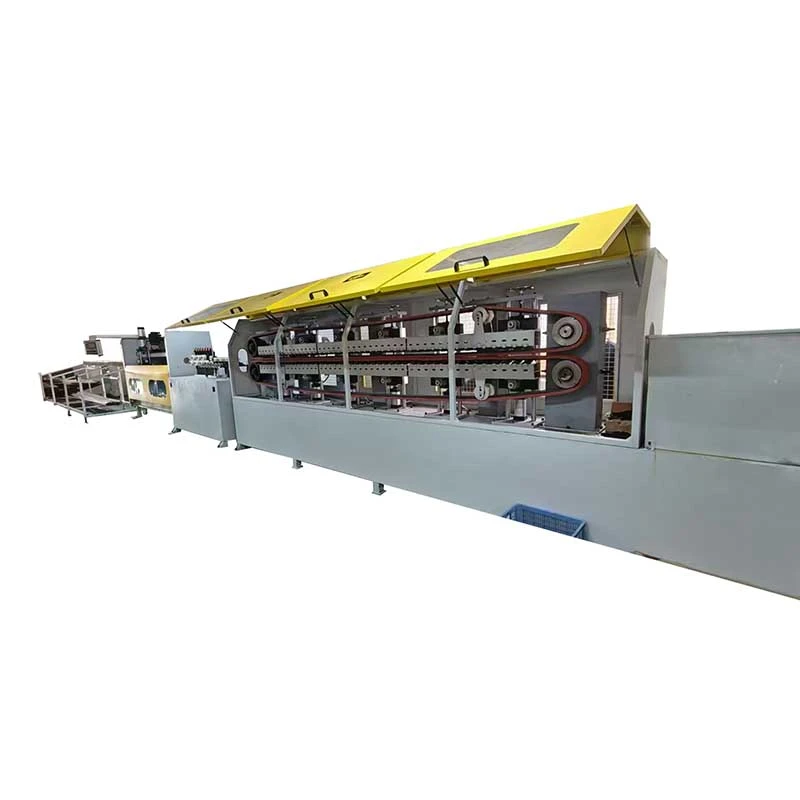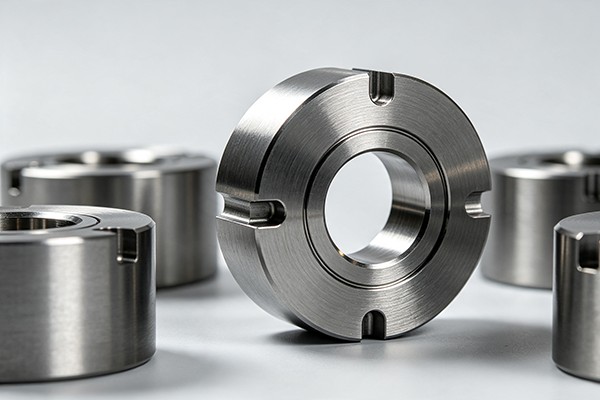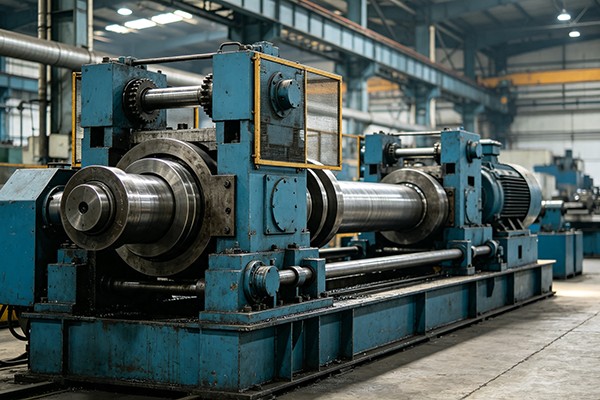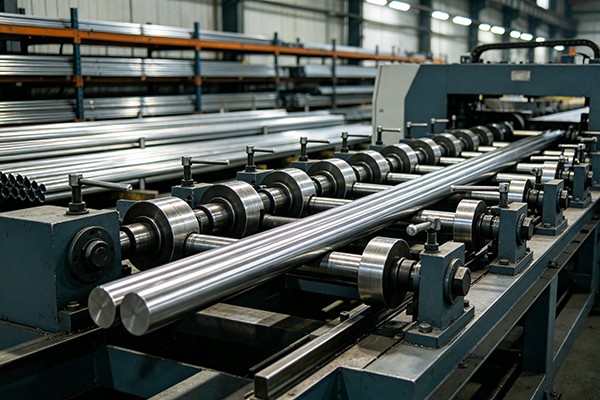

We offer a comprehensive range of precision metal processing equipment, including straightening, cold drawing, pointing, chamfering, cutting, thread rolling machines, and drawing dies, tailored for tube, bar, and wire materials across diverse industries.
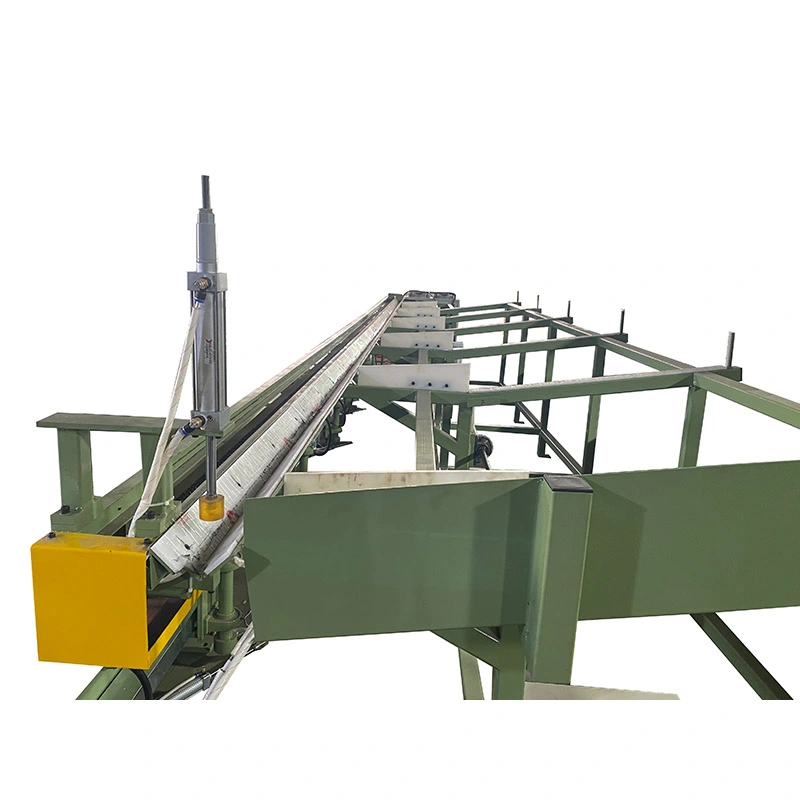
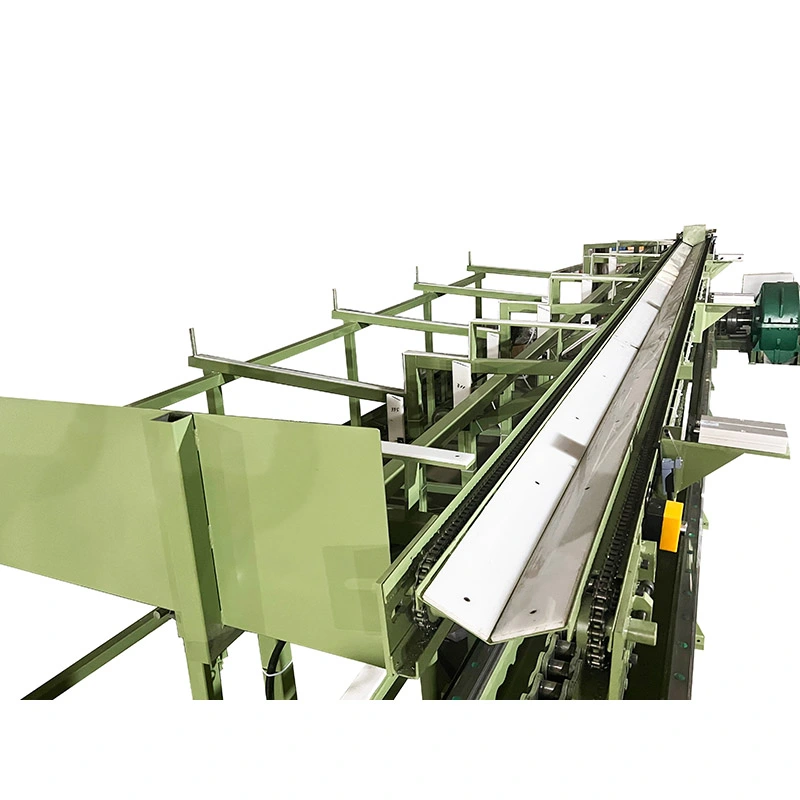
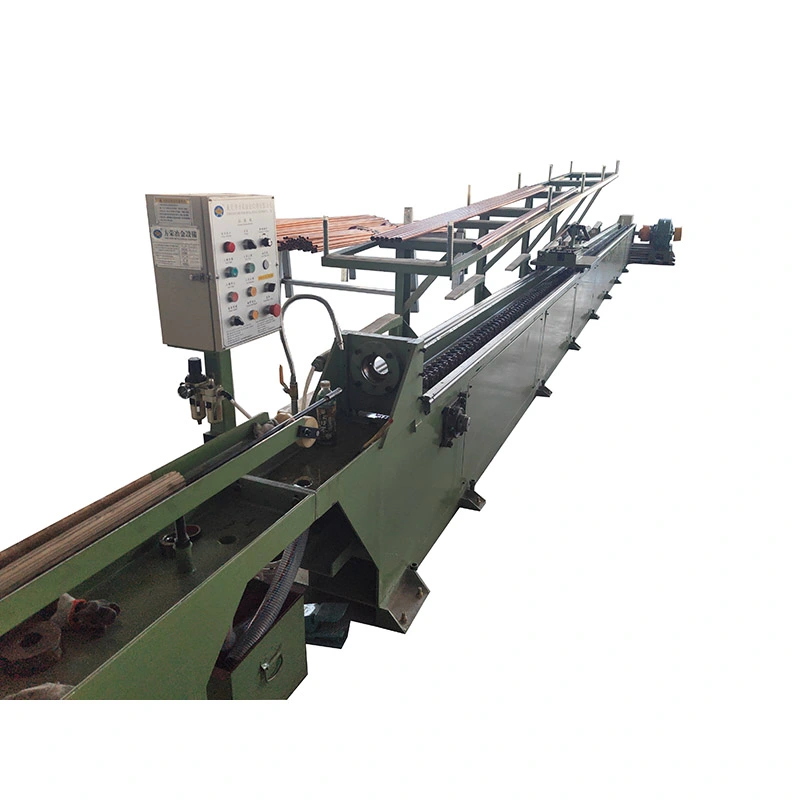
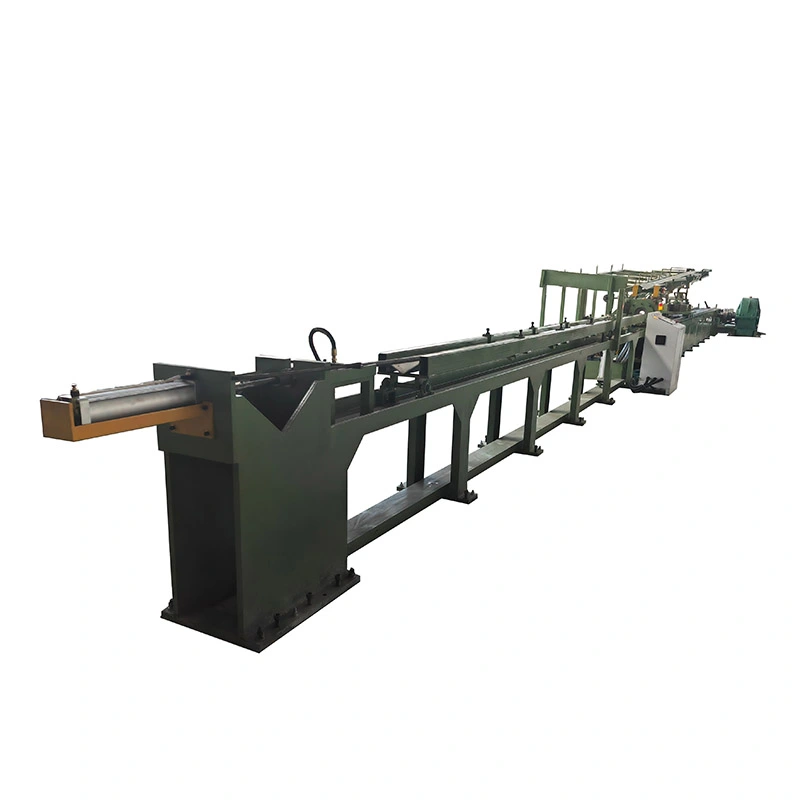
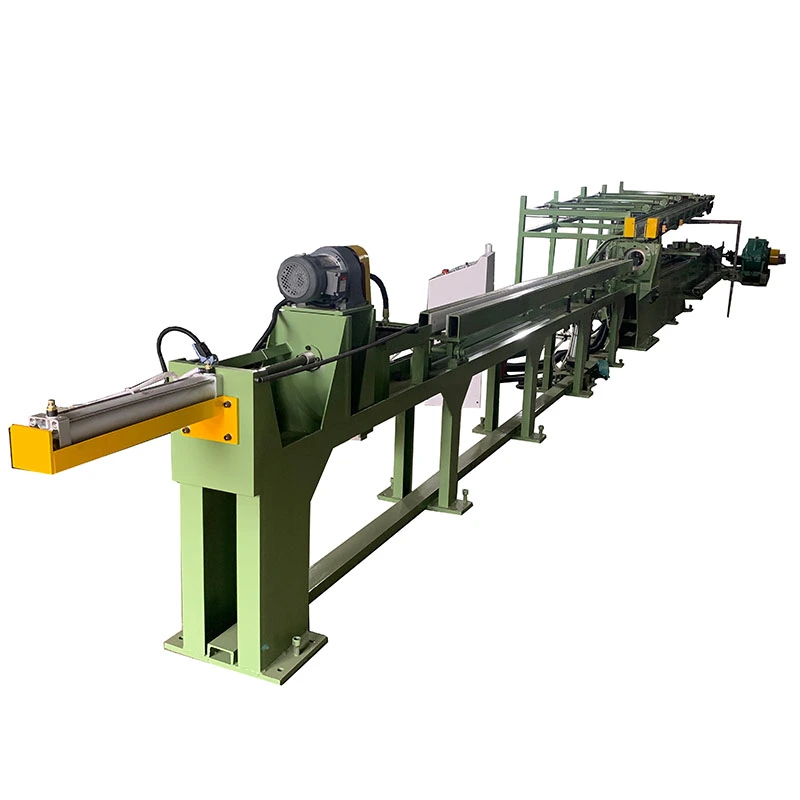
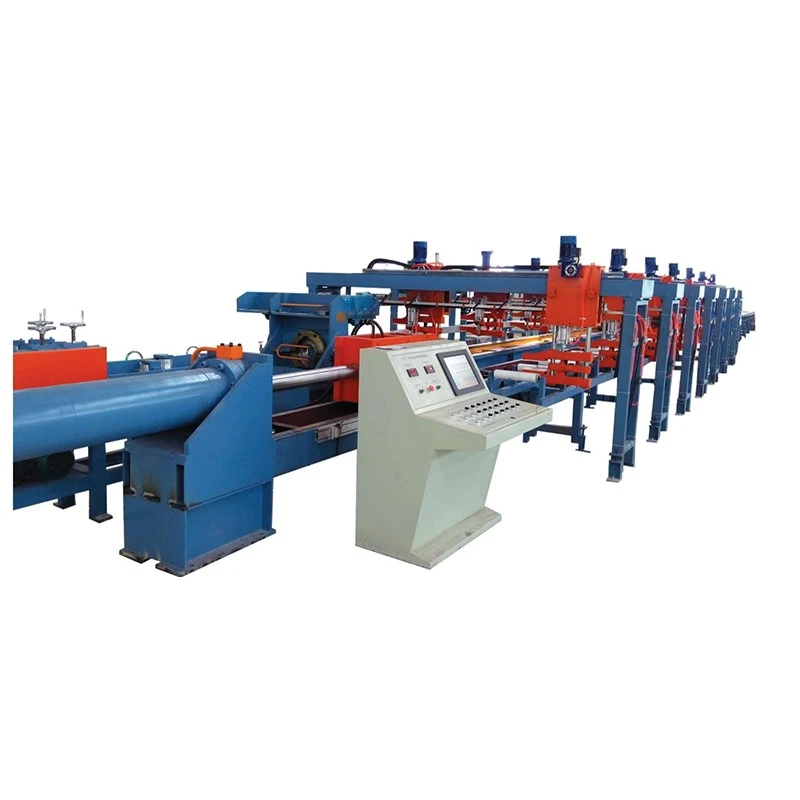
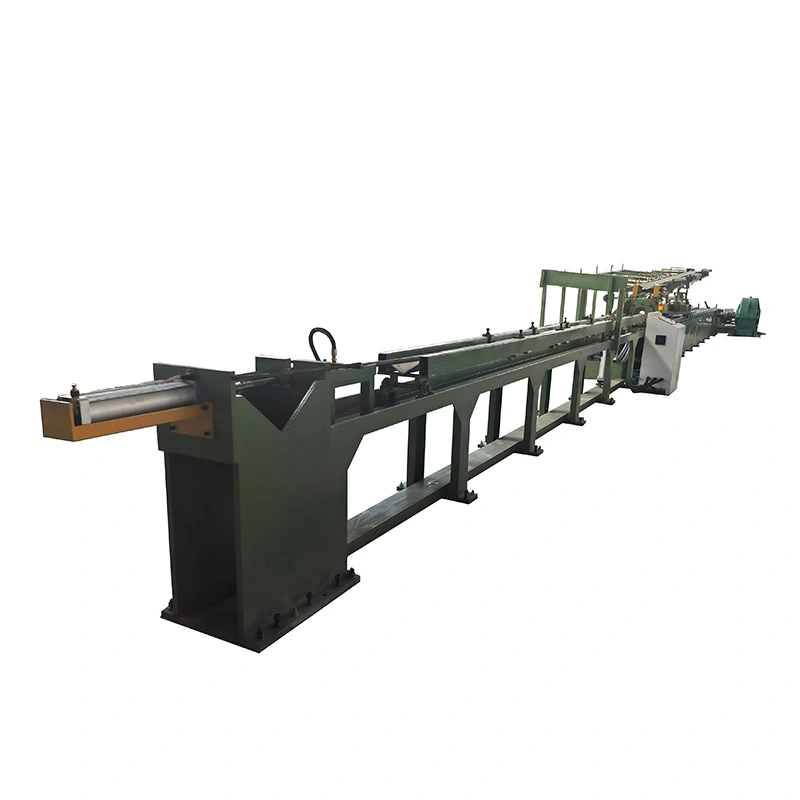
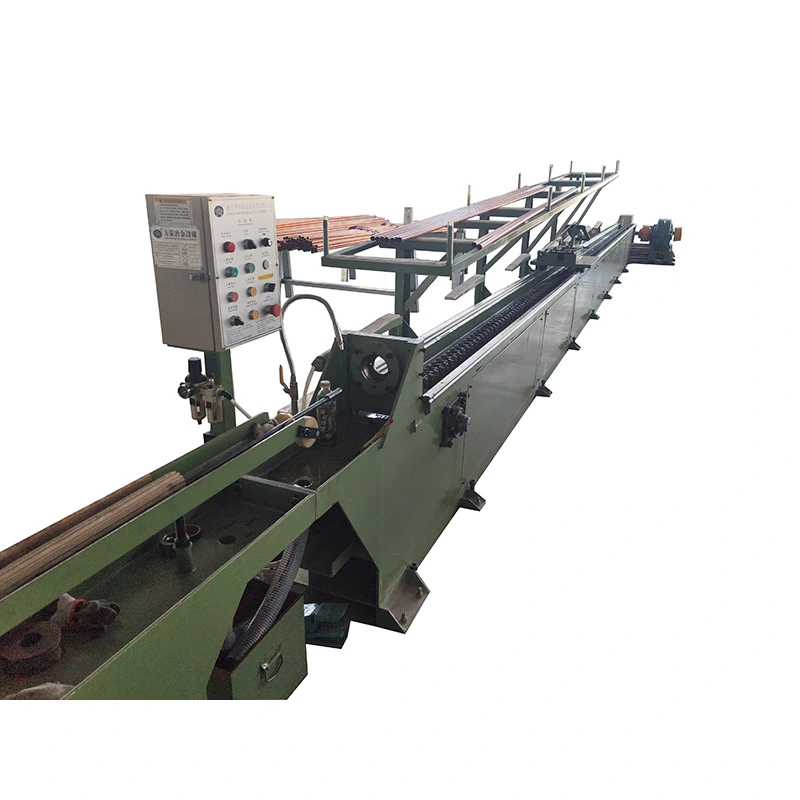
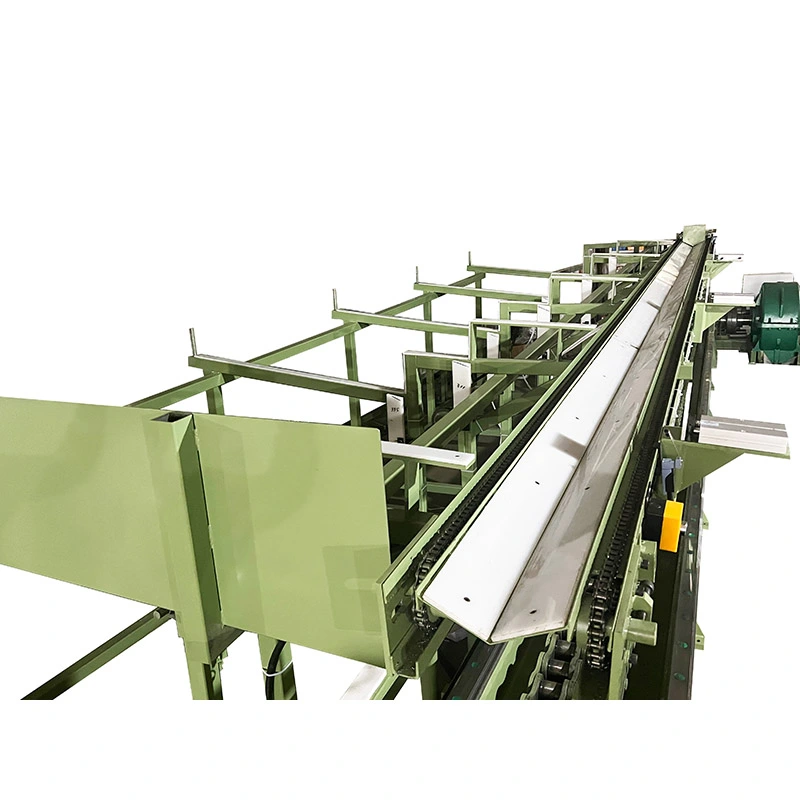
The Irregular Chain Cold Drawing Machine converts round tubes or solid bars into square, rectangular, hexagonal, octagonal, oval, channel, angle, T-shaped, and custom asymmetric profiles through controlled cold drawing. The chain-driven drawbench provides 7–1000 kN drawing force, speeds up to 28 m/min, and strokes up to 10 m. Multi-strand configurations can draw 1–5 pieces at once, while precision dies control profile dimensions, corner definition, and surface finish. Suitable for carbon steel, stainless steel, alloy steel, copper, aluminum, titanium, and other specialty alloys.
The Irregular Chain Cold Drawing Machine is a mechanical drawbench for cold drawing non-round tubes and solid profiles through a precision die. It is designed for square, rectangular, hexagonal, octagonal, oval, channel, angle, T-section and other custom asymmetric profiles that require tighter dimensions, controlled corner geometry and a more consistent surface than hot-formed material can normally provide.
The main problem this machine solves is not simply changing the shape of a metal section. It allows manufacturers to start with a suitable round tube or bar and use controlled cold deformation to obtain a finished irregular profile with more predictable dimensions and surface condition. This is particularly useful for hydraulic cylinder tubes, structural profiles, precision mechanical parts, copper and aluminium sections, automotive components and specialty-alloy products where a subsequent machining operation would otherwise be required.
FangRong's FR series covers 10 standard models from FR-16 to FR-250, with maximum drawing forces from 7 to 1000 kN and drawing speeds up to 28 m/min. Depending on the model, tooling and product dimensions, 1 to 5 tubes or bars can be drawn simultaneously. The machine can also be configured with automatic feeding, cutting and receiving equipment for repetitive production.
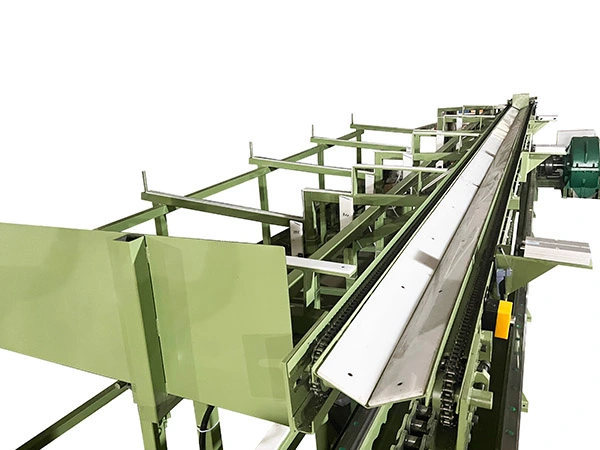
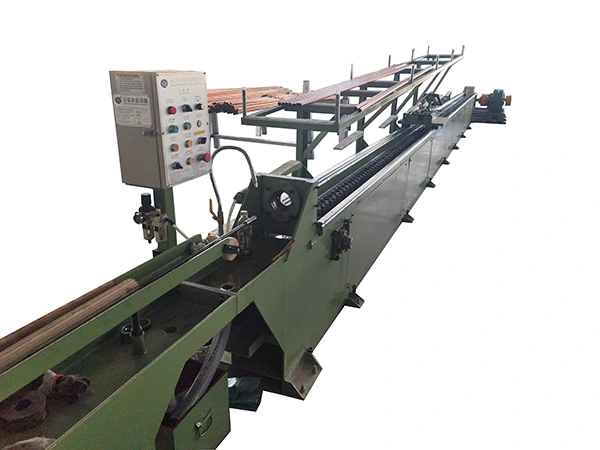
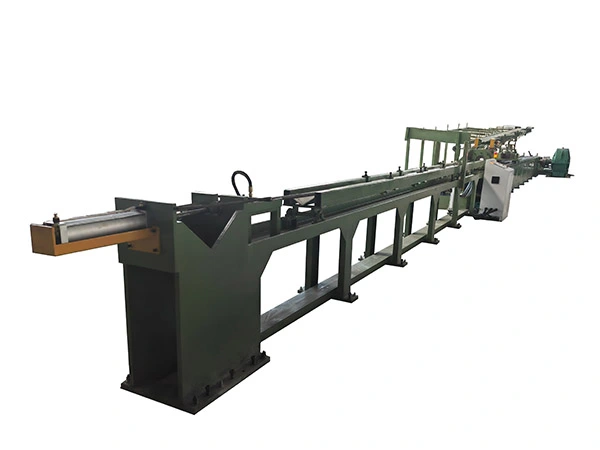
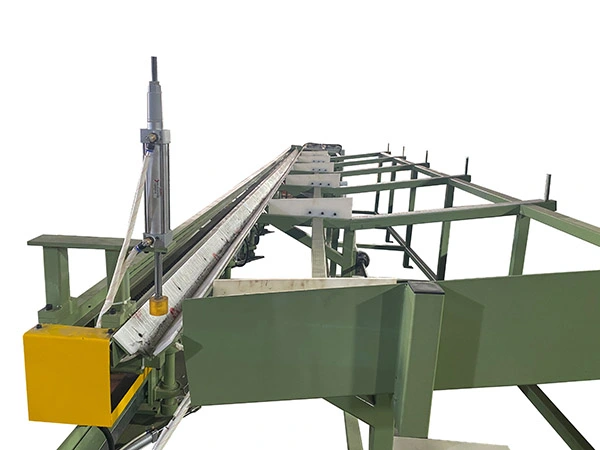
Hot rolling and extrusion are effective for producing basic profiles, but they may not provide the dimensional accuracy, surface condition or corner definition required by precision applications. If the finished section is subsequently machined, the manufacturer also has to account for additional material removal, machining time and scrap.
Cold drawing changes the section through a die under controlled pulling force. The die defines the outside profile while the drawing reduction provides dimensional sizing and work hardening. For hollow profiles, a mandrel or plug can also be used to control the internal dimensions and wall distribution.
This process is most valuable when the customer needs a repeatable finished profile rather than simply a rough structural shape. For example, a manufacturer producing square hydraulic-cylinder tubes may use cold drawing to bring the outside dimensions and internal geometry closer to the final requirement before honing or other finishing operations. If the product is a simple low-precision structural section, however, hot forming may remain the more economical process.
The process normally starts with a prepared round tube or solid bar. The leading end is reduced or pointed so it can enter the drawing die and be gripped by the carriage. The workpiece then passes through a non-round die while the chain-driven carriage pulls it along precision-guided rails.
As the material moves through the die, its cross-section is reduced and reshaped simultaneously. The material flows into the die cavity, forming the required square, rectangular, hexagonal or custom geometry. For hollow sections, the internal mandrel or plug controls the bore and helps manage wall-thickness distribution.
The chain drive, reduction gearbox and carriage must work as one system. If the pulling force is unstable or the carriage is poorly aligned, corner dimensions, straightness and surface quality can become inconsistent. This is why machine capacity should be selected from the actual material and reduction schedule rather than from finished profile dimensions alone.
Typical production scenario: a customer producing precision rectangular tubes can use a multi-strand configuration when several tubes share the same material and drawing schedule. This increases output per drawing stroke. If the customer frequently changes profile dimensions, a single-strand setup may be more practical because die changes and setup adjustments are simpler.
| Production Problem | How Cold Drawing Helps | When It Matters Most |
|---|---|---|
| Loose dimensions after hot forming | The drawing die sizes the section during cold deformation. | Important for components requiring controlled assembly clearance or machining allowance. |
| Irregular corner geometry | The die controls the external profile and corner shape. | Important for square, rectangular and custom profiles used as mating or structural components. |
| Additional machining after forming | A closer-to-finished profile can reduce subsequent machining. | Most valuable when machining is a significant part of the existing production cost. |
| Inconsistent wall distribution in hollow profiles | Mandrel or plug tooling provides internal support during drawing. | Important for pressure tubes, cylinder tubes and precision hollow sections. |
| Low output from single-piece processing | Multi-strand tooling can draw several pieces in one stroke. | Useful for high-volume products with stable dimensions and repeatable tooling. |
1. Precision Control of Non-Round Profiles
The die and guided drawing carriage control the profile as the material passes through the drawing zone. This is particularly useful for rectangular and square sections where width, height and corner dimensions all affect assembly. In a typical structural or mechanical component application, tighter profile control can reduce the amount of corrective machining after drawing.
2. Drawing Speed up to 28 m/min
Chain-driven drawbenches can provide high drawing speeds on suitable materials and smaller profiles. Higher speed is useful when the same product is manufactured continuously in large quantities. It is less important for high-strength alloys or difficult-to-draw materials where lubrication, die wear and deformation stability may limit the practical drawing speed.
3. 1 to 5-Strand Drawing
Multiple profiles can be drawn during one carriage stroke when the product dimensions and die arrangement allow it. For a copper, aluminium or steel profile manufacturer running thousands of similar pieces, multi-strand drawing can increase output without increasing the linear drawing speed. For low-volume orders with frequent size changes, single-strand drawing may provide easier changeover.
4. Controlled Surface Condition
Cold drawing can improve the surface condition of a suitably prepared workpiece because the material passes through a precision die rather than remaining in a hot-formed condition. However, it should not be described as automatically removing every crack, pit or defect. Surface quality after drawing still depends on incoming material condition, pickling or surface preparation, lubrication, die condition and the selected reduction.
5. Internal Control for Irregular Tubes
For hollow profiles, mandrel or plug tooling controls the internal geometry while the external die defines the outside shape. This is important for hydraulic and pneumatic cylinder tubes where internal clearance and wall distribution directly affect subsequent machining and operating performance.
6. Heavy-Duty Chain and Gearbox Drive
The FR series uses different chain pitches and gearbox configurations according to drawing-force requirements. Larger chain systems are intended for heavier loads. For a high-strength steel profile requiring substantial pulling force, chain capacity and gearbox selection become more important than maximum drawing speed.
7. Separate Carriage Return Drive
The return motor moves the carriage back to the starting position after the drawing stroke. This does not increase the deformation capacity of the machine, but it reduces non-drawing time and therefore matters more on repetitive production runs than on small-batch production.
8. Optional Production Automation
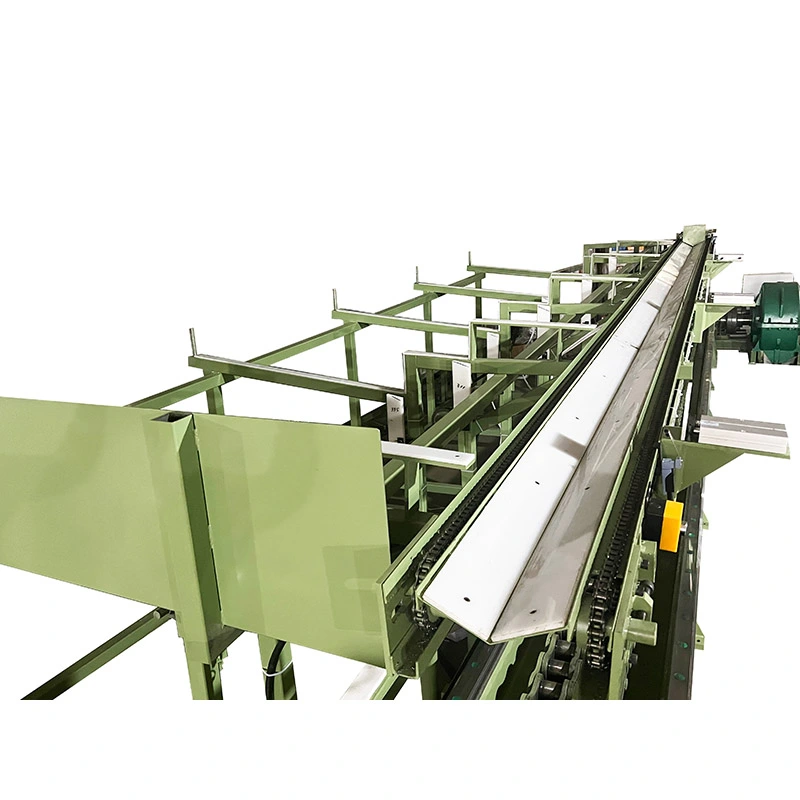
Automatic feeding, cutting and receiving systems can be integrated according to the production layout. Automation is most useful when product dimensions remain stable for long production runs. For prototype work or frequent profile changes, manual loading can be more economical.
When selecting a model, the most important parameters are required drawing force, product dimensions, material strength, reduction per pass, drawing speed, stroke length and number of strands. Drawing force should be calculated from the actual process rather than using a simple cross-sectional-area formula alone, because die friction, material condition, deformation geometry and lubrication all affect the required force.
| Model | Max. Drawing Force (kN) | Max. Drawing Travel (m) | Drawing Speed (m/min) | Return Motor (kW) | Reducer | Chain Pitch | Main Motor (kW) |
|---|---|---|---|---|---|---|---|
| FR-16 | 7 | 7 | 28 | 0.75 | ZQ250 | 1.5" | 4 |
| FR-25 | 10 | 8 | 28 | 0.75 | ZQ400 | 2" | 7.5 / 11 |
| FR-50 | 50 | 8 | 25 | 1.1 | ZQ500 | 2.5" | 22 |
| FR-76 | 100 | 9 | 25 | 2.2 | ZQ650 | 3" | 30 / 37 |
| FR-100 | 150 | 10 | 12 | 3 | ZQ850 | 4" | 45 |
| FR-120 | 200 | 10 | 12 | 3 | ZQ850 | 3" Double | 55 |
| FR-150 | 400 | 10 | 10 | 3 | ZQ1000 | 4" Double | 75 |
| FR-180 | 600 | 10 | 10 | 4 | ZQ1250 | 5" Double | 98 |
| FR-200 | 800 | 10 | 10 | 4 | ZQ850 × 2 | 4" Triple | 55 × 2 |
| FR-250 | 1000 | 10 | 10 | 4 | ZQ1450 | 5" Triple | 132 |
Standard configuration: mandrel system for tube drawing, main drive, reduction gearbox, drawing carriage, die holder and control system. Automatic feeder, cutter and receiving rack are optional. Number of strands: 1–5. Drawing stroke and tooling can be customized according to the production requirement.
The machine model should be selected according to the maximum calculated drawing force with an appropriate operating margin. A simple calculation based only on area reduction and yield strength is not sufficient for irregular profiles because the material is also being reshaped inside the die.
For example, a low-carbon-steel rectangular tube with moderate reduction may operate comfortably on a smaller FR model, while a stainless-steel or nickel-alloy profile with the same finished dimensions can require considerably more drawing force. The practical selection should therefore consider material strength, initial and final section, die geometry, friction, lubrication, reduction schedule and production speed.
Typical customer scenario: when a manufacturer changes from round-to-rectangular drawing to a more complex asymmetric section, the machine may require a higher force rating even if the finished cross-sectional area is similar. This is because the material must flow further into the corners and around the changing section geometry.
Square, rectangular and other non-round cylinder tubes require controlled internal and external dimensions because the final clearance and wall thickness affect honing, sealing and operating performance. A customer producing these tubes can use mandrel-assisted drawing to reduce the amount of correction required before finishing.
Rectangular, oval and custom sections are used in structural components, steering-related parts, battery cooling systems and other vehicle applications. When thousands of identical profiles are required, multi-strand drawing and automatic feeding can improve output. For low-volume prototype production, these automation options may not justify the additional investment.
Copper and aluminium rectangular sections are used for busbars, connectors and thermal-management components. Dimensional consistency is important where the profile must fit a predefined electrical or mechanical assembly. Drawing speed is usually less important than surface condition, dimensional repeatability and material deformation control.
Square and rectangular bars can be used for guide components, machine structures, telescopic parts and other mechanical assemblies. Cold drawing is useful when the profile must maintain a controlled external dimension over a long length rather than simply meet a rough structural specification.
Titanium, nickel alloys and high-strength steels can require carefully controlled reductions because excessive deformation in one pass can increase work hardening and affect tooling life. In these applications, the machine should be selected together with the die design and pass schedule rather than by finished profile size alone.
Stainless steel and titanium hexagonal or custom profiles can be cold drawn when repeatable dimensions and surface quality are required for subsequent machining or forming. For medical applications, however, the required material certification and surface specification should be confirmed separately with the buyer's quality department.
Custom square, oval and asymmetric profiles can be used for furniture frames, displays and architectural components. Here, appearance and dimensional repeatability can be more important than maximum drawing force, making a smaller high-speed FR model preferable when the material is easy to draw.
For high-volume square tubes: use multi-strand tooling when several tubes share the same dimensions and drawing schedule. The main productivity gain comes from processing several pieces per stroke rather than simply increasing machine speed.
For thick-wall stainless steel profiles: prioritize drawing force, carriage rigidity, die material and lubrication before maximum speed. Running too aggressively can increase die wear and surface defects.
For hydraulic cylinder tubes: pay particular attention to mandrel selection, wall-thickness distribution and the amount of finishing allowance remaining after drawing. The machine should be matched to the complete tube-finishing process rather than considered as an isolated operation.
For aluminium and copper profiles: higher drawing speed can be useful for production efficiency, but die condition and lubrication remain important because surface marks can become visible on finished electrical or decorative products.
The machine can be supplied with:
A fully automatic line is normally justified when the same profile is produced continuously and manual loading becomes a significant part of the labour cost. If the customer produces many different profiles in small batches, a semi-automatic configuration can reduce changeover complexity and initial investment.
The standard Irregular Chain Cold Drawing Machine package is configured according to the confirmed FR model and project specification. The main machine includes the drawing drive, reduction gearbox, chain system, carriage, die holder and control system. Tube-drawing configurations include the required mandrel arrangement.
Profile-specific dies, special mandrels, automatic feeding, cutting and receiving equipment are normally configured according to the customer's production requirements. Before shipment, the machine is assembled and function-tested. Where customer samples are available, trial drawing can be arranged to verify the selected process configuration before dispatch.
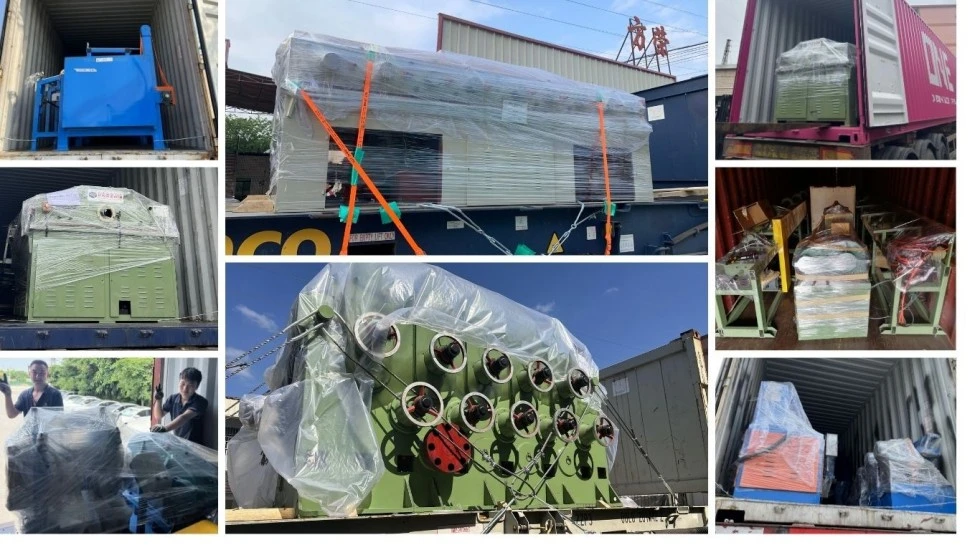
For export shipment, major components are protected against moisture and corrosion and packed according to the agreed transportation method. Foundation drawings, installation information and commissioning requirements are supplied as part of the project documentation.
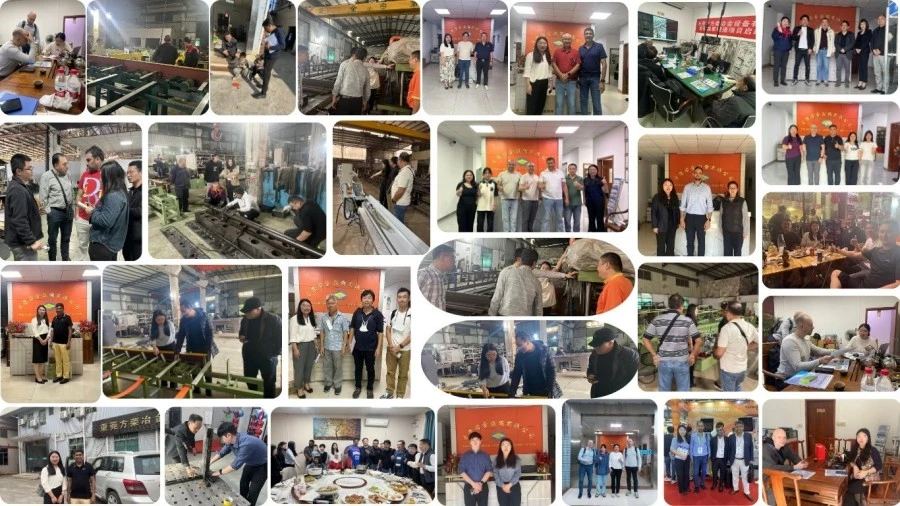
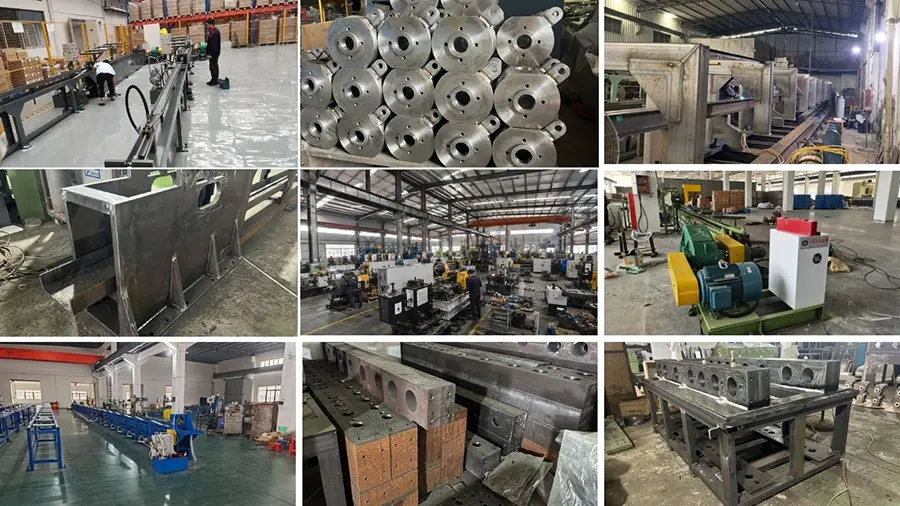
FangRong's manufacturing process covers application engineering, raw-material inspection, machining, mechanical assembly, electrical integration, PLC programming, testing and final inspection. For a long-stroke drawbench, guide alignment and carriage travel are especially important because small alignment errors can affect the profile over the entire drawing length.
Factory testing can include idle running, rated-load testing, chain and carriage inspection, vibration and noise monitoring, oil-temperature checks, electrical safety checks and dimensional inspection of trial products when samples are provided.
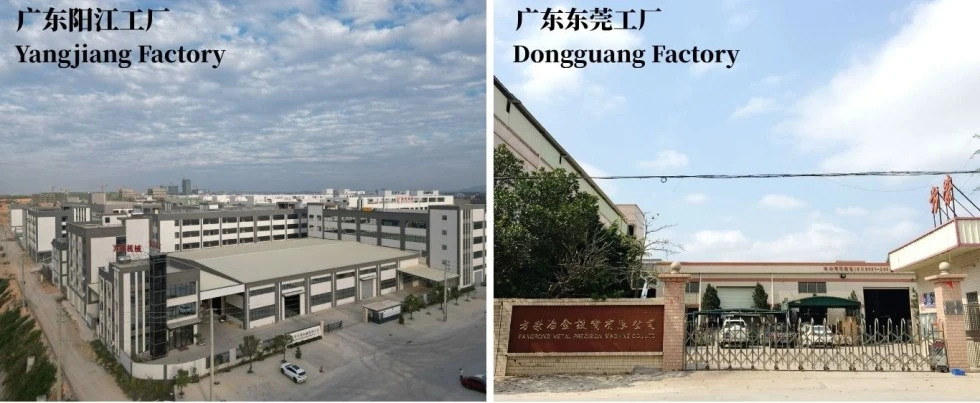
Dongguan Fangrong Metallurgical Equipment Co., Ltd. is based in Dalang Town, Dongguan City and serves as a main manufacturing base for cold drawing and related metal-forming equipment.
Yangjiang Fangrong Machinery Co., Ltd. is located in Yangdong District, Yangjiang City and provides additional manufacturing capacity for larger and customized equipment projects.
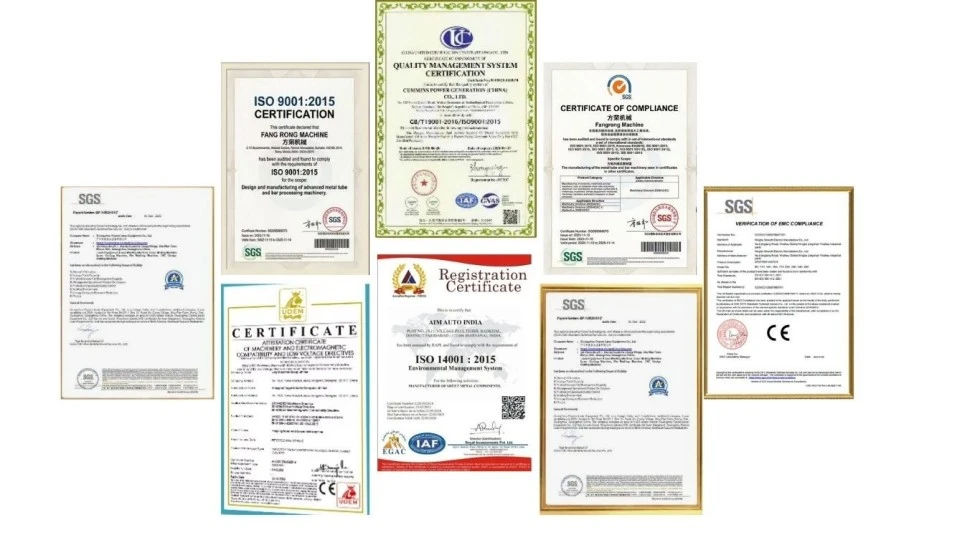
ISO 9001:2015 — Quality management system. Certificate No. UQ231211R1.
CE Marking — Equipment for applicable European-market configurations can be supplied to meet the relevant requirements of the Machinery Directive 2006/42/EC, with applicable machinery safety measures incorporated according to the machine configuration.
SGS Inspection — Third-party inspection can be arranged when required by the purchase contract or project.
Patents — FangRong has reported invention and utility-model patents covering areas such as chain tensioning, multi-strand die holders and mandrel systems. Patent documentation can be provided for verification when required.
UL: UL certification is not included as a standard claim for this machine. If UL-listed electrical components or a specific UL compliance package is required for the destination market, the requirement should be confirmed before quotation so the electrical configuration can be designed accordingly.
| MOQ | 1 set |
|---|---|
| Tier 1 Price | 1 set — standard quoted unit price |
| Tier 2 Price | 2–4 sets — quantity-based discounted price available by quotation |
| Tier 3 Price | 5+ sets — project/volume quotation available |
| Payment Terms | 30% deposit; 70% balance before shipment after factory acceptance testing, unless otherwise agreed in the sales contract. |
| FOB | The exact departure port must be confirmed in the commercial quotation and sales contract before publication. |
| Standard Order Lead Time | Approximately 30–60 days for standard FR-16 to FR-100 configurations; larger or customized machines may require approximately 90–120 days. |
| Expedited Order Lead Time | Expedited production is available subject to current factory capacity, machine model and component availability. The confirmed expedited delivery date is stated in the quotation after order review. |
| Warranty | 12 months from commissioning under the agreed warranty conditions. |
| Installation | Installation supervision, commissioning and operator training can be provided according to the project scope. |
The Irregular Chain Cold Drawing Machine can be configured for square, rectangular, hexagonal, octagonal, oval, channel, angle, T-section and custom asymmetric profiles. The actual profile range depends on the available drawing force, die dimensions, material and tooling design.
Yes. Solid bars use solid-profile dies and appropriate gripping arrangements, while tubes use a die together with the required mandrel or plug configuration. The tooling should be selected according to the starting and finished dimensions.
Provide the material grade, starting dimensions, finished profile drawing, reduction per pass, product length and target output. FangRong can calculate the required drawing force and recommend a suitable model. Finished profile size alone is not sufficient for accurate machine selection.
Up to five strands can be configured where the machine model, carriage width, die arrangement and product dimensions allow it. Multi-strand drawing is most economical for high-volume products with the same material and process schedule.
There is no universal reduction percentage. Material strength, section geometry, die design, lubrication and work hardening all affect the allowable reduction. A conservative multi-pass schedule may be required for high-strength stainless steel, titanium or nickel alloys.
Conventional chain drawing normally requires the leading end to be reduced sufficiently for die entry and carriage gripping. A separate pointing machine may therefore be required unless the production line uses another approved end-preparation method. Pointing equipment can be integrated into an automated line when required.
The standard supply normally includes the main drawing machine, drive system, gearbox, chain, carriage, die holder, control system and tube mandrel arrangement where applicable. Profile-specific dies, special mandrels and automatic feeding, cutting or receiving equipment are configured separately according to the project.
Standard FR-16 to FR-100 machines generally require approximately 30–60 days. FR-150 and larger machines, customized configurations and special automation may require approximately 90–120 days. Expedited delivery is evaluated individually according to production capacity and component availability.
Please provide the material grade, starting section, finished profile drawing or dimensions, wall thickness for tubes, product length, required output, number of strands and preferred automation level. A sample or CAD drawing is useful when the profile is asymmetric or has tight corner requirements.
Yes. The machine configuration and electrical system can be adapted to the destination market. CE requirements under Machinery Directive 2006/42/EC can be addressed for applicable European configurations. If UL-related electrical requirements apply, they should be specified before production so the control components and electrical design can be selected accordingly.
Where project conditions permit, sample-based process evaluation can be arranged. Providing the actual material and finished-profile requirements allows the drawing force, tooling and pass schedule to be assessed more accurately than relying only on theoretical calculations.
The buyer should confirm foundation strength, machine footprint, drawing-stroke clearance, electrical capacity, material feeding space, product receiving area and crane or lifting access. FangRong can provide foundation and installation information according to the final machine configuration.
For an accurate quotation, send the material grade, starting profile, finished profile, tube wall thickness if applicable, product length, required output and number of strands. FangRong can then evaluate the required drawing force, FR model, die and mandrel configuration, stroke and automation level instead of selecting the machine from profile size alone.
Address
NO.163,Shatong Road,Shabu 2nd Industrial Zone, Dalang Town, Dongguan City, Guangdong, China