News
News

Stay updated with FangRong’s latest innovations, certifications, global expansions, and successful project deliveries in automotive, aerospace, new energy, and other high-precision sectors.

What Makes the Automatic Rewinding Machine Essential for Modern Wire and Cable Production

2026-11-19 0 Leave me a message

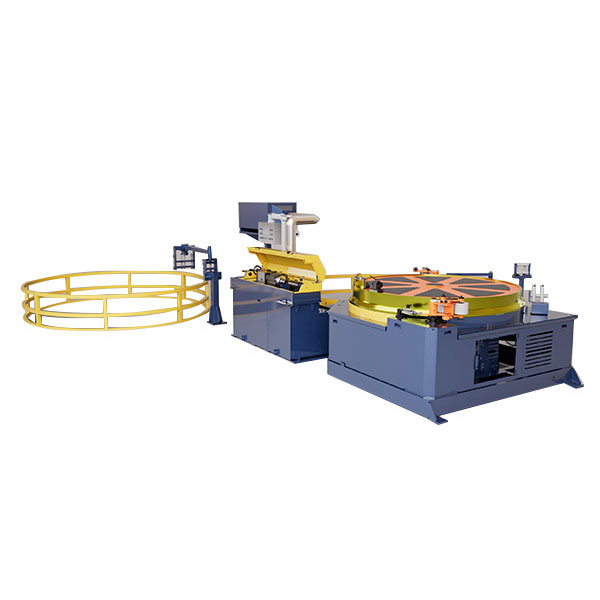
In the fast-paced world of wire and cable manufacturing, efficiency and precision are non-negotiable. An Automatic Rewinding Machine from FangRong is engineered to meet these demands, offering seamless rewinding, tension control, and consistent output quality. Whether you are processing copper, aluminum, or specialty alloys, this machine ensures that every spool is wound to perfection, reducing downtime and material waste. FangRong has long been a trusted name in the industry, and their automatic rewinding solutions are designed to integrate effortlessly with cold drawing, annealing, and straightening lines. In this blog, we will explore what an automatic rewinding machine is, why it matters, how it works, which models suit different applications, and when you should consider upgrading your production line.

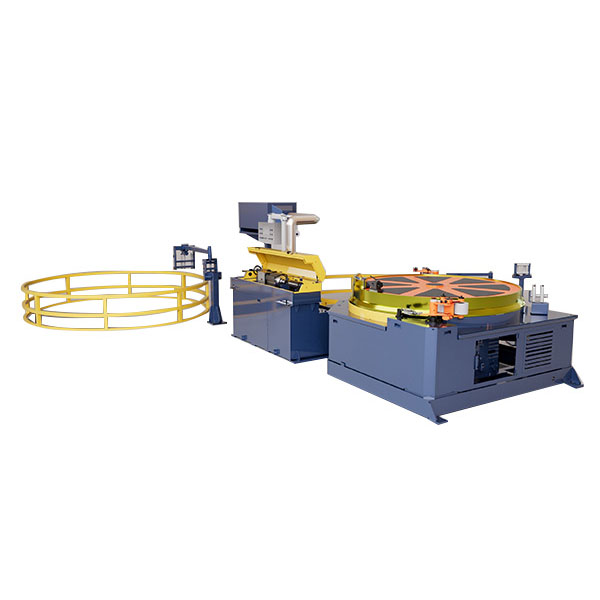
Automatic Rewinding Machine

Table of Contents

What Is an Automatic Rewinding Machine?

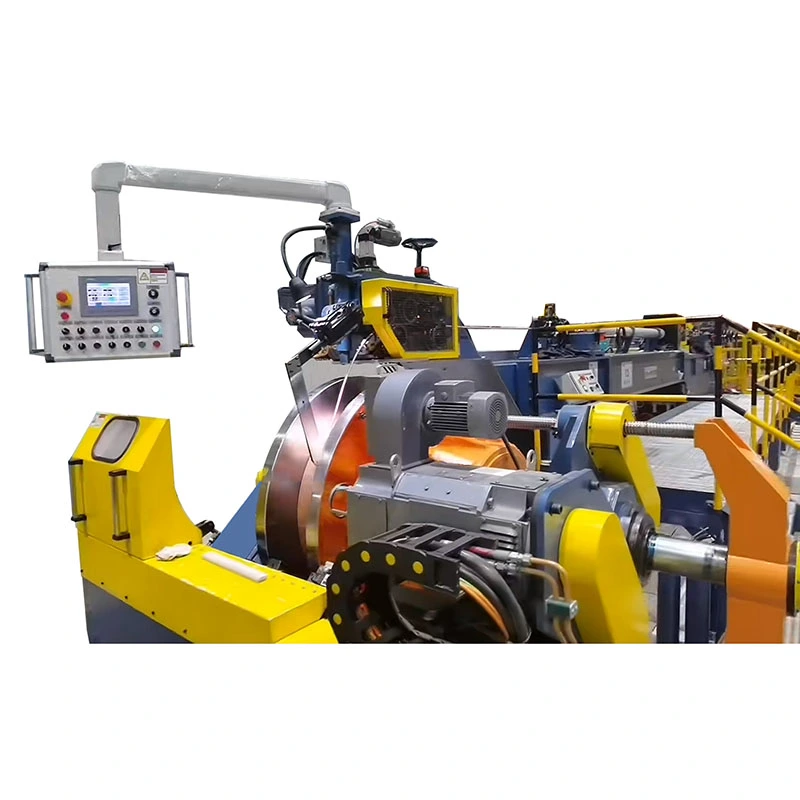
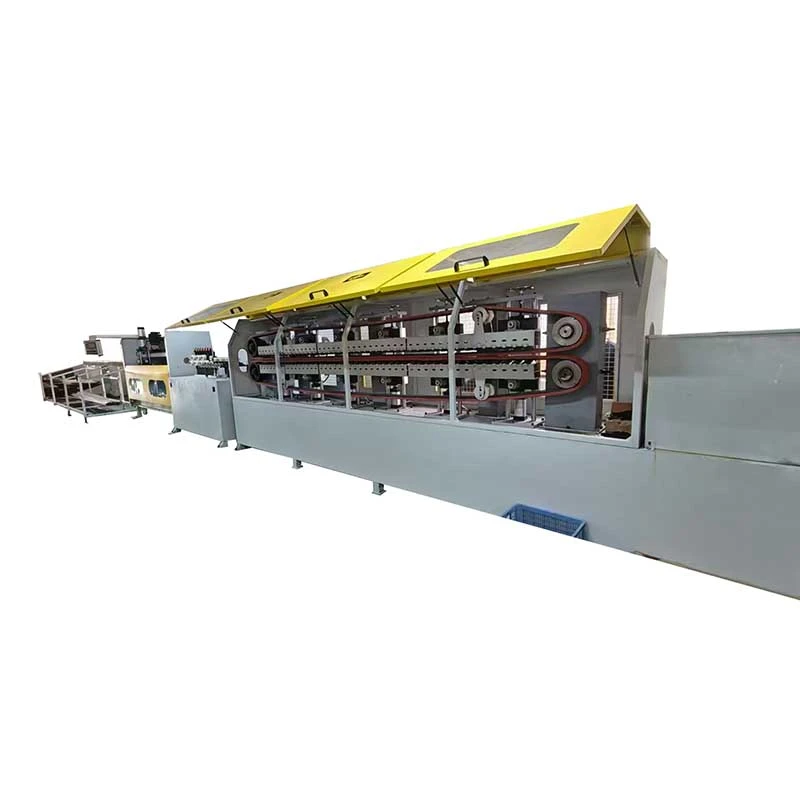
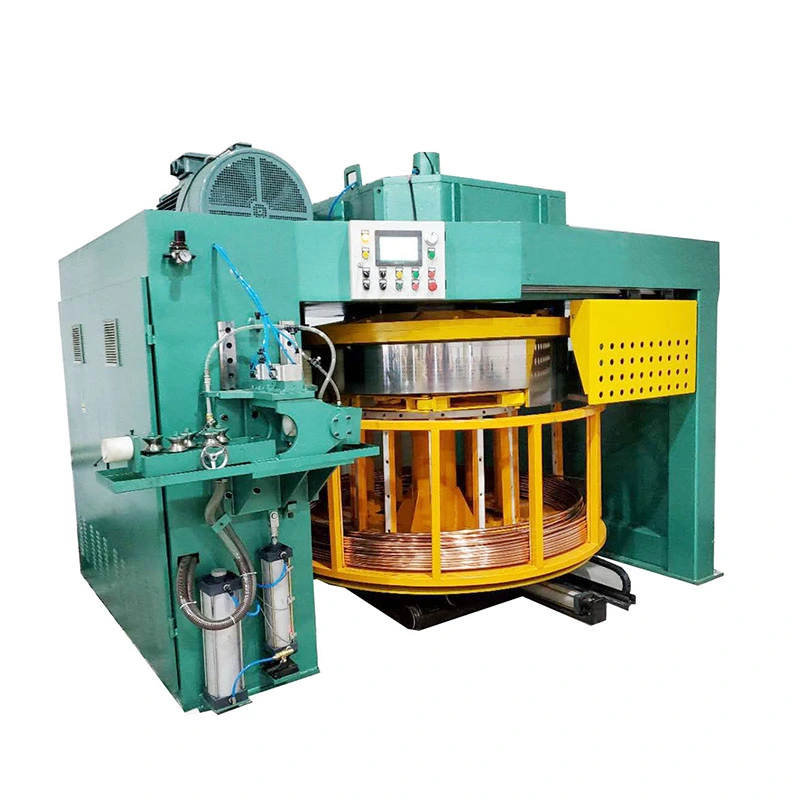
An automatic rewinding machine is a specialized piece of equipment used to transfer wire, cable, or thread from one spool to another with minimal manual intervention. Unlike semi-automatic or manual rewinders, it incorporates motorized tension control, precise traverse systems, and programmable logic controllers (PLCs) to ensure uniform winding density and length accuracy. In the context of wire production, these machines are often placed downstream of drawing or annealing lines to rewind finished wire onto shipping spools or to re-spool jumbo coils into smaller, customer-ready packages. FangRong’s automatic rewinding machines are built with robust frames, servo-driven traverses, and user-friendly HMI interfaces, making them suitable for high-speed continuous operation. The key benefit is consistency: every spool is wound to the same tension and pattern, which prevents tangling, reduces breakage during subsequent processing, and improves the overall quality of the final product.

Why Is It Critical for Wire and Cable Manufacturers?

The importance of an automatic rewinding machine cannot be overstated, especially in industries where wire diameter, surface finish, and spool geometry directly affect downstream processes such as extrusion, stranding, or cabling. Manual rewinding introduces variability: operator fatigue can lead to inconsistent tension, uneven layers, and spool damage. Automatic systems eliminate these issues by maintaining constant tension through dancer rollers or load cells, and by using servo motors to synchronize the traverse with the line speed. This results in fewer stoppages, less scrap, and higher productivity. Additionally, automatic rewinding machines can integrate with inline measurement devices to cut wire at precise lengths, reducing waste. For manufacturers aiming to meet ISO or customer-specific quality standards, an automatic rewinder provides traceable, repeatable results. FangRong’s machines also feature quick-change spool chucks and automatic unloading options, which further reduce changeover times and labor costs.

How Does an Automatic Rewinding Machine Operate?

Understanding the operation of an automatic rewinding machine helps in selecting the right model and planning maintenance. The process typically follows these steps:

  1. Pay-off: The source spool is mounted on a pay-off stand, and the wire is threaded through a tension control unit.
  2. Tensioning: A dancer roller or load cell continuously measures wire tension and sends feedback to the PLC, which adjusts the pay-off brake or motor speed.
  3. Traverse winding: A servo-driven traverse guide moves the wire back and forth across the take-up spool, laying it in precise, uniform layers. The pitch and layer count are programmed via the HMI.
  4. Length measurement: An encoder or measuring wheel tracks the wire length. Once the target length is reached, the machine automatically stops and cuts the wire (if equipped with a cutter).
  5. Spool change and unloading: The full spool is released, and a new empty spool is loaded—either manually or automatically depending on the model.

The entire cycle is monitored by sensors that detect wire breakage, spool full condition, or tension errors, triggering alarms or automatic stops to prevent defects. FangRong’s control systems are designed for intuitive operation, with recipe management and fault diagnostics built in.

Which Automatic Rewinding Machine Fits Your Production?

Choosing the right model depends on wire material, diameter range, spool size, and line speed. Below is a comparison table of typical configurations offered by FangRong to help you match machine specifications to your needs.

Model Series Wire Diameter Range (mm) Max Line Speed (m/min) Spool Size (mm) Control System Typical Application
FR-AR200 0.1 – 1.5 600 200 – 400 PLC + HMI Fine wire, electronics
FR-AR400 0.5 – 4.0 400 300 – 630 Servo + PLC Building wire, automotive
FR-AR630 1.0 – 8.0 300 500 – 800 Servo + PLC + Load Cell Power cable, bare copper
FR-AR800 2.0 – 12.0 200 630 – 1000 Servo + PLC + Auto unloading Heavy-duty, steel wire

Additional options such as automatic cutter, spool ejector, and inline diameter measurement can be added to tailor the machine to your process. FangRong’s engineering team can also customize the traverse pitch, tension range, and spool chuck design to accommodate non-standard spools.

When Should You Invest in an Automatic Rewinding Machine?

Several signs indicate that your production line would benefit from an automatic rewinding upgrade:

  • You experience frequent wire tangling or breakage during downstream processing.
  • Manual rewinding labor costs are rising, and you struggle to find skilled operators.
  • Your customers demand consistent spool lengths and tension, with traceability records.
  • Your current rewinders are outdated, causing excessive downtime and scrap.
  • You plan to increase line speed or expand production capacity.
  • You need to comply with stricter quality management system requirements.

Investing in an automatic rewinding machine from FangRong not only addresses these pain points but also future-proofs your operation. With modular designs and upgradeable software, these machines can grow with your business. Additionally, energy-efficient servo drives and optimized tension control reduce power consumption, contributing to lower operating costs over the machine’s lifespan.

Frequently Asked Questions

Q1: What is the maximum spool weight an automatic rewinding machine can handle?
A: FangRong’s standard models handle spools up to 500 kg, with custom solutions available for heavier loads up to 1,000 kg.

Q2: Can the machine rewind both copper and aluminum wire?
A: Yes, the tension control system is adjustable for different materials, and the traverse guide is designed to prevent surface damage on softer wires.

Q3: How long does it take to change a spool?
A: With quick-release chucks and optional automatic spool changers, changeover can be completed in under 30 seconds, minimizing downtime.

Q4: Is operator training included with the purchase?
A: FangRong provides comprehensive on-site training and remote support, plus a detailed operation manual and video tutorials.

Q5: What is the lead time for a custom automatic rewinding machine?
A: Typical lead time is 8–12 weeks, depending on customization requirements and current order volume.

Conclusion

An automatic rewinding machine is no longer a luxury but a necessity for wire and cable manufacturers seeking consistent quality, higher throughput, and reduced labor dependency. FangRong’s automatic rewinding solutions combine robust engineering, intelligent controls, and flexible configurations to meet the diverse needs of the industry. Whether you are processing fine electronic wire or heavy-duty power cable, investing in the right model will pay dividends through lower scrap rates and happier customers. To discuss your specific material, product specifications, production process, and equipment requirements, contact us today and let FangRong’s engineers recommend the ideal automatic rewinding machine for your application.

Related News
Leave me a message
X
We use cookies to offer you a better browsing experience, analyze site traffic and personalize content. By using this site, you agree to our use of cookies. Privacy Policy
RejectAccept