News
News

Stay updated with FangRong’s latest innovations, certifications, global expansions, and successful project deliveries in automotive, aerospace, new energy, and other high-precision sectors.

How Can an Automatic Cutting Machine Improve Metal Processing Efficiency and Cutting Precision

2026-11-06 0 Leave me a message

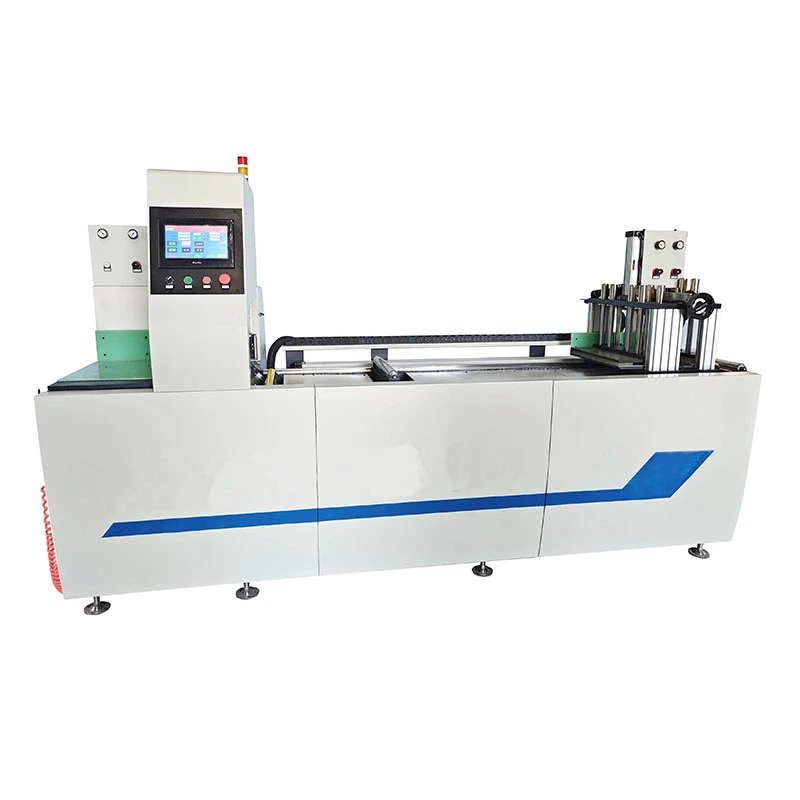
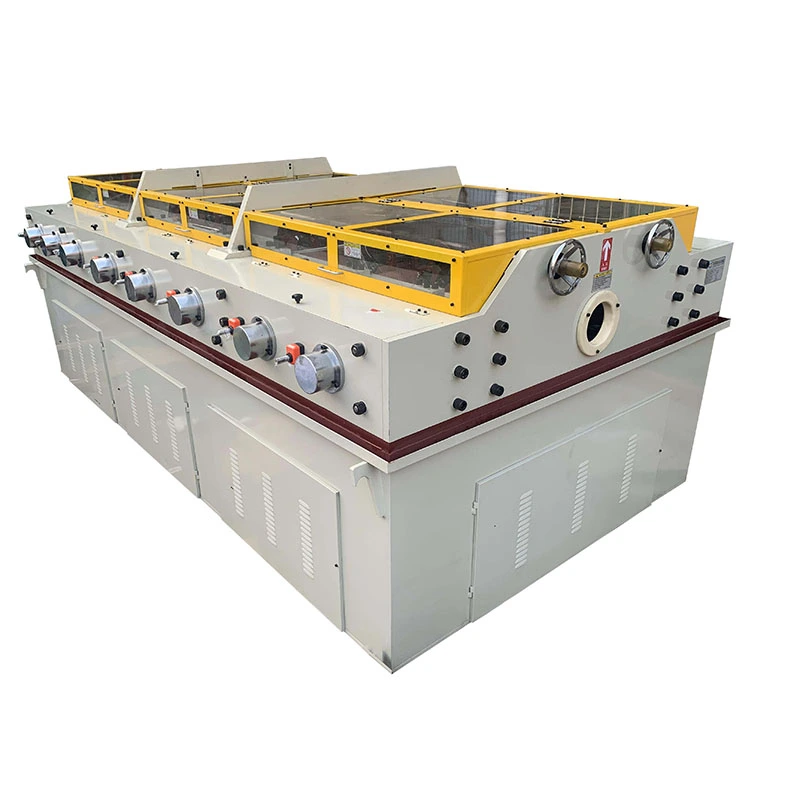
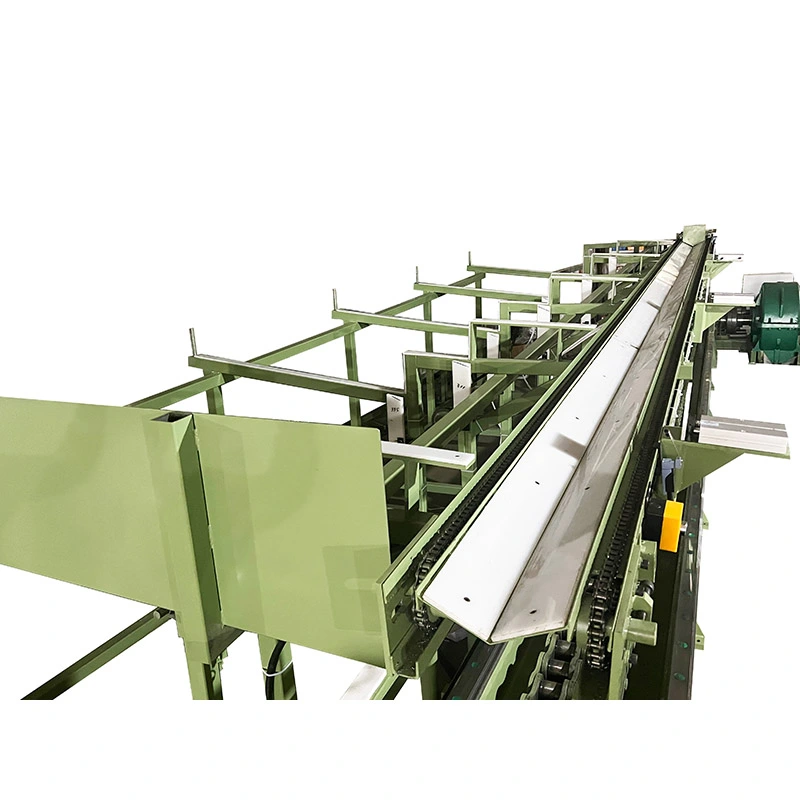
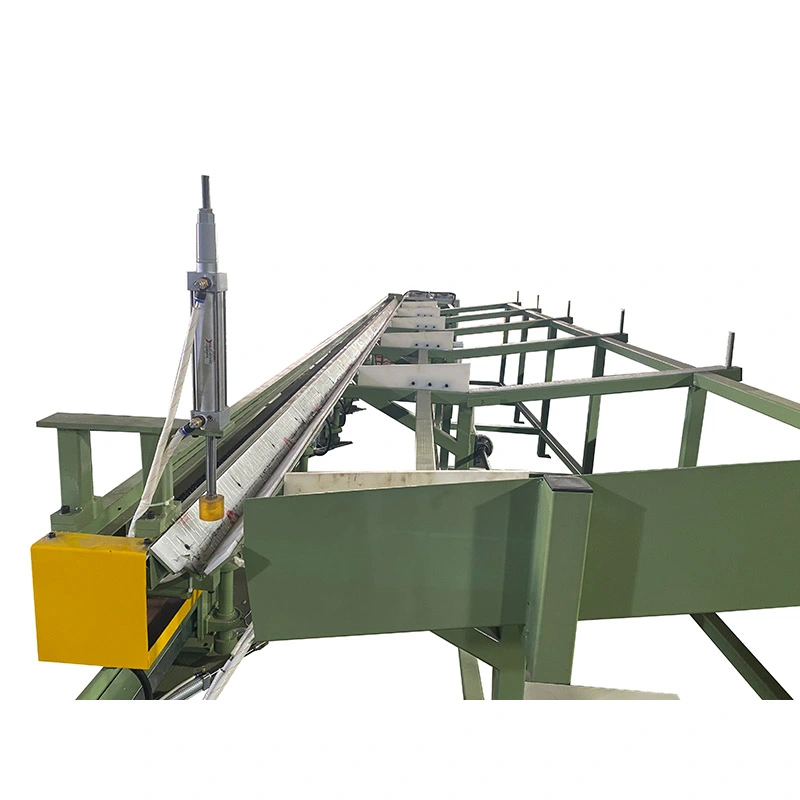
In modern metal manufacturing, achieving consistent cutting dimensions while maintaining high production efficiency is essential for controlling costs and ensuring product quality. Fangrong provides advanced Automatic Cutting Machine solutions designed for fixed-length cutting of steel tubes, stainless steel tubes, aluminum tubes, copper tubes, metal bars, and profiles. By combining automatic feeding, precise positioning, reliable clamping, and controlled cutting operations, this equipment helps manufacturers reduce manual handling, improve production consistency, and optimize repetitive metal processing operations.

An Automatic Cutting Machine is an essential piece of equipment for metal processing manufacturers that require accurate, repeatable, and efficient cutting operations. Compared with conventional manual cutting methods, automated systems help simplify material feeding, positioning, clamping, and cutting. This article explains how automatic cutting technology works, which materials it can process, what factors influence cutting precision, and how manufacturers can select the right equipment for their production requirements. It also explores Fangrong's manufacturing capabilities, quality inspection procedures, and equipment integration solutions for industrial applications.

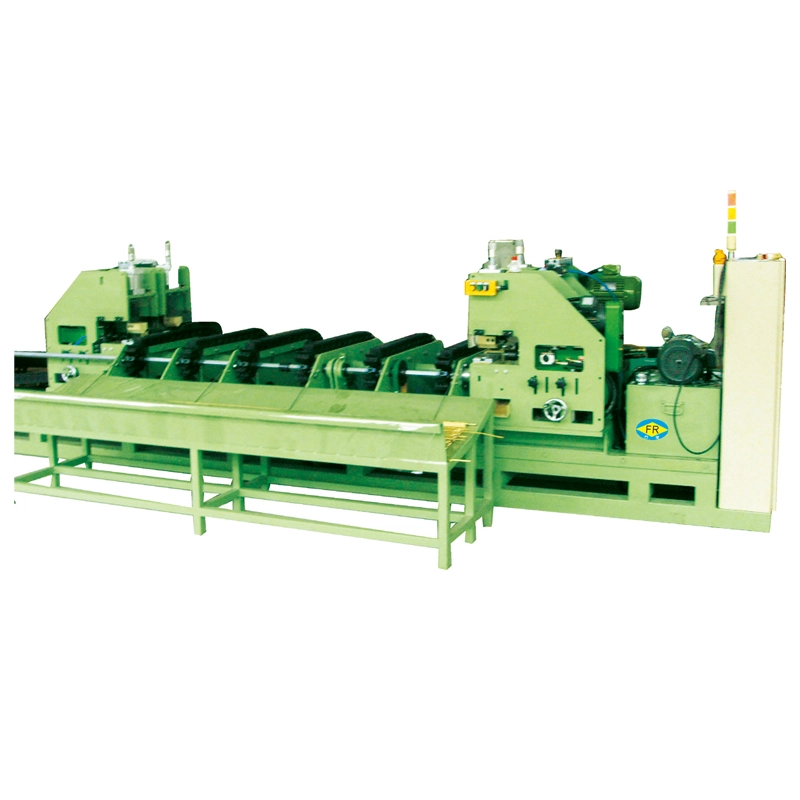
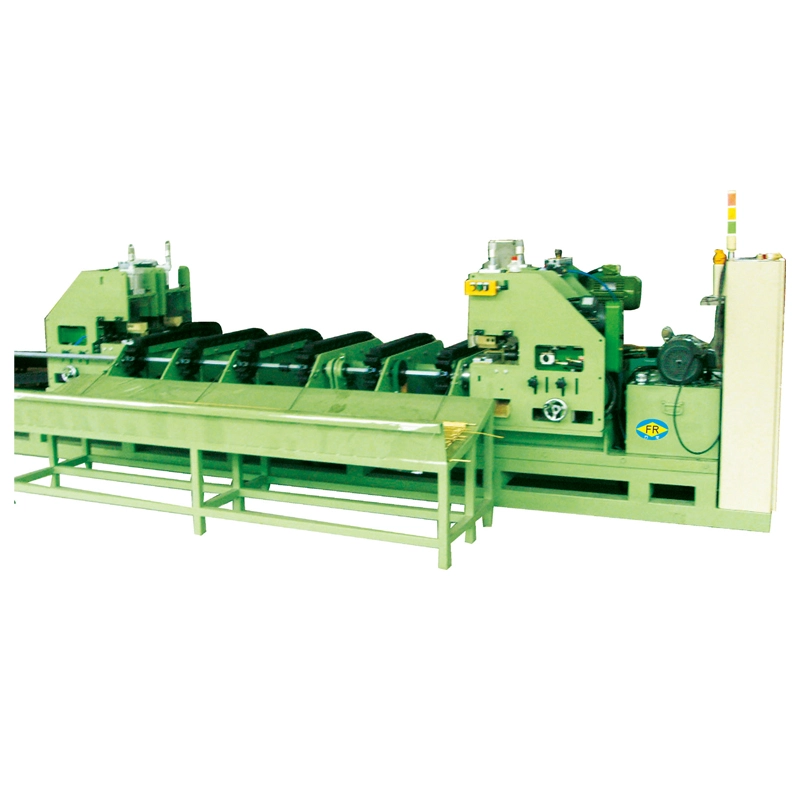
Automatic Cutting Machine

Table of Contents


1. What Is an Automatic Cutting Machine?

An Automatic Cutting Machine is industrial equipment designed to cut long metal materials into predetermined lengths with minimal manual intervention. It is commonly used in factories that process metal tubes, solid bars, profiles, and other materials requiring consistent dimensions.

Unlike traditional manual cutting equipment, an automated system coordinates several operations through mechanical and electrical control. The operator establishes the required cutting length, and the machine performs the feeding, positioning, clamping, and cutting sequence according to the configured production parameters.

Typical materials suitable for customized configurations include:

  • Carbon steel: Used in structural components, machinery parts, and industrial fabrication.
  • Stainless steel: Suitable for applications requiring corrosion resistance and dimensional consistency.
  • Aluminum: Commonly processed for frames, furniture structures, and lightweight industrial components.
  • Copper and brass: Used in electrical components, fittings, and specialized metal products.
  • Metal profiles and bars: Processed into specified lengths for subsequent machining, welding, or assembly.

The machine configuration should always be determined by the actual material characteristics, workpiece dimensions, and production requirements.


2. How Does an Automatic Cutting Machine Work?

The working principle of an Automatic Cutting Machine is based on a coordinated sequence of material feeding, length positioning, workpiece clamping, cutting, and finished-product discharge.

Although the specific mechanical arrangement may vary depending on the application, a typical automated cutting process includes the following stages:

  1. Material Loading: Long metal tubes, bars, or profiles are placed into the feeding section.
  2. Automatic Feeding: The feeding mechanism moves the material toward the cutting position.
  3. Length Positioning: The control system establishes the required cutting length and positions the workpiece accordingly.
  4. Workpiece Clamping: The clamping mechanism secures the material to minimize unwanted movement during cutting.
  5. Automatic Cutting: The cutting mechanism performs the required cutting operation.
  6. Finished Product Discharge: The completed section is released, allowing the next production cycle to begin.

This coordinated process reduces repeated manual measurement and positioning. For manufacturers handling large batches of identical components, automation can improve workflow consistency and reduce unnecessary operator intervention.

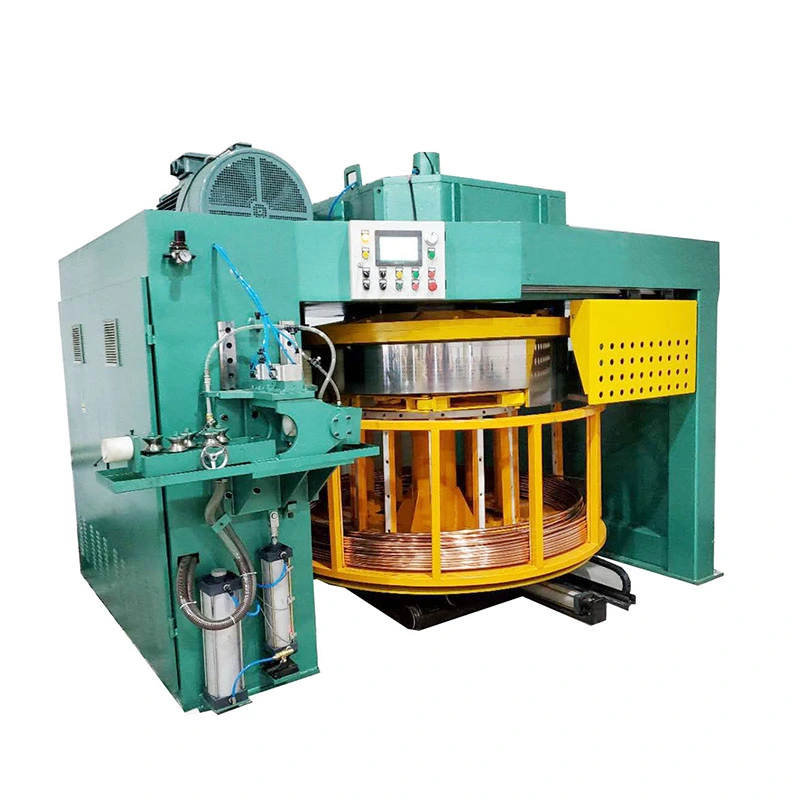
For more specialized metal processing requirements, manufacturers can also explore Cold Drawing and Cutting Machine solutions.


3. What Materials Can an Automatic Cutting Machine Process?

Material compatibility is one of the most important considerations when selecting cutting equipment. Different metals have different hardness levels, mechanical properties, cross-sectional structures, and cutting characteristics.

For example, stainless steel may require different cutting conditions from aluminum, while thin-wall metal tubes need appropriate support to prevent deformation during clamping.

The following table summarizes common material applications:

Material Typical Workpieces Common Applications Important Considerations
Carbon Steel Steel tubes and solid bars Machinery and construction Material hardness and cutting conditions
Stainless Steel Round tubes and metal profiles Industrial equipment and fabrication Cutting quality and workpiece stability
Aluminum Aluminum tubes and extruded profiles Furniture and lightweight structures Clamping pressure and surface protection
Copper Copper tubes and bars Electrical and industrial components Material deformation and cutting requirements
Brass Brass rods and profiles Hardware and mechanical fittings Cross-sectional dimensions and positioning

Before purchasing equipment, buyers should provide the material grade, dimensions, and product drawings whenever possible. These details help manufacturers determine the appropriate feeding, clamping, and cutting arrangements.


4. What Are the Key Advantages of Automatic Cutting Technology?

Automated cutting equipment offers several practical benefits for manufacturers seeking to improve production efficiency and maintain stable product dimensions.

4.1 Improved Cutting Consistency

Manual cutting often depends on repeated measurement and operator positioning. An automatic system follows configured length parameters, helping maintain more consistent dimensions throughout repetitive production batches.

4.2 Reduced Manual Handling

Automatic feeding and positioning reduce the need for operators to repeatedly move and measure long metal materials. This can simplify production workflows and allow workers to focus on supervision and other manufacturing tasks.

4.3 Better Production Efficiency

Once the machine parameters are established, the feeding and cutting sequence can be repeated automatically. This is particularly valuable for manufacturers producing large quantities of metal components with identical or similar specifications.

4.4 More Organized Production Management

Programmable cutting lengths and repeatable operating procedures make production planning easier. Manufacturers can organize batches according to product specifications and reduce unnecessary adjustments between processing stages.

4.5 Easier Integration with Existing Equipment

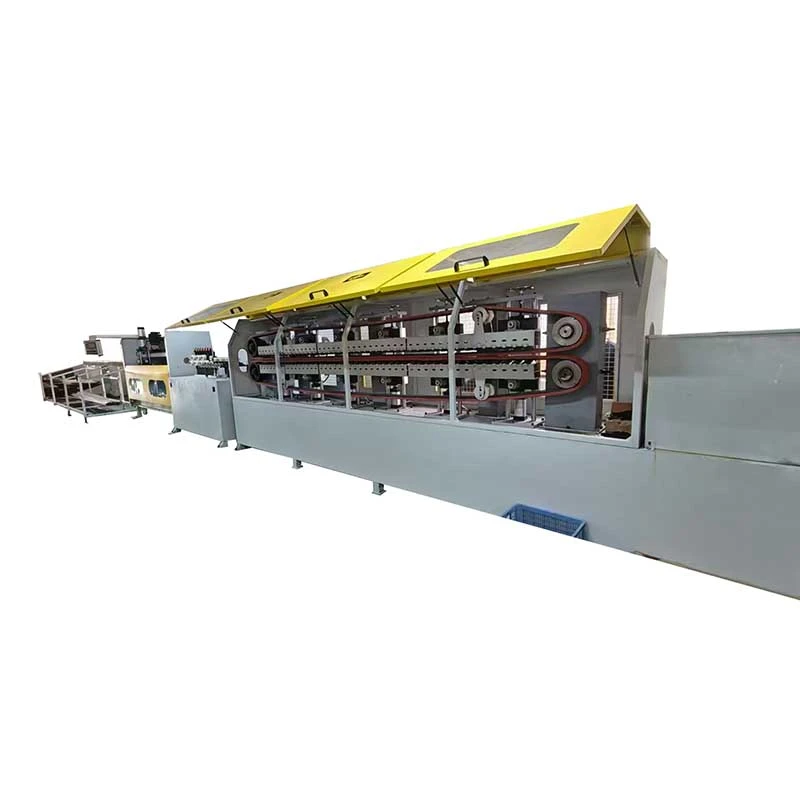
An Automatic Cutting Machine can be incorporated into a broader metal processing workflow. Depending on the production sequence, it may work alongside straightening, cold drawing, pointing, and other specialized machinery.


5. What Determines Cutting Precision?

Cutting accuracy depends on more than the machine's control system. Mechanical stability, material characteristics, feeding performance, clamping conditions, and cutting tool condition all influence the final result.

Several important factors should be evaluated before production begins.

  • Feeding accuracy: The material must move to the specified cutting position consistently.
  • Positioning stability: The positioning mechanism should maintain the required length throughout repeated cycles.
  • Clamping performance: The workpiece must remain secure without excessive pressure that could deform thin-wall tubes.
  • Mechanical rigidity: A stable machine structure helps reduce vibration and unwanted movement during operation.
  • Cutting tool condition: Tool wear and maintenance influence cutting quality and dimensional consistency.
  • Material characteristics: Hardness, wall thickness, cross-sectional shape, and surface condition affect processing results.

According to Fangrong's published manufacturing specifications, the cutting-length precision test includes a stated tolerance of ±0.5 mm. Actual production results should be confirmed according to the selected configuration, workpiece dimensions, material properties, and operating conditions.

For manufacturers with strict dimensional requirements, it is advisable to establish acceptance criteria and verify sample cutting results before confirming the final equipment configuration.


6. How to Select the Right Automatic Cutting Machine?

Choosing industrial cutting equipment based only on its appearance or advertised production speed can lead to unsuitable configurations. A better approach is to evaluate the actual production process and provide detailed technical information to the equipment manufacturer.

6.1 Identify the Material Type

Determine whether the machine will process carbon steel, stainless steel, aluminum, copper, brass, or multiple materials. Material properties influence the required cutting arrangement and mechanical configuration.

6.2 Confirm Workpiece Dimensions

For tube applications, provide the outside diameter and wall thickness. For solid bars and profiles, provide the complete cross-sectional dimensions or technical drawings.

6.3 Define Cutting Length and Tolerance

Specify the required finished length and acceptable dimensional deviation. If the cut components will be used directly in welding, machining, or assembly, consider the requirements of the following production stage.

6.4 Evaluate Production Volume

Expected daily or monthly output influences feeding speed, cycle time, and automation requirements. High-volume production may require a different configuration from small-batch manufacturing with frequent specification changes.

6.5 Consider Future Production Requirements

Manufacturers should also evaluate whether they expect to process additional materials, dimensions, or product types in the future. A suitable customized configuration can help improve equipment utilization over its operating life.

The following checklist can help buyers prepare for equipment selection:

Selection Parameter Information to Prepare Why It Matters
Material Steel, stainless steel, aluminum, copper, etc. Determines cutting configuration
Workpiece Size Diameter, wall thickness, or cross-section Determines feeding and clamping design
Cutting Length Minimum and maximum required lengths Defines positioning requirements
Dimensional Tolerance Acceptable cutting deviation Establishes quality standards
Production Volume Daily or monthly output Influences automation and cycle time
Production Layout Existing machines and available space Supports production line integration

7. What Are the Industrial Applications of Automatic Cutting Machines?

Automatic cutting technology is widely applicable to manufacturing processes that require repeated metal components with predetermined lengths.

Automotive Manufacturing

Automotive factories process various metal tubes, bars, and profiles for structural components, exhaust systems, and fabricated parts. Consistent cutting lengths help improve the efficiency of subsequent welding, forming, and assembly operations.

Construction and Furniture Manufacturing

Steel tubes and aluminum profiles are commonly used in building structures, furniture frames, support components, and industrial installations. Automatic cutting helps manufacturers handle repetitive dimensions in batch production.

Machinery and Hardware Production

Machinery manufacturers frequently require metal bars, tubes, and profiles cut to specified lengths before machining, drilling, welding, or assembly. Automated cutting provides a more organized approach to preparing these materials.

Metal Processing and Fabrication

Specialized metal processing factories can use automatic cutting equipment as part of a broader production system. It is especially useful when material preparation involves multiple consecutive manufacturing operations.


8. Fangrong Manufacturing Quality and Engineering Assurance

Choosing a reliable equipment supplier is just as important as selecting the correct machine configuration. Manufacturing experience, engineering capabilities, inspection procedures, and technical support all influence long-term equipment performance.

Established in 1998, Fangrong specializes in metallurgical machinery, including cold drawing machines, straightening machines, pointing machines, and related metal processing equipment.

According to its published company information, Fangrong has supplied equipment to more than 10,000 customers and exported products to over 60 countries and regions, serving applications across more than 60 industries.

Manufacturing Facilities and Engineering Capabilities

Dongguan Fangrong Metallurgical Equipment Co., Ltd. is located in Dalang Town, Dongguan City, Guangdong Province. Its manufacturing activities cover precision cold drawing machinery, straightening equipment, and related industrial machinery.

Yangjiang Fangrong Machinery Co., Ltd., located in Yangdong District, Yangjiang City, Guangdong Province, provides additional manufacturing capacity and supports equipment production and customer projects.

Manufacturing Quality and Engineering Assurance

Fangrong follows a structured manufacturing process designed to establish mechanical stability and support reliable equipment operation.

The manufacturing and assembly process generally includes:

  1. Mechanical and electrical engineering design based on customer requirements.
  2. Structural material preparation, welding, and stress-relief treatment.
  3. Leveling and precision machining of key mechanical components.
  4. Assembly of feeding, positioning, clamping, and cutting mechanisms.
  5. Electrical installation involving the control cabinet, PLC, servo system, sensors, and wiring.
  6. Trial operation, calibration, and pre-delivery performance inspection.

Before delivery, the machine undergoes testing procedures that include no-load running, feeding accuracy verification, cutting-length inspection, and continuous operation under simulated production conditions.

Fangrong also operates under an ISO 9001:2015 quality management system. Applicable CE compliance documentation and independent SGS inspection services are available for relevant equipment projects.


9. Production Line Integration and After-Sales Support

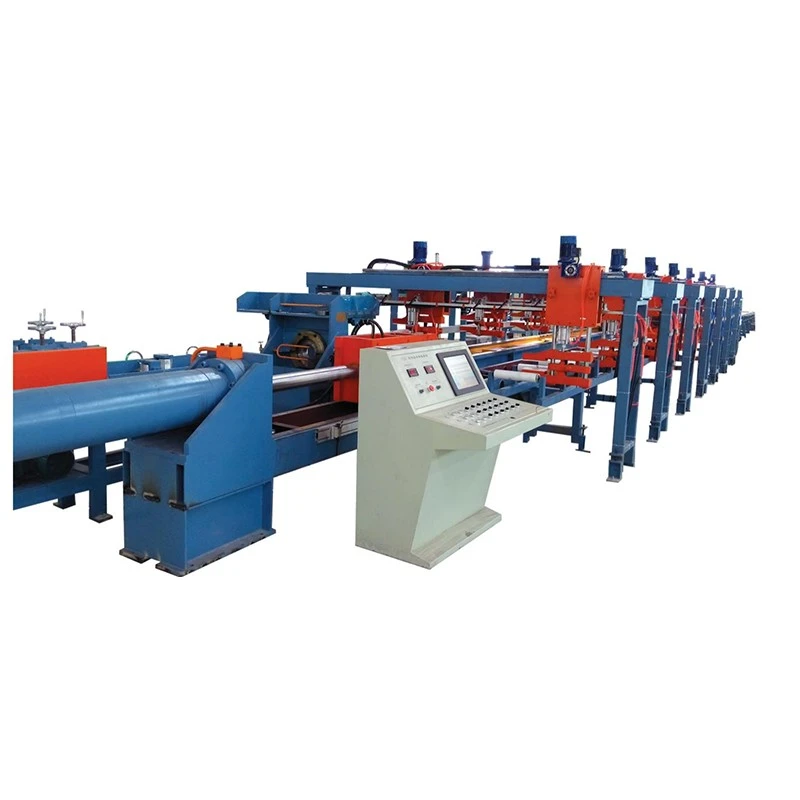
For manufacturers seeking to improve overall production efficiency, an Automatic Cutting Machine can be considered as part of an integrated metal processing line rather than an isolated workstation.

Depending on the manufacturing sequence, the equipment may be integrated with:

  • Straightening Machines for improving material straightness before or after specific processing stages.
  • Cold Drawing and Cutting Machines for combined material drawing and cutting operations.
  • Pointing Machines for preparing tube or bar ends for subsequent processing.
  • Chamfering Machines for additional edge and end preparation.

The final production layout should account for material direction, transfer methods, line speed, equipment spacing, and the destination of finished workpieces.

Packaging, Installation, and Technical Support

Fangrong prepares machinery for shipment according to its structural and transportation requirements. Moisture-resistant and shock-resistant packaging is used where necessary, while operating manuals and relevant documentation are supplied with the equipment.

After delivery, customers can receive installation guidance, operator training, technical support, and spare-parts services. The published standard warranty period is 12 months, excluding normal wear parts.

These services help manufacturers establish a more complete equipment procurement and operation process, from initial technical communication to ongoing production support.


10. Frequently Asked Questions About Automatic Cutting Machines

Q1: What materials can an Automatic Cutting Machine cut?

Depending on the machine configuration, it can process carbon steel, stainless steel, aluminum, copper, brass, and other metal materials. The appropriate configuration depends on material properties, workpiece dimensions, and cutting requirements.

Q2: Can an Automatic Cutting Machine cut metal tubes and solid bars?

Yes. The equipment can be configured for metal tubes, solid bars, and various profiles. Different cross-sectional shapes require suitable feeding and clamping arrangements to ensure stable positioning during cutting.

Q3: What cutting accuracy can Fangrong's machine achieve?

Fangrong's published manufacturing specifications include a cutting-length precision test with a stated tolerance of ±0.5 mm. Actual production accuracy depends on material characteristics, workpiece dimensions, machine configuration, and operating conditions.

Q4: Can the machine produce different cutting lengths?

Yes. The control system can be configured for different target cutting lengths. Buyers who frequently change product specifications should discuss the required adjustment and changeover method during the equipment design stage.

Q5: Is an Automatic Cutting Machine suitable for thin-wall metal tubes?

Yes, provided the equipment is configured for the specific tube dimensions and material. Thin-wall tubes require appropriate feeding support and clamping pressure to prevent unwanted movement or deformation during cutting.

Q6: Can the equipment be integrated into an existing production line?

Yes. It can be integrated with straightening machines, cold drawing machines, pointing machines, and other metal processing equipment. The final arrangement depends on production sequence, material flow, available space, and line speed.

Q7: What information is needed to obtain a machine quotation?

Buyers should provide the material type, tube diameter or bar dimensions, wall thickness if applicable, required cutting lengths, acceptable tolerance, expected production quantity, and automation requirements. Product drawings and workpiece photographs are also helpful.

Q8: Does Fangrong provide customized cutting equipment?

Yes. Fangrong can configure equipment according to the customer's material, workpiece dimensions, cutting length, production capacity, and automation requirements. Final technical specifications should be confirmed based on actual production data.

Q9: Does Fangrong provide installation and after-sales support?

Yes. Installation guidance, operator training, technical assistance, and spare-parts services are available. The published standard warranty is 12 months, excluding normal wear parts.


11. Conclusion: Choosing a Reliable Automatic Cutting Solution

An Automatic Cutting Machine plays an important role in modern metal processing by improving the consistency of fixed-length cutting, reducing repetitive manual operations, and supporting more efficient batch production. However, achieving reliable results requires more than simply purchasing automated equipment. Material characteristics, workpiece dimensions, cutting tolerances, feeding performance, and production line requirements must all be considered during machine selection.

With experience in metallurgical machinery manufacturing, established production facilities, and customized engineering capabilities, Fangrong provides solutions for manufacturers processing metal tubes, bars, and profiles. Whether you need a standalone cutting machine or equipment integrated into a complete metal processing line, selecting the right configuration can help improve production stability and long-term manufacturing efficiency.

Looking for a reliable Automatic Cutting Machine for your metal processing project? Contact Fangrong to discuss your material specifications, cutting length, production capacity, and customized equipment requirements. Our engineering team can help evaluate your application and recommend a suitable solution. Explore Fangrong's Automatic Cutting Machine or contact us today to request technical information and a customized quotation.

Related News
Leave me a message
X
We use cookies to offer you a better browsing experience, analyze site traffic and personalize content. By using this site, you agree to our use of cookies. Privacy Policy
RejectAccept